


Why is Scaffolding Safety More Critical Than Ever in 2026?
The Rising Complexity of Modern Construction Sites
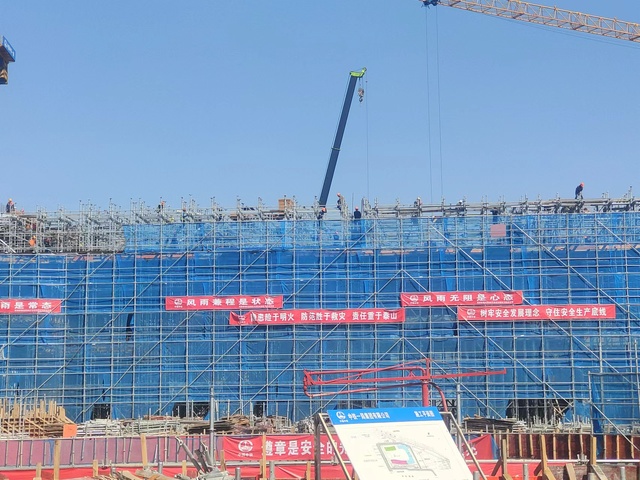
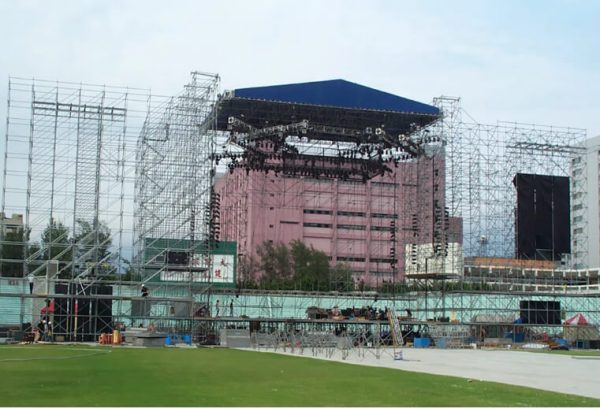
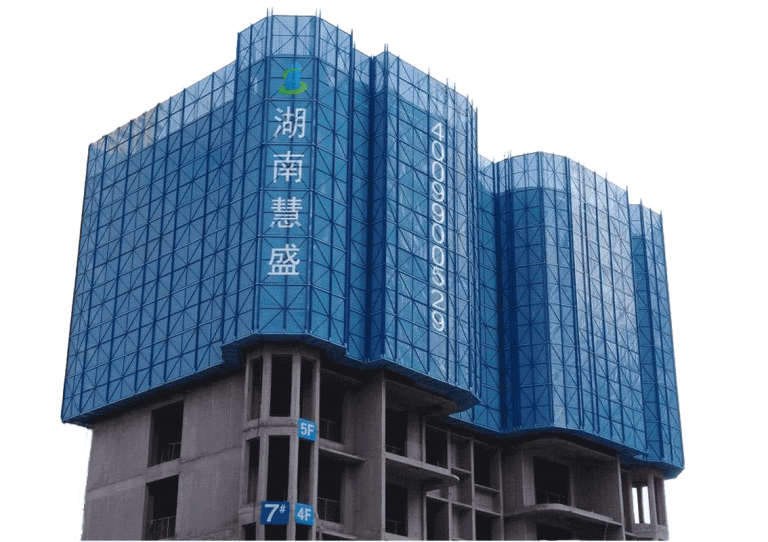
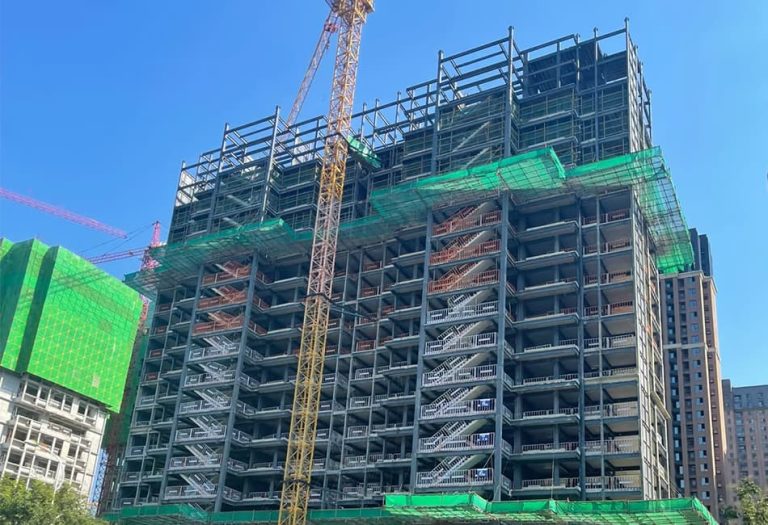
The construction field in 2026 stands out for its drive toward bold building designs. These include taller structures, more intricate shapes, and often tighter schedules. Skyscrapers, bridges, and industrial sites stretch engineering limits. As a result, scaffolding setups need to handle greater weights. They also must endure tougher weather forces. Such demanding settings often push teams to favor quick progress over caution. However, this choice can bring severe outcomes. When teams ignore scaffolding safety rules, small mistakes can grow into major disasters. These incidents threaten lives and harm the company’s image.
The Hidden Financial Costs of Safety Negligence
From a management viewpoint, skipping scaffolding safety harms more than just staff. It creates serious financial losses for the whole project. Accidents lead to direct expenses like hospital bills and penalties from rules such as OSHA in the United States or similar ones elsewhere. Indirectly, they raise insurance rates. They also break workflow and cause expensive halts. One scaffold fall can stop activities for weeks. This drains funds through unused workers and late results. In times when profits are slim, a strong focus on scaffolding safety is both right and smart for finances.
Tip 1: How Can You Prevent Scaffolding Overload Failures?
Calculating Accurate Load Limits Before Assembly
Overloading remains one of the most frequent causes of scaffold collapse. Before assembly begins, engineers must calculate both static and dynamic load capacities with precision. This includes accounting for the combined weight of workers, tools, and stored materials such as steel beams or concrete blocks. Every kilogram added to the platform influences structural stress distribution. Loads should be evenly spread across all ledgers and braces to prevent localized failure points. Ignoring these calculations can cause progressive buckling that compromises the entire scaffold’s integrity.
The Role of Upgraded Structural Steel in Load Bearing
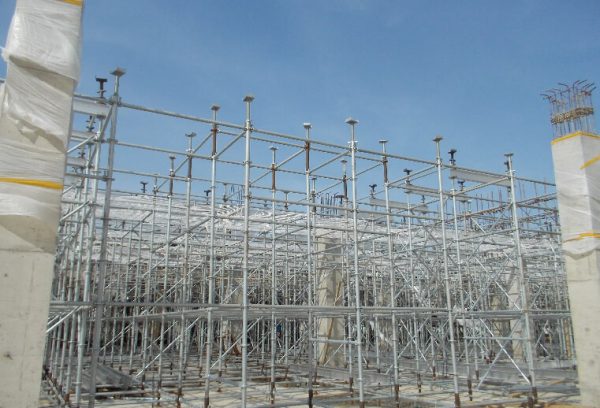
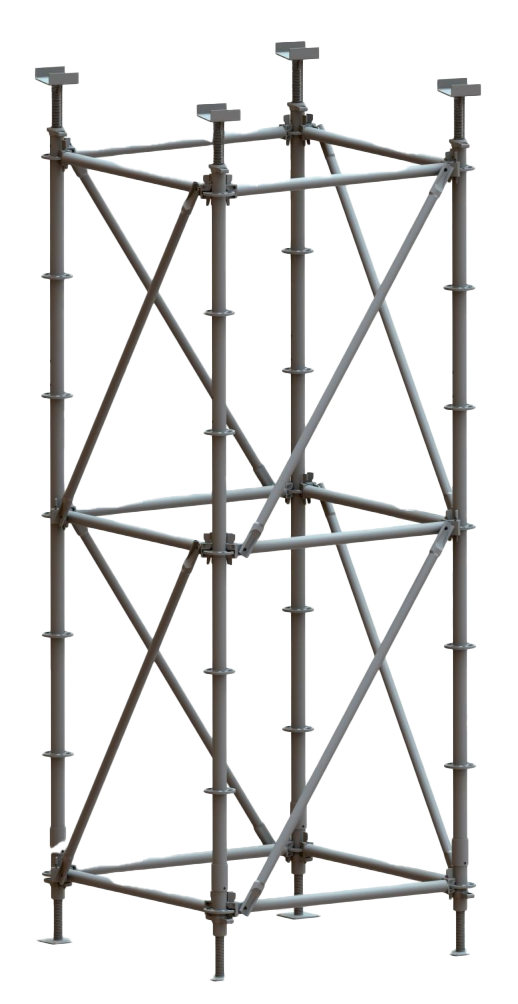
Advances in materials have changed scaffolding setups today. Basic carbon steel is slowly giving way to low-alloy structural steel built for tougher stress. It features better technology, smart joint designs, and solid links. Plus, it uses improved base materials with low-alloy structural steel. The inside and outside get hot-dip galvanized for rust protection. This gives a long lifespan, a clean look, and a nice appearance. Automatic welding brings high accuracy, good swapability, and top quality. The setup stays steady, holds more weight, and works safely. At GOWE, we add these improvements to our Ringlock Scaffolding System for better load support. The Ringlock scaffolding system is divided into types–M48 and M60 systems–which mainly consist of standard, ledger, diagonal brace, base jack, base collar, and head jack. This setup sends forces through many points for great steadiness in tough tasks.
Tip 2: Are Your Workers Using Designated Safe Access Points?
The Dangers of Improvised Climbing and Frame Scaling
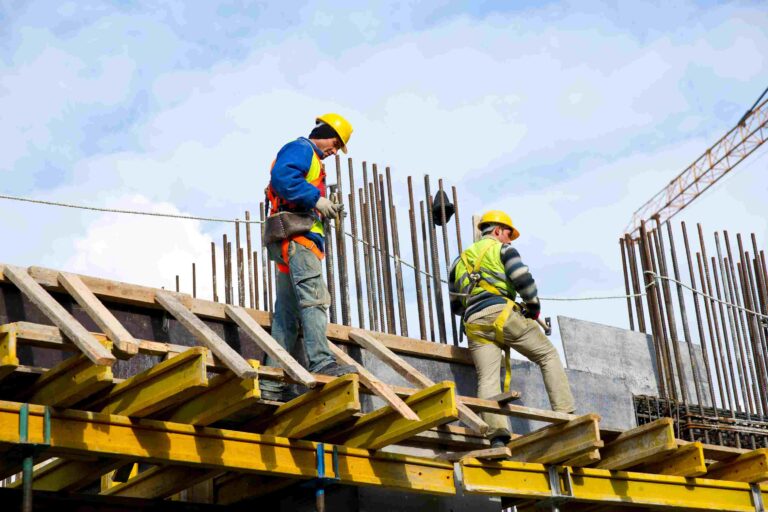
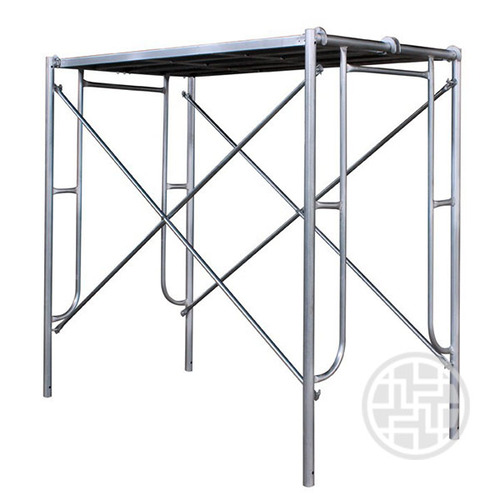
Despite clear regulations, many workers still climb scaffold frames or use cross braces as makeshift ladders to save time. This practice is extremely dangerous because diagonal braces are engineered solely for lateral stability—not for supporting human weight under dynamic movement. When used improperly, they can dislodge or deform under tension forces, leading to falls from height—one of the leading causes of fatalities in construction globally. Reinforcing proper access behavior through training and supervision is vital for maintaining site-wide scaffolding safety compliance.
Implementing Dedicated Stairway Tower Systems
By 2026 guidelines, basic straight ladders fall short for big projects. Many teams work at once on various levels. Dedicated stairway tower systems give better ways to move up and down safely. Main Components: staircase, catwalk, etc. Advantages: Easy to assemble and dismantle, rapid construction speed. Concise design and high carrying capacity. Our GOWE Safety Stairway Tower System offers closed paths for access. These reduce slip dangers. They also boost movement between floors. This matters for keeping work efficient while protecting staff.
Tip 3: What Are the Best Practices for Pre-Shift Scaffolding Inspections?
Identifying Hidden Corrosion and Material Fatigue
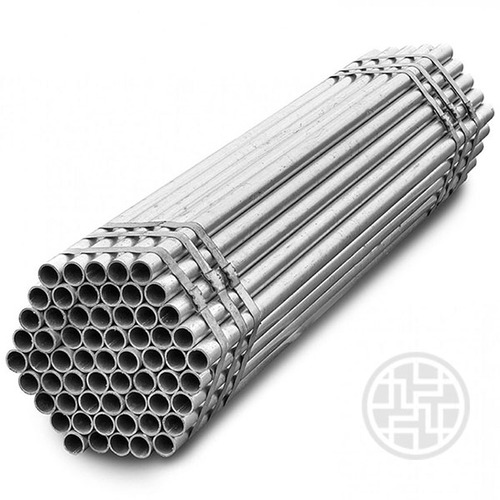
Weather exposure slowly weakens scaffolding over time. Rainwater causes rust inside. Air with salt near the sea speeds up decay. Changes in heat create wear at connections. These unseen issues often stay hidden until stress causes breaks. To cut this danger, builders should choose setups with strong rust protection. Internal and external hot-dip galvanized anti-corrosion process, with long service life. GOWE’s galvanization method covers inner tubes and outer links against rust. It keeps strength in bad weather. Plus, it holds a neat site look.
Standardizing Daily Checklists for Your Competent Person
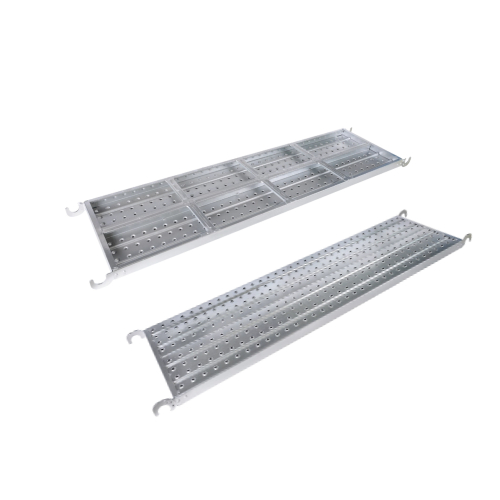
A “competent person” must inspect all scaffolds before each shift begins—this isn’t optional but a core element of any scaffolding safety protocol. Their checklist should include verifying base plates for soil settlement or water pooling that may affect leveling; ensuring locking pins or wedges are fully engaged; confirming no unauthorized alterations occurred overnight; checking planks for cracks or warping; and validating guardrail installations remain secure after material loading activities.
Tip 4: How to Secure the Platform Against Fatal Fall Hazards?
Enforcing Double Guardrails and Toe Board Installations
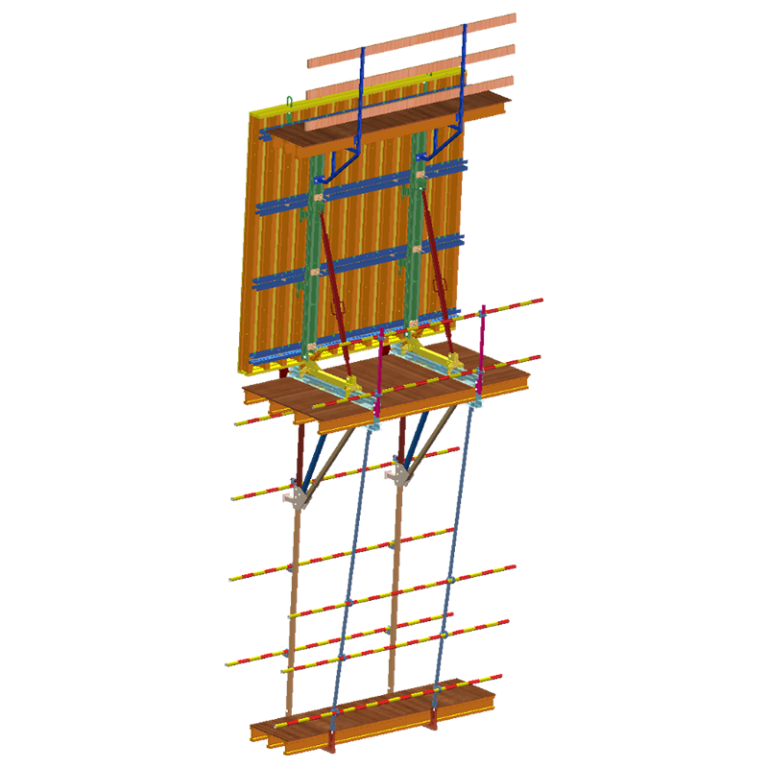
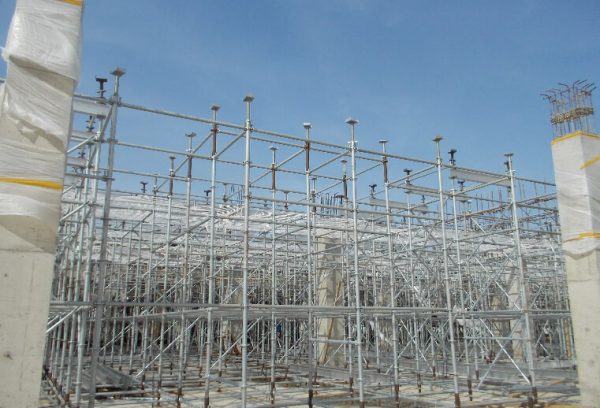
Protection at platform edges is essential in current building areas. Top rails at about one meter high, plus mid-rails halfway (double guardrails), stop workers from sliding through spaces. This happens during walks or when handling items. Toe boards keep tools or rubble from falling onto people below. Main Components: toeboard. Advantages: Concise design and high load-bearing capacity. Our Ringlock system’s built-in joints make guardrails lock tight once placed. They avoid shakes from a bad setup.
Maintaining a Debris-Free Workspace to Prevent Trip Hazards
A tidy work area links directly to fewer mishaps on high platforms. Using 5S methods—Sort, Set in order, Shine, Standardize, Sustain—organizes decks all day. Loose screws or thrown items not only trip people. They might also drop from heights in breezes. This leads to hits on those at ground level.
Tip 5: Why Should You Shift to an Integrated Scaffolding Solution?
Avoiding the Risks of Mixing Incompatible Components
Buyers sometimes mix parts from various makers to cut costs. But this brings big risks. Each system’s size is designed just for it. Wrong matches weaken how loads move. This leads to odd actions under pressure. Even small size differences in couplers or ledgers can twist the shape. In the end, this creates instability in many sections.
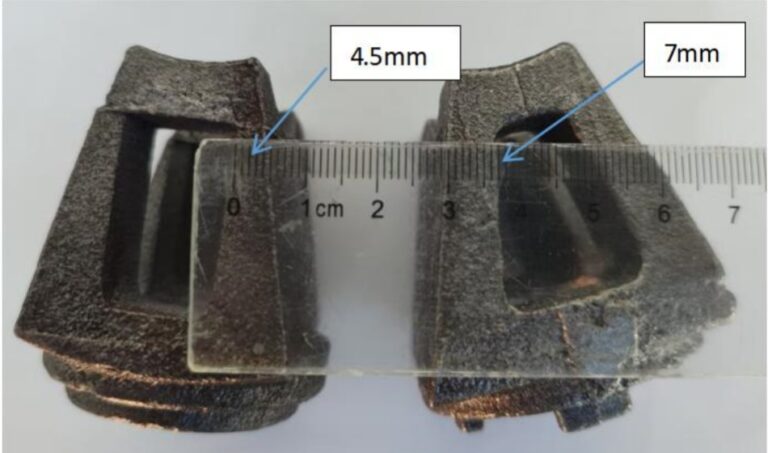
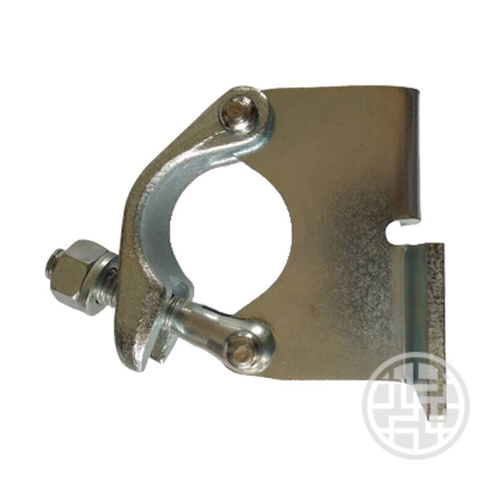
Scaffolding couplers, as basic construction facilities, are widely used in a variety of large and small construction sites, playing a greater role in auxiliary, fastening, and connection functions. Therefore, consistency across all parts—from couplers to braces—is essential for maintaining uniform strength distribution throughout assemblies.
Partnering for End-to-End Engineering and Safety Consultation
Real scaffolding safety starts well before building it. It begins in planning, where computer models spot issues early. At GOWE, we follow our CPCO+S framework (Consultation–Production–Construction–Operation–Service). This gives clients help from over 500 engineers in BIM pre-build reviews. Such teamwork avoids site problems. It makes sure every scaffold part fits the building plan exactly. This cuts guesswork and fixes that often add unsafe changes later in the work.
We specialize in engineering formwork and scaffolding Construction, offering on-site construction services managed by experienced construction supervisors to ensure safety, precision, and timely project completion. Our philosophy aligns closely with a “Safety First Culture.” Safety is the lifeline of on-site construction of engineering formwork and is deeply integrated into every operation.
FAQ
Q: What are the most important scaffolding safety checks before starting work?
A: A competent person should inspect all connections, including base plates for settling issues and locking pins for full engagement, while confirming no unauthorized modifications occurred overnight.
Q: How does the weather affect scaffolding safety?
A: Moisture accelerates corrosion while wind loads increase lateral forces on frames; using hot-dip galvanized systems like GOWE’s Ringlock ensures durability against environmental degradation.
Q: Why should load limits never be exceeded on scaffolds?
A: Exceeding rated capacities distorts force distribution, leading to sudden buckling failures—accurate pre-assembly calculations prevent overload-related collapses.
Q: How do stairway tower systems improve worker safety?
A: Enclosed stair towers provide stable vertical access routes, minimizing slips compared with open ladders, especially when transporting tools between levels.
Q: What benefits come from using integrated scaffolding solutions?
A: Integrated systems ensure component compatibility, eliminating tolerance mismatches while enabling seamless engineering consultation through models like GOWE’s CPCO+S framework, which enhances both efficiency and safety outcomes across complex projects.