
Why is Aluminium Formwork Essential for 2026 Construction Projects?
Overcoming Global Supply Chain and Rising Material Costs
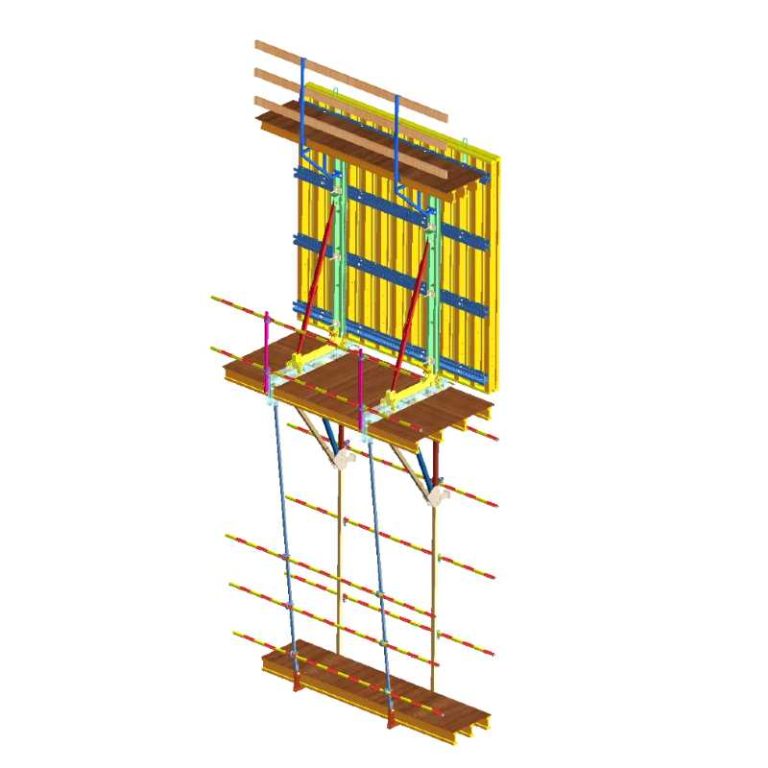
The construction industry in 2026 faces unprecedented volatility. Geopolitical shifts and energy crises have directly impacted the manufacturing and transportation costs of traditional, gas-dependent building materials. Consequently, contractors are shifting their focus toward more predictable and cost-effective alternatives. An aluminum formwork system offers a resilient solution to these global supply chain disruptions. Because it relies on highly reusable metallic components rather than single-use timber or fluctuating steel markets, developers can effectively lock in their structural costs early in the project lifecycle, shielding their margins from sudden material price spikes.
Meeting the Demand for High-Rise and Rapid Construction
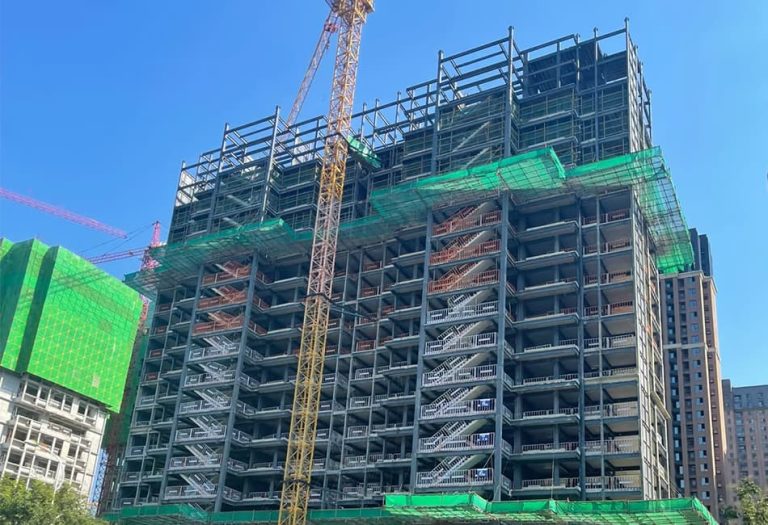
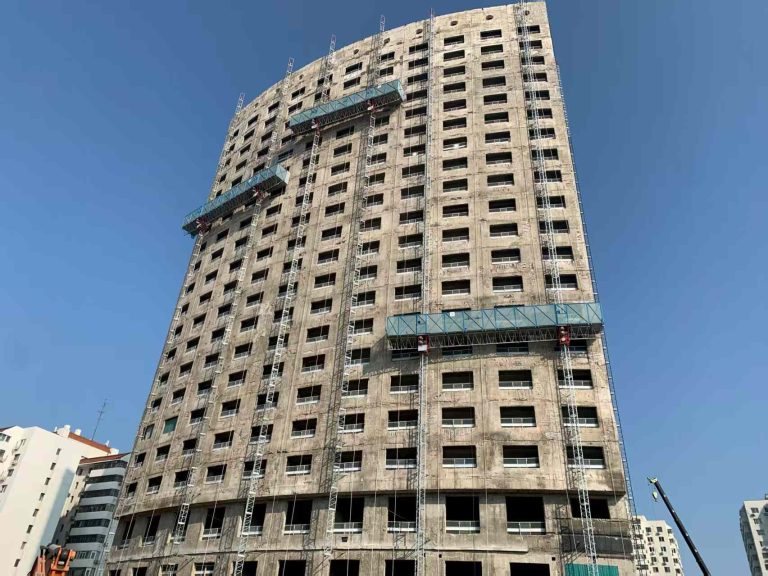
Current city growth often requires shorter schedules and higher buildings. The need for fast building turns old forming ways into delays. Aluminium formwork fixes this. It supports a well-timed building pace. Developers pour walls, columns, slabs, and stairs in one go. Thus, they keep a steady cycle of four to five days per floor. Such speed is now more than an edge. It is a must for hitting the firm delivery dates of the 2026 big projects.
What Are the Primary Types of Aluminium Formwork Systems?
Wall and Column Formwork: Maximizing Vertical Load Bearing
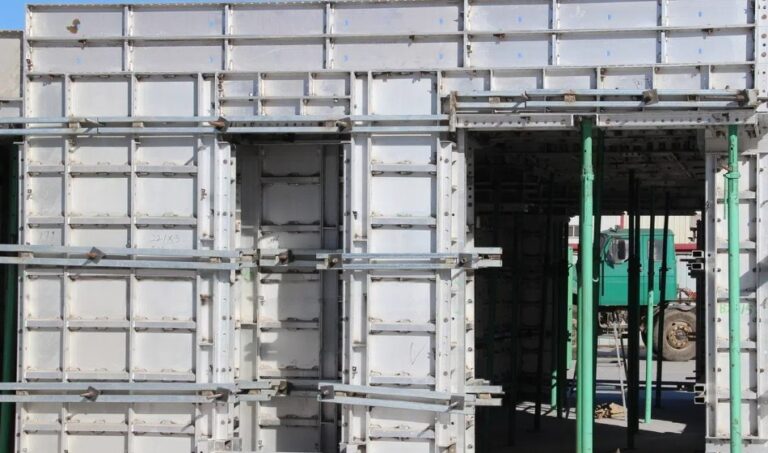
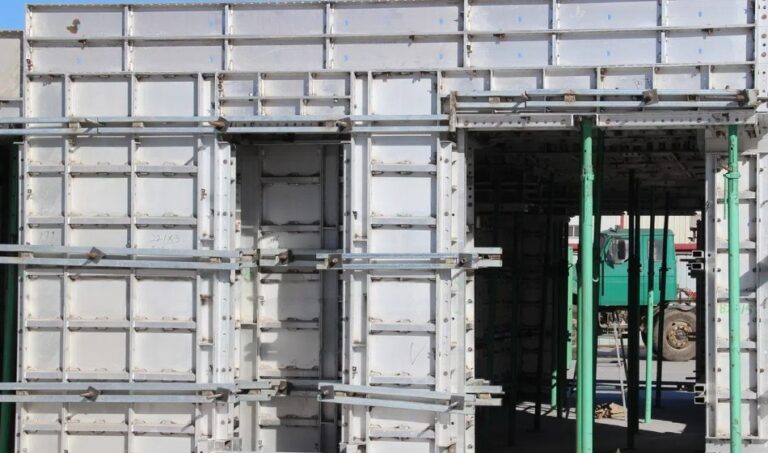
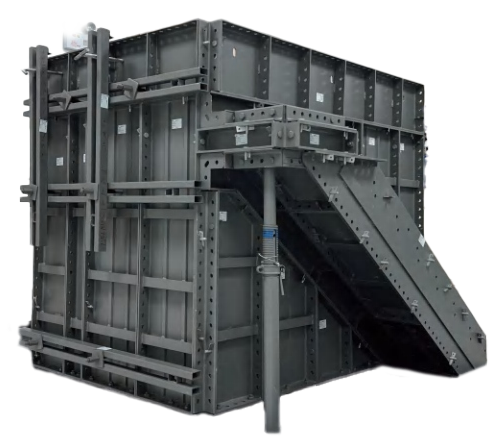
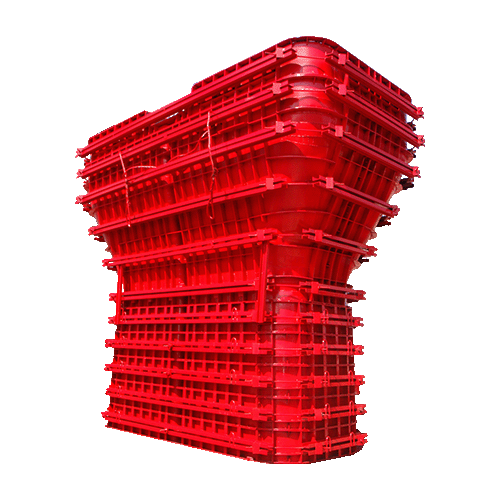
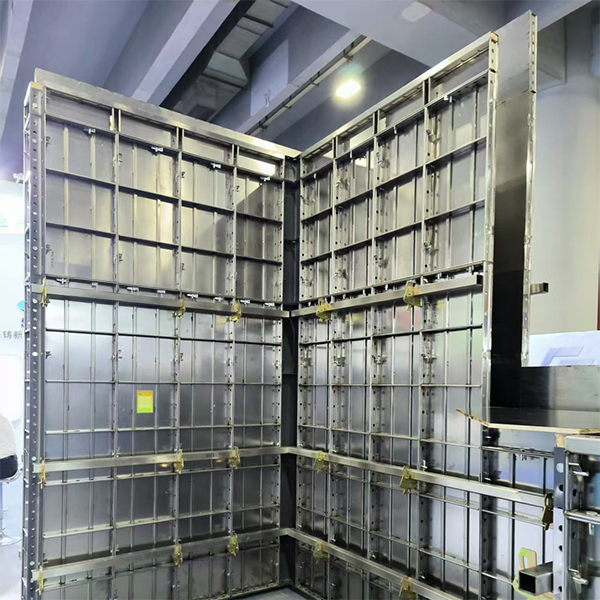
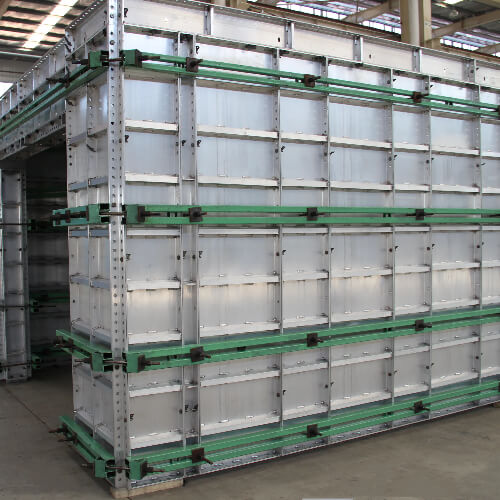
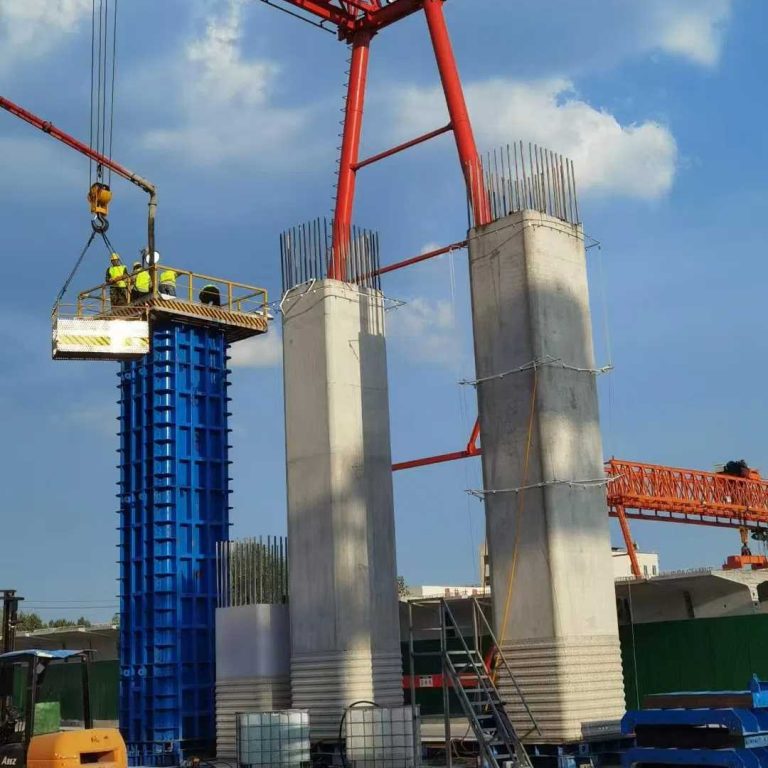
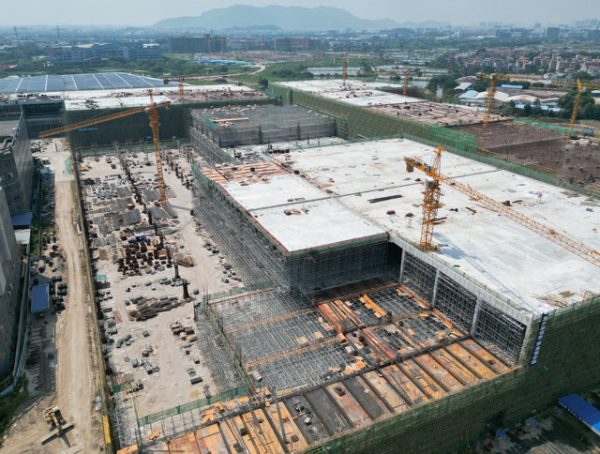
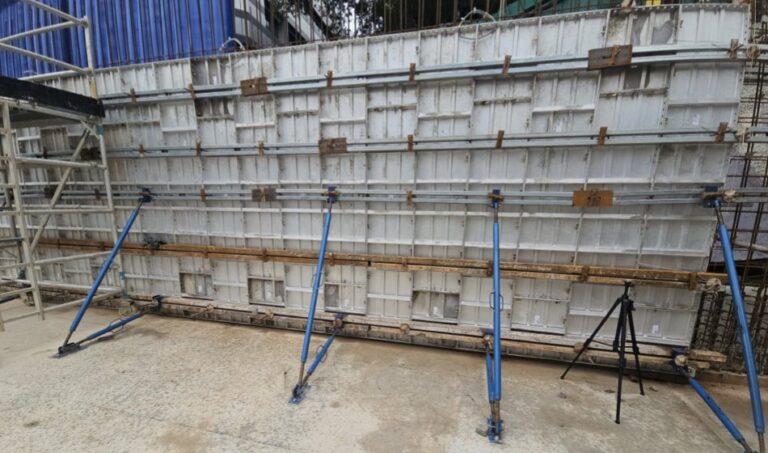
Vertical parts form the base of any tall building. They need careful setup and solid resistance to pressure. Wall and column aluminium formwork is built to handle big concrete side forces. It often manages up to 60kN/m². The carefully made panels fit together without gaps. This stops concrete leaks. It also keeps the structure sound under the heavy load of ongoing, large-scale vertical pours.
Slab and Beam Formwork: Ensuring Horizontal Flexibility
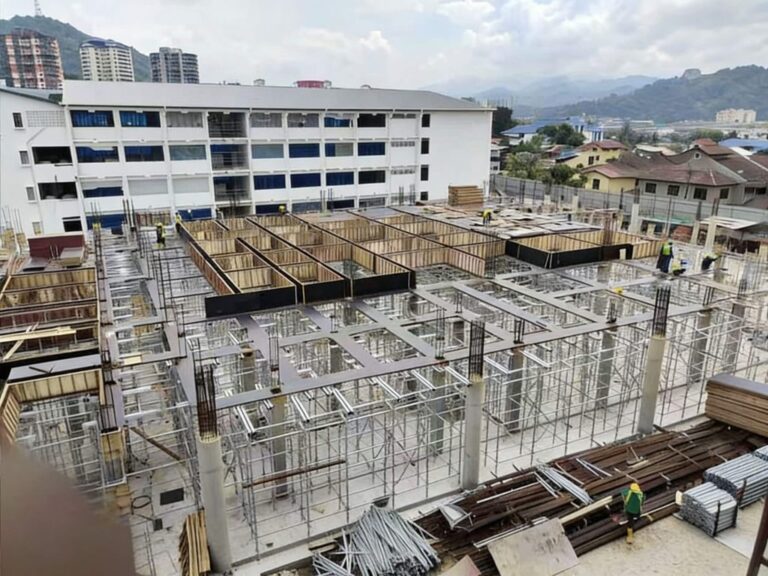
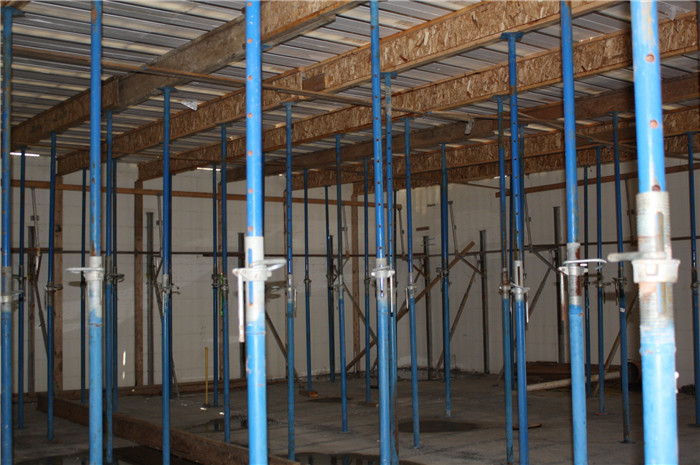
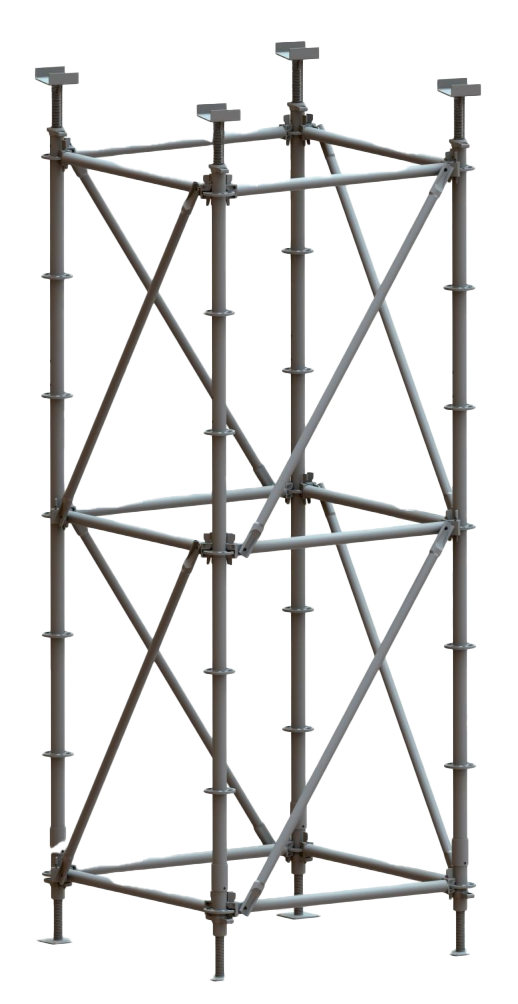
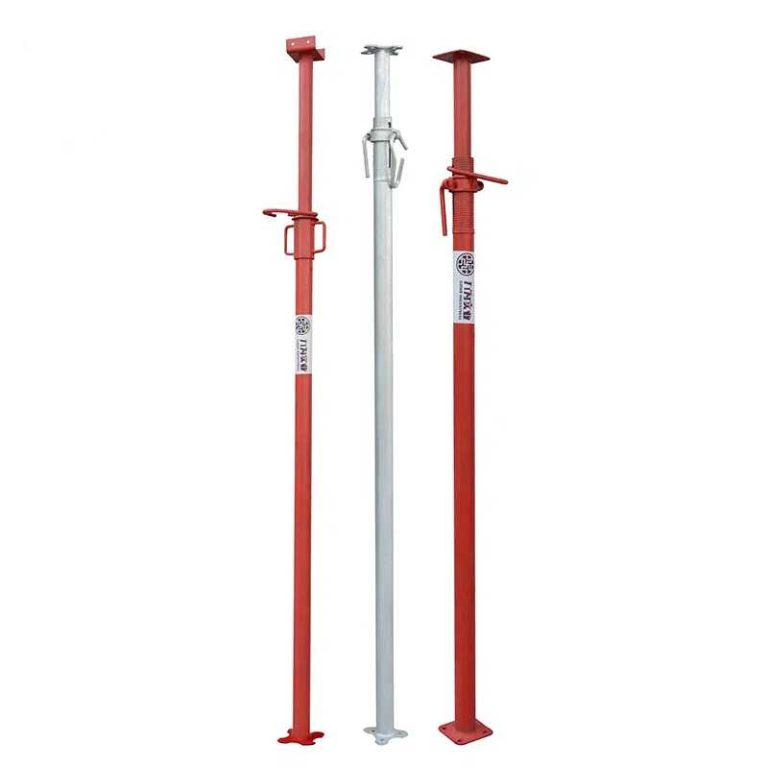
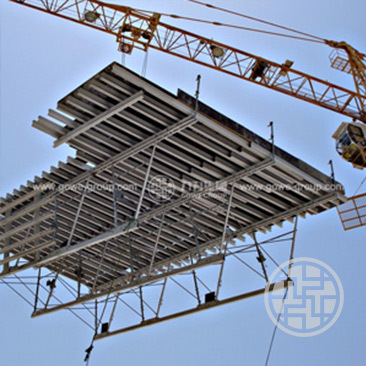
While vertical load bearing is critical, horizontal flexibility dictates the overall flow of the job site. Slab and beam formwork utilizes a modular approach that incorporates an early dismantling mechanism. The drophead system allows the primary aluminium panels to be removed and relocated just days after pouring, while structural props remain in place to support the curing concrete. This minimizes the total inventory of panels required on-site, optimizing both storage space and capital investment.
Specialized and Climbing Formwork for Complex Architectures
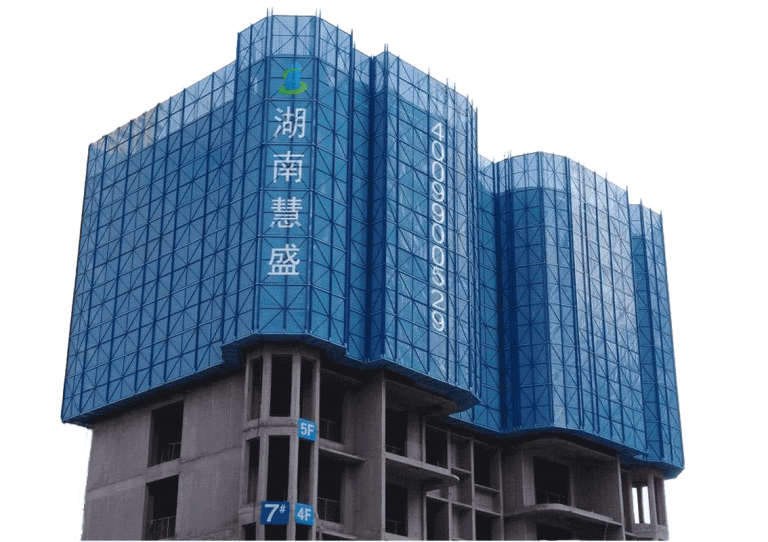
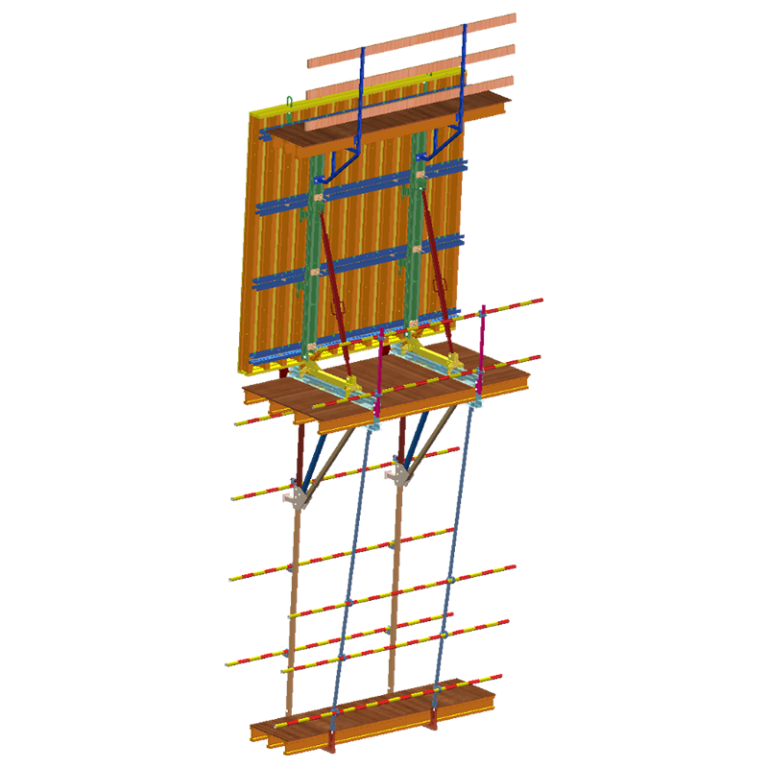
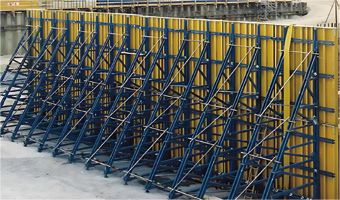
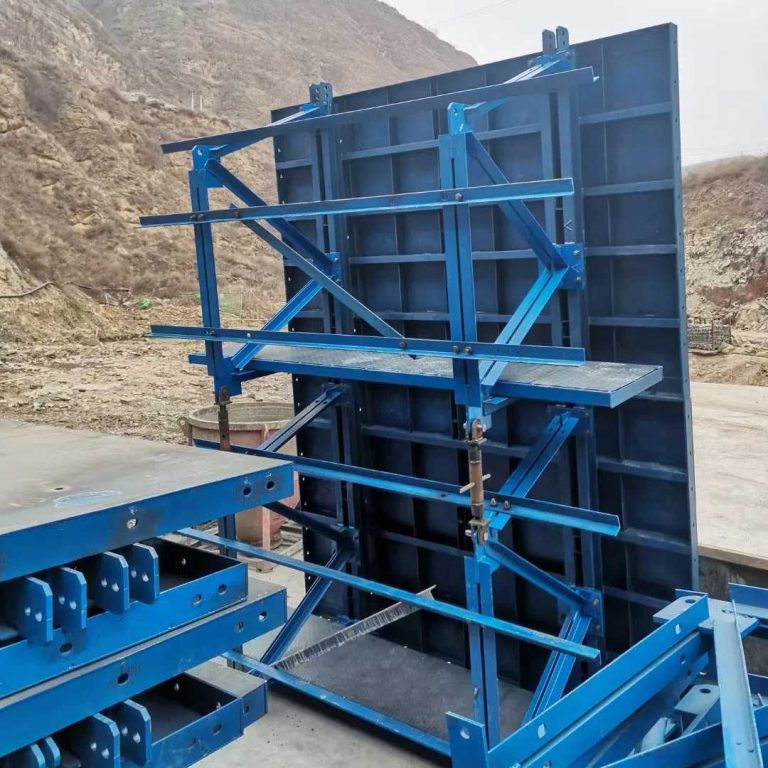
Not every job has simple, repeated layouts. For tough landscapes or special shapes, custom aluminium formwork is needed. A good case is our work on the Stellar project located in the heart of Singapore’s technology and innovation hub at Science Park Dr. The site had uneven ground. It also faced huge one-sided soil pressure. Our team at GOWE created special panel setups. We added strong support systems. This tailored method ensured exact positioning and safety during the large concrete pour. It shows how our flexible aluminium setups can fit demanding soil-holding structures, deep bases, and tricky infrastructure plans.
Material Breakdown: What Makes Aluminium the Superior Choice?
The Engineering Behind High-Strength Extruded Aluminium
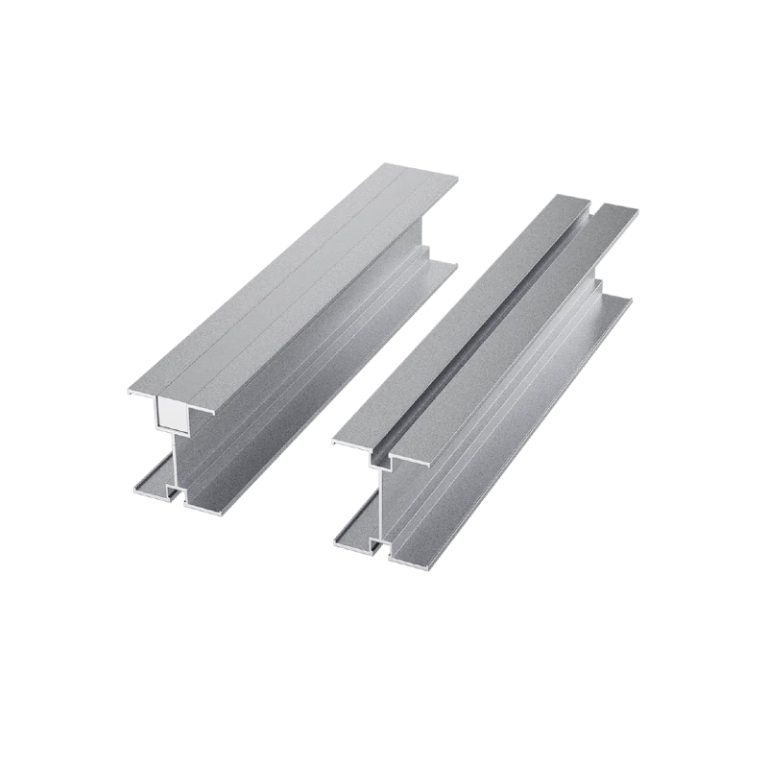
The main strength of today’s formwork comes from metal work. Top formwork avoids basic casting. Instead, it uses extruded aluminium alloys. The extrusion method lines up the metal’s grain pattern. This boosts its pulling strength and ability to avoid bending. As a result, panels hold their exact size limits over many pours. They stand up to the rough chemical setting of fresh concrete.
Weight-to-Strength Ratio: Outperforming Traditional Timber and Steel
Handling weight is an ongoing issue on building sites. Steel setups last well. But they need big cranes and lots of equipment for each shift. Wood is light but does not last or carry loads well. Aluminium fills this space nicely. It matches steel’s strength but weighs much less. Panels usually average 20-25 kg per square meter. This great weight-to-strength balance lets workers handle and lift parts by hand. It cuts reliance on cranes and speeds up the work.
Environmental Sustainability and High Reusability Metrics
As environmental regulations tighten globally in 2026, sustainable construction practices are mandatory. Aluminium formwork stands out due to its extraordinary lifecycle. A well-maintained set of panels can be reused upwards of 300 times. Once the system reaches the end of its usable life on site, the aluminium is 100% recyclable, holding significant scrap value. This drastically reduces the carbon footprint and deforestation impact typically associated with disposable plywood systems.
Key Advantages: How Does Aluminium Formwork Maximize ROI?
Accelerating Construction Cycles and Project Timelines
Time cut on site means direct money gains. The organized, piece-by-piece setup of aluminium formwork removes trial and on-site trimming from woodwork. It reaches a steady four-day floor cycle. Developers can shorten the full project schedule a lot. Finishing sooner cuts extra costs, lowers loan interest, and starts income from sales or leases quicker.
Reducing Labor Dependency in a Tight Workforce Market
The global shortage of skilled construction labor is a major risk factor for modern contractors. Aluminium formwork mitigates this by shifting the complexity from the construction site to the manufacturing facility. The system is designed for intuitive assembly using a simple pin-and-wedge mechanism. This allows contractors to rely on general, unskilled labor for assembly under the guidance of a few experienced supervisors, completely bypassing the need for highly paid, scarce traditional carpenters.
Achieving Superior Concrete Finishes (Zero Plastering Required)
After-pour work is often hard and expensive. Extruded aluminium panels give a very even and leak-proof face. The concrete result is highly exact. This smooth concrete skips heavy plaster layers. Builders can add a light coat or paint right on the concrete. It saves supplies and days of finishing work.
How to Implement GOWE Formwork Solutions for Maximum Site Efficiency?
Pre-Construction Planning and Modular Design Alignment
At GOWE, we think site output starts well before the first pour. With more than 30 years of experience in over 10,000 projects around the world, our engineers use modern 3D models. We match our flexible panels to your building plans. This early planning covers every pipe, window, and stair path. It makes a custom formwork setup that fits perfectly when it arrives.
Streamlining Assembly and Dismantling Workflows on Site
We offer full help to improve your site processes and get the most from our systems. The GOWE setup has color marks and clear tags. This makes putting together a standard step. Also, our quick removal design aids smooth moves between levels. We guide on the order of taking down and shifting panels. This lets your team build a strong routine. It reduces work time and boosts total site output.
FAQ
Q: What is the typical lifespan and reusability of an aluminium formwork system?
A: A good aluminium formwork system can handle 300 to 400 pours if kept clean and cared for. This long life makes it a smart, green choice for builders with many tall projects.
Q: How does aluminium formwork compare to traditional timber in terms of upfront costs?
A: The starting cost of an aluminium formwork system is more than that of wood. But the cost per use falls a lot after 30 to 40 times. For big or repeated tall jobs, savings in work, pace, and no-plaster needs cover the start cost fast. It gives better overall returns.
Q: Can an aluminium formwork system be adapted for complex architectural designs?
A: Yes, even though it is standard, the system manages hard shapes. Top makers like GOWE adjust the first panel design for special building forms, bay windows, stairs, and soil walls. It fits the exact building plans.
Q: Does the assembly of aluminium formwork require specialized or highly skilled labor?
A: No, a key plus is less need for trained workers. Panels join with basic pin-and-wedge parts. After short training at the start, regular site workers can set it up right and fast. They do not need old carpentry know-how.
Q: Why is the early dismantling feature so critical for aluminium formwork efficiency?
A: Early dismantling lets builders take off wall panels and main slab panels in 36 to 48 hours after the pour. Only props remain to hold the setting concrete. This cuts the full stock of formwork on site. It also lets panels move to the next level over and over.