
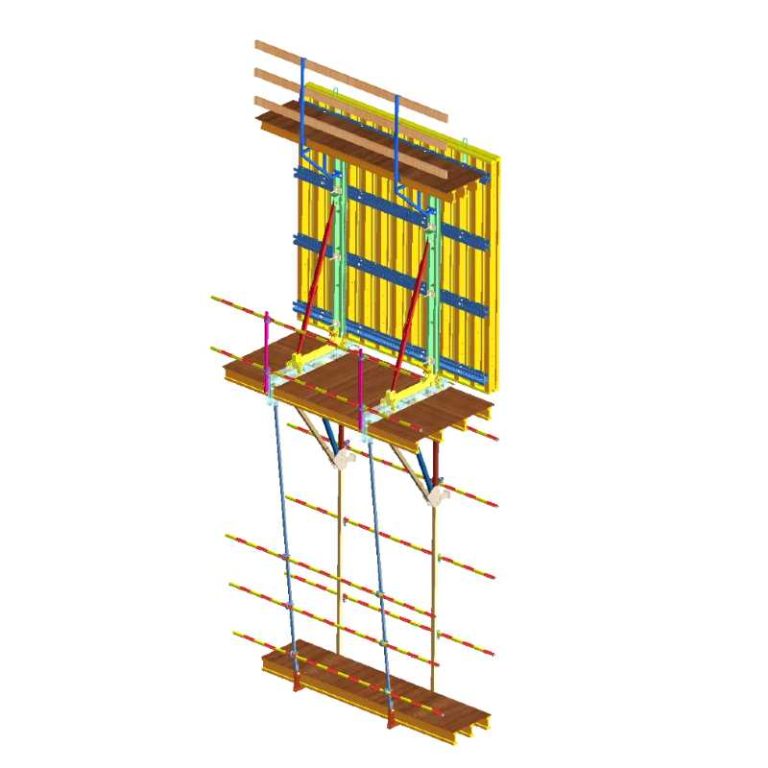
Why Aluminium Formwork Is Becoming Popular in Modern Construction
Key Advantages Over Traditional Formwork Materials
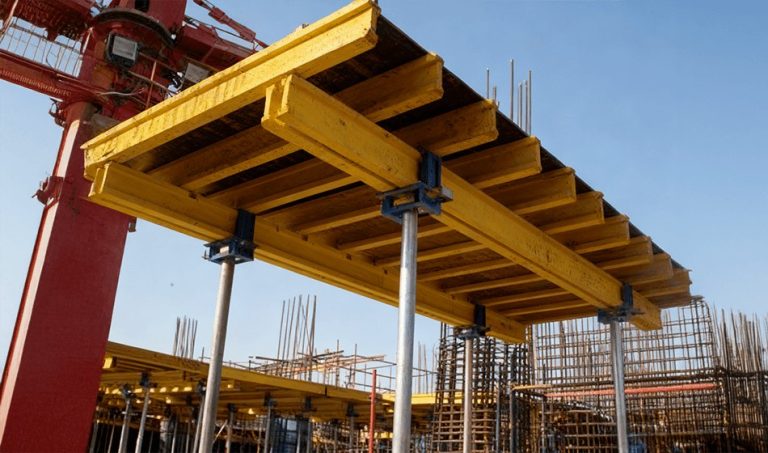
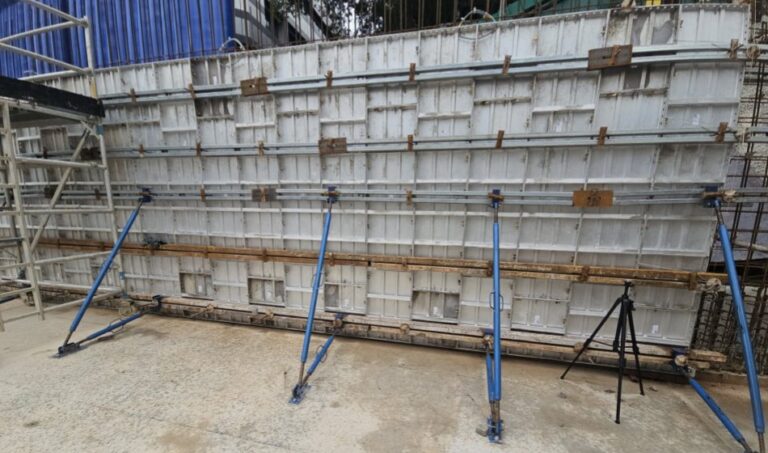
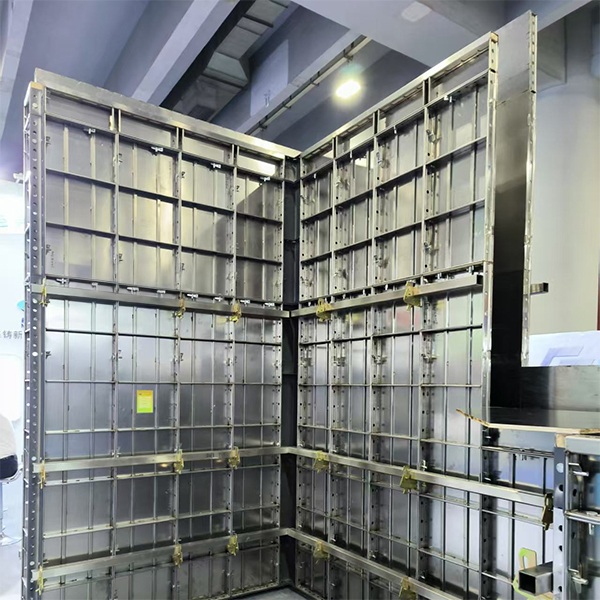
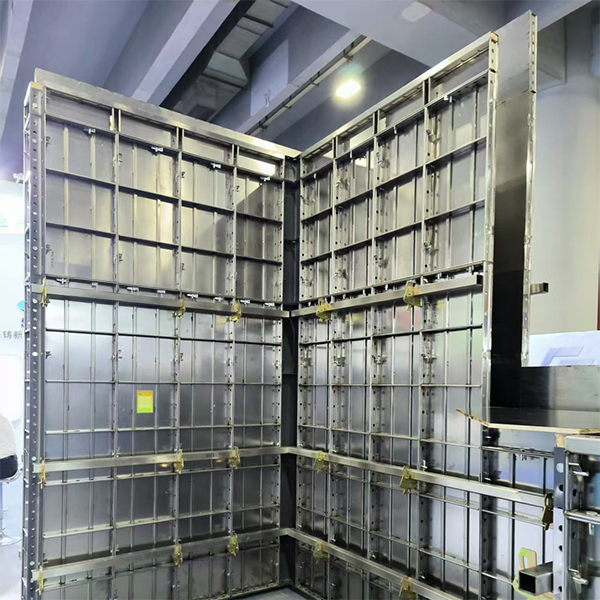
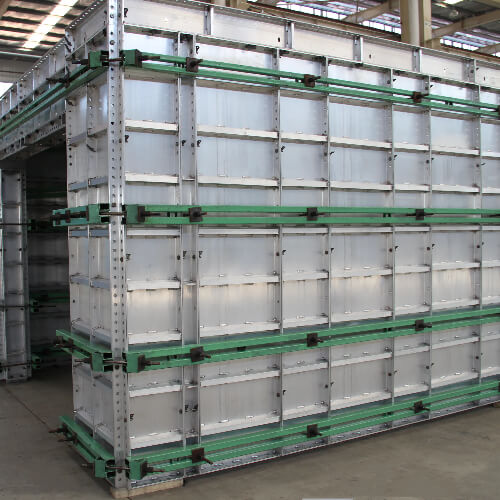
In today’s fast-paced construction industry, the aluminium formwork system is rapidly replacing traditional timber and steel. Its core advantage lies in an exceptional strength-to-weight ratio. Compared to heavy steel or easily degraded wood, lightweight aluminium panels (weighing around 25kg/m²) are incredibly easy for workers to handle, yet robust enough to withstand up to 60kN/m² of concrete side pressure. This allows for the simultaneous, one-time pouring of both vertical walls and horizontal slabs.
How Reusability and Efficiency Affect Long-Term Costs
For contractors, evaluating long-term construction costs is the key to protecting project profit margins. The most significant financial benefit of a high-quality aluminium formwork system is its extraordinary lifespan. These templates can typically be reused 250 to 300 times. While the initial procurement price is higher than wood, the per-use cost drops drastically with every pour. Furthermore, the integration of early-stripping prop heads accelerates the construction schedule, substantially lowering the total project cost.
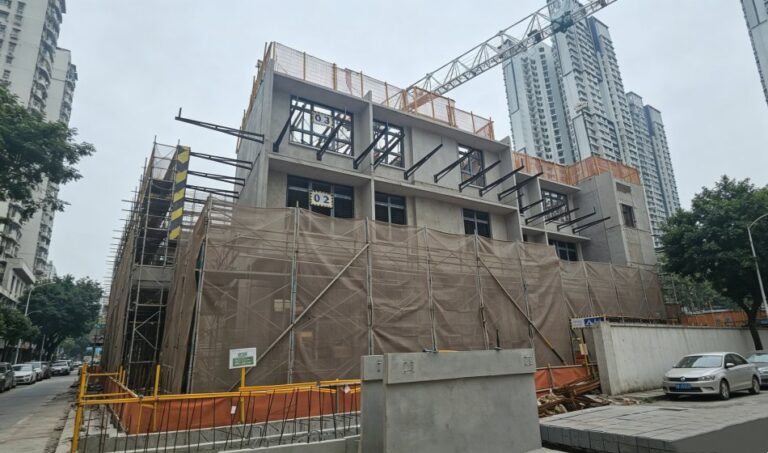
Trends in Aluminium Formwork Adoption Globally
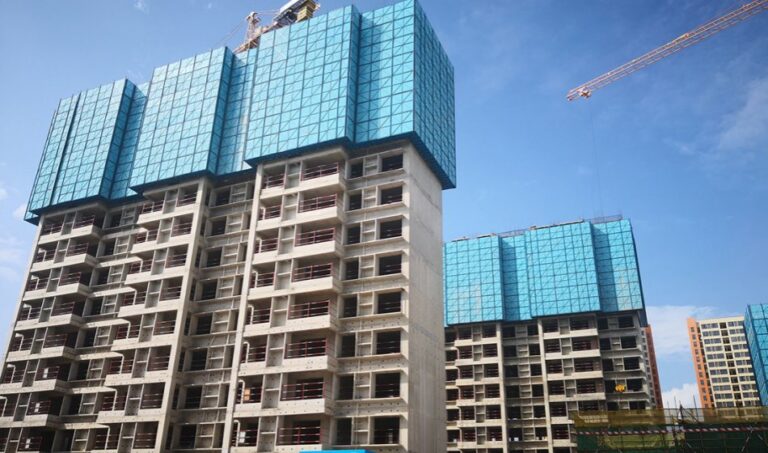
With the surge in high-rise buildings and large-scale infrastructure, the global market is shifting toward highly standardized construction methods. Driven by the need for green building practices and minimizing site waste, 100% recyclable modern aluminium formwork has become the preferred choice for leading builders worldwide.
What Are the Main Cost Components of Aluminium Formwork
Material Quality and Alloy Type
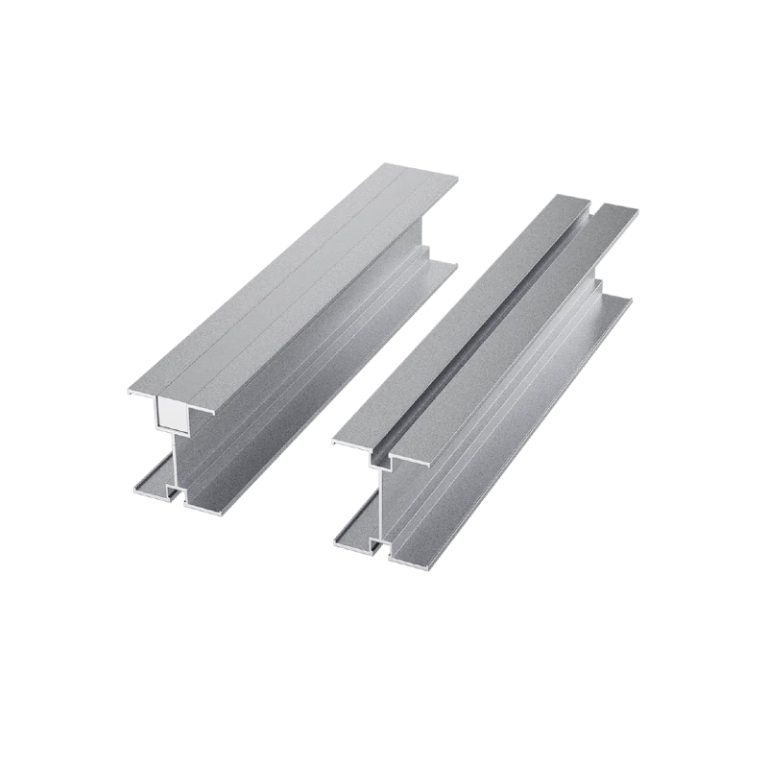
The first step in assessing aluminium formwork cost is analyzing the base material. The industry standard utilizes 6061-T6 high-strength aluminium alloy. This specific temper guarantees that the 4mm thick panels and 8mm thick frames will not deform under repeated pressure. The purity of the alloy directly dictates the baseline procurement price but ensures structural integrity.
Manufacturing Process and Tolerances
High-precision manufacturing means zero messy adjustments on the construction site. Panels crafted via complete extrusion and argon shielded welding feature microscopic joint gaps, achieving a fair-faced concrete finish. This plaster-free outcome might increase the initial formwork purchasing expense, but it eradicates massive labor and material costs during the architectural finishing phase.
Transportation, Storage, and Handling Costs
Logistics represent a frequently overlooked hidden formwork cost. Because aluminium is relatively lightweight, it requires fewer trucks and less fuel to transport the same square footage compared to steel. The intelligent modular design also allows for compact warehouse stacking, significantly reducing storage overhead.
How Design Complexity Impacts Aluminium Formwork Cost
Influence of Project Layout and Floor Plan on Costs
The level of architectural standardization is directly reflected in your formwork budget. If a high-rise has highly repetitive standard floors, the utilization rate of standard aluminium formwork skyrockets, driving down the average cost per square meter. Conversely, erratic floor plans require complex corner joints and unique configurations.
Customization vs Standard Modules
When comparing custom formwork costs, you must identify non-standard elements in your blueprint. Standard panels (typically 50-600mm in width and 2400-2700mm in height) are cost-effective and readily available. Irregular, customized panels demand separate engineering design and mold development, requiring higher upfront capital.
Integration with Other Structural Components
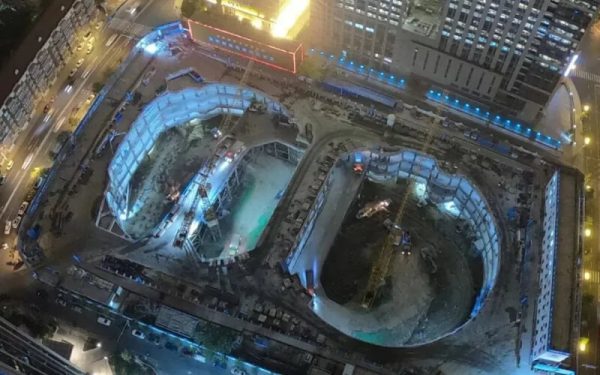
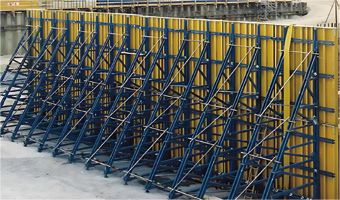
Modern developments demand that formwork interfaces seamlessly with basements, climbing systems, or retaining walls. Mastering this integration is vital for cost control. For instance, precision custom engineering prevents costly site rework during complex underground pours. You can see how we seamlessly integrated customized templates to optimize challenging wall supports in the GOWE Aluminum Formwork Stellar Science Park DR Retaining Wall project, ensuring flawless execution.
How Labour and Installation Affect Total Project Cost
Skilled Workforce Requirements for Assembly and Disassembly
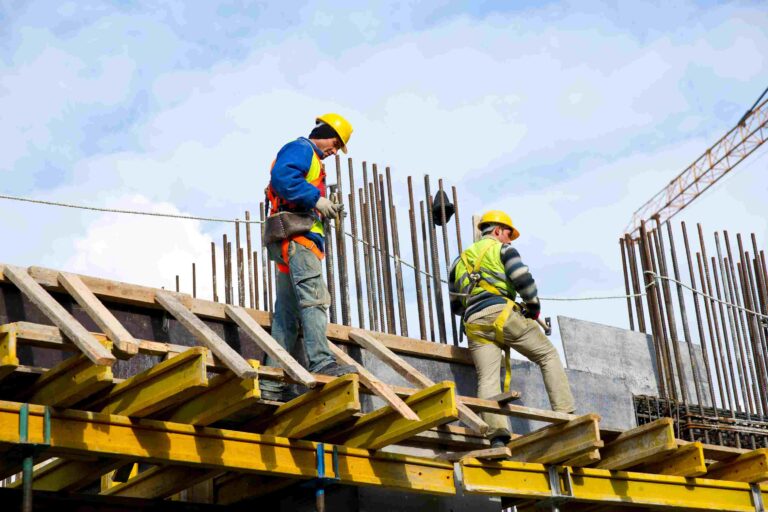
Traditional methods rely heavily on expensive, highly skilled carpenters—a demographic currently facing severe labor shortages. The modular aluminium formwork system utilizes intuitive pin and wedge connections, allowing general laborers to master the assembly quickly. Reducing reliance on specialized trades is a primary way contractors slash manual assembly costs.
Time-Saving Advantages of Modular Aluminium Formwork
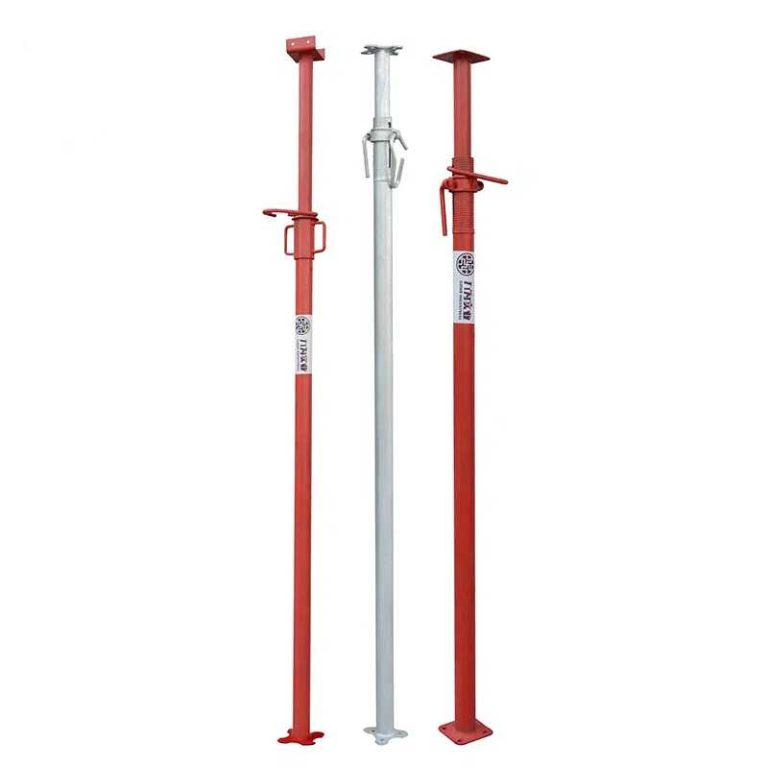
Time is capital on a job site. Utilizing early dismantling technology, horizontal slab forms can be removed shortly after pouring, leaving only the adjustable steel props in place. During massive urban developments like the Tanglin Halt Singapore project, this rapid turnover capability was maximized, shrinking the cycle time per floor and wiping out weeks of equipment rental and daily labor expenses.
Training and Safety Considerations
Proper site training prevents material damage from improper handling. Moreover, the lightweight yet rigid nature of aluminium forms, complete with integrated safety brackets, drastically lowers the risk of site accidents, indirectly saving contractors from potential liability payouts and project halts.
How Maintenance and Lifecycle Influence Cost Efficiency
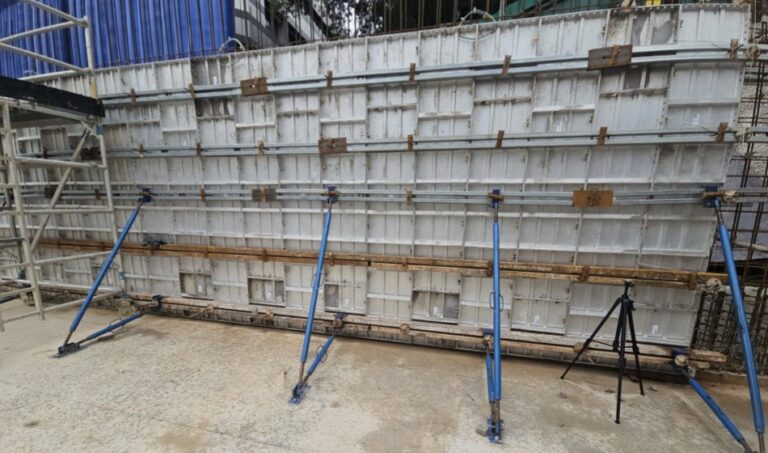
Reuse Cycles and Durability of Aluminium Formwork
As previously noted, the 300-cycle durability provides unmatched lifecycle value. Compared to plywood that degrades after 5 to 10 pours, a contractor can carry an aluminium system across three or four different high-rise projects, effectively reducing the material cost for subsequent builds to near zero.
Inspection and Minor Repairs to Reduce Long-Term Expenses
To maximize your aluminium formwork investment return, implementing a strict cleaning and inspection protocol is essential. Scraping off concrete residue immediately after dismantling and realigning slightly bent frames before warehouse storage are low-cost maintenance habits that prevent premature template failure.
Planning for Wear and Tear Across Multiple Projects
Smart contractors plan for end-of-life recycling. When a project concludes, up to 70% of the standard panels can often be transferred directly to a new site. The remaining heavily modified or damaged panels can be sold as scrap metal, recovering roughly 20% of the original raw material value.
Comparing Aluminium Formwork Options for Contractors
Cost Differences Among Leading Suppliers
When evaluating market quotes, looking solely at the price per square meter is dangerous. The average aluminium formwork cost generally ranges from $110 to $130 per square meter, but the true discrepancy lies in the supplier’s engineering depth, alloy purity, and welding standards.
Evaluating Warranty, Service, and Support
As experts with over 30 years in the scaffolding and formwork industry, we at GOWE believe that technical support is your most valuable hidden asset. Backed by over 500 engineers and QC professionals, we provide a closed-loop service—from intricate drawing design to on-site construction guidance. We rigorously enforce incoming material checks and pre-shipment trial assembly, guaranteeing every panel fits perfectly when it arrives at your site.
Balancing Initial Investment vs Long-Term Benefits
Astute contractors view this system as a capital asset rather than a disposable site consumable. Partnering with a premium one-stop formwork solutions provider requires a higher initial outlay, but the resulting plaster-free finish, accelerated timelines, and immense scrap value multiply the project’s final net profit.
FAQ
Q: What is the most critical factor determining overall aluminium formwork cost?
A: The core factor is the repetition rate of your standard floors and the system’s reusability. The higher the standardization, the thinner you can spread the aluminium formwork cost. A premium system can be reused 250-300 times, drastically lowering the expense per pour over its lifecycle.
Q: How long is the standard delivery time for this construction material?
A: The aluminium formwork delivery time depends on architectural complexity and drawing approvals. Once the 3D matching design is confirmed, standardized and customized production, followed by a pre-shipment trial assembly, is typically completed within a few weeks, ensuring your construction schedule is never delayed.
Q: What product certificates should be reviewed when evaluating these formwork suppliers?
A: To guarantee safety and load-bearing capacity, you must request product quality certificates and material testing reports. Always look for ISO quality management certifications, as well as third-party SGS reports verifying the yield and tensile strength of the 6061-T6 alloy and proper welding procedure qualifications.
Q: How much labor cost can be saved by switching to this system from traditional wood?
A: While regional wage rates vary, the highly lightweight nature (25kg/m²) and simple pin-and-wedge assembly mean you no longer need a massive crew of expensive, highly-skilled carpenters. This streamlined process typically saves contractors 30% to 40% in on-site manual installation costs.
Q: Do new systems need to be purchased entirely for floors with special structures?
A: Absolutely not. The beauty of a premium aluminium formwork system is its versatility. Since standard panels make up the vast majority of the inventory, you only need to design and purchase a small batch of customized panels to accommodate the unique floor structures, protecting your initial investment.