
Grundlagen der Wartung von Gerüsten: Schlüsselfaktoren, die die Langlebigkeit des Systems beeinflussen
Die Rolle der präventiven Wartung bei der Stabilität von Stahlgerüsten
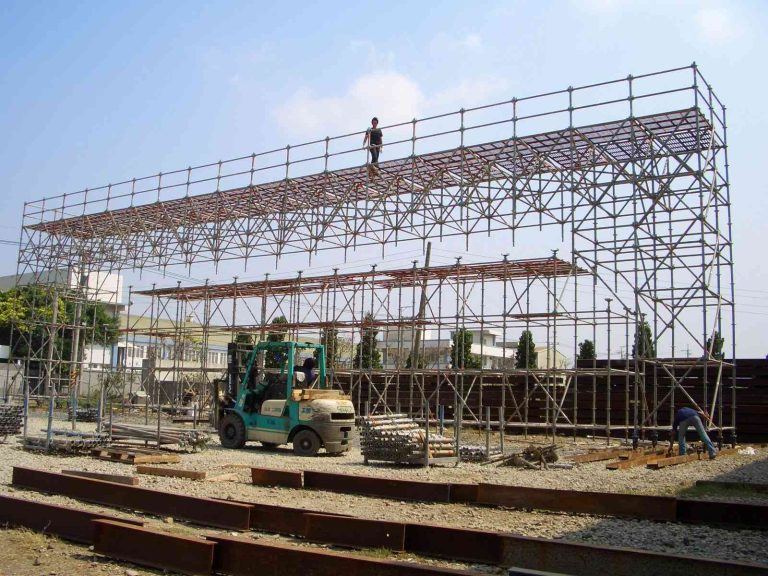
Präventive Wartung spielt eine Schlüsselrolle bei der Stabilität von Stahlgerüsten. Es hilft, stabile strukturelle Arbeiten auf verschiedenen Baustellen aufrechtzuerhalten. Gute Wartung beginnt mit dem Wissen, wie Belastung, Schütteln, Wetter und laufendes Gewicht sich auf Gerüstteile auswirken. Regelmäßige Wartung dieser Schritte verhindert einen langsamen Ausfall. Dies gilt insbesondere bei schwierigen Arbeiten, bei denen Gerüste schwere bewegliche Gewichte und wechselnde Kräfte tragen. Solche Routinen verringern auch die Chancen auf schnelle Ausfälle. Sie schaffen sicherere Arbeitsbereiche. Außerdem erhöhen sie die allgemeine Systemzuverlässigkeit. Wenn das Gerüst stetig gepflegt wird, wächst seine Festigkeit. Seine Lebensdauer verlängert sich. Und Arbeitsverzögerungen durch Getriebprobleme fallen viel.
Materialverhalten von Q355 und Q235 Stahl unter wiederholten Konstruktionsbelastungen
Das Materialverhalten von Q355- und Q235-Stahl unter wiederholten Konstruktionsbelastungen beeinflusst stark die Lebensdauer und die Sicherheitsergebnisse. Q355-Stahl zeigt eine höhere Ausbeutefestigkeit und eine bessere Ermüdungsbeständigkeit als Q235, was ihn für schwere Gerüstanwendungen geeignet macht, in denen zyklische Kräfte üblich sind. Im Gegensatz dazu leistet Q235-Stahl effektiv für leichtere strukturelle Anforderungen, erfordert jedoch aufgrund seiner geringeren Biege- und Schlagbelastung häufigere Inspektionen. Beide Materialien erleben im Laufe der Zeit allmählichen Verschleiß, insbesondere an Schweißverbindungen, Verriegelungsmechanismen und Kontaktflächen. Das Verständnis dieser Verhaltensweisen ermöglicht es Teams, geeignete Wartungs-, Inspektionsintervalle und Komponentenersatzplanungen festzulegen, um sicherzustellen, dass Stahlgerüstsysteme in langfristigen oder hohen Projekten eine optimale Leistung behalten.
Inspektionsrahmen für Stahlgerüste: Verfahren, Kriterien und Risikokontrollen
Strukturierte tägliche und wöchentliche Inspektionschecklisten für Ringschloss-, Rahmen- und Rohr- und Kopplungssysteme
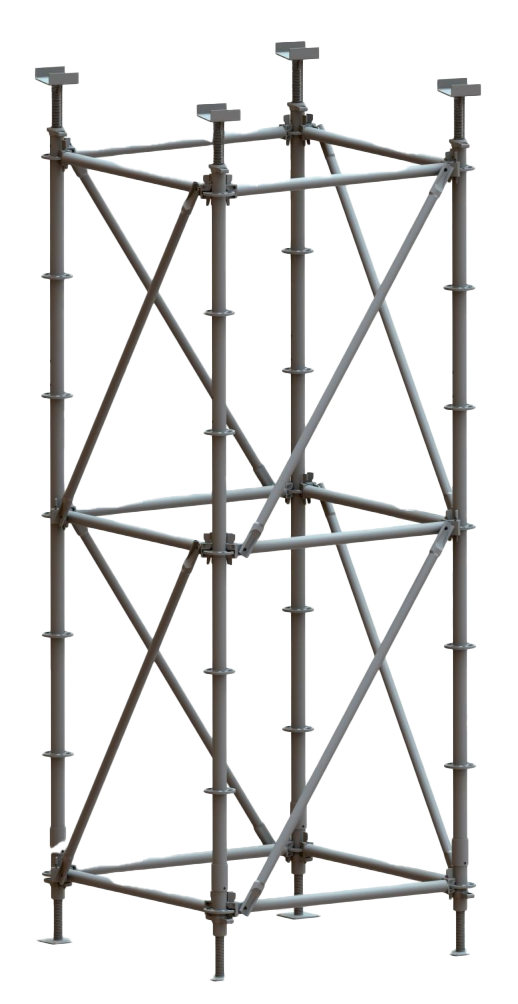
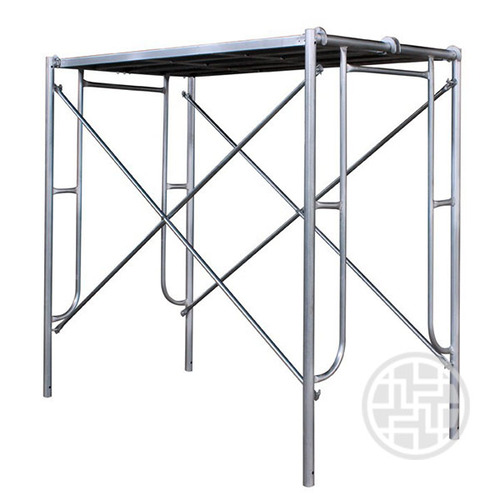
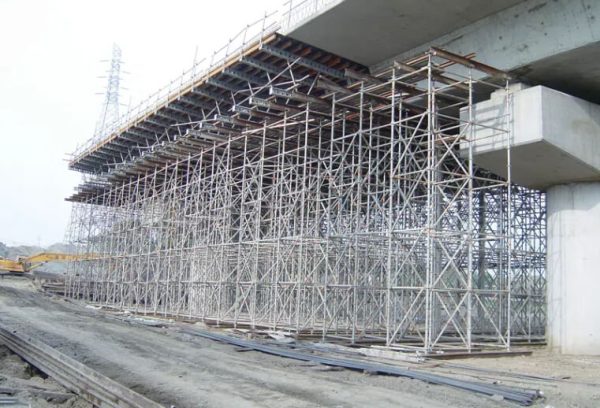
Strukturierte tägliche und wöchentliche Inspektionschecklisten für Ringlock-, Frame- und Tube-and-Coupler-Systeme setzen grundlegende Sicherheitsregeln an jedem Arbeitsplatz fest. Tägliche Kontrollen konzentrieren sich auf Augensccans auf Biegungen, Rost, verlorene Stifte und falsche Aufstellungsreihenfolge. Wöchentliche Überprüfungen umfassen breitere Bewertungen. Diese umfassen Gewichtshalteprüfungen, Aufrecht- und Linienprüfungen sowie die teilweise Bestätigung von Büchern, Normen, Diagonalstützen und Basisstützen. Für Systeme wie die GOWE Ringlock -Gerüst System, Checkers sollten Rosetten, Keilverbinder und heißverzinkte Oberflächen überprüfen. Dies gewährleistet eine stetige mechanische Passform. Die Einhaltung gesetzter Schritte baut regelmäßige Gewohnheiten auf. Sie reduzieren Risiken und unterstützen eine reibungslose Arbeitsplanung.
Identifizierung mechanischer Fehler in Normen, Ledgers, Diagonalen und Verbindungspunkten
Die Identifizierung von mechanischen Fehlern in Normen, Hauptbüchern, Diagonalen und Verbindungspunkten hilft Bauteams, Risiken zu bewältigen, bevor Frame-Schwäche auftritt. Dazu gehören kleine Drehungen, weniger Festigkeit oder ungleichmäßige Kraft, die sich über den Gerüstrahmen verteilt. Standards können lokale Abknickungen anzeigen. Ledger können Biegemüdigkeit von Seitengewichten zeigen. Diagonale Klammern können sich von laufender Bewegung lösen. Dies verletzt die Gesamtstärke. Die frühzeitige Erkenntnis von Problemen erfordert eine Mischung aus Augenkontrollen, Handtests von Verbindungen und Blick auf vergangene Aufzeichnungen. Eine aktive Kontrollmentalität sorgt dafür, dass schwache Teile ausgetauscht werden, bevor sie die Systemintegrität schädigen.
Lastlagerbewertung und Ersatzschwellen für kritische Komponenten
Tragbare Bewertung und Ersatzschwellen für kritische Komponenten sind von großer Bedeutung. Sie helfen, die volle geplante Stärke von Gerüstsystemen zu erhalten. Die Gewichtshaltefähigkeit kann aufgrund aufgebauter winziger Schäden, Rost und Verschleiß fallen. Ersatzgrenzen sollten den von Herstellern und Handelsregeln festgelegten Bautoleranzgrenzen folgen. Ständige Aufzeichnungen helfen bei der Verfolgung und Auswahl der Vergangenheit. Sie helfen zu beurteilen, ob Teile für die Wiederverwendung sicher bleiben.
Indikatoren für Verformung, Korrosion und Oberflächenschäden
Verformungs-, Korrosions- und Oberflächenschädungsindikatoren geben frühe Warnungen. Sie signalisieren, dass Teile möglicherweise keine festgelegten Gewichte mehr halten. Schachen sollten auf gebogene oder verzerrte Mitglieder, tiefe Rostverbreitung, schwache Schweißen und dünnere Wände schauen. Dies ist der Schlüssel für Q235 Teile, die mehr auf Rost und Treffer reagieren.
Gelenklockerheit, Verschleiß des Verriegelungsmechanismus und Müdigkeit des Pins/Befestigungsmittels
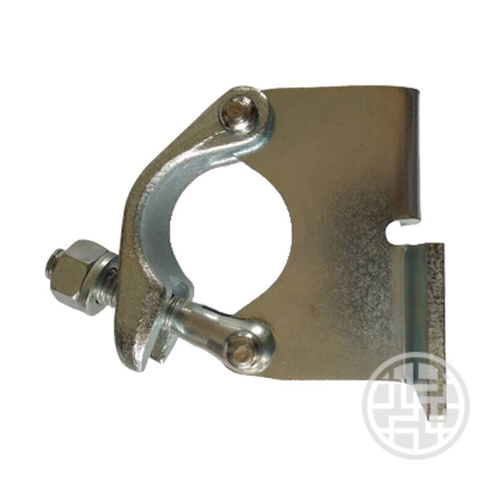
Gelenklose, Verriegelungsmechanismus Verschleiß und Pin oder Befestigungsmittel Müdigkeit schwächen das Gerüst’ s halten an Form unter Gewicht. Ringschloss Keilstifte, Gerüstkopplerund die Verbindungshülsen müssen fest passen, ohne zu viel Wickeln. Müde Stifte oder verschleißte Koppler müssen schnell ersetzt werden. Dies hält das System fest und sicher.
Wartungsstrategien, die die Leistung und Lebensdauer von Gerüsten verlängern
Reinigung und Oberflächenschutz von heißverzinkten Stahlkomponenten
Die Reinigung und Oberflächenschutz von heißverzinkten Stahlkomponenten verlängert die Lebensdauer von Gerüsten, die Feuchtigkeit, Staub und Bauschmutz ausgesetzt sind, erheblich. Die regelmäßige Entfernung von Betonrückständen, Schlamm und Korrosionsmitteln verhindert einen vorzeitigen Oberflächenabschluss. Warmzinkung, weit verbreitet in GOWE’ Gerüstsysteme bieten langfristigen Korrosionsschutz, aber eine richtige Reinigung sorgt dafür, dass Zinkschichten weiterhin effektiv funktionieren.
Korrosionsschutz und Umweltschutz für Q355/Q235 Systeme
Korrosionsschutz und Umweltschutzpraktiken für Q355/Q235-Systeme reduzieren Gefahren durch Wetter, Feuchtigkeit und chemische Berührung. Schildfarben, Trockenhaltung, Luftströmung und Raum vom nassen Boden verlangsamen das Rostwachstum. Q355 Stahl Griffe schädigen Einstellungen besser. Doch beide Materialien profitieren von regelmäßiger Oberflächenpflege und Einstellungskontrolle.
Lagerung, Handhabung und Stapelmethoden, die Müdigkeit und strukturelle Belastung reduzieren
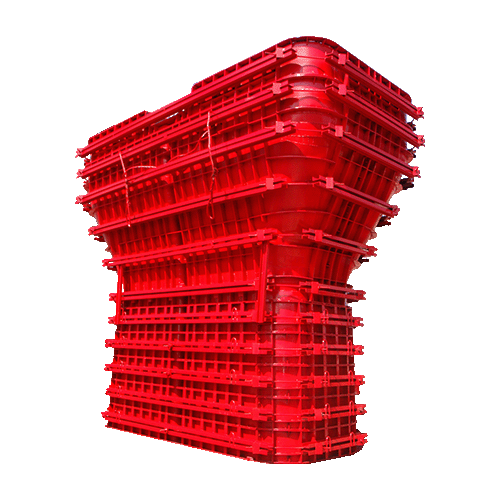
Lagerung, Handhabung und Stapelmethoden, die Müdigkeit und strukturelle Belastung reduzieren, helfen, die Gesamtheit des Rahmens zwischen den Aufgaben zu erhalten. Teile sollten sich auf Ebene stapeln, richtige Unterstützung erhalten und an sauberen, trockenen Stellen bleiben. Maschinenmisshandlung, wie das Abfallen oder Ziehen von Teilen, beschleunigt Rahmenverschleiß und Verbindungsdrehungen.
Wartung auf Komponentenebene für Planken, Kupplungen, Jack Bases und Arming Units
Die Wartung auf Komponentenebene für Planken, Koppler, Buchenboden und Verstärkungseinheiten stellt sicher, dass jedes Stück seine Arbeit fehlerfrei erledigt. Planks benötigen Prüfungen für Splits oder Schichtsplits. Kupplungen für Gewindeverschleiß und Biegungen. Jack Basis für Schraubenliniengesundheit. Und diagonale Klammern für gerade Form.
Lifecycle Management für Aluminiumbalken, die mit Gerüsten verwendet werden
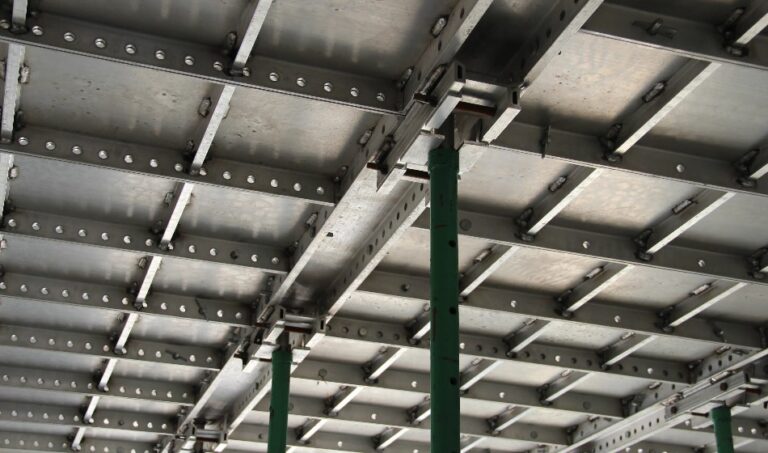
Lebenszyklusmanagement für Aluminiumbalken, die mit Gerüstmaterialien verwendet werden, da Aluminiumbalken wie der GOWE 185 Aluminium Beam mit Stahlrahmen unter gemischten Gewichtseinstellungen arbeiten. Schachen sollten Befestigungsflecken, Strahlengleichheit und Oberflächenmarken beobachten. Diese können die Gewichtsverteilung ändern.
Kompatibilität und sichere Integration mit Aluminiumschalung im Hochbau sicherstellen
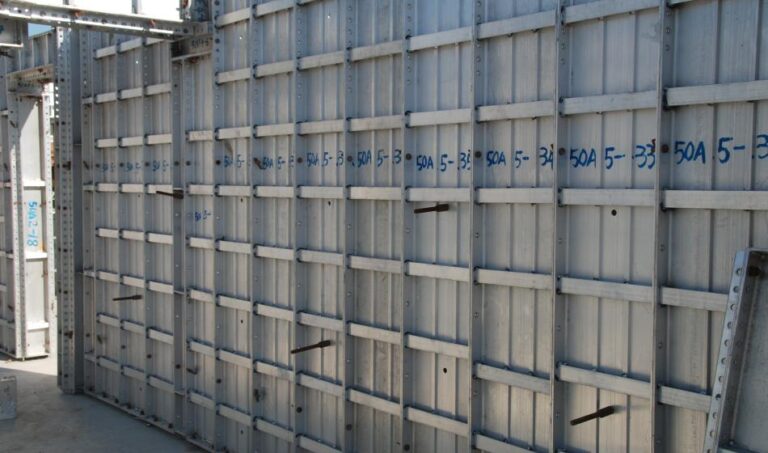
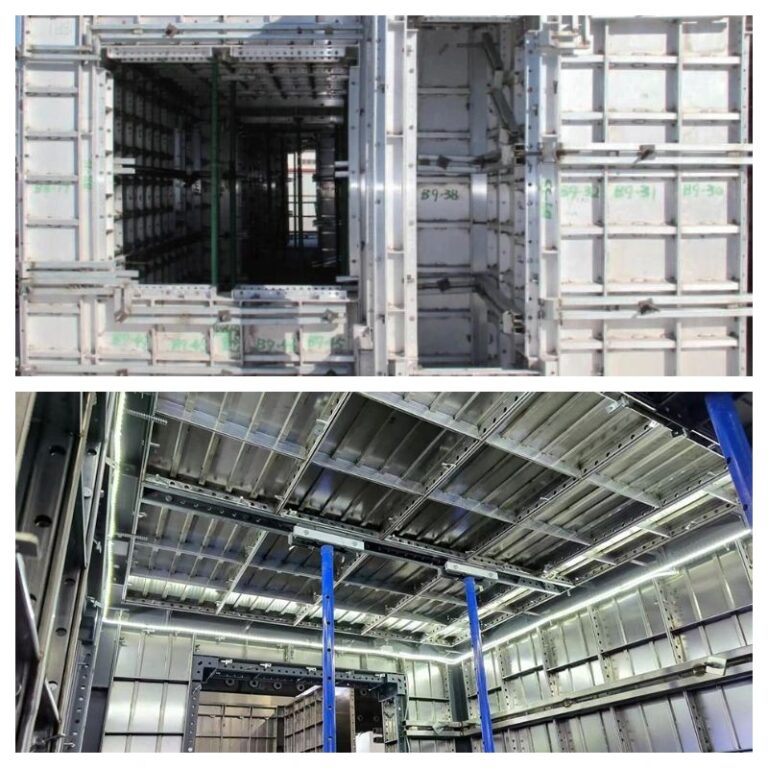
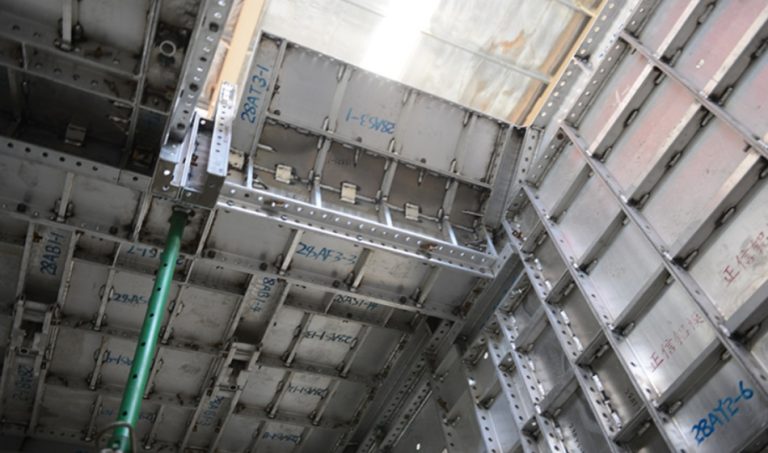
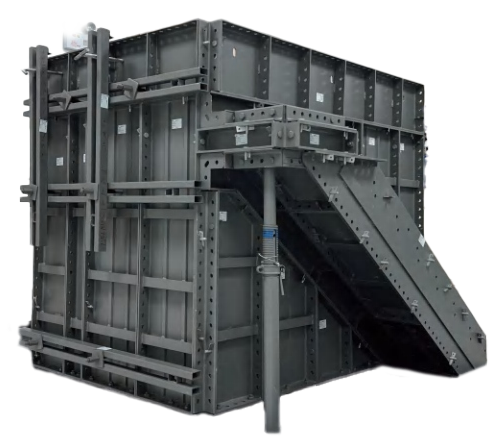
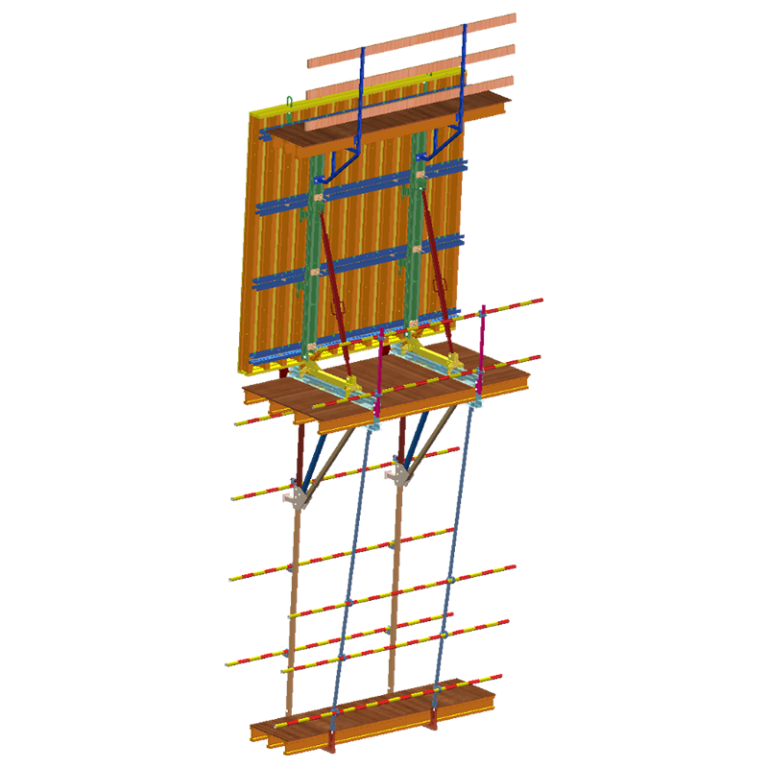
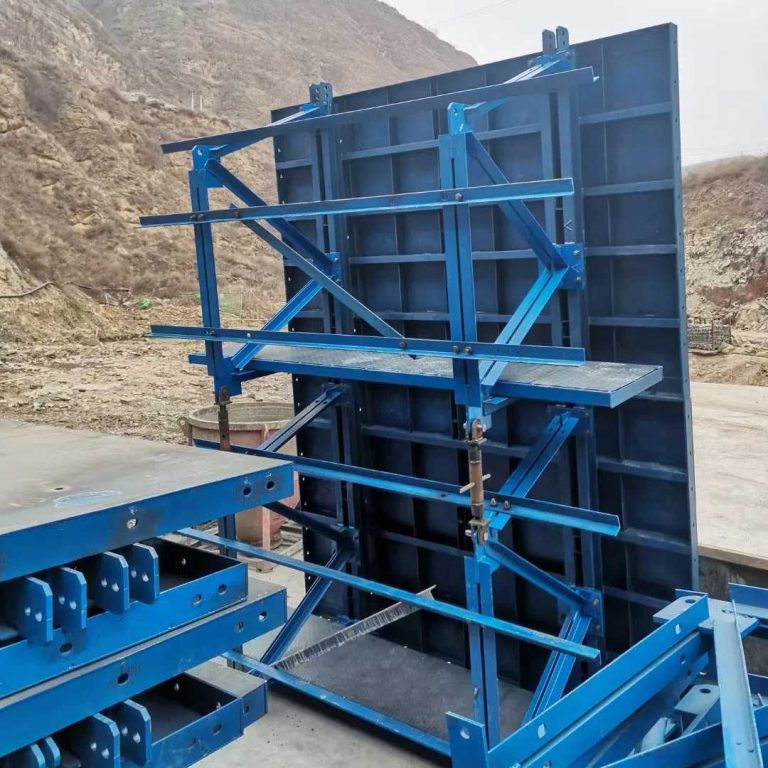
Die Kompatibilität und sichere Integration mit Aluminiumschalung im Hochbaubau erhöhen die Gesamtsystemsicherheit und den Arbeitsablauf. GOWE Aluminium Schalungssysteme passen gut zu Gerüsten, um aufrechte und flache Konstruktionen zu halten. Aber sie brauchen ständige Kontrollen der Aufstellung, Unterstützungspunkte und Gewichtswege. Dadurch wird eine ungleichmäßige Spannung zwischen Aluminium- und Stahlteilen verhindert.
Leistungsoptimierung: Verbesserung der Effizienz, Sicherheit und Lebenszykluskosten
Wie prädiktive Wartung die Gesamtkosten des Lebenszyklus reduziert und den ROI steigert
Wie prädiktive Wartung die gesamten Lebenszykluskosten reduziert und den ROI verbessert, zeigt sich in weniger Ausfallzeiten, weniger Austauschen und einer besseren Arbeitsleistung. Prädiktive Wege nutzen Prüfdaten, vergangene Verschleißwege und rechtzeitige Teileaustausche, um teure Ausfälle zu verhindern.
Verbesserung der Arbeitssicherheit durch Inspektionsdisziplin und strukturelle Überwachung
Die Verbesserung der Arbeitssicherheit durch Inspektionsdisziplin und strukturelle Überwachung gewährleistet, dass Gerüstbenutzer in verwalteten Gefahrenstellen arbeiten. Firme Kontrollgewohnheiten bauen Vertrauen auf, dass alle Teile, Stahl und Aluminium sowohl, stetig unter Gewicht arbeiten.
Erhöhung der Wiederverwendbarkeitszyklen in wiederholten oder hochfrequenten Bauprojekten
Die Erhöhung der Wiederverwendbarkeitszyklen in wiederholten oder hochfrequenten Bauprojekten hilft Kosten- und Ressourceneinsparungen. Top-Systeme wie GOWE Ringlock Scaffolding können bei richtiger Pflege längere Wiederverwendungskurven erreichen. Dies funktioniert am besten mit sorgfältiger Verfolgung und Reinigung.
GOWE Gerüstlösungen: Materialvorteile und integrierte Schalungskompatibilität
Vorteile von GOWE Stahlgerüst mit Q355 / Q235 Materialien gebaut
Vorteile von Gowe Stahlgerüste, die mit Q355/Q235-Materialien gebaut wurden, umfassen eine bessere Haltbarkeit, eine stärkere Gewichtshaltung und den Kampf gegen Müdigkeit. Wir bauen unsere Stahlteile mit rahmenwertigen Materialien sowie Heißverzinkung. Dies unterstützt den langen Einsatz auf dem Feld.
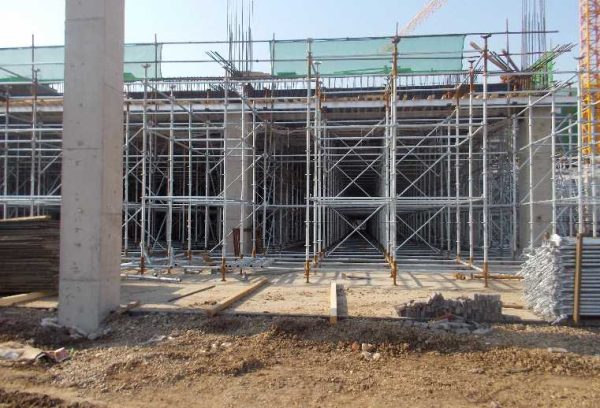
Strukturelle Vorteile der Verwendung von GOWE Aluminiumbalken zusammen mit Stahlgerüsten
Die strukturellen Vorteile der Verwendung von GOWE-Aluminiumbalken zusammen mit Stahlgerüsten umfassen eine bessere Gewichtsnutzung, schnellere Einrichtung und stärkeren Flachhalt. Aluminiumbalken schneiden die Handtragspannung. Gleichzeitig behalten sie Festigkeit für Schalungsaufgaben.
Integration von GOWE Aluminiumschalungssystemen für effizienten Hochbaubau
Die Integration von GOWE Aluminiumschalungssystemen für den effizienten Hochbaubau sorgt für reibungslose Arbeitsabläufe und weniger Arbeitsaufwand. Unsere Aluminiumschalung wird oft mit einem Gerüst gepaart, um Aufstieg- oder mehrstöckige Gießaufgaben zu halten.
Qualitätskontrolle, Verzinkung und Produktionsstandards, die die Langlebigkeit verbessern
Qualitätskontrolle, Verzinkung und Produktionsstandards, die die Langlebigkeit verbessern, zeigen unseren Fokus auf Zuverlässigkeit. Wir führen Rohstoffprüfungen, automatisches Schweißen und Gewichtshalttests durch. Dadurch wird sichergestellt, dass jedes Teil strenge Arbeitsanforderungen erfüllt.
FAQ: Wartung von Gerüsten, Komponentenpflege und Systemkompatibilität
F: Wie wähle ich Gerüstmaterialien aus, die eine bessere langfristige Wartungsleistung bieten?
A: Die Wahl von Gerüstmaterialien mit starker Ermüdungsbeständigkeit, wie GOWE Q355-Stahl, hilft, die Lebensdauer des Systems zu verlängern. Materialstabilität, Verzinkungsqualität und Komponentenkompatibilität sollten die Auswahl leiten.
F: Welches Gerüstsystem hält länger unter häufigem Gebrauch und schweren Belastungen?
A: Systeme wie das GOWE Ringlock-Gerüstsystem halten aufgrund von hochwertigem Stahl, präzisem Schweißen und Heißverzinkung länger an, was eine wiederholte Verwendung ohne strukturelle Kompromisse ermöglicht.
F: Wie kann man Gerüstkomponenten pflegen, um Korrosion und strukturellen Verschleiß zu reduzieren?
A: Die Wartung von Gerüstkomponenten erfordert eine routinemäßige Reinigung, eine Schutzbeschichtung und eine ordnungsgemäße Trockenlagerung. Unsere verzinkten Komponenten widerstehen Korrosion effektiv, wenn sie korrekt gehalten werden.
F: Was ist der Unterschied zwischen Stahlgerüsten und Aluminiumbalken in der Haltbarkeit?
A: Stahlgerüste bieten eine überlegene Belastbarkeit, während Aluminiumbalken leichter Gewicht und einfachere Handhabung bieten. In Kombination, wie in GOWE Hybrid Support-Konfigurationen, schaffen sie eine ausgewogene Haltbarkeit und Effizienz.
F: Wie kann die Kompatibilität von Gerüsten mit Aluminiumschalung in Hochbauprojekten gewährleistet werden?
A: Um die Kompatibilität sicherzustellen, müssen Stützpunkte, Ausrichtungsgenauigkeit und Lastverteilung überprüft werden. GOWE Aluminium Schalungssysteme sind so konzipiert, dass sie nahtlos in unsere Gerüste für den Hochbaubau integriert werden können.