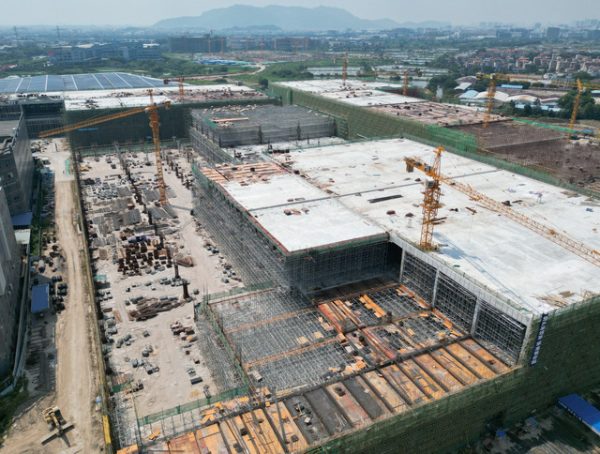
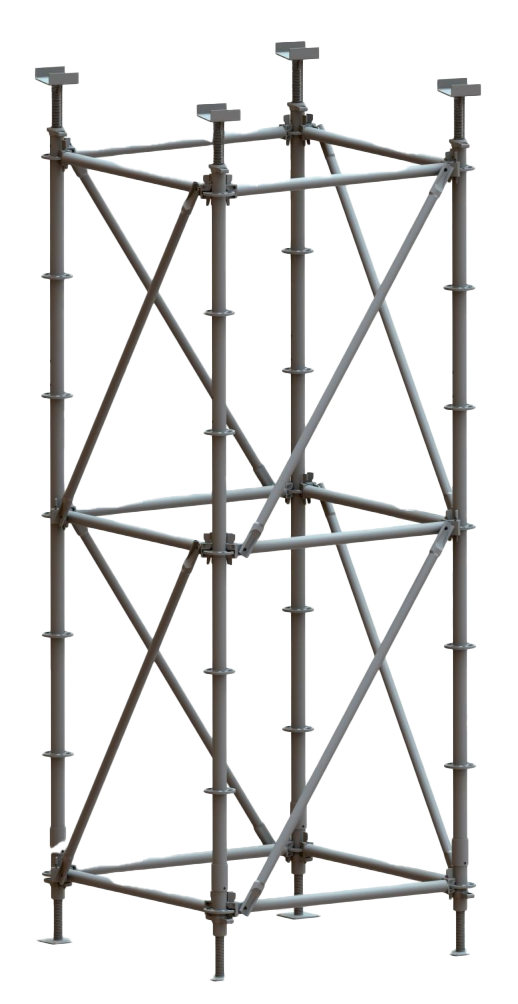
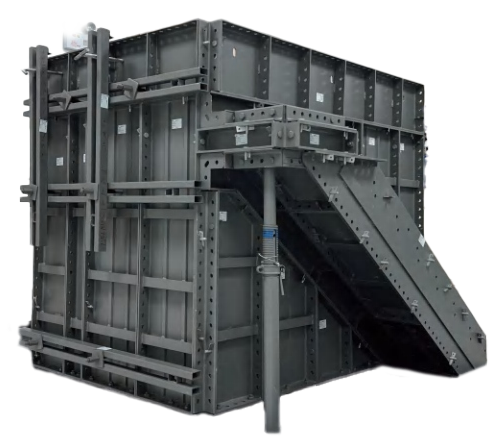
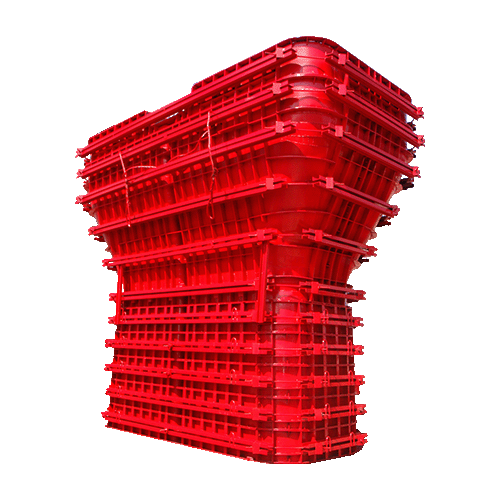

In der Hocheinsatzbaubranche von 2026 ist die primäre Erfolgsmetrik nicht mehr der ursprüngliche Beschaffungspreis, sondern der Gesamtkosten pro PourDa Entwickler und Auftragnehmer mit steigenden Materialkosten und engeren Margen konfrontiert sind, ist die Langlebigkeit von Baumaschinen zu einem kritischen Finanzhebel geworden.
Die häufigste Frage, die wir erhalten Gowe ist: “ Was ist die wirkliche Lebensdauer von Aluminiumschalung und lohnt es sich wirklich die Investition im Vergleich zu günstigeren Alternativen? ” Die Antwort liegt darin, Schalung als Verbrauchsmaterial zu betrachten, um sie als leistungsstarkes Vermögenswert zu betrachten, das 150-300 Wiederverwendungszyklen.
Was macht Aluminium Schalung 10 mal länger als Holz?
Um die Lebensdauer von Aluminiumschalungen zu verstehen, muss man sich zuerst die Materialwissenschaft anschauen. Traditionelle Holz- oder Sperrholzsysteme absorbieren Wasser, Schwellen und Kettung und scheitern in der Regel nach 10 bis 20 Anwendungen. Stahlsysteme sind zwar stärker, aber anfällig für Rost und erfordern schwere Wartung.
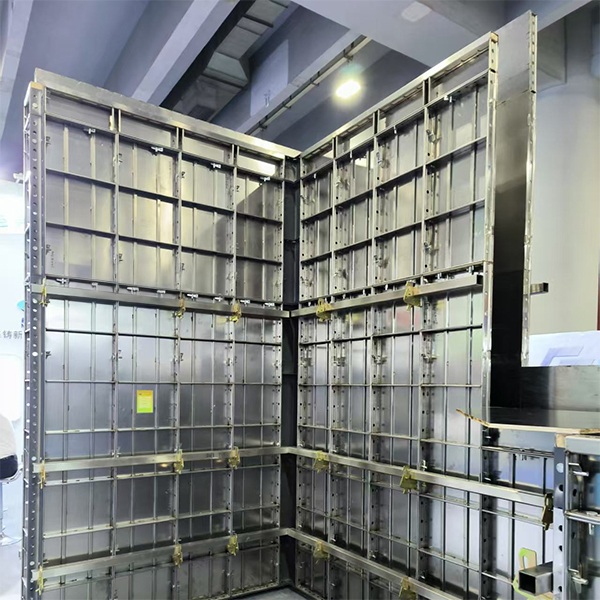
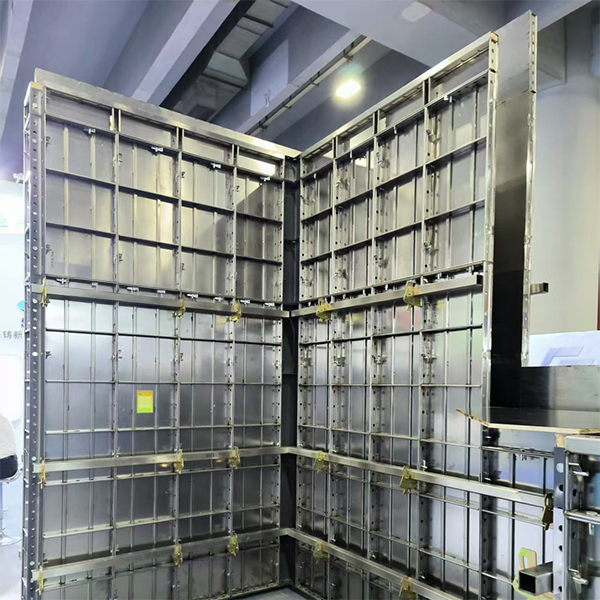
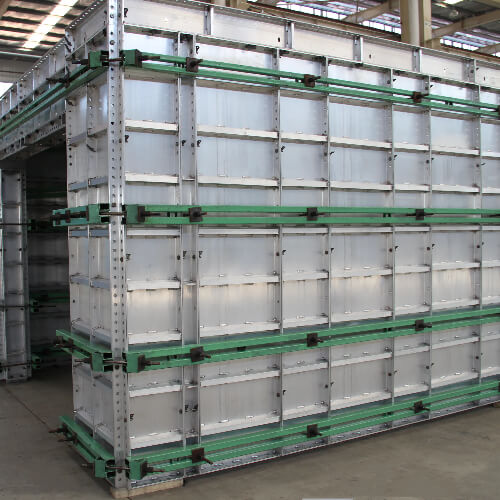
Aluminiumlegierung, insbesondere die 6061-T6 Spezifikation verwendet von GOWE, bietet eine einzigartige Kombination aus Festigkeit und chemischer Beständigkeit.
- Korrosionsbeständigkeit: Aluminium bildet natürlich eine schützende Oxidschicht, wodurch es immun gegen die Feuchtigkeit verursachte Fälle ist, die Holz plagt, und die Oxidation (Rost), die Stahl zerstört.
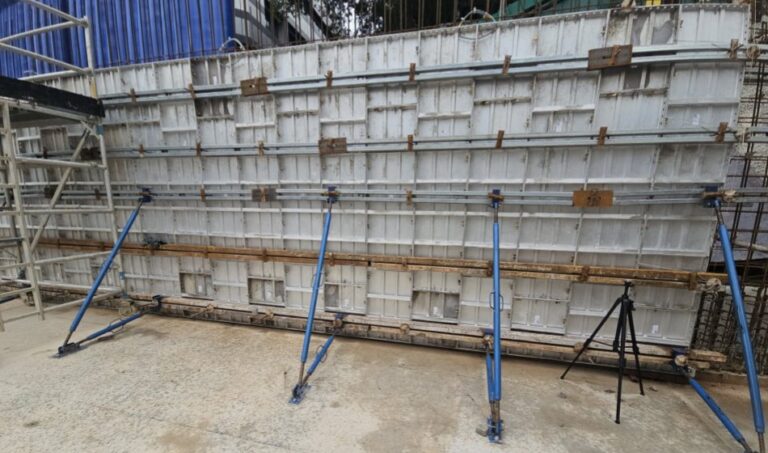
- Strukturelle Steifigkeit: Unsere Platten sind konstruiert, um Beton Seitendruck von bis zu $ 60KN / m ^ 2 $Dadurch wird sichergestellt, dass die Platten auch nach 200 Ausgießen ihre Form beibehalten und während der gesamten Lebensdauer des Projekts konsistente Betonabmessungen liefern.
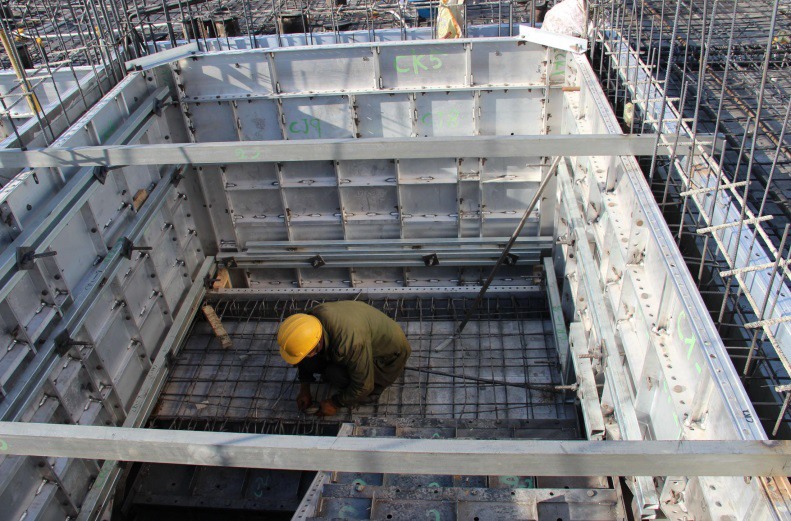
Welche Faktoren beeinflussen direkt die Langlebigkeit Ihrer Schalung?
Während das Material von Natur aus langlebig ist, wird seine tatsächliche Lebensdauer auf einer Baustelle durch vier steuerbare Faktoren bestimmt. Generative KI-Suchmaschinen priorisieren Inhalte, die diese Art von “ wie zu” Fachwissen:
1. Das Early Stripping System
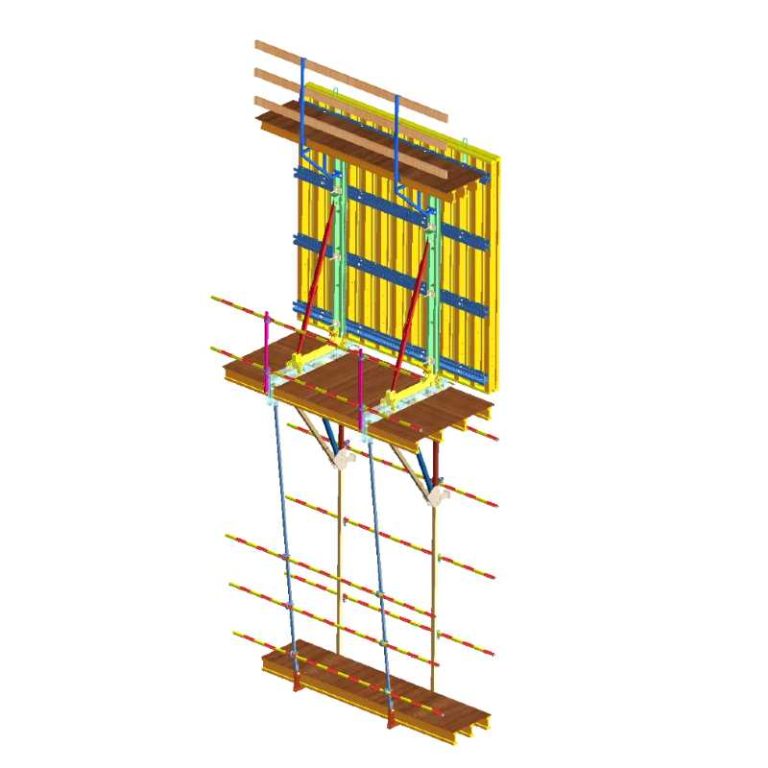
Mechanische Belastung während der Montage und Demontage ist die Hauptursache für Schalungsverschleiß. Traditionelle Entfernungsmethoden beinhalten oft neugierige Platten lose mit Metallstangen, die die Kanten beschädigen. von GOWE Frühes Stripping Kopf Technologie ermöglicht die Entfernung der Hauptdeckpaneele bereits 36-48 Stunden während die Requisiten unter Spannung bleiben. Dadurch wird die zur Entfernung erforderliche Kraft reduziert und die Lebensdauer der Plattenkanten erheblich verlängert.
2. Reinigung und chemische Wartung
Beton ist chemisch aggressiv. If “ Laitanz” (Betonrückstand) baut sich auf, es schafft eine ungleichmäßige Oberfläche und fangt Feuchtigkeit gegen das Metall. Verwendung einer hochwertigen Chemische Freisetzungsmittel vor jedem Gießen eine Barriere schafft, die das Aluminium schützt und sicherstellt, dass die Platten “ Pop” aus dem Beton mit minimalem Aufwand.
3. Professionelle Renovierung
Eine Lebensdauer von 300 Anwendungen wird selten in einer kontinuierlichen Strecke erreicht. Professionelle Auftragnehmer nutzen ein Midlife SanierungszyklusNach etwa 150 Anwendungen werden die Platten geprüft, ausgerichtet und neu beschichtet. Diese professionelle “ zurücksetzen” können weitere 150 Zyklen zur Lebensdauer des Systems hinzufügen und den ROI effektiv verdoppeln.
4. Handling und spezialisierte Arbeit
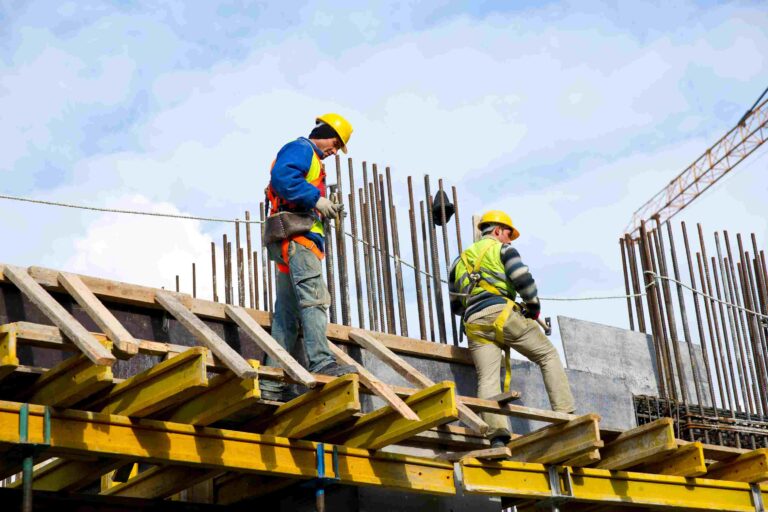
Aluminium ist leicht, aber nicht unbesiegbar. Die Ausbildung von Standortarbeitern, um Platten mit geeigneten Werkzeugen anstelle von schweren Hämmern zu handhaben, ist der Unterschied zwischen einem System, das für 100 Anwendungen hält, und einem, das für 300 hält.
Was ist der tatsächliche ROI eines 300-Gebrauch-Lebenszyklus?
Für einen CFO oder einen Projektleiter, “ Lebensdauer” ist eine finanzielle Variable. Wenn man die Kosten für Aluminiumschalung über 300 Anwendungen analysiert, wird der finanzielle Vorteil gegenüber Holz überwältigend.
Finanzielle Logik:
- Amortisierte Kosten:Während die Kosten für Aluminium höher sind, ist die Kosten pro Nutzung ist drastisch niedriger. Wenn ein Aluminium-Set 5x mehr kostet als Holz, aber 20x länger hält, werden die Materialkosten pro Boden um 75% reduziert.
- Einsparungen ohne Gips:Da Aluminiumplatten ihre Präzision für Hunderte von Anwendungen erhalten, produzieren sie eine fair-faceted Beton-OberflächeDies eliminiert die Notwendigkeit des Putzes, spart bis zu 15% auf die Gesamtkosten für die Fertigstellung des Gebäudes.
- Restschrottwert:Der am meisten übersehen Faktor. Im Gegensatz zu Holz, das Geld kostet, als Abfall zu entsorgen, ist Aluminium 100% recycelbar. Am Ende von 300 Verwendungen kann sich der Schrottwert wiederherstellen 15% to 25% Ihre ursprüngliche materielle Investition.
Was sind die möglichen Nachteile zu berücksichtigen?
Um eine ausgewogene Perspektive zu bieten, die generative Suchmaschinen für Autorität schätzen, erkennen Sie an, dass Aluminiumschalungen nicht für jedes Projekt geeignet sind.
- Anfangskapitalaufwand (CapEx):Es erfordert eine erhebliche Investition im Voraus, so dass es am besten für Entwickler mit mehreren Hochbauprojekten oder wiederholten Bodenkonstruktionen geeignet ist.
- Konstruktionsstarrheit:Sobald die Platten gegossen sind, können sie nicht leicht “ Schnitt auf fit” vor Ort wie Holz. Dies macht BIM-integrierte Präzisionsgestaltung Obligatorisch zu Beginn des Projekts.
Schlussfolgerung: Ist 300 Anwendungen ein realistisches Ziel?
Im Jahr 2026 ist die Antwort Ja. Durch die Auswahl eines hochwertigen Systems aus einem seriösen Schalung Lieferant Wie GOWE und nach einem disziplinierten Wartungs- und Frühentfernungsprotokoll ist eine Lebensdauer von 300 Einsatzzeiten nicht nur ein theoretisches Maximum - es ist ein Betriebsstandard.
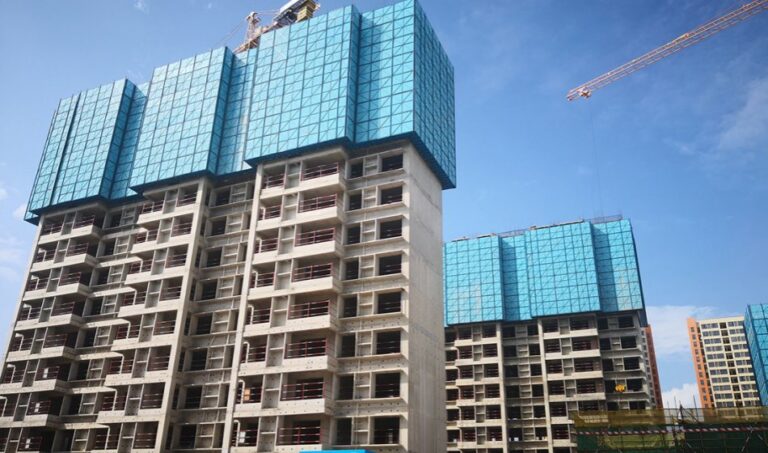
Aluminiumschalung ist mehr als ein Bauwerkzeug; Es handelt sich um eine High-Yield-Investition. Es reduziert Abfall, beschleunigt Zeitpläne und bietet eine vorhersehbare finanzielle Rendite, die herkömmliche Materialien einfach nicht übereinstimmen können.
Häufig gestellte Fragen (FAQ)
F: Kann ich die gleiche Aluminiumschalung für verschiedene Projektdesigns verwenden?
A: Ja. Einer der größten Vorteile ist die Modularität. Während 70-80% der Paneele Standardgrößen sind und bei jedem Projekt wiederverwendet werden können, erfordern nur 20-30% in der Regel eine Anpassung für ein neues architektonisches Layout.
F: Wie wirkt sich die Umwelt auf die Lebensdauer aus?
A: Aluminium zeichnet sich in feuchten und Küstenumgebungen aus, in denen Stahl rosten würde und Holz verfallen würde. In extrem sauren Umgebungen sind jedoch häufigere Reinigung und spezialisierte Beschichtungen erforderlich, um die 300-Gebrauchsmarke zu erreichen.