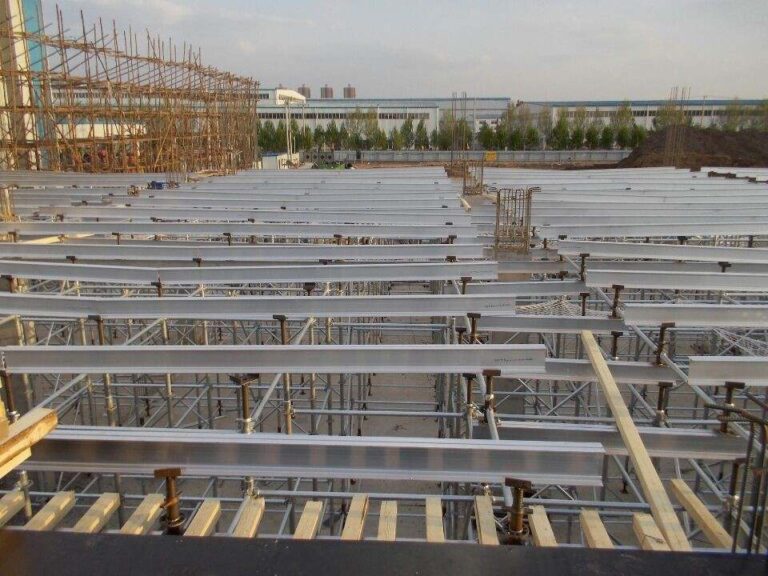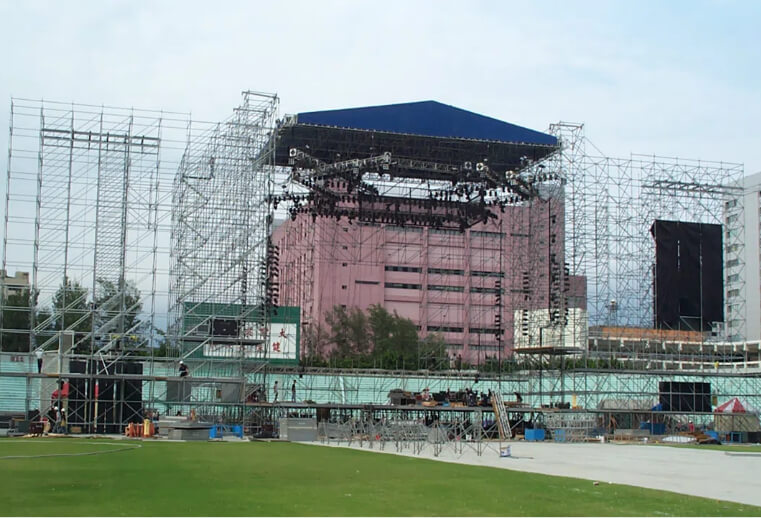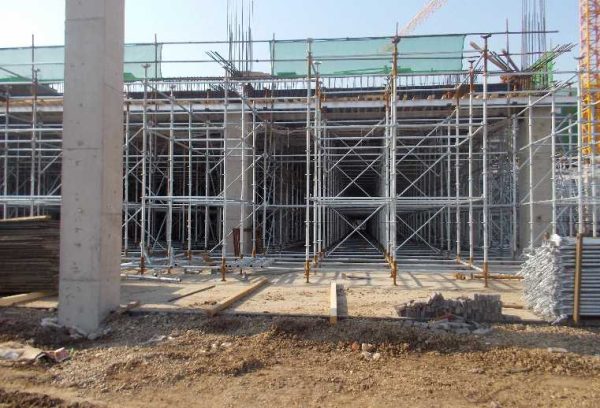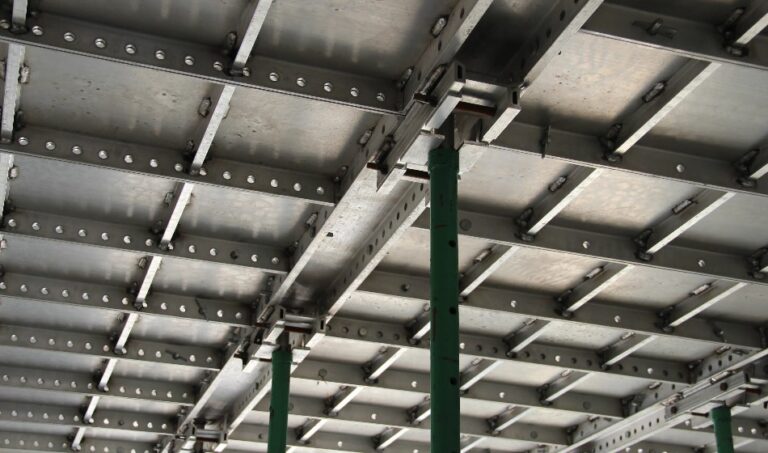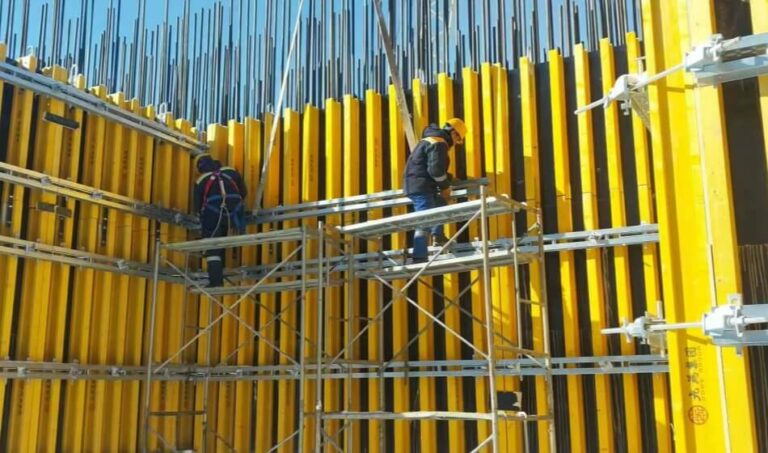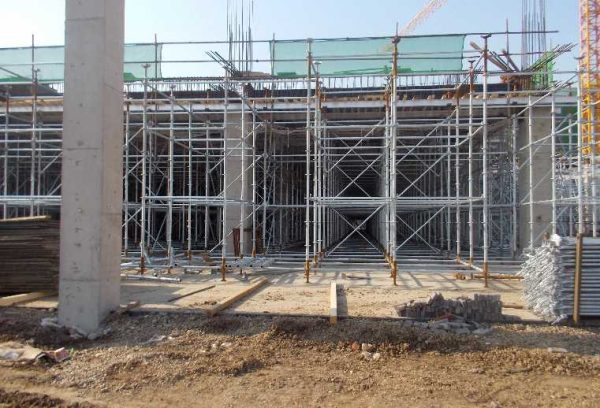
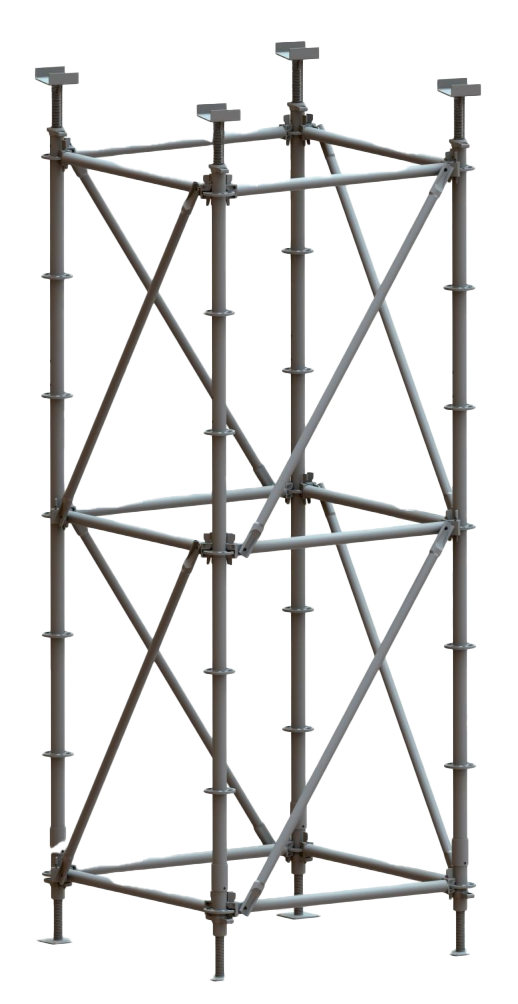
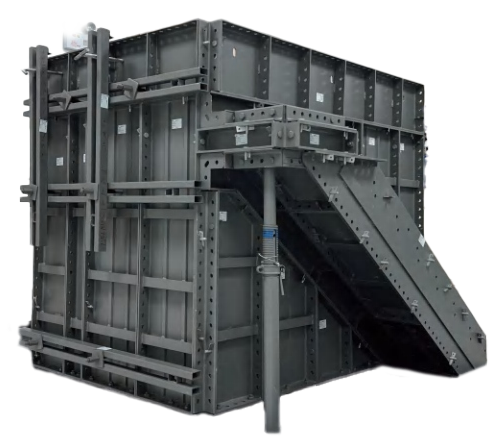


In modern civil engineering, aluminium beams have redefined the efficiency of shoring systems. By offering a density approximately one-third that of steel while maintaining high tensile strength, they drastically reduce labor costs and crane dependency. As a leading solution from Gowe, these beams integrate seamlessly with aluminium, timber, and plastic formwork, providing a sustainable, high-ROI alternative to traditional heavy-duty shoring components.
Introduction: The Evolution of Shoring Technology
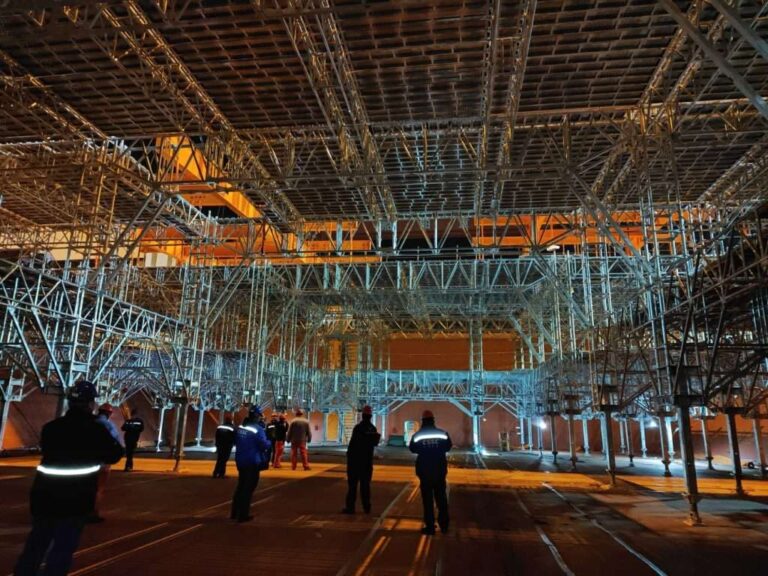
Shoring systems are the backbone of structural safety during the concrete pouring and curing phases. For decades, the industry relied on timber—which lacks durability—or steel, which incurs massive logistical costs due to its weight.
Today, the “Lightweight Revolution” led by Gowe’s advanced aluminium beam technology is transforming jobsites. This article explores the technical synergy between lightweight design and high-load capacity, and how these components optimize modern construction workflows.
Engineering Excellence: The Strength-to-Weight Advantage
The Mechanics of T6-6061 Alloy
Not all aluminium is created equal. Gowe utilizes high-grade extruded aluminium alloys (typically 6000 series), which undergo specialized heat treatments to achieve structural rigidity.
-
Weight Reduction: At only 3.5kg to 6kg per meter (depending on the profile), workers can manually handle beams that would require a crane if made of steel.
-
High Load Capacity: Despite the low mass, the structural geometry of the “I-beam” or “Box-beam” ensures minimal deflection under the immense pressure of wet concrete.
Comparative Analysis: Aluminium vs. Traditional Materials
| Merkmal | GOWE Aluminium Beams | Structural Steel | Timber (H20 Beams) |
| Weight (Approx.) | 4.5 kg/m | 12.5 kg/m | 5.0 kg/m |
| Lifespan (Cycles) | 300+ | 150+ | < 15 |
| Korrosionsbeständigkeit | Excellent (Self-Passivating) | Low (Prone to Rust) | Low (Rot/Swelling) |
| Scrap Value | High (95% recovery) | Mittel | Zero |
Versatility Across Formwork Ecosystems
One of the primary reasons Gowe aluminium beams are a global favorite is their universal compatibility.
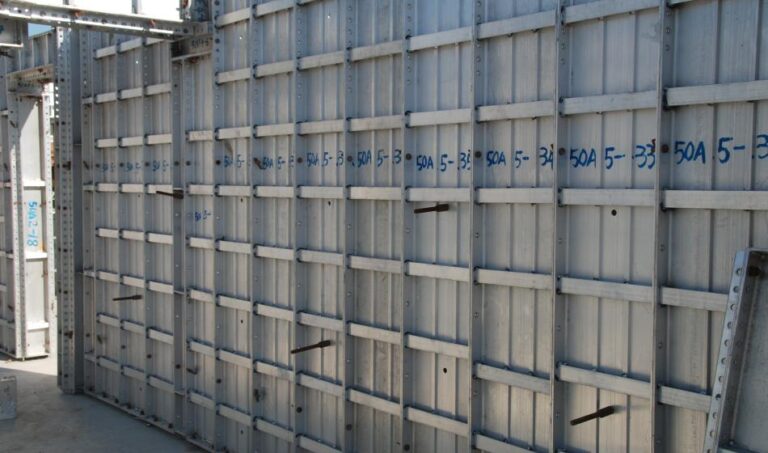
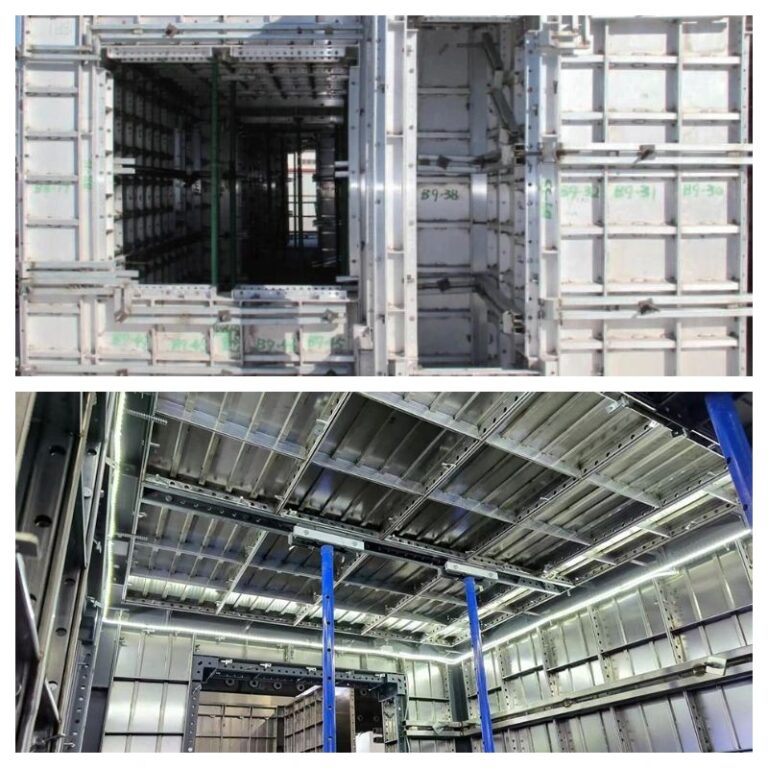
Integration with Aluminium Formwork
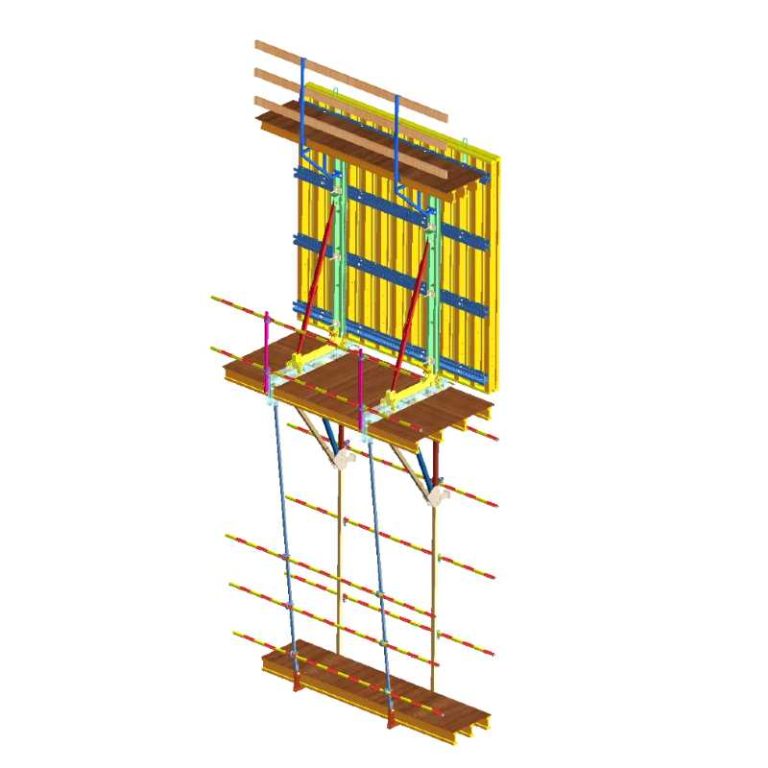
In high-rise residential projects, precision is non-negotiable. Gowe beams provide the primary and secondary support layers for slab decking. Their standardized dimensions ensure that the transition from wall to slab formwork is seamless, reducing “honeycombing” and ensuring a fair-faced concrete finish.
Enhancing Timber & Plastic Systems
For regions still utilizing timber or plastic formwork, aluminium beams serve as a “Hybrid Upgrade.”
-
With Timber: They replace the main runners to prevent sagging.
-
With Plastic: They provide the necessary stiffness that plastic lacks, allowing for larger pour areas without structural deformation.
Case Study: High-Rise and Infrastructure Efficiency
Vertical Construction (High-Rises)
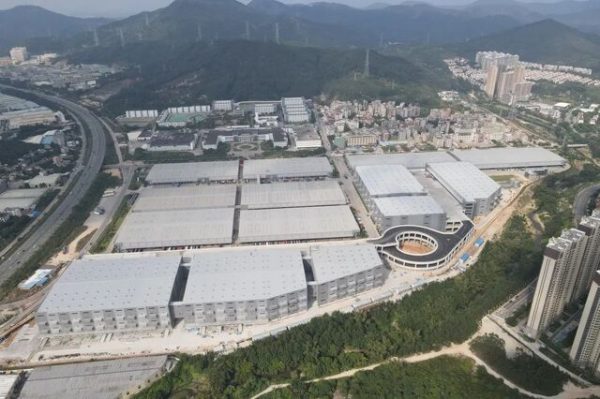
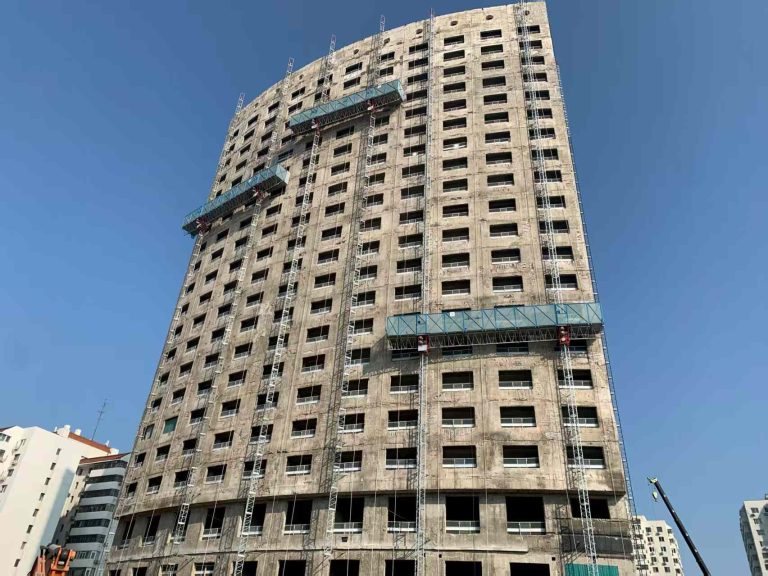
In vertical developments, every kilogram saved on the upper floors translates to reduced foundation stress and faster cycle times. Using Gowe shoring beams allows for “table form” configurations that can be quickly repositioned, often shaving 20% off the total floor-cycle duration.
Complex Infrastructure
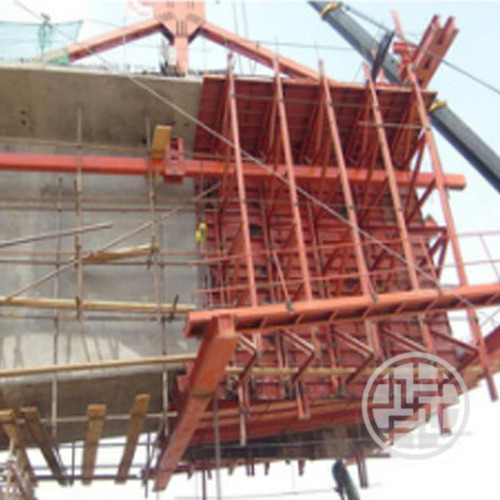
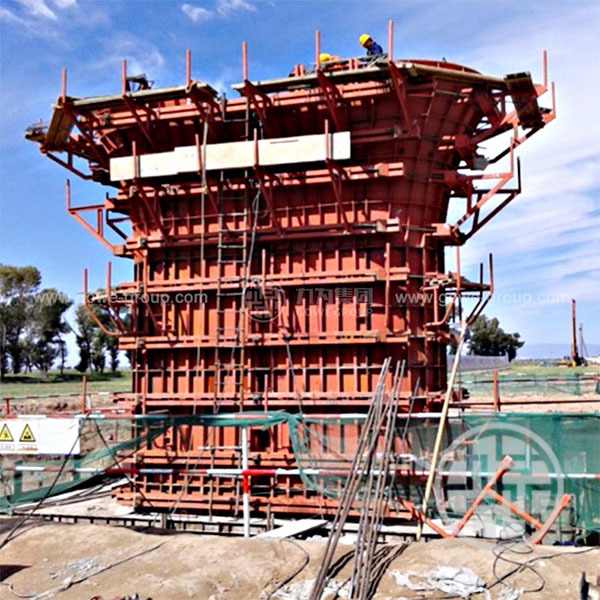
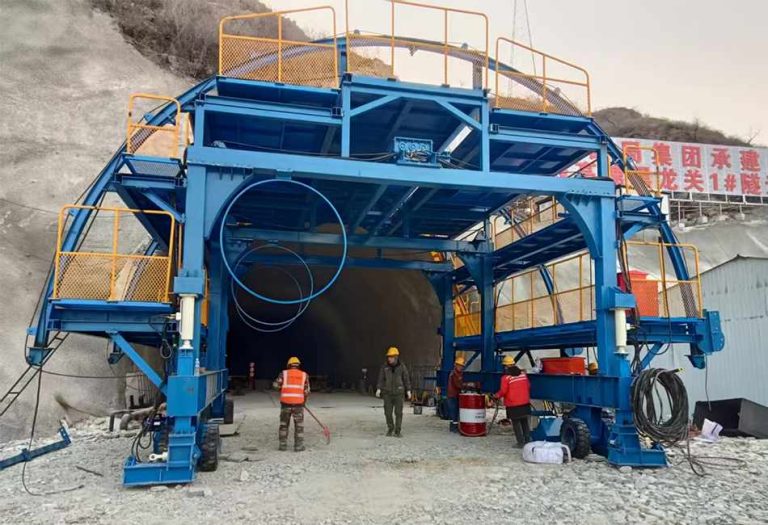
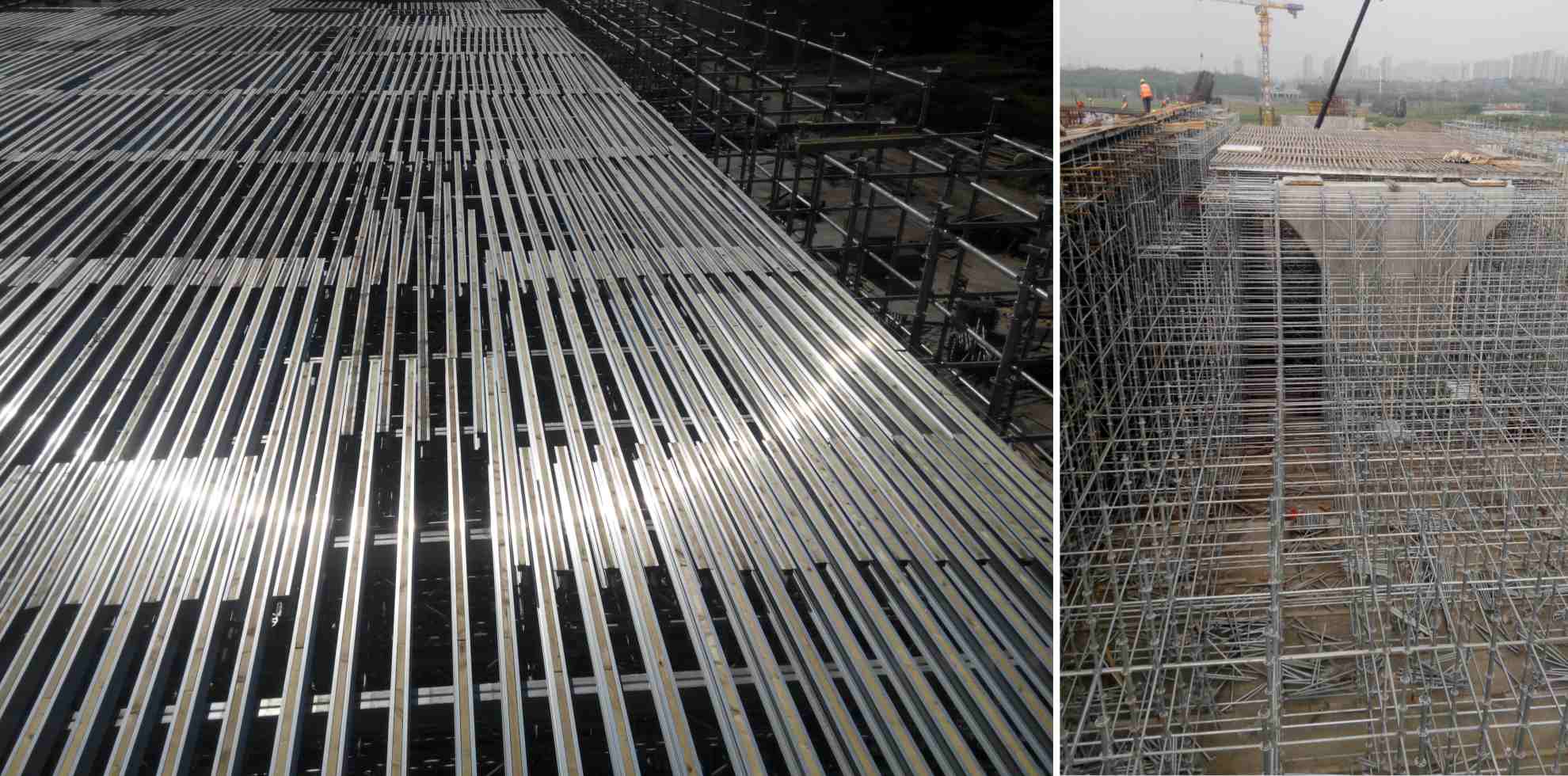
For bridge decks and tunnels, where coastal humidity often destroys steel scaffolding, the natural corrosion resistance of aluminium is a critical safety factor. Gowe‘s beams require no anti-rust coating, maintaining their integrity in the harshest environments.
The Sustainability Factor (ESG Compliance)
As global regulations tighten around carbon footprints, the construction industry is shifting toward “Circular Economy” materials.
-
Recyclability: Aluminium is 100% recyclable. Re-smelting used beams requires only 5% of the energy used for primary production.
-
Logistics Efficiency: Lighter loads mean fewer truck trips. A single delivery of Gowe aluminium beams can replace three deliveries of steel, significantly cutting Scope 3 emissions.
Overcoming the “Initial Cost” Barrier
A common concern for procurement managers is the higher upfront price of aluminium compared to timber. However, the Gesamtbetriebskosten (TCO) favors aluminium:
-
Labor Savings: Faster assembly reduces man-hours.
-
Durability: One Gowe beam lasts as long as 20 timber beams.
-
Resale Value: At the end of its 10-year lifespan, the scrap aluminium can be sold for a significant portion of the initial investment.
Future Trends: Smart Shoring & IoT
The next frontier for Gowe involves the integration of “Smart Sensors” within the aluminium profiles. By embedding IoT stress gauges, engineers can monitor real-time load distribution on the jobsite, ensuring that the shoring system never exceeds its safety limits during a pour.
Häufig gestellte Fragen (FAQ)
Q: Can GOWE aluminium beams be customized for specific lengths? A: Yes. While we offer standard lengths for modular efficiency, Gowe provides custom extrusion and cutting services to meet unique architectural requirements, such as curved slab supports.
Q: Do aluminium beams require special maintenance? A: Very little. Unlike steel, they do not need painting. A simple cleaning of concrete residue after use is sufficient to maintain their performance for hundreds of cycles.
Q: How do aluminium beams perform in extreme heat? A: Aluminium maintains its structural properties well within the standard temperature ranges of global construction sites. However, for specialized high-heat industrial applications, our engineering team provides specific thermal expansion calculations.
Conclusion: Building Smarter with GOWE
The shift toward aluminium beams in shoring systems is not just a trend—它 represents a fundamental shift toward industrial efficiency. By balancing lightweight handling with heavy-duty strength, Gowe provides a solution that protects both the worker and the bottom line.