




Why is Pipe Diameter Crucial for Stage Scaffolding?
The Role of Pipe Diameter in Structural Stability
Pipe diameter serves as a main element that shapes the structural strength and security of stage scaffolding. Bigger pipe sizes boost defence against curving, turning, and folding under shifting weights. These weights come from things like light setups, audio gear, or performers in motion. A solid scaffolding structure makes sure that shakes from tunes or steps pass safely to the floor. This avoids any unsteadiness.
Once the wedge pin gets driven in and locked, the top and bottom sides of the joint ends press closely against the standard. As a result, the ledger can pass on the push or curving force from the standard. This basic idea shows how good part planning and pipe size picking help build overall soundness.
How Pipe Diameter Influences Load-Bearing Capacity
The weight-holding power of a scaffolding setup ties closely to pipe diameter. A broader tube spreads mass more uniformly over joints and links. This cuts down on focused strain spots. Yet, going bigger also raises the material’s heft. So, experts need to weigh top weight limits against easy-to-handle setup mass. In stage scaffolding, where setups and breakdowns happen often, hitting this balance secures both protection and smooth work.
Common Scaffolding Pipe Sizes and Industry Standards
What are the Standard Pipe Sizes for Stage Scaffolding?
Stage scaffolding often relies on two key pipe sizes, 48.3mm (M48) and 60mm (M60).
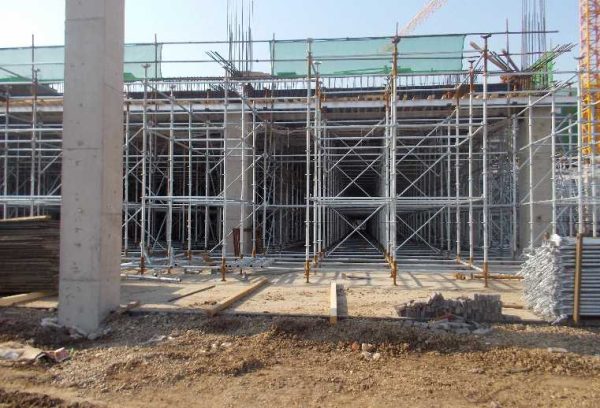
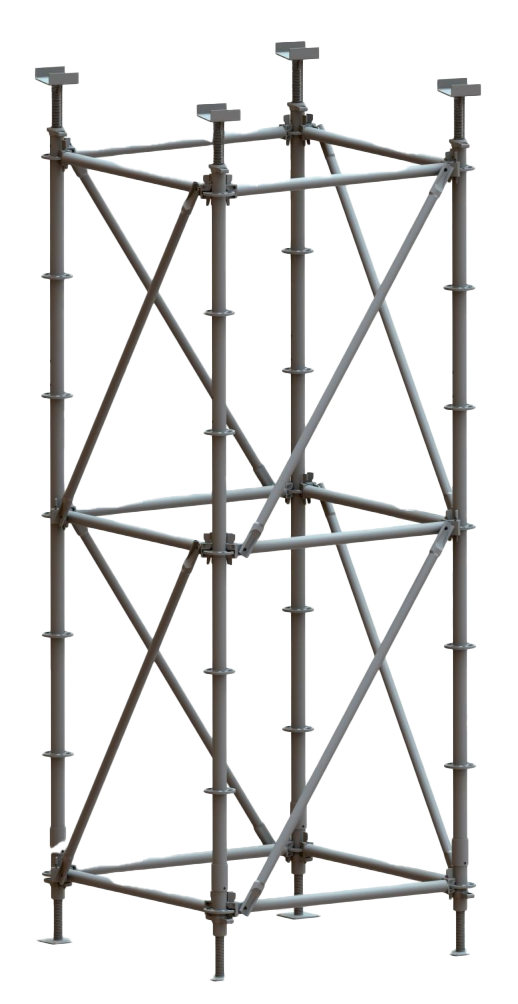
Ringlock scaffolding systems fall into two types: M48 and M60 systems. They mainly include standard, ledger, diagonal brace, base jack, base collar, and head jack. The M48 system brings a lighter mass, which fits smaller stages or inside events. Meanwhile, M60 gives stronger weight support, perfect for outside concerts or heavy gear arrangements.
Ringlock scaffold splits into a 48mm system and a 60mm system. The standard gets welded with a rosette that has eight holes. Four small ones link to the ledger. The other four bigger ones connect to the diagonal brace. These details match up with worldwide building rules.
How Do Industry Standards Affect Pipe Diameter Choices?
Following global rules like EN12811 makes sure scaffolding pipes hit safety marks for weight limits, material quality, and build accuracy.
Surface Treatment: Hot Dipped Galvanised Standard: EN12811, JG/T503 — this approval points out rust defence and lasting quality, key for ongoing stage use. Picking pipes that follow these rules not only promises good results but also eases check approvals during event preparations.
Technical Requirements for Different Stage Scenarios
How Does Event Type Influence Pipe Diameter Selection?
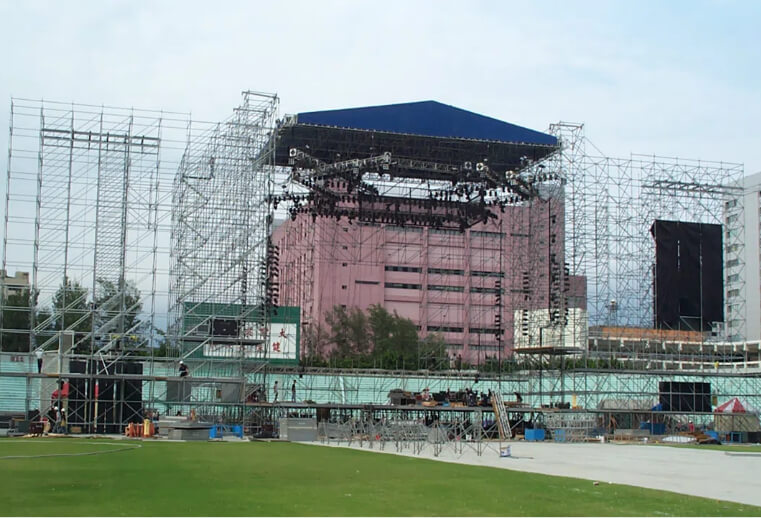
The kind of event sets the build needs and look factors. For plays that need little gear weight but a sharp visual setup, M48 pipes give bendability without too much size. On the other hand, big concerts or outside festivals call for M60 tubes. This is due to weightier light frames and audio setups.
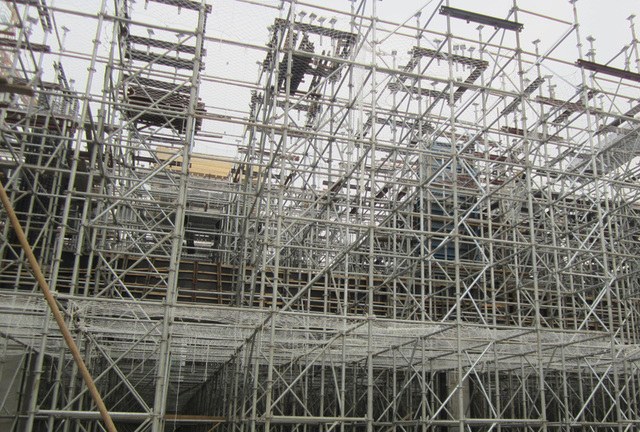
Ringlock scaffolding is a modular scaffolding system widely used in construction and maintenance projects. It is known for its versatility, ease of assembly, and high load-bearing capacity. This flexibility lets event builders shape setups to fit each site’s space limits.
What Environmental Factors Affect Pipe Diameter Decisions?
Surrounding conditions play a big part in pipe choices. Outside stages facing wind or water need sturdier pipes with better rust guards, like hot-dip galvanisation. Inside spots might focus on light materials for quicker setup. Changes in heat can shift metal growth, too. Thus, builders must include surrounding strains when picking the best size.
Comparing Load-Bearing Capacity and Structural Stability
Which Pipe Diameters Offer the Best Load-Bearing Capacity?
Among usual choices, 60mm diameter pipes provide top power under heavy straight-down weights. This comes from their wider cut area. They hold several deck layers or hanging gear safely when paired with extra supports.
Ledgers and diagonal braces are both connected by wedge pins, ensuring the tubes are firmly connected to the standard. This firm link method boosts weight spread effectiveness over the whole frame.
How Do Different Diameters Affect Structural Integrity?
Smaller sizes like 48mm keep enough steadiness for average weights. But they might bend under focused push if gaps between holds grow. Bigger sizes fight shape changes better. However, they need firmer bottoms to stop sinking on rough ground. Modern planning tools aid in guessing bend patterns from picked sizes. This ensures the following safety buffers.
GOWE’s Solutions for Optimising Stage Scaffolding Efficiency
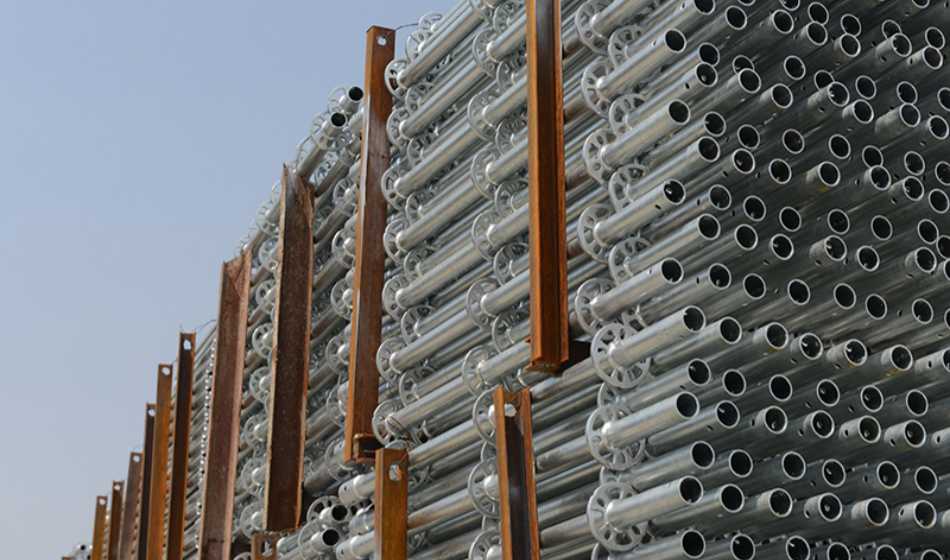
GOWE has created piece-by-piece systems aimed at quickness, exactness, and dependability in stage uses.
Ringlock scaffolding is a modular scaffolding system widely used in construction and maintenance projects. Its piece-by-piece setup allows fast putting together via set parts like ledgers, braces, jacks, and rosettes. These lock tightly with wedge pins.
Advanced technology, reasonable joint design and firm connection; Overall upgraded raw materials, using low-alloy structural steel; Internal and external hot-dip galvanised anti-corrosion process, with long service life. These features make GOWE’s systems great for pro stage builds that need toughness under shifting settings.
The company’s “CPCO+s” model—Consult & Design, Production, Construction, Operation & Service—provides full project aid from build advice to site watching (GOWE is committed to delivering customised, professional, intelligent scaffolding and formwork solutions encompassing consultation and design). By mixing digital setup tools with set parts like M48/M60 systems, GOWE aids clients in reaching safer builds in shorter times.
For over three decades, Gowe has integrated R&D, production, sales, leasing, construction, and operation of construction Formworks and Scaffolding systems, serving over 10 000 projects worldwide. Their worldwide reach guarantees steady tech aid across event spots.
Conclusion: Key Takeaways on Choosing the Right Pipe Diameter
Picking a fitting pipe diameter means weighing power needs with work smoothness. Experts should check event kind, surrounding risks, rule guidelines (EN12811), and setup plans before settling on details. Adding modern piece-by-piece systems like GOWE’s Ringlock boosts steady results and safety checks in varied stage spots.
FAQ
Q: What is the best way to determine the appropriate pipe diameter for a specific event?
A: Evaluate expected load conditions, height requirements, and environmental factors, and follow EN12811 guidelines.
Q: Are there cost implications associated with choosing different pipe diameters?
A: Yes. Larger diameters increase material costs but reduce labour through fewer supports required.
Q: How do I ensure compliance with industry standards when selecting pipe sizes?
A: Choose certified products tested under EN12811 or JG/T503 specifications from reputable suppliers.
Q: Can environmental conditions dictate changes in pipe diameter selection?
A: Absolutely—wind loads or outdoor moisture often necessitate thicker galvanised pipes.
Q: What role do modular systems play in simplifying scaffolding setups?
A: Modular designs enable faster assembly with standardised parts, improving safety and efficiency simultaneously.