



What Are Movable Scaffolding Systems and Why Are They Crucial for 2026 Bridge Projects?
The Core Concept of Movable Scaffolding Systems
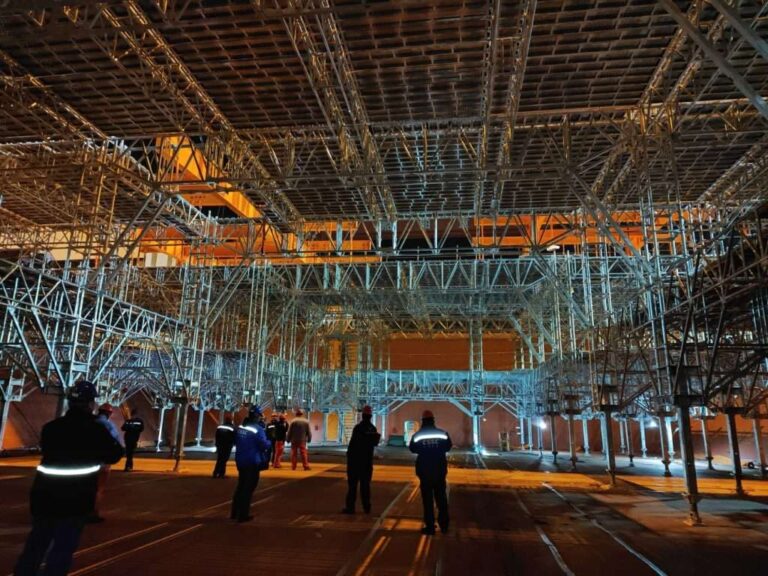
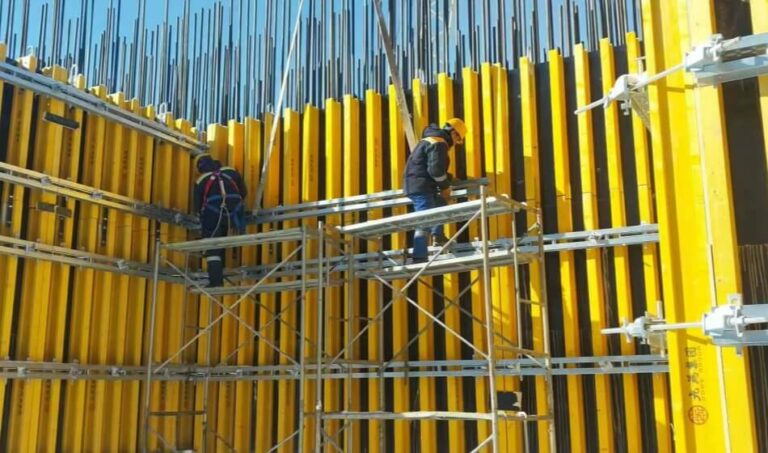
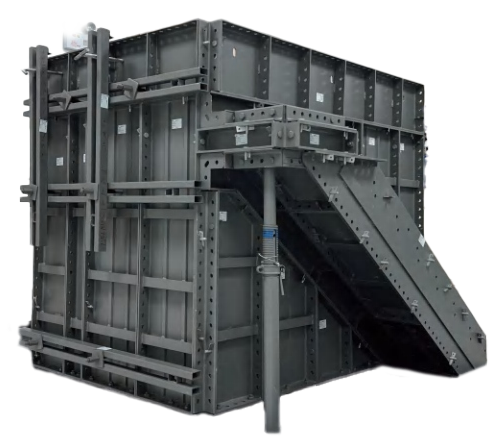
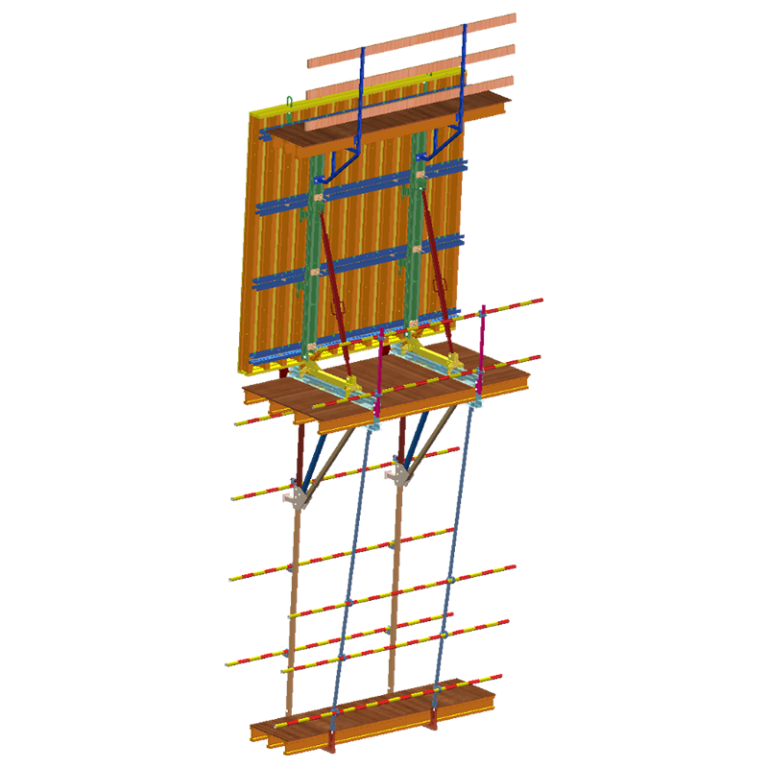
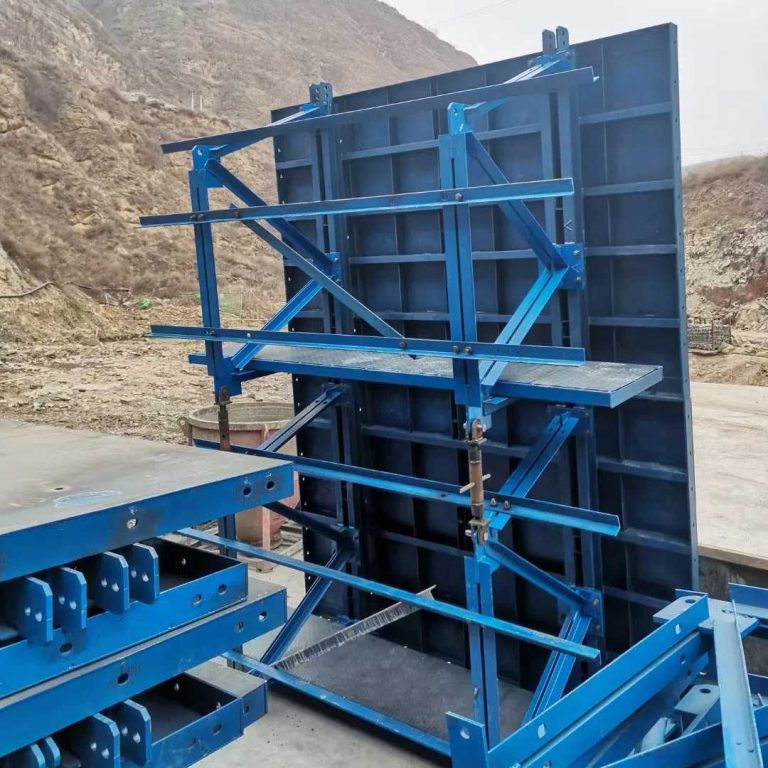
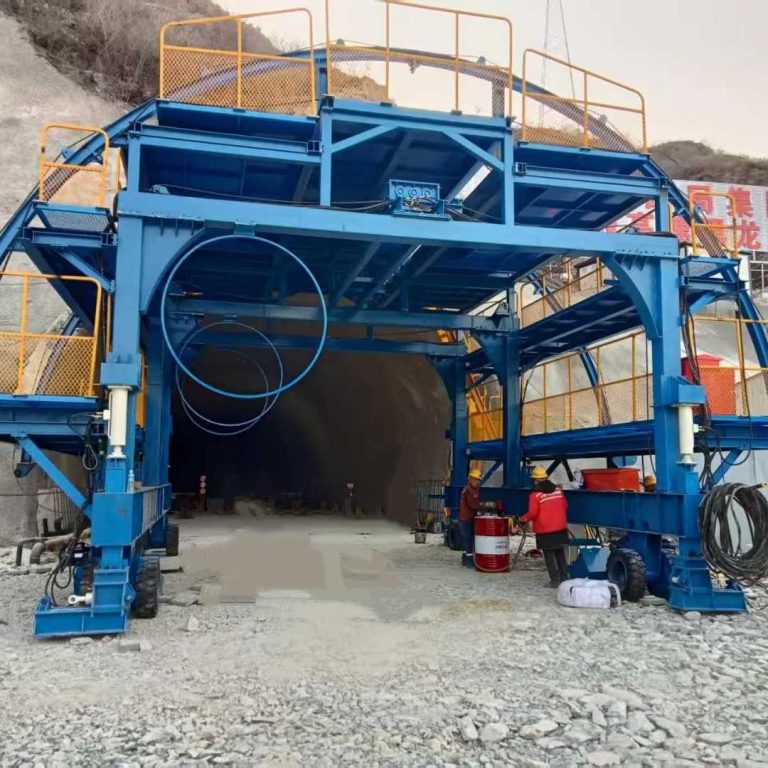
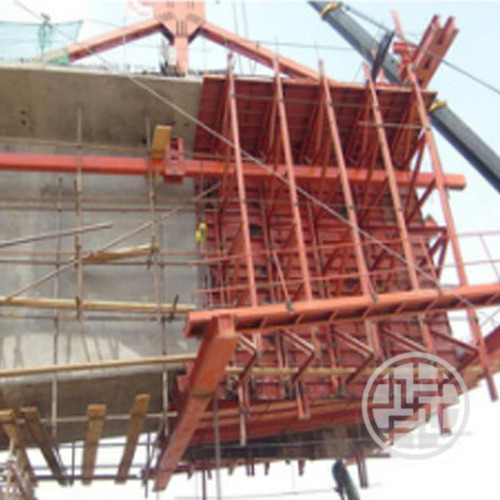
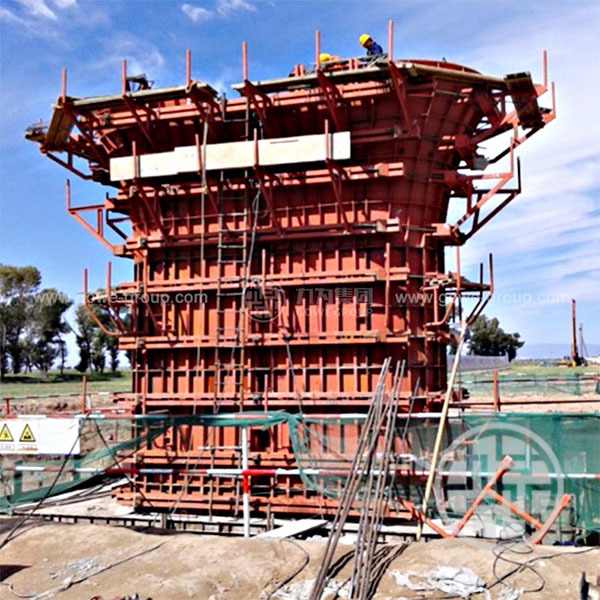
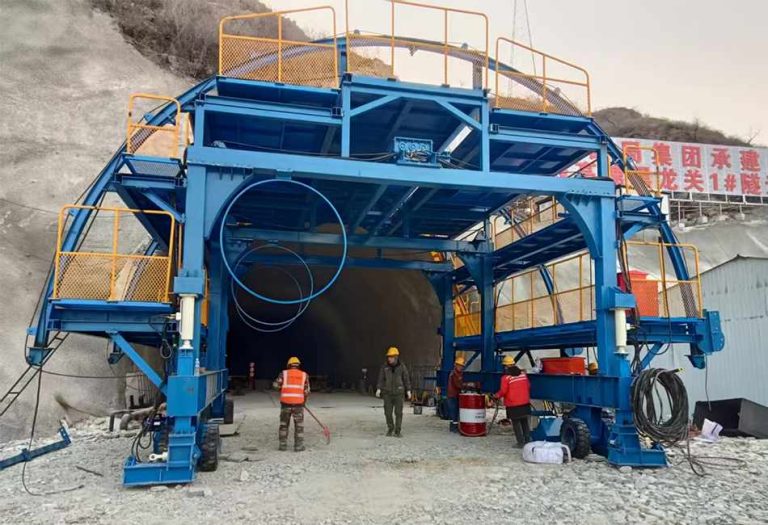
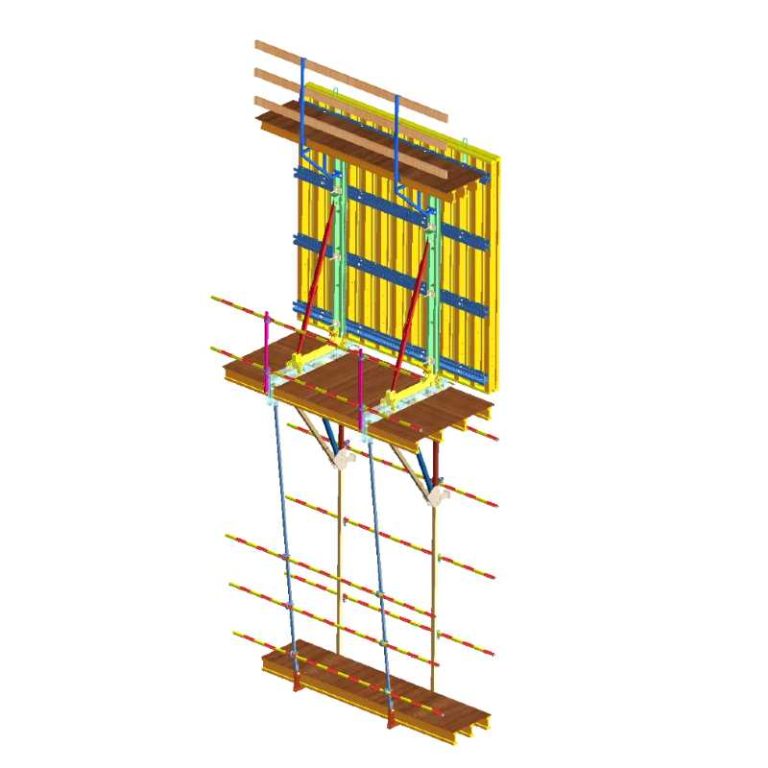
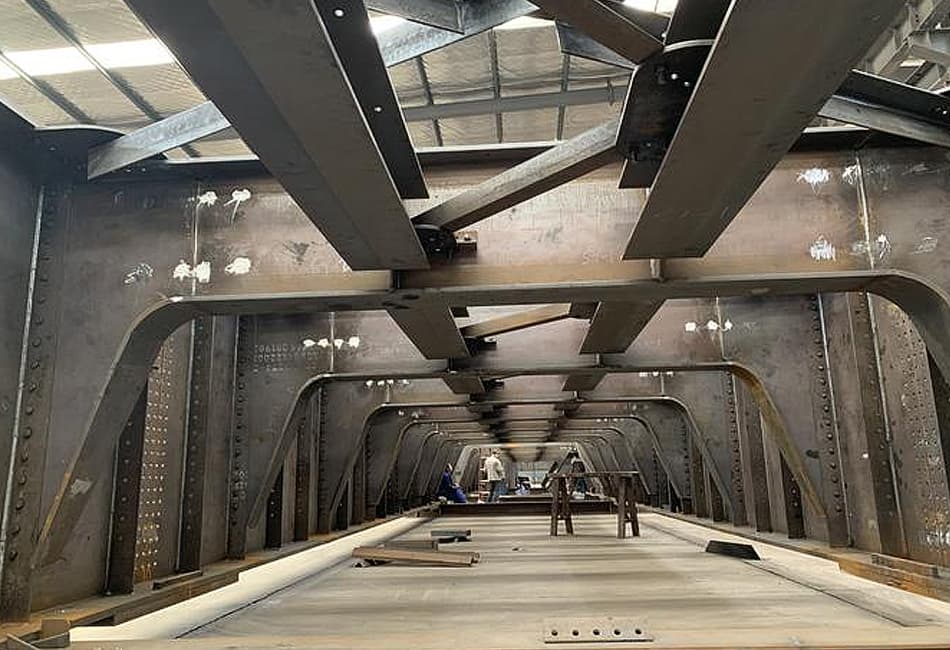
The Movable Scaffolding System (MSS) is a practical support setup mainly used for building bridge segments. These include box girders or cast-in-place spans. This system features built-in mobility. It lets formwork and support structures move forward together during ongoing bridge building. It merges load-bearing, formwork support, and working platform roles into one unit. This provides solid stability, fast reuse, lower labor needs, and better building speed. As a result, it becomes a key tool in current bridge work.
Conventional scaffolding needs repeated setup and takedown for each span. In contrast, movable scaffolding systems are built to shift forward along the bridge path. This cuts setup time and boosts accuracy in segment building. Their modular design fits different span lengths and shapes easily. That feature proves vital for tricky infrastructure jobs set for 2026.
Automation changes these systems in big ways. Built-in hydraulic lifting tools and matched control units ensure even load spread during formwork movement. GOWE’s engineering approach in its Brücke und Tunnel product portfolio shows this. The use of Q355 and Q235 steel gives strong structural strength. At the same time, aluminum beams lower the total weight. They do so without losing power.
Key Advantages in Large-Scale Infrastructure Projects
Movable scaffolding systems offer clear efficiency boosts. They do this through quick cycle times and better safety options. These systems remove repeated takedown tasks. So, they allow steady casting of spans. This process speeds up project completion by weeks or months.
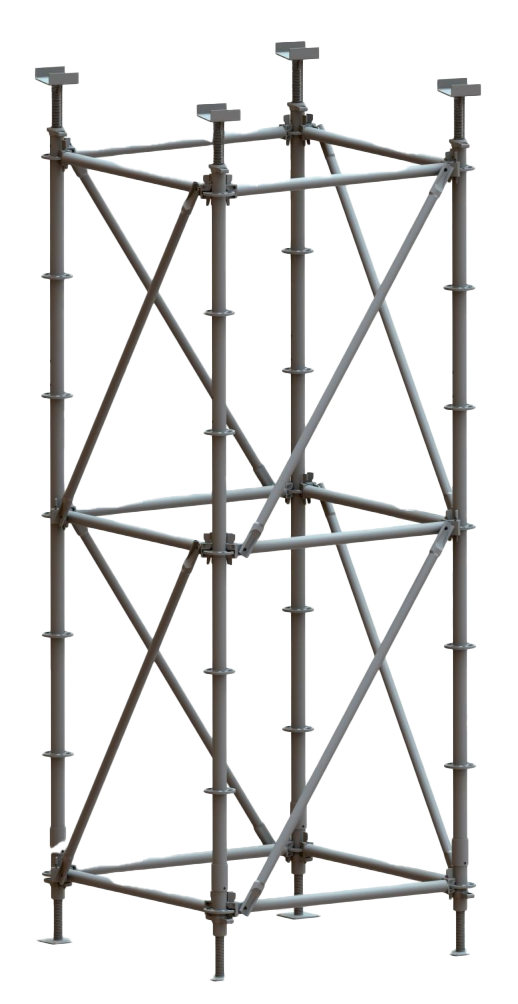
The scaffolding setup is straightforward and dependable for carrying loads. It gives enough stiffness and power. It stays light and simple to handle. This saves time and effort. Such traits make MSS vital for big bridge jobs. In these, time control and worker protection matter most.
These systems adjust well to different site conditions. Examples range from city viaducts to bridges over rivers. Custom setups handle various pier heights or deck bends. Plus, the reusable build matches worldwide green goals. It does this by cutting material waste across many jobs.
How Do Movable Scaffolding Systems Improve Bridge Construction Efficiency?
Streamlining Construction Timelines with Advanced Mobility
Linking movable scaffolding to segment bridge methods lets teams handle several tasks at once. These tasks cover formwork setup, reinforcement placement, and concrete pouring in one cycle. This teamwork sharply reduces idle time between span finishes.
Contractors can shift the MSS using hydraulic or rail methods. They move from one segment to the next in hours, not days. Actual projects show big-time gains with these improved movement tools. This holds true compared to old fixed scaffold plans.
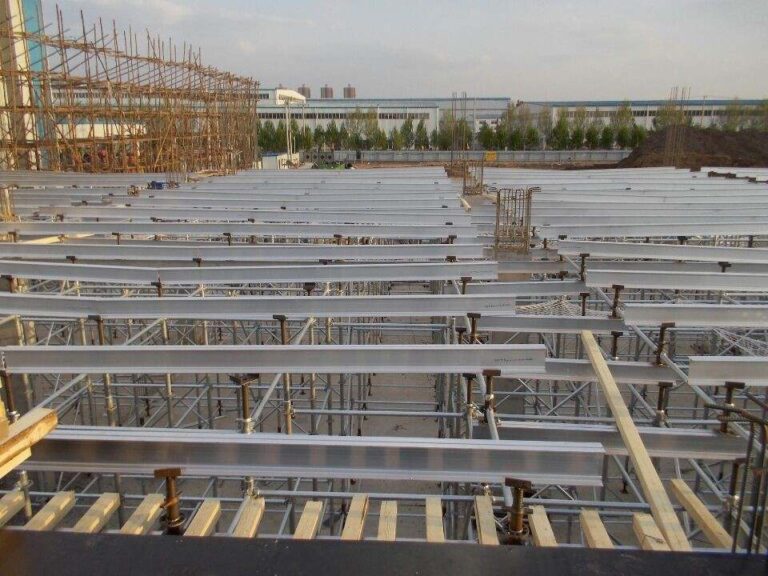
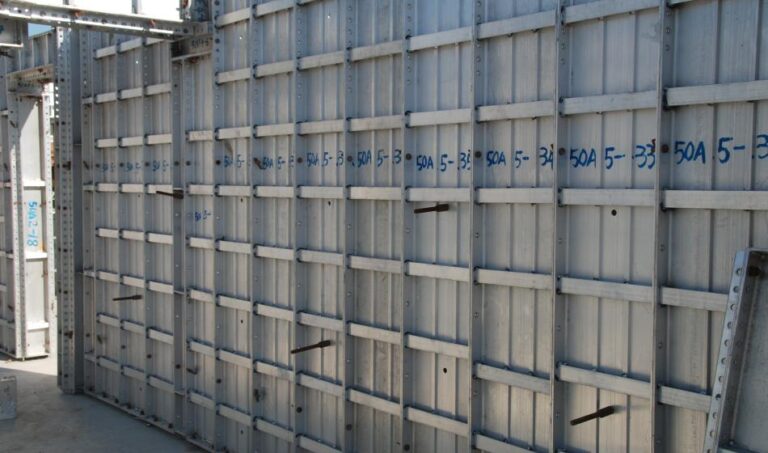
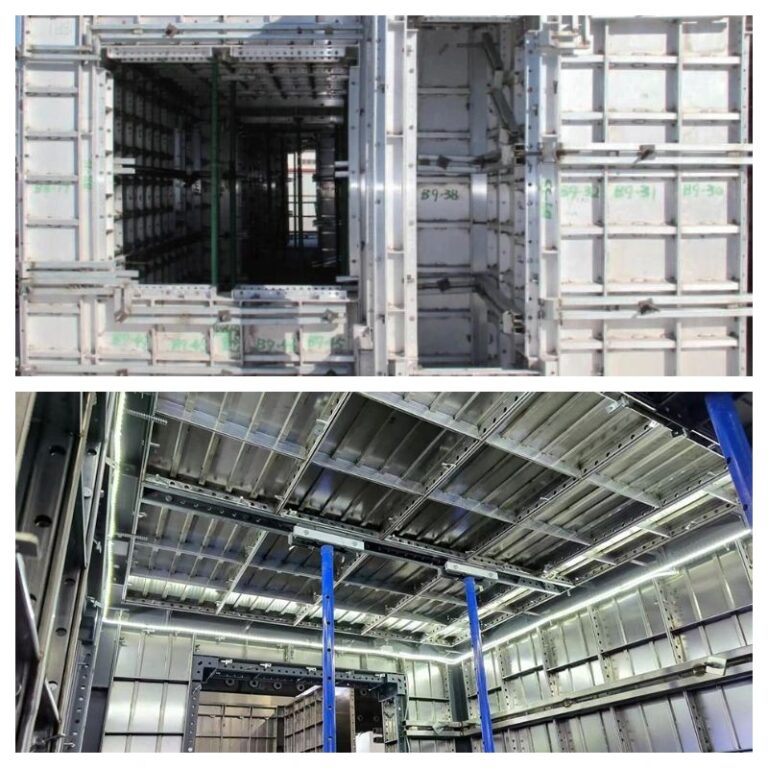
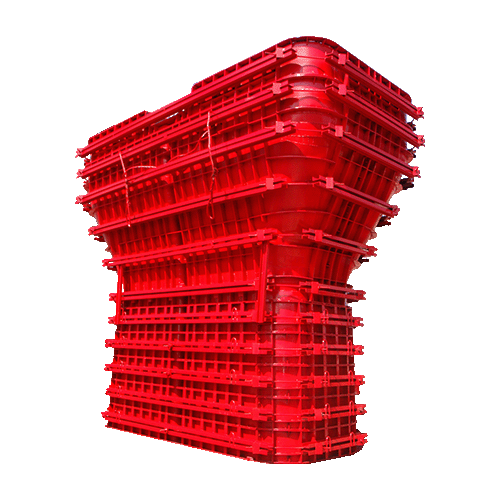
GOWE’s work in bridge formwork Lösungen highlights this. Pairing aluminum formwork with steel scaffolding raises efficiency. It cuts dead weight while keeping stiffness. That balance suits long-span builds well.
Enhancing Safety and Structural Precision on Site
Safety forms a core part of movable scaffolding builds. The wall attachment support blends fall guards, anti-tip features, and guide roles into one tool. It offers quick response and dependability. These protections lower dangers in high-up tasks typical of bridge jobs.
Also, on-site monitoring tech in the new MSS watches bend, load spread, and alignment closeness during shifts. Visual smart sync control makes sure all lift spots work evenly. It cuts human mistakes in the setup or move stages.
Exact alignment tools also ensure each new segment joins the last one smoothly. This keeps the whole bridge deck strong and sound.
What Should Project Managers Consider When Selecting a Movable Scaffolding System?
Evaluating Technical Specifications and Compatibility Factors
Main choice points cover load capacity per segment, fit for changing spans, hydraulic performance, and match with various bridge styles. These include box girder or cable-stayed types.
Managers should check the supplier’s help during setup. Field tuning affects results directly. GOWE gives full consult-to-operation aid under its “Solution” framework. Clients get support from design to startup.
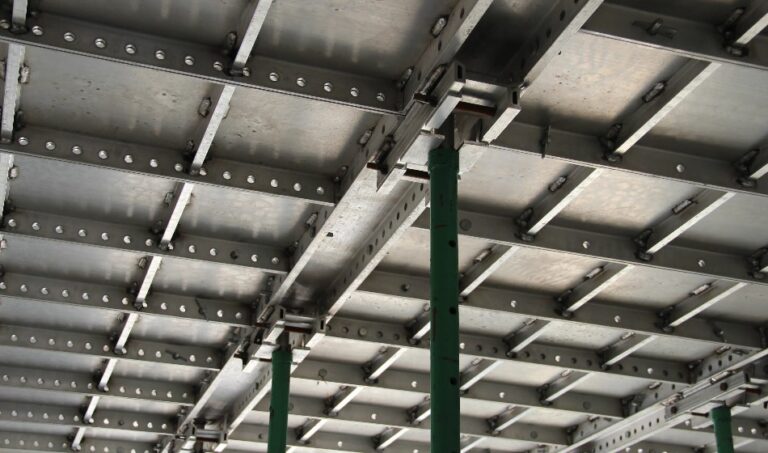
Compatibility goes beyond a mechanical match. It covers blending with extra systems like aluminum formwork panels or adjustable U-head jacks. These tools adjust height control at each step.
Balancing Cost Efficiency with Long-Term Value Creation
The upfront cost might seem higher than basic scaffolds. Yet, a full-life cost review shows real savings over time. These come from fewer labor hours and reuse in many projects.
Upkeep plans focus on regular checks of hydraulic seals and weld spots. They can lengthen service time a lot. Safety rules stay intact. As noted in GOWE’s cost optimization guide Wie man Gerüstpreise wie ein Pro berechnet – sparen Sie Zeit Geld, knowing safe working loads (SWL) and using modular plans boost cost savings. It keeps rules in line.
Selecting a provider like GOWE—with solid real-world results in global infrastructure—ensures lasting strength and steady work in tough site settings.
How Will Emerging Technologies Shape the Future of Movable Scaffolding Systems Beyond 2026?
Integration of Digital Twins and Predictive Maintenance Tools
Digital twin tech will change how movable scaffolding systems are handled after 2026. It builds virtual copies of real MSS units. Engineers can test stress reactions under shifting loads before use. Predictive upkeep tools then review sensor info. They spot early wear or off-alignment signs. This cuts surprise stoppages.
These advances fit global shifts to smart infrastructure. Automation boosts not just pace but also decision-making sharpness over project spans.
Sustainability Innovations Driving Next-Generation Designs
Coming MSS builds will focus on light but tough materials. Examples include better steel alloys like Q355 paired with aluminum beams. They cut transport pollution while holding performance levels. Electric-powered hydraulic setups will add to eco-friendly building. They lower fuel use at sites.
These changes match ESG-focused infrastructure rules. Such rules will appear in public bids around the world soon.
Why GOWE’s Movable Scaffolding Systems Stand Out in the 2026 Bridge Market
GOWE’s Engineering Philosophy and Design Excellence
As a GOWE representative, I stress our firm’s focus on fresh ideas based on strong structure. Our movable scaffolding systems draw from years of know-how. We refine it through steady R&D in the Bridge & Tunnel product line.
We apply unique mechanical parts made from Q355 and Q235 carbon steel. It stands out for good pull strength under moving loads. All parts get factory-tailored. This guarantees the power and stiffness of scaffolding elements. Smart control units automate position steps. They use visual feedback loops. This raises operator accuracy, even in tricky shapes.
Customization Capabilities for Complex Bridge Designs
Our modular MSS parts adjust smoothly to changing curve needs or angled paths common in new highway links. Custom setups form based on site wind forces or quake factors. They provide top stability during tasks.
We work hand-in-hand with builders in early design steps. This ensures the right blending of formwork panels, aluminum beams, and main support frames. It leads to quicker setup times without cutting safety buffers.
Our method shows GOWE’s rule: “Gowe Together, Go Further.” It’s a promise seen in every job we complete worldwide.
FAQ
Q: What is a movable scaffolding system used for in bridge construction?
A: A movable scaffolding system supports sequential casting of bridge spans by combining load-bearing frames with integrated formwork platforms that advance along the structure as each segment is completed.
Q: How does a movable scaffolding system differ from traditional scaffolds?
A: Unlike fixed-frame setups requiring repeated dismantling, movable systems advance continuously using hydraulic drives or rails—reducing downtime between spans while maintaining precise alignment.
Q: What materials are commonly used in movable scaffolding systems?
A: High-strength steels such as Q235 or Q355 provide core structural stability; aluminum beams are often integrated to reduce weight while retaining durability under heavy loads.
Q: How do digital technologies enhance movable scaffolding operation?
A: Digital twins simulate real-time stress behavior before deployment, while predictive maintenance tools monitor wear patterns through sensors—helping prevent unexpected failures during construction cycles.
Q: Why should project managers consider suppliers like GOWE?
A: GOWE offers end-to-end technical support from consultation through installation using factory-customized components tested for rigidity and safety; this ensures consistent performance across diverse bridge environments worldwide.