

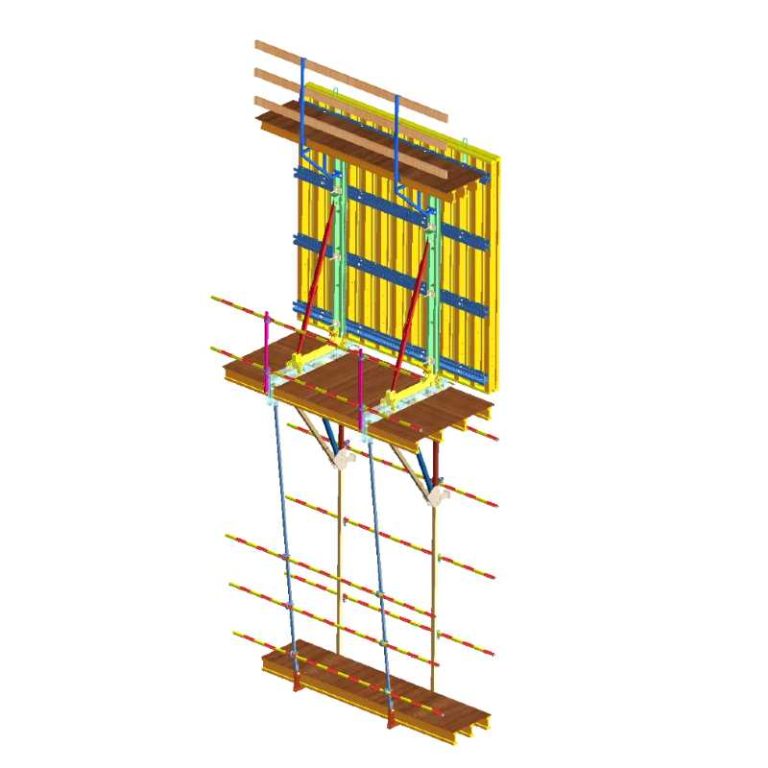
What Are the Key Safety Standards for Formwork System Installation in Commercial Projects?
Understanding the Importance of Safety Standards
Following safety standards in formwork system installation is crucial to avoid workplace incidents and secure structural strength. Commercial building projects usually deal with intricate load-supporting setups. Poor installation might result in serious problems like partial failures or harm to people. Safety standards offer a clear guide that protects workers and meets construction rules. They make sure every part of the formwork system is properly positioned, firmly attached, and able to handle the planned weights without bending or breaking. Plus, steady use of these standards boosts project flow by cutting down on fixes and delays from mishaps or checks.

Essential Safety Gear for Formwork Installation
Team members require specific personal protective equipment (PPE) for Schalung installation in dangerous areas. The equipment includes hard hats, hand covers, firm shoes with solid traction, fall arrest harnesses, and vision shields. Proper PPE use decreases the chances of hazards from falling pieces, skids, and contact with jagged surfaces or substances in concrete blending. Protective items further assist in keeping staff focused and confident as they operate at heights or shift bulky sections. Continuous sessions on correct PPE application ensure that all crew members grasp its role in reducing threats in the process.
How Can We Minimize Hazards During Formwork System Installation?
Identifying Common Hazards in Formwork Installation
Usual dangers in formwork tasks cover breakdowns from poor supports, objects dropping from high spots, and physical fatigue from hauling dense items. Besides, exposure to agents in concrete blends might bring about skin irritations or lung problems if adequate protection is lacking. Detecting these dangers quickly enables managers to form precise strategies that defend staff and preserve equipment condition.
Implementing Preventive Measures to Control Hazards
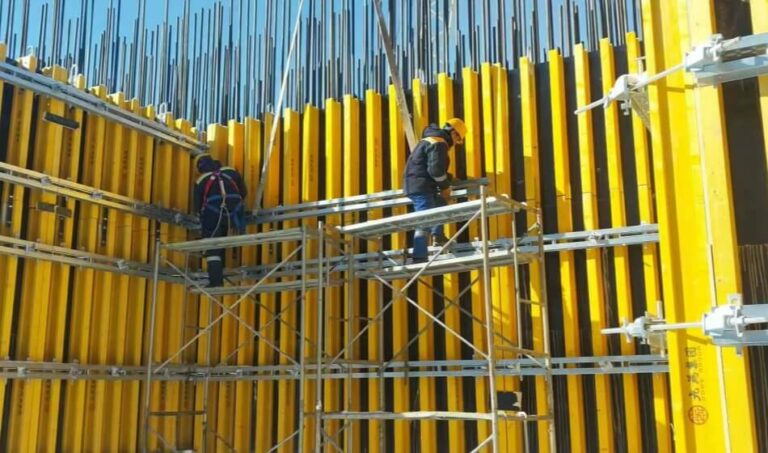
Preventive actions mainly involve attaching formwork panels using fitting securing devices and verifications for levelness prior to concrete placement. Bolts, pins, or clamps on connections halt displacements under force. Practical methods for managing supplies—such as employing devices for elevation rather than manual effort—lessen physical tension and increase efficiency. Routine area examinations verify that supports, backing arrangements, and attachments remain firm ahead of each casting.
What are the Best Practices for Ensuring Safe Formwork System Installation?
Steps for Proper Assembly and Alignment of Formwork Systems
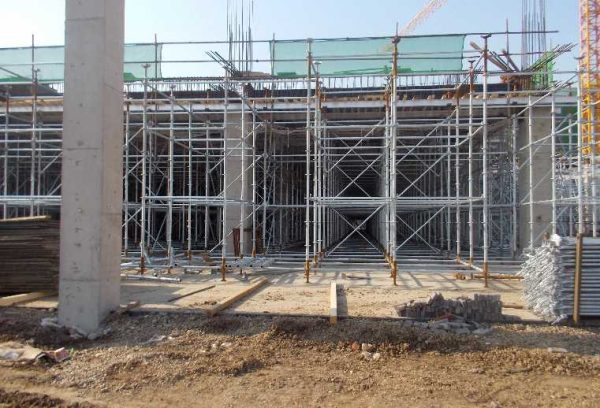
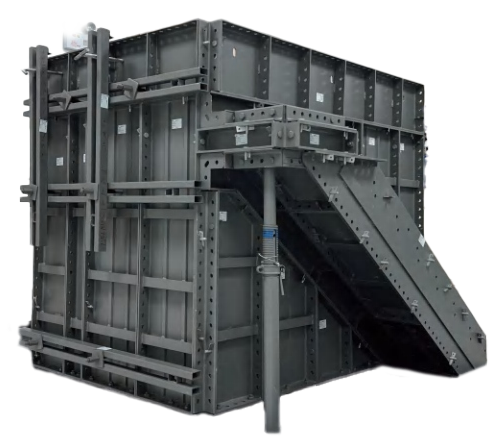
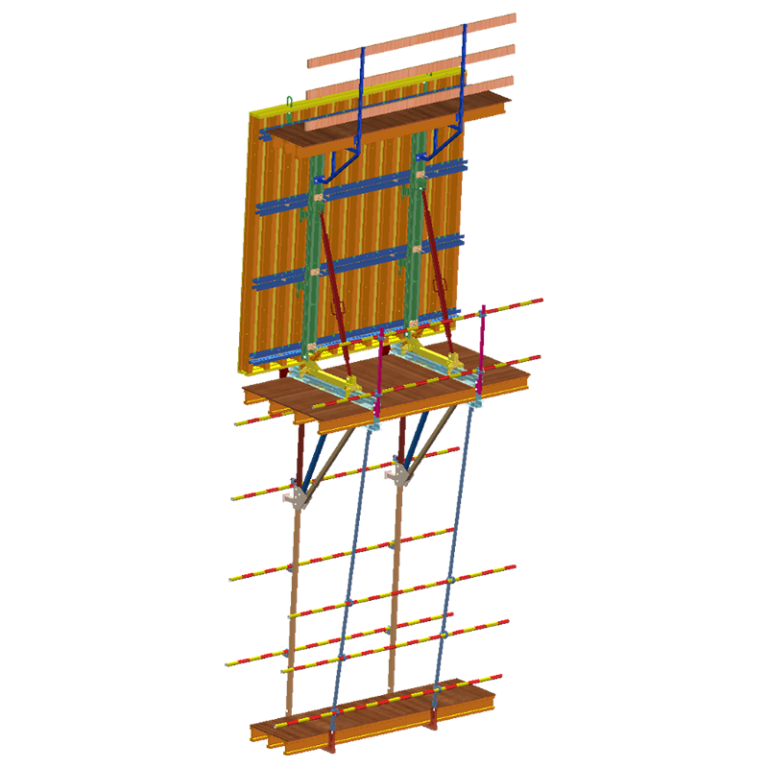
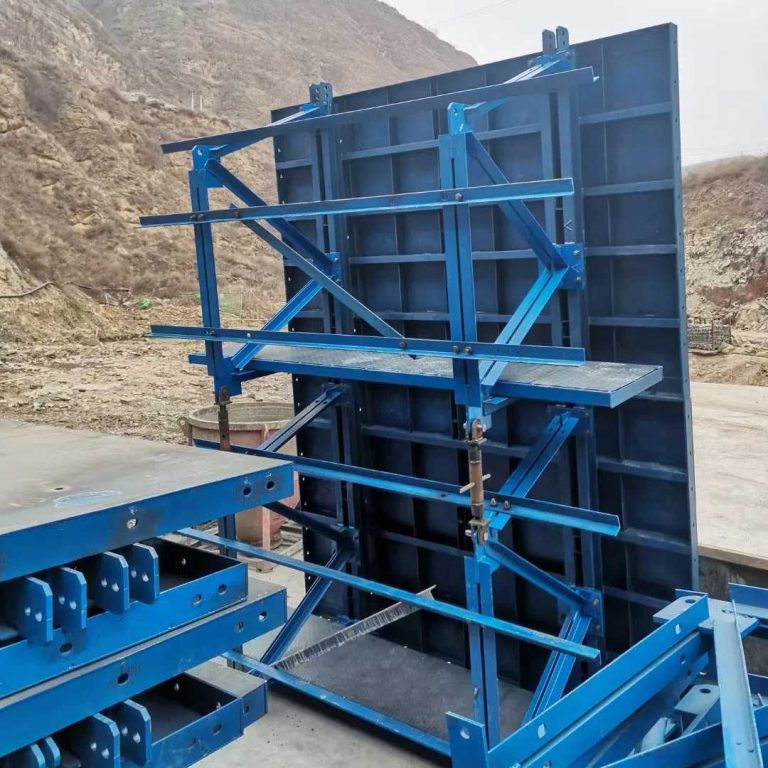
Solid assembly begins with examining the producer’s directions for the specific formwork system variety at the location. Staff must even out every section on stable terrain initially. Next, they attach them vertically. Accurate placement distributes mass uniformly throughout the framework. It reduces vulnerable areas that could trigger drops or bends once concrete fills in. Table formwork refers to the formwork scaffolding unit set and assembled as per the standard module. Such a modular technique simplifies joining while preserving exactness across various stories.
Regelmäßige Inspektionen und Wartungsprotokolle
Daily checks are key to spotting wear or harm in formwork systems before they affect safety. Leaders ought to look at bolts, clamps, supports, and joints each day during busy building times. Upkeep tasks cover wiping aluminum parts to stop concrete buildup, oiling parts that move in flexible support systems, and swapping out broken pieces right away. Table formwork refers to the formwork unit assembled according to standard modules. This setup lets it be used again without taking it apart fully. As a result, it lowers moving risks and holds strong safety levels.
Why Is GOWE a Leader in Safer Formwork Solutions?
Our Commitment to High-Safety Standards in Product Design
2025 Südostasien Bauausstellungen- Treffen Sie uns auf der ARCHIDEX - Global Leader of Construction Formwork & Scaffolding Solution & Operation Gowe, safety comes first in all phases of product creation. Our engineering teams craft every formwork system with balance, easy assembly, and employee safeguarding in focus. We regularly evaluate our goods in simulated work environments to align with worldwide safety guidelines.
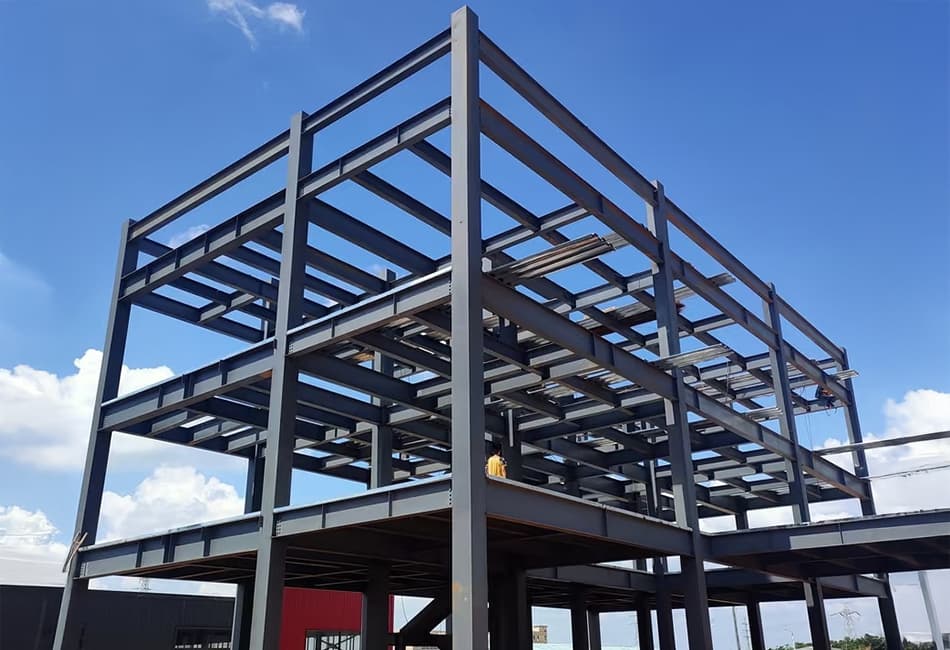
Detailed Overview of GOWE’s Innovative Formwork Systems
Modular Steel Frame Systems with Integrated Locking Mechanisms:
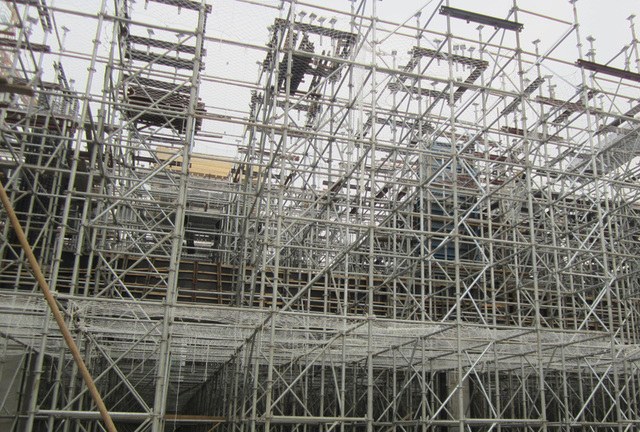
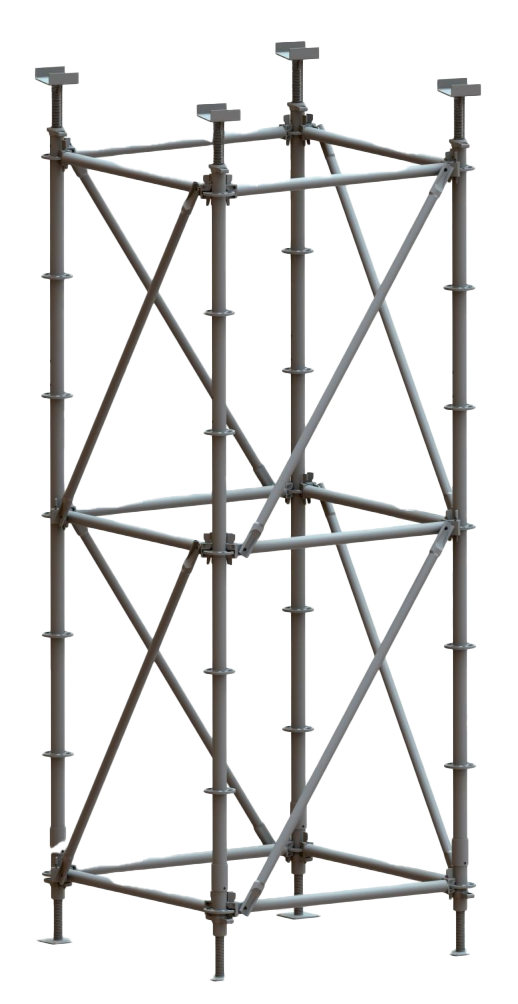
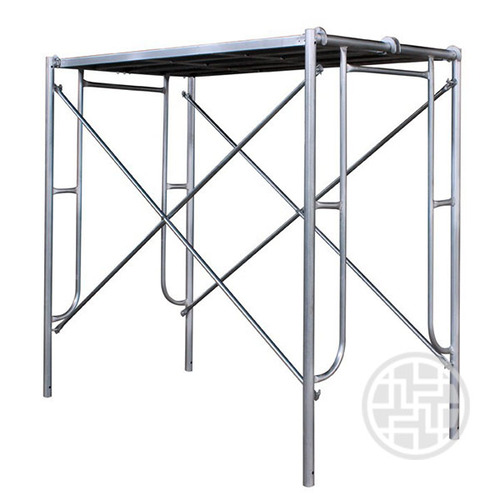
Our modular steel frame systems include embedded securing features that strengthen framework solidity in the assembly phase. Such features prevent unintended shifts beneath substantial masses. Meanwhile, they permit swift modifications as required. They fit well for business tasks needing ongoing assemblies across numerous stories.
Lightweight Aluminum Formwork with Ergonomic Handling Features:
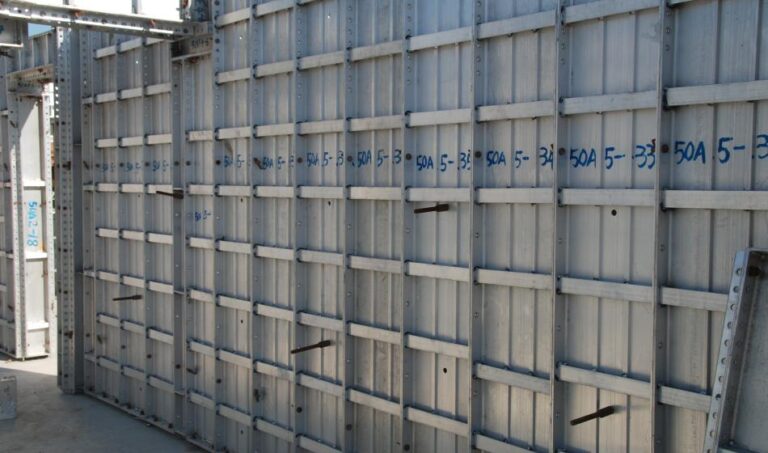
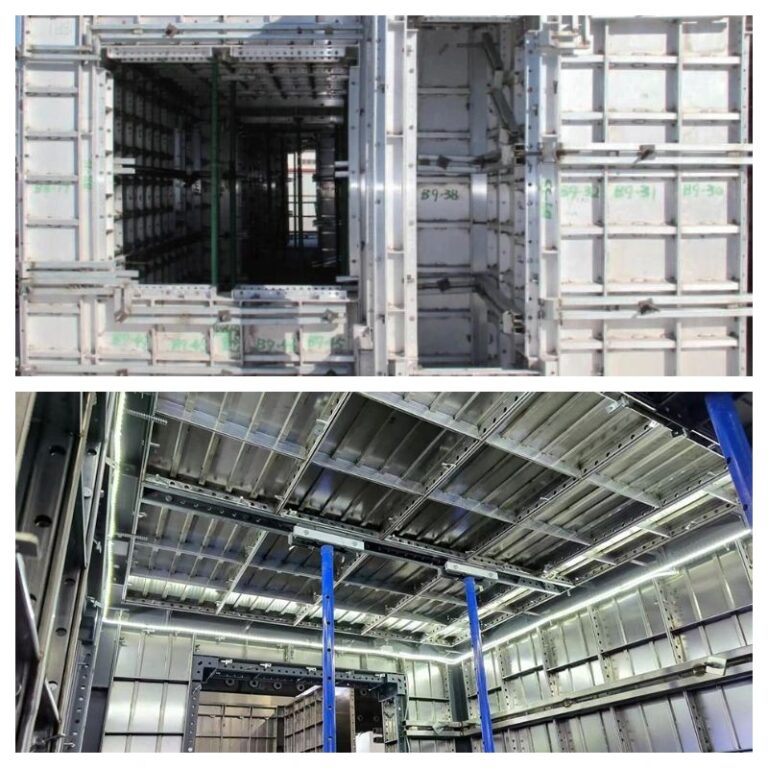
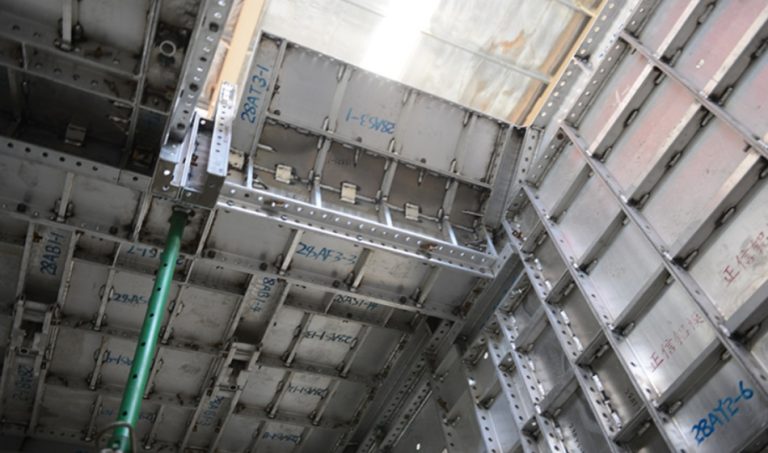
Aluminium-Schalung is a new generation of construction template after timber and steel formwork, with aluminum alloy profile as the main material, through mechanical processing, welding, and other processes, made into templates, suitable for concrete projects. This lightweight yet resilient substance diminishes employee exhaustion during assembly. However, it upholds excellent strength-to-mass ratios. The aluminum formwork system is a high-efficiency solution for RCC load-bearing and RCC-framed multi-story buildings. Its precisely formed components assure reliable orientation between levels. This proves essential for preserving framework completeness amid varying forces.
Adjustable Shoring Systems Optimized for Stability and Load Transfer:
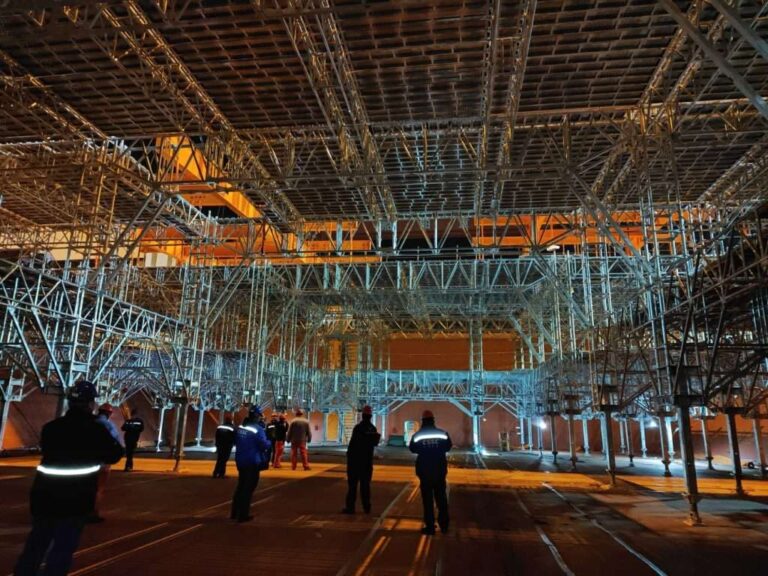
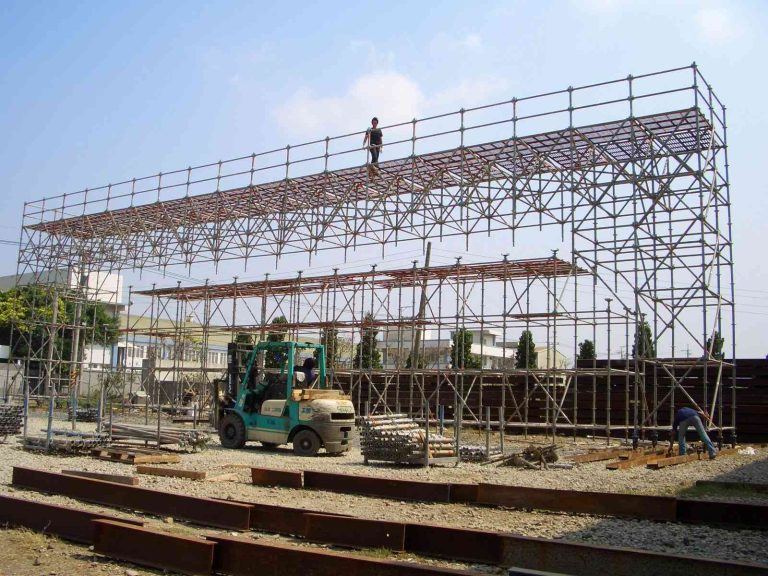
Our adjustable shoring systems seek to enhance balance through even mass distribution across reinforced bases. These arrangements enable minor adjustments during positioning to adjust for differences in story heights or irregular terrain. They achieve this while preserving protection limits.
Comprehensive Accessories That Enhance On-Site Safety:
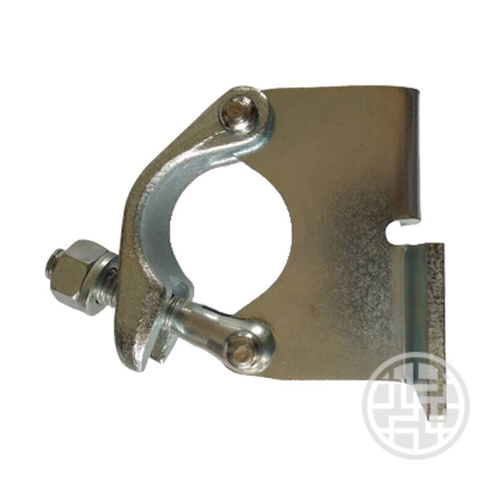
GOWE delivers a complete lineup of accessories. Among them are links, uprights, girders, and hoisting devices. We design them to support secure activities at the location. Used to support the weight of concrete during pouring and casting. Every component pairs with our primary systems. It improves mass allocation and simplifies joining steps.
FAQ on Safety Standards for Formwork System Installation
Q: What are the key safety steps in modular formwork installation?
A: Key steps include verifying ground stability before setup, securing all joints using manufacturer-approved fasteners, conducting pre-pour inspections for alignment accuracy, and ensuring PPE compliance among workers throughout operations.
F: Wie verbessert Aluminiumschalung die Sicherheit während der Installation?
A: Aluminum formworks reduce manual handling strain due to their light weight while offering precise tolerances that maintain consistent alignment between levels. Thanks to the precise tolerances of the machined aluminum components, consistent shape and surface quality are maintained from floor to floor.
F: Ist es sicherer, modulare Schalungssysteme im Hochbau zu verwenden?
A: Yes. Systems like table formworks lower the need for repeated disassembly. Units can move straight between floors by crane. This cuts down on dangers from handling and repositioning by hand.
F: Wie sollte ich zwischen Stahl- und Aluminiumschalung wählen?
A: Choose steel when maximum load capacity is required for large-scale pours; select aluminum when ease of handling and speed are priorities without compromising strength or finish quality.
F: Welche Unternehmen bieten zuverlässige Lösungen für eine sichere Schalungsinstallation an?
A: GOWE offers advanced modular steel frames, lightweight aluminum systems, adjustable shoring units, and comprehensive accessories—all engineered with strict adherence to international safety standards for commercial applications involving complex formwork structures.