


What Sets Cuplock and Ringlock Scaffolding Apart?
How Does the Connection Mechanism Differ?
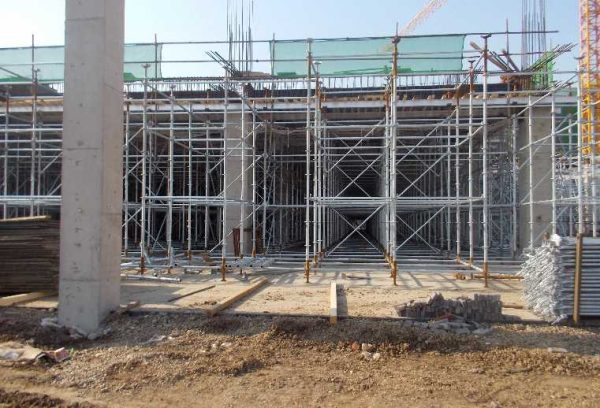
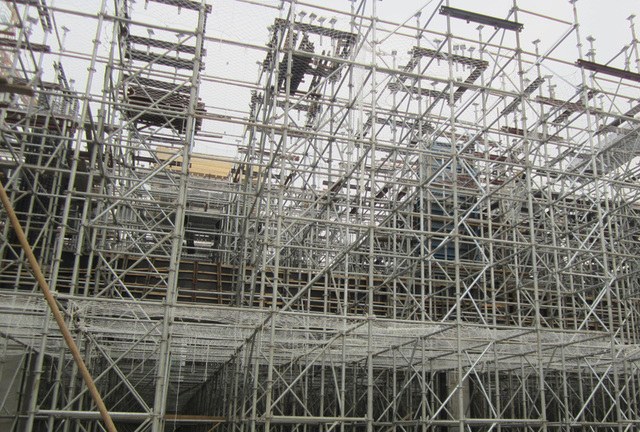
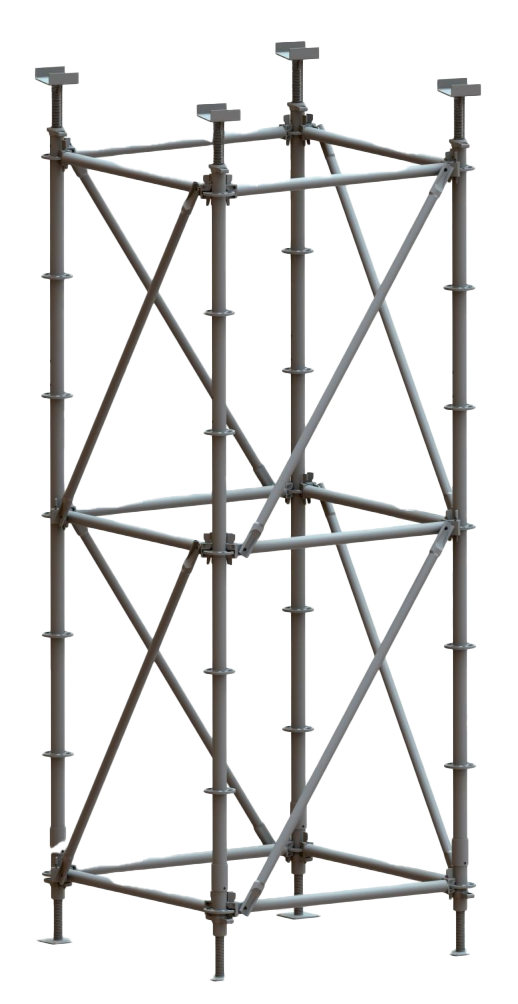
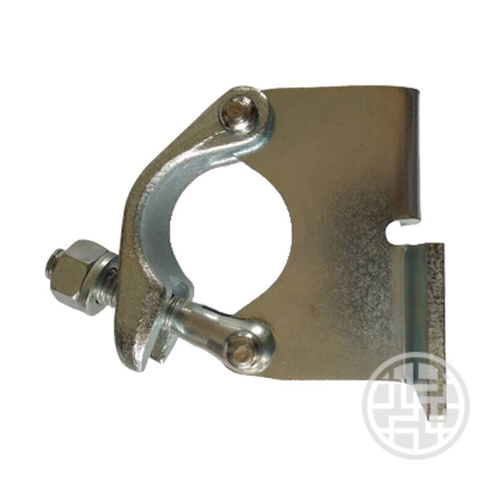
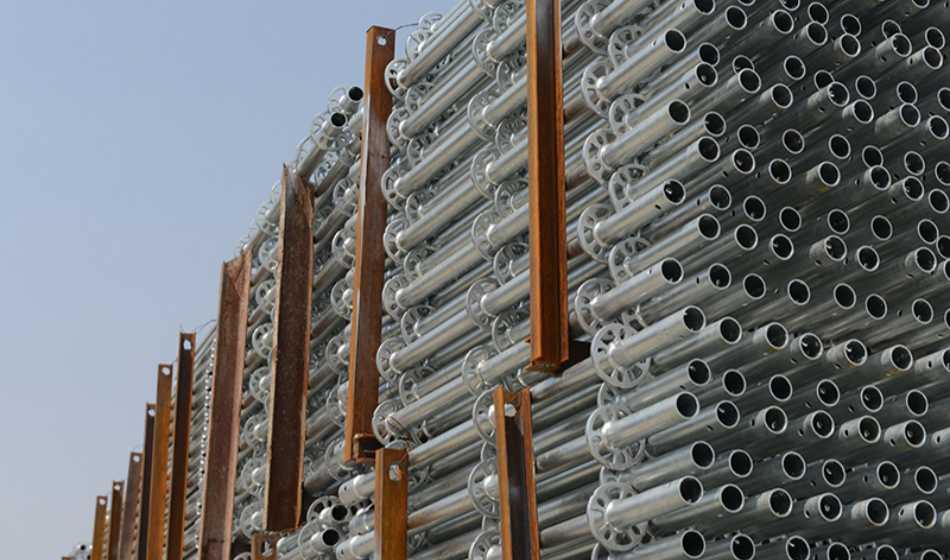
The connection mechanism marks the main difference between Cuplock scaffolding and Ringlock scaffolding. Cuplock scaffolding uses a basic locking setup with top and bottom cups. This setup lets workers lock four horizontal members in one step. It works well for repeated, straight structures. Ringlock scaffolding, however, uses a rosette plate with eight holes. These holes allow connections in many directions. The Ringlock scaffolding system comes in two types: M48 and M60 systems. It mainly includes standard, ledger, diagonal brace, base jack, base collar, and head jack. The standard links to a rosette with eight holes. Four small holes take ledgers via wedge pins. Four big holes take diagonal poles. This setup handles tricky shapes while keeping the structure firm. The rosette also permits angle changes without losing balance. This helps in jobs with odd forms or curved walls.
What Are the Key Components of Each System?
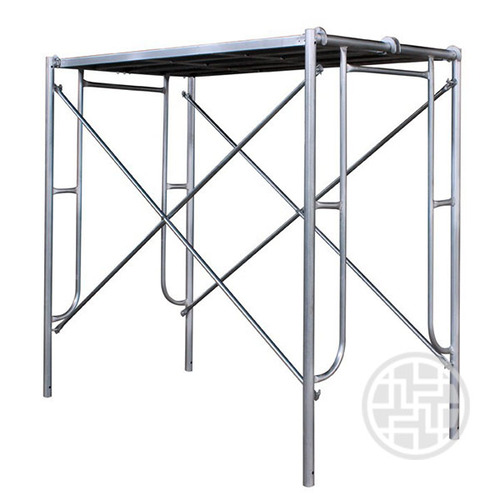
Each scaffolding type has distinct main parts that shape its function. Cuplock systems consist of standards, ledgers, transoms, cups, and braces. These parts fit together via the cup joint mechanism. Ringlock scaffolding systems rely on standards, ledgers, diagonal braces, and rosette plates as core elements. Workers connect ledgers and diagonal braces with wedge pins. This keeps the tubes tightly attached to the standard. The setup creates three-point contact between parts. As a result, it improves load sharing and resists shakes. For example, when a worker hammers the wedge pin into place, it holds the joint secure. This helps pass vertical forces well through the standards.
Which Scaffolding System Offers Better Load-Bearing Capacity?
How Do Cuplock and Ringlock Handle Vertical Loads?
Cuplock scaffolding shows strong vertical load capacity. Its firm cup joint structure supports this. People often use it for shoring tasks where vertical power matters more than bendability. Ringlock scaffolding spreads loads more evenly in various directions. Its round rosette design makes this possible. The ledger and diagonal brace heads follow the curve of the tubes. They share the force at three points with the standard tubes. This locks everything in place, boosts strength, and passes horizontal force. Even with moving loads or side forces—like wind push or uneven deck weight—the system stays steady. It avoids bending.
Can Ringlock Scaffolding Handle Complex Structures Better?
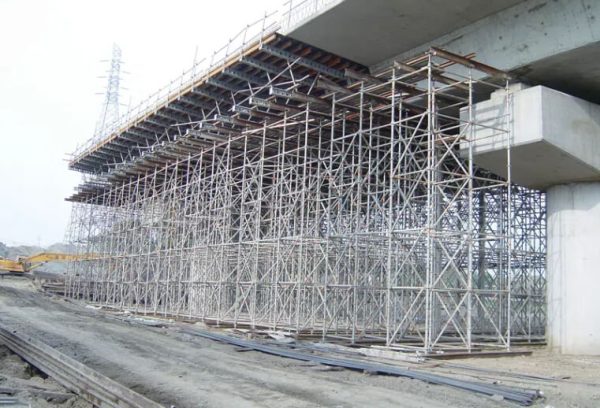
Ringlock scaffolding does well with complex structures. Its multi-directional connection feature helps. Andamio ranks as the most flexible and common choice in current work. It has a rosette joiner. This allows up to eight links at one point. Such flexibility suits industrial plants, bridges, or building fronts with uneven angles. Traditional systems like Cuplock face issues there. Ringlock can lock side beams and crossbars at the same time. This creates frame-like steadiness that beats older designs in non-straight setups.
Is Assembly Speed a Deciding Factor Between Cuplock and Ringlock?
Which System Assembles Faster for Standard Projects?
For straightforward projects such as façade work or shoring towers, Cuplock scaffolding provides faster assembly due to its minimal component count and simple locking motion. Workers can secure four ledgers at once by rotating a single top cup—a significant time-saver on linear structures like walls or columns.
Does Ringlock Excel in Custom Configurations?
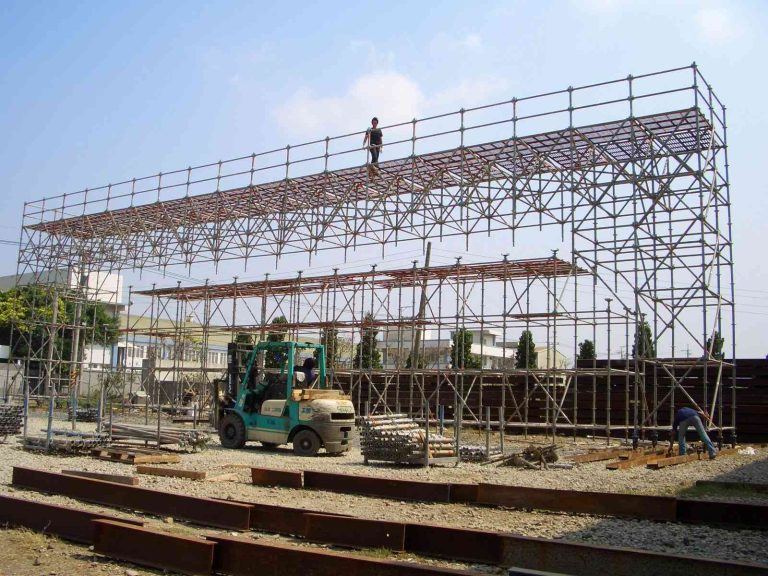
For custom setups or different heights, Ringlock scaffolding assembles faster in general. It needs fewer changes during building. Quick assembly, hoisting as a whole, and shortening the construction period. Its modular design lets workers pre-build on the ground. Then, they lift whole sections into position. This cuts labor costs and site clutter. As noted in GOWE’s guide on Types of Scaffolding Systems: 2026 Complete Guide, modular options like Ringlock are now key standards for fast projects. This comes amid worldwide worker shortages.
How Do Cost Considerations Impact Your Choice?
What Are the Initial Investment Differences?
Cuplock scaffolding often needs less money to start. Its basic making process and fewer special parts keep costs down. It stays affordable for repeated plans like home walls or slab supports. Ringlock scaffolding costs more at first. But it gives better value over time through less worker time and higher reuse in different jobs. Hot-dipped galvanized (HDG) scaffolding offers much better return on investment than coated or painted types. In the long run, this toughness means fewer replacements and lower upkeep costs.
Does Long-Term Value Favor One System Over the Other?
Long-term value depends on project diversity and maintenance expectations. For contractors managing multiple job types—from high-rise towers to infrastructure—Ringlock’s versatility justifies its premium price tag. Cuplock may suffice for firms focused solely on repetitive concrete formwork support where angular flexibility isn’t required. According to How to Calculate Scaffolding Rates Like a Pro – Save Time & Money, total cost efficiency should consider not only hire rates per square meter but also setup time and lifespan under heavy-duty use.
What Safety Measures Distinguish Cuplock from Ringlock?
How Do Locking Mechanisms Affect Safety?
Safety ties closely to how well locks work in both systems. Cuplock’s hand-tightening can lead to small human mistakes. This happens if cups don’t lock fully or shift under weight stress. Ringlock’s wedge-and-rosette system, however, gives a steady mechanical hold each time. Workers install it correctly. When the wedge pin is hammered in and fixed, the upper and lower surfaces of the joint heads fit tightly against the standard. This close fit cuts down on shake-caused loosening. Such loosening often causes scaffold wobble during long use.
Are There Differences in Durability and Maintenance Needs?
Durability differs a lot between these two systems. It stems from how materials are treated. Internal and external hot-dip galvanized anti-corrosion process, with long service life, neat and good-looking. This process makes GOWE’s Ringlock parts resistant to rust even in sea or factory settings. Traditional painted Cuplock parts, by contrast, need regular repainting to stop rust. This adds hidden upkeep costs over many years.
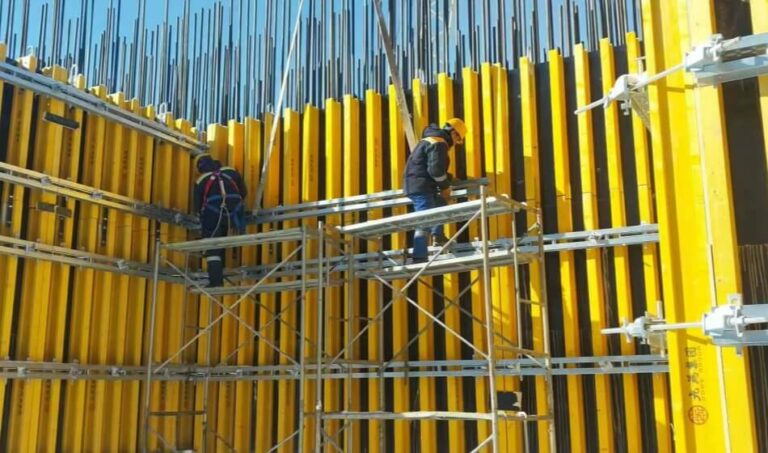
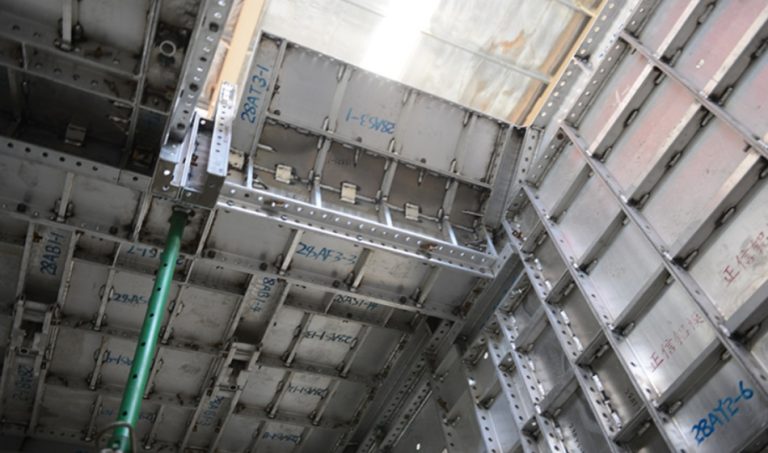
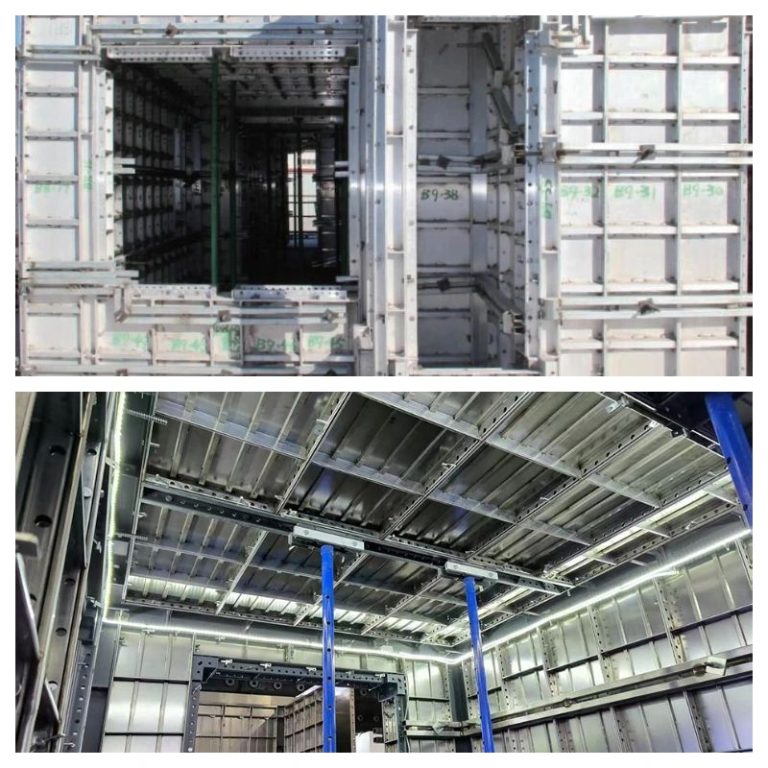
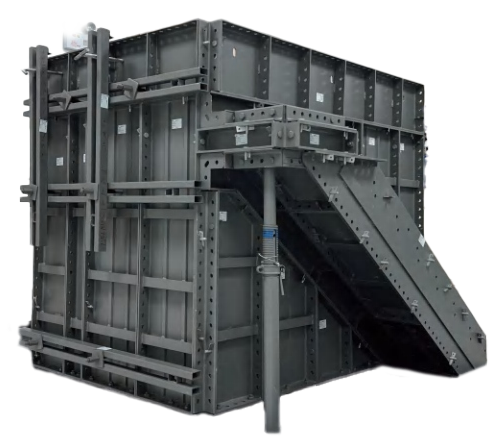
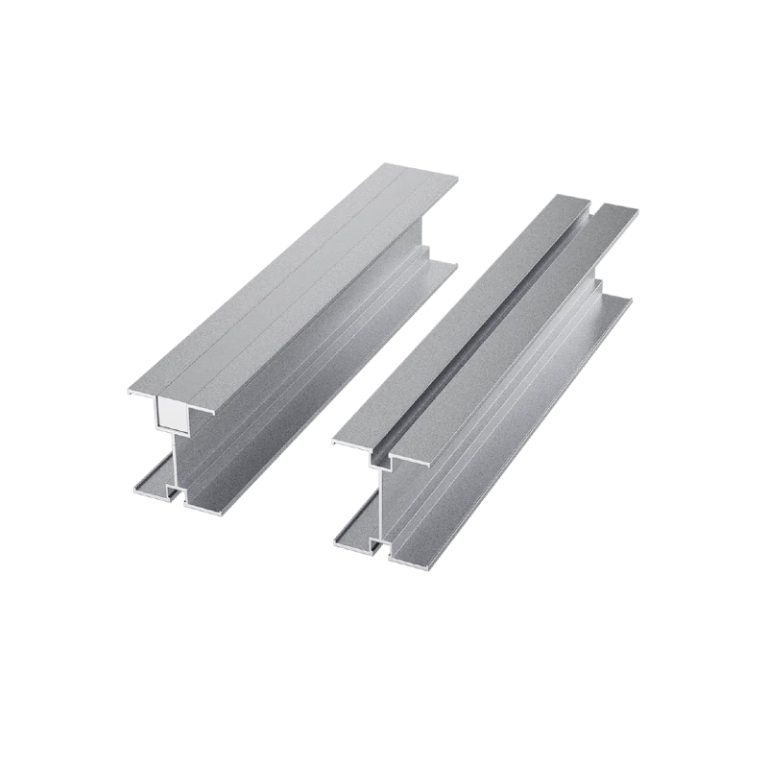
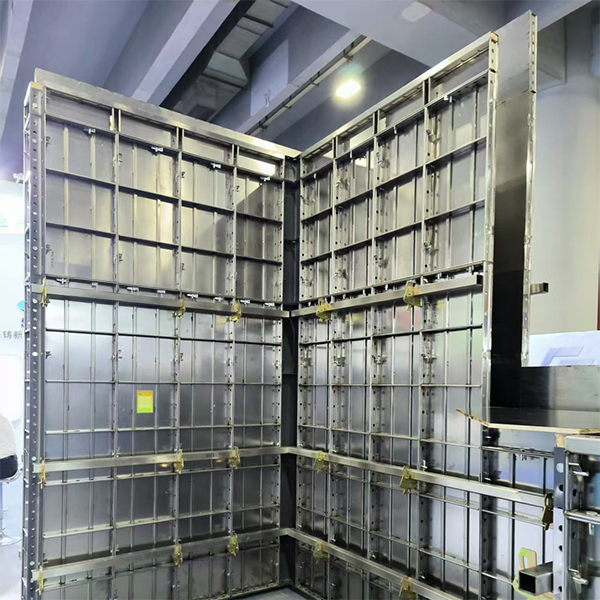
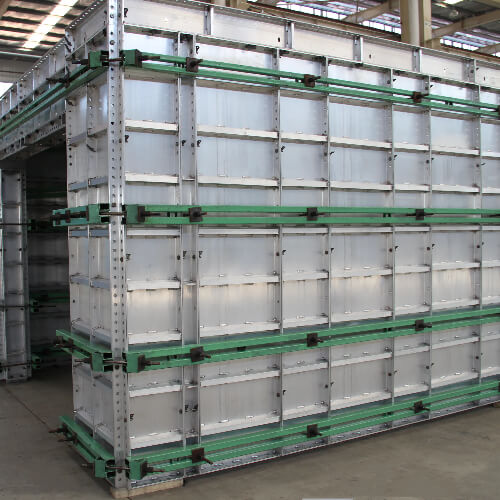
En Acumularse, we make our M48/M60 series from Q355 or Q235 steel grades. We pair this with full hot-dip galvanization for lasting strength under EN12811 standards. We also add aluminum beams to our steel frames. This lowers overall weight while keeping power. Such a mixed method works well with aluminum formwork in tall building projects.
PREGUNTAS FRECUENTES
Q: Which scaffolding system is more suitable for high-rise construction?
A: For high-rise projects requiring strong vertical support with flexible geometry adjustment, Ringlock scaffolding is preferred due to its multi-directional rosette joints that maintain stability at height while allowing complex façade alignment.
Q: Can you mix components of Cuplock and Ringlock scaffolding on one project?
A: Mixing these two systems isn’t recommended because their connection mechanisms differ fundamentally—cups versus rosettes—which prevents secure integration without custom adapters that may compromise safety certification.
Q: Is training required to assemble these scaffolding systems effectively?
A: Yes. Although both systems are modular by design, professional training ensures proper load distribution compliance with safety ratios such as OSHA’s 4:1 rule mentioned in GOWE’s safety guidelines.
Q: Which offers better corrosion resistance between Cuplock scaffolding and Ringlock scaffolding?
A: Hot-dip galvanized Ringlock systems provide superior corrosion protection compared to painted Cuplock setups since zinc coating forms a metallurgical bond resistant to abrasion and moisture exposure.
Q: How does material choice affect performance between these two scaffold types?
A: Steel grades like Q355 used in GOWE’s Ringlock deliver higher yield strength than conventional mild steel found in many Cuplock units; this results in lighter yet stronger assemblies capable of supporting heavier live loads across multi-level platforms.