


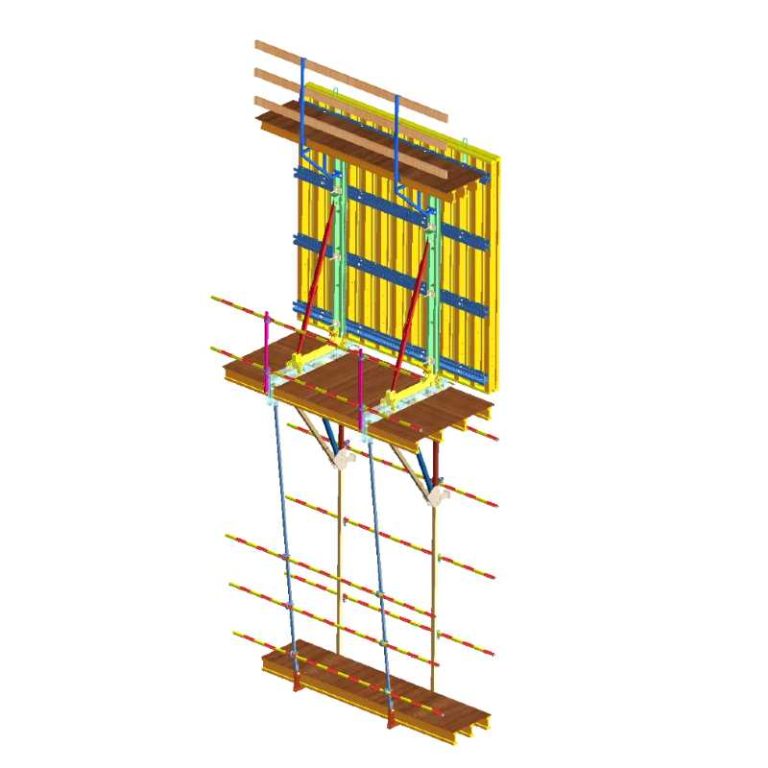
Understanding Slab Formwork for Large-Scale Projects
What Slab Formwork Is and Why It Matters for Complex Concrete Structures
Slab formwork holds fresh concrete in place during the building of big slabs. This setup forms a short-term mold. It also gives the needed backing to get the right slab depth. It ensures even surfaces. And it handles loads safely until the concrete hardens to its planned strength. Big business, factory, and public works jobs count on solid slab formwork setups. These jobs need quicker floor builds. They require stronger load handling. And they follow tight quality rules. When teams fine-tune slab formwork, they cut down building risks. They boost even concrete results. Plus, they hit steady project schedules.
Key Cost Drivers in Slab Formwork Systems
Key cost drivers in slab formwork systems include material selection, labor requirements, reuse cycles, and installation efficiency. Timber-based systems may offer lower initial costs, but their limited service life can increase long-term expenditure. By contrast, steel and aluminum systems deliver higher stability and reuse rates, helping large projects minimize overall material consumption. Labor intensity is another major factor, as traditional systems require more assembly time than modular options. These drivers directly influence total project cost, making early assessment essential.
Common Challenges in Large-Scale Slab Construction
Common challenges in large-scale slab construction involve heavy slab loads, long spans, safety compliance, construction speed, and formwork compatibility with structural designs. Large commercial floors and industrial slabs often require robust support systems that can withstand considerable fresh concrete pressure. Projects with repetitive floor layouts may face time pressure during core and shell construction, making cycle efficiency a top priority. When improper slab formwork selection occurs, contractors may face delays, deflection issues, or unsafe shoring conditions.

Types of Slab Formwork Systems Used in Large Projects
Conventional Timber Slab Formwork
Standard wood slab formwork still fits some build areas. It offers good bend and simple changes. This kind works well for one-off designs, odd slab shapes, and jobs needing site tweaks. Yet, its weaker strength and low reuse make it less money-saving for big jobs with lots of repeats. When used in smart spots, wood can add worth in places like beams, overhangs, or small slab parts.
Modular Steel Slab Formwork for High Load-Bearing and Long-Term Reuse
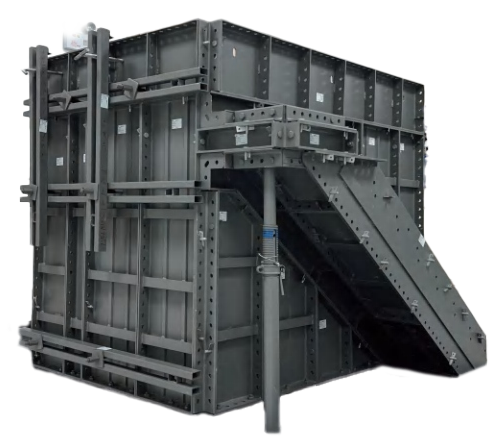
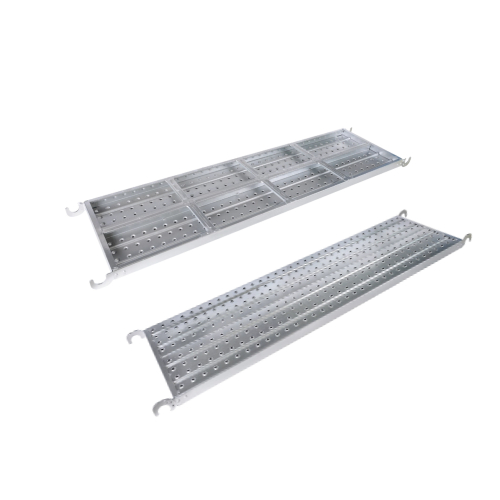
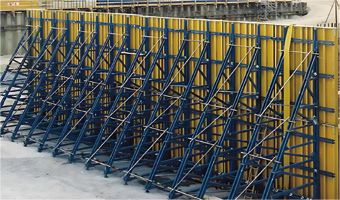
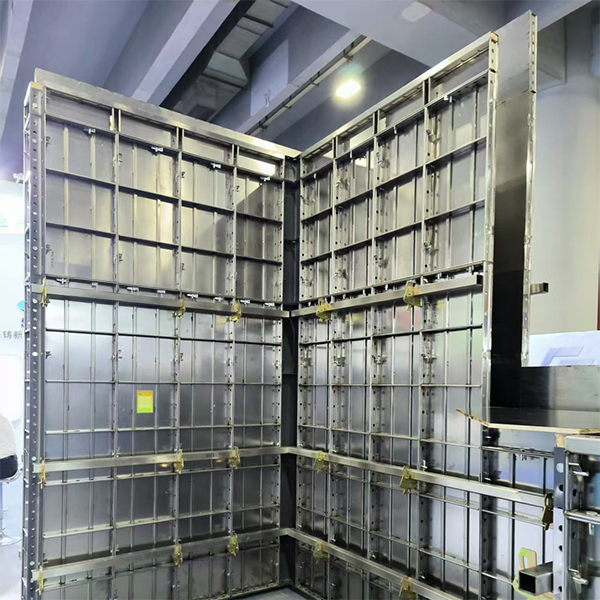
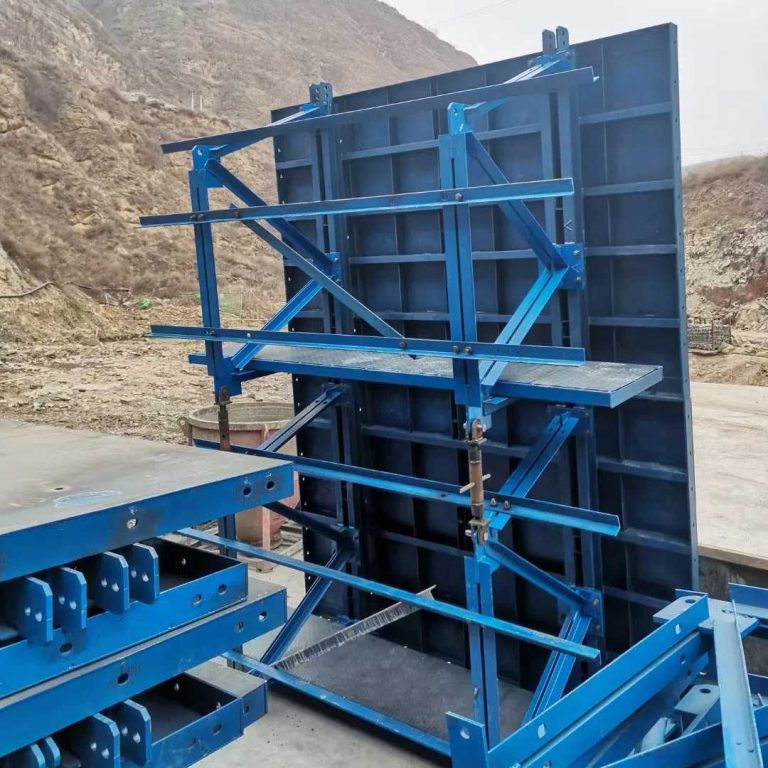
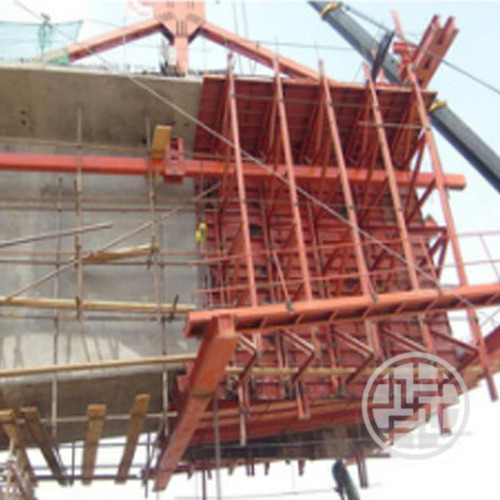
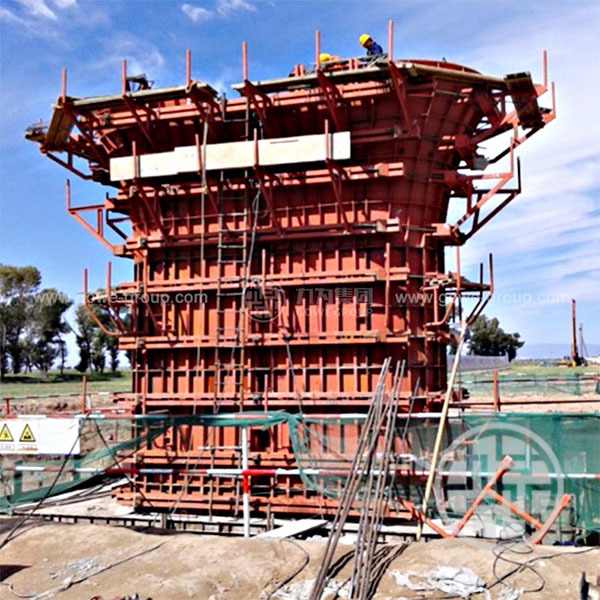
Modular steel slab formwork provides high bearing capacity, durability, and excellent stability for heavy concrete slabs. Steel panels and steel walers create a rigid framework that maintains dimensional accuracy under significant loads. These properties make steel formwork a strong choice for infrastructure projects, bridge decks, industrial floors, and precast operations. Although steel systems require a higher upfront investment, their long lifespan, standardized components, and reduced deformation rates make them cost-effective over multiple uses.
Aluminium Slab Formwork for High-Rise and Fast-Cycle Construction
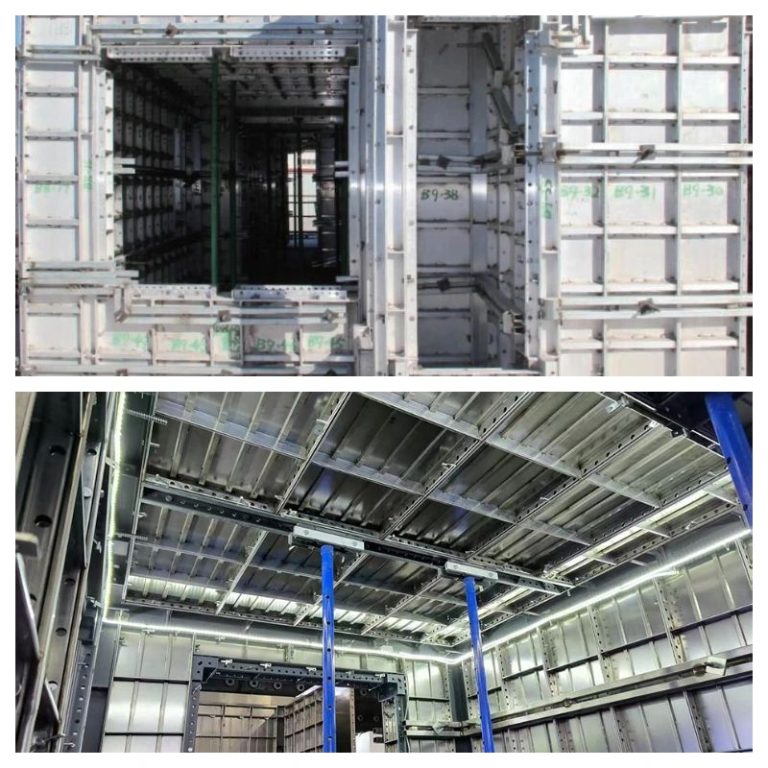
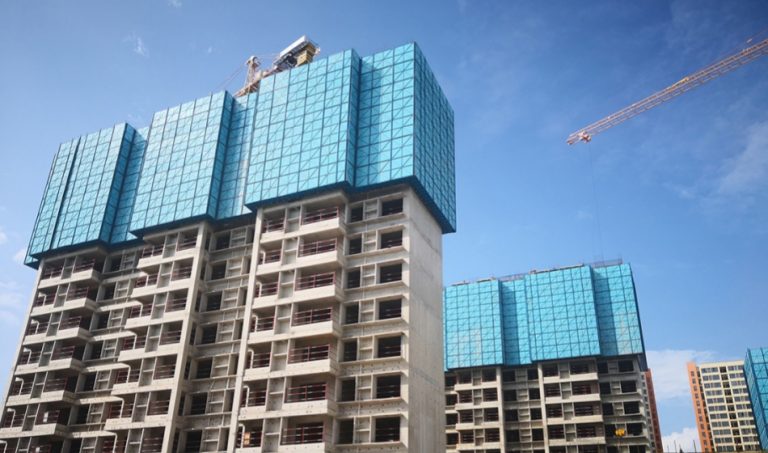
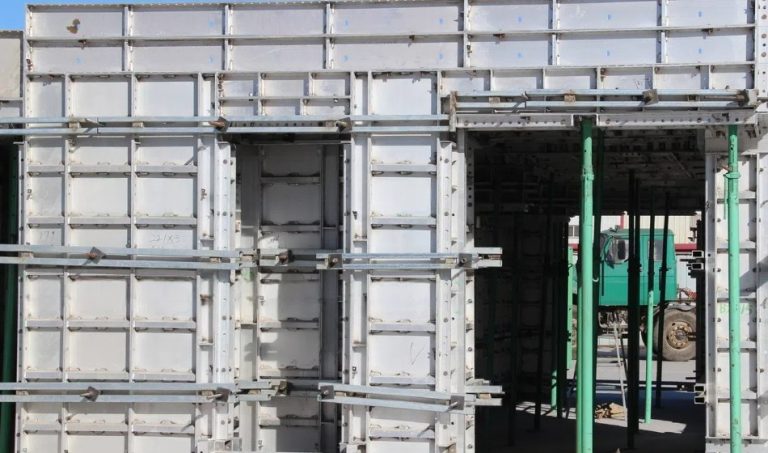
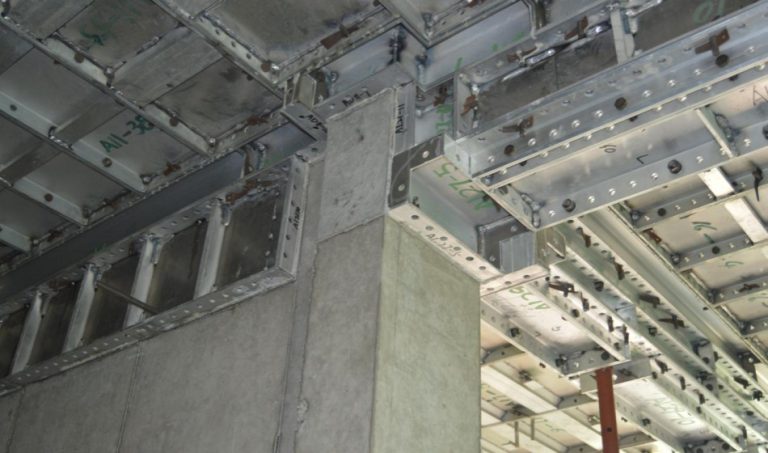
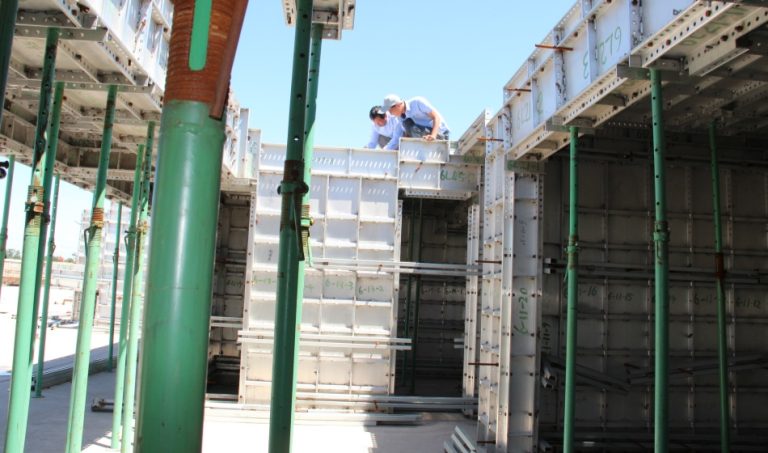
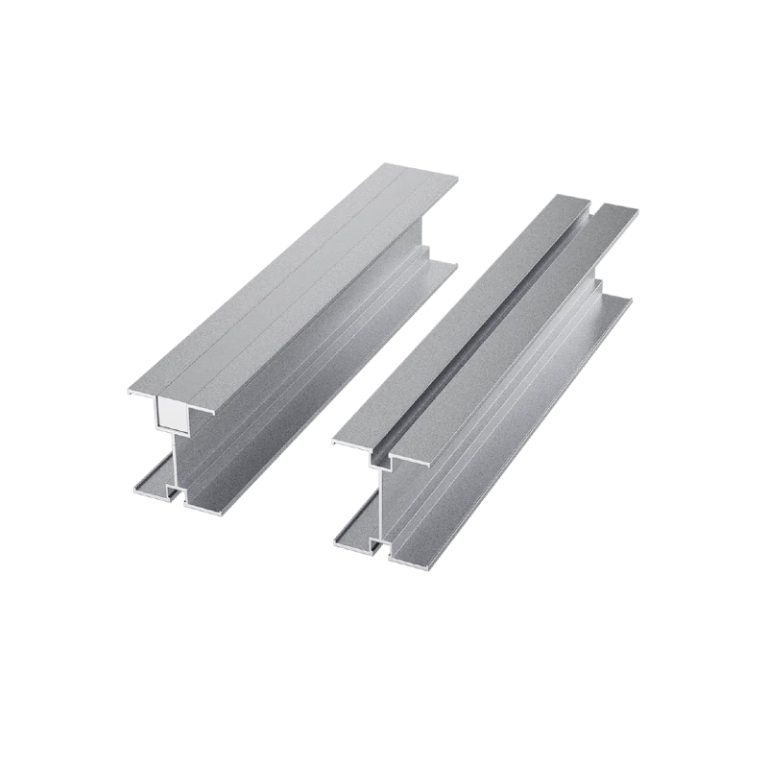
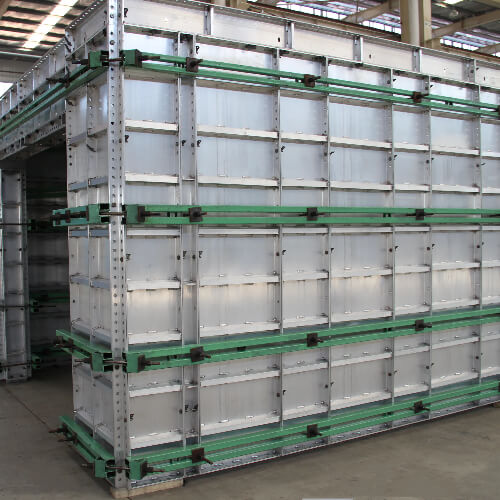
アルミ型枠 supports rapid construction cycles in high-rise and large residential developments. The lightweight structure allows workers to handle and assemble components more efficiently, reducing labor demand and improving overall productivity. Its excellent stiffness-to-weight ratio enables consistent concrete performance and minimized deflection. When paired with compatible support systems such as adjustable props or shoring towers, aluminium systems significantly accelerate repetitive floor cycles.
Table Formwork System for Repetitive Floor Slabs
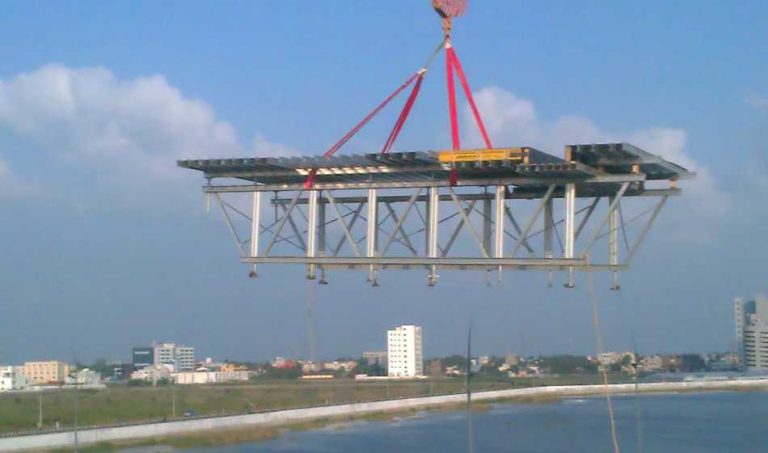
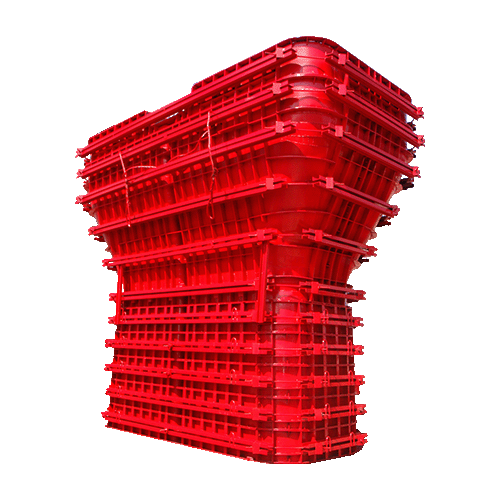
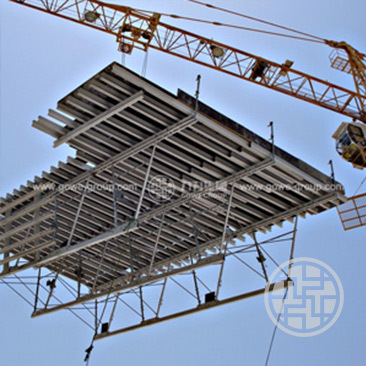
Table formwork setups suit jobs with repeated slab designs, like flats, hotels, and shop towers. These big pre-made tables are lifted level by level with cranes. This cuts daily join and break work. Table formwork boosts speed by keeping even form shapes. It also lowers labor needs. In tall buildings, table setups can cut round-trip time sharply. At the same time, they keep safety and firm slab results.
How to Choose Cost-Effective Slab Formwork for Large-Scale Projects
Factors That Determine the Right Slab Formwork System
Elements that pick the best slab formwork setup include slab depth, reach length, building weights, tower height, job timeline, and worker group size. Thick factory slabs gain from steel-based setups. Home towers often pick aluminium for pace and easy handling. Knowing the building plan early lets teams choose a formwork setup with the right strength and backing skills.
Comparing the Cost Efficiency of Different Slab Formwork Materials
Looking at money savings in various slab formwork materials means checking more than the start prices. It covers reuse rounds, upkeep tasks, and worker effort. Steel setups bring great lasting use. Wood brings bend. Aluminium mixes pace with fair long-run cost. Big jobs save money by mixing materials and building areas. So, no one material fits all cases.
Safety, Certification, and Load Performance Requirements
Safety, approval, and weight handling needs must come first when picking slab formwork for big jobs. Meeting world rules cuts building risks. It boosts even concrete surfaces. Proper ties, backing strength, and fall guards must join in to keep work safe. World builders now stress trackable quality checks to ensure firm slab backing.
Reducing Total Cost of Ownership Through Reusability and Standardization
Cutting full ownership costs with reuse and setting standards helps builders fit budgets without losing work quality. Picking setups with swap parts and tough materials raises reuse over many jobs. Set formwork designs to cut site changes more. They allow quicker joins. This drops worker costs and build times.
Cost-Optimization Strategies for Slab Formwork
Improve Cycle Time with High-Stiffness Formwork Systems
Boosting round time with strong-stiffness formwork setups lets big jobs keep steady hand-off plans. When formwork shows little bend, removal happens sooner. Next work starts earlier. Strong stiffness also stops concrete breaks. It ensures true slab shapes. Quick rounds matter most in multi-level builds that use step-by-step pours.
Lower Labor Costs with Modular and Pre-Engineered Systems
Cutting worker costs with ready-to-use and pre-planned setups stands as a main plan for builders around the world. Pre-made sheets, fast-lock joins, and crane-lift setups lower hand tasks and skill needs. These gains bring safer sites in the end. They also bring steadier slab results through set join steps.
Support System Selection for Slab Formwork
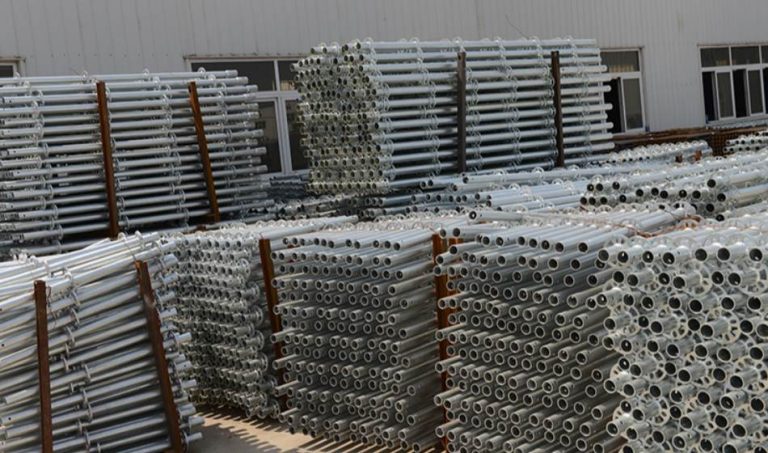
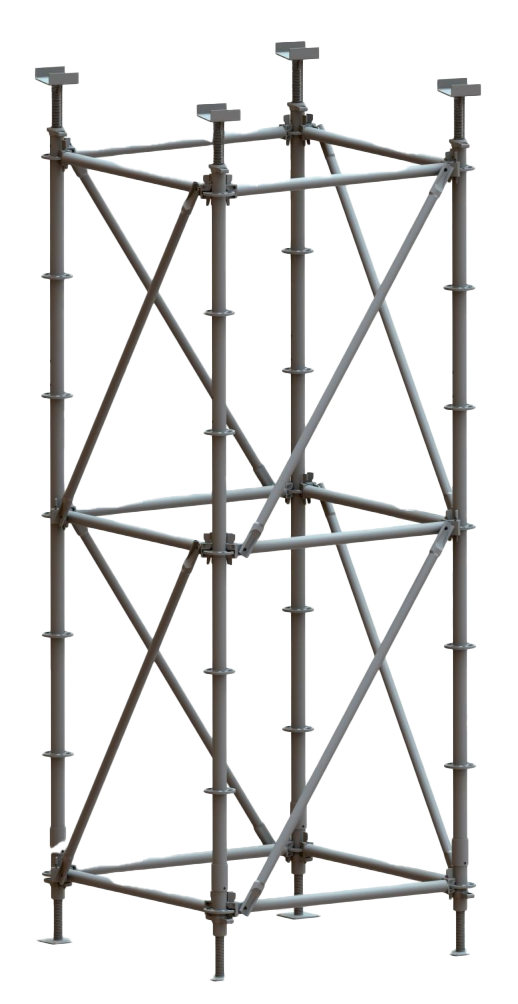
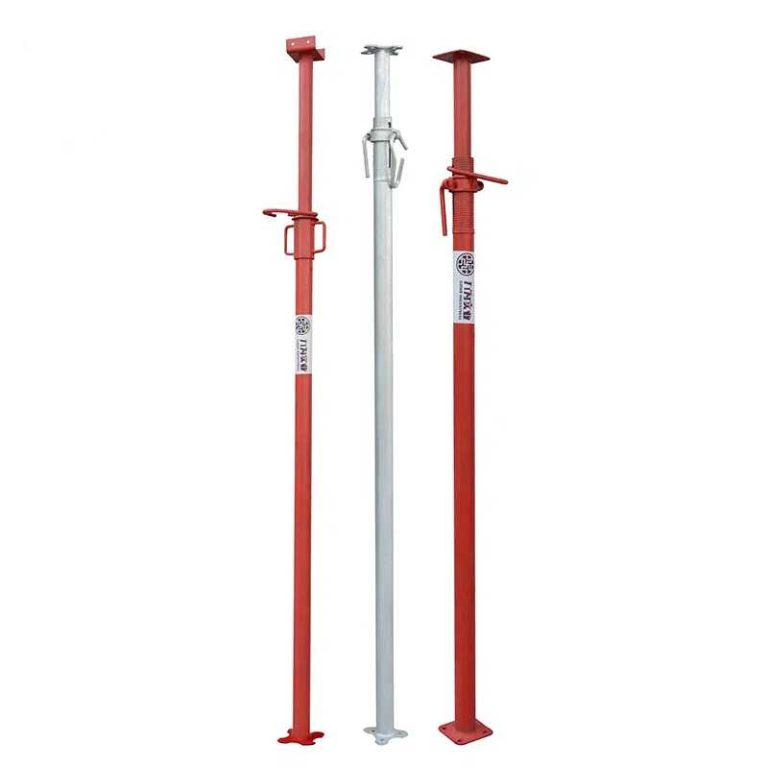
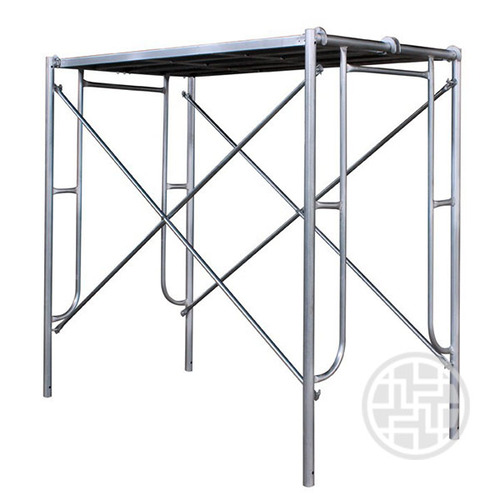
Picking backing setups for slab formwork shapes firmness, weight pass, and build pace right away. Adjustable steel props, shoring towers, and ringlock scaffolding hold slab weights safely. They keep room for height changes. The link between formwork sheets and backing builds sets full round firmness. So, good matching stays key.
Reducing Material Waste Through Reusable Accessories
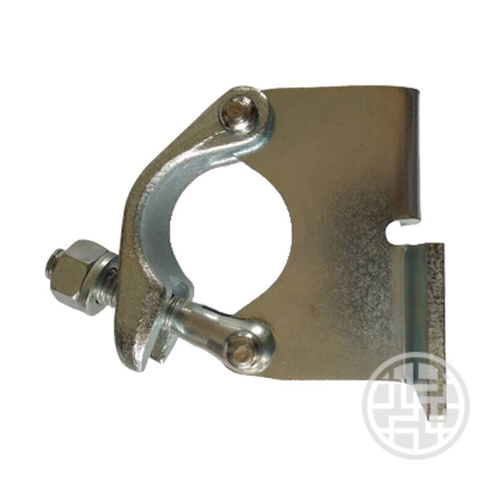
Cutting material loss with reusable add-ons boosts green ways and drops run costs. Parts like steel walers, clamps, links, and reusable formwork sheets extend the life of slab formwork. With set materials, builders can cut scraps. They smooth supply lines. And they reach steadier workflows.
GOWE Slab Formwork Solutions for Large-Scale Construction
Our Aluminium Slab Formwork for High-Rise and Repetitive Structures
Our aluminium slab formwork offers efficient, lightweight, and high-stiffness solutions tailored to large-scale and high-rise projects. With decades of engineering experience, we design aluminium systems that support smooth floor cycles and deliver consistent concrete performance. Our global construction partners rely on these systems for major residential and commercial developments.

Our Table Formwork System and Steel Prop Solutions
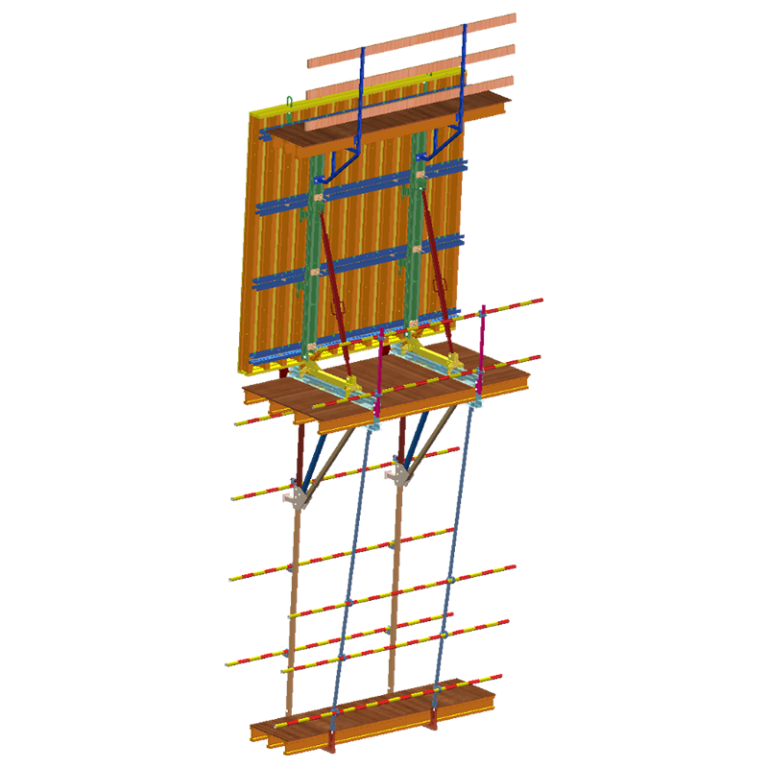
私たちの テーブル型枠 system enables fast and standardized slab construction for repetitive floors. Paired with adjustable steel props and reinforced support frames, the system provides a stable working platform and seamless transitions between floors. Our engineering teams continuously optimize these systems to align with modern construction requirements.
Why Large Contractors Choose GOWE
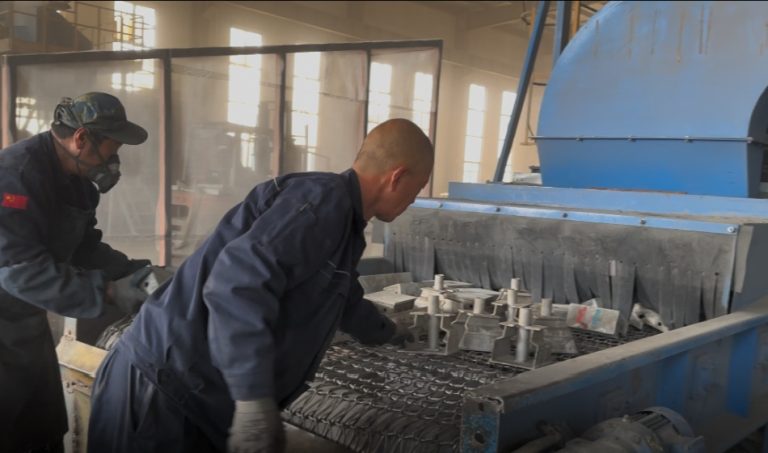
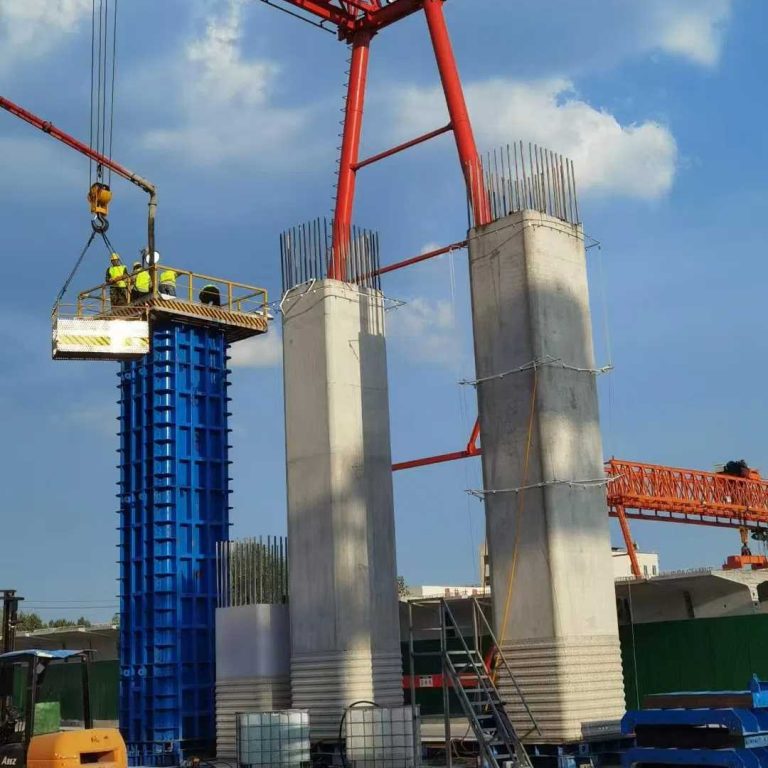
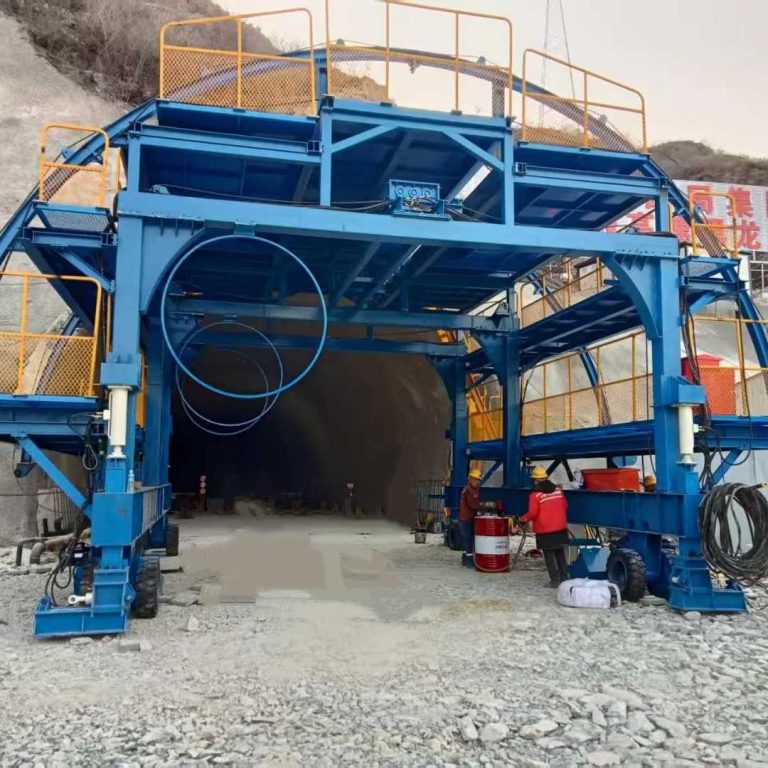
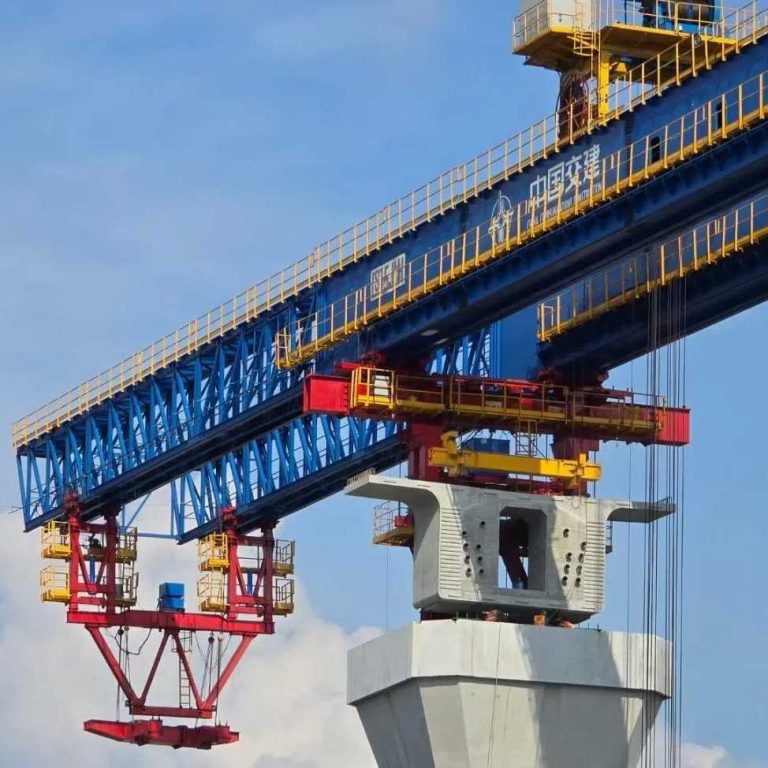
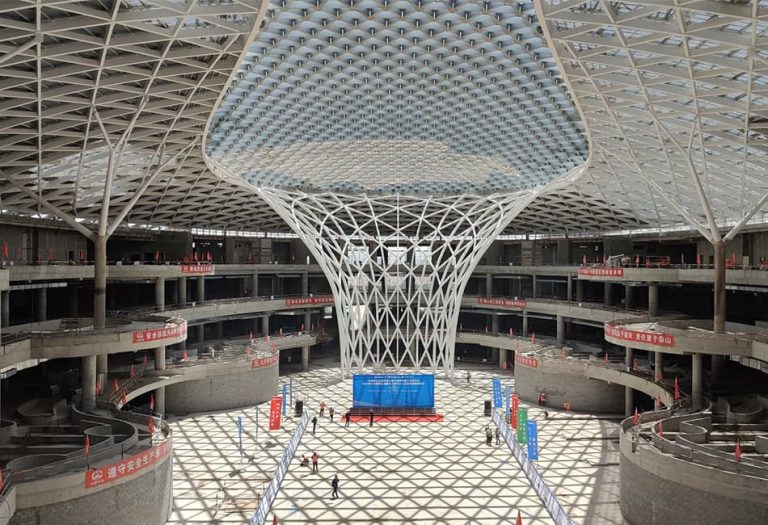
Large contractors choose ゴー because we deliver integrated formwork solutions backed by strong manufacturing capabilities and extensive project experience. From landmark bridges to high-rise towers and major public buildings, our formwork has supported complex concreting operations across China and international markets. With our one-stop supply chain covering aluminium formwork, timber formwork, steel formwork, shoring systems, and scaffolding, we help contractors achieve safe, efficient, and cost-effective slab construction.
よくあるご質問
Q: What is the most cost-effective slab formwork for large projects?
A: The most cost-effective slab formwork varies by project scale and repetition. For high-rise buildings, aluminium slab formwork from GOWE is often preferred due to its fast turnover and lightweight structure. For heavier slabs, steel systems provide long-term value through high reuse cycles.
Q: How to choose slab formwork for a repetitive floor project?
A: Choosing slab formwork for a repetitive project requires focusing on cycle time, handling efficiency, and durability. Table formwork systems and aluminium panels from GOWE support rapid repetition and consistent slab quality, making them ideal choices.
Q: What slab formwork works best for long spans?
A: Slab formwork for long spans must offer high stiffness and load capacity. Steel waler systems and reinforced support structures provide the stability needed to prevent deflection in large industrial or infrastructure slabs.
Q: Are aluminium slab formwork systems worth it for contractors?
A: Aluminium slab formwork systems are worth it when speed, safety, and reuse are priorities. They reduce labor intensity, accelerate slab cycles, and maintain dimensional accuracy. GOWE’s aluminium systems are widely used in high-rise and large residential projects.
Q: What support system is best for heavy slab formwork?
A: Support systems for heavy slab formwork should include steel props, shoring towers, or ringlock scaffolding. GOWE provides engineered support systems designed to align with different slab loads and project requirements, ensuring safety and structural reliability.