



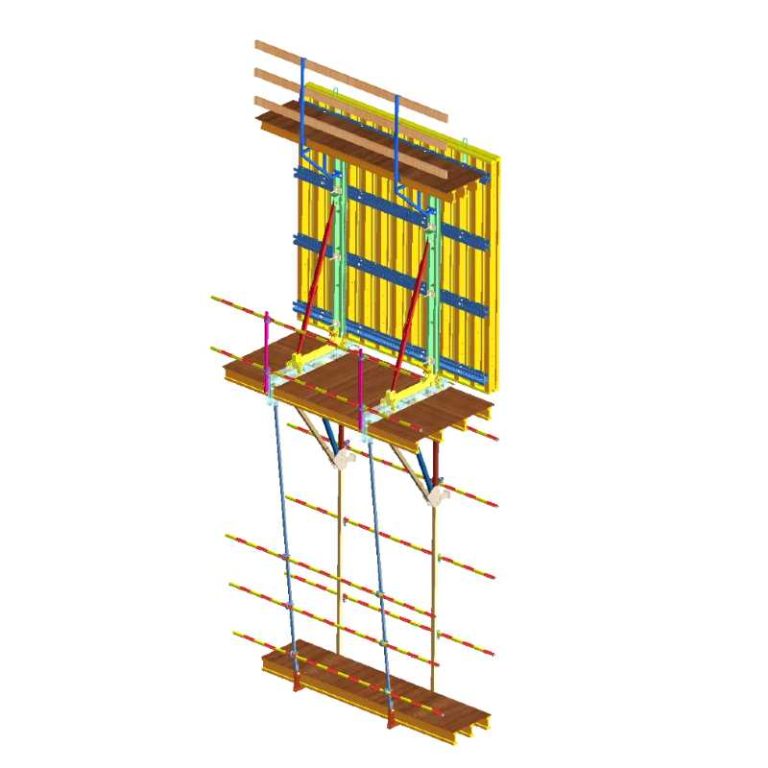
What Factors Drive the Cost of Different Formwork Materials?
Key Elements Influencing Overall Project Expenses
Costs for formwork materials depend on several things. These include the choice of material, the needs of the project, and the day-to-day operations. Picking the right material impacts the starting cost and upkeep over time. For example, wood might seem cheap upfront. But it wears out fast, so you replace it often. Also, some materials need careful setup. This calls for trained workers, which adds to labor fees.
Moving the materials and how often you can reuse them matter too. Lighter options like aluminum or plastic cut down on transport fees. They also make handling on-site easier. The project’s size and how complex the design is affect how well the material works. Big jobs often benefit from strong materials. These keep the quality steady through many uses.
Comparing Initial Investment vs. Lifecycle Value
When picking between cheap and tough formawork materials, weigh quick costs against lasting benefits. Cheap ones might raise repair or swap costs later. Strong ones like steel or aluminum give better returns over time. They last longer and reuse well. Looking at full life value helps project leads manage funds. It matches early spending with savings from ongoing work on various jobs.
How Does Timber Formwork Material Affect Construction Budgets?
The Economic Advantages and Limitations of Timber Formwork
Wood formwork sees common use in small or odd-shaped projects. It is easy to get and bends to fit needs. The low starting price fits short jobs or low buildings. Yet, you can only reuse it a few times, usually up to five. This means more swaps, which boosts costs in the long run. Wood lets you adjust it easily on site for design shifts. But this needs skilled woodworkers, raising labor fees.
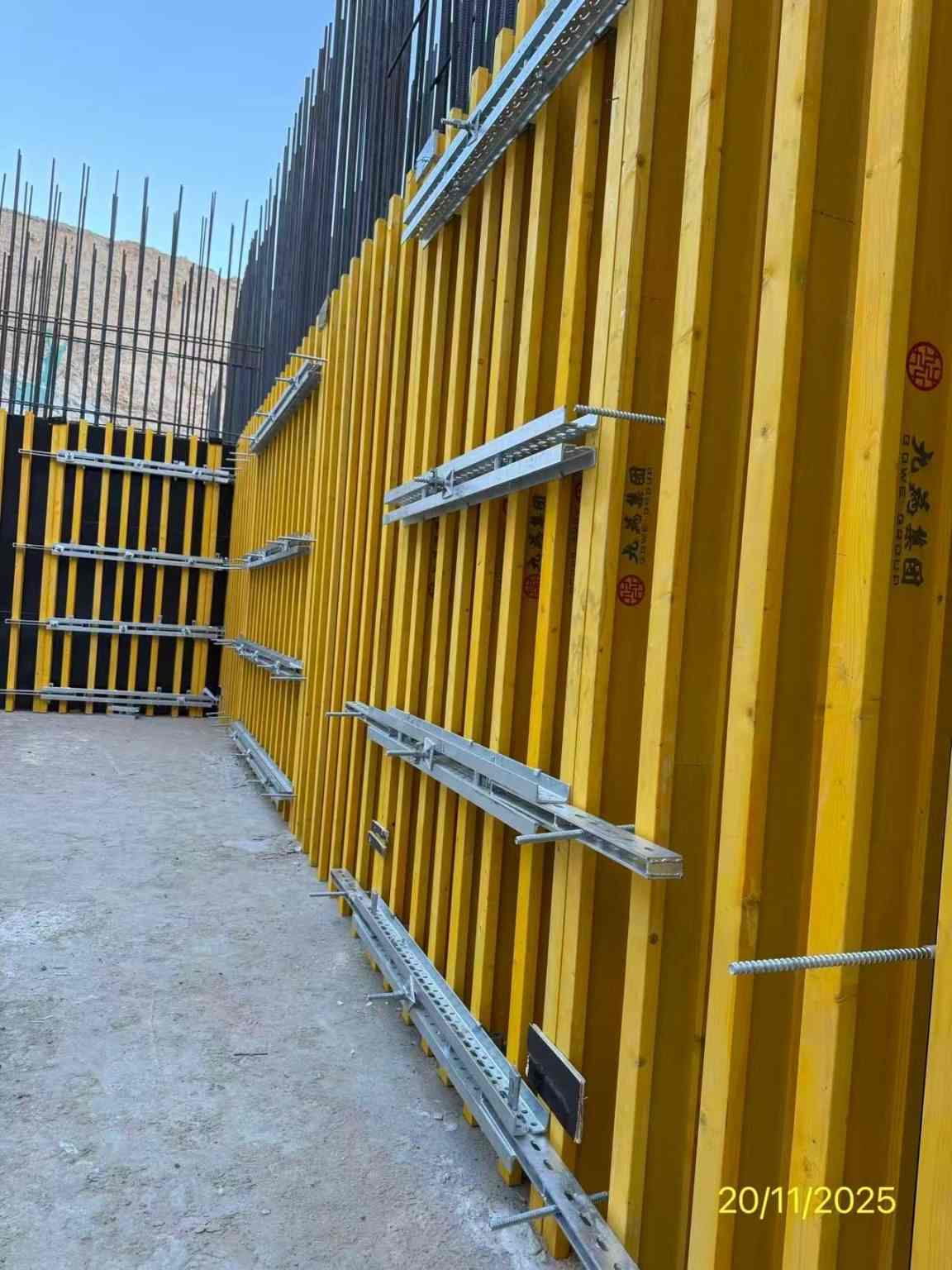
Cost Components of Timber Formwork Projects
Material and Labor Costs
Easy-to-find wood keeps buying costs low. Still, accurate cuts and fits are key for strong builds. So, you need trained carpenters. This lifts total labor costs.
Transportation and Storage Considerations
Wood’s light weight eases moving it. But it needs dry storage to avoid bending or rot. This adds to site upkeep costs.
Reuse Rate and Suitable Applications
You can reuse wood formwork up to five times before it breaks down. It works best for small or one-off builds. Here, custom fits matter more than reuse.
Why Choose Steel Formwork Material for Large Construction Projects?
The Long-Term Financial Impact of Steel Formwork Use
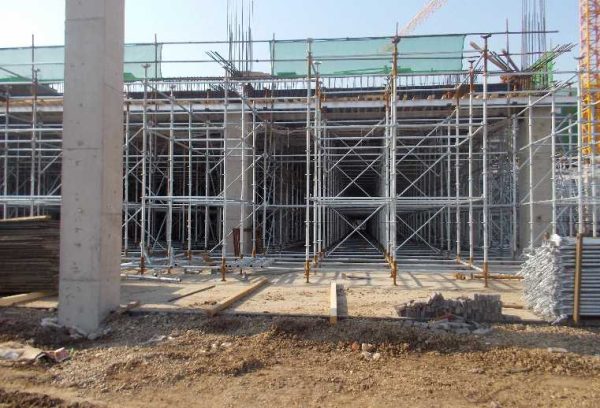
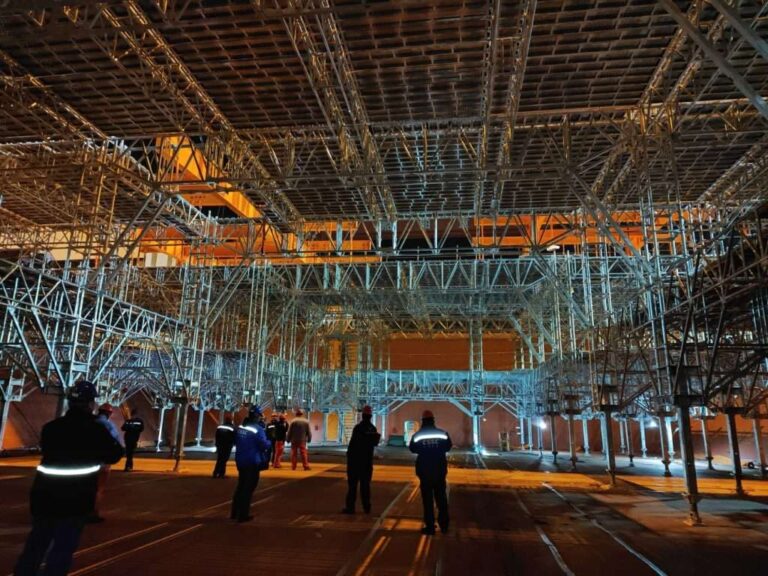
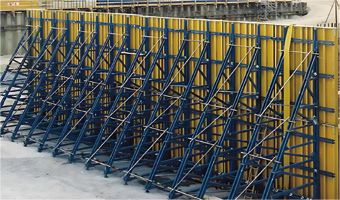
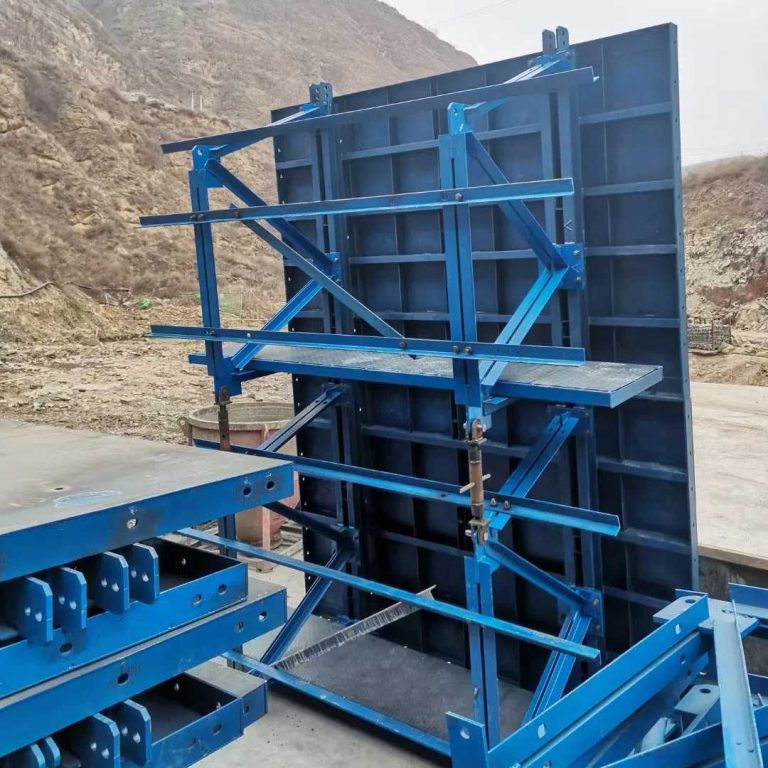
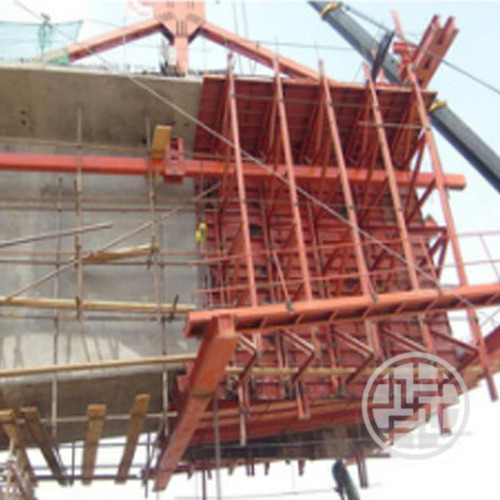
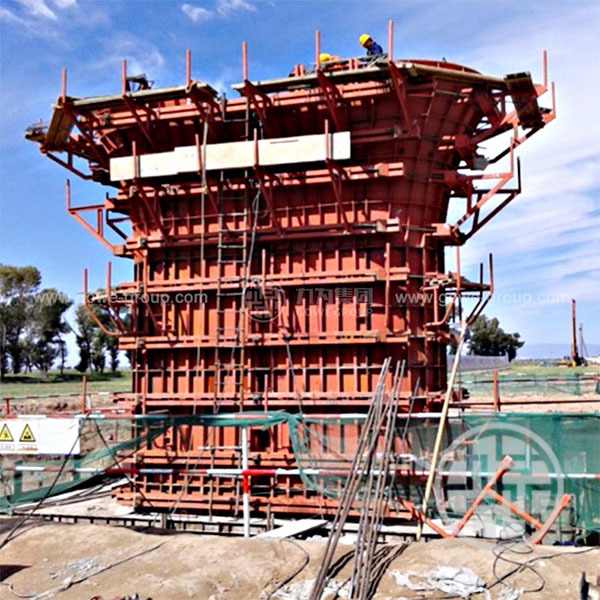
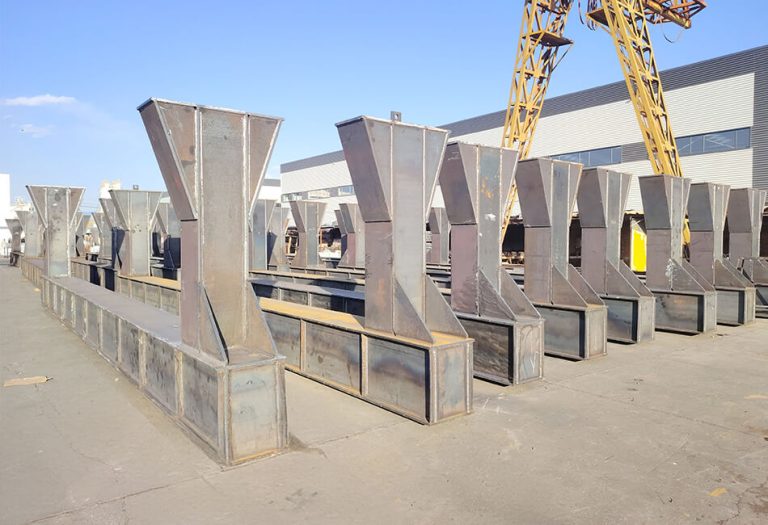
Trabalho de formas de aço stands out for its strength in tall or big builds. It lasts well and reuses a lot, often over 100 times. This cuts costs per job across many projects. Steel holds shape well, giving exact sizes in repeated pours. It keeps finishing smoothly through long runs.
Steel costs more at the start. But less upkeep and long life balance that out. For builders with steady work, the cost per use drops low. It beats throwaway options.
Cost Breakdown for Steel Formwork Systems
Material and Fabrication Costs
Steel formwork goes through careful making steps. These build solid strength but raise early, resulting in costs.
Labor and Handling Requirements
Heavy panels need machines like cranes for moving. This can slow down handwork. But it boosts safety in the setup.
Reuse Potential and Project Suitability
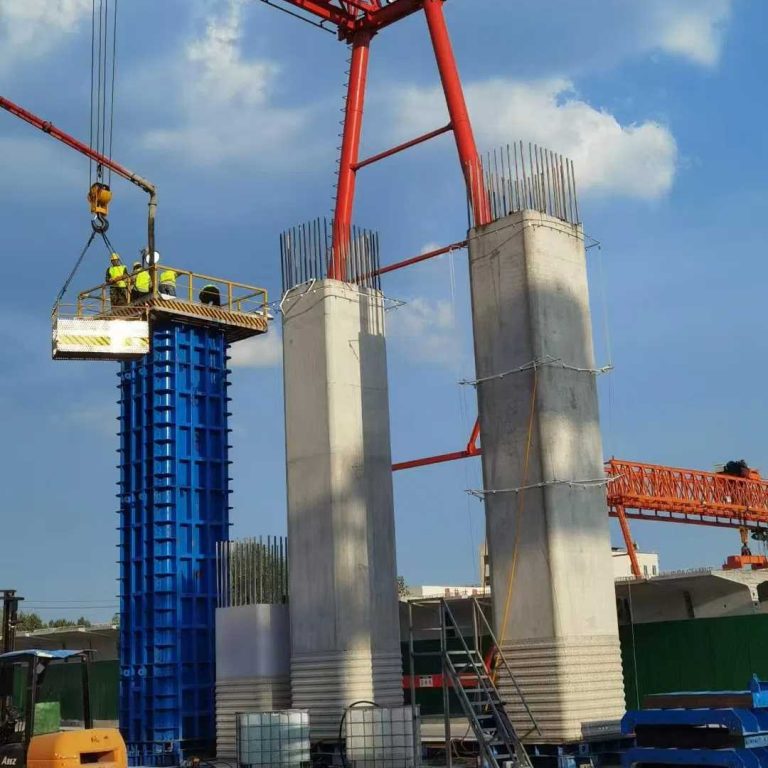
Steel is reused over 100 times. It gives great value in big jobs with repeated parts like posts or floors.
What Are the Financial Implications of Using Aluminum Formwork Material?
Evaluating Cost Efficiency in Modern Construction Practices
Aluminum formwork mixes light weight with good reuse. It fits well in today’s tall homes or office buildings with matching floors. The price per square meter runs higher. But a quicker setup saves on labor.
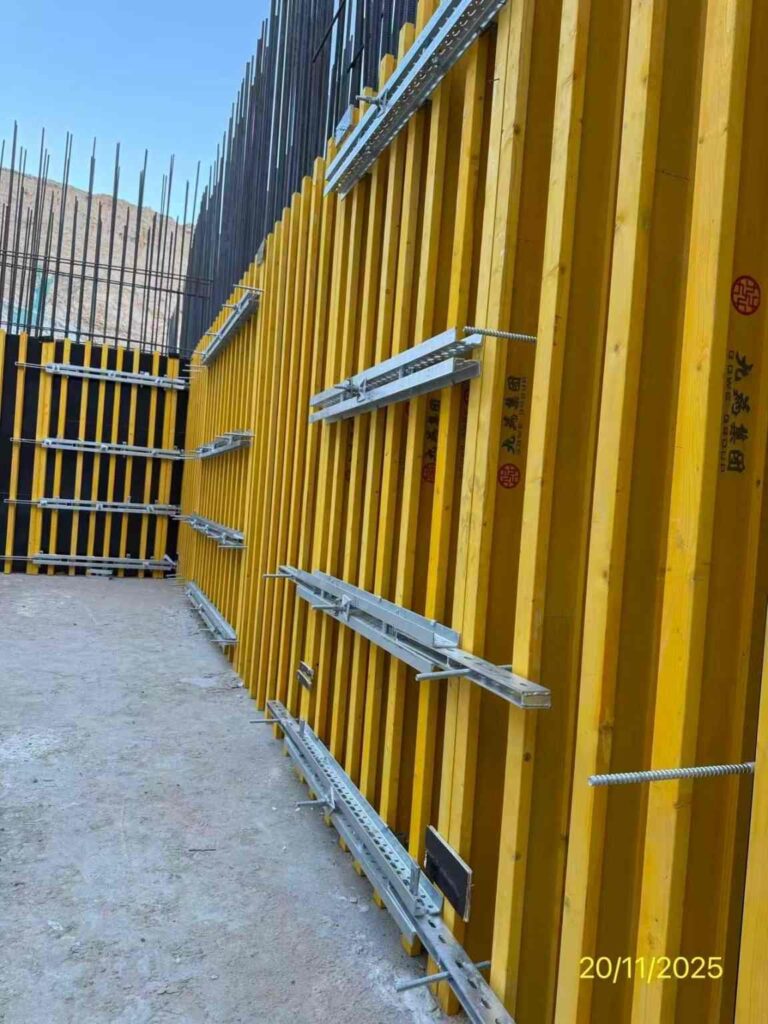
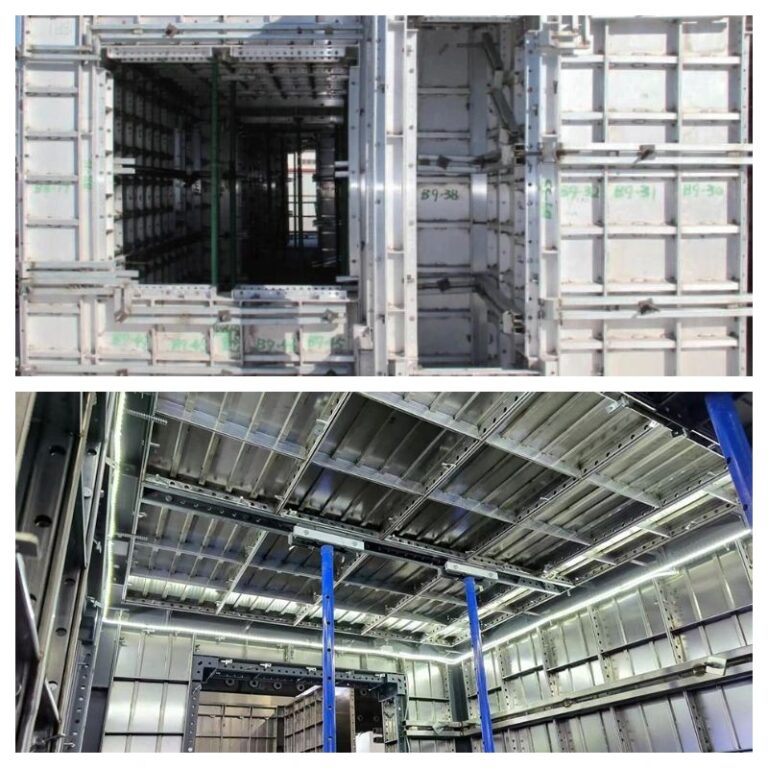
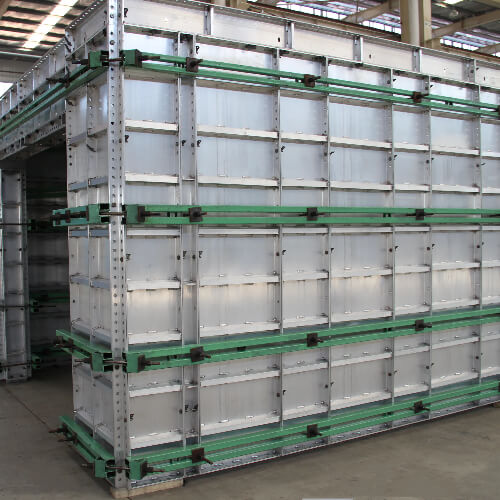
With high-strength and lightweight, GOWE Cofragem de alumínio is an ideal choice for construction, and highly acclaimed by construction workers due to its light weight and flexibility. These traits speed up job turns. They keep safety in check during moves.
Detailed Cost Structure of Aluminum Systems from GOWE’s Perspective
Material Investment and Operational Savings
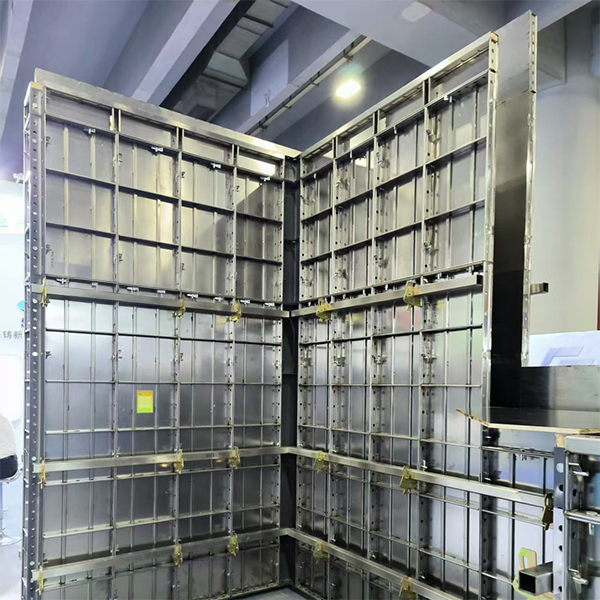
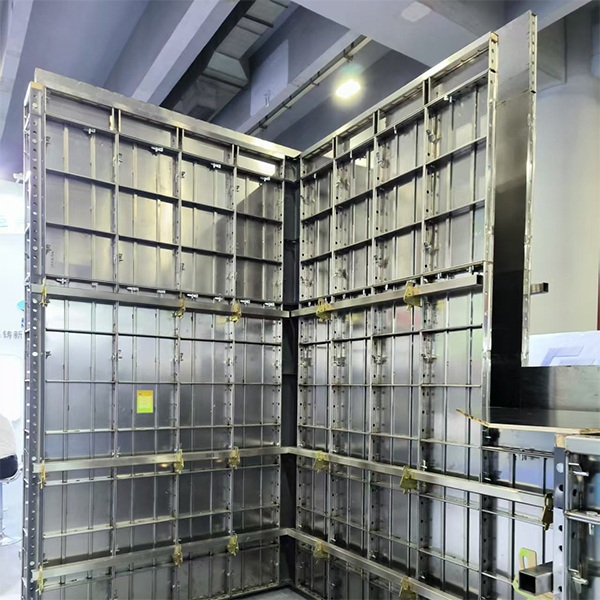
In our line at GOWE, aluminum setups balance power and ease of carrying. It can withstand 60kN/m² concrete side pressure, and realize one-time whole pouring and forming of both vertical and horizontal structure, and it can be dismantled in advance for the horizontal structure. This boosts output. It cuts wait time between pours.
Transportation, Assembly, and Maintenance Costs
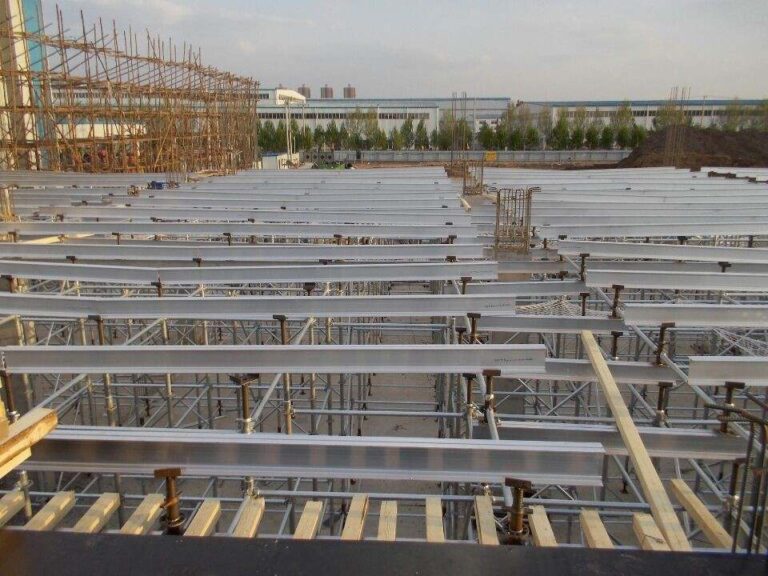
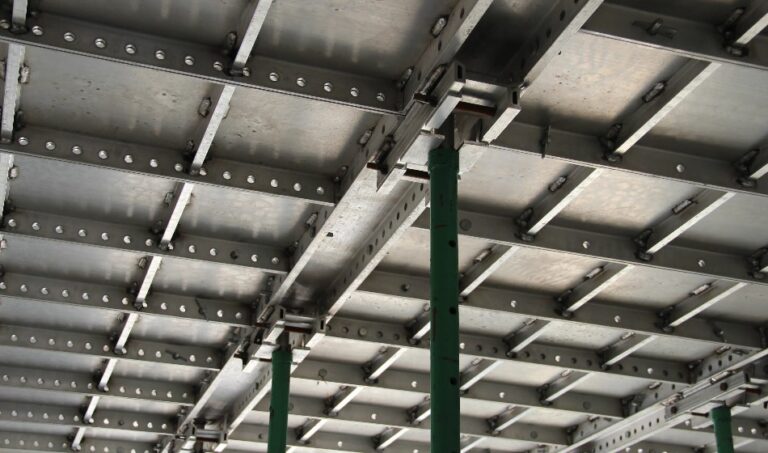
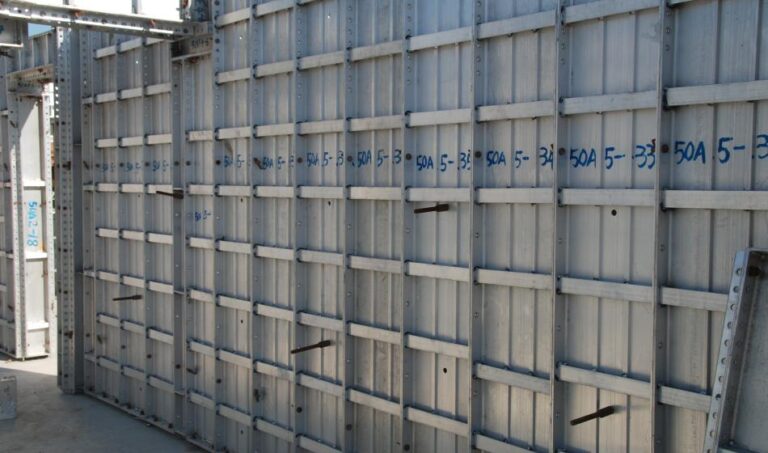
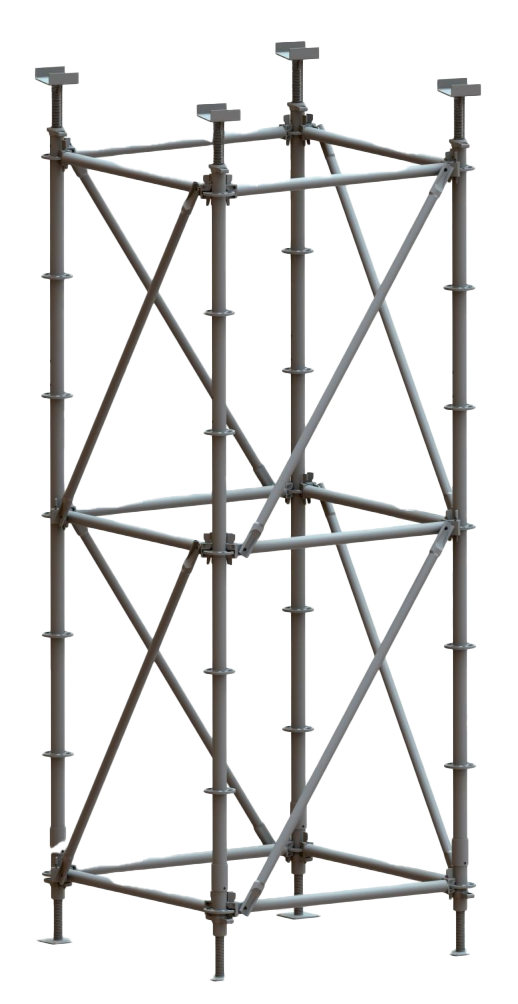
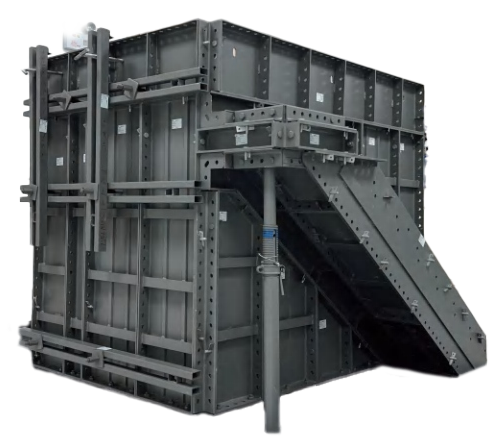
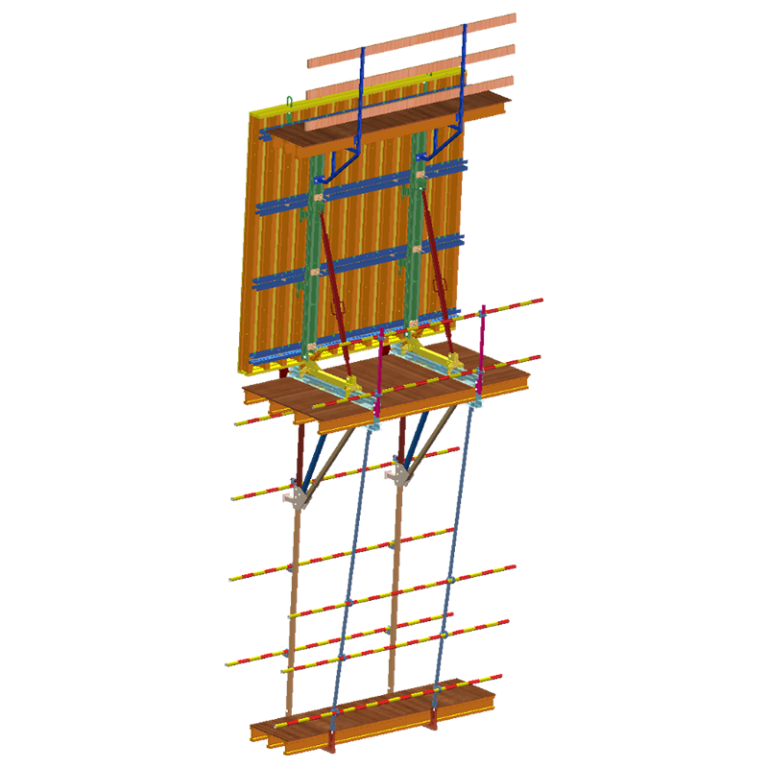
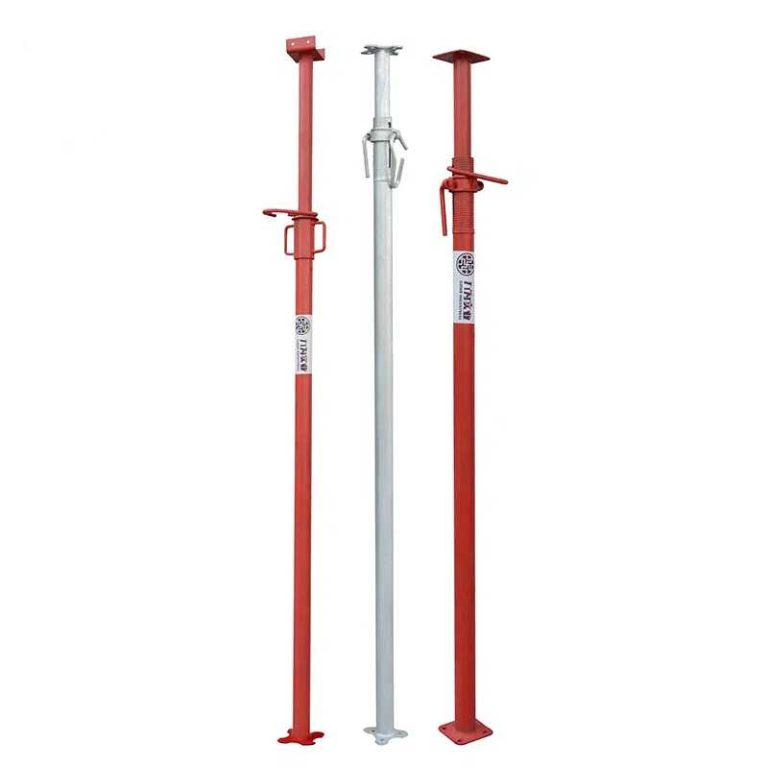
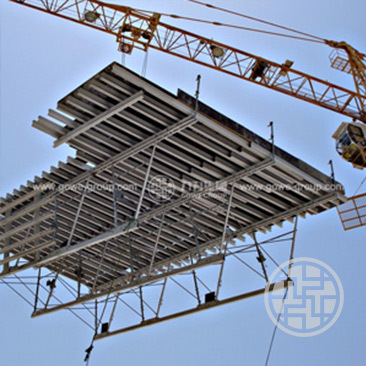
Light panels lower haul fees over steel. GOWE aluminum formwork system is composed of several independent systems, such as Wall formwork, Top formwork, and Prop. The part-based design eases site setup. It cuts upkeep needs over many uses.
Lifecycle Value Through Reuse Rate and Durability
Aluminum can be reused up to 200 times with little wear if cared for properly. This strong, lasting power ensures good returns on spend across jobs. It aids green goals by cutting waste.
How Do Plastic Formwork Materials Influence Project Economics?
Balancing Sustainability with Financial Efficiency
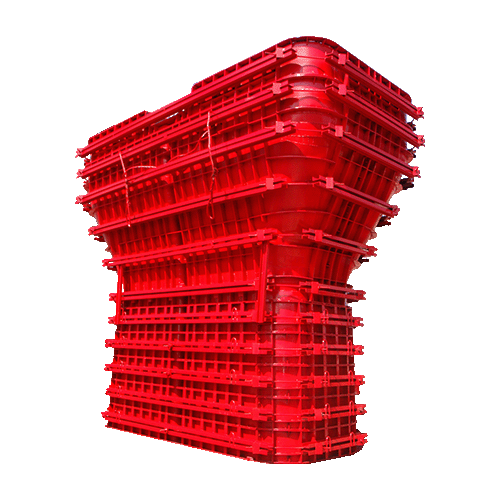
Plastic formwork gives a green option that mixes eco-friendliness with money sense. Its plastic build fights rust and cleans easily after use. This drops upkeep costs a lot. For mid-size jobs wanting cost watch and green rules, plastic fits. It blends a fair price with strength.
Analyzing the Cost Components of Plastic Systems
Material Composition and Manufacturing Costs
Plastic panels cost less to make than metal ones. They give enough firmness for usual jobs.
Labor Efficiency and Handling Benefits
Their lightweight build shortens setup time on site. This raises worker output without safety risks in put-up or take-down.
Reuse Frequency and Environmental Benefits
Good reuse fits green build marks. It cuts waste and aids the loop use of resources in job spans.
How Do Environmental Factors Influence the Cost Performance of Formwork Materials?
Sustainability as a Cost-Saving Strategy
Strong materials like steel or aluminum cut waste fees over their life by fewer swaps. Options you can recycle, such as aluminum or plastic, match green aims well. They lower eco-rule costs for builders focused on green ways.
Long-Term Value Through Energy Efficiency in Production
Picking materials with less built-in energy aids green aims. It also trims carbon-linked running costs over time. This grows key under current rules that stress energy-smart building.
Waste Reduction and Compliance Considerations
Green formworks help meet eco-rules. They cut dump fees for non-recyclable waste. By adding recycled materials to building plans, builders gain money and green duty at once.
FAQ
Q: What factors should be considered when selecting a formwork material?
A: Important factors include project size, design complexity, expected reuse rate, transportation logistics, labor requirements, and total lifecycle cost, rather than just initial price per square meter.
Q: How does aluminum formwork compare financially to other materials?
A: Although aluminum has higher upfront costs than timber or plastic systems, its superior reusability—up to 200 times—and lightweight nature reduce long-term operational expenses significantly according to GOWE’s performance data.
Q: Is steel formwork more cost-effective for large developments?
A: Yes. Steel’s durability allows it to be reused over 100 times while maintaining dimensional accuracy across repetitive tasks, making it highly economical for large-scale developments requiring uniform structural elements.
Q: Are plastic formworks suitable for sustainable construction goals?
A: Plastic panels offer strong sustainability advantages through corrosion resistance, easy cleaning, high reuse rates, and recyclability—aligning well with modern green building certifications focused on resource efficiency.
Q: What are the main cost challenges associated with timber formworks?
A: While timber offers low initial costs suitable for smaller projects, its limited reuse rate increases replacement frequency; additionally, storage conditions must remain dry to prevent damage that would otherwise raise long-term expenditures.