
Устойчив к коррозии, даже к соленой воде и слабым кислотным дождям
Другие материалы
Пластик:
Используется в некоторых элементах строительных лесов благодаря своей гибкости, огнестойкости и влагостойкости.
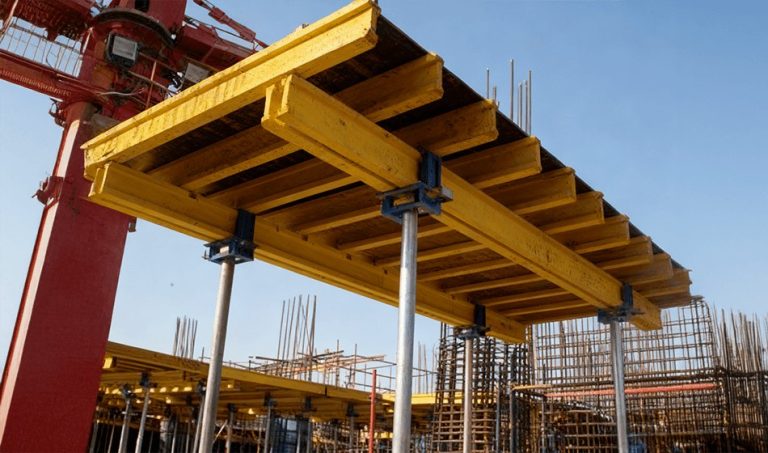
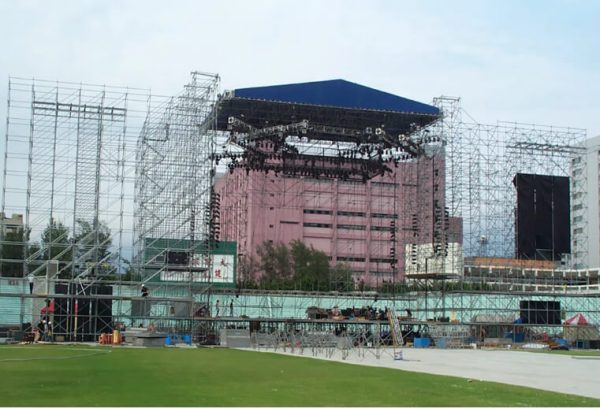
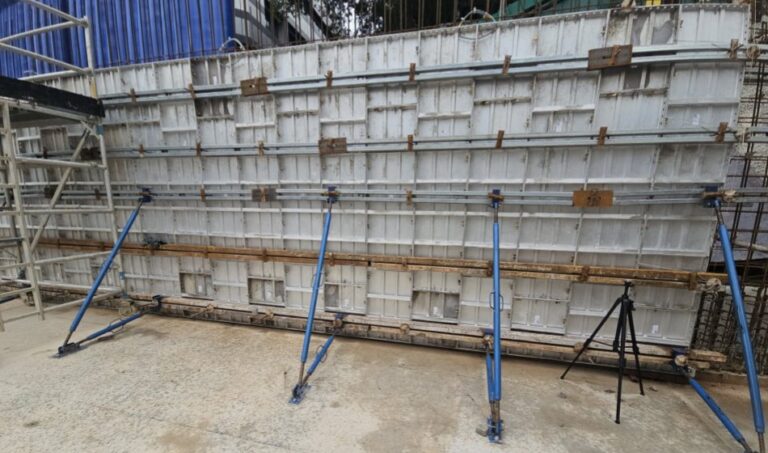
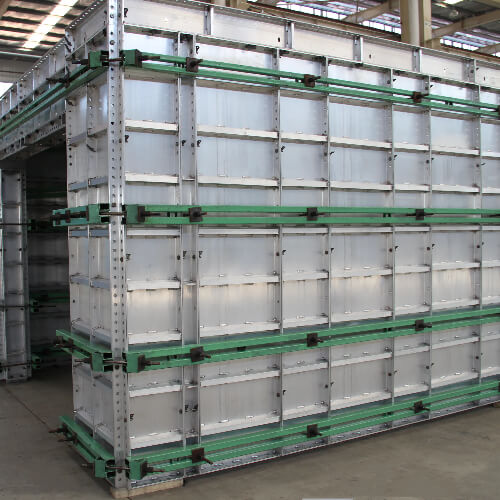
Вонтинуэс используется в различных регионах Азии, особенно в Гонконге, для создания сложных строительных лесов. Алюминиевая опалубка При выборе материалов для строительных лесов необходимо учитывать такие факторы, как требования проекта, грузоподъемность, условия окружающей среды и безопасность. Сталь является наиболее часто выбираемым материалом благодаря своей общей прочности и универсальности, в то время как алюминий набирает популярность благодаря своим легким характеристикам. Специализированные материалы, такие как стекловолокно, используются в определенных отраслях промышленности, где их отличительные свойства дают преимущества.
Разобравшись с основными материалами, давайте рассмотрим преимущества, недостатки и специфические приложения каждого материала для строительных лесов, чтобы помочь вам определить, какой из них наиболее подходит для ваших строительных требований.
Прочность
Толщина
Устойчивость к коррозии
Бэст для
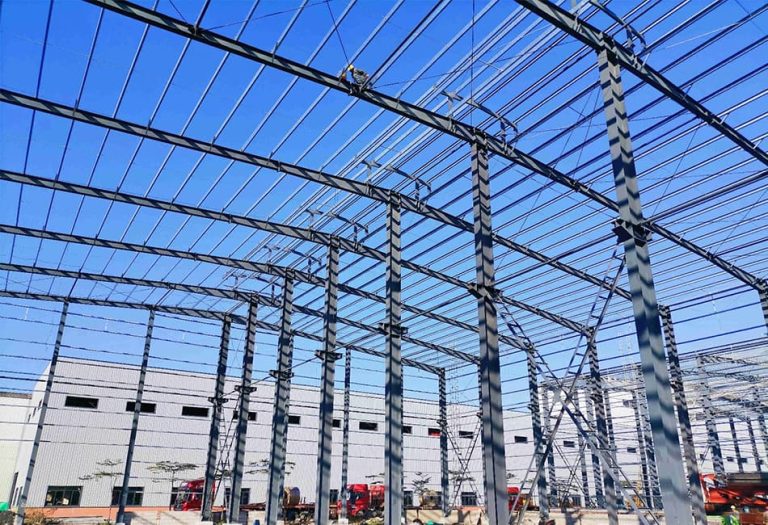
Длинный-срок, высотный, промышленный
Модерейт
Светлая
Главное техническое обслуживание, мобильные установки
Низкая к моде
Маленький масштаб, временные платформы
Традиционная структура в Азии
Что такое Стандарт Материал для строительных лесов?
Интересует материал для строительных лесов?
наиболее часто используемый материал благодаря своей долговечности, прочности и способности выдерживать нагрузки, что делает его идеальным для крупных строительных проектов, требующих максимальной безопасности.
Сталь является основным материалом для строительных лесов благодаря своей долговечности и прочности, что делает ее идеальной для долгостроев. Она устойчива к суровым погодным условиям и обладает превосходной несущей способностью, обеспечивая устойчивую и безопасную рабочую платформу.
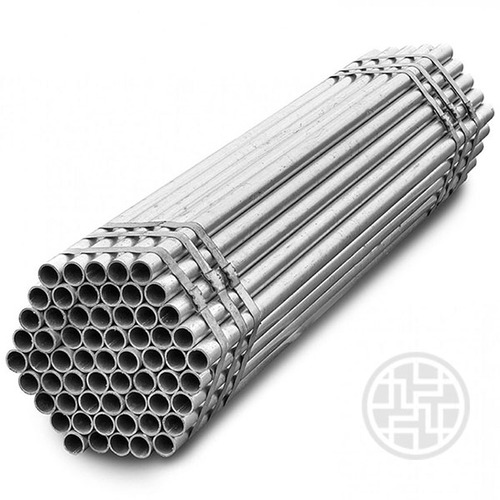
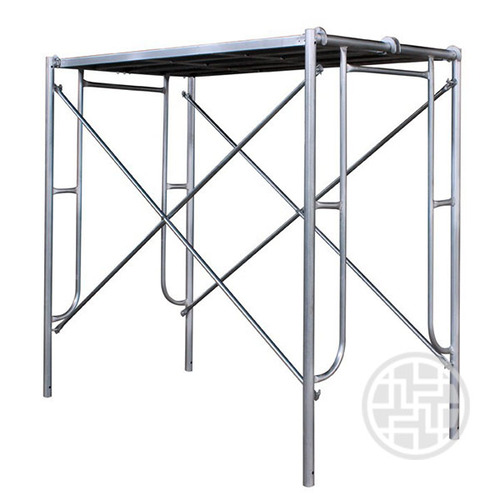
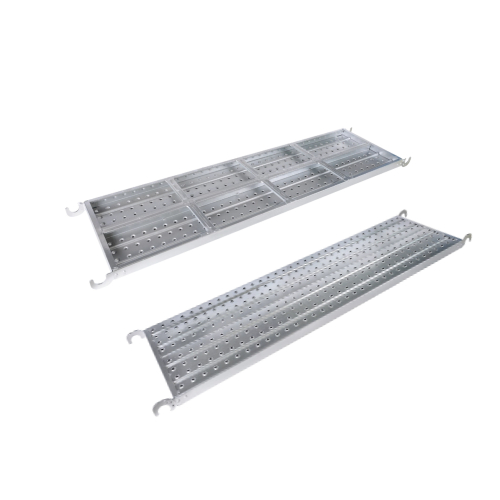
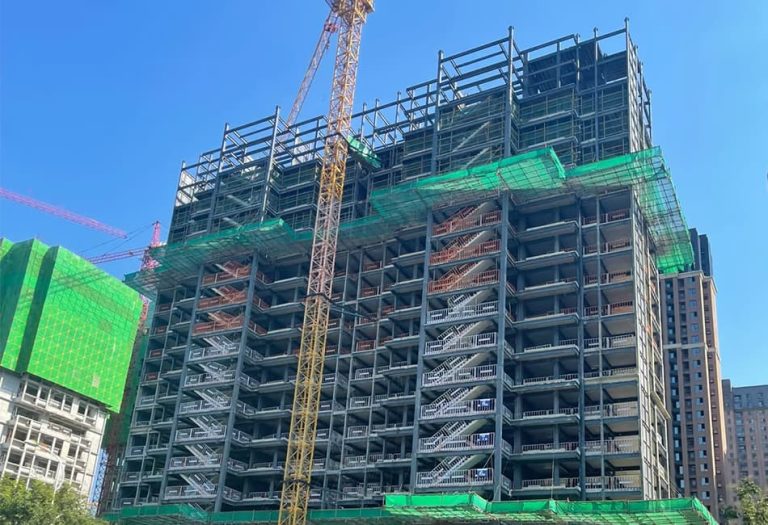
Материалом для изготовления строительных лесов обычно служит сталь. Сталь обладает исключительной прочностью и долговечностью, что делает ее пригодной для большинства строительных проектов, особенно тех, которые требуют больших нагрузок или большой высоты. Она устойчива к атмосферным воздействиям и износу, благодаря чему конструкции лесов остаются стабильными в течение длительного времени. Оцинкованная сталь часто используется для защиты от коррозии, что продлевает срок службы лесов на открытом воздухе. Хотя стальные леса тяжелее, чем альтернативные, например алюминиевые, их прочность делает их предпочтительным выбором для высотного строительства, крупных промышленных проектов и установки лесов на длительный срок.
Что является наиболее часто используемым типом строительных лесов?
Вам нужен самый распространенный тип строительных лесов? Трубчатые и муфтовые леса широко используются в строительной отрасли благодаря своей адаптивности, позволяющей строителям изменять леса, чтобы приспособить их к различным формам и высоте.
Чаще всего используются трубчатые и муфтовые строительные леса, которые обеспечивают значительную гибкость и могут быть адаптированы к различным формам и конструкциям. Они широко используются в строительстве благодаря простоте монтажа и способности выдерживать значительные нагрузки.
Наиболее часто используемый тип строительных лесов - это
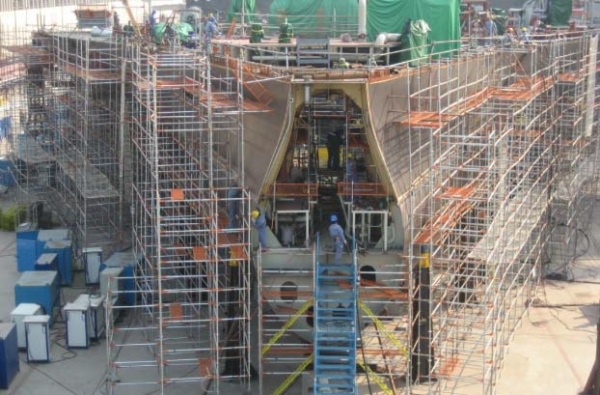
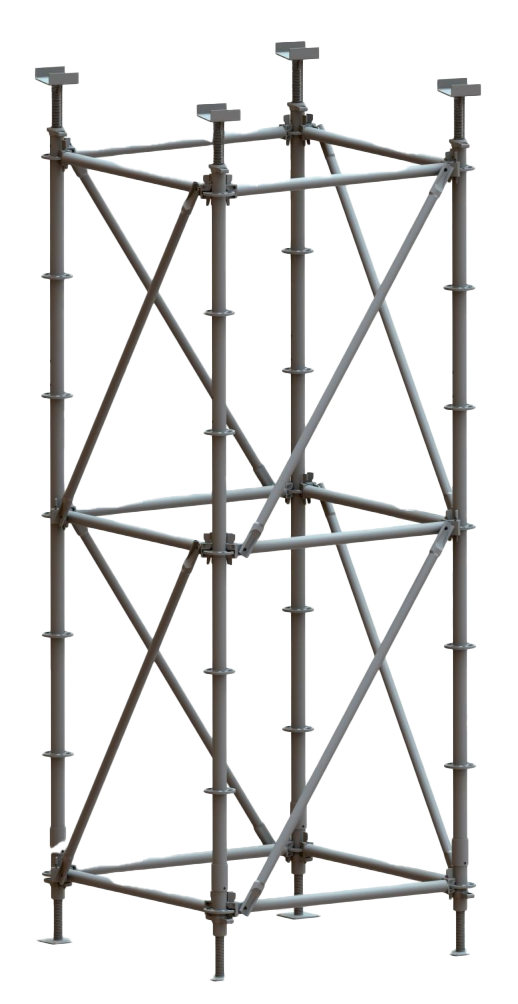
. Эта система использует стальные трубы и соединительные элементы для создания универсального и регулируемого каркаса. Популярность этой системы обусловлена ее гибкостью, благодаря чему она подходит для сложных конструкций или зданий неправильной формы. Трубчато-соединительные леса способны выдерживать большие нагрузки и часто используются в крупномасштабных строительных проектах. Другие распространенные типы включают в себя рамные леса, которые проще в установке и используются для более простых строительных задач, и системные леса, которые включают в себя сборные компоненты для быстрой сборки.
Что делает алюминиевые строительные леса популярным выбором в строительной отрасли?
Если вы ищете легкие строительные леса,
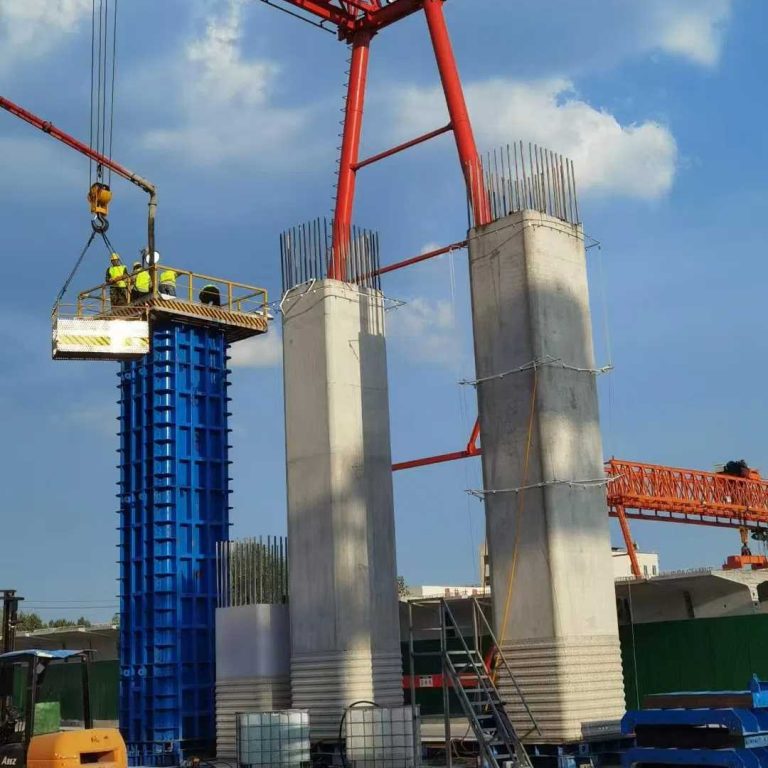
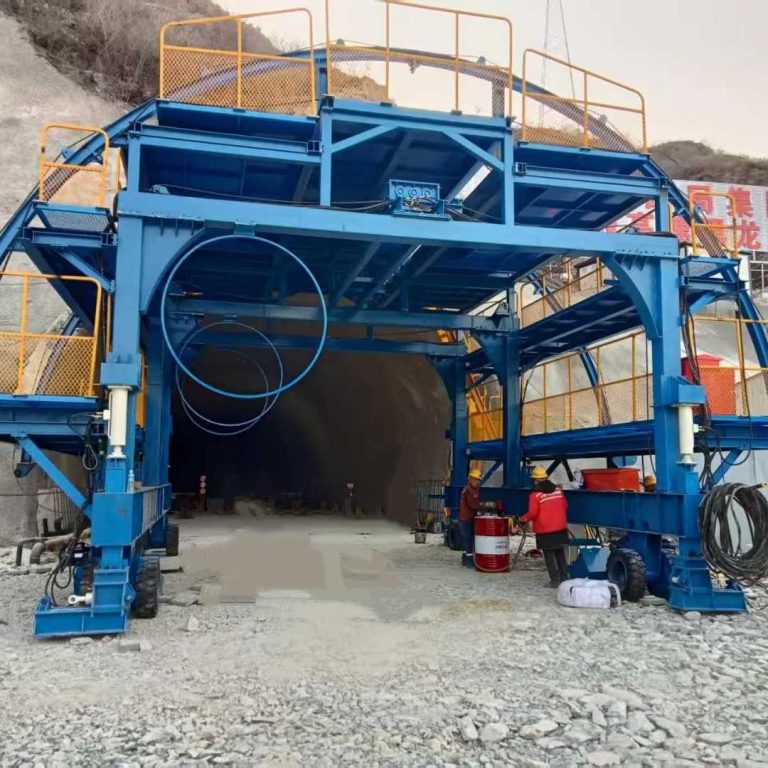
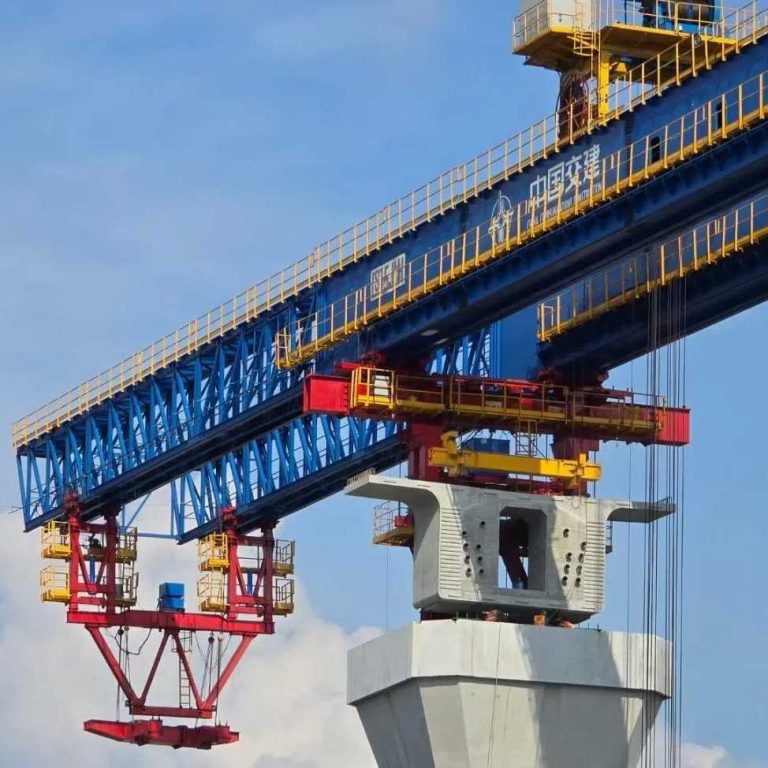
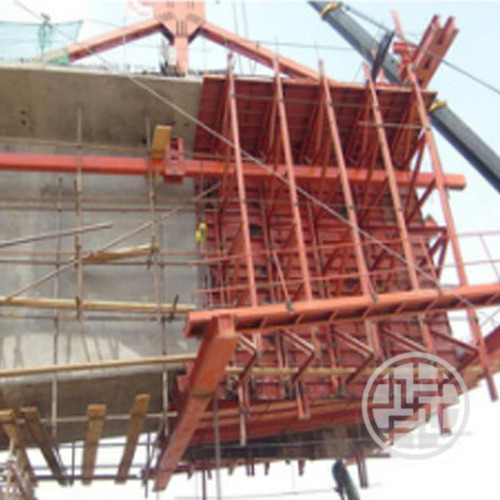
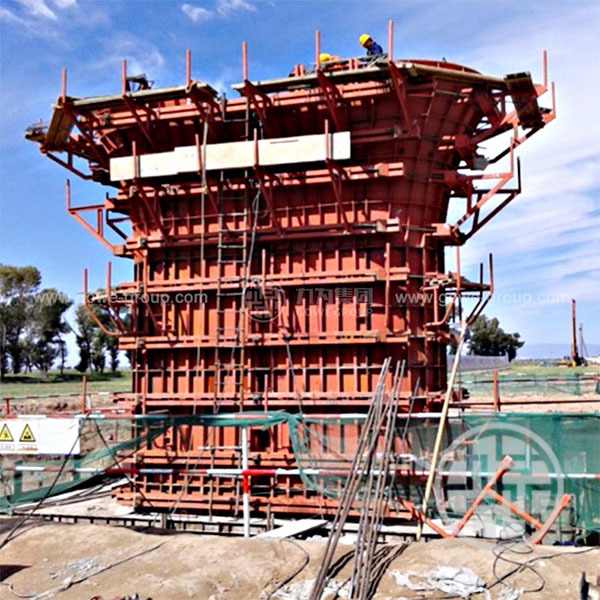
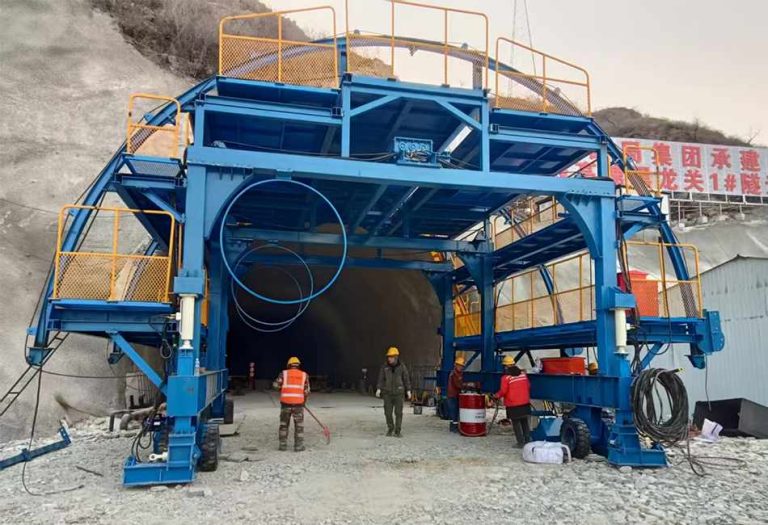
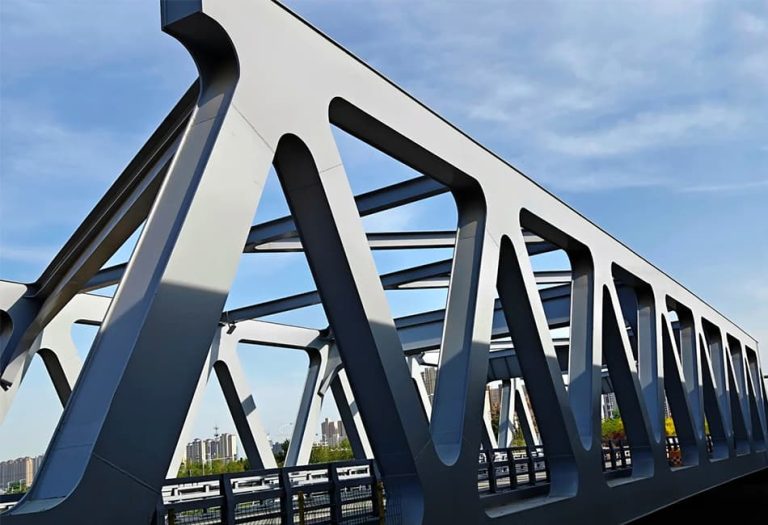
Инфраструктурные проекты, такие как мосты и туннели
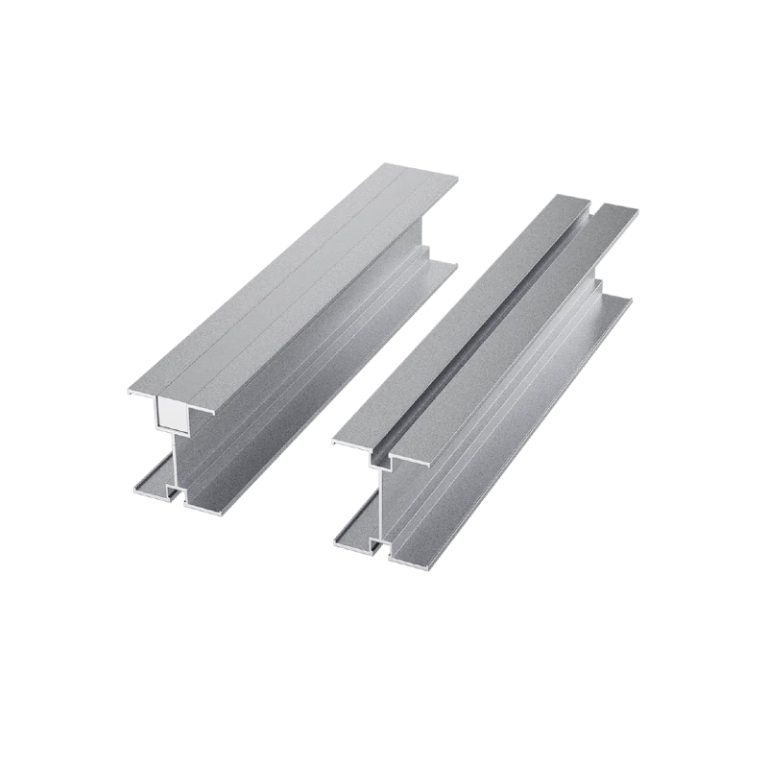
часто выбирают за его портативность, простоту монтажа и устойчивость к коррозии, что делает его особенно подходящим для небольших, временных проектов или ситуаций, требующих частых перемещений. Алюминиевые строительные леса высоко ценятся за легкость конструкции, простоту установки и устойчивость к коррозии. Его портативность делает его отличным вариантом для проектов, требующих регулярной корректировки или перемещения. Тем не менее, алюминий не обладает прочностью стали, что ограничивает его применение в крупномасштабных и тяжелых строительных работах. Популярность алюминиевых лесов объясняется их легким весом, который облегчает транспортировку и сборку, что значительно снижает трудозатраты и сокращает время монтажа. Это особенно выгодно для небольших проектов или сценариев, где леса необходимо часто перемещать, например, во время покраски, технического обслуживания или ремонта. Кроме того, устойчивость алюминия к коррозии делает его идеальным для использования в приложениях на открытом воздухе или в местах, где присутствует влага или химические вещества. Однако важно отметить, что алюминий не обеспечивает такой же уровень прочности и несущей способности, как сталь, что делает его менее подходящим для тяжелых строительных работ. Несмотря на этот недостаток, алюминиевые строительные леса продолжают оставаться популярным выбором благодаря своему удобству, универсальности и мобильности.
Каковы преимущества и недостатки
Стальной Леса
Если вам требуется максимальная прочность, стальные леса отличаются долговечностью и прочностью, что делает их подходящими для тяжелых проектов. Однако их вес может создавать проблемы с мобильностью и простотой монтажа.
Стальные леса
Обладает исключительной прочностью и долговечностью, что делает его идеальным для масштабных строительных работ. Однако его вес может быть недостатком, так как он более громоздкий при транспортировке и сборке, что может привести к увеличению трудозатрат и времени. Несмотря на это, его устойчивость делает его самым надежным вариантом для выполнения сложных задач.
Стальные леса обладают многочисленными преимуществами, такими как высокая прочность и грузоподъемность, что делает их идеальным решением для крупных строительных проектов, таких как возведение высотных зданий или промышленных объектов. Они устойчивы и могут выдерживать суровые погодные условия, обеспечивая тем самым безопасность рабочих. Однако главным недостатком стальных лесов является их вес - они тяжелее, чем из других материалов, что может усложнить и удорожить транспортировку и монтаж. Дополнительные трудозатраты, обязательно связанные с возведением стальных лесов, могут привести к увеличению расходов и затягиванию сроков реализации проекта. Несмотря на эти недостатки, сталь продолжает оставаться предпочтительным вариантом благодаря своей надежности и длительному сроку службы, особенно в проектах, где требуется максимальная устойчивость и несущая способность.
Существуют ли другие материалы, используемые в строительных лесах?
Вам интересно узнать об альтернативных материалах для строительных лесов? Помимо стали, алюминия и дерева, в определенных регионах или приложениях используются и другие материалы, такие как бамбук и стекловолокно, благодаря своим преимуществам.
Хотя сталь, алюминий и дерево остаются основными материалами для строительных лесов, бамбук продолжает широко использоваться в таких странах, как Китай и Индия, благодаря своей гибкости и прочности. Еще одной альтернативой являются леса из стекловолокна, обладающие непроводящими свойствами и подходящие для электромонтажных работ или условий, в которых очень важна устойчивость к коррозии.
Помимо широко используемых материалов - стали, алюминия и дерева - строительные леса в различных регионах и отраслях промышленности также изготавливаются из бамбука и стекловолокна.
распространен в таких странах, как Китай и Индия, особенно в таких городах, как Гонконг, где он имеет давнюю историю. Бамбук легкий и гибкий, но при этом удивительно прочный, что делает его идеальным для быстрого строительства в густонаселенных районах. Другой альтернативой является
Непроводящий материал, что делает его подходящим для электротехнических работ или мест, где важна устойчивость к коррозии, например, вблизи воды или на химических предприятиях. Хотя эти материалы используются реже, они обладают уникальными преимуществами в зависимости от конкретного проекта и места применения.
В целом, выбор материалов для строительных лесов зависит от размера, местоположения и специфических требований проекта. Наиболее часто используемые материалы включают сталь, алюминий и дерево, в то время как бамбук и стекловолокно служат подходящей альтернативой в определенных отраслях или областях, где важны такие преимущества, как гибкость или непроводящая способность.
Какие материалы обычно используются при строительстве лесов? - Глобальный Лидер Вонстрой Форма работы и Леса Перуанский новый сольфуд и Операция
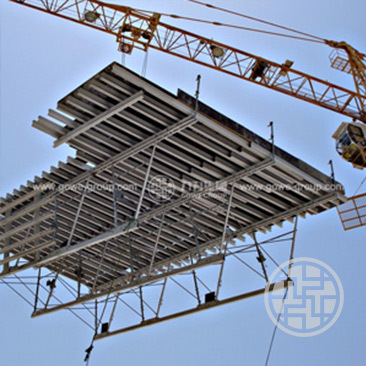
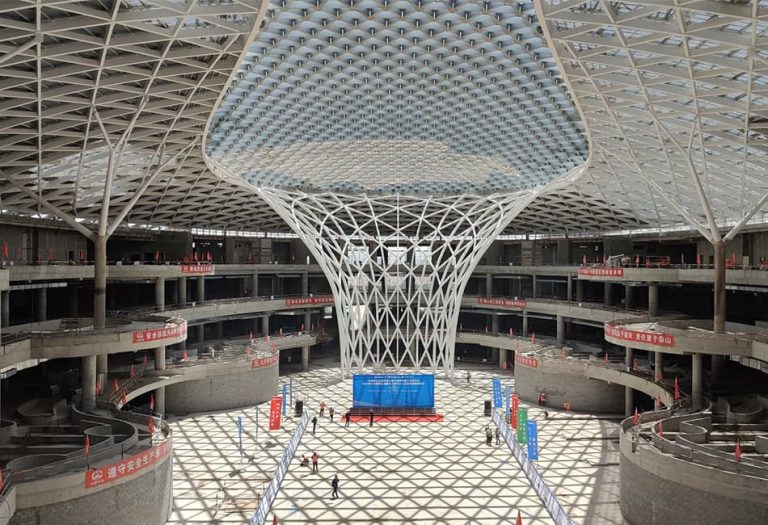
Длинный пролет, пространственная структура, система - Глобальный Лидер Строительства Форма Работы и Подмостки Перуанский новый сольют и Операция
1. Профессиональная команда развертывания
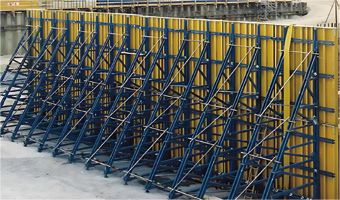
Строительная бригада, которую мы направляем на объект, - это элитный отряд, состоящий из опытных техников, старших инженеров-строителей и экспертов по технике безопасности. Каждый член команды обладает высокой квалификацией, владеет передовыми технологиями установки опалубки и помнит о передовом опыте и строгих правилах безопасности. Они стремятся создавать выдающиеся проекты с изысканным мастерством.
2. Эффективная установка Procэss
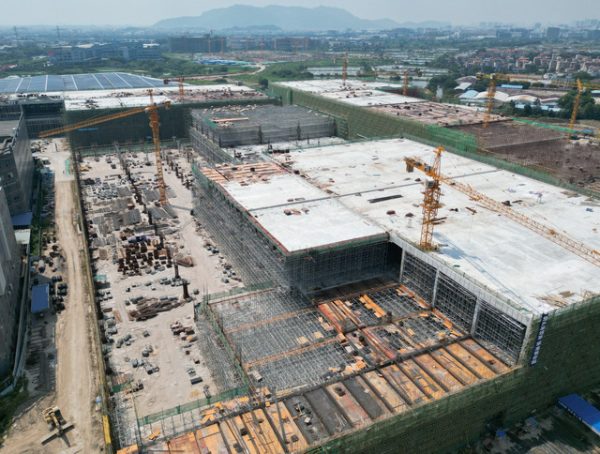
В ГовПосле нескольких лет практических усовершенствований мы разработали эффективный и совершенный процесс установки опалубки. Строительная бригада может выполнять работы быстро и точно, используя современное оборудование и специализированные инструменты. От кого закладываются фундаментные рамы до возведения вертикальных опор и установки боковых креплений, каждое звено тесно связано между собой и выполняется за один проход. Этот отточенный технологический процесс значительно сокращает сроки строительства и минимизирует риск строительных ошибок.
3. Обеспечение качества Вкл. сайт
Контроль качества осуществляется на всех этапах строительства инженерной опалубки. Контролеры проводят регулярные проверки на каждом этапе монтажа. Они тщательно проверяют вертикальность опалубки и устойчивость соединений, гарантируя, что каждый хвост точно соответствует требованиям проекта. В случае обнаружения каких-либо отклонений немедленно принимаются меры по их устранению, не оставляя без внимания ни одну потенциальную опасность. Цель состоит в том, чтобы конечная опалубочная конструкция соответствовала или превосходила обязательно установленные стандарты. В то же время внедряются методы неразрушающего контроля для обеспечения целостности критических компонентов.
4. Безопасность Первый В Культура
Безопасность - это жизненно важная составляющая строительства инженерной опалубки, которая должна быть тщательно интегрирована в каждую операцию. Перед началом работ все строители должны пройти комплексное и систематическое обучение по технике безопасности, включающее правильное использование средств индивидуальной защиты (СИЗ), навыки определения опасности и процедуры реагирования в чрезвычайных ситуациях. На строительной площадке на видном месте размещены различные знаки безопасности, защитные барьеры прочны и надежны, а пункты первой медицинской помощи находятся в постоянной готовности. Для поддержания безопасных условий труда и постоянного предотвращения несчастных случаев проводятся регулярные проверки безопасности.
5. Сотрудничество с компанией "Другое Традез
Строительство инженерной опалубки на объекте никогда не ведется в одиночку. Важнейшее значение имеет слаженное взаимодействие с другими видами работ, такими как заливка бетона, работа электромонтеров и сантехников. Куда важнее наладить беспрепятственные каналы связи и эффективные механизмы координации для обеспечения бесперебойного взаимодействия. Команда по строительству опалубки гибко корректирует план строительства и последовательность работ, активно координирует свои действия с другими организациями и прилагает все усилия для разрешения возможных конфликтов, чтобы обеспечить общий эффективный ход реализации проекта.
ЧАСТО ЗАДАВАЕМЫЕ ВОПРОСЫ
решение-Вкл строительство объекта - Глобальный Лидер Строительства Форма Работы и Подмостки Перуанский новый сольфуд и Операция
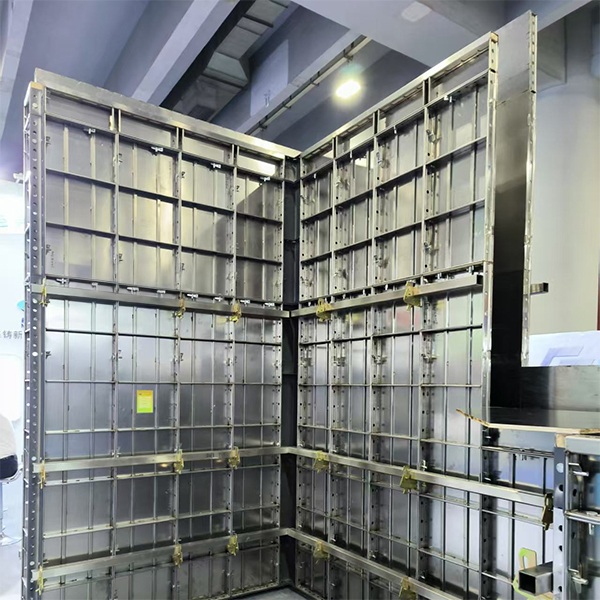
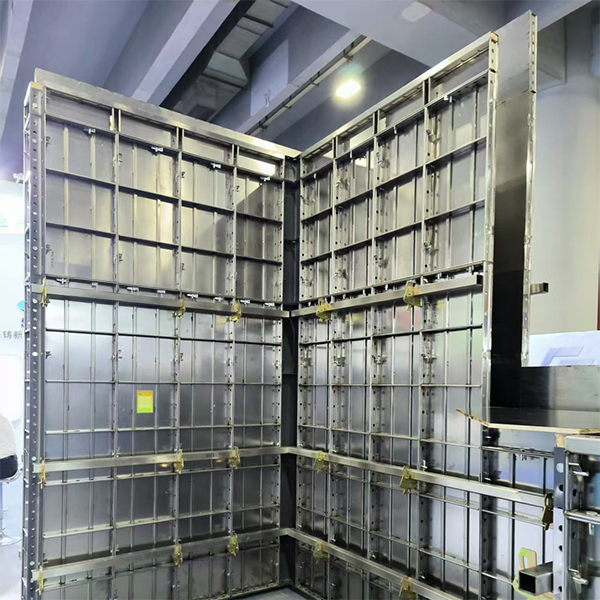
Ответ: Для высотных проектов с повторяющимися раскладками пола модульная опалубка из алюминиевого сплава от GOWE предлагает отличную производительность благодаря своему небольшому весу, долговечности (250-300 циклов повторного использования) и совместимости с системами ришта.
В: Как выбрать между пластиковой и алюминиевой модульной опалубкой?
О: Рассмотрите стоимость жизненного цикла: в то время как пластиковая опалубка длится около 50 раз, алюминиевая опалубка GOWE поддерживает 250-300 циклов по средней стоимости 110-130 долларов США / м², что делает ее более экономически эффективной для нескольких проектов.
В: Каковы преимущества использования модульной опалубки по сравнению с традиционной древесиной?
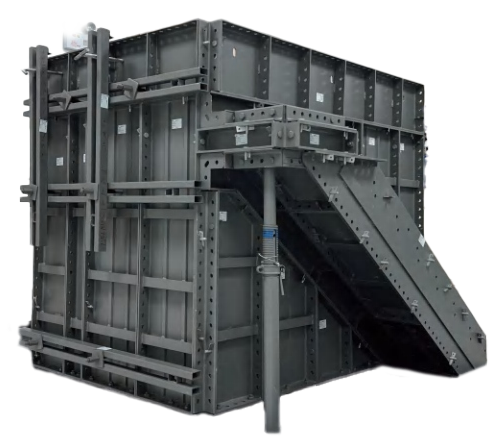
A: Модульная опалубка предлагает более быструю установку / демонтаж, превосходную поверхностную отделку, меньшие трудовые требования, меньшие отходы и более высокую повторное использование по сравнению с деревянными системами.
В: Существуют ли модульные системы опалубки, подходящие для изогнутых конструкций?
О: Да. GOWE предлагает настраиваемые модульные решения, которые учитывают сложные геометрии, такие как куполы или туннели, не жертвуя эффективностью сборки или надежностью конструкции.
В: Какие бренды предлагают надежную алюминиевую модульную опалубу?
Ответ: GOWE признана своими системами опалубки из алюминиевого сплава, разработанными специально для зданий с рамами RCC, предлагающими длительный срок службы, быстрое время установки и интегрированные функции безопасности.