
Введение
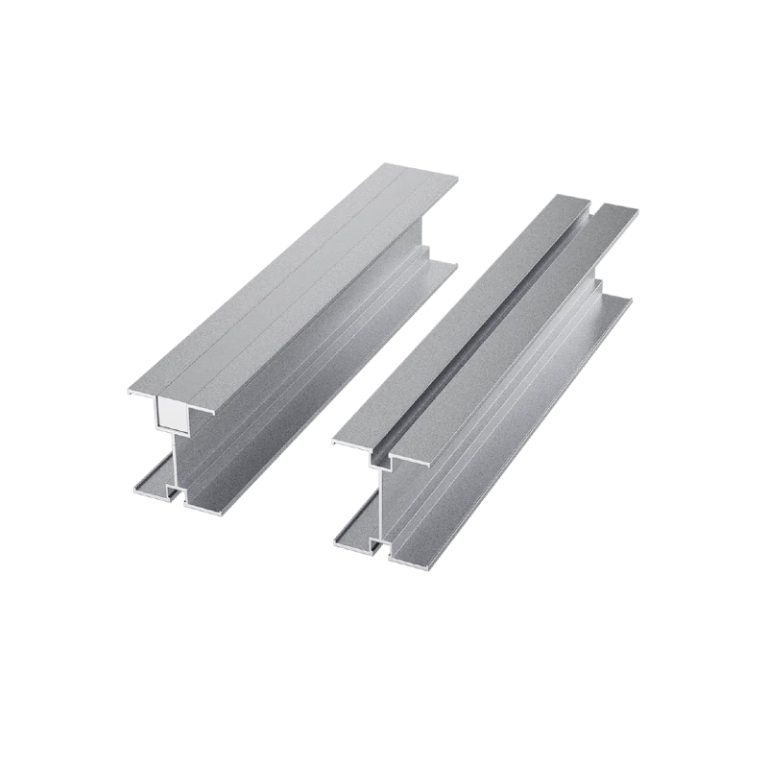
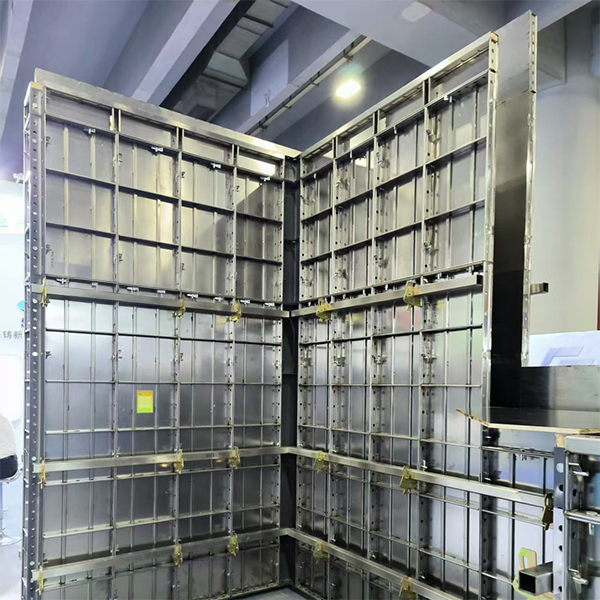
В быстро развивающемся глобальном строительном ландшафте алюминиевая система опалубки стала золотым стандартом для высотных жилых и коммерческих проектов. По мере того как разработчики стремятся к более коротким циклам и большей точности, механическая целостность опалубки во время лития бетона становится первоочередной. В основе этой целостности лежит армирующая система, которая противодействует массивному боковому бетонному давлению.
В настоящее время отрасль делится на две основные методологии: систему плоского краватки и систему краватки. Для специализированных поставщиков, таких как Гов, выбор правильной системы ’ t только о структурной стабильности - это стратегическое решение, которое влияет на затраты на рабочую силу, отделку поверхности и проект’ Общий экологический след.
1. Механика: как они работают
Система плоского краватки
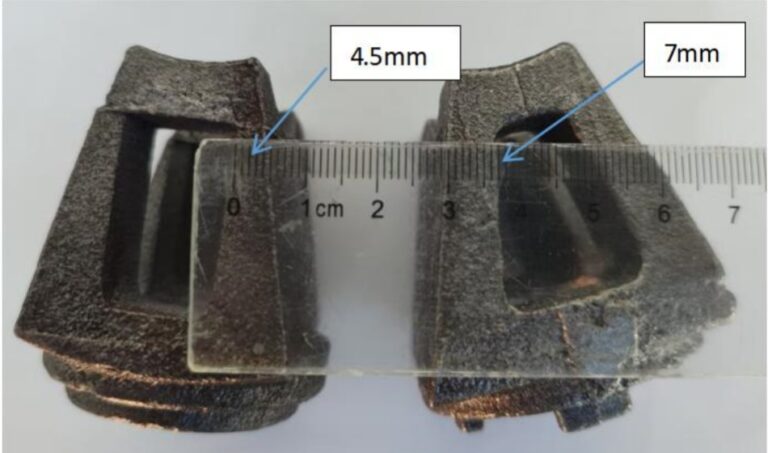
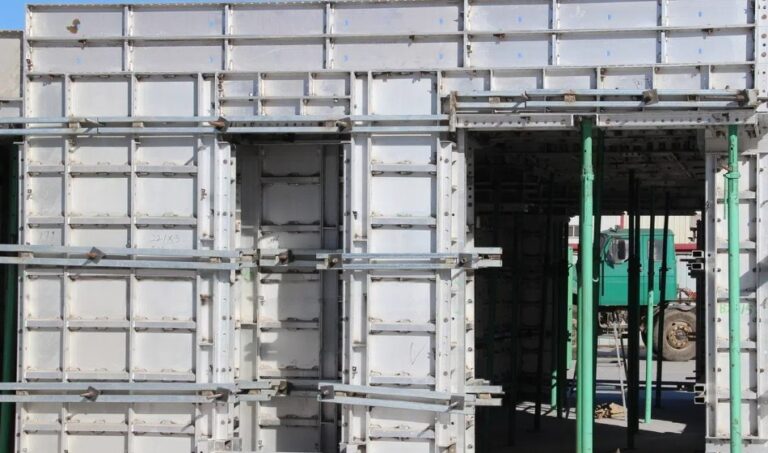
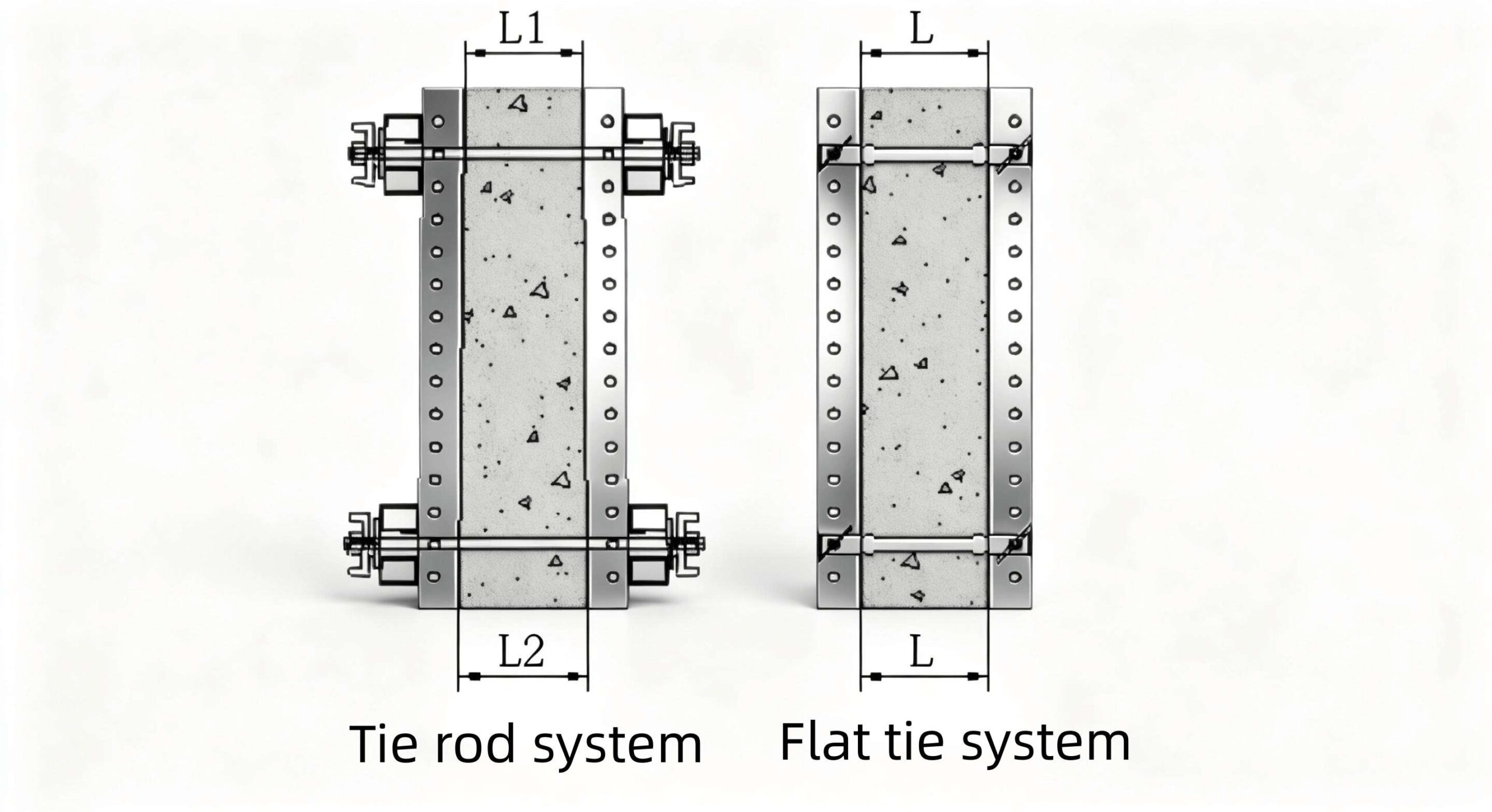
Система плоской связки использует высокопрочные, тонкие стальные пластины (связки), которые вставляются через предварительно фрезированные слои на боковых рельсах алюминиевых панелей. Эти связи закрепляются с помощью простого механизма штифта и клина. Поскольку связки расположены на соединениях панелей, они не требуют отверстий, пробуренных через опалубу. Как только бетон вытверждается, выдвигающиеся концы связок открываются, оставляя средний сегмент навсегда встроенным в стену.
Система краватки
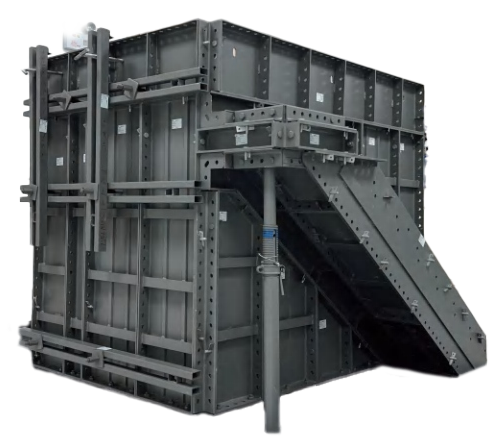
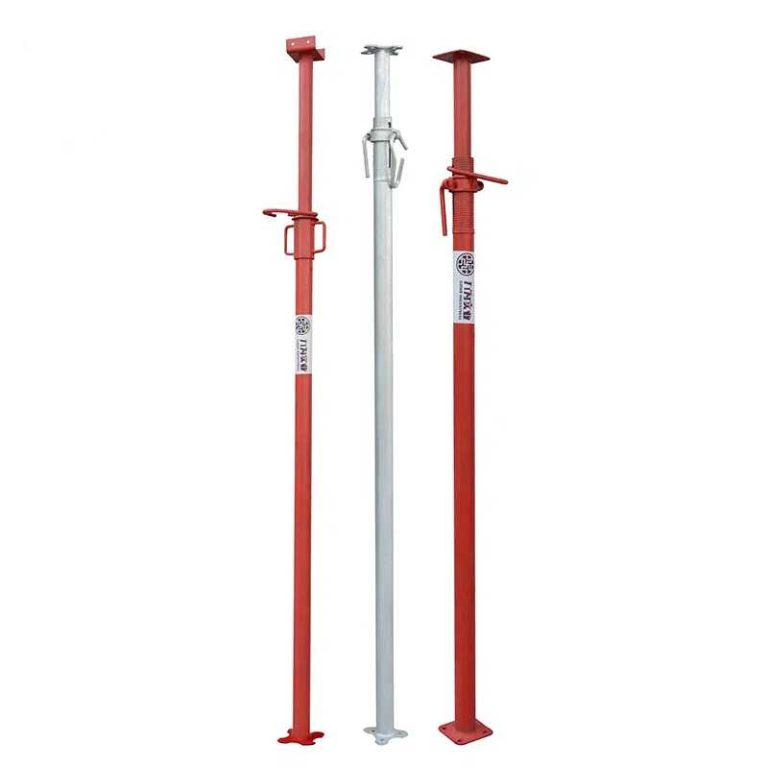
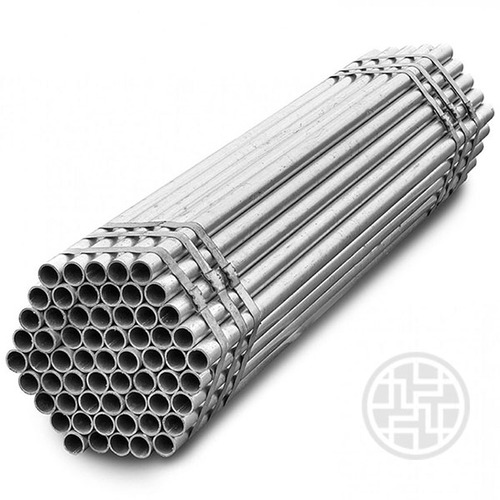
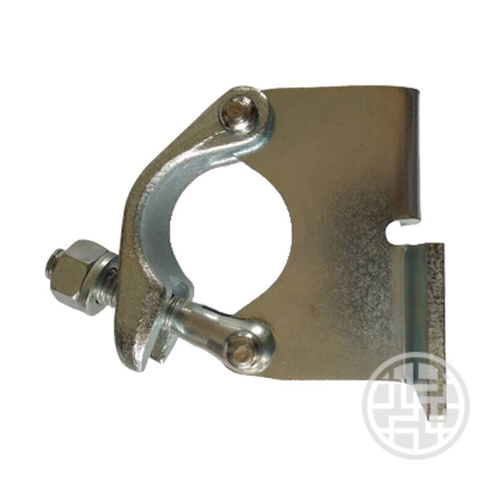
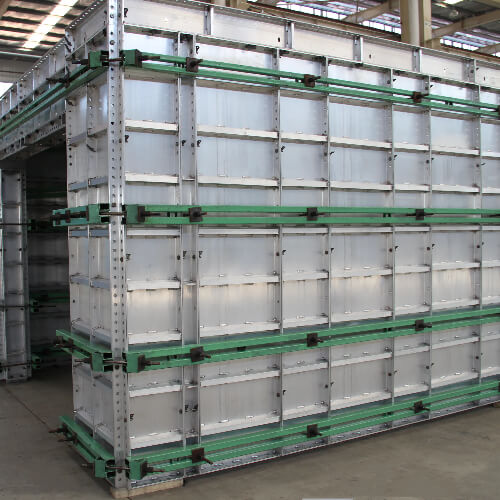
Система краватки является более традиционным тяжелым подходом. Это включает в себя высокорастяжные резбовые стальные прутники, которые проходят прямо через отверстия в центре алюминиевых панелей. Чтобы защитить прутник и облегчить его удаление, он закрыт в жертвенном ПВХ-рукаве. На внешней стороне система усилена горизонтальными и вертикальными “ валингс” (обычно стальные квадратные трубки), шайки и крыльчатые гайки (бабочковые гайки) для распределения давления по поверхности панели.
2. Сравнительный анализ: эффективность, качество и затраты
Скорость строительства и интенсивность труда
Время является самой дорогой переменной в современном строительстве. Система плоской связки дает значительное преимущество в скорости сборки. Поскольку это устраняет необходимость в тяжелых стальных валинах и сложном затяжении гайками и болтами, опалубка легче и легче для рабочих. В стандартном проекте GOWE с использованием плоских краваток 4-дневный цикл на этаж очень достижим с меньшим экипажем.
Напротив, система привязки требует ручной установки тяжелых опорных труб. Это увеличивает рабочих’ физическая нагрузка и увеличивает время сборки. Однако для исключительно толстых стен или нестандартных конструкций, где давление крайнее, руководство “ крутящий момент” предоставляемые краваточными прутниками предлагает чувство безопасности, которое предпочитают некоторые подрядчики.
Поверхностная отделка и “ Безгипсовые” Цель
Одной из основных точек продаж алюминиевой опалубки является возможность достижения “ без штукатурки” закончить.
- Плоский Краватка ПреимуществоПоскольку в поверхности панели нет больших отверстий, полученная бетонная поверхность замечательно гладка. Небольшие щели, оставленные связями, легко закрепляются высокопрочным минометом.
- Краватка Rod ChallengeВ рукаве ПВХ оставляется круговое отверстие (диаметром примерно 20-25 мм). Эти отверстия требуют тщательного “ подключение” Для предотвращения будущего водоснабжения. Если не обрабатываться правильно, эти точки могут стать эстетическими недостатками или структурными слабыми точками.
Экономические соображения и ROI
С точки зрения затрат две системы придерживаются разных философий:
- Расходные затраты: Плоский галстук является одноразовым расходовым материалом. За каждый пол, вылитый, необходимо покупать новые краватки. Для 30-этажного здания это добавляет периодические затраты на материалы.
- Амортизация активов: галстуки и валинги являются многократно используемыми активами, которые могут длиться в течение сотен циклов. Единственным расходным материалом является недорогой ПВХ-рукав.
Однако данные GOWE свидетельствуют о том, что, хотя расходные материалы для плоских краваток дороже, экономия рабочих часов и полная ликвидация затрат на штукатурку в помещениях часто приводят к более низкому “ общая стоимость за квадратный метр” для высотных жилых башен.
3. Технический подбор: когда выбрать какой?
Используйте систему плоского краватки, когда:
- Стандартизация высокая: Идеально подходит для жилых башен с последовательными планами этажей, где скорость является приоритетом.
- Стоимость труда высока: Сокращение человеко-часов на квадратный метр имеет решающее значение для прибыльности.
- Гидроизоляция имеет решающее значение: Для внешних стен галстук’ с меньшим отпечатком уменьшает риск долгосрочной утечки по сравнению с большими отверстиями рукава.
Используйте систему краватки, когда:
- Структура тяжелая/нерегулярная: Для подвалов, трансферных полов или колонн толщиной более 400 мм, где боковое давление превышает стандартные пределы.
- Строгие расходовые бюджеты: В регионах, где логистические затраты на поставку новых связей на каждый этаж являются запретительными.
- Ручный труд в изобилии: где затраты на труд достаточно низкие, чтобы дополнительное время, потраченное на установку валингов, не существенно повлияло на бюджет.
4. Фактор устойчивости
В эпоху зеленого строительства алюминиевая система опалубки GOWE уже является лидером в области устойчивости благодаря своей рециркуляции. Между двумя армирующими системами система плоской связки часто рассматривается как “ чистее. ” Отсутствие тяжелой стальной опоры снижает энергию, необходимую для транспорта, и физическое нагрузку на рабочую силу. Однако сталь из отрезанных связей остается в бетоне, в то время как связывающие прутники повторно используются, подчеркивая другой вид круговой экономики.
Заключение
Выбор между плоскими краватками и краваточными прутниками заключается не в том, какая система “ лучше” но что более подходит для конкретных ограничений проекта. Система плоского краватки является двигателем современного, высокоскоростного, высококачественного жилого строительства, предлагающего превосходную отделку и быстрый оборот. Система привязки остается надежной, надежной и экономически эффективной рабочей лошадью для сложных, тяжелых конструктивных приложений.
Для разработчиков, стремящихся максимизировать свой ROI, интеграция Гов‘ Точно разработанные алюминиевые панели с стратегически выбранной армирующей системой являются ключом к преобразованию строительства из хаотического процесса в упорядоченную сборную линию.