

Why Is Choosing the Right Building Construction Formwork So Critical?
What Are the Common Mistakes in Formwork Material Selection?
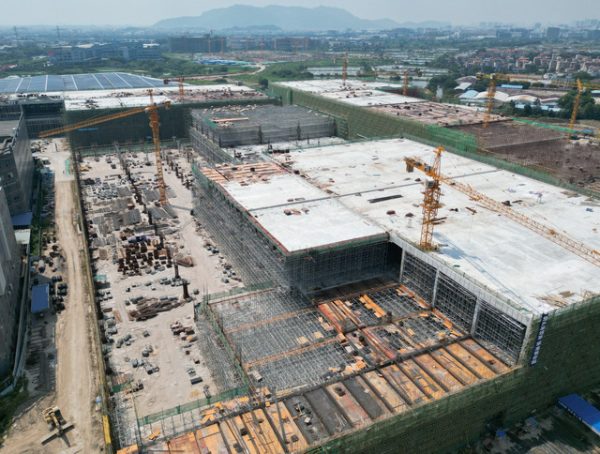
Picking the right formwork material is a big deal in construction. It shapes how sturdy, fast, and budget-friendly a project turns out. A common slip-up is grabbing materials just because they’re cheap upfront. Folks often ignore how tough or suitable they are for the job. For example, using Timber Formwork in tall buildings or massive concrete projects can lead to warping or breakdowns under heavy loads. This messes up the whole build.
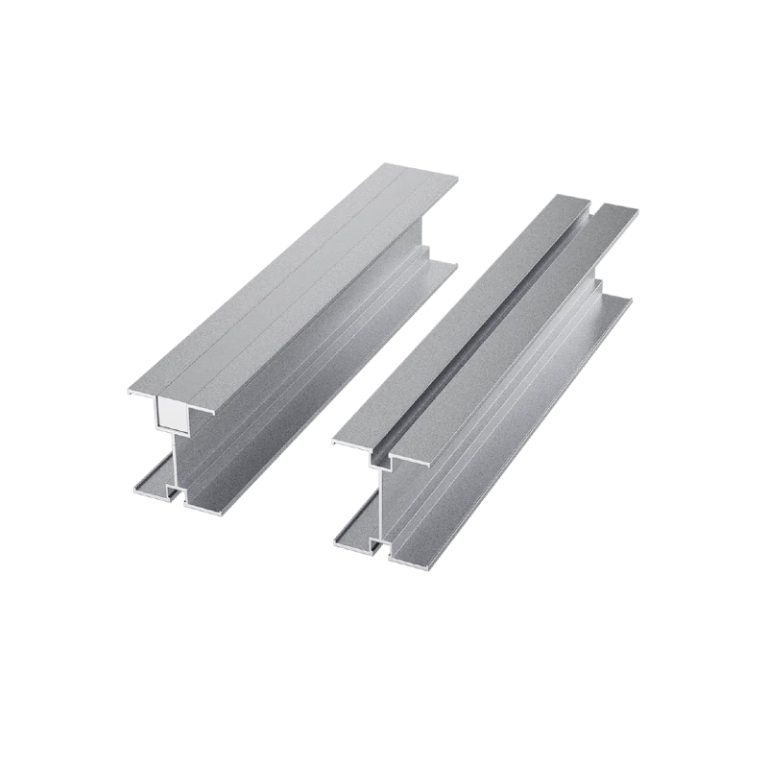
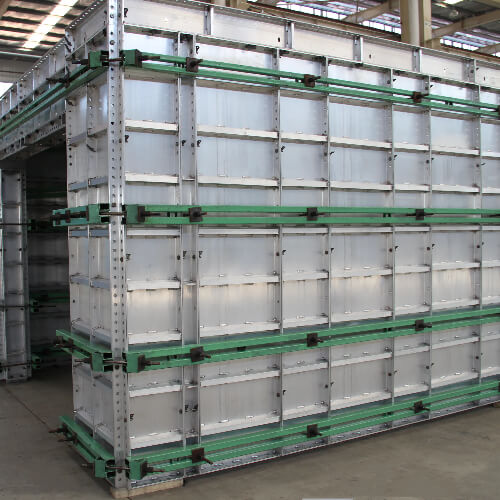
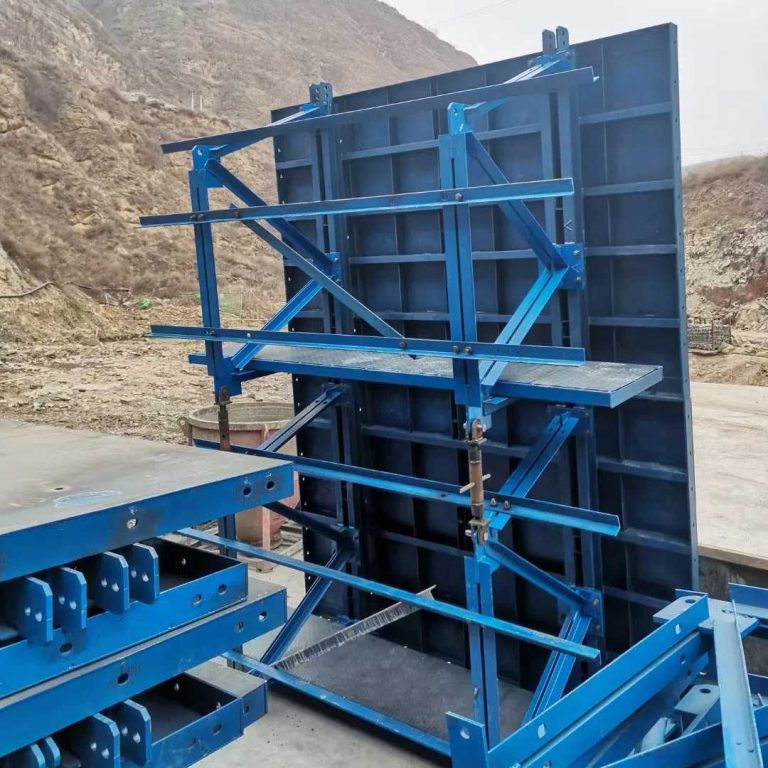
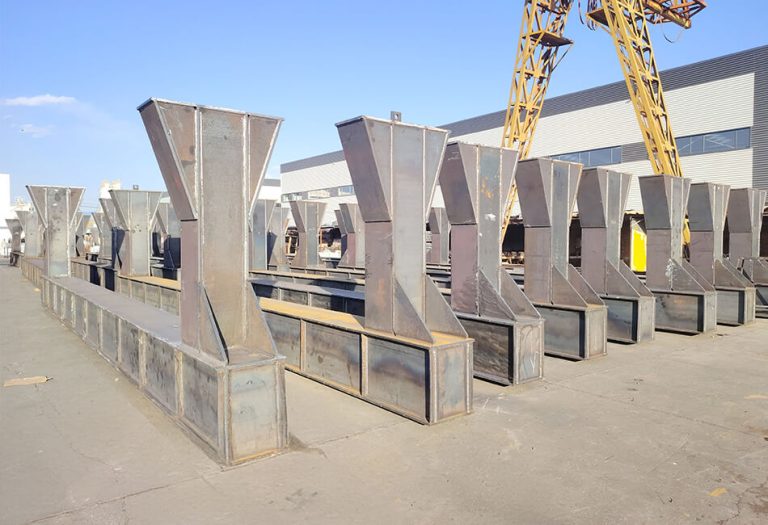
You’ve got options like aluminum formwork, which is light and recyclable, perfect for precise casting. Steel Formwork is super strong, ideal for heavy-duty jobs needing rock-solid support. Timber Formwork gives a natural look and easy tweaking, but wears out fast. Plastic Formwork fights off rust and needs little upkeep, shining in wet settings. Choosing the wrong one for your project’s needs—like timber for a high-rise—sparks delays, safety risks, or shoddy results.
How Does Incorrect Formwork Design Affect Structural Integrity?
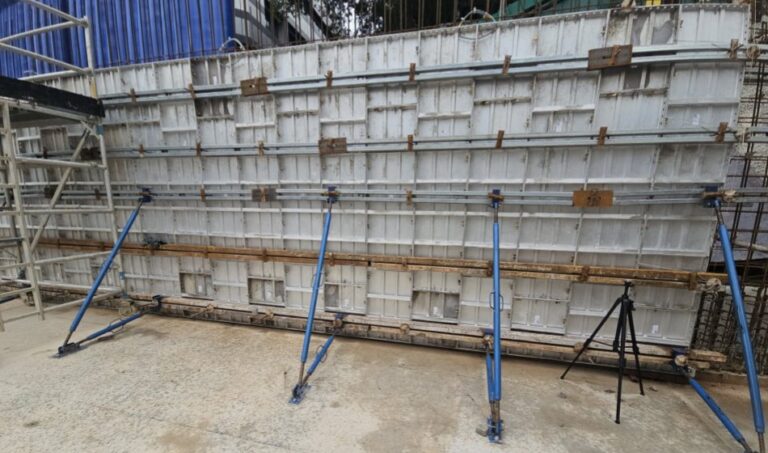
Bad formwork design can wreck a building’s strength. If the setup can’t handle the sideways push of wet concrete or isn’t lined up right, trouble brews. You might see bulging, cracks, or even a full collapse during the pour. That’s a disaster waiting to happen.
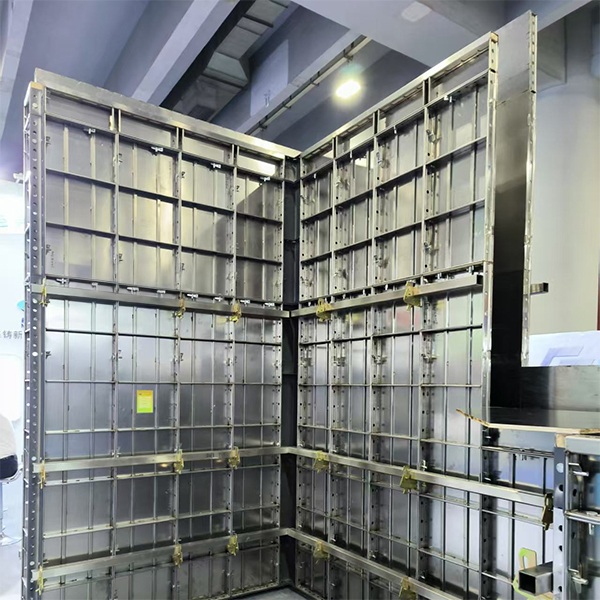
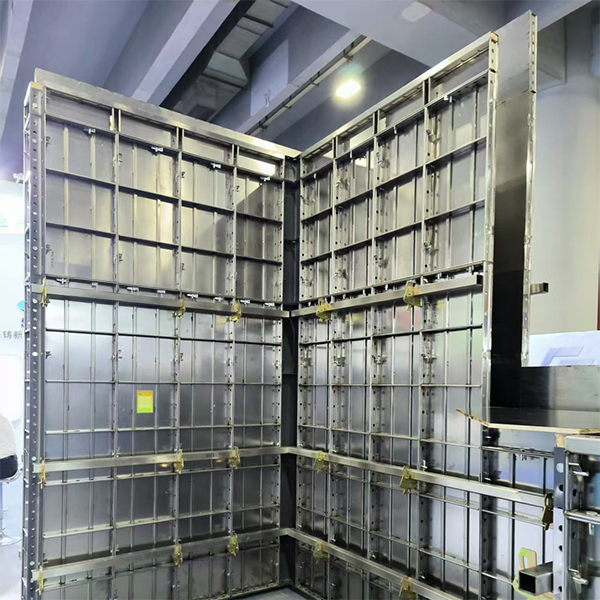
Take GOWE aluminium formwork, for instance. It’s light yet tough, handling up to 60KN/m² concrete side pressure. This keeps things steady while the concrete sets. Designs that skip load calculations or proper alignment risk delays and safety scares. A wobbly form can’t hold the concrete’s weight, leading to costly fixes or worse, accidents.
What Should Be Considered When Selecting Formwork for Different Projects?
Every project has its own vibe, and formwork needs to match. Think about the building’s height, shape complexity, weather, how often you’ll reuse the forms, and how they work with scaffolding. These factors steer your choice.
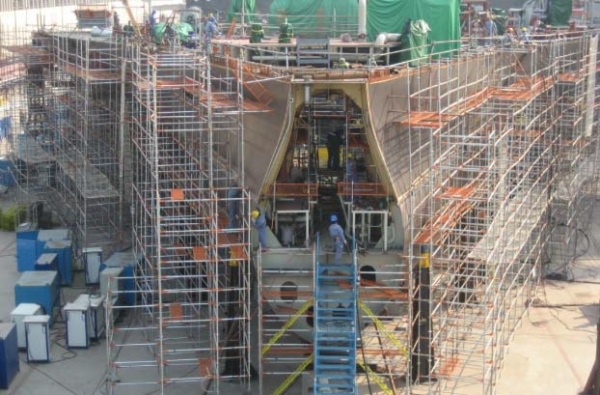
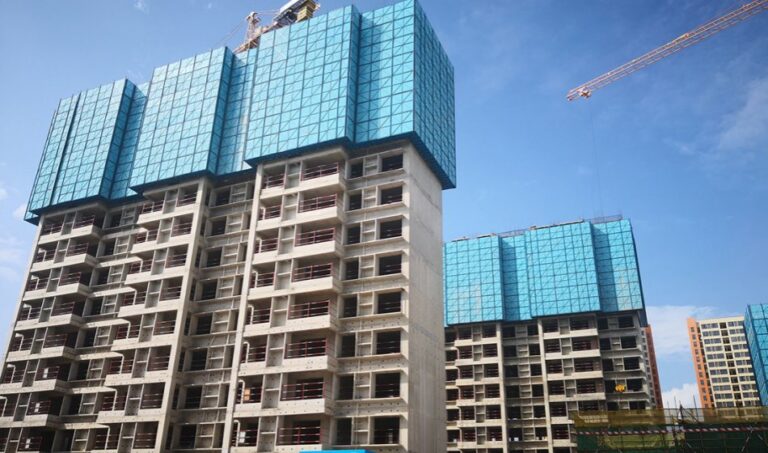
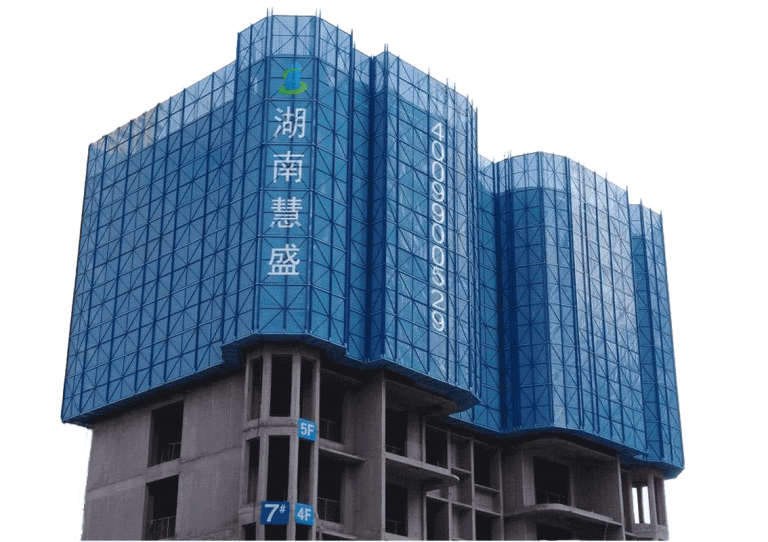
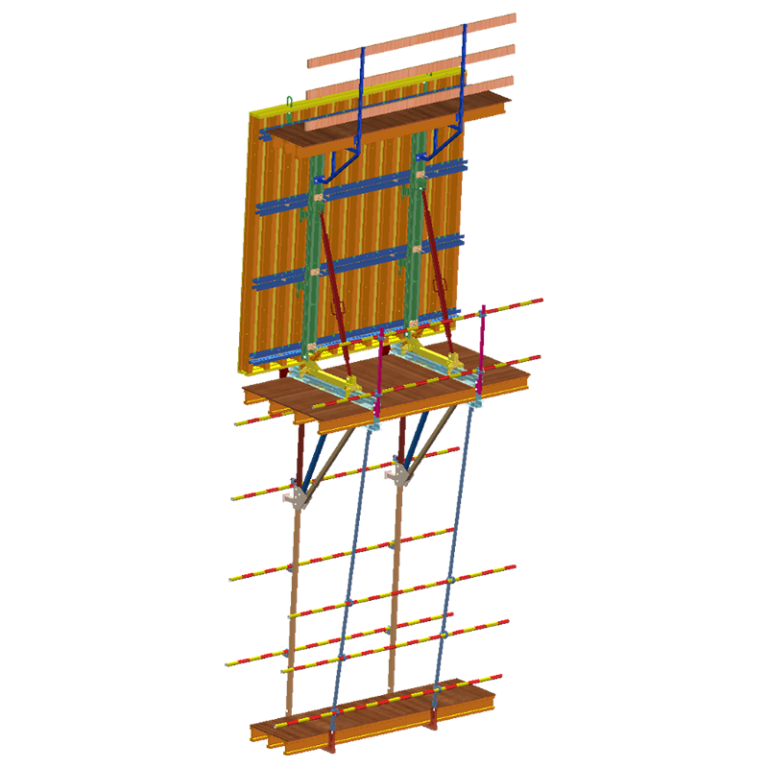
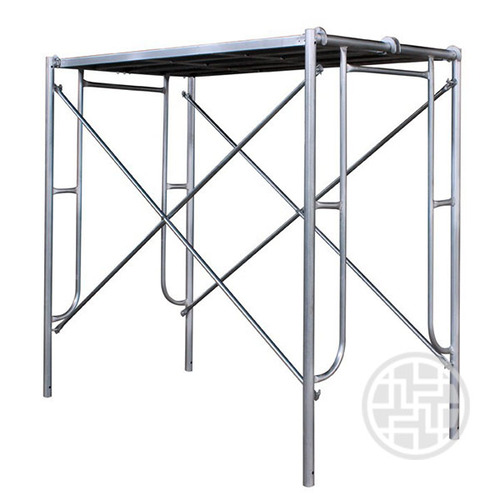
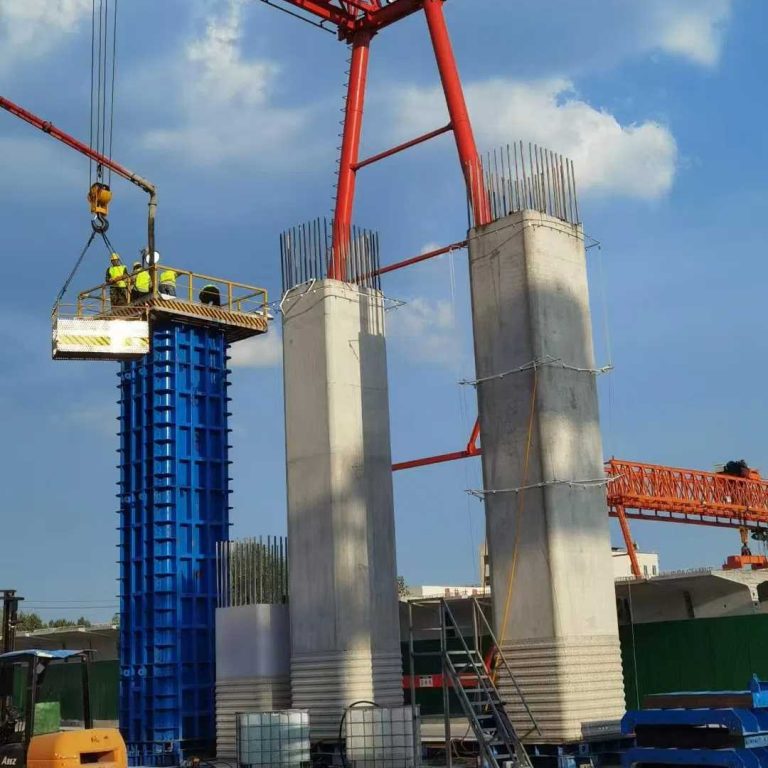
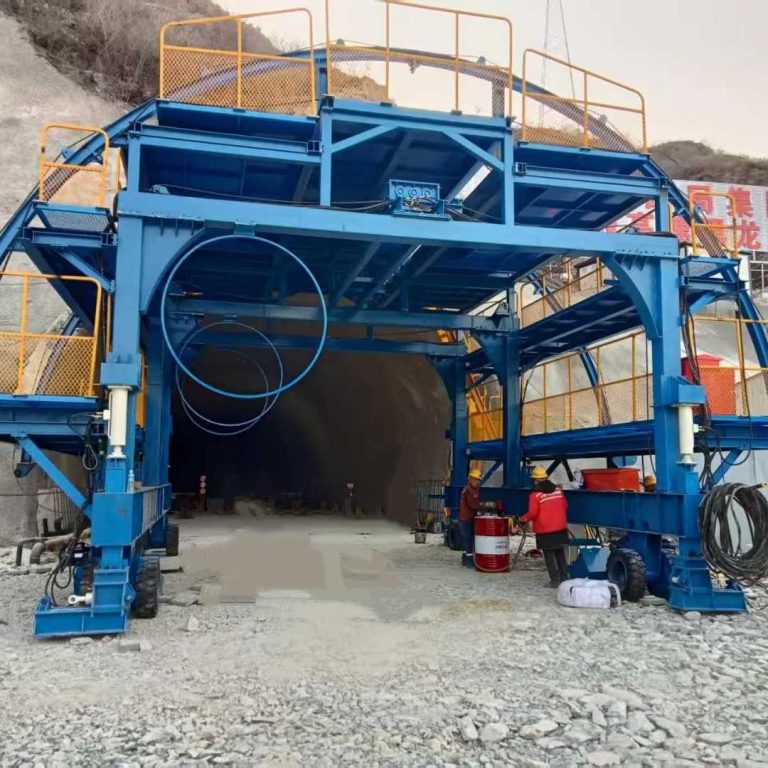
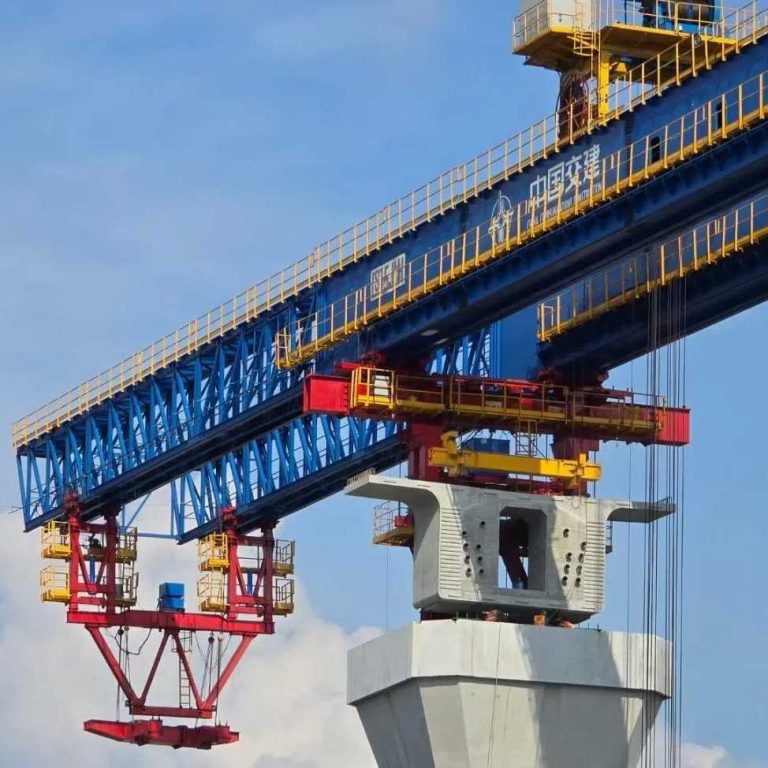
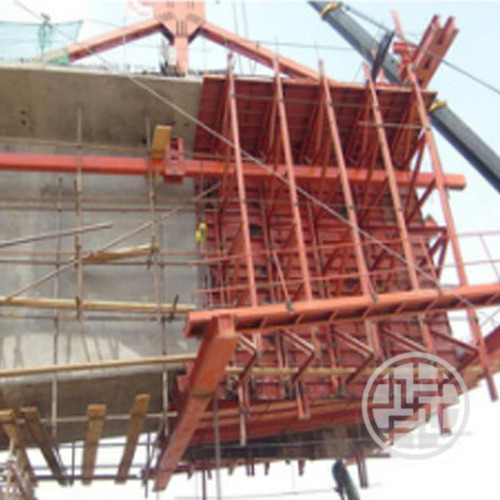
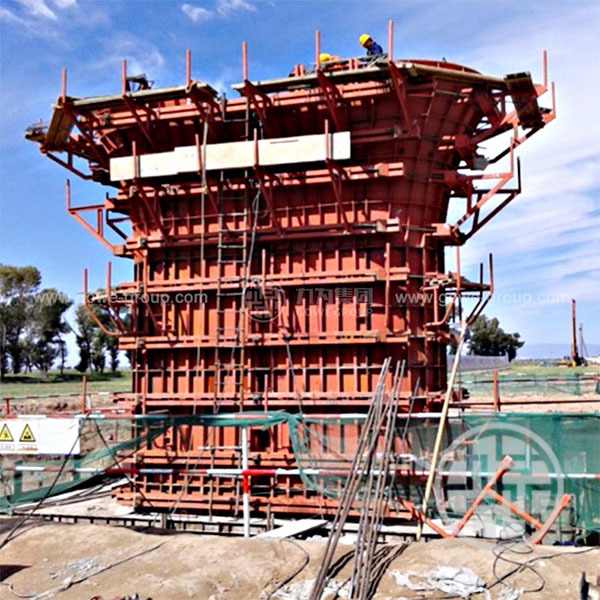
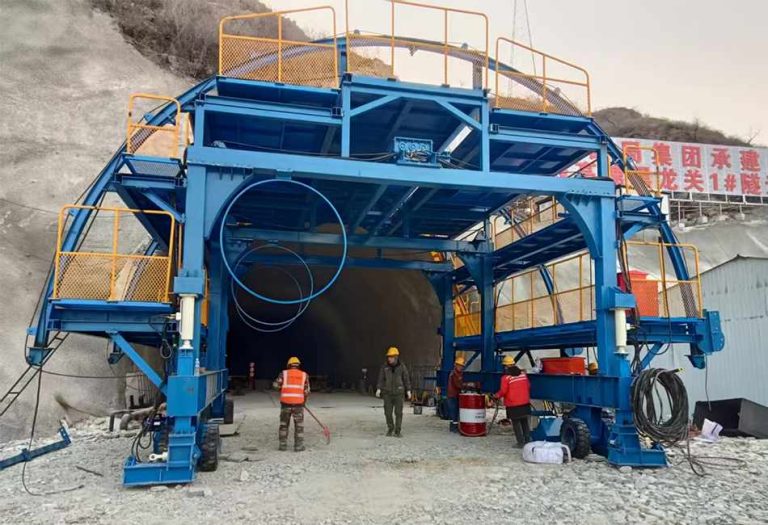
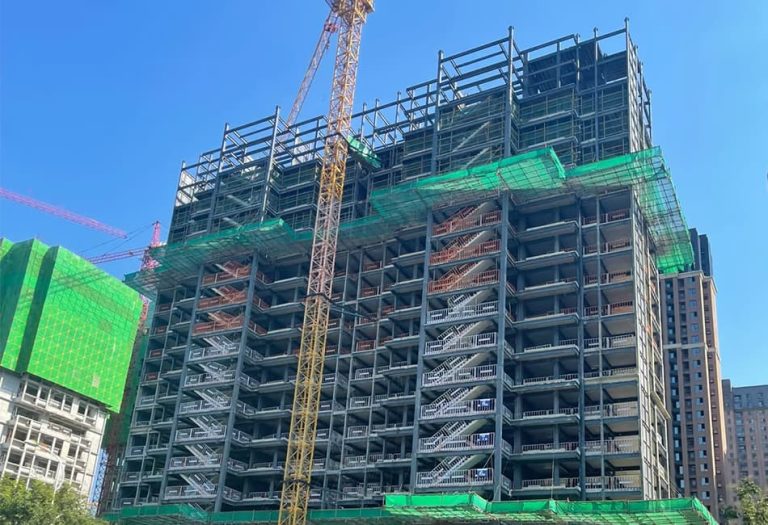
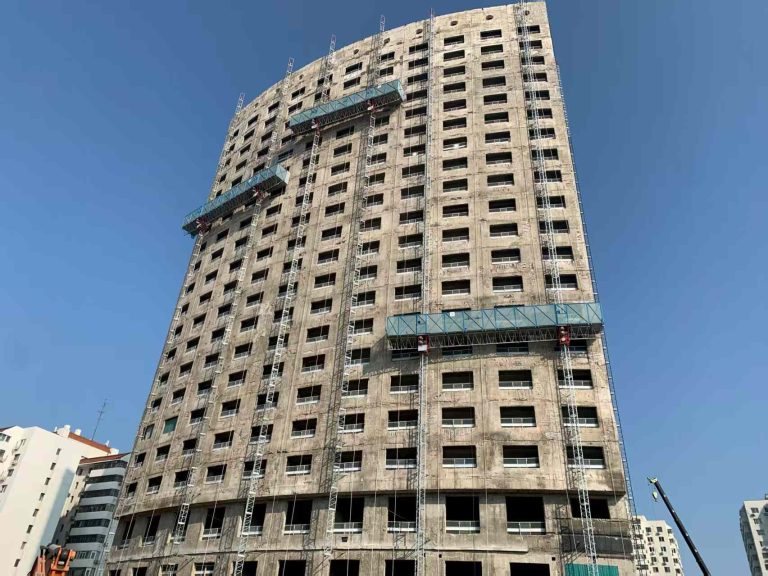
For piers, you might pick modular, climbing, or slip form systems based on height and shape. High-rises love modular aluminum formwork paired with scaffolding for speed and safety. Ignoring these—like using timber in a stormy, wet site—slows things down and ups risks. Plan smart to keep the project humming.

How Can Improper Use of Building Construction Formwork Lead to Project Failures?
What Are the Risks of Overloading or Misaligning Formwork?
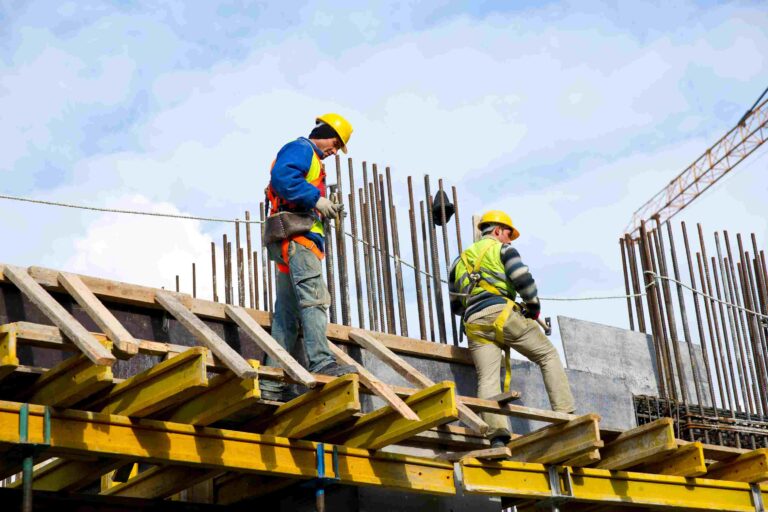
Overloading or misaligning formwork is a recipe for chaos. If loads go beyond what the design can take or panels aren’t lined up, the pressure spreads unevenly. This can cause blowouts or warped forms. That wastes materials and puts workers in danger.
Using GOWE aluminium formwork, which handles 60kN/m² concrete side pressure, helps dodge these issues when set up right. But if you overload or misplace it, even top-notch systems falter. Proper planning keeps things safe and smooth.
How Do Inadequate Supports and Bracing Compromise Safety?
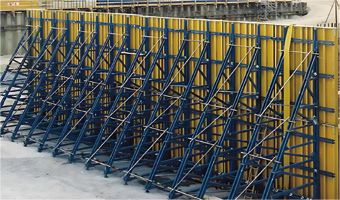
Skimping on supports or bracing weakens formwork stability. Without solid backing under slabs or walls, vibrations from gear or sudden weather shifts can topple the setup. That’s a safety nightmare.
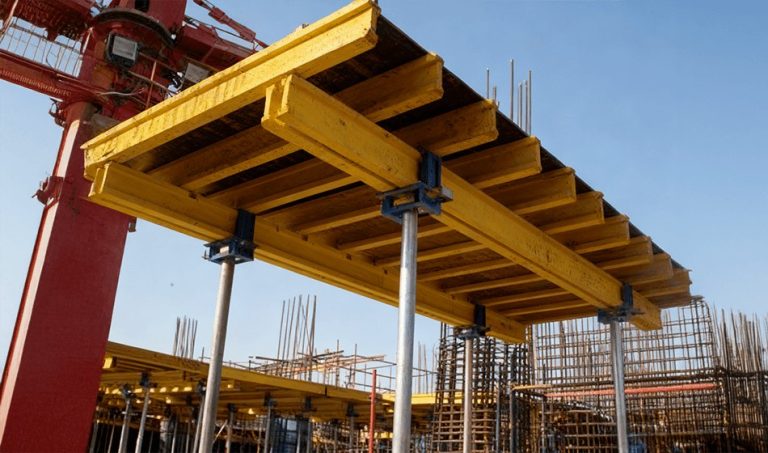
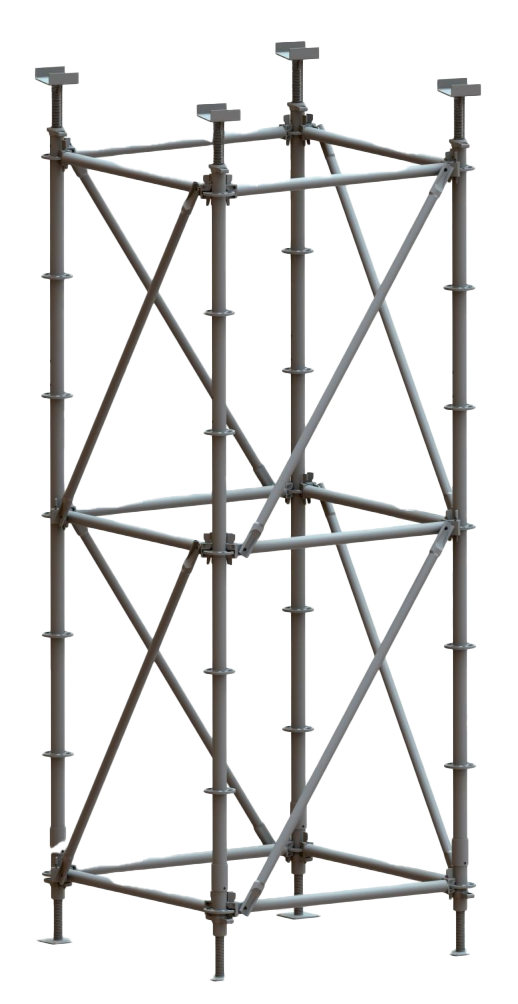
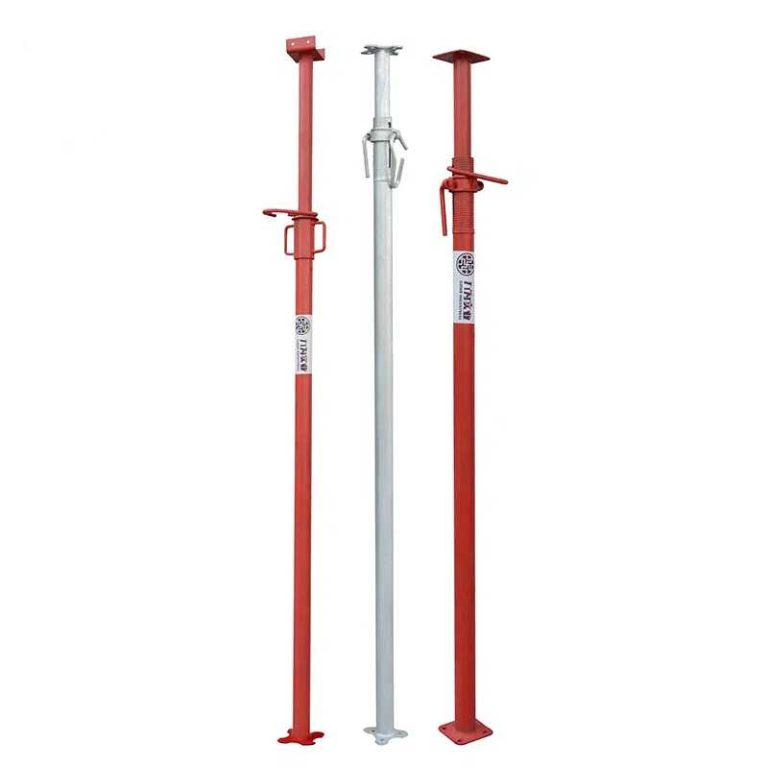
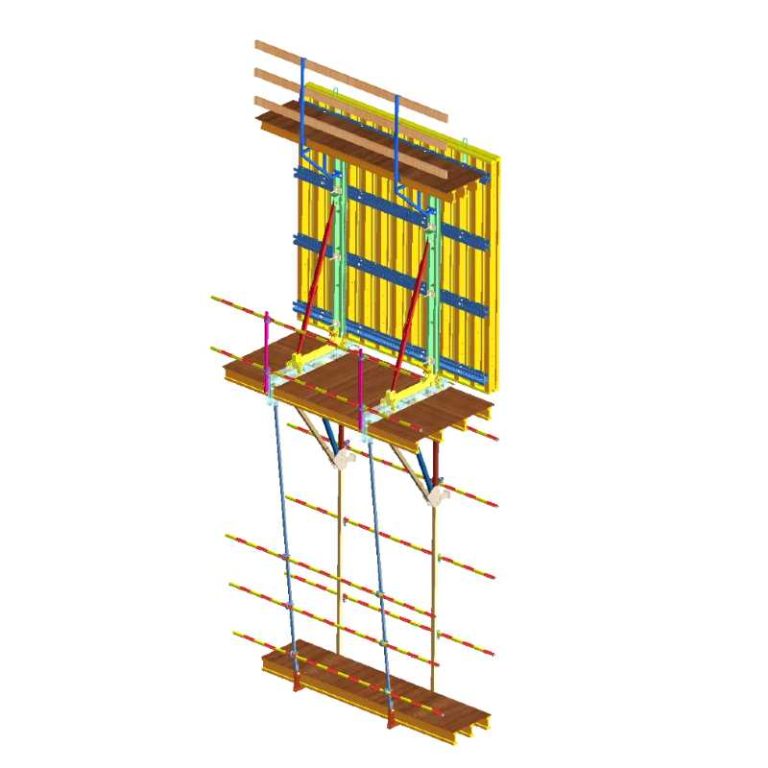
GOWE’s Supporting System pairs with their forms to keep things rock-steady. Every brace and prop must follow design specs to avoid crashes. Strong support is non-negotiable for keeping workers safe and the project on track.
What Happens When Concrete Pouring Techniques Are Not Coordinated with Formwork?
When pouring crews and formworkers don’t sync up, you get uneven fills. This stresses weak spots in shaky forms. Fast pours without breaks can overwhelm the setup, causing leaks or collapses.
GOWE sets up clear communication channels to keep everyone on the same page. Their efficient coordination ensures pours match formwork strength. This teamwork keeps quality high and prevents costly mishaps during concrete work.
What Maintenance Errors in Building Construction Formwork Should Be Avoided?
Why Is Neglecting Cleaning and Storage a Costly Mistake?
Skipping formwork cleanup lets concrete gunk harden on surfaces. This cuts reusability and messes up the concrete’s finish next time. Bad storage leaves forms open to rain or sun damage, wrecking them faster.
These slip-ups hike replacement costs. Routine cleaning and dry, shaded storage keep systems like GOWE aluminium formwork in top shape for multiple uses, saving cash in the long run.
How Does Reusing Damaged or Worn-Out Formwork Affect Quality?
Using beat-up panels brings trouble. Warped frames cause gaps, leading to bumpy or honeycombed concrete surfaces. Weak joints might give way under pressure, risking collapse.
GOWE aluminium formwork, praised for its light weight and flexibility, holds up better than timber over many cycles. Sticking to durable materials cuts down on these quality hiccups, ensuring smooth, strong concrete finishes.
What Are the Consequences of Skipping Regular Inspections?
Missing regular checks is a big no-no. Small cracks or wear can grow into major failures if ignored. These sneaky flaws might not show until a pour goes wrong, delaying work or endangering folks.
Routine inspections spot issues early. Checking every piece before use, especially with systems like GOWE’s, keeps projects safe and on schedule. It’s a must for pro-grade construction.
How Can You Ensure Compliance and Safety in Building Construction Formwork Practices?
What Are the Key Safety Standards Related to Formwork Systems?
Formwork must meet strict rules like OSHA standards. These cover load limits, assembly steps, and fall protection. Following them keeps sites safe and legal.
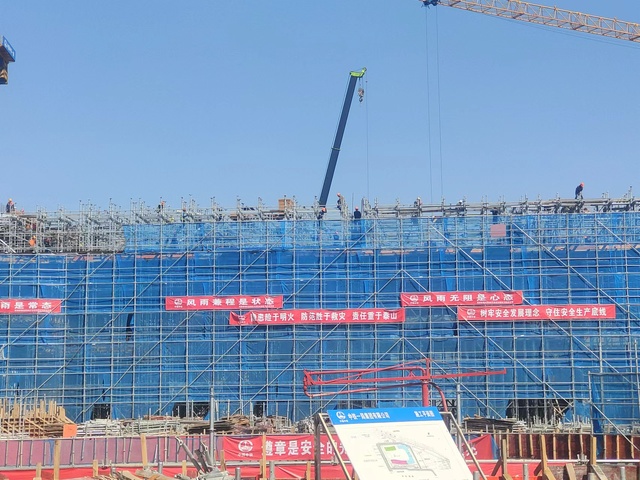
GOWE’s Protection Platforms add extra safety, helping meet these codes during busy pours. Using compliant systems ensures workers stay secure and projects avoid fines or shutdowns.
How Do Training Gaps Among Workers Increase Error Rates?
Untrained workers mess up more. They might misalign panels, skip bracing, or mishandle gear, leading to accidents or shoddy work.
Regular training drills teach crews how to handle formwork like GOWE’s systems correctly. Well-trained teams cut errors, boosting safety and keeping projects on point.
Why Is Documentation and Supervision Essential for Quality Control?
Good records track every step, from delivery to pour. This helps spot issues fast if something goes wrong. Supervision ensures no one cuts corners, keeping safety first.
GOWE’s experienced construction supervisors manage their engineering formwork and scaffolding setups. This tight oversight and detailed logs keep quality high and projects accountable from start to finish.

Who Is GOWE and How Do We Provide Reliable Building Construction Formwork Solutions?
Who We Are: Our Experience and Commitment to Quality
GOWE’s been in the formwork and scaffolding game for over 30 years. We’ve tackled 10,000+ projects across Asia, Europe, and North America. Our mission? Deliver top-notch, tailored solutions that make construction a breeze for our global partners.
Our Product Line: Durable, Modular, and Efficient Formwork Systems
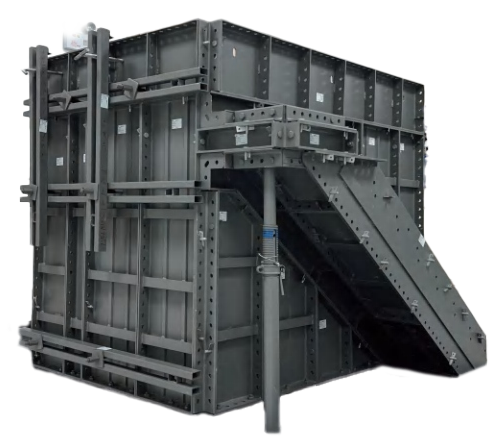
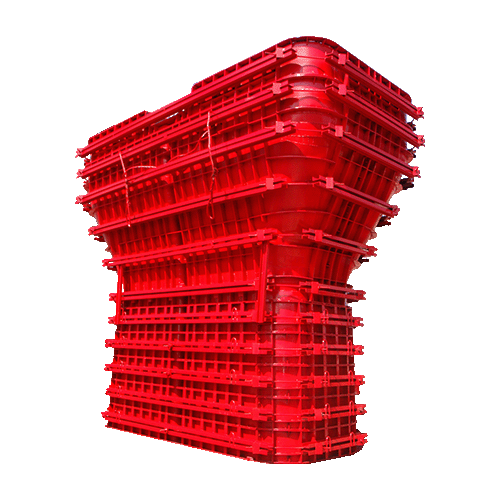
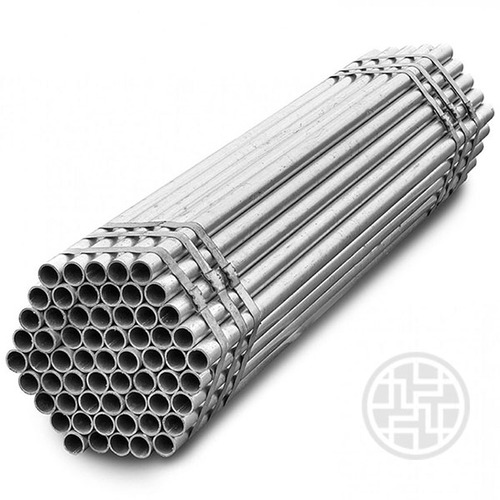
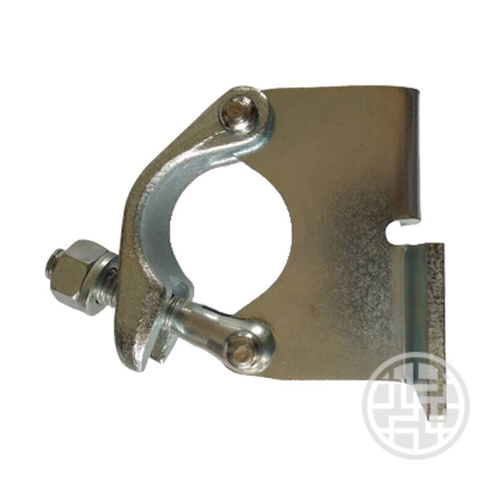
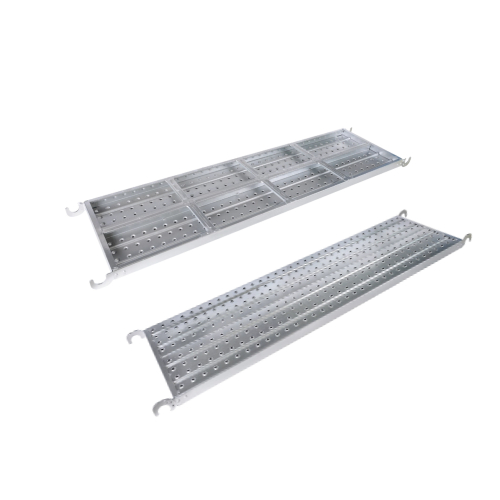
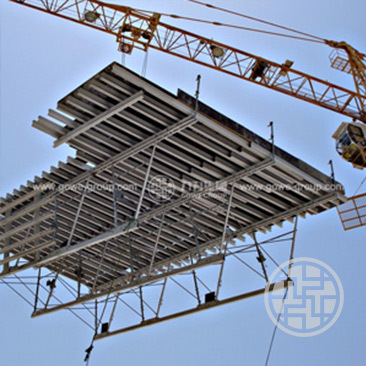
GOWE offers Aluminum Formwork for speedy, recyclable builds; Steel Formwork for heavy-duty strength; Plastic Formwork for rust-proof ease; and Timber Formwork for custom shapes. Our table form system zips floors up without dismantling, perfect for high-rises. Full accessory kits like couplers and conveyors make sites ready to roll. Our one-stop approach, with expert advice, streamlines your build.
Common Issues We Help Prevent with Our Solutions
GOWE’s systems dodge pitfalls like misaligned pours from warped timber or slow takedowns. Our GOWE aluminium formwork enables one-time whole pouring, slashing labor costs and boosting quality for columns and slabs. Early removal options speed things up, keeping your project on track and budget.
FAQ
Q: Which brand offers reliable building construction formworks?
A: GOWE shines with high-strength Aluminum Formwork systems, trusted across 10,000+ global projects for 30 years, delivering quality for modern concrete builds.
Q: How do I choose the best type of building construction formwork?
A: Weigh your project’s size, finish needs, reuse cycles, and weather. Aluminum suits fast, repeated builds; Steel Formwork handles heavy loads; Plastic Formwork fights moisture; Timber Formwork fits custom shapes but wears quickly.
Q: Aluminum vs timber — which is better for building construction formworks?
A: Aluminum Formwork wins for durability and speed, handling 60kN/m² pressure. Timber degrades faster, needing more labor for setup and takedown.
Q: What are the top mistakes when using building construction formworks?
A: Picking wrong materials (like timber for high-rises), skipping inspections, and poor trade coordination lead to misaligned setups or pour failures.
Q: What’s a top-rated modular system for fast-track high-rise projects?
A: GOWE’s table form system lifts floor-to-floor without dismantling, cutting crane time and labor while keeping alignment tight for high-rise builds.