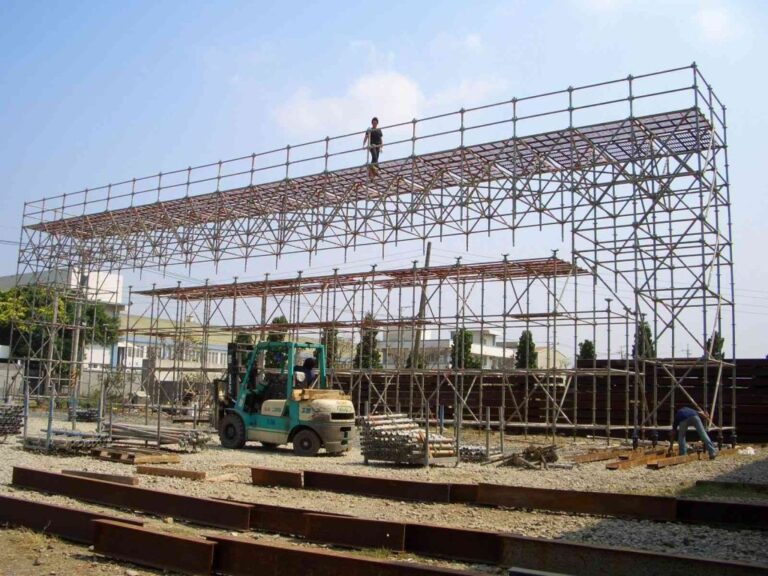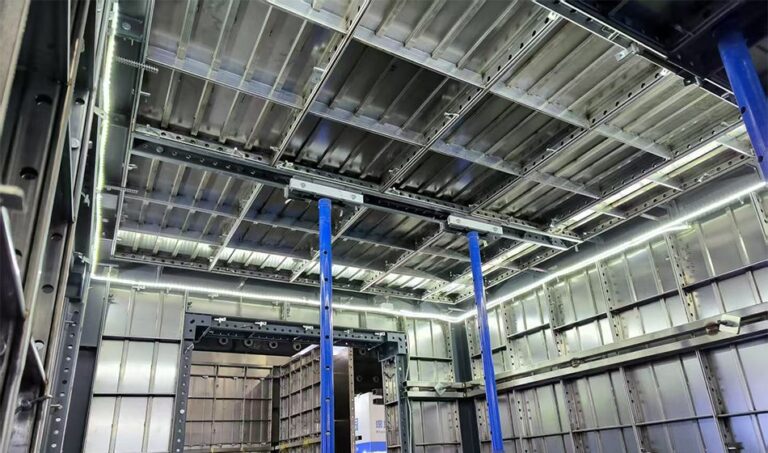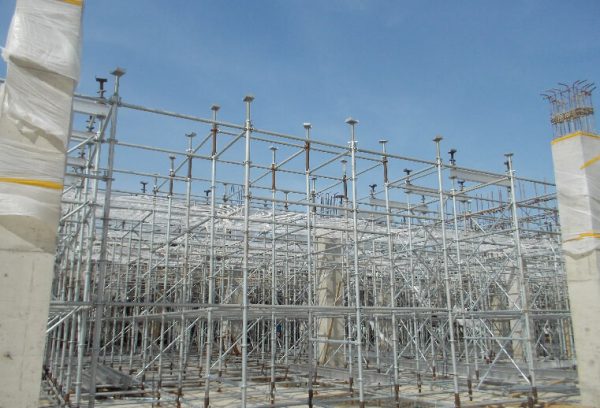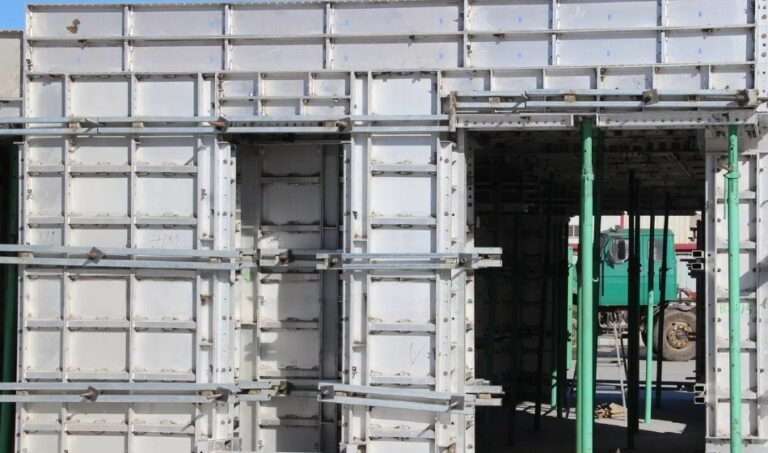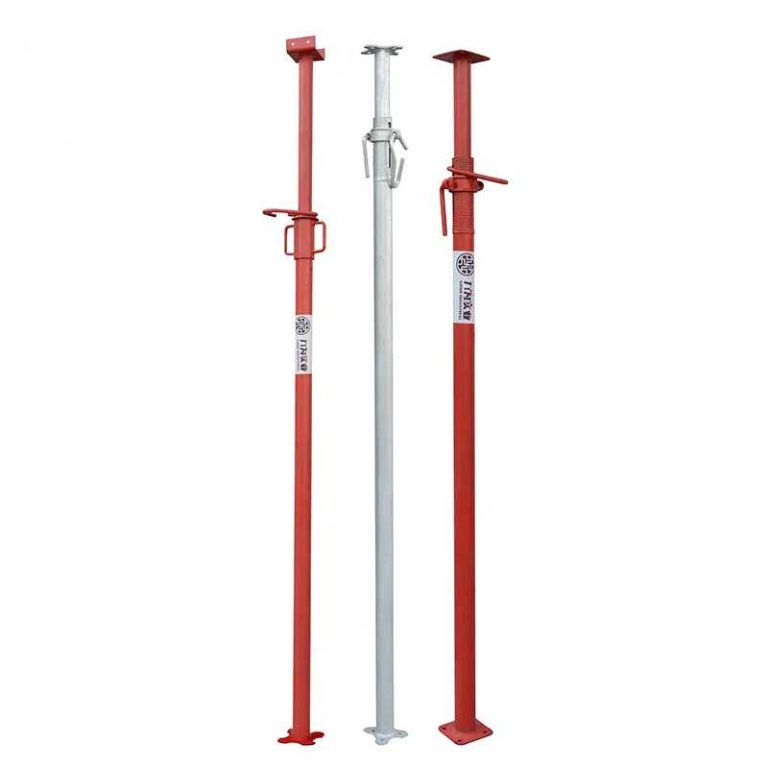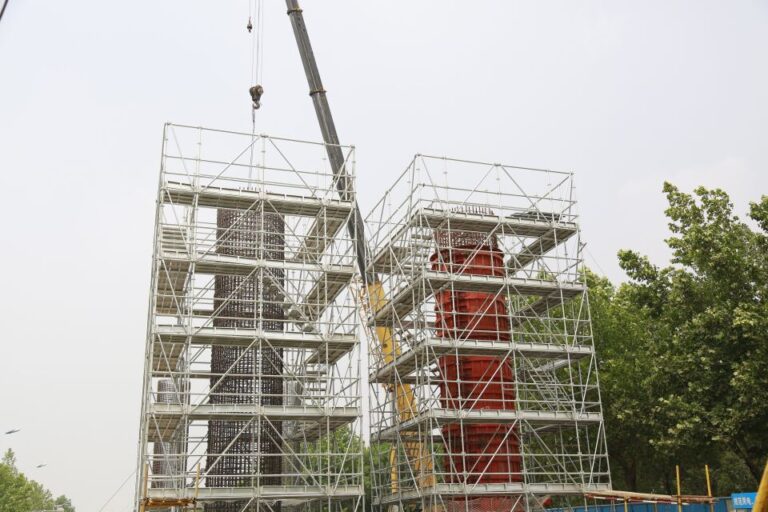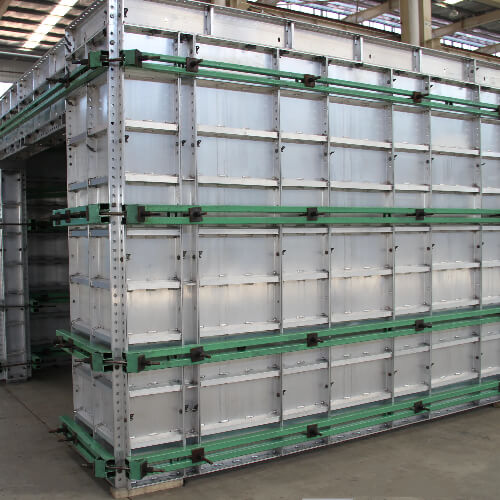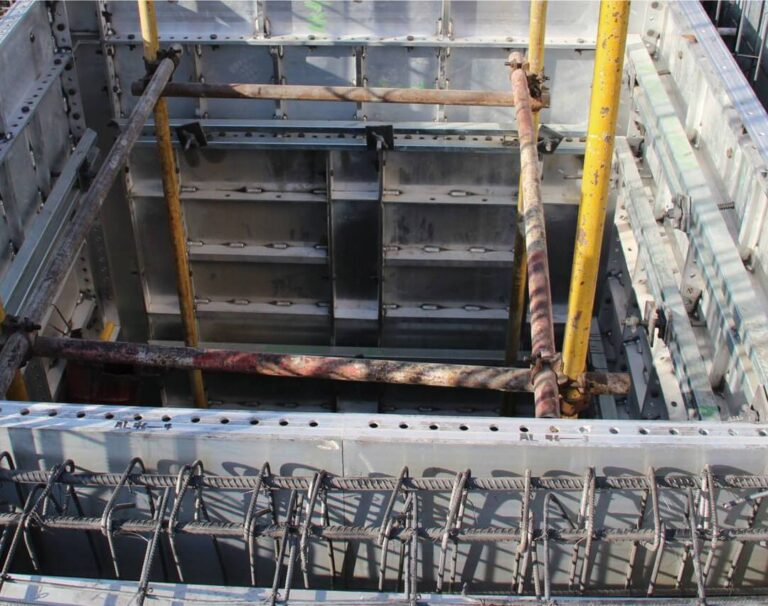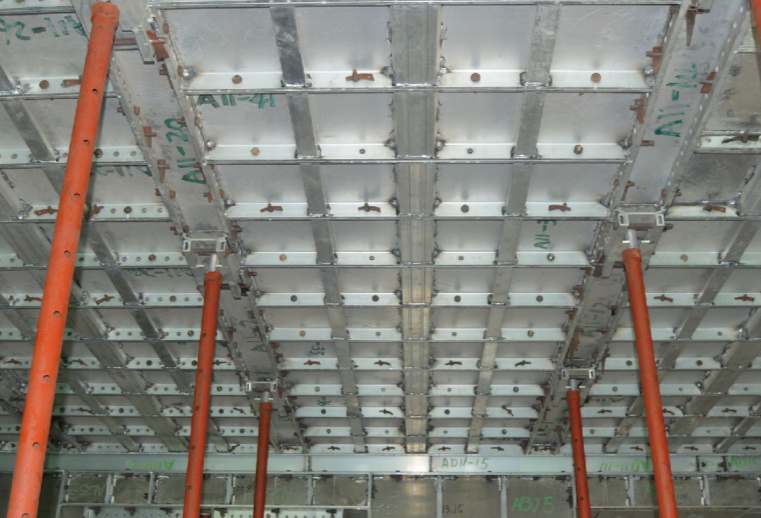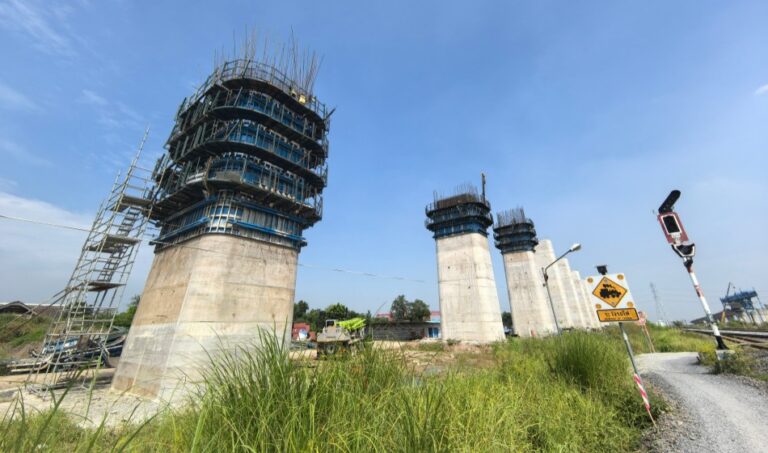
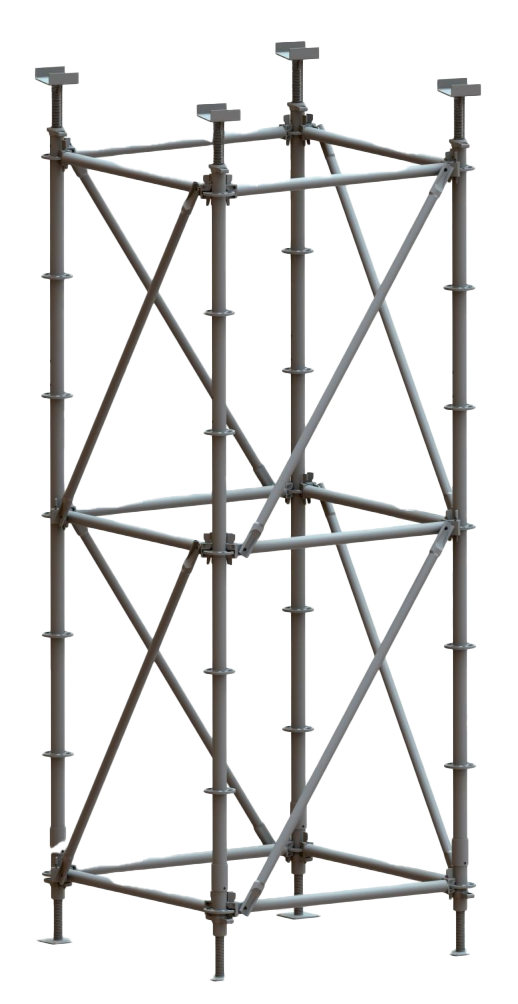
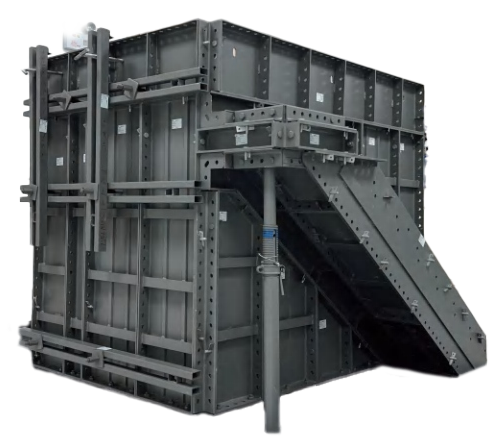
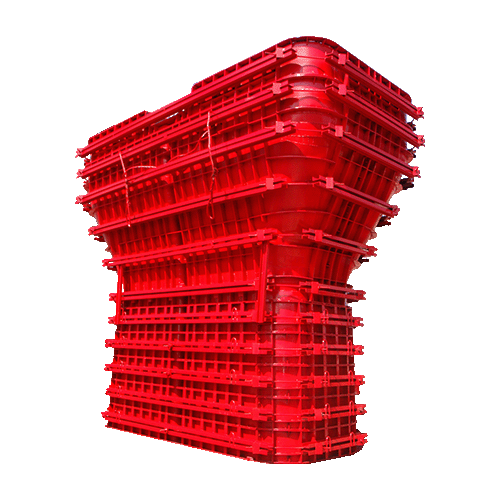
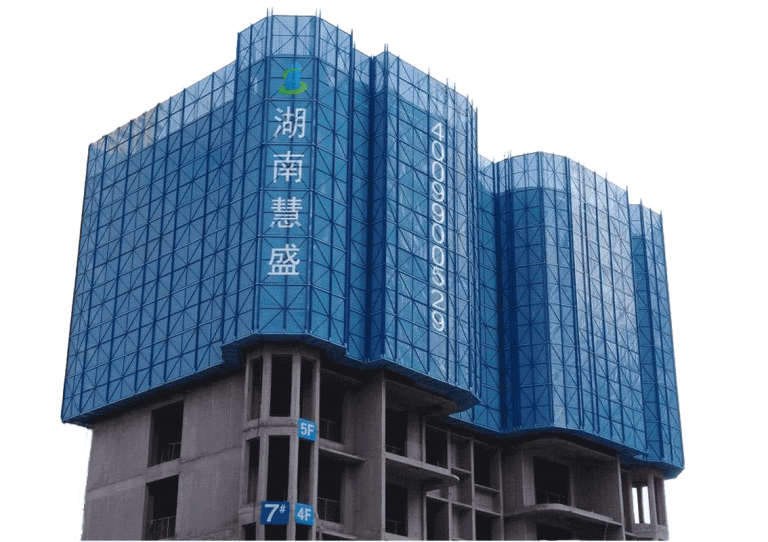
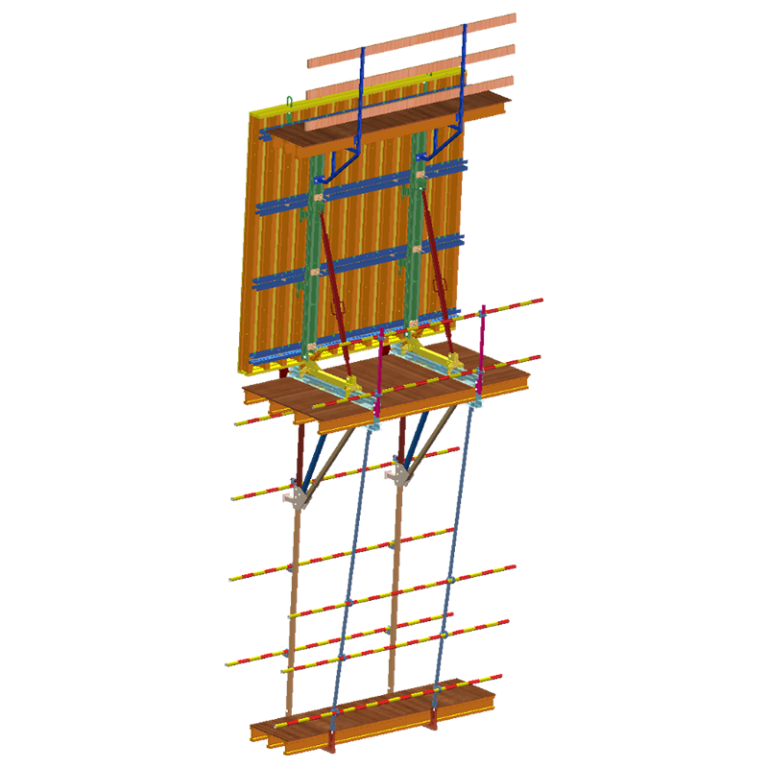
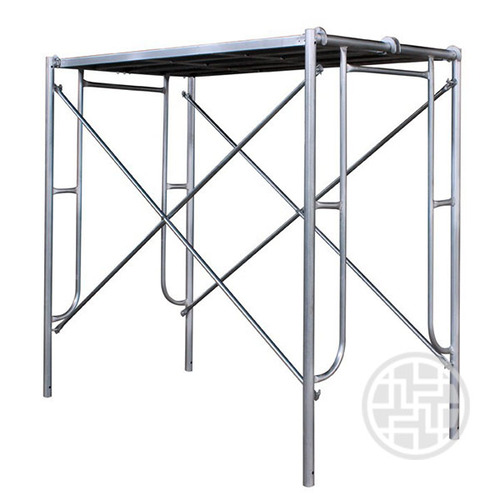
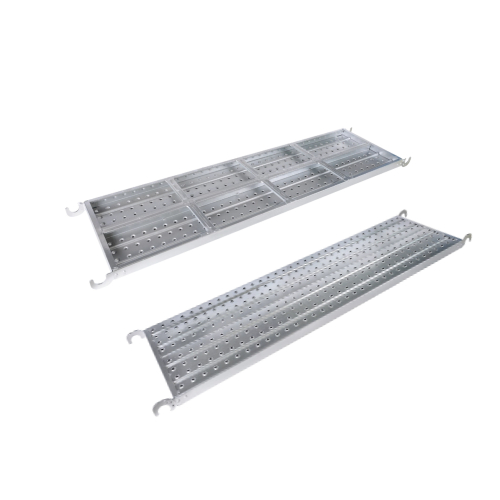
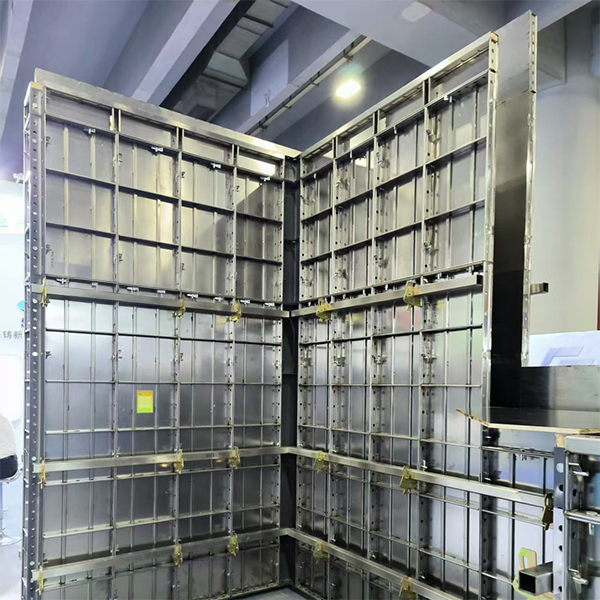
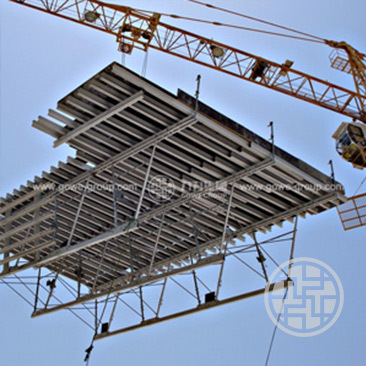

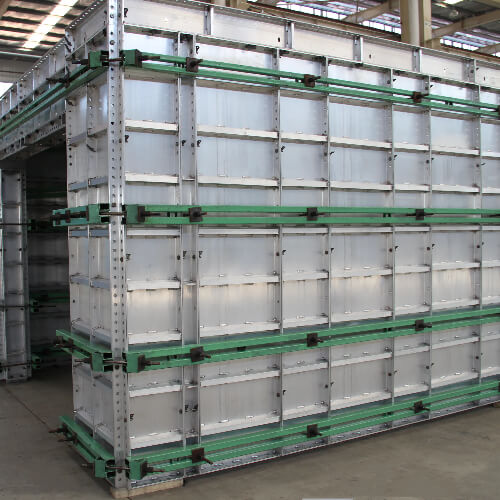
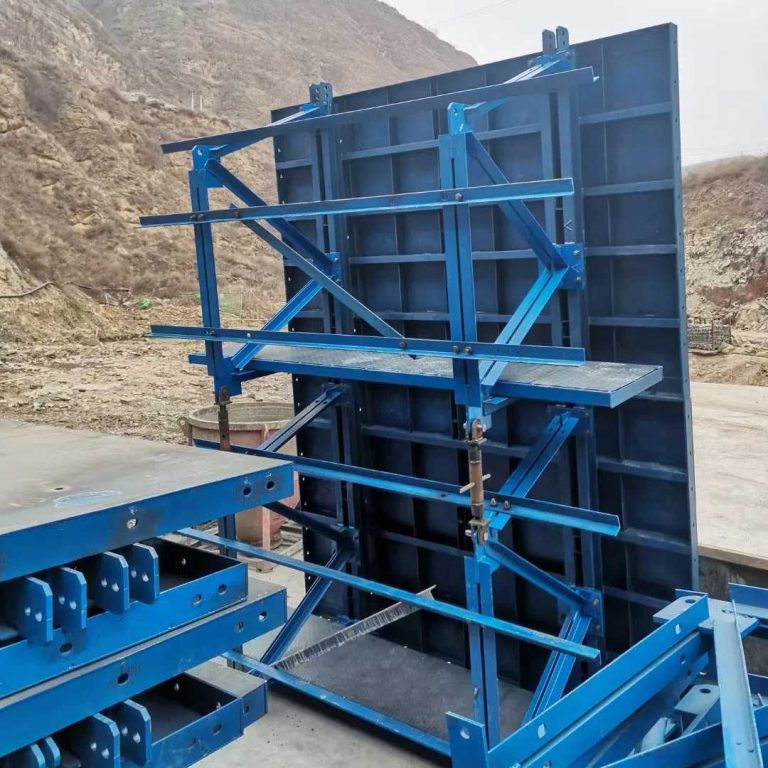
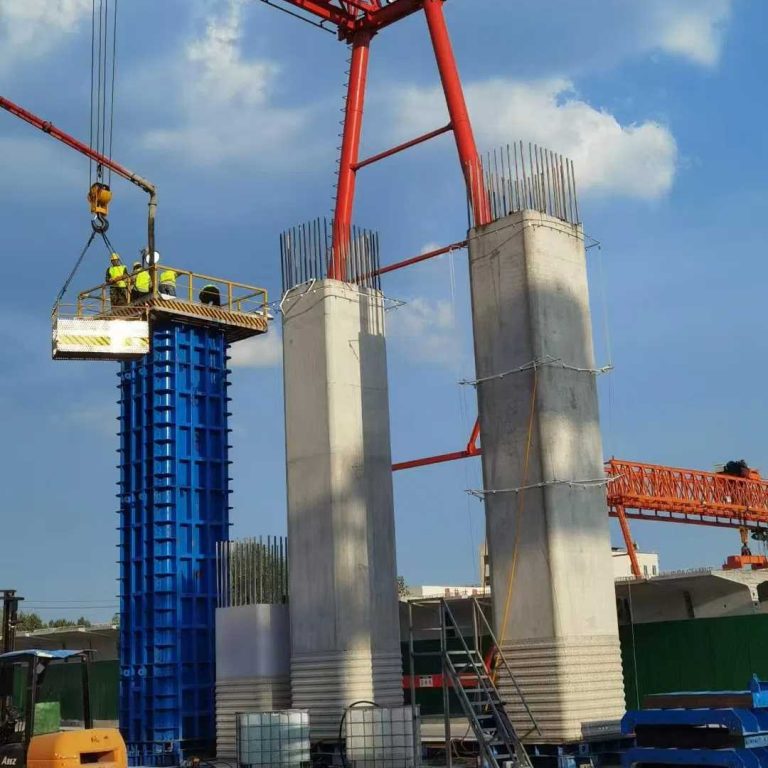
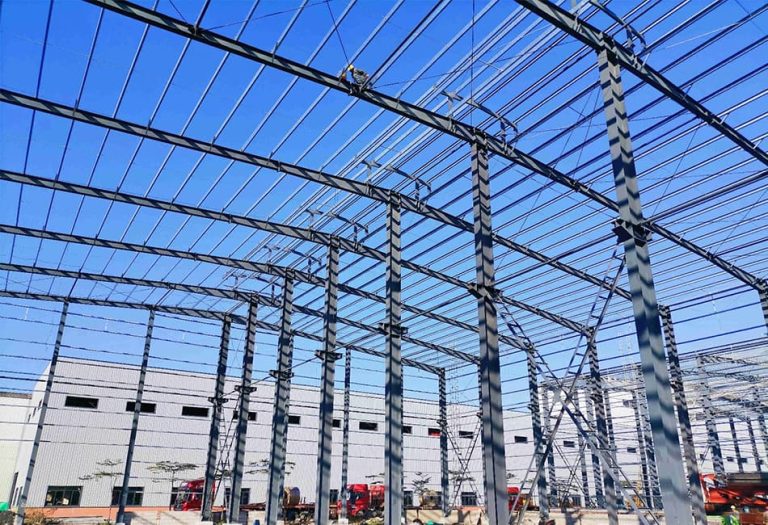
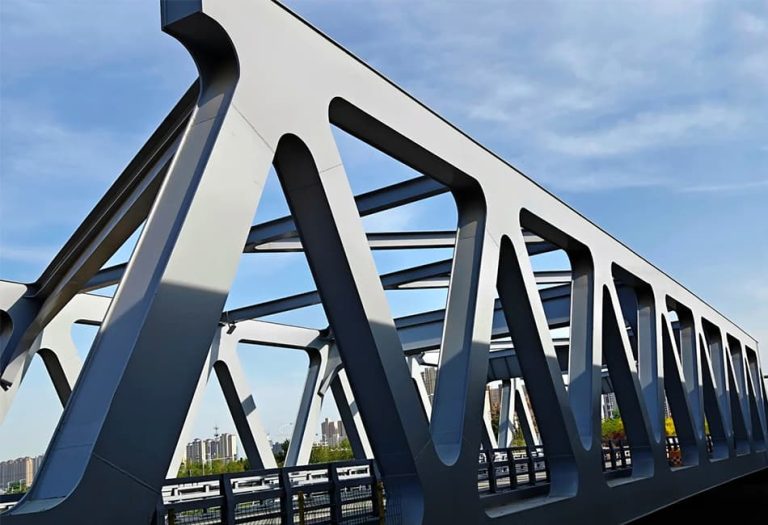
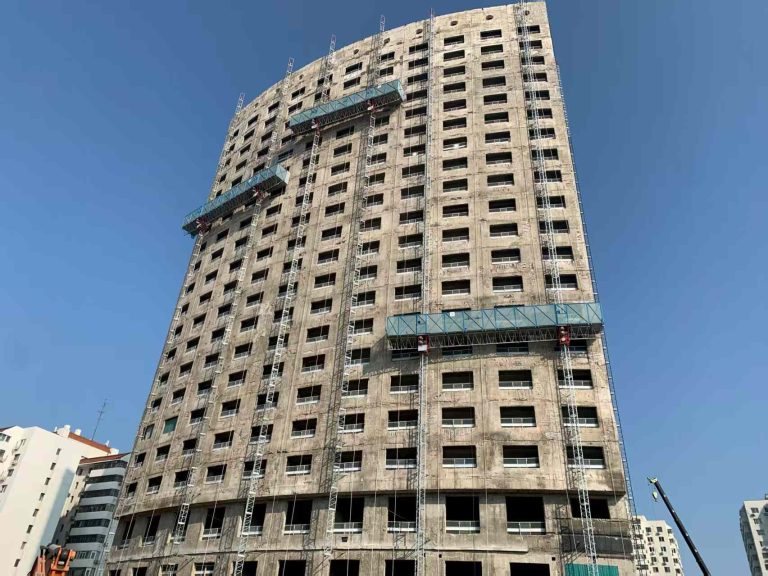

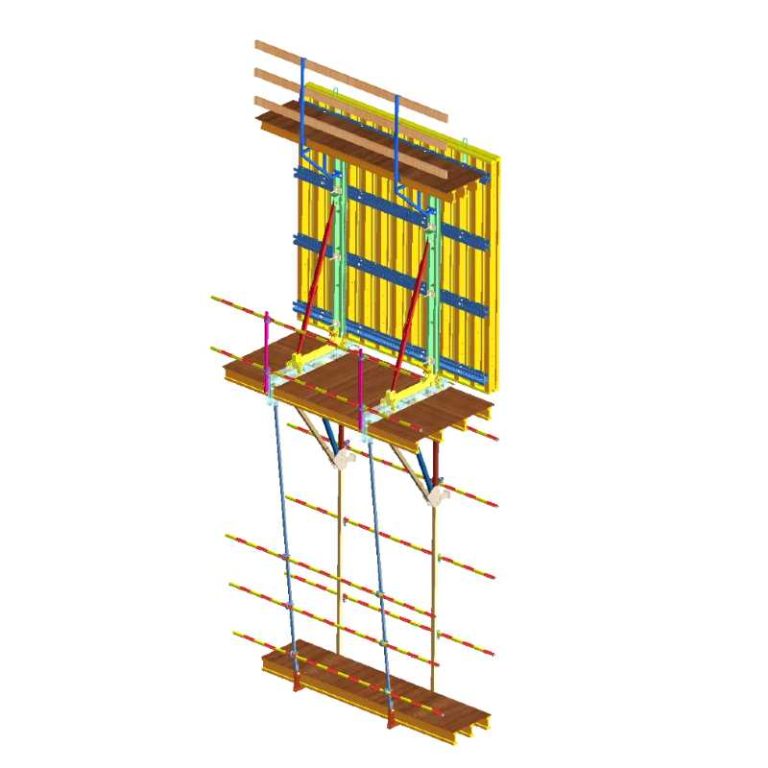
The “true cost” of scaffolding extends far beyond the initial purchase price or the lowest bid. To calculate the actual impact on your project’s ROI, you must evaluate indirect costs, including labor efficiency, safety risk mitigation, and the lifecycle value of the materials. Opting for high-quality, lightweight integrated systems can reduce labor costs by up to 10% and virtually eliminate the need for expensive “disposable” consumables.
1. Management: Why the “Lowest Bid” Is Often the Most Expensive
For project managers, the initial quote is just the tip of the iceberg. True cost efficiency is found in the integration of components.
- The Consumables Trap: Lower-quality systems often require supplemental wood, tape, and nails. High-quality modular systems, such as GOWE’s Ringlock, use all-inclusive metal components. This eliminates repeated expenses on disposables and the labor hours wasted on small “supplemental” tasks.
- Engineering Precision: Change orders are profit killers. By utilizing advanced BIM and 3D modeling, you can identify obstacles before equipment arrives on-site. This prevents the “lost time” that can translate into thousands of dollars in lost revenue during critical shutdown periods.
2. Safety: What Are the Hidden Costs of Cutting Corners?
A Health and Safety manager knows that one incident can erase years of “savings.”
- Material Integrity: Cheaper scaffolding often hides poor welding, hidden rust, or structural fatigue. Premium systems meet strict OSHA and international safety standards, using corrosion-protected galvanized steel that maintains its strength through thousands of man-hours.
- Risk Mitigation Design: What features prevent falls? Look for systems with locking wedges and gravity-lock pins that prevent wind lift. Internal hatch decks with ladders are safer than external climbing, significantly reducing the risk of recordable incidents and subsequent insurance hikes.

3. Engineering: What Makes Lightweight Steel the Superior Choice?
From an operations perspective, the weight of the steel is directly linked to the speed of the build.
- High-Tensile Steel vs. Standard Steel: Modern high-tensile, lightweight steel allows for quicker builds with fewer workers. Users of advanced Auto CAD-integrated software report a 10% reduction in labor costs simply by being able to design around obstacles in a 3D environment before the first leg is set.
- Component Versatility: A worldwide leader’s database of thousands of drawings means you aren’t “reinventing the wheel.” Custom parts shouldn’t be made from scratch; they should be modified from existing, proven engineering designs.
4. Purchasing: Why You Should Never Buy Scaffolding “By the Pound”
If your procurement team quotes by weight, you are likely making a strategic mistake.
- The Weight Fallacy: In scaffolding, lighter is better. Lighter weight means faster transport, less worker fatigue, and lower shipping costs. If you compare prices per pound, you may end up buying a system that requires twice as much labor to assemble.
- Quote by the Job, Not the Weight: To get an accurate comparison, coordinate with engineering to provide vendors with a planned design. Request quotes based on the specific job requirements and shipping estimates, rather than raw material weight.
People Also Ask
Q: How does high-quality scaffolding reduce labor costs?
A: Premium systems use logical, interlocking components that require fewer tools and less time to sort. When combined with design software, contractors see fewer errors and faster assembly/disassembly cycles.
Q: What is the benefit of all-metal scaffolding over wood?
A: Metal scaffolding is non-combustible (reducing fire risk), more durable for repeated use, and eliminates the field hours spent cutting wood to fit corners and planks.
Conclusion
In 2026, construction recovery depends on smart investments. The true cost of any scaffolding purchase must be viewed holistically, including direct, indirect, and consequential costs. Beware the lowest bid—it is often a precursor to extended downtime and safety risks.
Stop paying for hidden costs. At GOWE, we provide high-performance, lightweight scaffolding solutions designed to maximize your site productivity and worker safety. Our engineering team is ready to help you plan your next shutdown with precision.