

Getting to Know Shipyard Scaffolding
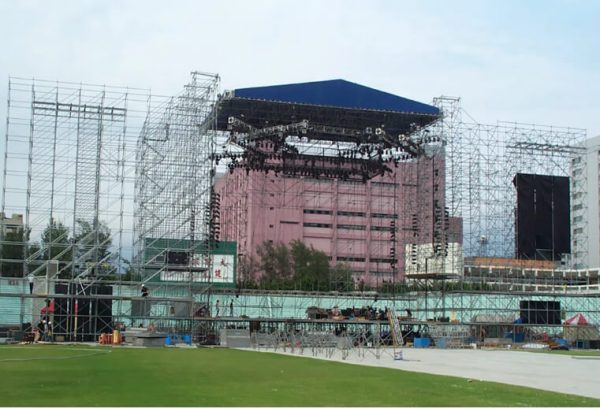
One of the most important systems in the shipbuilding and repair business is scaffolding. These temporary constructions are called shipyard scaffolding, and they give workers safe and reliable access to different portions of a ship while it is being built, inspected, painted, or repaired. Without scaffolding, it would be almost impossible to do things that involve working at heights, getting to hard-to-reach parts of a ship, or holding up heavy equipment.
Shipyards have problems that are different from those that construction sites on land have. Because ships are always in severe marine environments, tight areas, and have complicated construction, they need scaffolding that is both sturdy and flexible. Not only is shipyard scaffolding a tool, but it is also a vital part of safety, efficiency, and following global rules.
Different kinds of scaffolding for shipyards
- Tube and Coupler Scaffolding
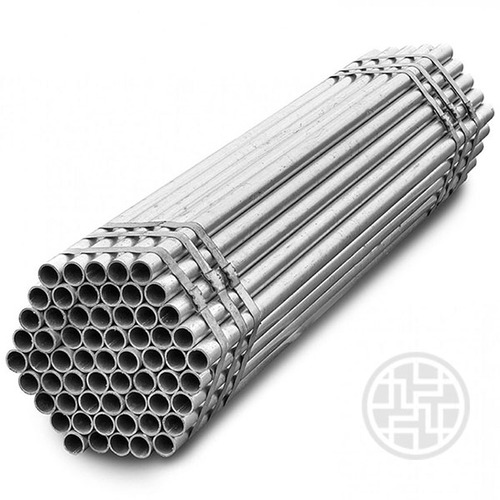
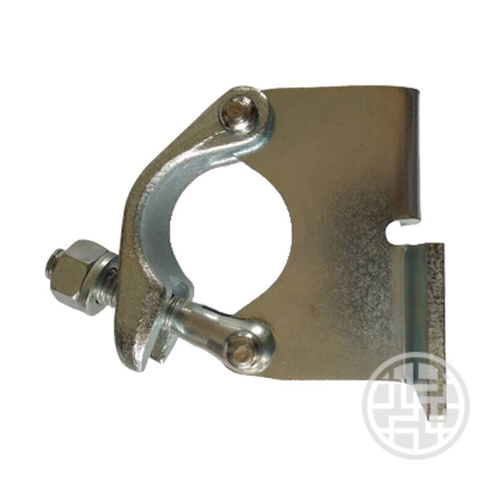
Steel tubes are joined by clamps or couplers in an old-fashioned scaffolding method. It is quite flexible, which makes it perfect for complicated ship structures. But it takes trained workers to put it together safely.
- System Scaffolding (Modular Scaffolds)
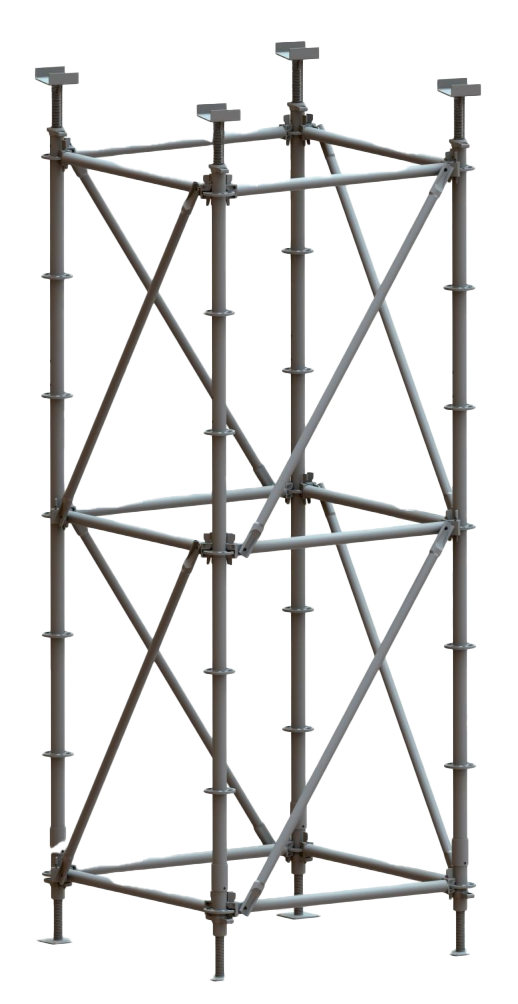
This kind, which is also called modular scaffolding, is made up of parts that have already been engineered and lock into place. It cuts down on the time it takes to put things together, makes things more stable, and is becoming more common in modern shipyards.
- Suspended and Cantilever Scaffolding
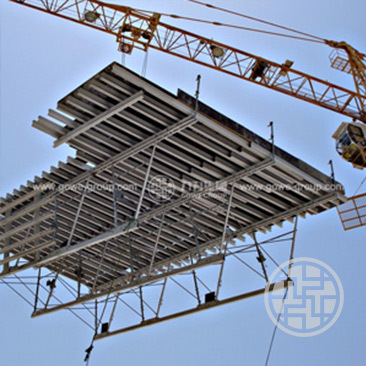
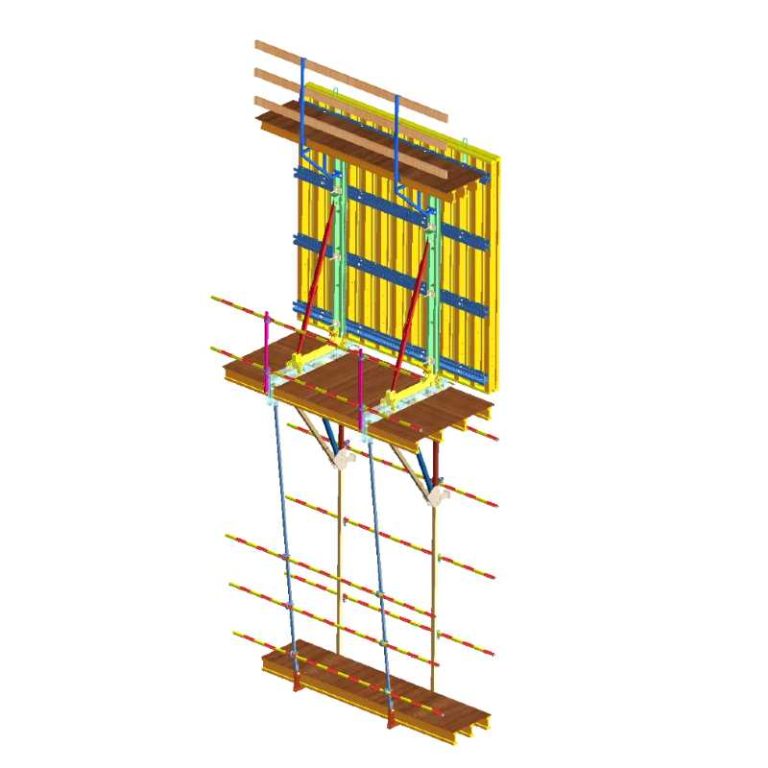
Suspended scaffolds are attached from above and can be raised or lowered to work on the sides and bottoms of ships. Cantilever scaffolds reach out horizontally to get to places that are hard to get to otherwise.
- Mobile and Rolling scaffolds
Rolling scaffolds have wheels that let workers move fast across the surface of a ship. People typically use these for jobs like cleaning and painting when they need to be able to move around.
Key Components of Shipyard Scaffolding
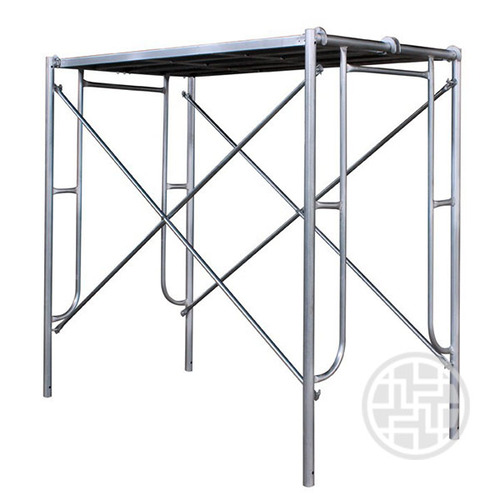
- Standards, ledgers, and braces are the main parts of shipyard scaffolding
Standards: Vertical tubes that hold up the weight of the building.
Ledgers are horizontal supports that hold the standards together.
Braces are diagonal supports that keep things stable.
- Decking and Platforms
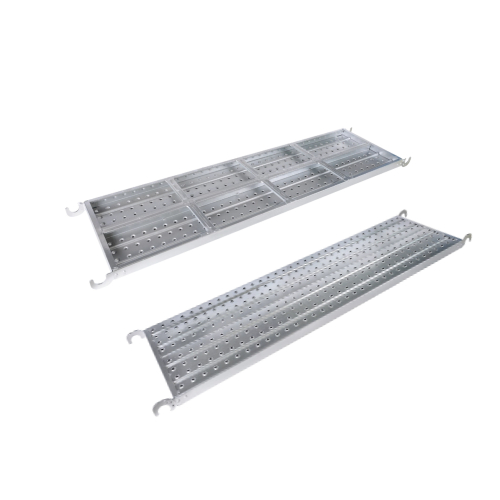
The platforms, which are normally composed of steel planks or heavy-duty wood, give shipyard workers a safe place to work.
- Safety nets, toe boards, and guardrails
Guardrails, toe boards, and netting are very important to keep people from falling and things from falling. International rules say that certain safety features must be present.

Safety Regulations and Compliance Standards
- OSHA Rules for Scaffolding in Shipyards
The Occupational Safety and Health Administration (OSHA) has very severe rules about how to build, use, and take down scaffolding. For heights over 10 feet, guardrails and fall protection devices for workers are two of the most important things that need to be in place.
- ISO and EN are examples of international standards.
ISO 9001, ISO 45001, and European Norms (EN standards) all have rules about safety, quality, and structural integrity that shipyard scaffolding must follow.
- Regular checks and maintenance
Before each shift, there must be regular inspections. Shipyards must keep records of inspections and replace parts that are rusted or broken to keep workers safe.
Benefits of Using Proper Scaffolding in Shipyards
- Improved Worker Safety
Scaffolding makes it less likely that workers may fall, slip, or have other mishaps, which gives them more confidence in their work.
- More productive and efficient
Workers can move swiftly between different parts of the ship when there are stable access points, which reduces downtime.
- Lower accident costs lead to savings
Putting money into good scaffolding keeps accidents, lawsuits, and delays in shipbuilding projects from happening.
Common Challenges in Shipyard Scaffolding
- Corrosion and Harsh Marine Environments
When scaffolding parts are exposed to saltwater, they corrode and become weaker. You need to do regular anti-rust treatments and put on protective coatings.
- Not enough space and complicated structures
Standard scaffolding configurations are hard on ships since their surfaces are curved and uneven. This needs systems that can change and good planning.
- Weather and other things in the environment
Wind, rain, and high humidity can make scaffolding less stable. Using the right materials and attaching them correctly can help lower risks.
Best Ways to Keep Scaffolding Safe
- Proper Training for Scaffold Workers
Workers need to know how to put up scaffolding, what the weight restrictions are, and what to do in an emergency.
- Daily Safety Checks and Paperwork
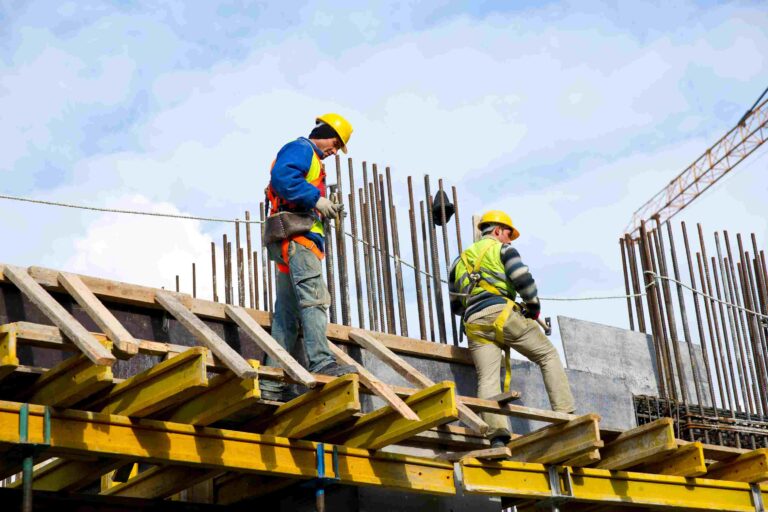
Before each shift, supervisors should check platforms, joints and safety gear and write down what they find to make sure they are following the rules. For example, how to Use Personal Protective Equipment (PPE). In shipyards, helmets, harnesses, safety boots, and clothes that reflect light are quite important.

Innovative Technologies in Shipyard Scaffolding
- Lightweight Materials
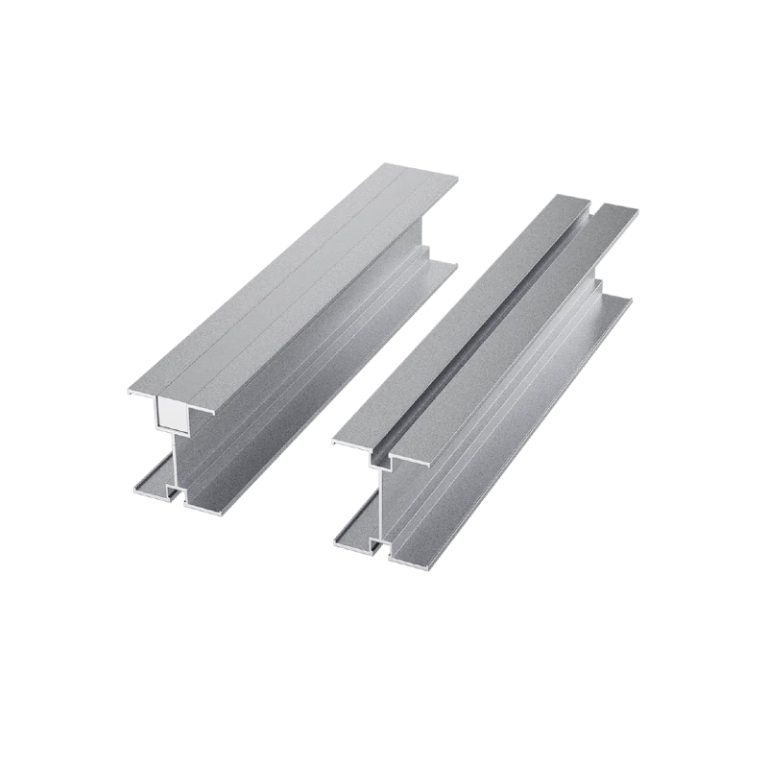
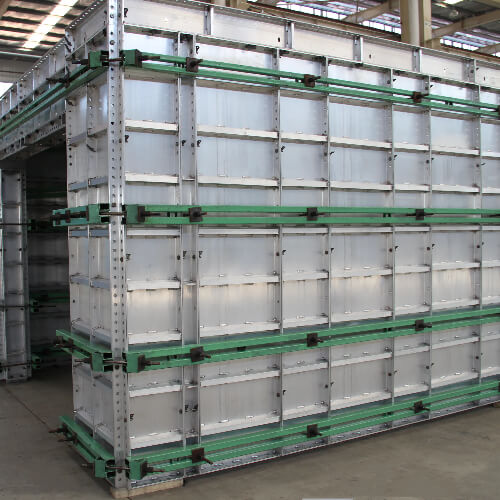
New technologies in shipyard scaffolding include lightweight materials like aluminium and composites. Aluminium scaffolding is easier to work with in shipyards since it is lighter and less likely to rust than steel.
- Digital Scaffolding Design and BIM Integration
Building Information Modelling (BIM) helps engineers construct scaffolds on a computer, which helps them guess how much weight they can hold and makes mistakes less likely.
- Automated and Smart Scaffold Systems
Smart scaffolds utilise sensors to keep an eye on weight loads and movement, which makes them safer right away.
Case Studies: Effective Scaffolding Utilisations at Shipyards for Large Vessel Repair
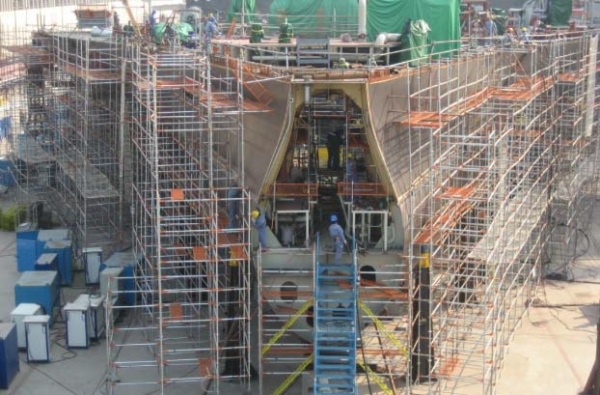
GOWE successfully supported the repair of a 10,000-ton cargo vessel by deploying advanced ringlock scaffolding. The project involved challenges such as complex curved ship surfaces, tight schedules, and harsh marine conditions. Using hot-dip galvanized ringlock systems, GOWE achieved fast assembly, excellent stability, and full safety protection for high-altitude work. More than 15,000 m² of scaffolding was completed in just 10 days, allowing welding, steel replacement, and anti-corrosion coating to finish ahead of schedule. The result: zero safety incidents, improved efficiency, and significant cost savings. This project showcases GOWE’s expertise in delivering safe, efficient, and reliable scaffolding solutions for the maritime industry. Are you looking for the right scaffolding partner? Contact GOWE today to discuss your project, or browse our case studies to see how we’ve helped other projects succeed.
How to Pick the Right Scaffolding for Shipyards?
- Factors to Consider: Height, Load, Environment
Before picking scaffolding, shipyard management needs to think about the size of the ship, the weather, and how much weight it can hold.
- Working with Scaffold Providers Who Are Certified
Working with recognized suppliers makes sure that safety standards are met and saves money in the long run.Shipyard scaffolding workers must take courses and get certified. Workers must finish recognized scaffold training programs, including OSHA 10/30 or other foreign courses that are the same.
Things to think about for the environment and sustainability
- Materials in scaffolding that can be recycled
Shipyards have less of an impact on the environment when they recycle steel and aluminium scaffolding.
- Less waste and less harm to the environment
Modular scaffolds help reduce material waste and make parts last longer.
The Future of Shipyard Scaffolding: Robots and Automation in Putting Up Scaffolding
- Robotics and Automation in Scaffold Assembly
Robots can put up and take down scaffolds, which lowers the risk to people and speeds up the job.
- AI-Powered Safety Check
AI-powered systems can find dangerous situations and let managers know right away.
- Green and Sustainable Innovations
The future of shipyard scaffolding will be made of materials that are good for the environment and ways that use less carbon.
Questions and answers about shipyard scaffolding
Q1: What is the point of shipyard scaffolding?
A: It lets people safely get to ships when they are being built, fixed, or maintained.
Q2: What kinds of scaffolding do shipyards use?
A: Some common types are tube and coupler, system, suspended, and rolling scaffolds.
Q3: How often should shipyards check their scaffolding?
A: Inspections must happen every day, before each shift, and after any big weather occurrence.
Q4: What are the biggest safety problems with scaffolding in shipyards?
A: Weather-related instability, falls, collapses, and corrosion.
Q5: Do scaffold workers at shipyards have to go through training?
A: Yes, OSHA and international rules say that certifications are needed.
Q6: How is technology making scaffolding better at shipyards?
A: Digital modelling, AI safety systems, and lightweight materials are making scaffolding safer and more useful.
Conclusion: Making Shipyards Safer and Smarter
Scaffolding in a shipyard isn’t just a temporary construction; it’s the most important part of building ships safely and quickly. Scaffolding is very important for keeping workers safe, following rules, and finishing projects on schedule. It comes in a wide range of styles, from traditional tube systems to more modern modular designs. Shipyards may develop safer, smarter, and more sustainable maritime infrastructures by using modern technologies, following environmentally friendly practices, and getting thorough training.