

What Is a Formwork Frame and Why Does Material Quality Matter?
Defining the Role of Formwork Frames in Construction Projects
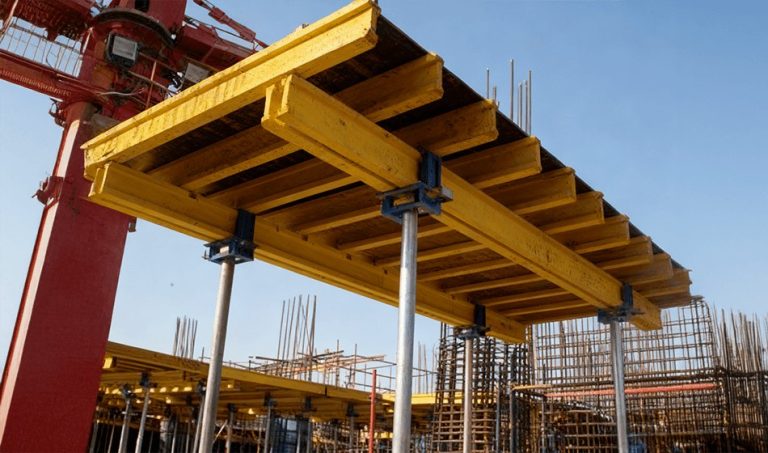
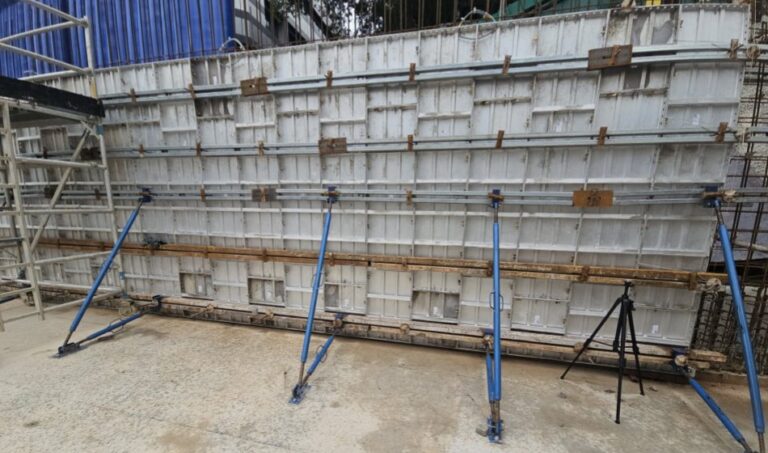
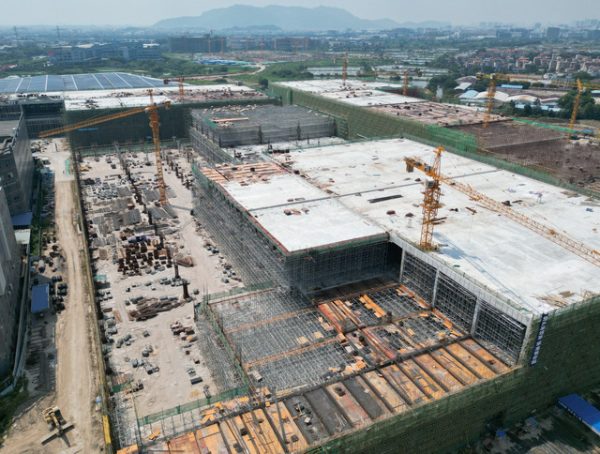
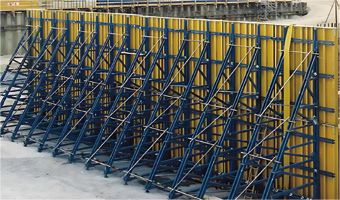
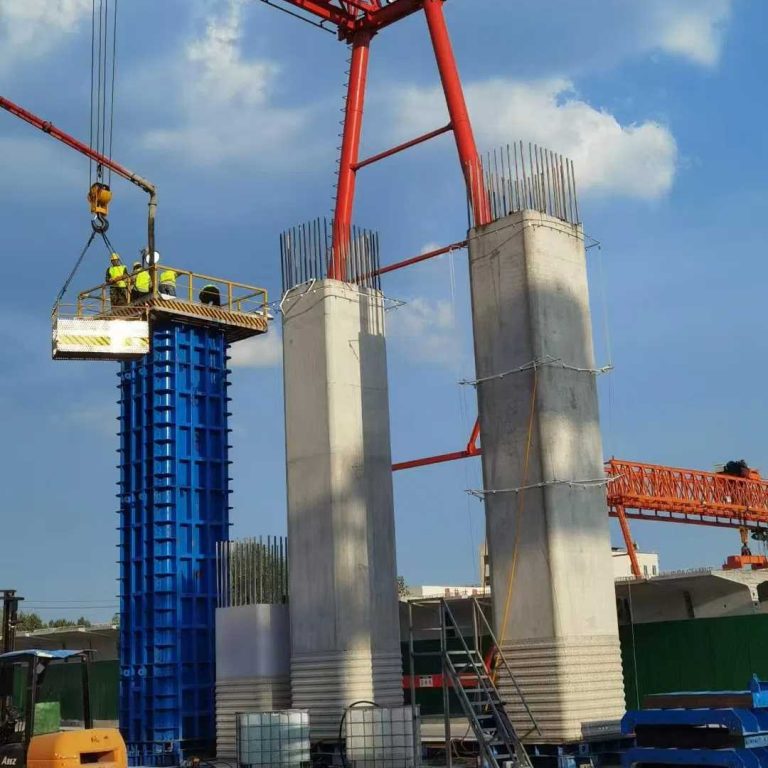
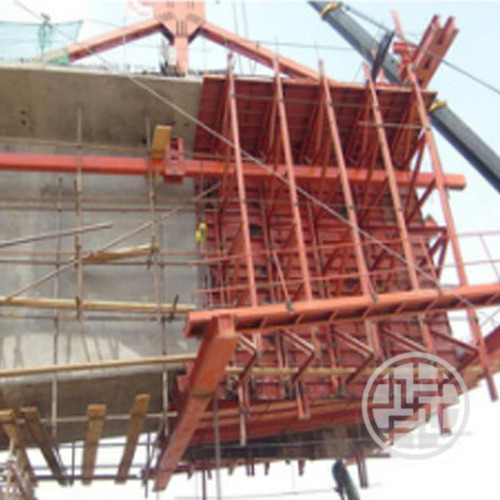
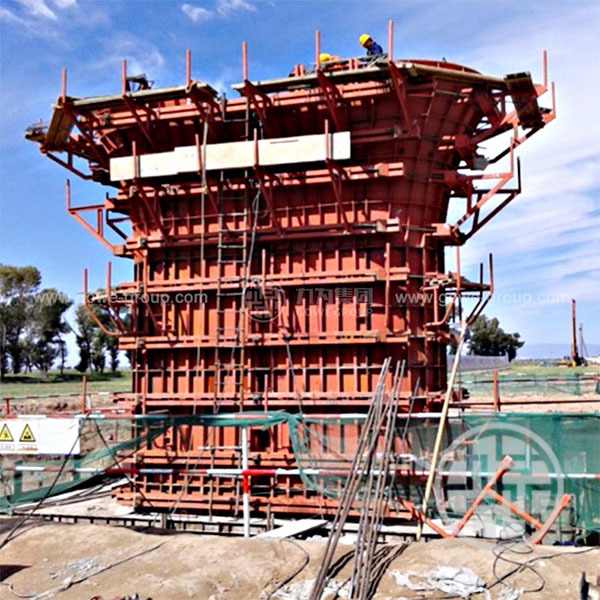
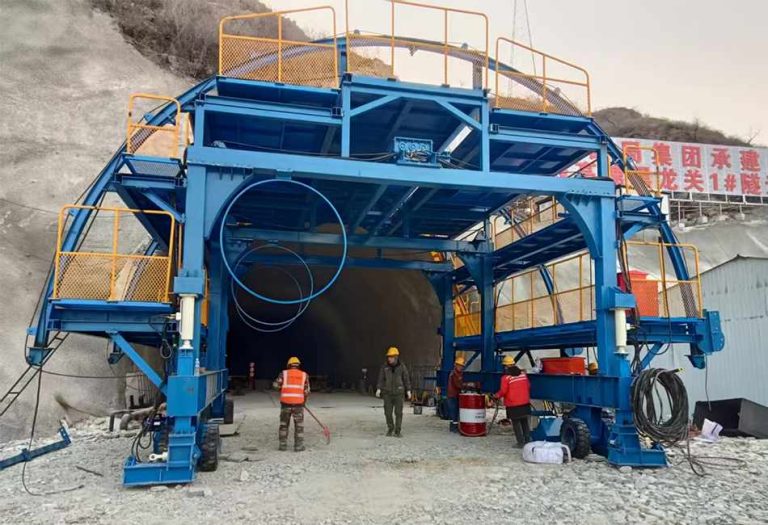
A formwork frame holds poured concrete in place for a short time. It waits until the concrete gets hard and strong enough. These frames make sure the concrete keeps its shape, line, and load-holding capacity during cure. They keep their size right and build steadily. This helps safety and speed on building sites.
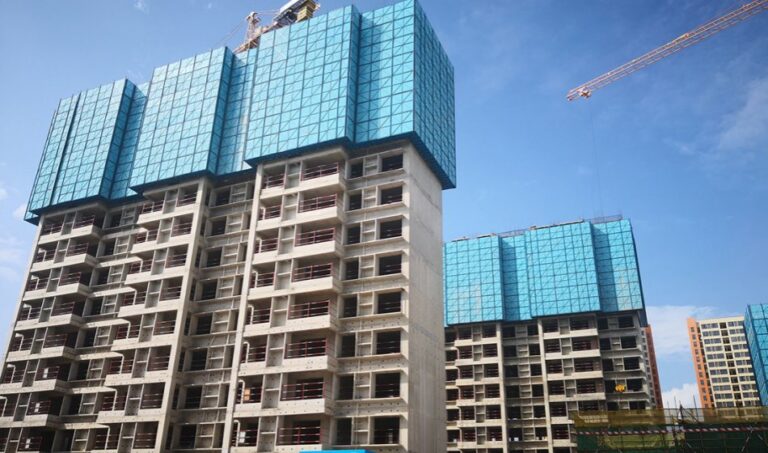
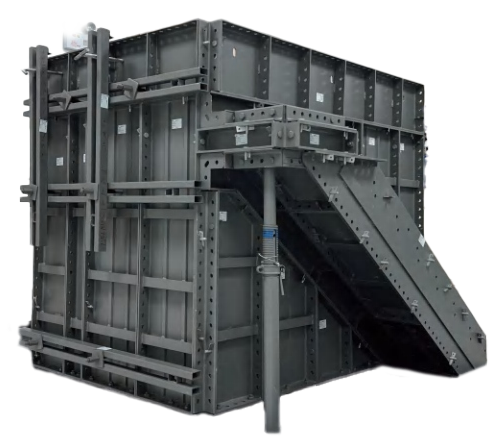
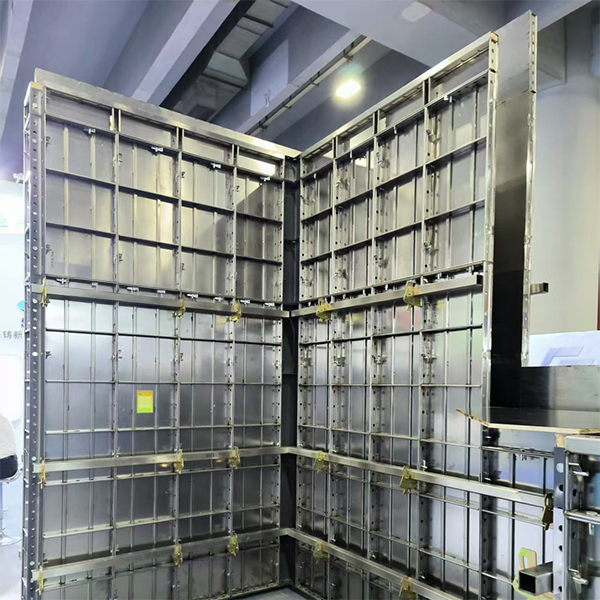
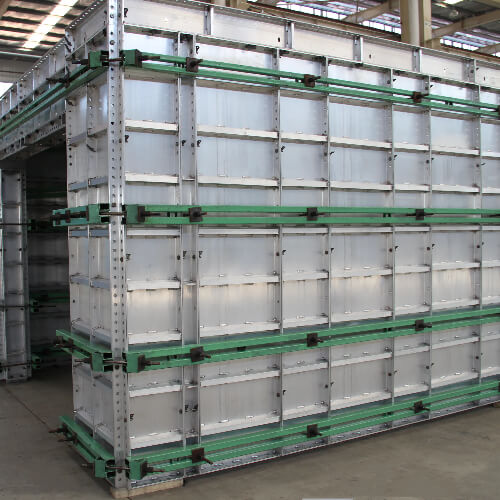
Good formwork frames cut concrete face problems. They lower the redo time. They help finish jobs faster. Exactly put up makes sure that the built-in parts like pipes or wires fit well. The aluminum formwork system is a high-efficiency solution for RCC load-bearing and RCC-framed multi-story buildings. It enables walls and slabs to be cast in a single operation, significantly boosting construction speed while delivering a strong, monolithic structure with a superior concrete finish.

How Material Composition Affects Formwork Frame Durability
The work and long life of a formwork frame come straight from the materials used to make it. Common items include steel, aluminum, and mixed types. Each gives different pluses and minuses.
Steel has high pull strength and is stiff. This makes it good for hard jobs. Aluminum weighs less. This helps the hand move. But it may not hold up to rough use like steel. Mix materials, join polymers with metal or glass fiber. They get set work traits like rust fight or no conduct.
Plus, weld well and shape plan change build work. Bad welds can weaken under load. Highly exact plans spread stress evenly. This cuts the bending risk in use.
Comparing Common Materials Used in Formwork Frame Manufacturing
Steel Frames
Steel stays a top pick for formwork frames. It has great strength. It can take repeated use over many jobs. It’s stiff, keeps a little bend under load. This holds true to build something good.
But steel frames weigh more. This can raise work costs in the move and set. Even with this minus, their strengths make them fit for high buildings and big work jobs where trust matters most.
Aluminum Frames
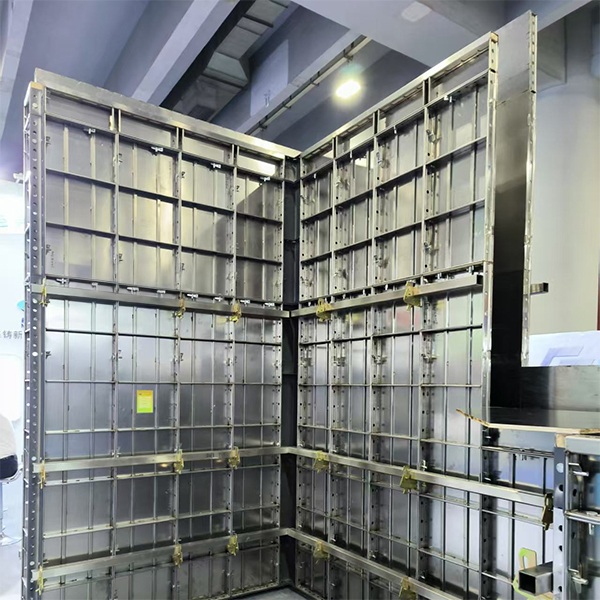
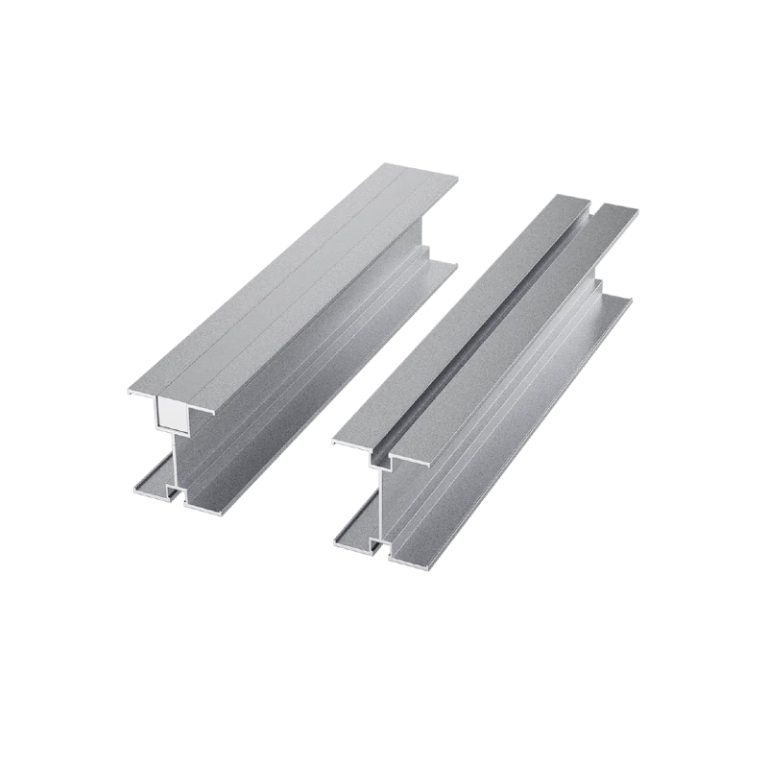
Aluminum formwork systems give a big plus in weight and easy handling. Aluminum formwork is a new generation of construction template after timber and steel formwork, with aluminum alloy profile as the main material, through mechanical processing, welding, and other processes, making templates suitable for concrete projects. Their light makes cuts set time and work hard. This raises the site’s good.
Yet aluminum holds less under repeated heavy loads or rough handling than steel. That said, Thanks to the precise tolerances of the machined aluminum components, consistent shape and surface quality are maintained from floor to floor, making it ideal for high-rise residential buildings where repetitive modular construction is used.
Composite or Hybrid Frames
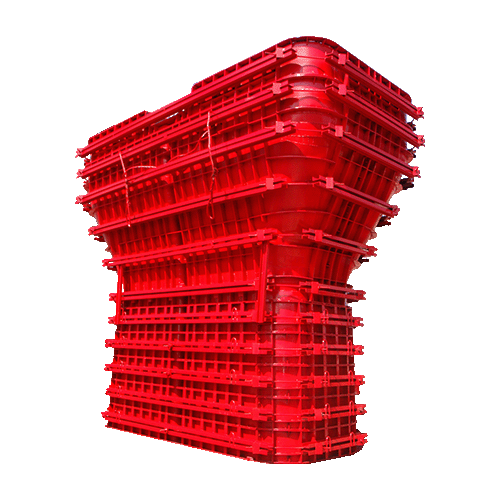
Mix or hybrid formwork frames join metal with polymers or glass fiber. They balance strength, bend, and cost well. These systems fit special spots where no conduct or better rust fight needs—like power sub spots or sea areas.
Though not used as much as steel or aluminum, mixes give savings in care and custom for small jobs.
How Do High-Quality Formwork Frames Impact Project Costs Over Time?
The Relationship Between Initial Investment and Lifecycle Cost Savings
Top formwork frames need more money at the start. But they give a big, long save. Better materials make the product last longer. This cuts, fixes, or swaps often over many jobs.
For example, galvanized steel or anti-rust coated frames keep building well even in bad weather. Our frames are treated with industrial-grade coatings that resist rust even in humid or coastal climates. Over time, this strategy turns to save on material by moving and stopping at the bad gear.
Reducing Labor Costs Through Efficient Setup and Dismantling
Good frame plan for block and fast put up. Systems with set block sizes and exact joints let teams work quickly with less change. This easy way cuts the need for high-skilled work. It shortens the change time between build steps. This helps with fast jobs.
Minimizing Concrete Surface Defects with Stable Framing Systems
Stiff and right line formwork stops problems like swell, leak, or wrong line in the concrete cure. These problems often need more material and work to fix after pouring.
By keeping tight seals and a strong hold, well-planned formwork systems help to best cure. This gives smooth faces that need little finish. This right lets us easily join pre-made pipes and wires. It makes sure a perfect fit in putting up.
What Are the Risks of Using Low-Cost or Substandard Formwork Frames?
Structural Failures Due to Weak or Inconsistent Materials
Cheap formwork frames often use low-quality metals or poor welding methods. This leads to building no stability. Under push from fresh concrete, such frames can bend or fall. This is a big safety risk for workers.
Low load hold can cause uneven cure or a crack in the build. These failures not only hurt safety but also harm job times and money from the need to fix the work.

Increased Frequency of Repairs and Replacements Across Projects
Frames from low materials break faster in hard sites like wet, hot, or cold, or heavy use. This often leads to stopping.
More swap raises buy costs. It also needs a store room and move care for extra units. These costs add up over time.
Compliance Issues with Safety Standards and Building Regulations
Occupational Safety Concerns on Job Sites
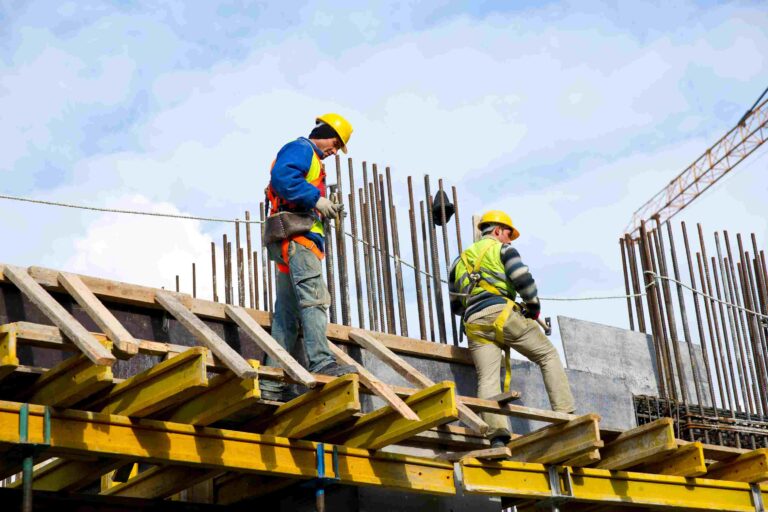
Bad or no steady formwork systems risk people near or above. Falls can hurt workers or damage costly machines like cranes or lifts. These events bring legal problems.
Regulatory Noncompliance Penalties for Substandard Equipment Use
Many places have strict safety rules for building gear. Use of no cert or low formwork can fail checks. This leads to fines or the stop work. It delays the job end.
Why Choose GOWE for Reliable, High-End Formwork Frame Solutions?
Our Commitment to Engineering Excellence in Scaffold Systems
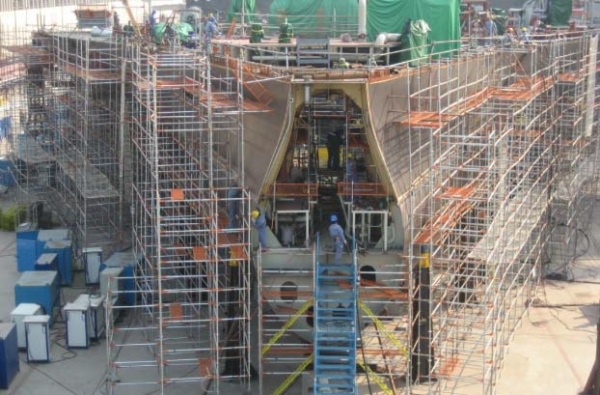
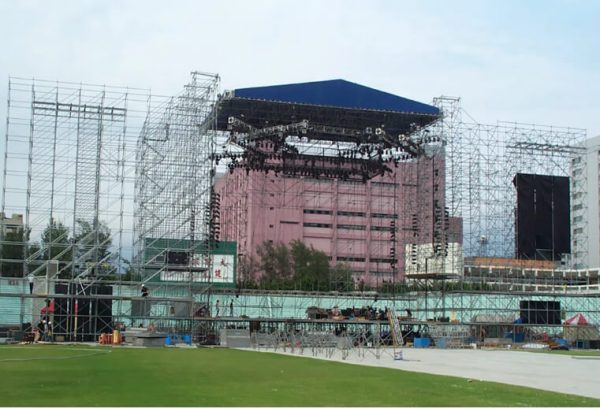
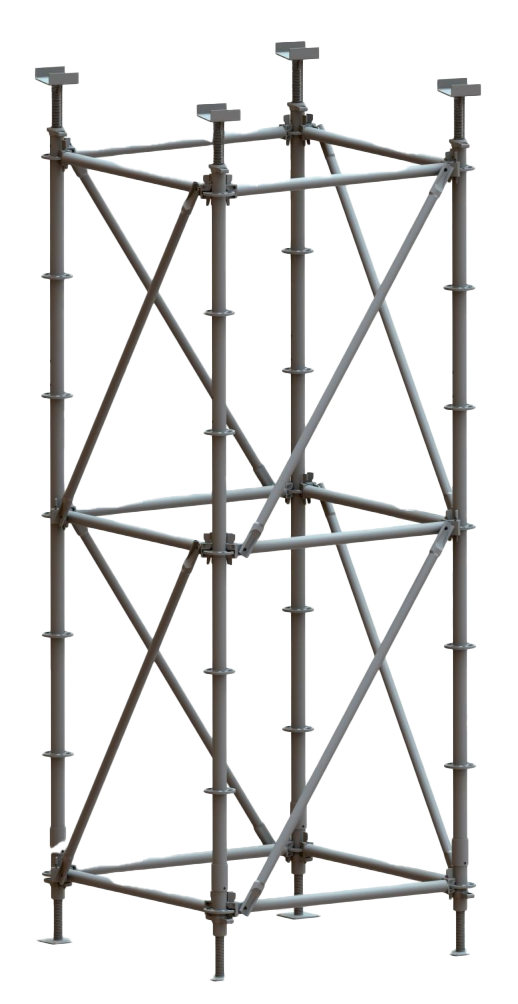
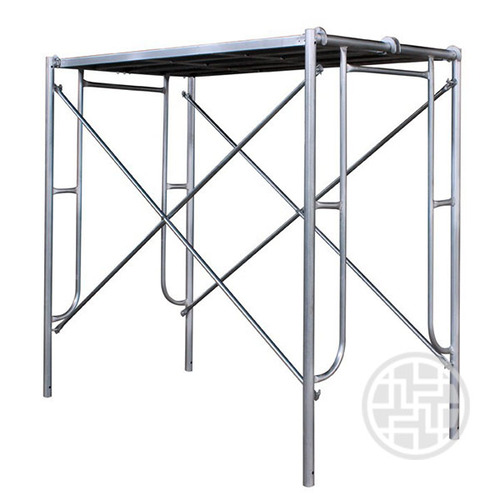
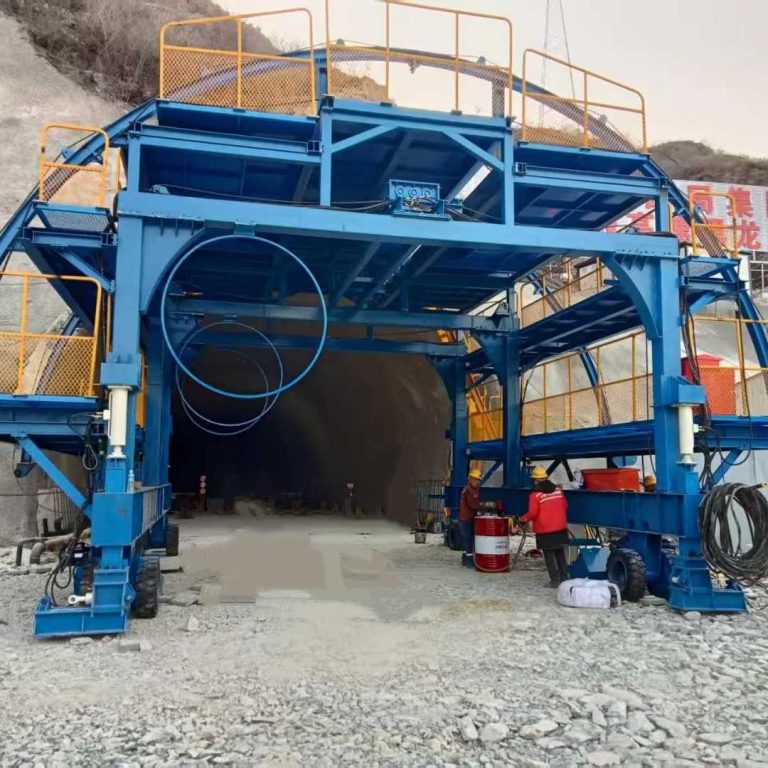
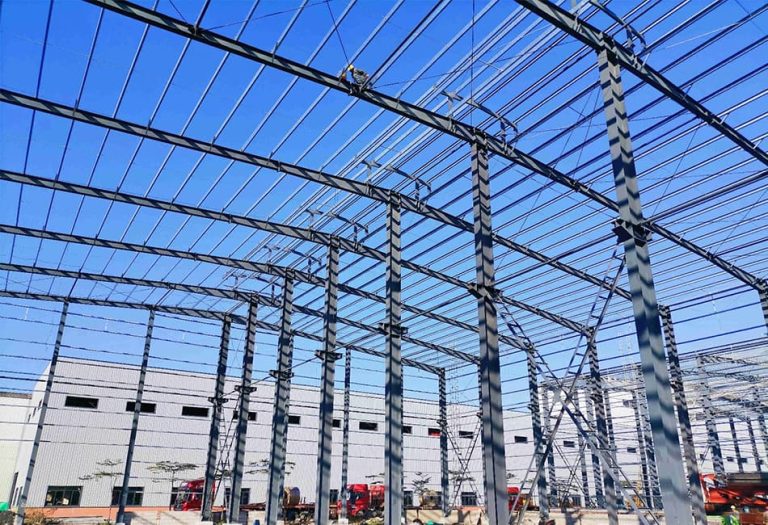
At GOWE, we focus on making scaffold systems and formwork fixes for business build spots where work can not be done. We know every build job needs strong hold builds that take change loads. They are easy to put up.
Key Features of GOWE’s Formwork Frame Products
Reinforced Steel Construction for Maximum Load-Bearing Capacity
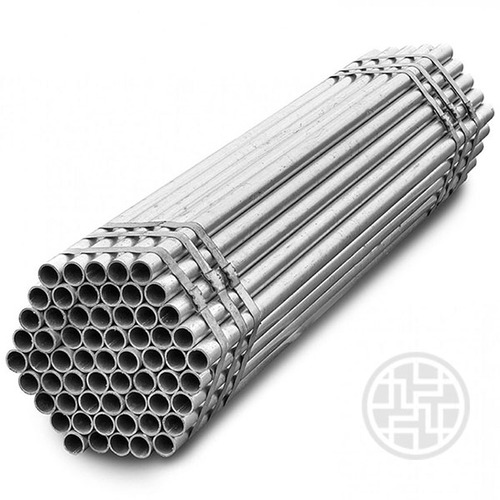
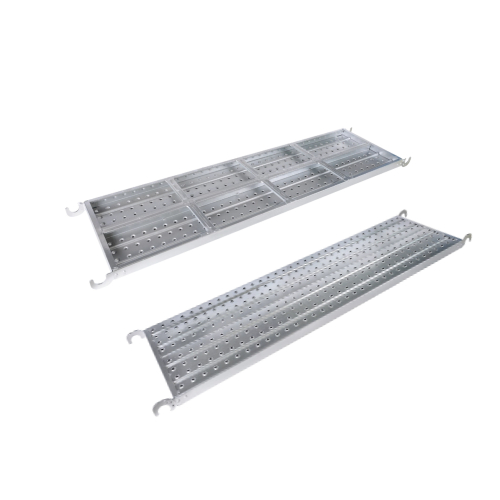
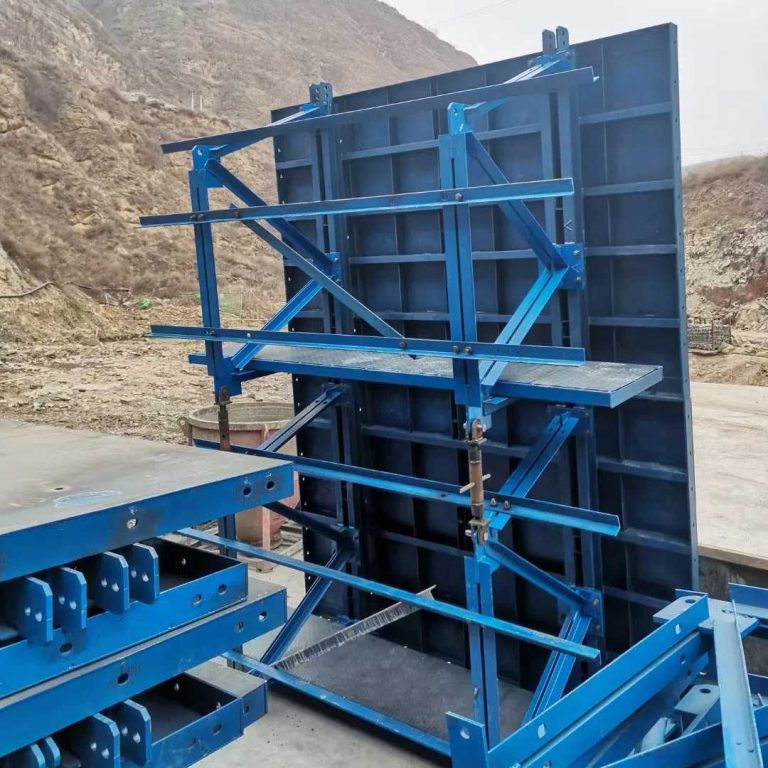
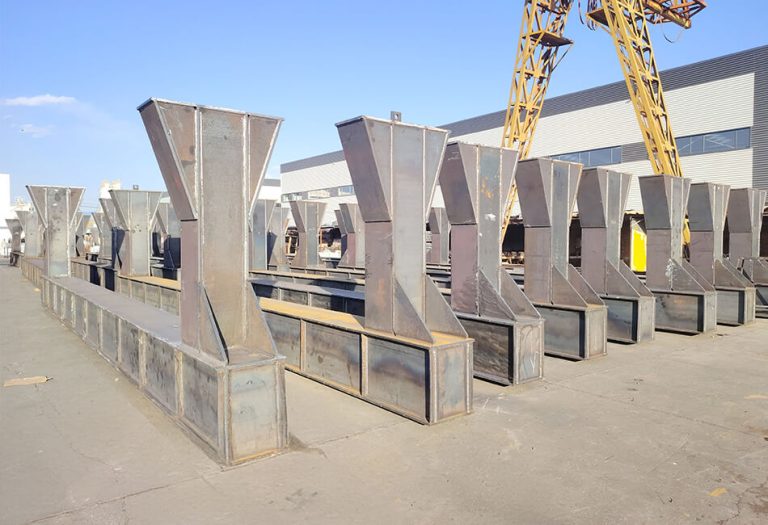
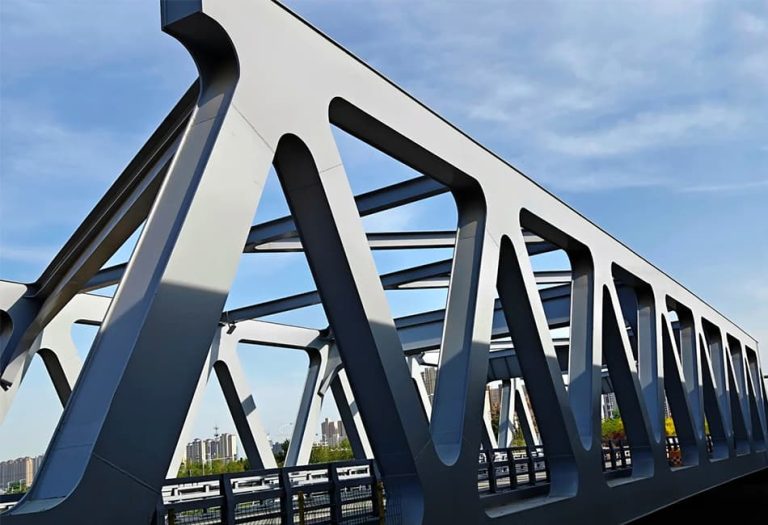
Our formwork frames use high-grade steel materials such as Q355 and Q235 tailored to different structural needs. Each unit is built with precision-welded joints designed for enhanced integrity under high-stress conditions.
Anti-Corrosion Coatings for Extended Outdoor Use
Our frames are treated with industrial-grade coatings that resist rust even in humid or coastal climates. This ensures long-term durability even when used outdoors over multiple project cycles.
Modular Design Optimized for Speedy Assembly
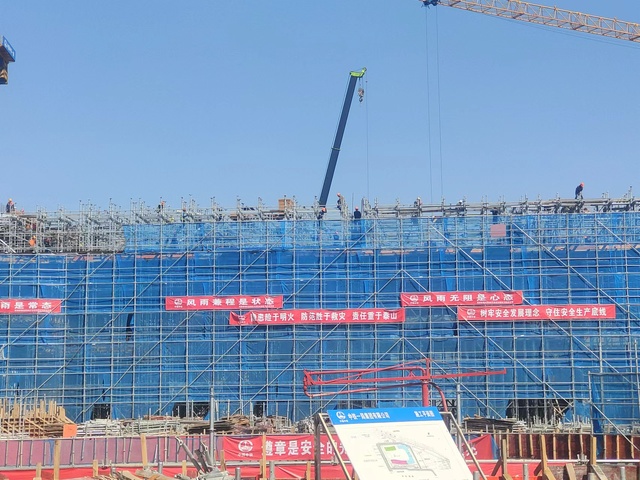
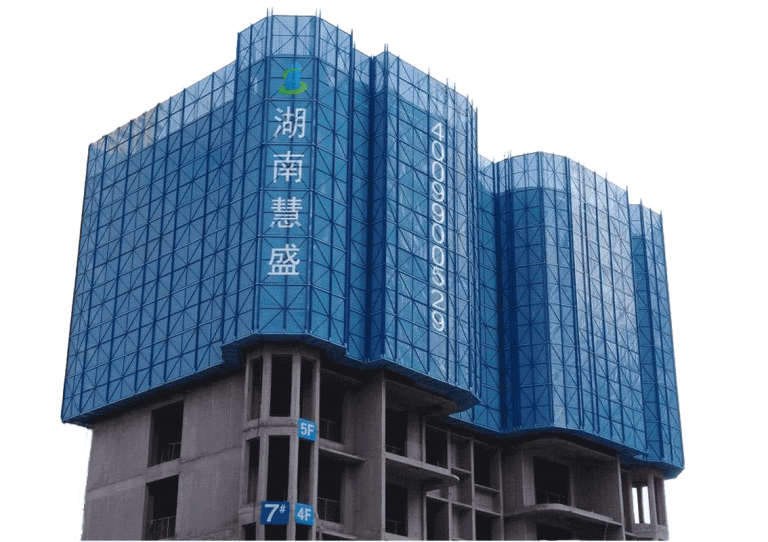
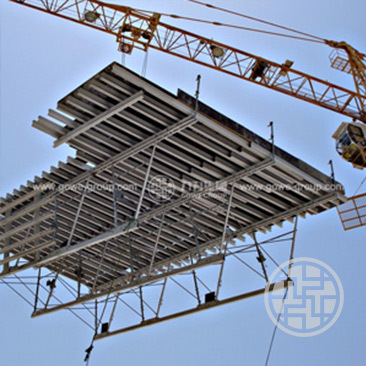
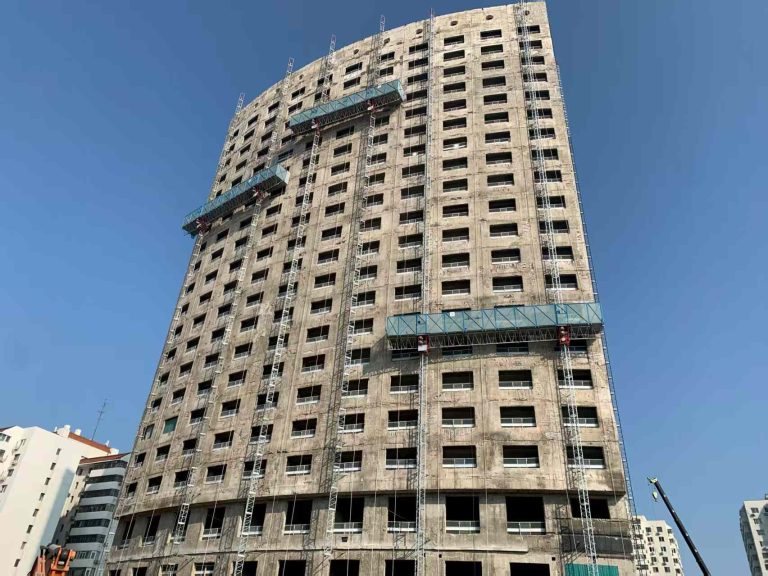
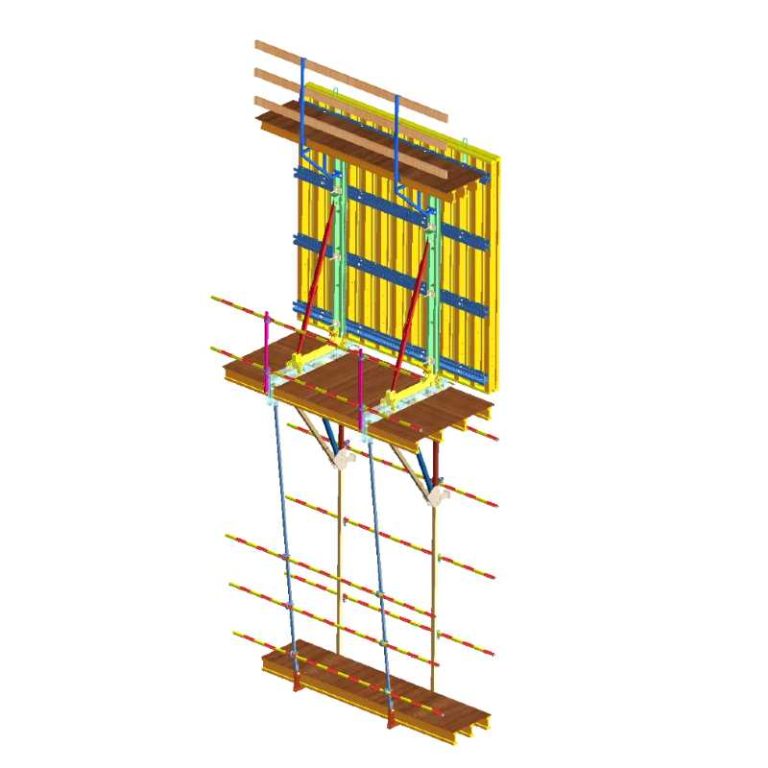
Each unit integrates seamlessly into modular systems that support rapid setup using tower cranes and special lifting equipment. It only needs to be lifted from the next floor to the same position on the previous floor using a tower crane with special lifting equipment and then reused to achieve rapid construction.
Compatibility With Industry Standard Accessories
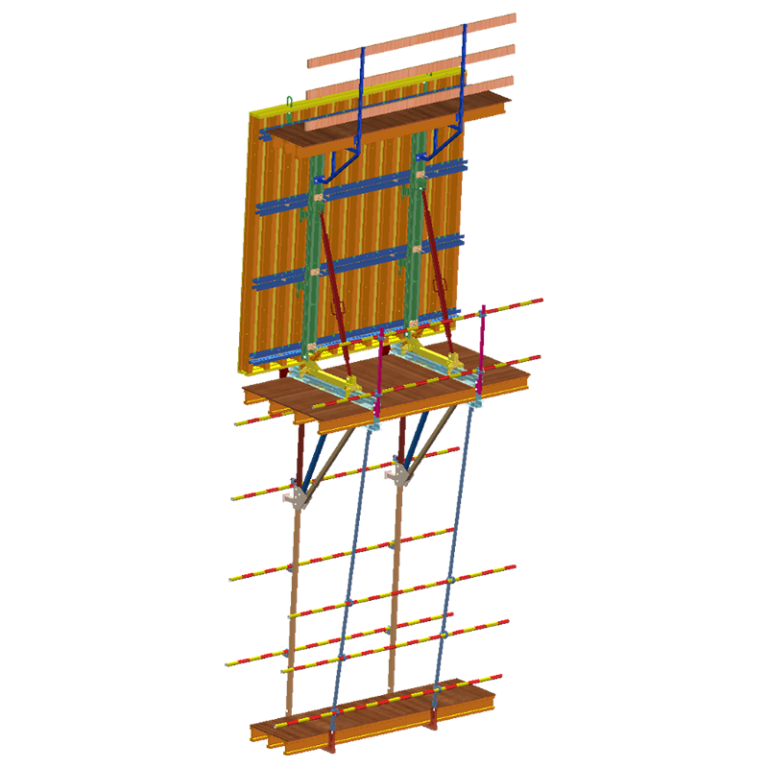
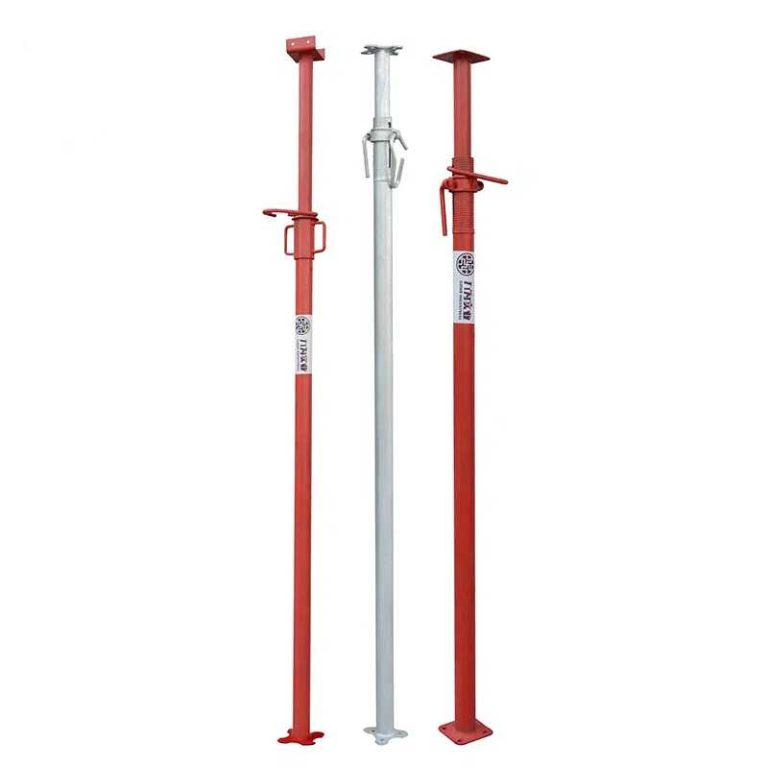
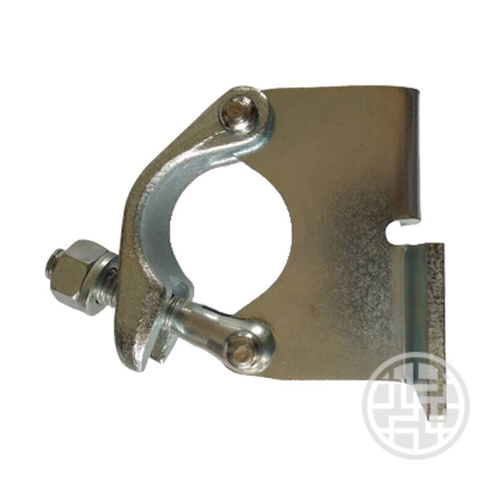
GOWE’s solutions are designed to interface with a wide range of industry-standard accessories, including clamps, connectors, main beams, secondary beams, and support brackets—enabling flexible configurations tailored to each site.
How GOWE Supports Clients With Technical Guidance and After-Sales Service
We give full tech papers, like putting up guides. We also give on-site training for teams new to block systems. Our quick customer help makes sure aid at every step. From plan talk to after putting in the fix.
FAQ
Q: What is the best material for formwork frame durability?
A: Steel is widely regarded as the most durable material due to its high load-bearing capacity and reusability across multiple projects. GOWE’s steel frames are made from Q355 or Q235 materials, depending on structural requirements.
Q: How do I choose between steel and aluminum formwork frames?
A: Choose steel for heavy-duty projects where durability is critical; opt for aluminum when ease of handling and faster assembly are priorities. GOWE offers both types tailored to different project scopes.
Q: Are modular formwork systems worth the investment?
A: Yes. Modular systems reduce labor time during assembly/disassembly and increase reuse cycles—translating into lower lifecycle costs despite higher initial pricing.
Q: What brand offers reliable high-rise building formwork solutions?
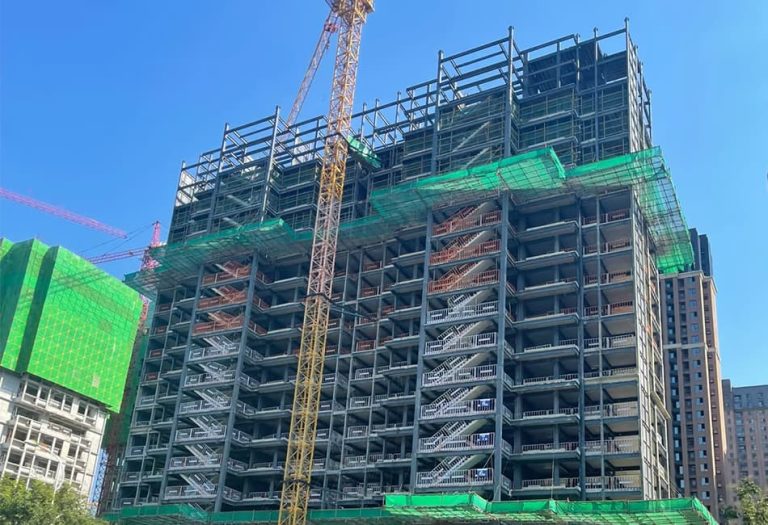
A: GOWE provides high-strength steel scaffolding combined with aluminum beams or aluminum templates, ideal for high-rise concrete structures requiring repeated vertical construction cycles.
Q: How do I avoid safety issues with formwork frames?
A: Ensure all frames comply with local construction codes and are manufactured using certified materials. GOWE offers anti-corrosion-treated steel frames built according to industrial safety standards.