




In the rapidly advancing world of urban construction, site safety is no longer just a “regulatory checkbox”—it is a red line defining the value of human life. The catastrophic fire at Wang Fuk Court (Macro Garden) in Tai Po, Hong Kong, on November 26, 2025, has reignited a global debate: In high-rise construction, are we still sacrificing “scientific industry” for “traditional craft”?
As a global leader in the industrialization of construction equipment, GOWE has been at the forefront of driving the industry’s transition from inefficient, high-risk traditional methods to standardized, high-safety metal scaffolding systems. This article provides a deep dive into the physical, material, and economic advantages of metal scaffolding over traditional bamboo.
1. The Physics of Disaster: The “Stack Effect” in Bamboo Structures
The primary reason fire can engulf multiple 32-story towers in minutes lies in the “Stack Effect” (or Chimney Effect) inherent in bamboo structures.
The Cavity Risk
Bamboo scaffolding, combined with nylon netting, creates a massive vertical air cavity against the building’s facade. When a fire ignites at the base, hot air rises rapidly, creating a powerful convection current that draws in fresh oxygen from the bottom. This “chimney” propels flames upward at an exponential rate.
The GOWE Solution
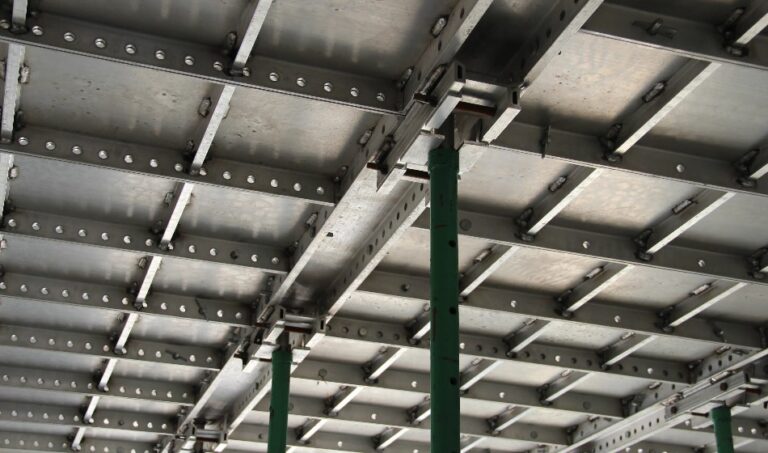
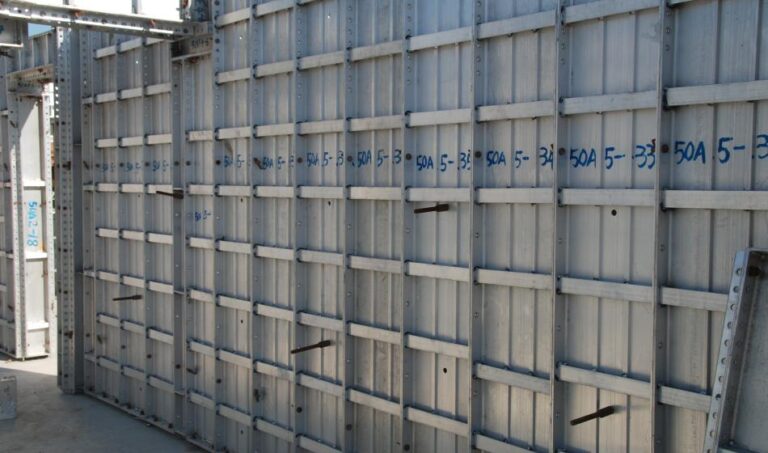
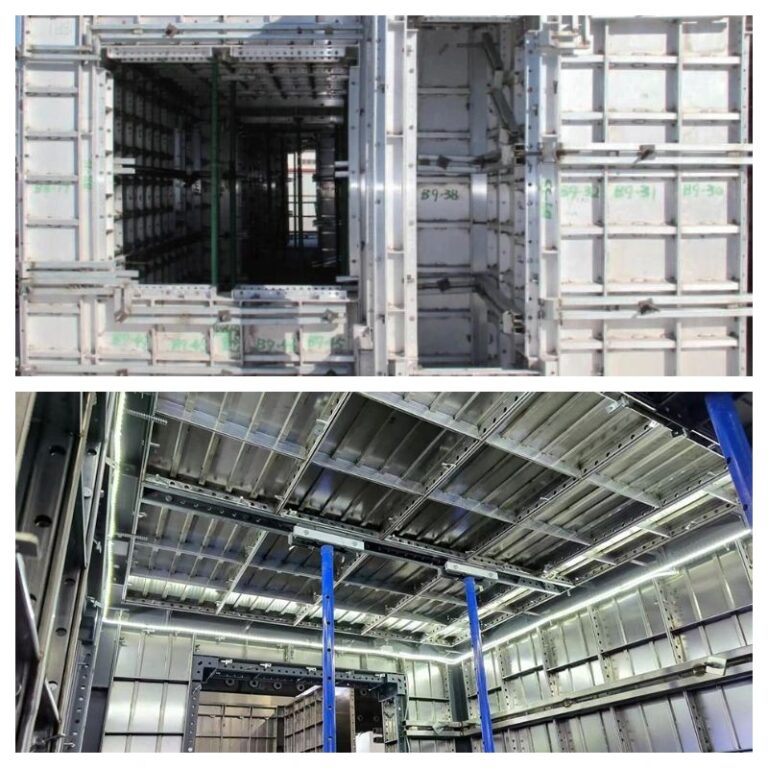
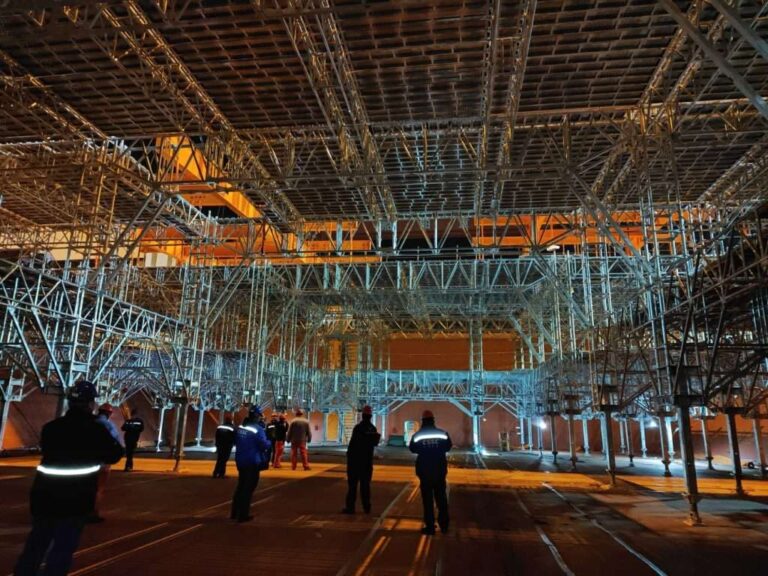
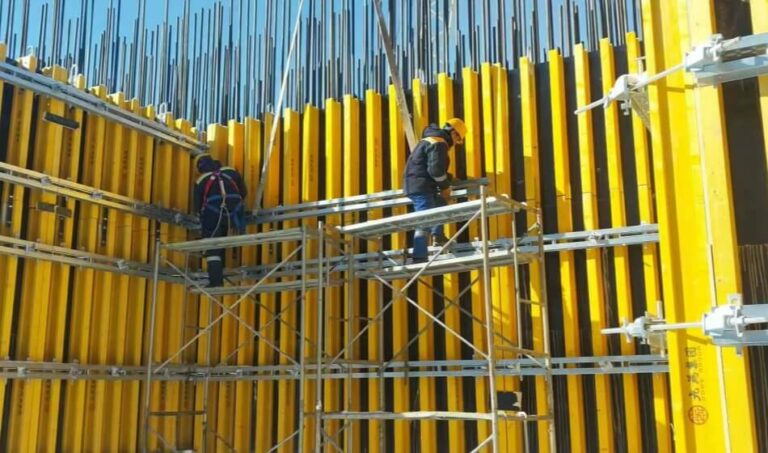
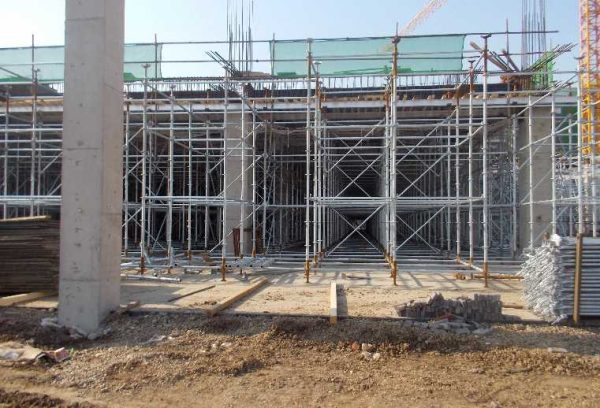
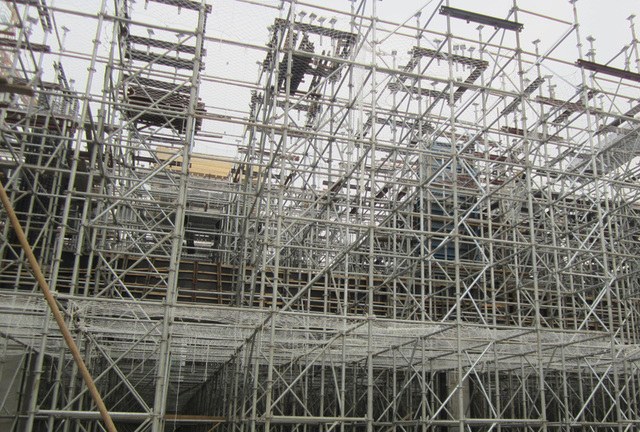
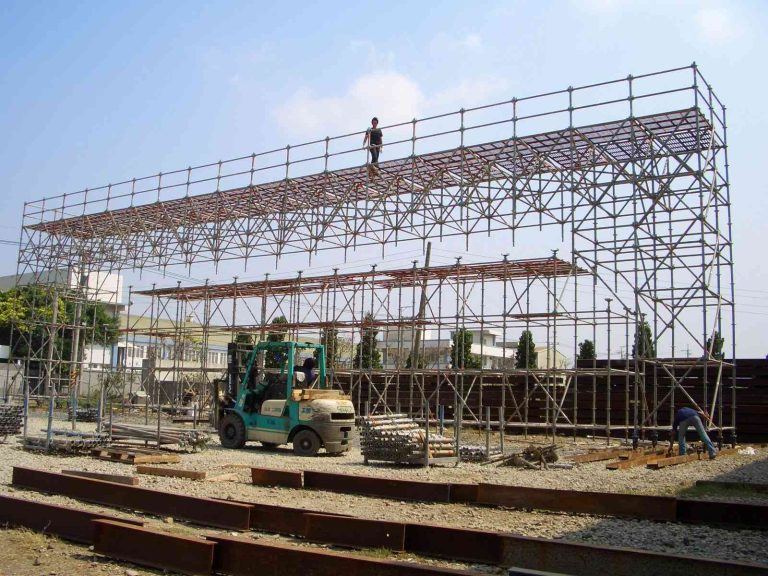
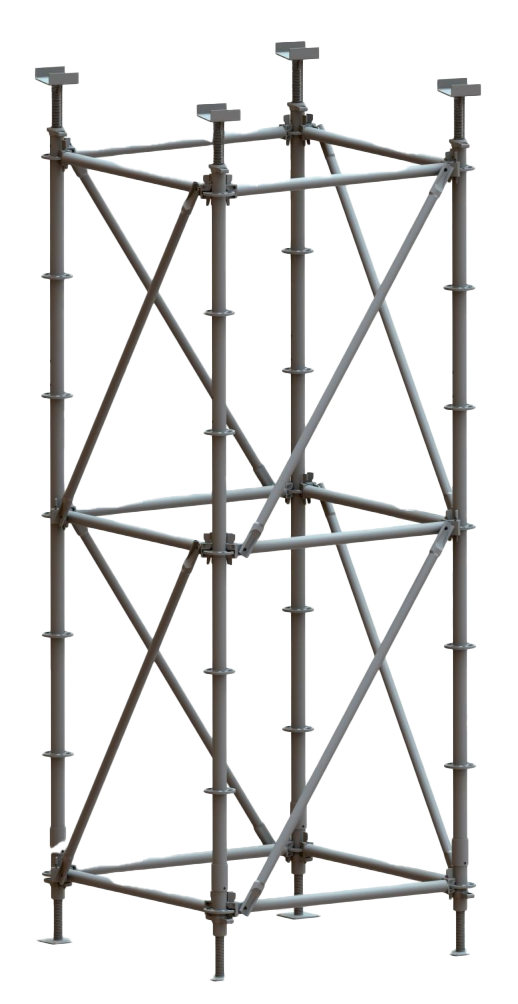
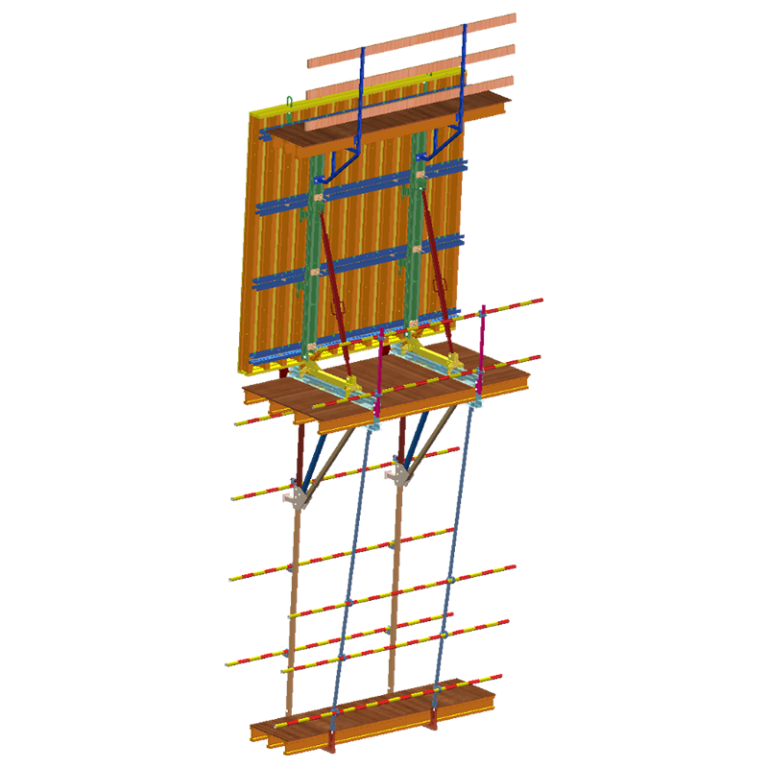
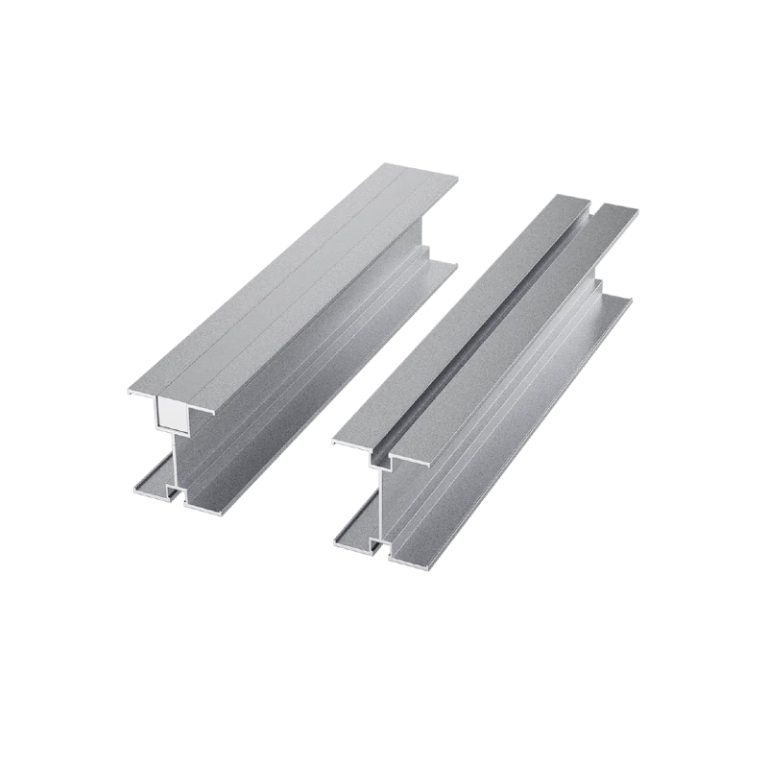
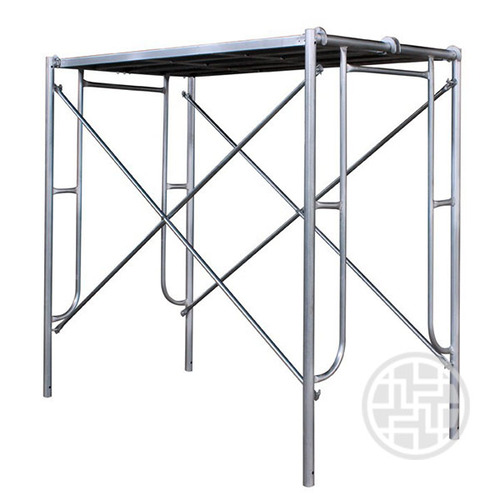
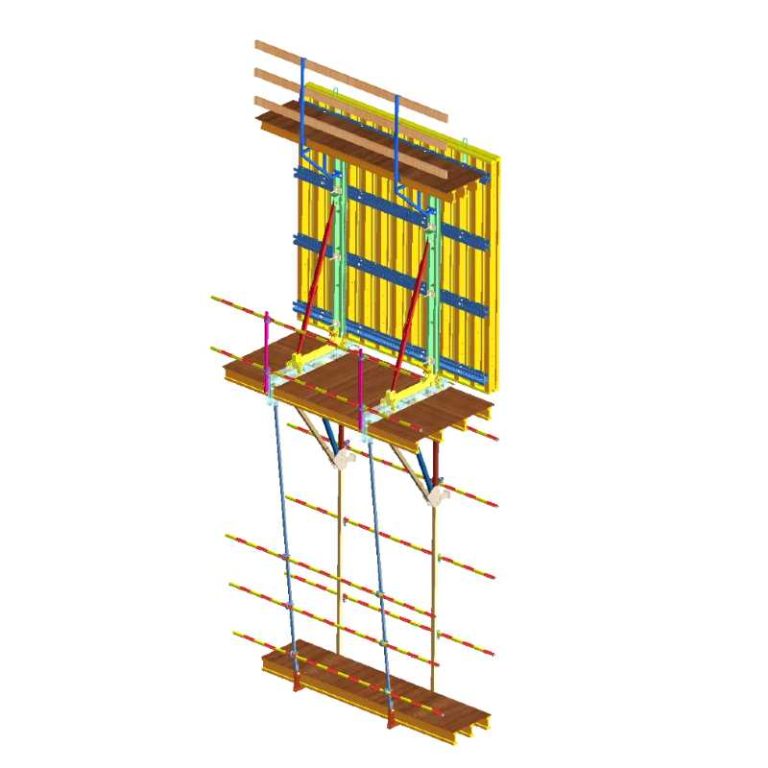
Unlike combustible bamboo, GOWE’s Ringlock and System Scaffolding are built from high-grade steel. Steel is inherently non-combustible. By utilizing GOWE’s standardized metal systems integrated with fire-retardant metal mesh, the structure acts as a physical fire-break. GOWE systems cut off the vertical “fuel path,” preventing the rapid spread of fire across floors.
2. Material Excellence: Non-Combustibility and Structural Stability
Bamboo is a natural fiber. While lightweight, it is essentially high-efficiency “fuel” in a fire environment.
From “Combustible” to “Barrier”
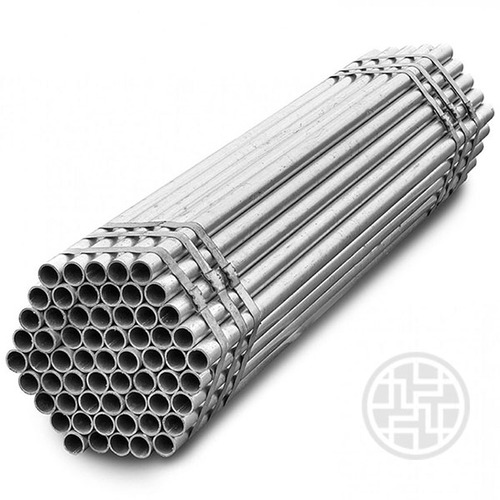
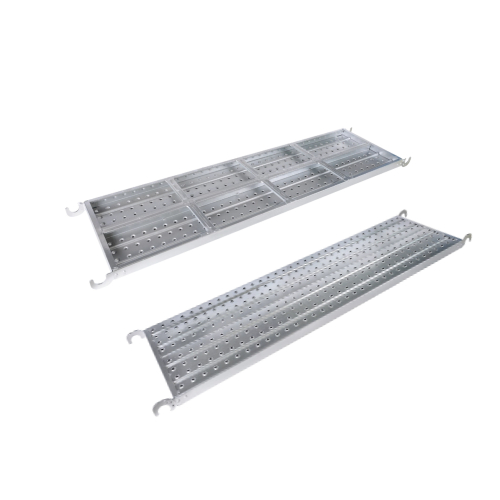
GOWE scaffolding components are manufactured from high-strength steel. This choice of material ensures the structure remains a non-combustible barrier even in extreme heat. The high-quality hot-dip galvanization process provides excellent corrosion resistance, ensuring that the scaffold maintains its structural integrity throughout the project lifecycle.
The Safety Line: Joint Integrity
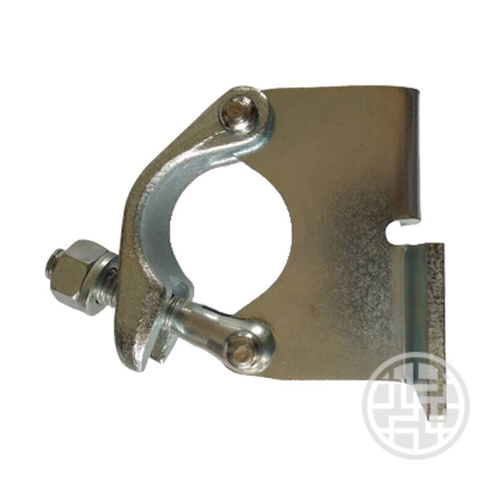
Traditional bamboo scaffolds rely on nylon strips or plastic lashings. In a fire, these melt and snap almost instantly, leading to a total structural collapse. In contrast, GOWE Ringlock systems utilize rigid, self-locking joints. The precision-engineered connection between the rosette and the wedge ensures that the structure maintains its integrity under thermal stress, securing critical time for emergency rescue operations.
3. Hard Data: The 4.6-Ton Load Capacity Standard
In scaffolding engineering, load capacity is the ultimate metric of safety. According to theoretical calculations and rigorous testing by GOWE, metal systems provide a level of structural certainty that natural materials simply cannot match.
-
The Unpredictability of Bamboo: A bamboo pole’s strength is subject to natural variations in diameter, wall thickness, and degradation. Its safety is often a matter of “expert intuition” rather than verified science.
-
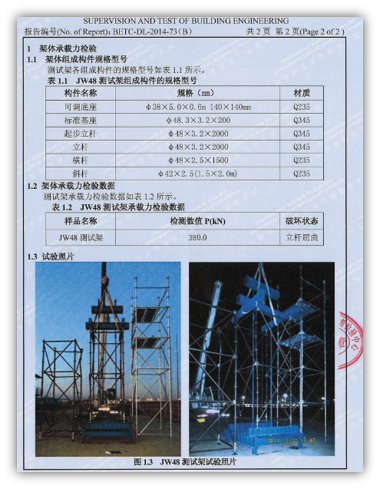
The GOWE Standard: Technical data for GOWE’s 48-series Ringlock Scaffolding demonstrates that, based on a standard 1.5m step distance, a single vertical standard can support a maximum theoretical load of 46kN (approximately 4.6 tons). This level of mathematical precision allows engineers to calculate safety margins with absolute certainty, eliminating the “guesswork” of traditional methods and ensuring the scaffold can withstand the dynamic pressures of high-rise construction.
4. Economic Logic: Initial Cost vs. Total Cost of Ownership (TCO)
The persistent use of bamboo is often defended by its “low cost.” However, professional Total Cost of Ownership (TCO) analysis reveals this to be a cost illusion.
1. Durability and Lifecycle
Bamboo is a short-life, disposable material with zero residual value. GOWE Metal Scaffolding, built with high-grade manufacturing processes, offers a long service life and high steel scrap value, resulting in a significantly lower amortized cost per project.
2. Efficiency in the Industrial Age
As labor costs skyrocket, the modular nature of GOWE systems reduces reliance on specialized manual labor. Standardized assembly allows for faster erection and dismantling, drastically shortening project timelines and reducing risk exposure for both contractors and developers.
Conclusion: Engineering a Safer Future with GOWE
The fires of the past should not just be headlines; they should be the catalyst for reform. In modern cities with extreme high-rise density, “tradition” should no longer serve as a shield for safety risks.
GOWE is committed to redefining “safety under your feet” through hardcore material engineering and standardized industrial processes. From the 4.6-ton theoretical load capacity to high-performance manufacturing standards, GOWE is building the foundation for a zero-tolerance safety culture.
Choosing GOWE is more than choosing a tool; it is choosing an engineering philosophy that puts human life above all else.