
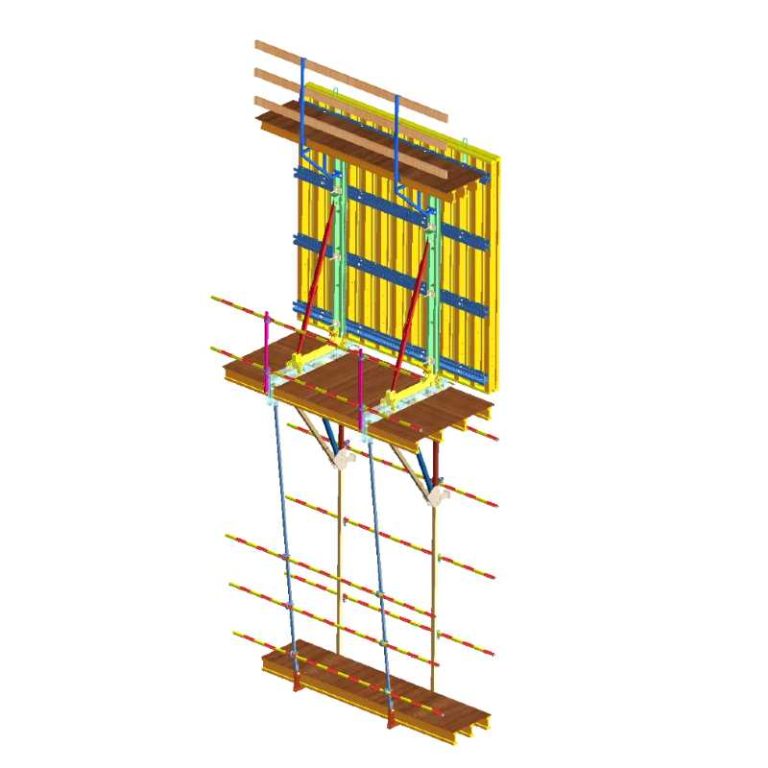
What Makes Aluminium Formwork Systems Stand Out in 2026?
Exploring the Core Benefits of Aluminium Formwork
The construction industry in 2026 continues to shift toward sustainable, efficient, and precision-driven methods. Among these innovations, aluminium formwork systems stand out for their ability to meet modern demands for speed, accuracy, and reusability.
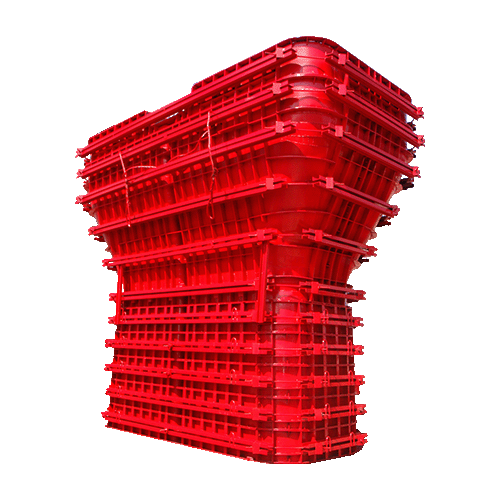
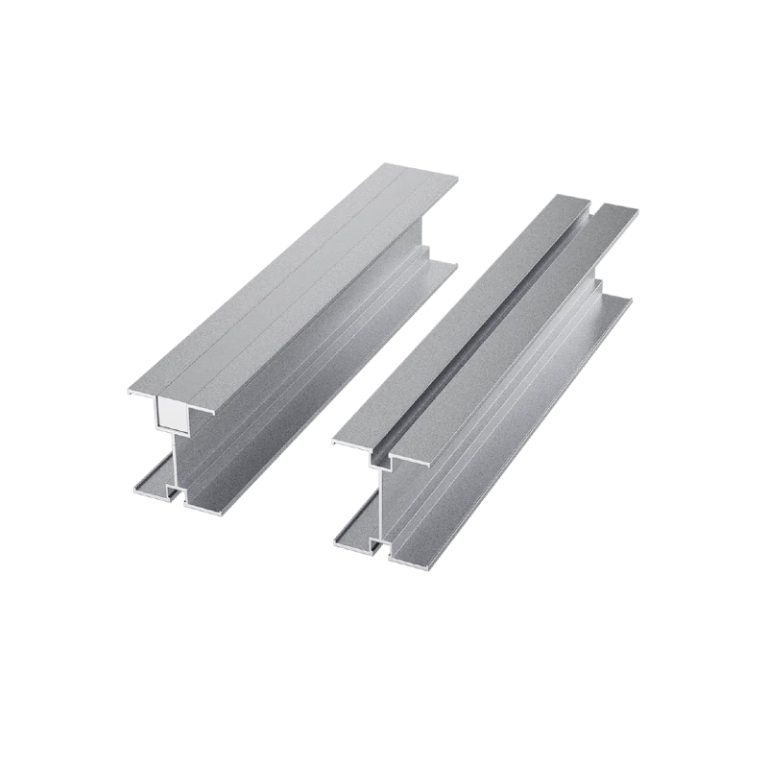
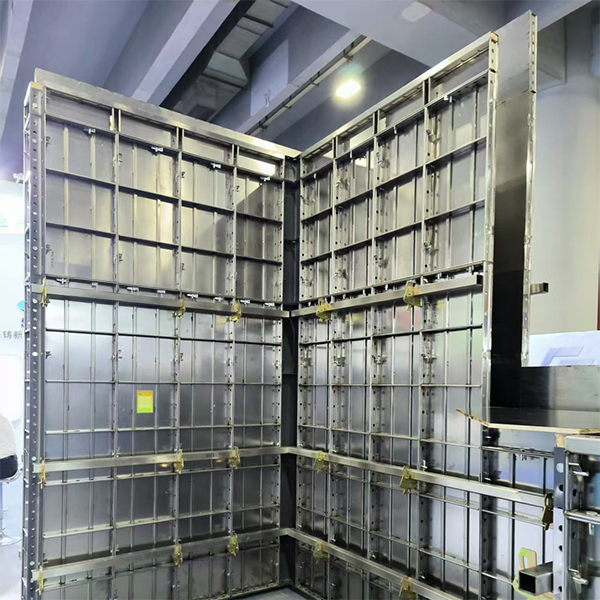
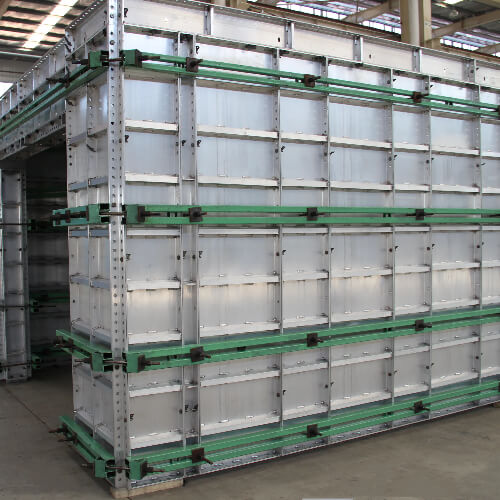
Aluminum formwork acts as a fresh type of building template after timber and steel formwork. It uses an aluminum alloy profile as the key material. Through mechanical processing, welding, and other steps, it forms templates. These suit concrete projects. So, it serves as a better choice for reinforced concrete structures. Here, steady quality and lasting strength matter a lot.
One main power of aluminium formwork comes from its light but tough build.
With strong power and low weight, GOWE Aluminum formwork makes a great pick for building work. It gets high praise from site workers because of its easy-to-move weight and bendable nature. These traits make on-site handling simpler. At the same time, the system holds up against big concrete forces up to 60kN/m².
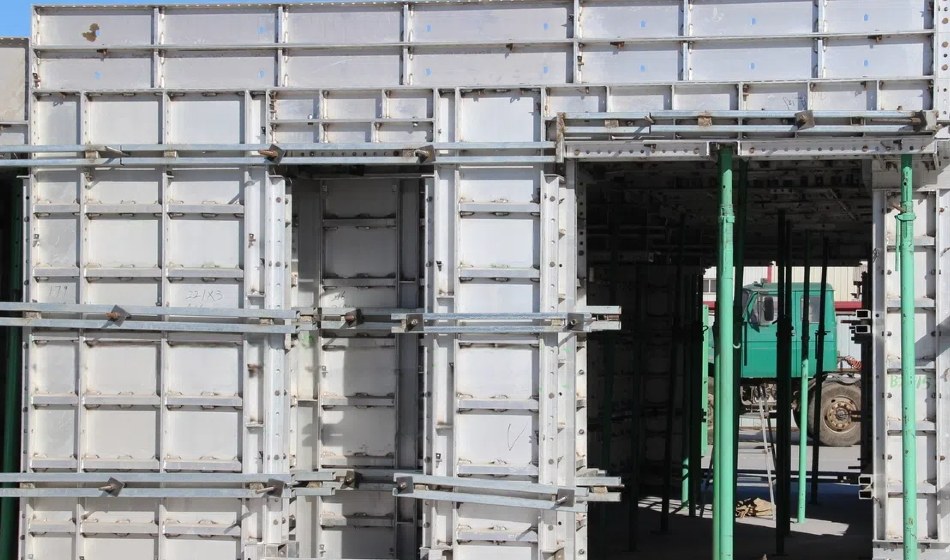
Another key plus is its repeated use.
Built for lasting service, aluminum formwork panels can go through up to 200 uses without losing their worth. This cuts down material trash a great deal when set against old wood or steel choices. Plus, it’s even surface skips the need for plaster work. As a result, it shortens the full building time by almost half.
Quick pace marks another main trait.
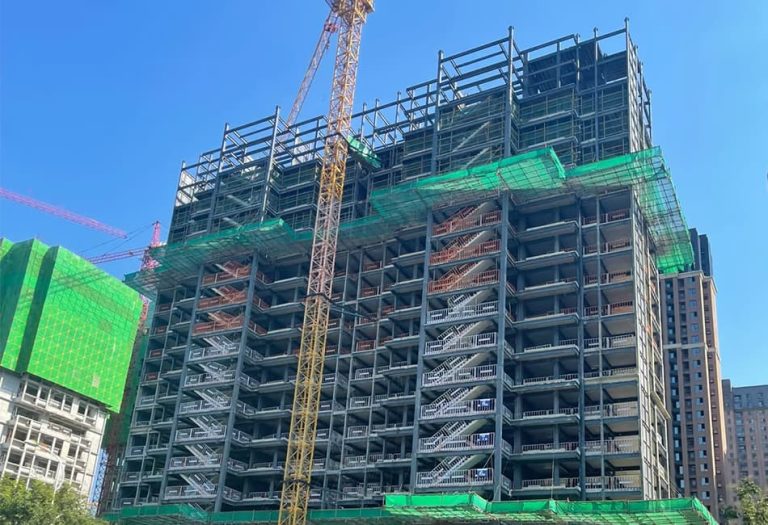
Aluminum formwork systems boost building schedules a lot. They let workers finish one floor in just seven days. The chance to pour walls and slabs at the same time keeps work flowing. It also cuts wait times between steps to very little.
Comparing Aluminium Formwork to Traditional Methods
When set against usual timber or steel formworks, aluminium systems show plain wins in setup speed and worker needs. They work in parts and assemble simply. Because of that, they cut the need for trained hands.
It assembles without cranes or big lifting tools. Even basic workers can learn to set it up well.
Cost efficiency becomes evident over multiple project uses since the same panels can serve numerous cycles without degradation. Over time, this lowers both direct material costs and indirect costs associated with delays or repairs.
From an environmental standpoint, aluminium’s recyclability aligns perfectly with global sustainability goals. By eliminating timber use altogether and reducing waste generation on-site, contractors achieve greener project outcomes while maintaining structural integrity.
How to Choose the Right Aluminium Formwork System for Your Project?
Key Factors to Evaluate When Selecting an Aluminium Formwork System
Picking the best aluminium formwork means grasping the exact project’s wants. These include building height, design trickiness, and time limits.
The aluminum formwork system offers a quick fix for RCC load-bearing and RCC-framed multi-story buildings. Thus, it matters to fit system details with build needs.
Fit with current building ways needs thought too. The system’s exactness lets it blend smoothly with ready-made parts like plumbing or electrical setups.
Because of the tight limits of the cut aluminum parts, the steady shape and surface quality stay the same from floor to floor.
Lasting life counts a lot as well—builders should check rust fight and care needs. These affect full-life costs right away.
Design Strategies for Optimal Use of Aluminium Formwork
Tailoring holds the key to working best across varied building styles.
Each system is made to order for project needs. So, it acts as a bendable and secure choice for different building tasks. For jobs with odd shapes or special plans, custom panel setups ensure both look accuracy and build accuracy.
Integration with digital tools like BIM (Building Information Modeling) enhances planning accuracy by simulating assembly sequences before site deployment. This reduces human error during installation while improving coordination among teams.
What Types of Aluminium Formwork Systems Are Available?
Modular Panel Systems for Standardized Construction Projects
Modular panel systems dominate repetitive housing developments due to their uniformity and simplicity. Their standardized dimensions enable rapid assembly across identical floors or units—ideal for large-scale residential complexes where speed is crucial.
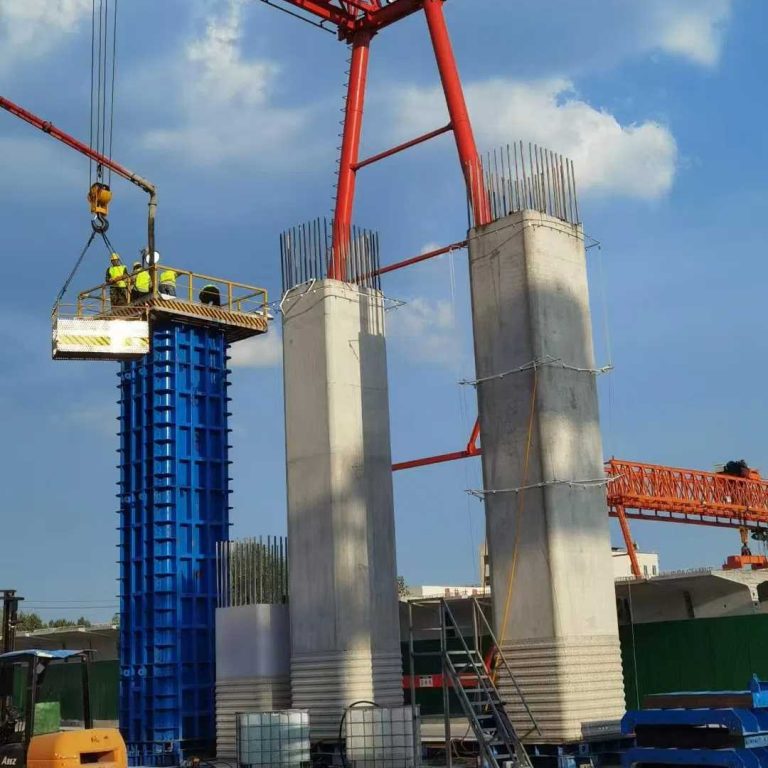
It shapes a full concrete build. This covers walls, floors, beams, columns, staircases, balconies, and more. Such a wide reach keeps sameness throughout multi-story works.
These systems also give good swap ability between jobs with similar plans—this boosts money return even more through use rounds.
Customizable Systems for Complex Architectural Designs
For special builds or mixed-use spots needing detailed work, customizable aluminium formworks give top bend. Panels adjust easily based on bends or non-matching patterns. They do this without losing power or line exactness.
This bend helps free creation. At the same time, it keeps high work under hard site conditions.
How GOWE’s Aluminium Formwork Solutions Address Contractor Needs?
Our Approach to Creating Reliable and Efficient Systems
Precision Engineering and Quality Assurance
At GOWE, we stress firm building rules. We back them with a strong check process. This ensures this at every step.
GOWE runs a tight quality control setup. It covers checks on new materials, during-making checks, end-product checks, before-ship tests, end-product move checks, and every part of transport to the build site. All get a strict watch. This way, our clients get only first-rate materials set for immediate use.
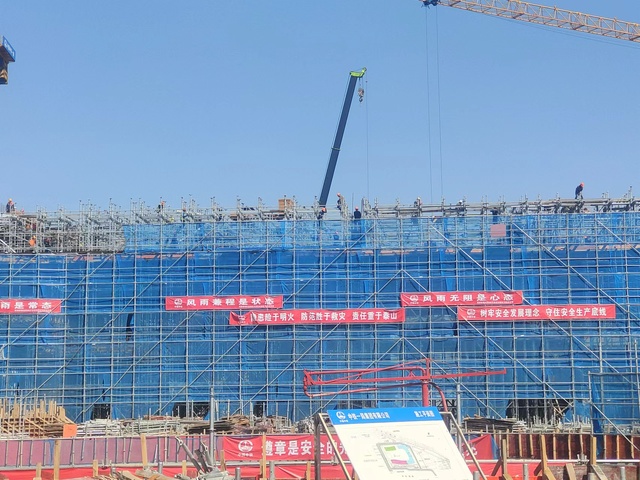
Durability & Reusability Features
Our systems mix long-lasting strength with better reuse chance—able to handle hundreds of rounds without dropping size exactness or surface worth.
Easy Assembly and Installation Processes
We shape our fixes so builders face small learn times in setup.
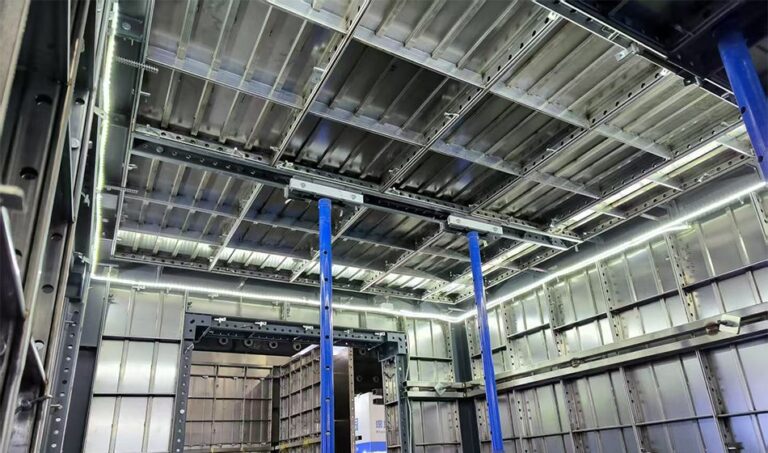
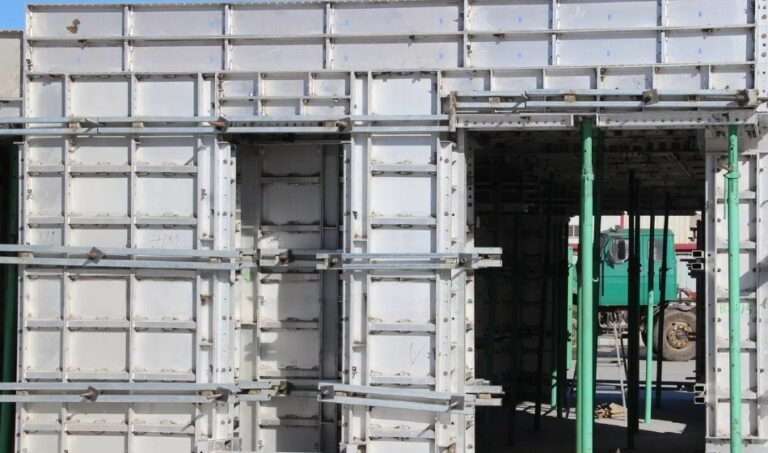
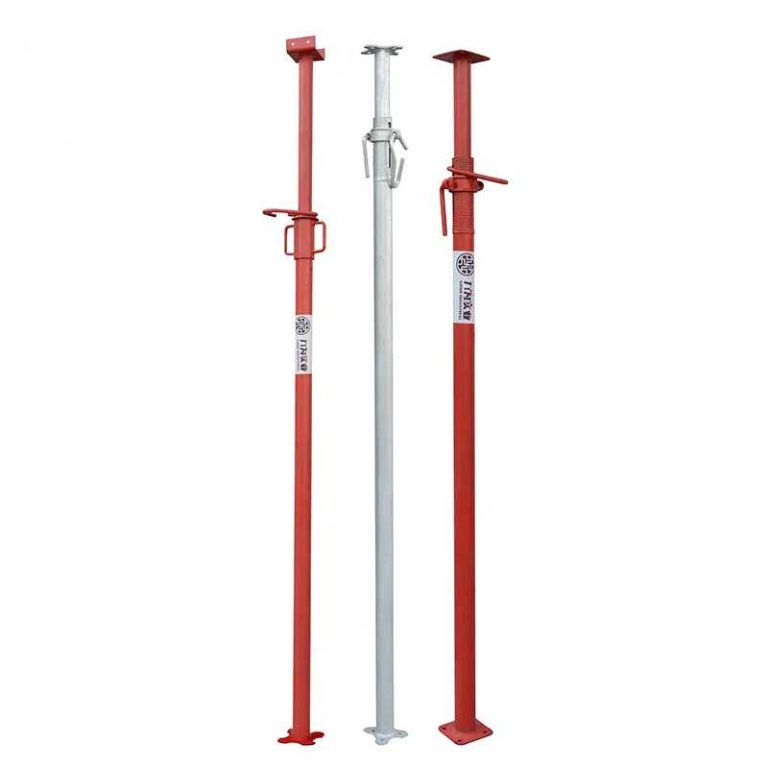
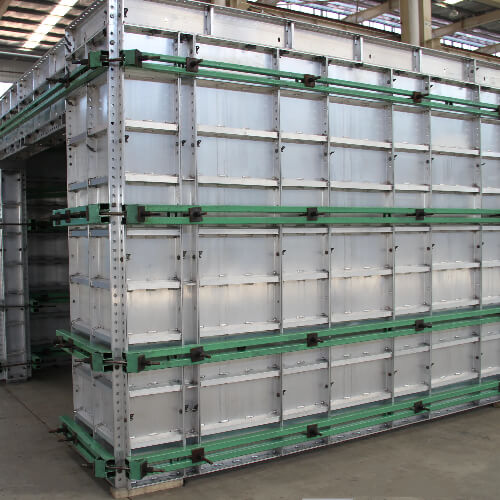
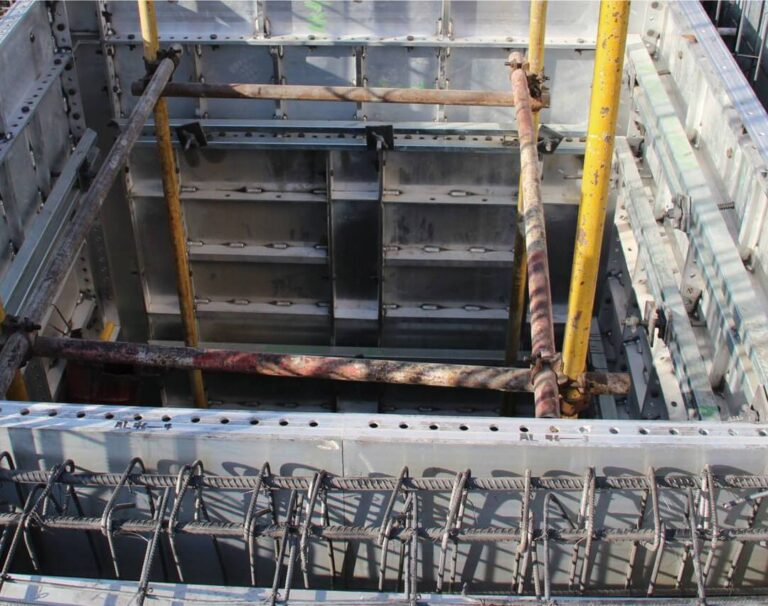
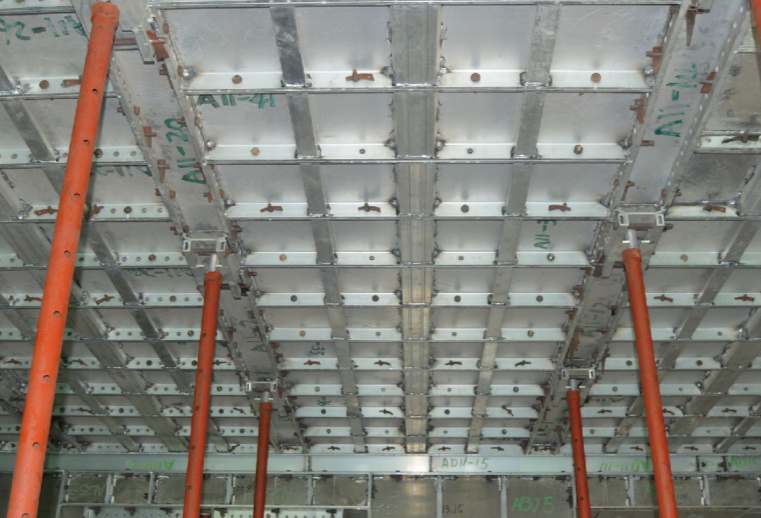
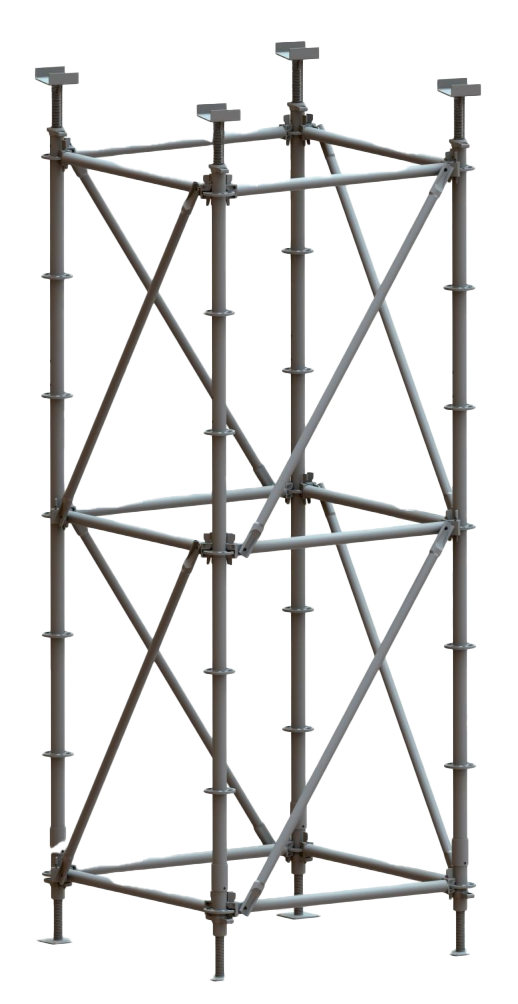
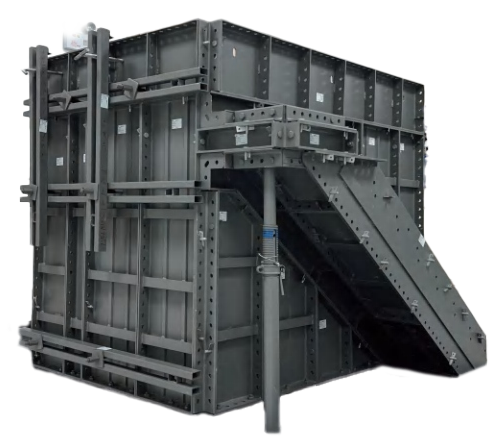
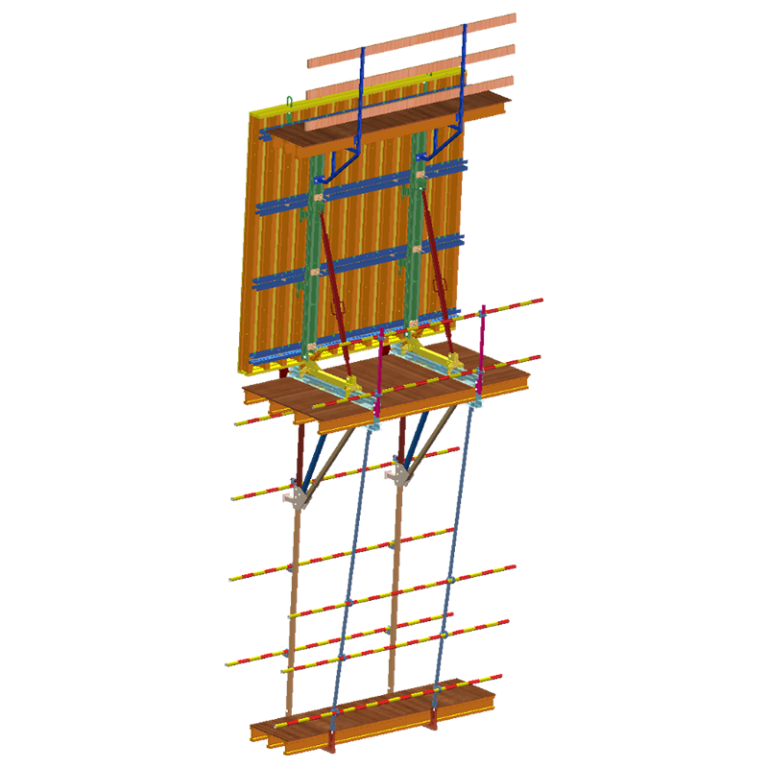
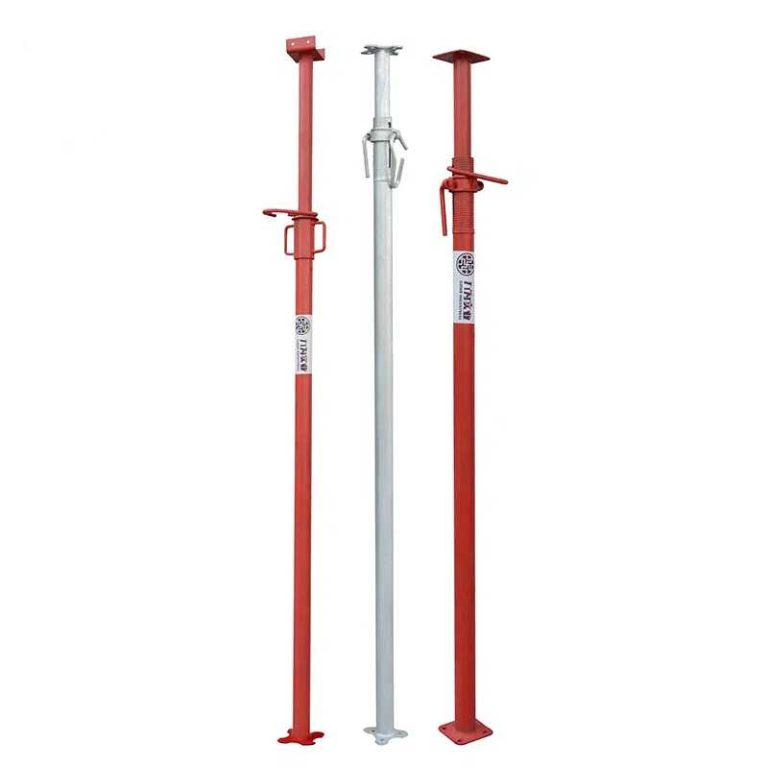
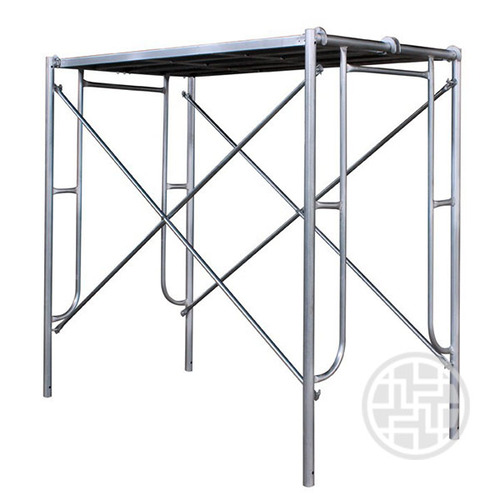
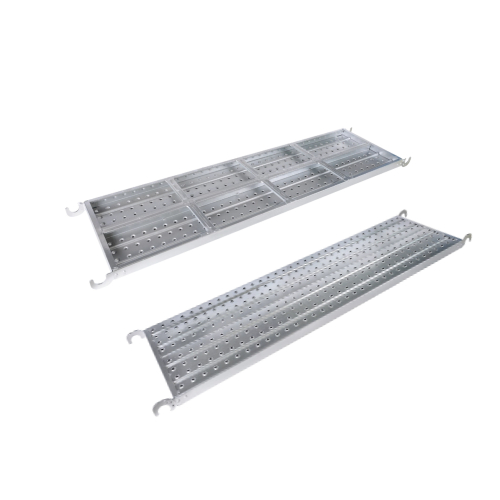
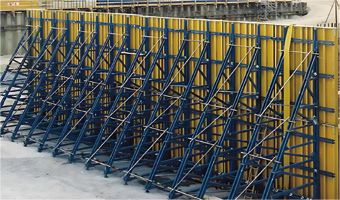
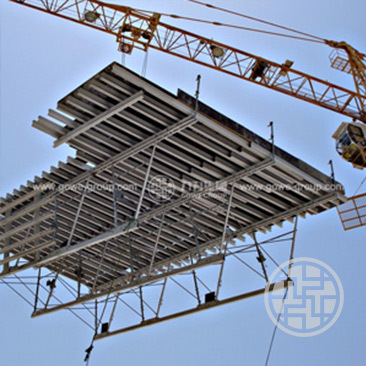
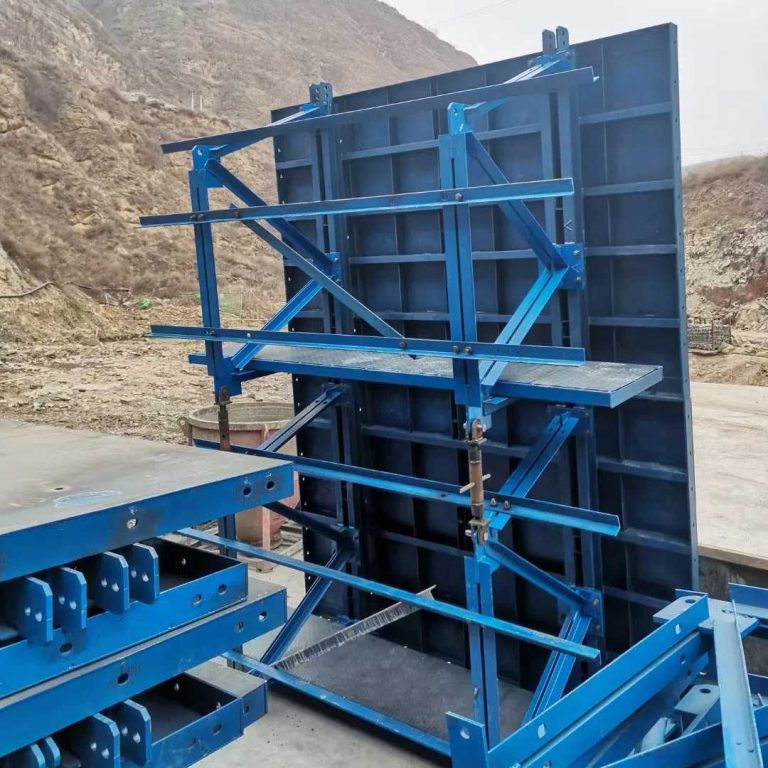
GOWE aluminum formwork system is built from a few separate parts, like Wall formwork, Top formwork, and Prop. Once all the formwork is assembled, concrete is poured and shaped in one step. This one-time shape way makes tasks simpler. It also lifts safety rules across work areas.
How We Help Contractors Enhance Project Efficiency
Speed of Execution Benefits
Our ready-made process makes sure all parts are tested before sending to the site spots.
By a careful plan and custom-made based on building drawings and factory test setup, GOWE cuts all likely issues before transport to the build site. So, builders see quicker turn times once setup starts on-site.
Reduction in Labor Dependency
Our aluminium formworks carry low weight but hold full build loads well—including up walls and side slabs—they cut the need for big machines or top-skilled runners in setup steps.
Comprehensive Logistics & Support Services
We give full-end link work—from making through delivery—to ensure on-time supply line flow. It matches each project’s time plan just right.
FAQ
Q: What are the main advantages of using aluminium formwork?
A: Aluminium formworks offer a high strength-to-weight ratio, exceptional reusability up to 200 cycles, faster build times due to simultaneous wall-slab casting capability, and reduced labor demand through easy assembly design features.
Q: How does aluminium formwork improve construction efficiency?
A: It enables one-floor completion within seven days by allowing simultaneous pouring of slabs and walls while eliminating plastering needs thanks to its smooth finish surface quality.
Q: Is aluminium formwork suitable for complex architectural designs?
A: Yes. Customizable configurations allow adaptation across irregular shapes, ensuring aesthetic precision alongside robust performance under variable load conditions.
Q: How long can an aluminium formwork system last before replacement?
A: With proper maintenance practices observed regularly, these systems sustain optimal functionality over hundreds of reuse cycles, delivering consistent results throughout lifespan duration.
Q: What factors should be considered when choosing an aluminium formwork system?
A: Evaluate project scale complexity, timeline constraints, compatibility, existing building methods, plus lifecycle cost implications, linked to maintenance frequency, corrosion resistance expectations, before final selection decision-making process.