
What Makes Modern Formwork Systems Essential in Today’s Construction Projects?
How Do Formwork Systems Influence Construction Efficiency and Cost?
Formwork has a major impact on the pace and affordability of concrete building work. Experts know that formwork takes up a large share of concrete building expenses. It often uses over 30% of the overall budget. So, improving formwork options can lead to big cost reductions.
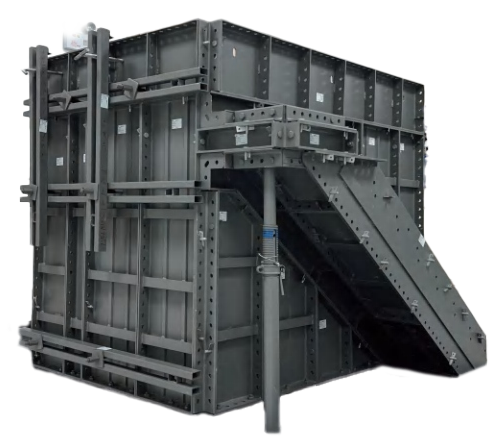
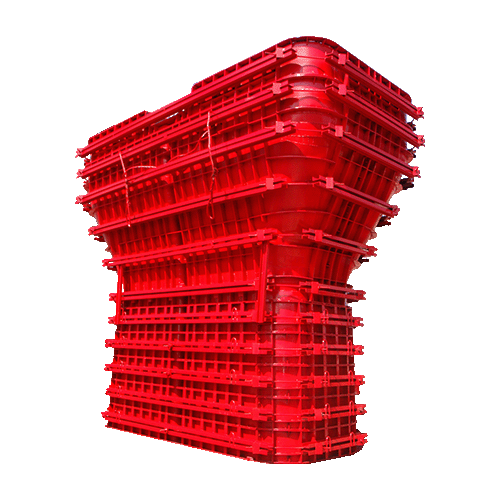
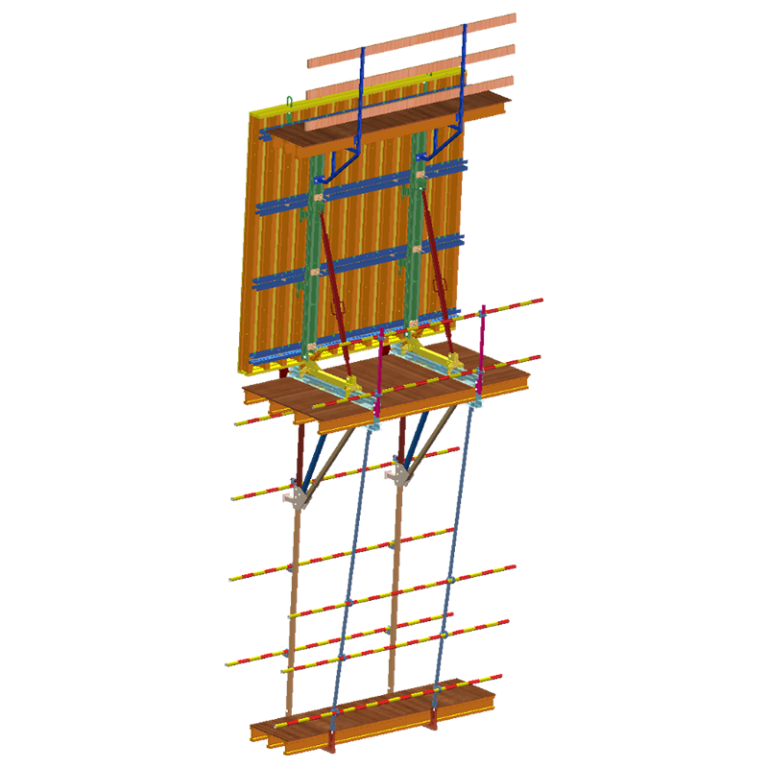
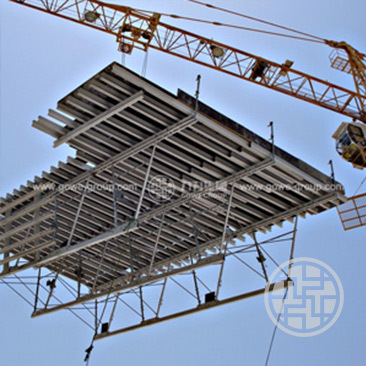
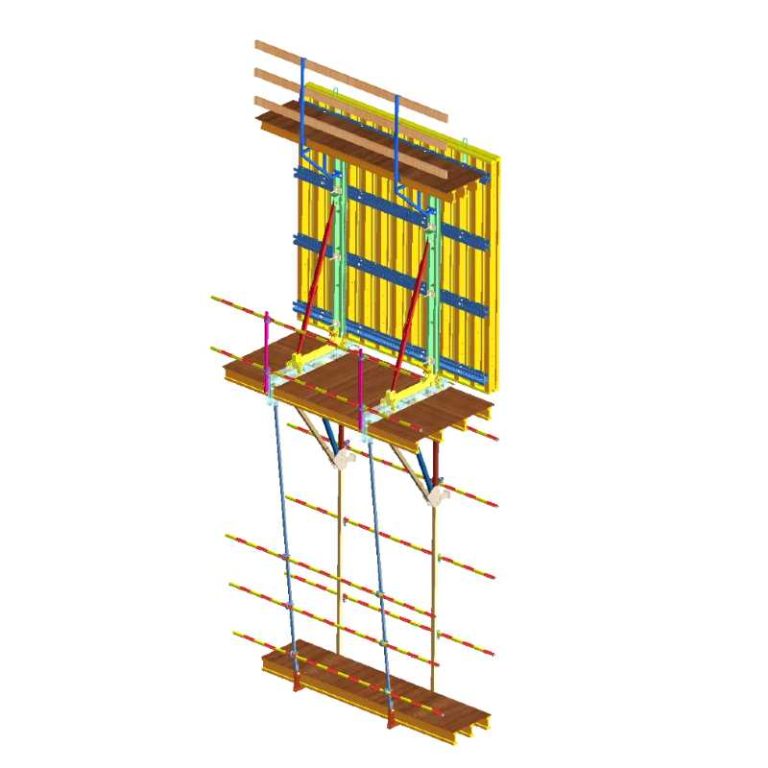
Current systems are built for quick setup and takedown. This greatly shortens building timelines. Options like GOWE’s modular and table formwork skip the need to break down each level. Instead, they use cranes to move them. Workers avoid dismantling every time. They just lift from one layer to the same spot on the next using a tower crane and special slings. Then, they reuse them. This method speeds up the work a lot. It lowers worker time and related expenses.
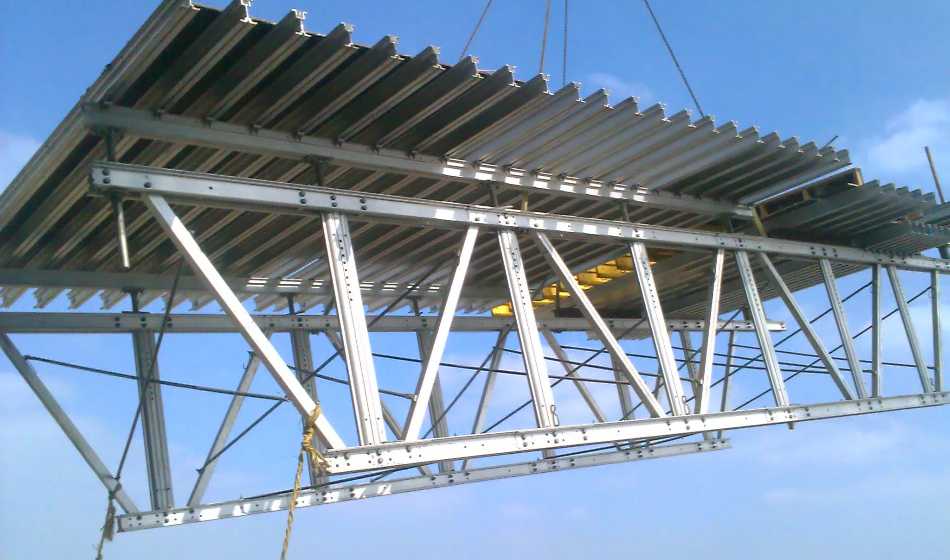
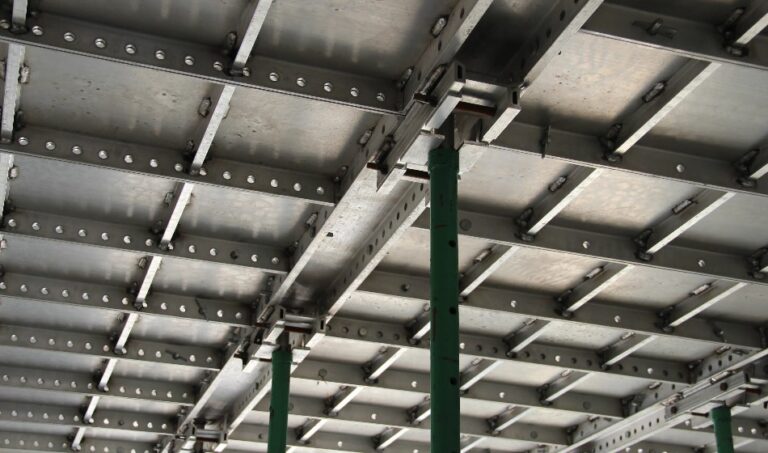
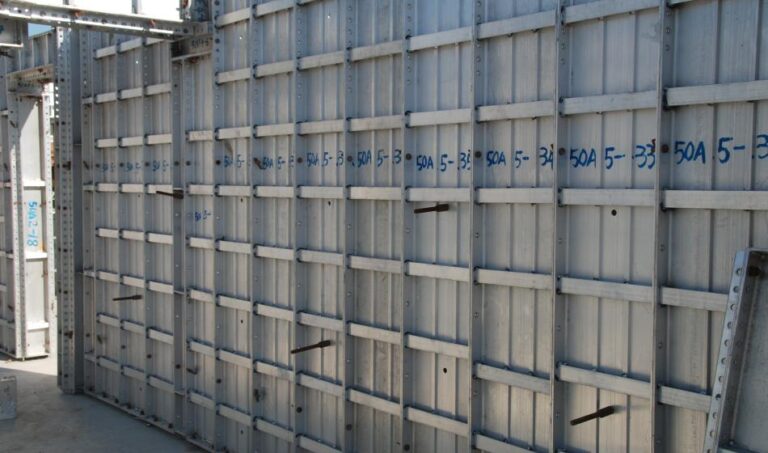
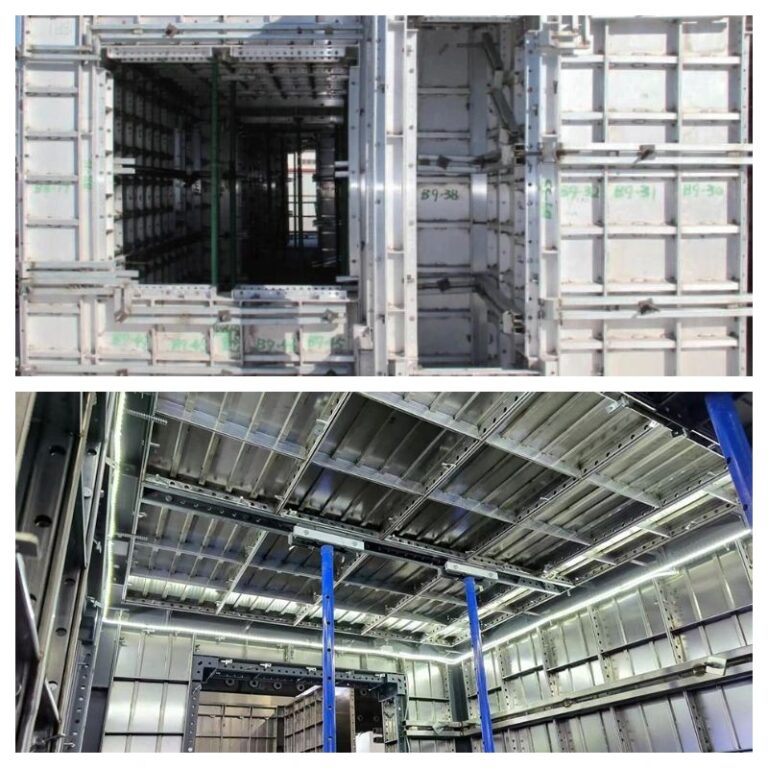
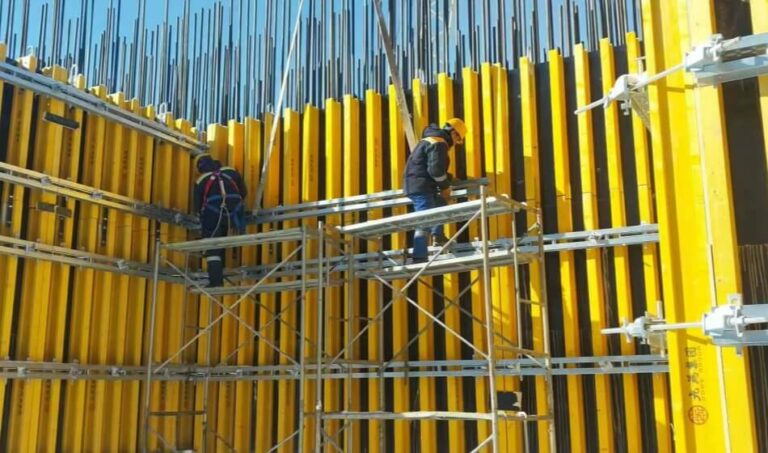
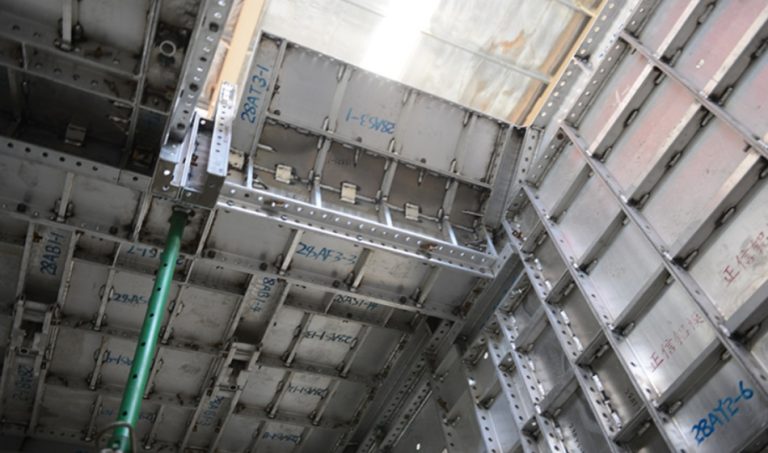
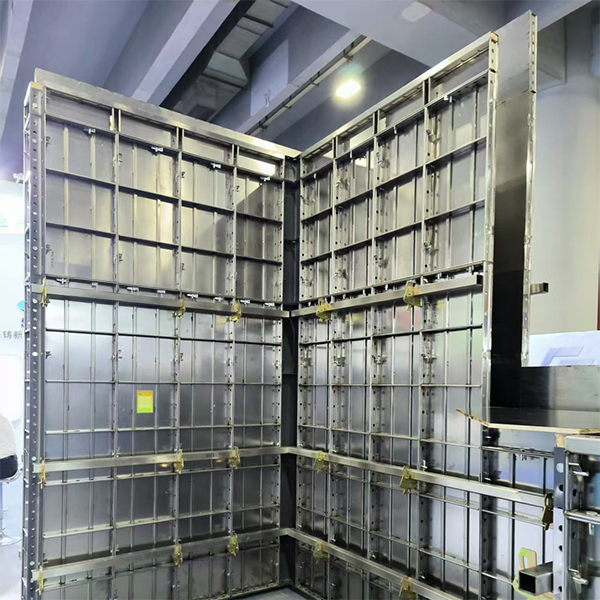
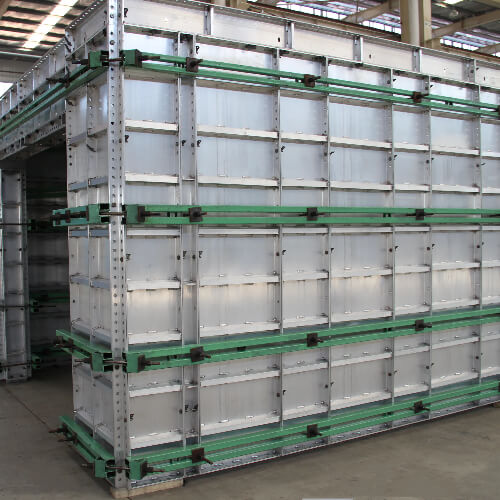
Also, well-made parts cut down on human mistakes and fixes. For instance, the Aluminum formwork system works well for RCC load-bearing and RCC-framed multi-story buildings. It allows casting walls and slabs in one go. Plus, it gives a smooth surface every time. This quality cuts the need for fixes after pouring. As a result, it smooths out later tasks.
What Are the Key Performance Metrics for Evaluating Formwork Solutions?
Builders check several key signs when picking formwork systems. The main one is load-bearing capacity. It can handle 60KN/m’ concrete side pressure. This lets it pour and form both vertical and horizontal parts at once. So, it fits high-rise and infrastructure jobs.
Surface finish quality is equally critical, especially in exposed concrete applications where aesthetics matter. The dimensional accuracy of prefabricated aluminum and plastic components ensures uniformity across floors.
Lifecycle cost depends on how often you can reuse it. GOWE’s reusable plastic formworks can withstand over 50 usage cycles without deformation, ensuring long-term value. Being able to use them with different shapes—like curved walls, overhangs, or multi-level cores—is key too. Modular systems that adjust easily help skip expensive site changes.
Why Is Modular Formwork Gaining Popularity Across Diverse Project Scales?
How Does Modular Formwork Adapt to Complex Architectural Requirements?
Today’s buildings get more intricate. This calls for adaptable building tools. Modular formwork gives that flexibility with standard but swappable parts. GOWE designs them carefully and makes them to order based on building plans. They test assemble in the factory. This fixes any issues before shipping to the site. As a result, it boosts building speed and precision greatly.
This adaptability allows modular panels to be quickly reconfigured for different floor plans, wall heights, or structural elements. Instead of fabricating bespoke solutions for each variation, contractors can leverage a core set of panels to accommodate multiple configurations. This reduces engineering hours and fabrication costs while improving logistics.
Additionally, modularity supports vertical integration across trades. Electrical conduits, plumbing sleeves, and HVAC penetrations can be coordinated in advance using BIM tools to ensure that formwork systems align with MEP layouts.
What Are the Benefits of Prefabricated Modular Systems in Urban Projects?
City building sites face special hurdles. Space is tight, and deadlines are short. Ready-made modular formwork systems handle these well. They cut the need for on-site workers and speed up schedules.
The tight fits of cut aluminum parts keep shapes and surface quality steady floor by floor. This steadiness is vital in crowded spots. There, fixes cost a lot and cause issues.
Plus, standard modules boost safety. They lower mistakes during setup. Lighter stuff like aluminum eases worker tiredness and improves handling. Making panels away from the site while prepping bases at the same time makes better use of resources. It also shortens key steps.
How Are Sustainable Materials Transforming the Future of Formwork Design?
What Role Do Recycled and Composite Materials Play in Eco-Friendly Formwork?
Being eco-friendly now guides choices for formwork materials. Old wooden formworks give way to plastic and aluminum choices. These last longer and harm the environment less.
Aluminum formwork is the next step after timber and steel formwork. It offers a green option with great recycling. High-strength plastic formworks from reusable polymers cut the use of new materials too. Manufactured from recyclable polymers, our products help clients meet green building goals.
Composite materials mix toughness with green benefits. They stretch the life of each part. They also cut repair needs. Their lower weight lowers transport pollution and site risks.
How Does Reusability Contribute to Green Building Certifications?
Reusability saves money. It also fits green rating systems like LEED or BREEAM. High-cycle formworks align with LEED and BREEAM criteria, helping developers earn valuable sustainability points.
Less waste from materials aids circular building aims. It shrinks what goes to landfills. Over time, tough reusable materials can lower the built-in carbon in projects by a lot.
Also, cost models over time prefer green options. They save on work, waste removal, and buying cycles in the long run. This makes green choices right both morally and financially.
Which Technological Innovations Are Disrupting Traditional Formwork Methods?
How Is Automation Redefining Labor Requirements in Formwork Assembly?
Automation changes how labor works in building. It cuts reliance on manual labor. Robot systems now manage routine jobs like panel lining up or scaffold setup. They do it faster and more accurately.
Automated vibration techniques improve concrete compaction within forms, enhancing the final product’s density and surface quality while eliminating inconsistencies caused by manual work. This shift not only boosts productivity but also strengthens safety standards by minimizing human intervention in hazardous zones.
GOWE pairs automation with well-made parts for easy-lock setup. This shortens training for teams new to tech. It keeps alignment right across builds.
What Is the Impact of Smart Sensors and Digital Monitoring in Concrete Casting?
Smart sensors built into formwork bring real-time checks during concrete pouring. These tools watch heat changes, inner pressure, and curing steps all the time.
Such data allows for predictive maintenance of formwork systems by identifying stress points before failure occurs—improving asset management over time. Furthermore, it empowers project managers to make evidence-based decisions that enhance quality control across phases.
At GOWE, our smart accessories have slots ready for sensor links. This allows real-time watch integration. Paired with BIM-ready models and digital aids, our setup supports deep analysis at every building stage.
How Does GOWE Solve Critical Challenges with Its Advanced Formwork Solutions?
What Makes GOWE’s Modular Systems Ideal for Complex Construction Needs?
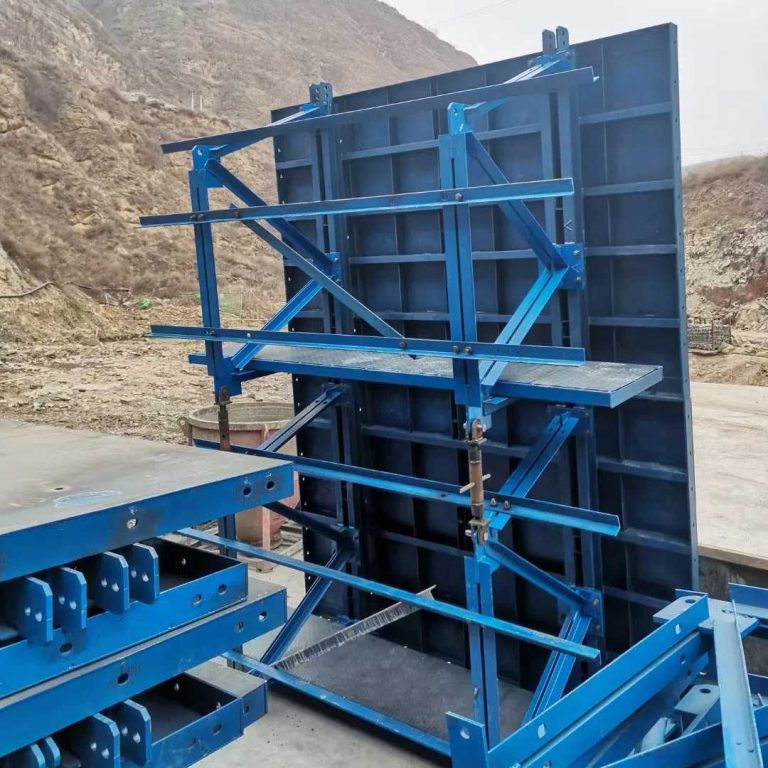
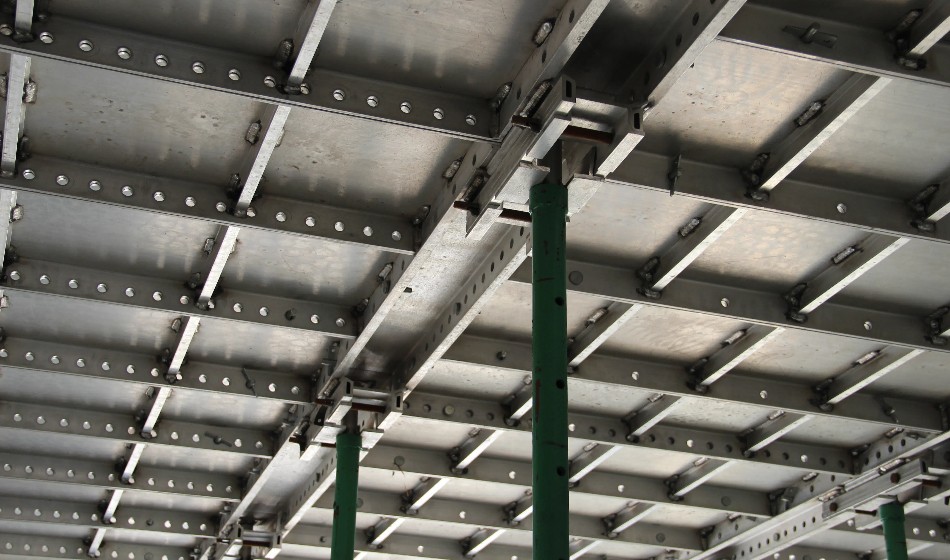
We offer full solutions fit for tough building demands in various fields. We supply high-strength plastic modular panels. They adjust to vertical and horizontal builds. Quick-lock tech backs them. It eases setup while keeping size true.
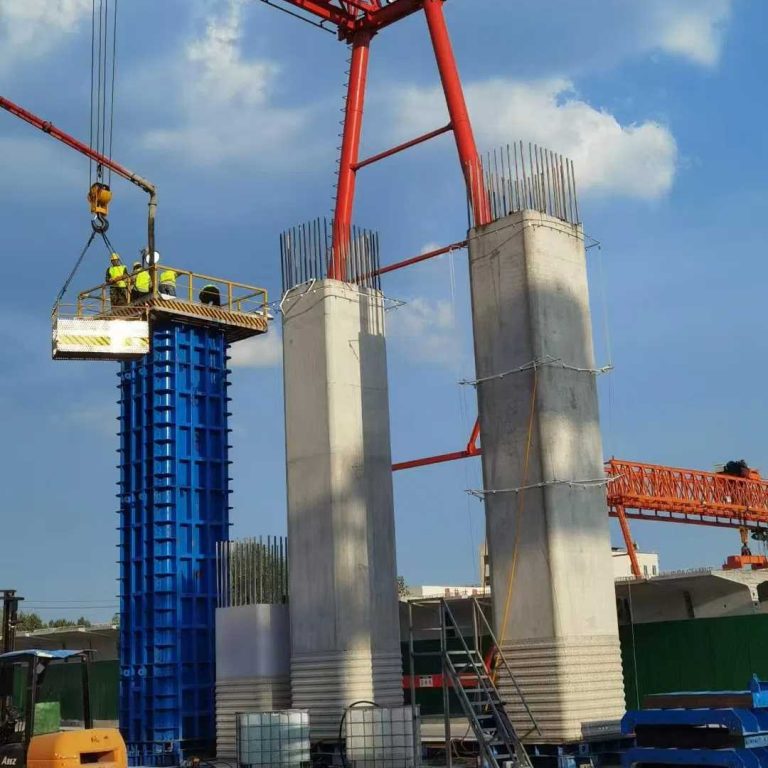
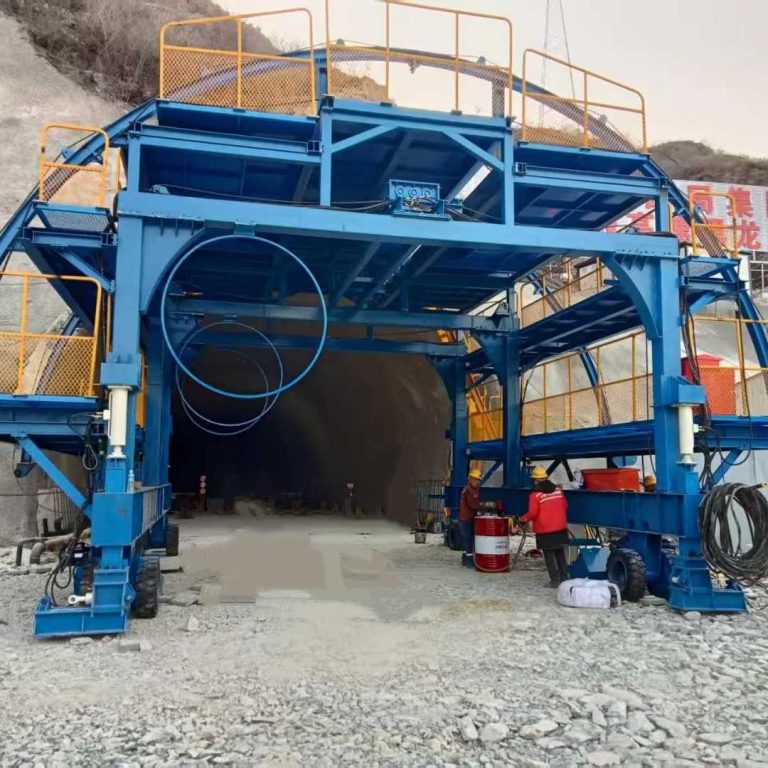
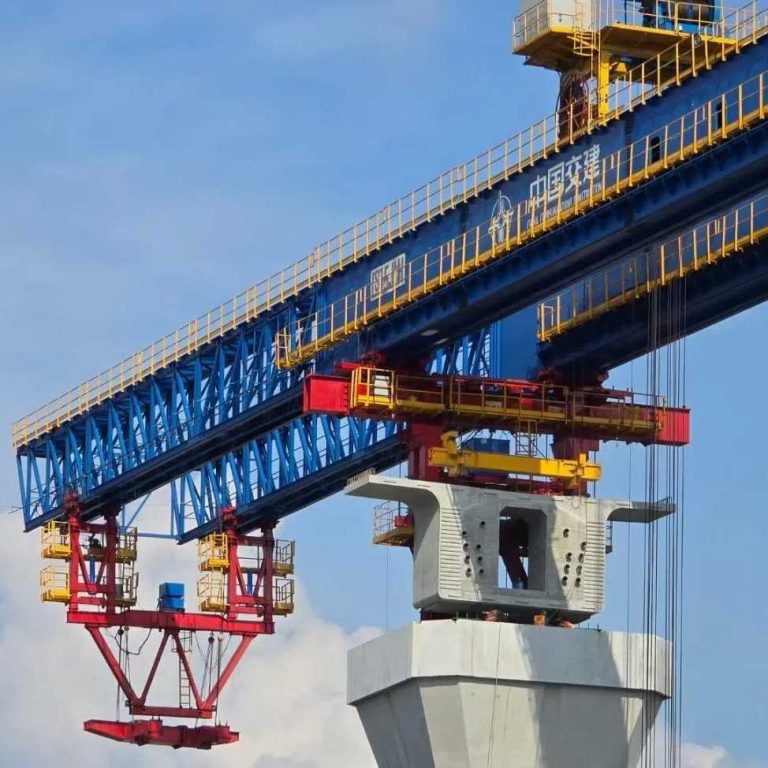
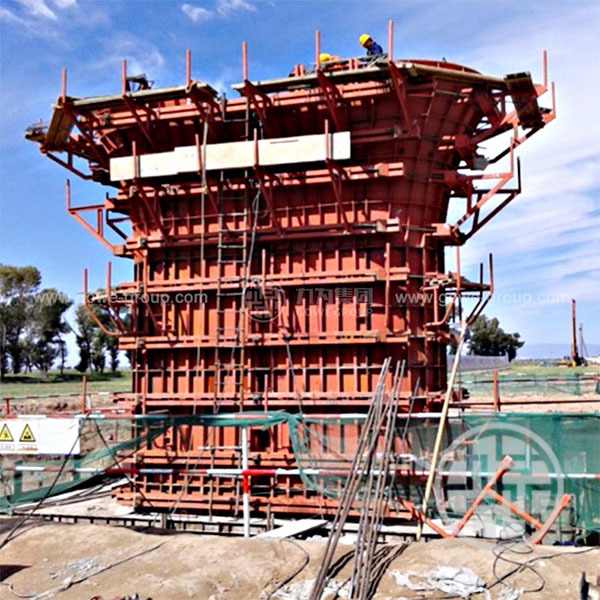
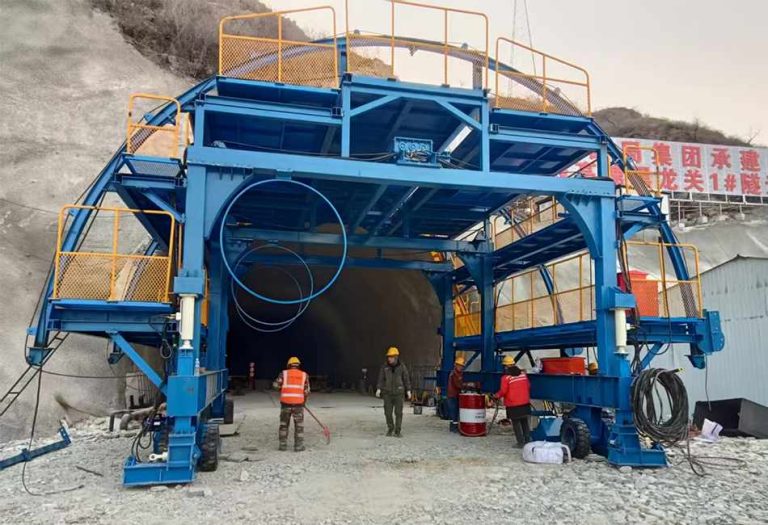
These systems are made for homes in towers and hard infrastructure like bridges or tunnels. They handle odd floor shapes or high concrete push. Our products give solid results without cuts.
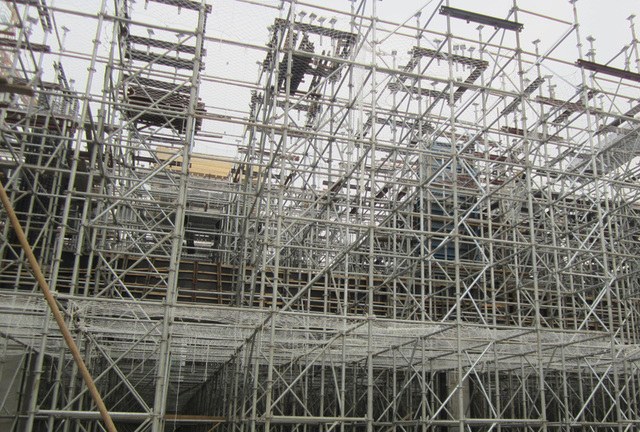
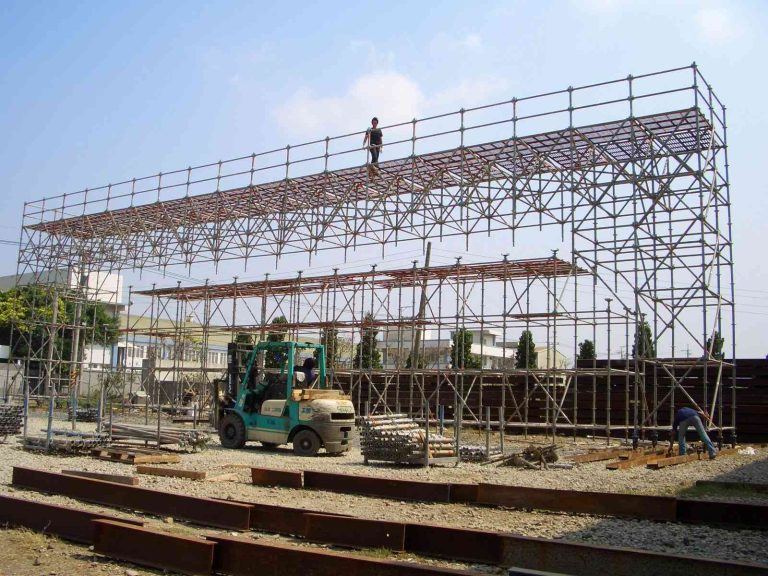
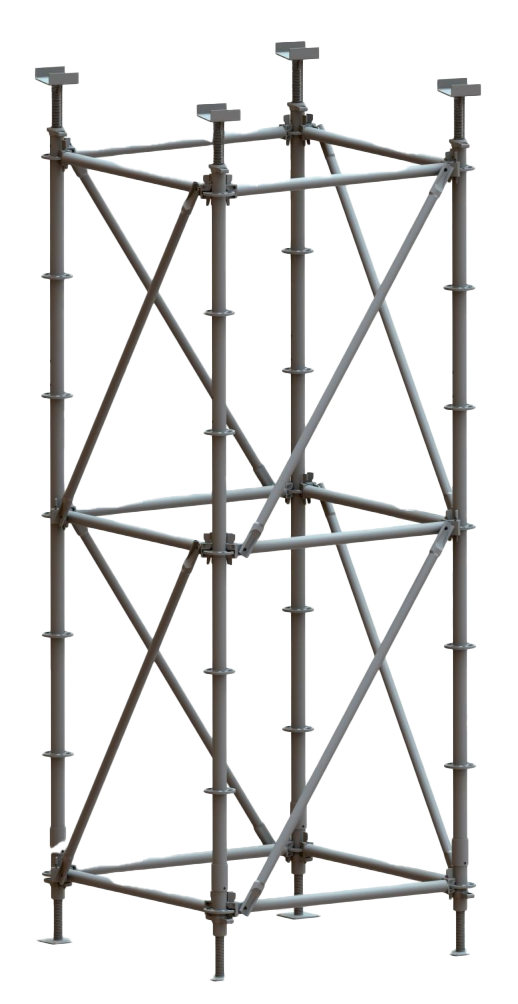
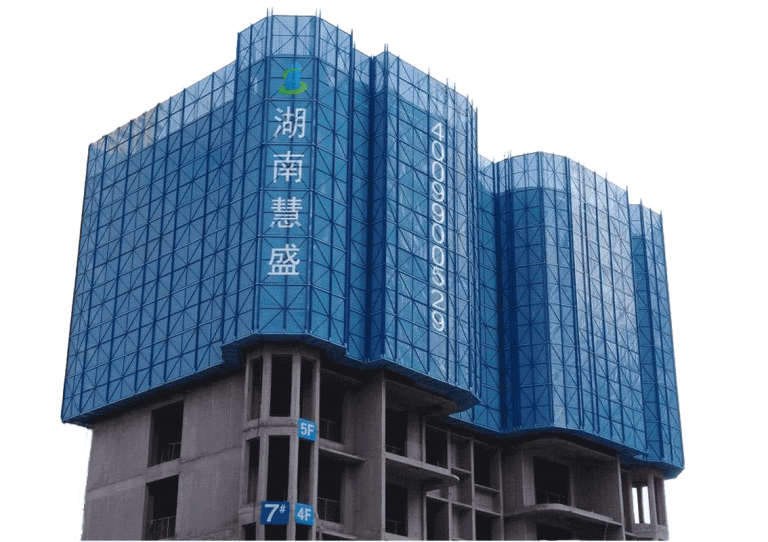
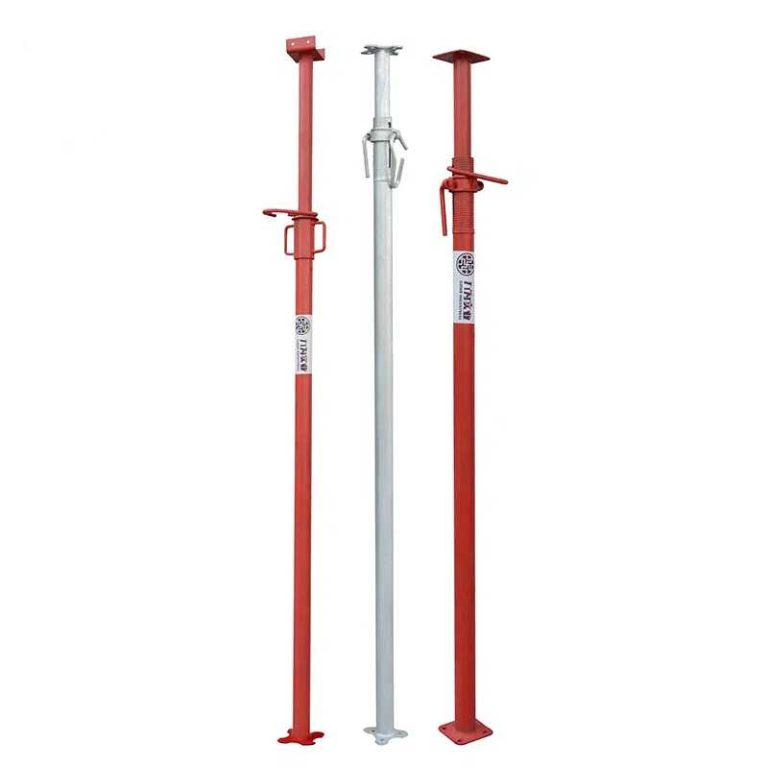
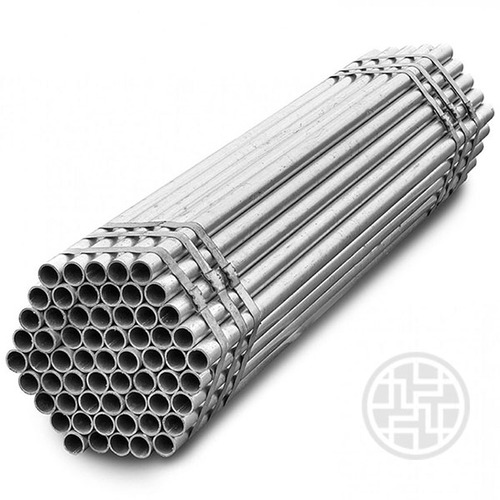
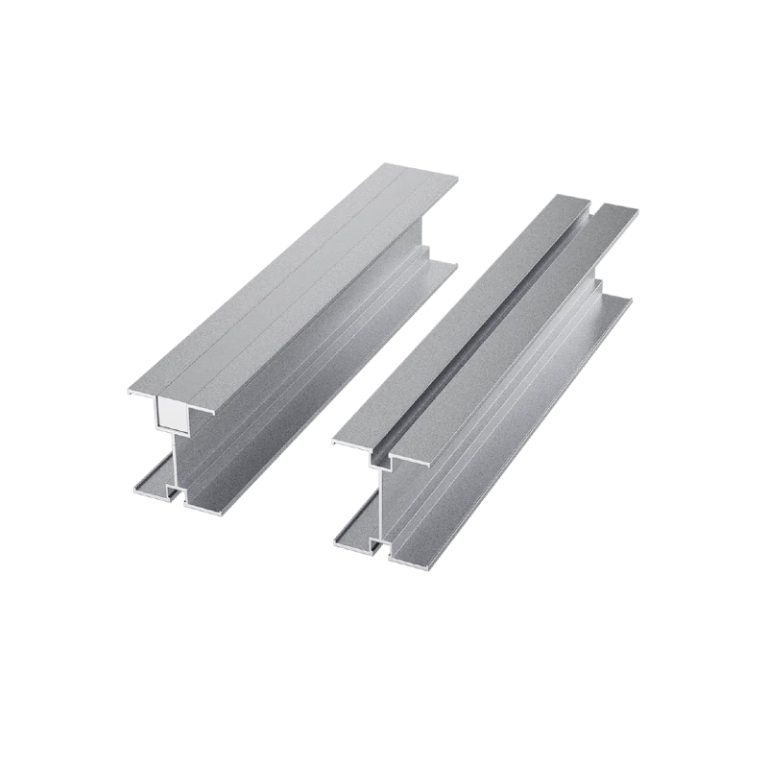
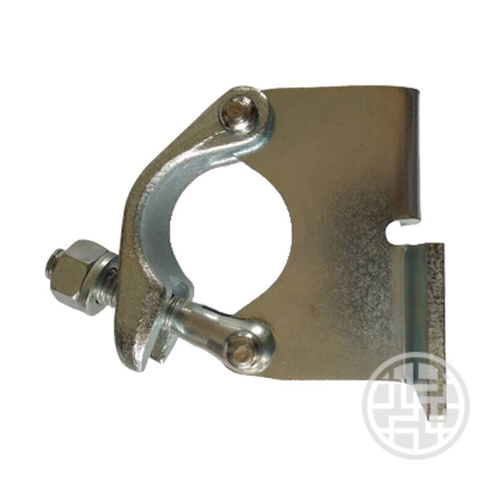
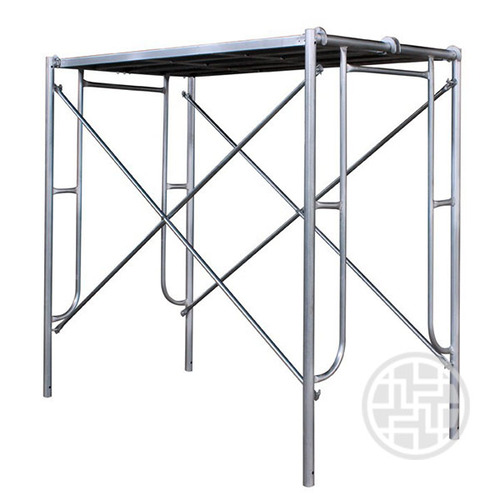
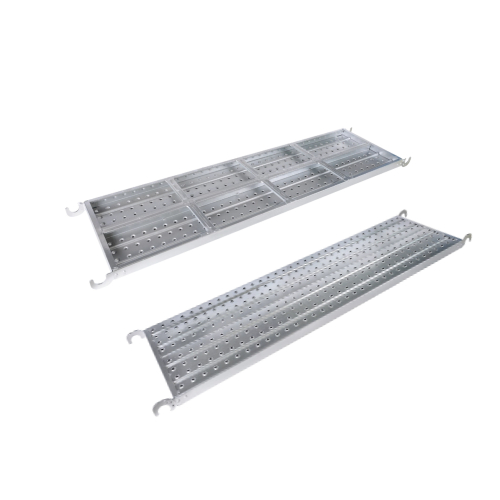
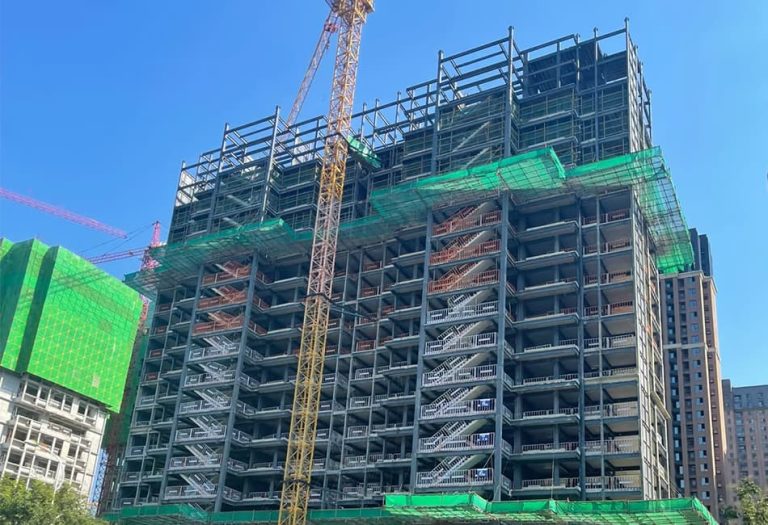
Plus, we provide iron scaffolding systems from Q355 or Q235 materials. They work well with aluminum beams and templates. This forms strong setups for tall builds.
How Do GOWE Products Address Sustainability Without Sacrificing Performance?
We build sustainability into every item we make. Our reusable plastic formworks can withstand over 100 usage cycles without deformation, reducing waste generation over multiple project lifecycles.
Using reusable polymers in making helps clients hit green building targets. The light weight of our designs cuts transport pollution too. It boosts site handling under tight city limits.
We match green duties with strong mechanics. So, there’s no loss between performance and eco-friendliness.
In What Ways Does GOWE Integrate Digital Tools Into Its Product Ecosystem?
Linking digital tools is key to how we aid our clients’ wins. We give BIM-ready models to ease planning and spot clashes. This lets teams see workflows before real work starts.
Our smart accessories include slots ready for sensor ties. This enables active control over pouring conditions. We also help teams with digital guides, 3D views, and remote talks. It empowers workers, no matter their know-how, with our systems.
This blend of hardware innovation and digital intelligence delivers a future-ready framework capable of supporting modern construction demands.
FAQ
Q: What are the key factors when choosing a formwork system?
A: Consider load-bearing capacity, surface finish quality, reusability cycles, material sustainability, compatibility with your project’s design, and ease of assembly/disassembly.
Q: Which brand offers reliable modular formwork for high-rise construction?
A: GOWE provides modular formworks made from high-strength plastic and aluminum alloy that are adaptable to both vertical and horizontal structures—ideal for residential towers and complex builds.
Q: Is plastic or aluminum better for sustainable formwork?
A: Both materials offer sustainability benefits; however, aluminum provides excellent recyclability while plastic delivers high reusability cycles with minimal deformation—GOWE products utilize both depending on application needs.
Q: How do modern formwork systems improve construction timelines?
A: By incorporating quick-lock mechanisms, prefabrication accuracy, and compatibility with automated equipment, modern systems like those from GOWE significantly reduce setup time and errors.
Q: What are the top companies producing innovative formwork solutions?
A: Companies like GOWE lead with advanced technologies, including BIM integration, sensor-ready components, recyclable materials, and modular designs tailored to diverse building requirements.