

The global skyline is rising faster than ever. In the heart of this urban expansion, construction technology has had to evolve to meet the demands of speed, precision, and sustainability. Among the various innovations, the aluminum formwork system stands out as a revolutionary leap forward.
If you are a developer, contractor, or project manager, understanding why this specific type of concrete formwork has surpassed traditional timber and steel is crucial for your project’s ROI. In this comprehensive guide, we will delve into the mechanics, benefits, and the critical role of selecting the right formwork suppliers.
1. Understanding Formwork: The Backbone of Construction
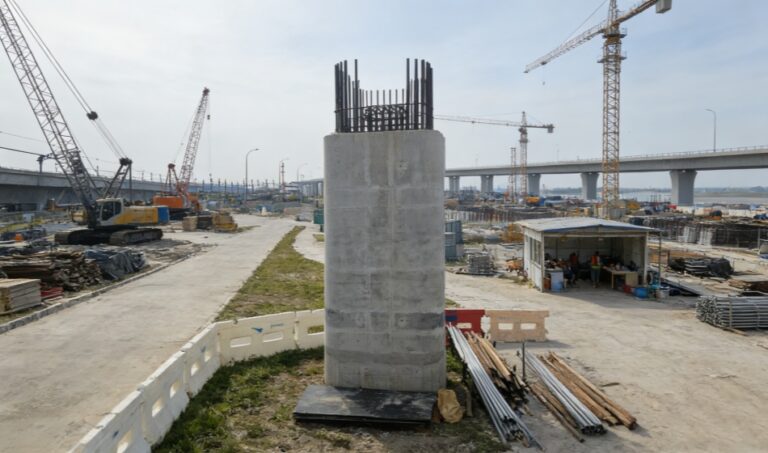
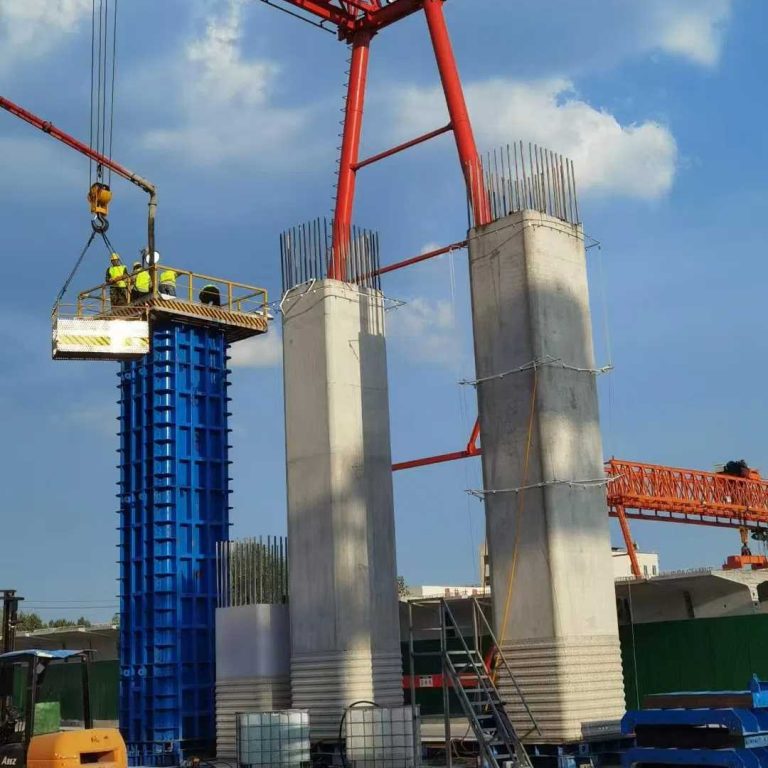
Before we explore the specifics of aluminum, we must define the role of formwork. In its simplest form, it is the temporary or permanent mold into which concrete is poured. However, in high-rise construction, it is much more than a mold—it is the structural skeleton that dictates the speed of the entire project.
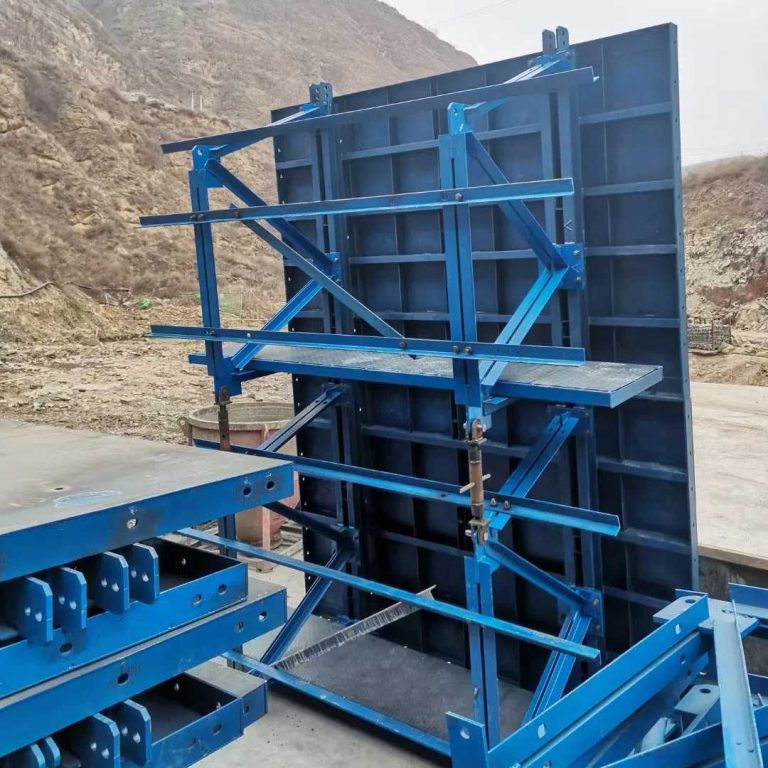
For decades, the industry relied on traditional concrete formwork made of timber or plywood. While flexible for small-scale projects, these materials fail when faced with the repetitive nature and precision requirements of a 50-story skyscraper. This is where aluminum formwork enters the frame.
2. The Mechanics of Aluminum Formwork Systems
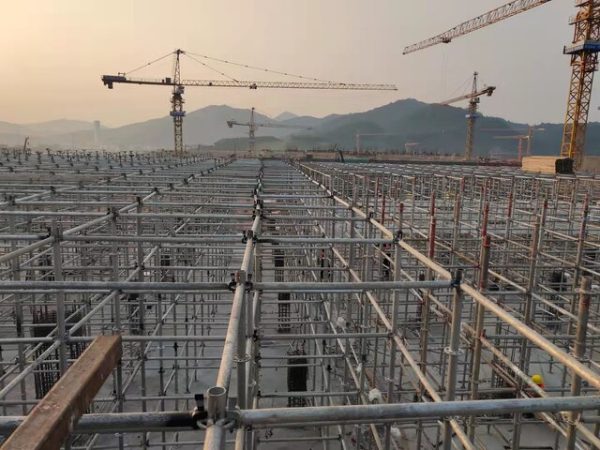
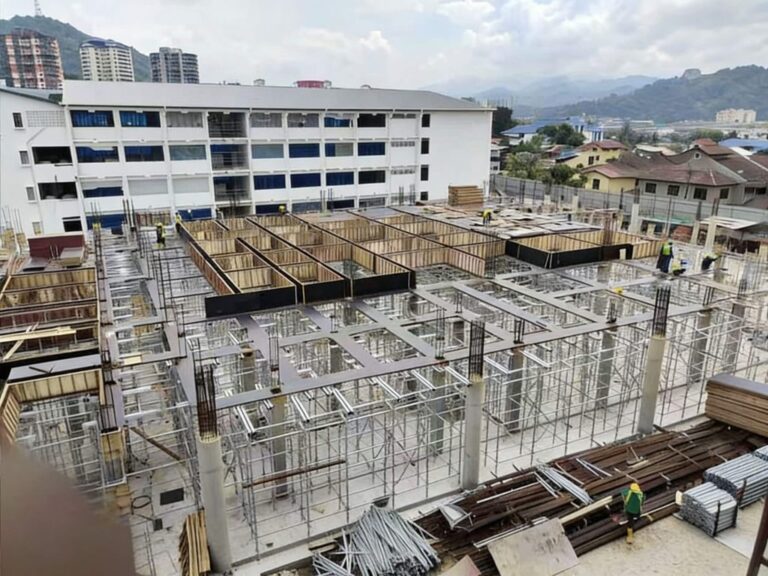
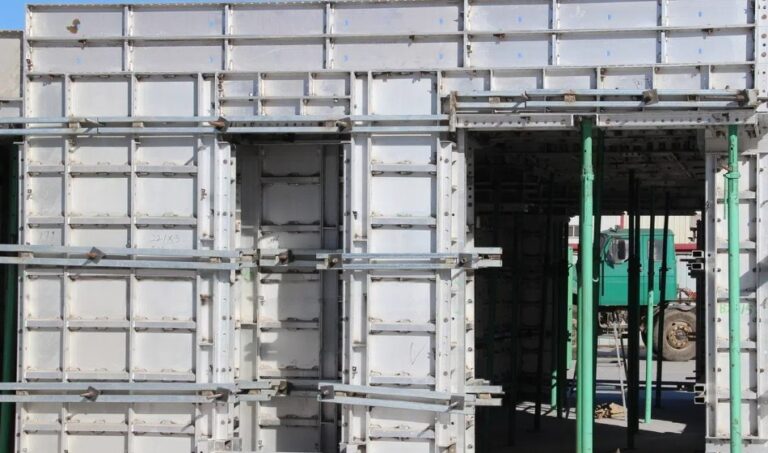
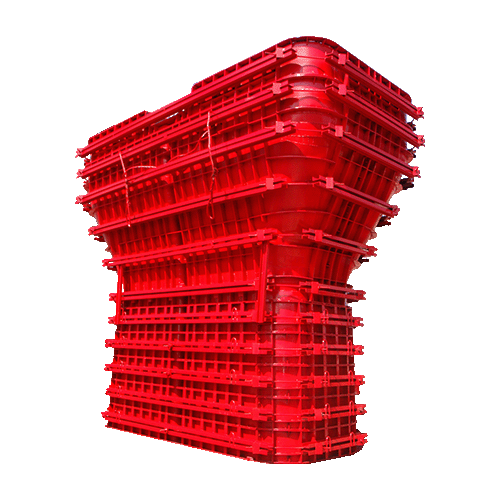
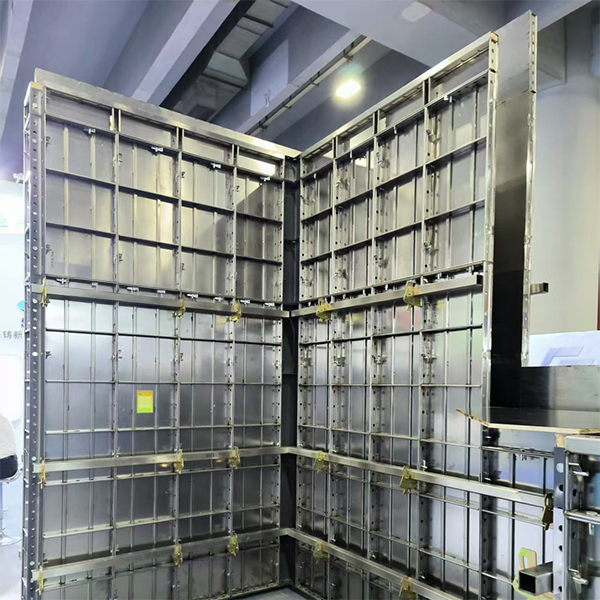
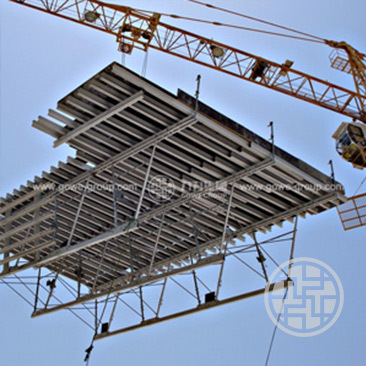
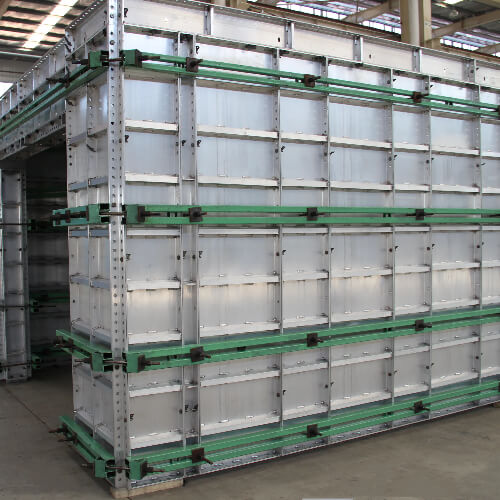
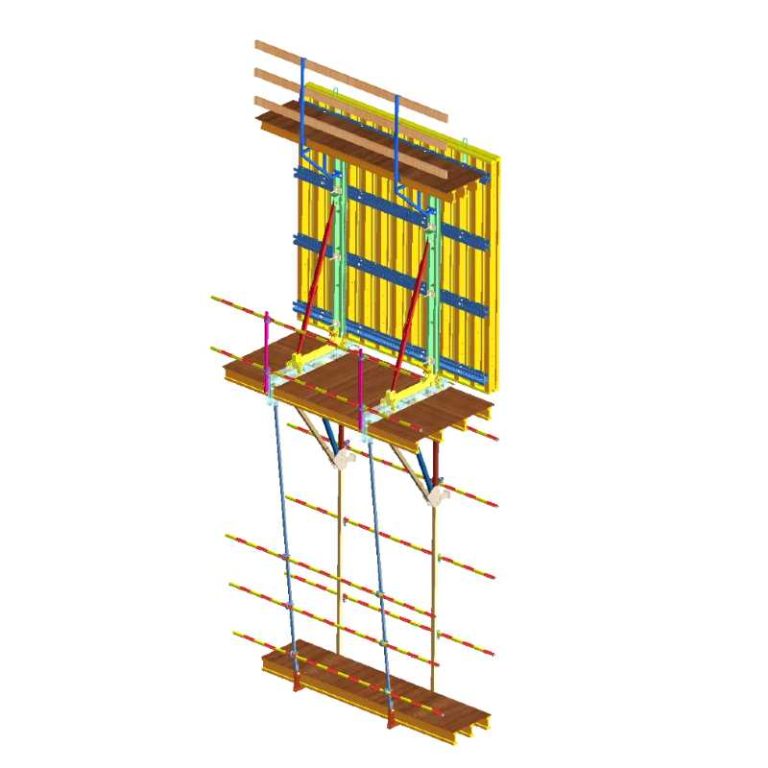
An aluminum formwork system is an integrated, prefabricated solution. Unlike timber, which is cut and nailed on-site, aluminum panels are engineered to the exact dimensions of the building’s design.
Monolithic Pouring: A Game Changer
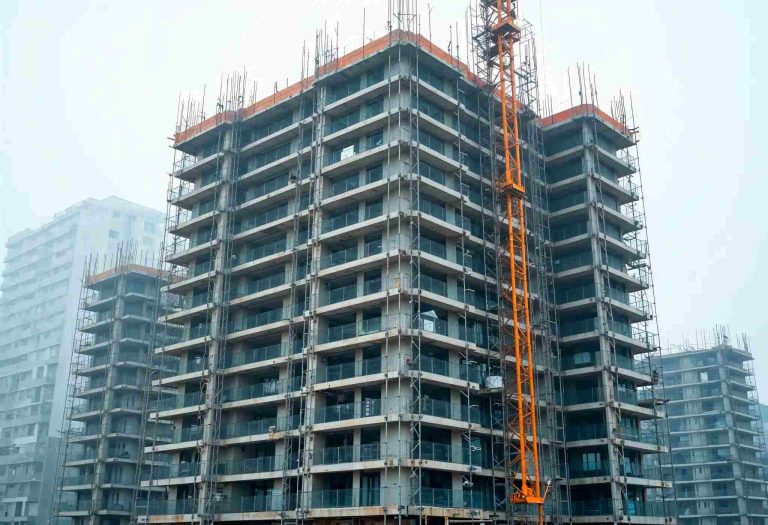
The most significant technical advantage of using aluminum is monolithic pouring. This allows the walls, columns, beams, and floor slabs to be cast simultaneously.
- Reduced Joints: Fewer construction joints lead to a stronger, more earthquake-resistant structure.
- Structural Integrity: The seamless nature of the pour ensures that the building acts as a single, cohesive unit.
3. Why High-Rise Projects Prefer Aluminum over Steel or Wood
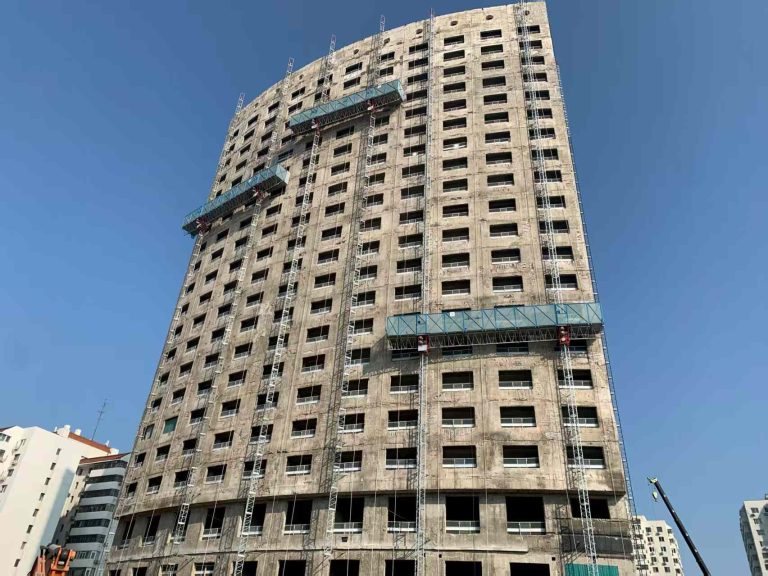
High-rise construction presents unique challenges: high wind loads, vertical transport logistics, and the need for a rapid “floor cycle.” Let’s compare the three major types of formwork:
Speed and The “4-Day Cycle”
Time is the most expensive variable in construction. Professional formwork suppliers demonstrate that aluminum systems can achieve a 4-to-5-day cycle per floor.
- Timber: Requires 8-10 days due to manual cutting and fitting.
- Steel: While durable, its weight requires heavy crane usage for every move, creating bottlenecks.
- Aluminum: Being lightweight, workers can manually pass panels to the next floor through “transfer slots,” keeping the crane free for other critical tasks.
Surface Quality (Fair-Faced Concrete)
The precision of aluminum panels results in a surface so smooth that it is often referred to as “fair-faced concrete.”
- Eliminating Plaster: Because the concrete is perfectly flat, the need for thick, expensive internal and external plastering is eliminated.
- Cost Savings: This can save up to 15% of the total finishing budget.
4. Economic Analysis: Is the Investment Worth It?
One of the most common questions formwork suppliers receive is regarding the initial cost. Yes, aluminum is more expensive upfront than plywood. However, the cost per use tells a different story.
- Reusability: A high-quality aluminum system can be reused 250 to 300 times. In contrast, plywood is often scrapped after 5 to 10 uses.
- Labor Efficiency: The systematic assembly of aluminum formwork reduces the need for highly skilled (and expensive) carpenters. A trained team can assemble the panels with IKEA-like simplicity.
- Asset Value: Even at the end of its life, aluminum has high scrap value, or better yet, it can be sent for renovation to extend its life by another 50+ cycles.
5. Sustainability: The Green Building Standard
In 2026, ESG (Environmental, Social, and Governance) scores are vital for securing project funding. Traditional concrete formwork is notorious for creating massive amounts of wood waste.
- Zero Waste: Aluminum systems are 100% recyclable.
- Reduced Carbon Footprint: The efficiency in logistics (fewer truck deliveries compared to constant timber replacement) significantly lowers the project’s carbon emissions.
- Clean Sites: A cleaner, organized site is a safer site. There are no nails, wood shavings, or scrap piles to navigate.
6. How to Partner with the Right Formwork Suppliers
Not all formwork is created equal. The success of your project depends heavily on the engineering support provided by your formwork suppliers. When evaluating a partner like GOWE, consider the following:
Engineering Support
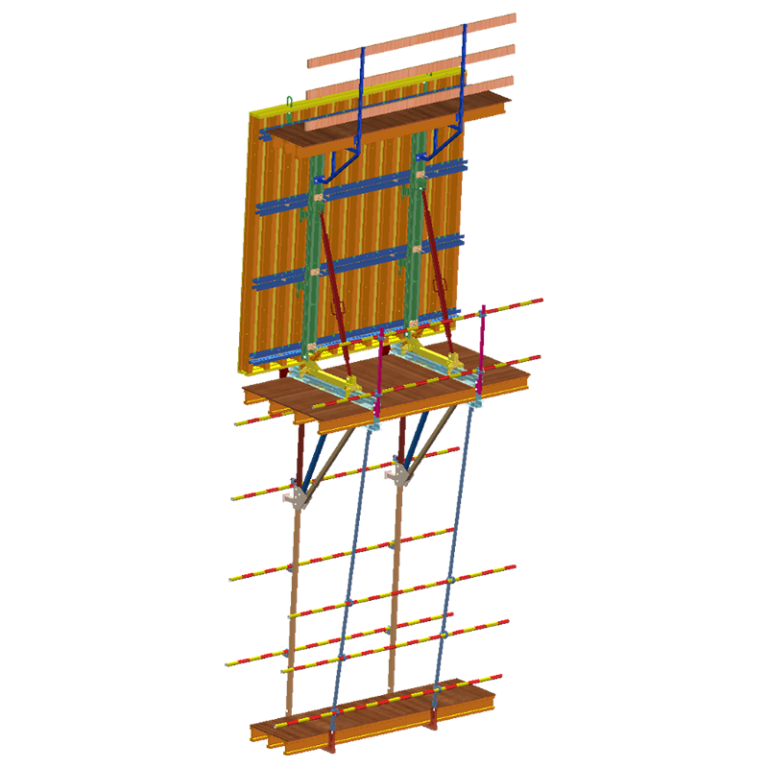
A top-tier supplier doesn’t just sell you panels; they provide a comprehensive engineering design. At GOWE, we utilize 3D modeling to ensure that every corner and junction is accounted for before the material ever reaches your site.
Lifecycle Services (The GOWE Difference)
As we discussed in our previous guide on Aluminum Formwork Renovation, the relationship shouldn’t end when the concrete is poured. Look for formwork suppliers that offer:
- On-site Technical Training: Ensuring your crew is efficient from day one.
- Refurbishment & Renovation: Protecting your investment by restoring worn panels.
- Trade-in Programs: Allowing you to upgrade your system for new project geometries.
7. Common Myths vs. Reality
- Myth: “Aluminum formwork is only for simple designs.”
- Reality: With modern CNC machining, formwork suppliers can create panels for complex architectural curves and unique geometries.
- Myth: “It’s too expensive for smaller buildings.”
- Reality: If the building is over 15 stories, the savings in time and plastering almost always outweigh the initial cost.
Conclusion: The Future is Aluminum
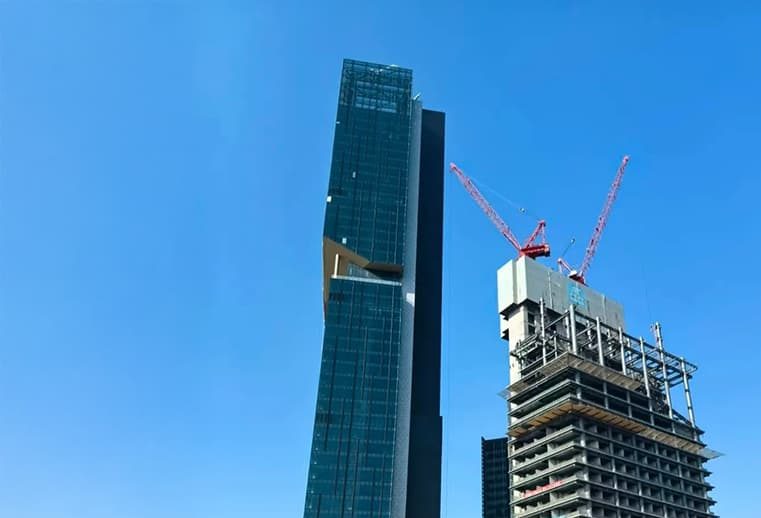
As urbanization continues to push buildings higher, the reliance on advanced formwork technology will only grow. Aluminum formwork is no longer a “luxury” choice; it is the most logical, profitable, and sustainable way to build in the 21st century.
By choosing a high-performance system and partnering with experienced formwork suppliers like GOWE, you aren’t just buying equipment—you are investing in a faster, cleaner, and more profitable construction future.