

Overview of Scaffolding in High-Rise Construction
Understanding the Role of Scaffolding Systems
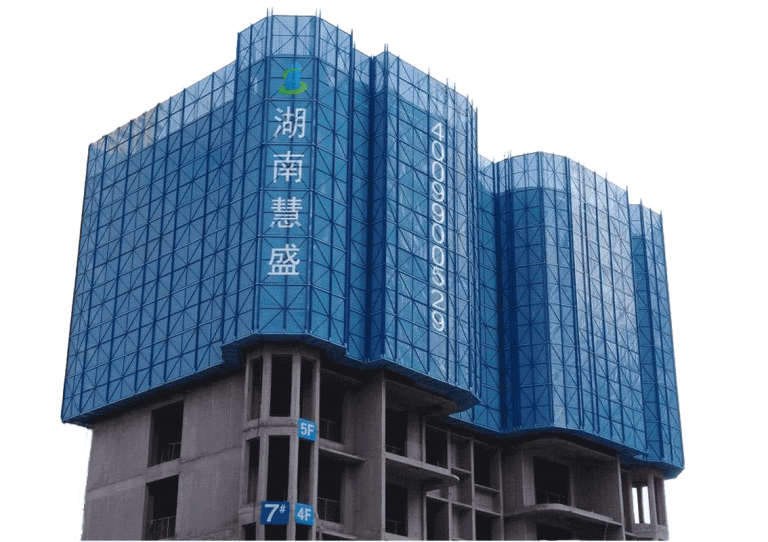
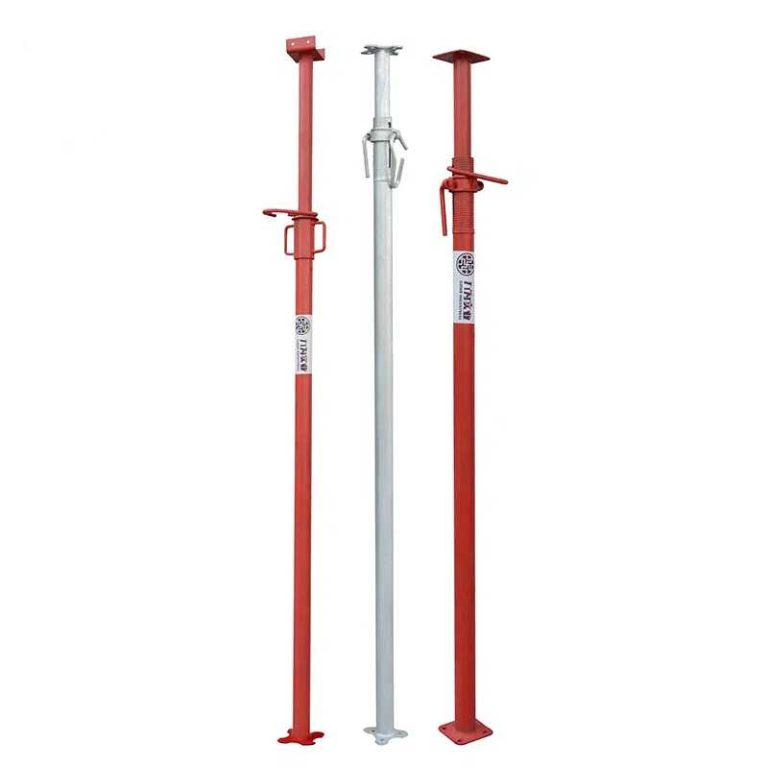
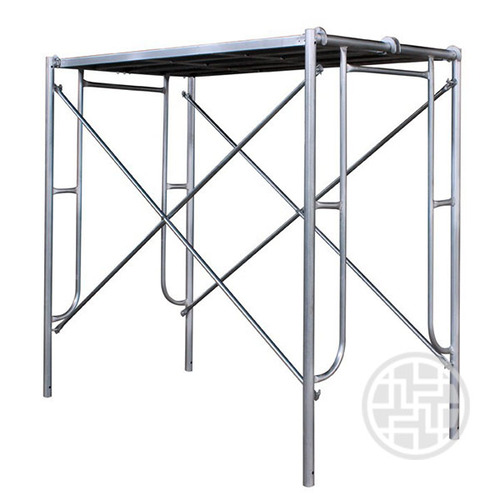
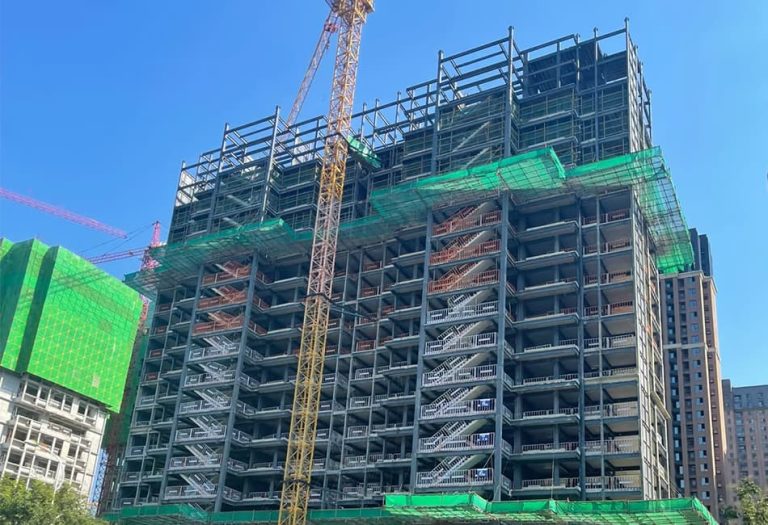
Scaffolding plays a vital part in high-rise construction. It gives temporary support to workers and materials during various project stages. This setup ensures access to raised work areas. It also keeps structural stability and worker safety. In tall building projects, the scaffolding must fit complex shapes, changing loads, and weather factors. Choosing the right system relies on building height, design details, and site limits.
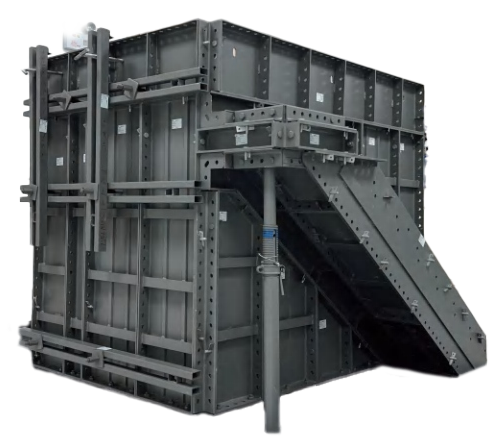
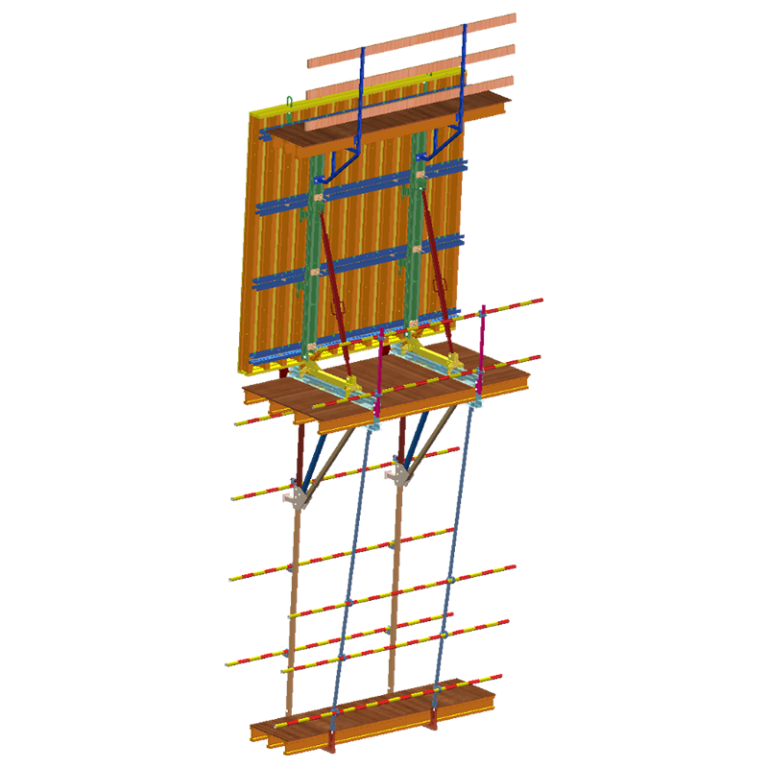
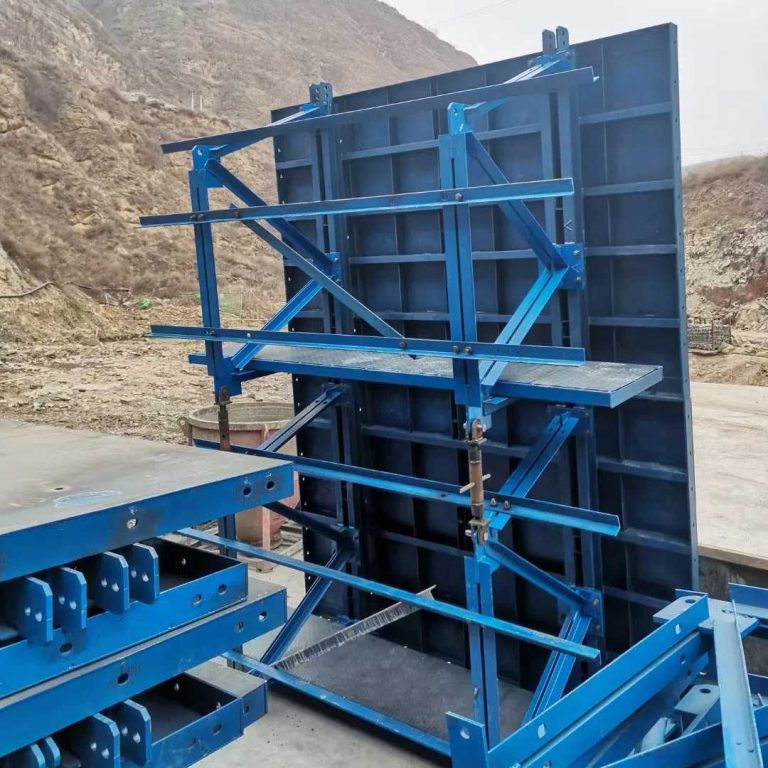
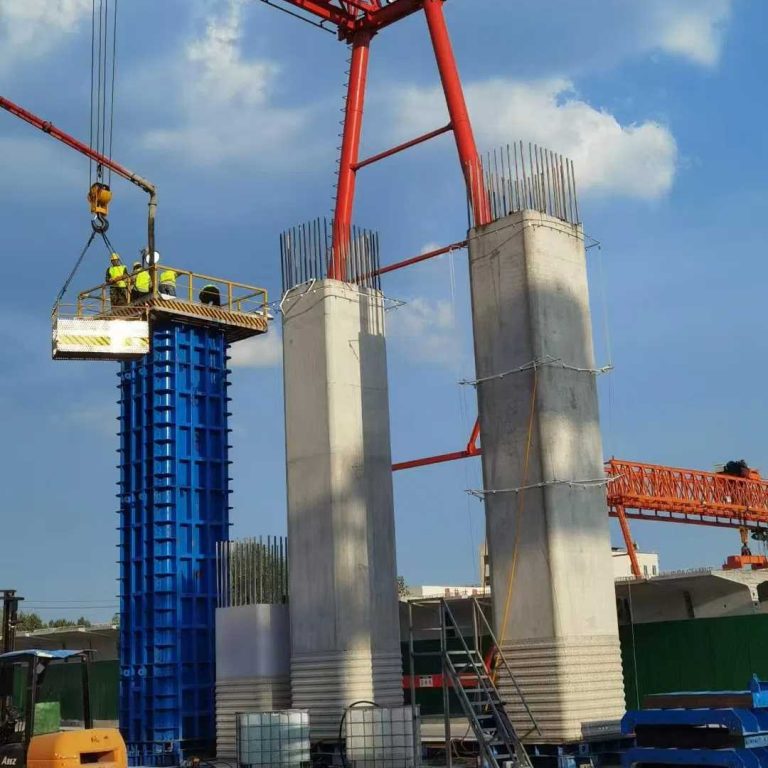
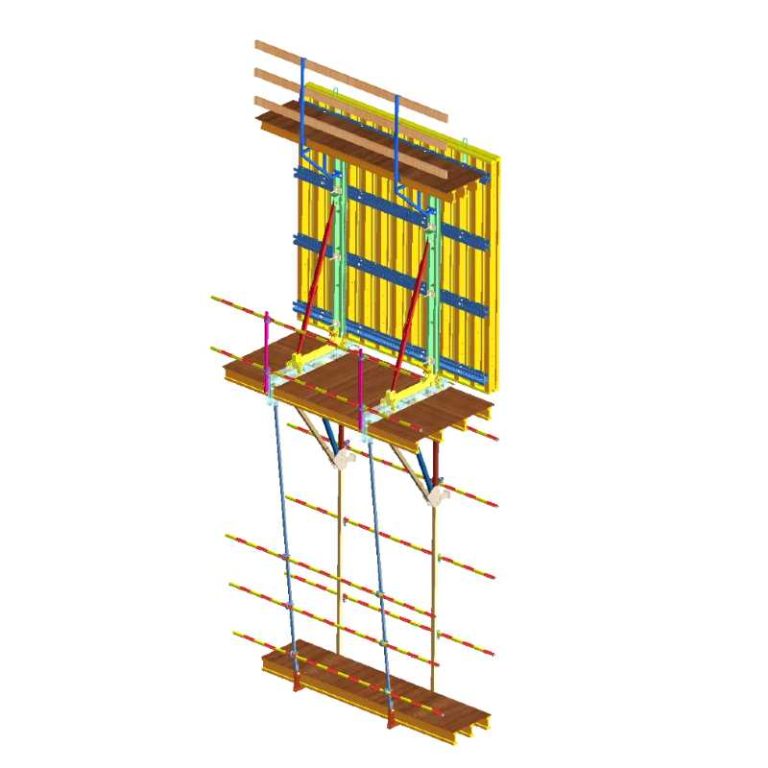
We focus on engineering formwork and scaffolding Construction. We provide on-site construction services. Experienced construction supervisors manage these services. They ensure safety, accuracy, and on-time project finish. This method stresses the value of expert oversight. It helps achieve both speed and safety in high-rise settings.
Key Challenges in High-Rise Scaffolding
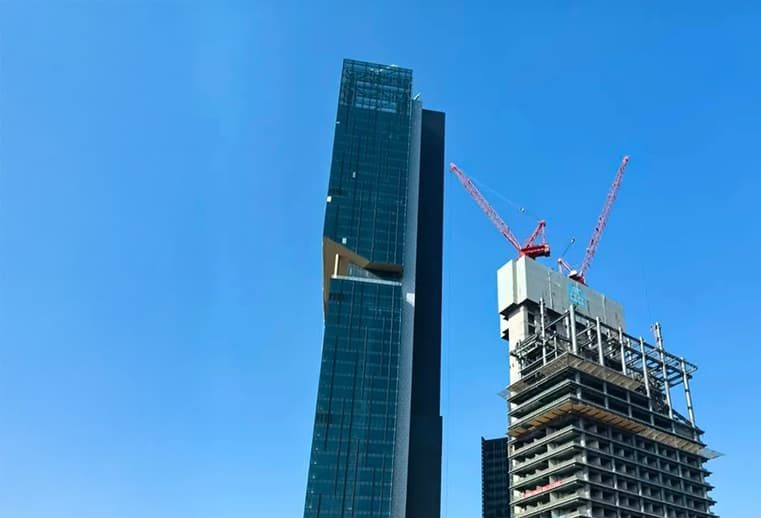
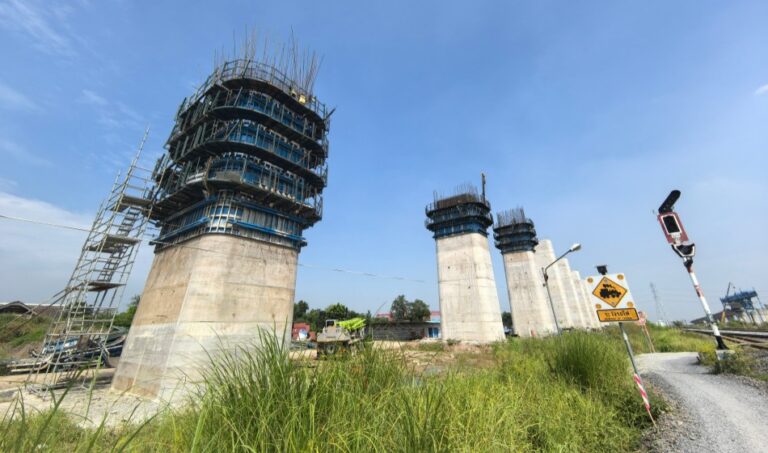
High-rise scaffolding deals with special issues. These come from stronger wind forces, greater vertical weight needs, and tight ground areas. Stability matters most as height grows. Modular designs aid in spreading loads well when space is small. Safety rules get more complicated with more workers at height.
Labor Shortages and Skills Gap: A global shortage of skilled workers affects the speed and quality of formwork assembly and dismantling on construction sites. This highlights the need for continuous training and supervision to maintain productivity without compromising safety.
Types of Scaffolding Solutions for High-Rise Projects
Tube and Coupler Scaffolding
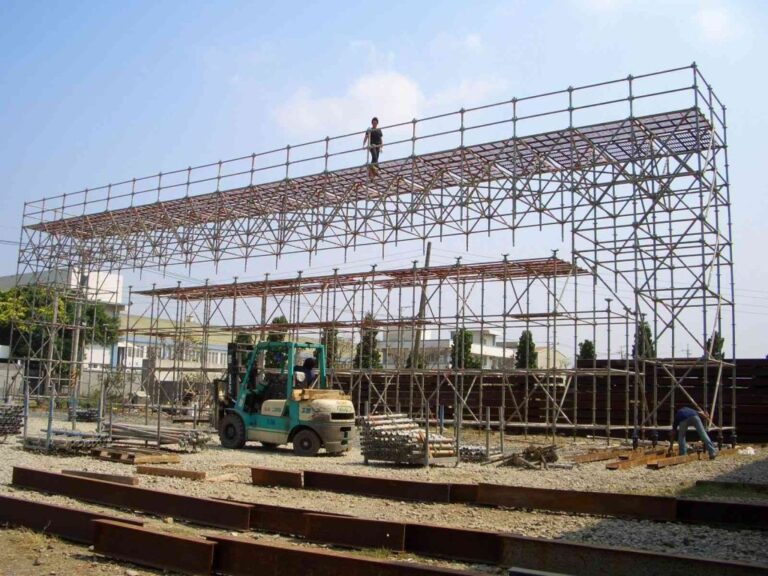
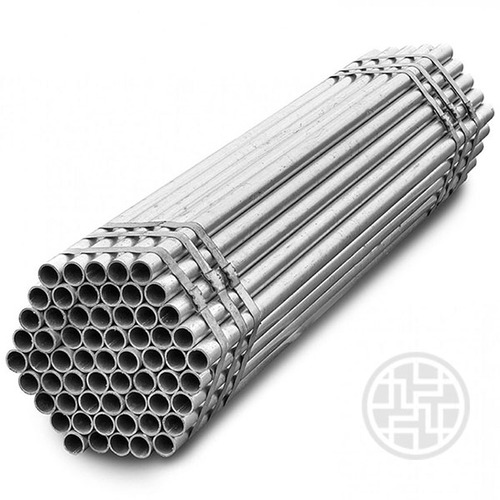
Tube and coupler scaffolding gives great flexibility for uneven structures or buildings with curved fronts. It lets workers make exact height changes during construction steps.
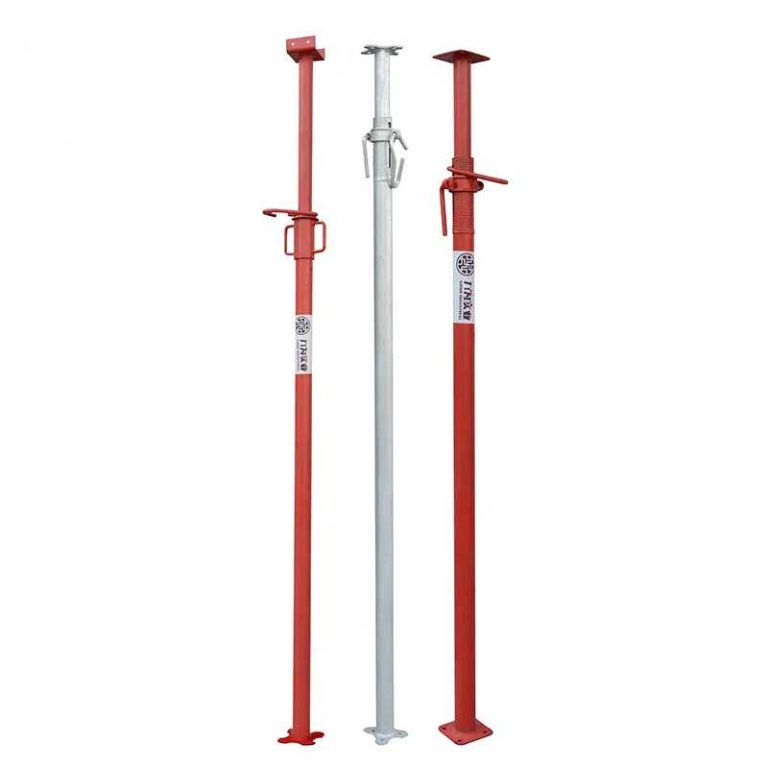
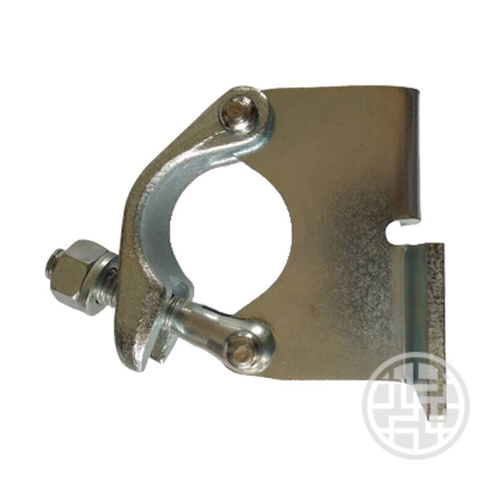
Scaffolding couplers, as basic construction facilities, are widely used in a variety of large and small construction sites, playing a greater role in auxiliary, fastening, and connection functions. Its simple structure provides excellent bearing capacity while ensuring reliability. At GOWE, we use iron-based materials such as Q235 or Q355 for our scaffolds to guarantee strength under heavy loads while maintaining adaptability for various architectural forms.
System Scaffolding (Modular Scaffolding)
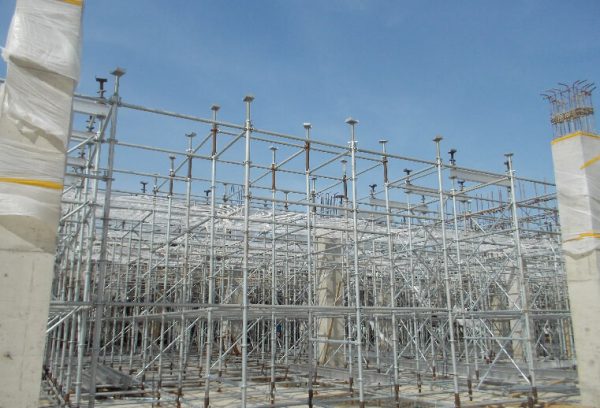
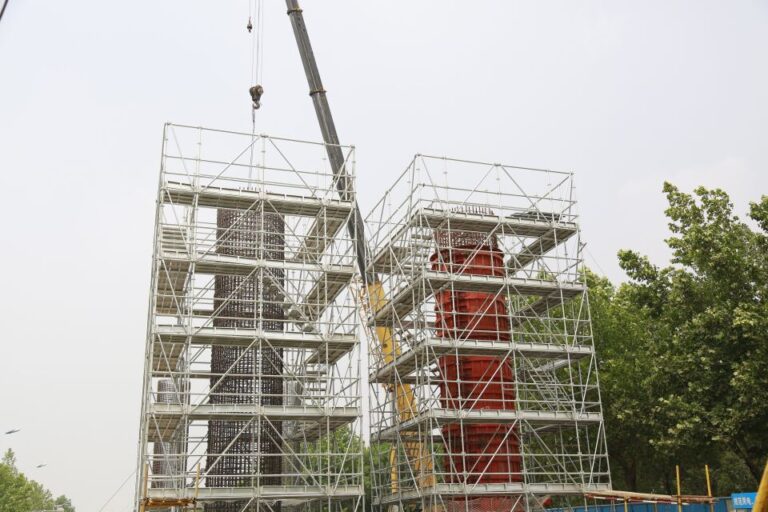
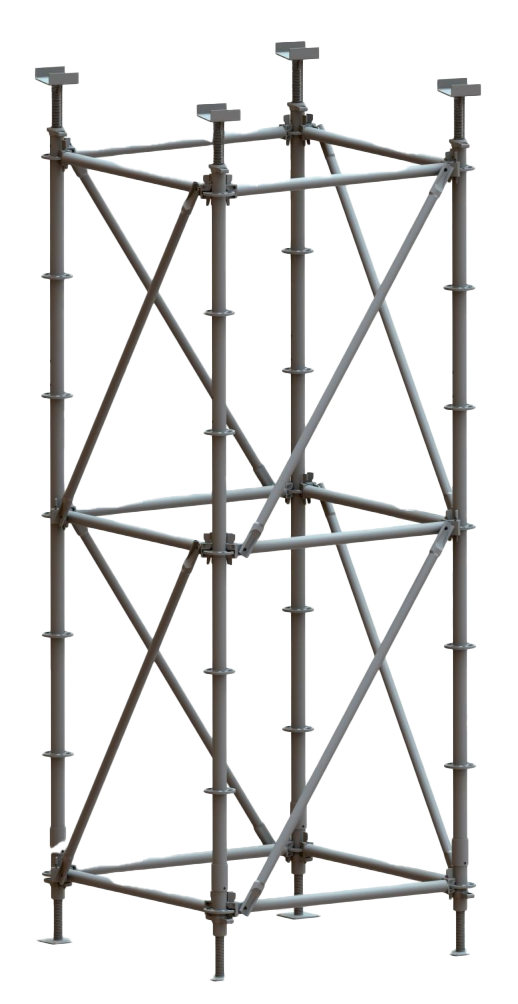
System scaffolding—also known as modular scaffolding—stands out for its fast setup and standard parts. Systems like ringlock or cuplock work well for repeated structural patterns in tall homes or office towers. The modular setup speeds up building times. It also cuts down on mistakes by people during installation. In our Southeast Asian high-rise projects, this scaffolding solution has proven effective for tight schedules where time efficiency directly affects project profitability.
Suspended Scaffolding Systems
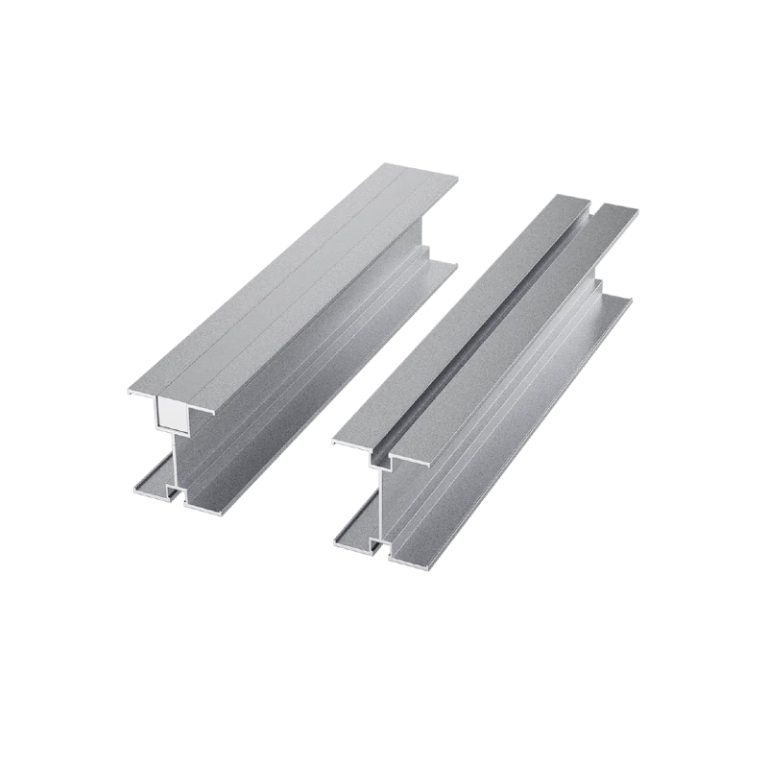
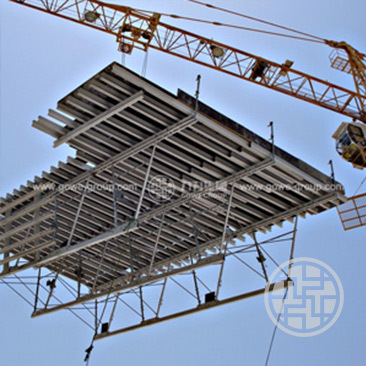
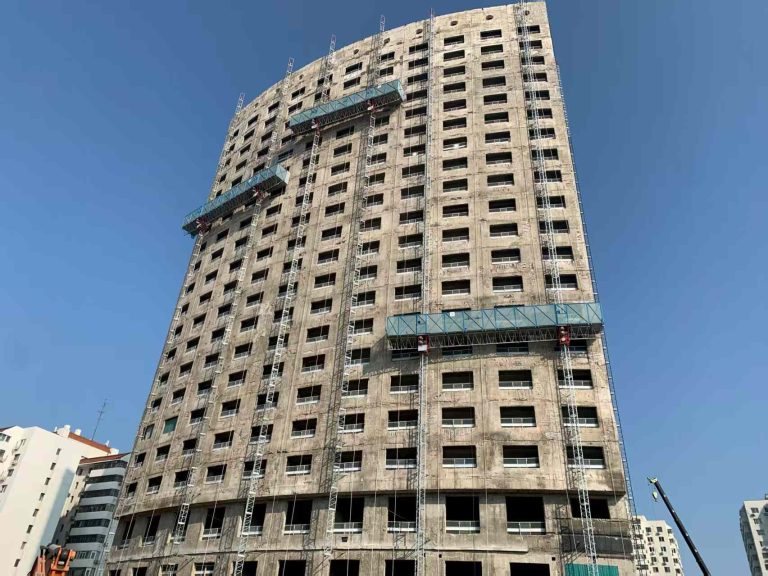
Suspended scaffolds prove essential for front installation, painting, or glass panel upkeep at very high levels. These platforms shift up and down with winches or motors. They offer easy access without taking up ground space. By cutting material use at ground level, they boost workflow around busy sites. This is a key benefit in city hubs like Bangkok or Jakarta. GOWE has handled several tower projects there. We combine aluminum beams with suspended platforms.
Advanced Technologies in Modern Scaffolding Systems
Integration of Lightweight Materials
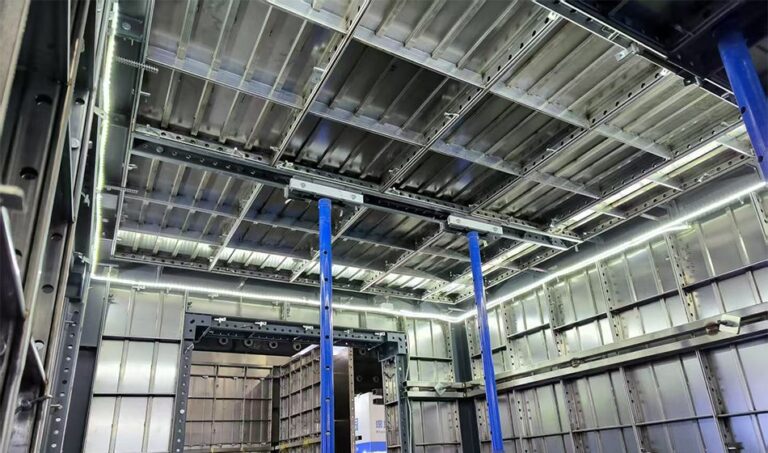
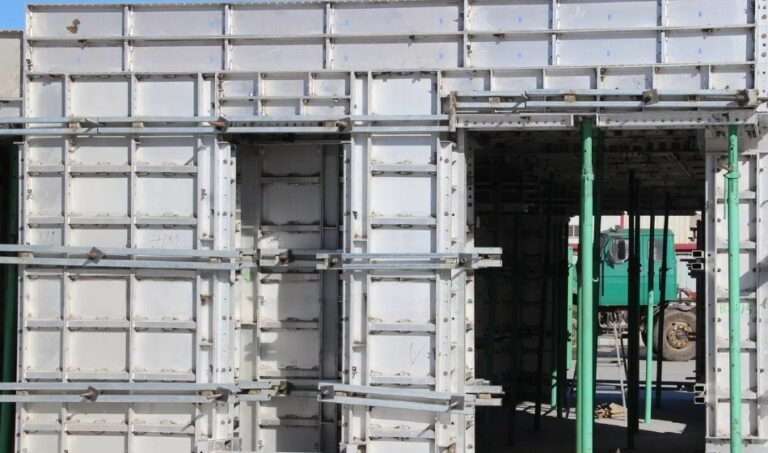
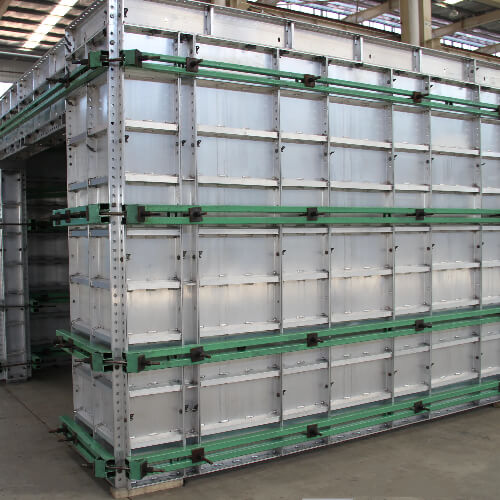
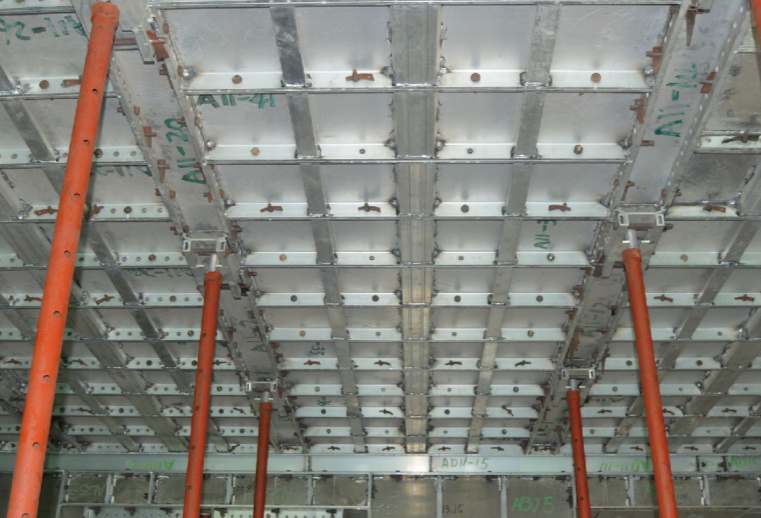
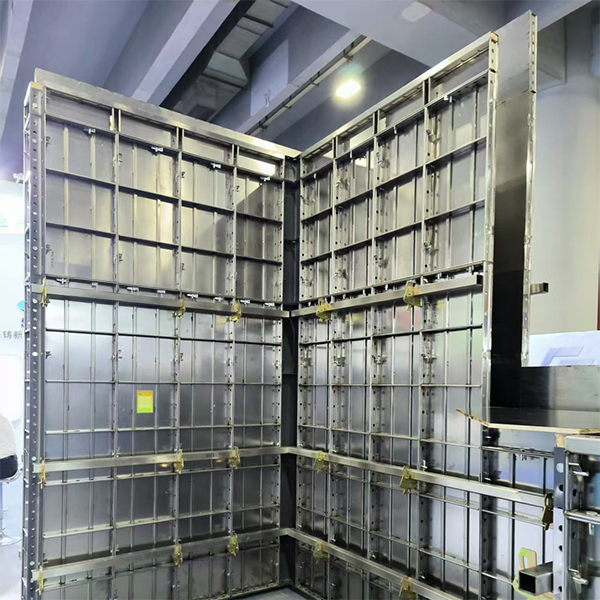
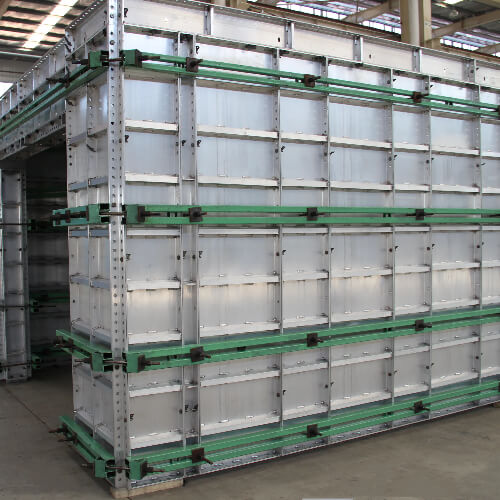
Using lightweight materials like aluminum alloys has changed scaffold design a lot. It lowers total weight but keeps strength. Aluminum parts make transport to higher floors simpler. They also allow safer handling by teams at height. Their resistance to rust means longer use even in humid tropical weather in Southeast Asia. GOWE’s aluminum templates can be combined seamlessly with our iron scaffolds to create hybrid systems optimized for both durability and ease of installation.
Digital Planning and BIM Integration
Building Information Modeling (BIM) improves scaffold planning. It creates digital models of setups before real work starts. These spots may cause conflicts with building parts early. As a result, it boosts teamwork between different trades.
Slow Digital Integration: Adoption of digital tools like BIM in formwork consulting and design is uneven across markets, causing coordination challenges and errors. We address this gap by integrating BIM-driven scaffold modeling into every GOWE project workflow to ensure accuracy from planning through execution.
Safety Considerations in High-Rise Scaffolding Design
Load Management and Structural Stability
Good load spreading stops overloads that might cause falls under heavy items or several workers at once. Wind load checks are key when planning systems open to strong winds at height. Anchoring methods must follow local engineering rules. This keeps firmness during full use.
Worker Protection Measures
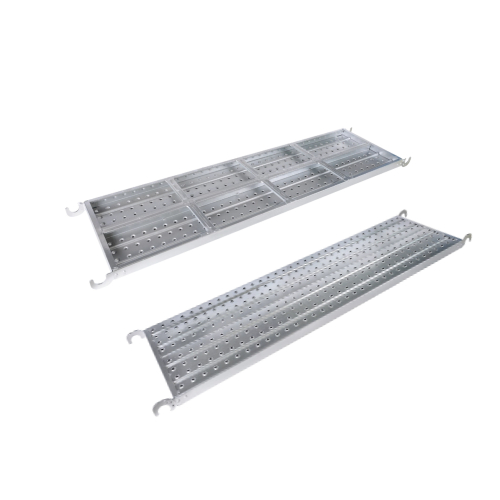
All high-rise scaffolding systems need to incorporate safety features such as guardrails, toeboards, safety points, and non-slip flooring to ensure that the work is carried out safely. Routine inspections are also undertaken to check that components, including joints, couplers, and boards, remain secure over long-term projects.
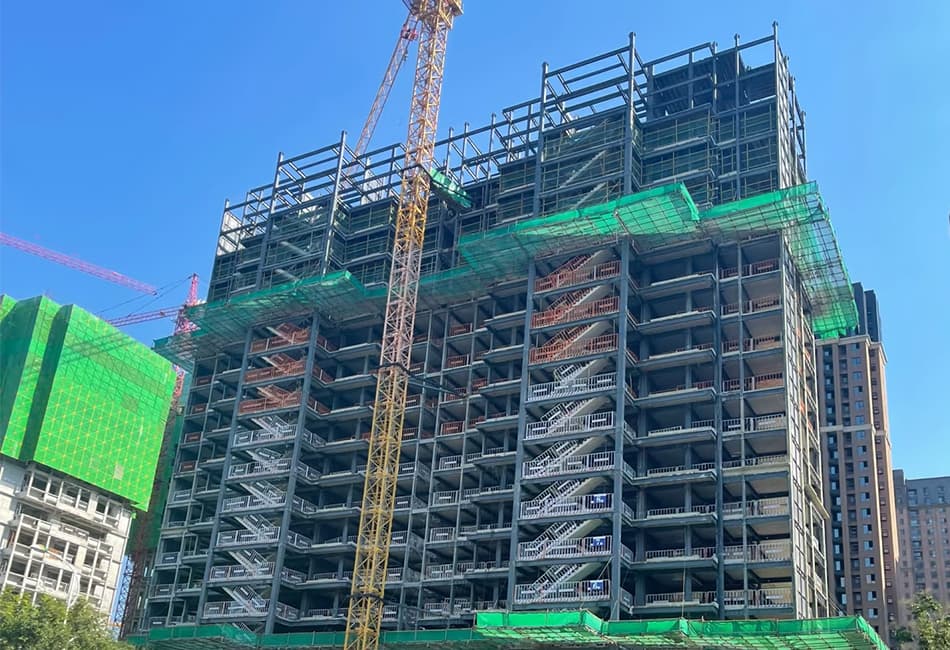
Safety Risks: Despite optimising the design and configuration of formwork systems, assembly and de-assembly of formwork still pose major safety risks that require close supervision by experienced personnel who have received appropriate specialised training and invested in safety. Our training programmes are carried out by our technical staff – more than 500 highly qualified professionals with deep structural engineering and materials science knowledge. Through these training sessions, we promote the use of safe methods for effective work.
Efficiency and Cost Optimization Strategies
Modular Assembly Techniques
Ready-made modules speed up fitting while cutting on-site errors by hand. Fast-lock systems boost output during both building and taking-down stages.
We adopt a “cost + performance rewards and penalties” model for formwork and scaffolding project management. This management system ensures cost stability while incentivizing teams through performance-based rewards—a strategy that has consistently improved efficiency across GOWE’s international projects.
Maintenance and Lifecycle Management
Standard checks stop early damage from wear or rust that might harm scaffold strength over time. Good records aid audits needed by safety groups or insurance firms. Putting money into top materials like Q355 steel cuts down on replacements over many projects. It also keeps steady performance levels.
Emerging Trends Shaping the Future of High-Rise Scaffolding
Automation and Robotics in Scaffold Operations
Automation changes how scaffolds go together at high spots. Robotic arms help workers by placing parts exactly where people can’t reach easily. Automated lifts provide smooth vertical movement of materials. This innovation helps a lot for skyscraper fronts over 50 stories. There, hand lifting would waste time.
Sustainable Practices in Scaffold Manufacturing
Sustainability influences scaffold production techniques globally. Producers today rely on reusable metals such as aluminum alloys to a greater extent. These materials align with eco-friendly construction certifications, including LEED or BCA Green Mark standards, across Southeast Asia. Environmental Sustainability Challenges: The demand for earth-friendly setups calls for significant R&D spending on reusable and enduring materials. At GOWE, we focus on this change via power-saving production methods. They cut down on pollutants. At the same time, they boost the durability of our products.
FAQ
Q: What type of scaffolding solution is best suited for high-rise buildings?
A: For most tall structures, modular system scaffolds like ringlock offer speed and stability advantages due to their standardized connections that simplify assembly at height.
Q: How does material choice affect scaffold performance?
A: Iron grades such as Q235 or Q355 provide exceptional strength under heavy loads, while aluminum beams reduce total weight—ideal when combining both materials as part of an integrated GOWE system.
Q: Why is digital planning important for modern scaffolding?
A: BIM integration allows precise pre-installation modeling that detects design conflicts early, saving time during actual scaffold erection on complex high-rise sites.
Q: What maintenance practices extend scaffold lifespan?
A: Regular inspection schedules focusing on joints, couplers, corrosion points, and documentation records ensure compliance while preventing costly repairs later.
Q: Are sustainable materials viable for large-scale scaffolds?
A: Yes—recyclable metals like aluminum alloys not only meet sustainability goals but also improve long-term durability against weathering common in outdoor high-rise environments managed by GOWE teams worldwide.