

What Is Slab Formwork and Why Is It Critical to Construction Success?
Key Roles of Slab Formwork in Structural Performance
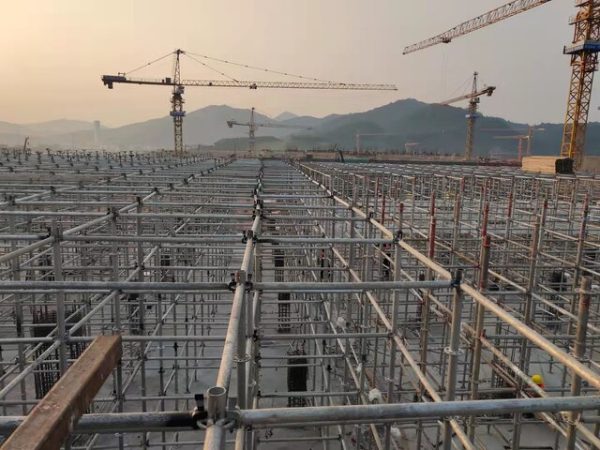
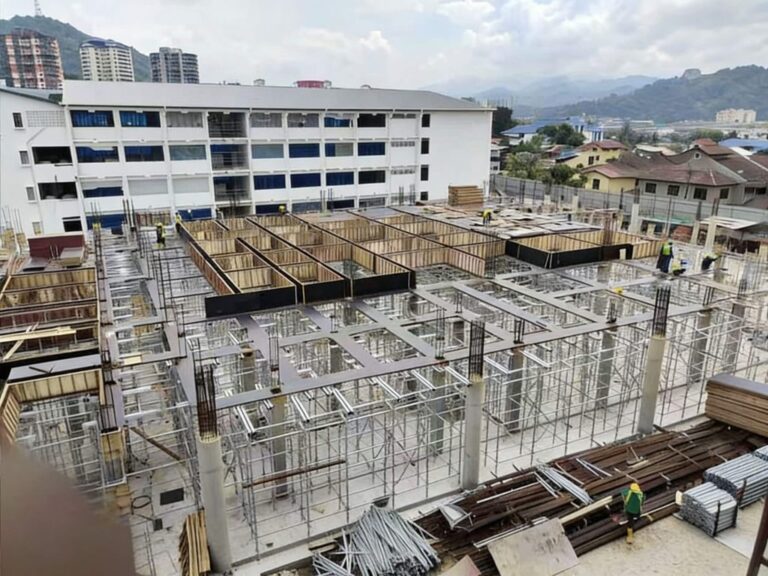
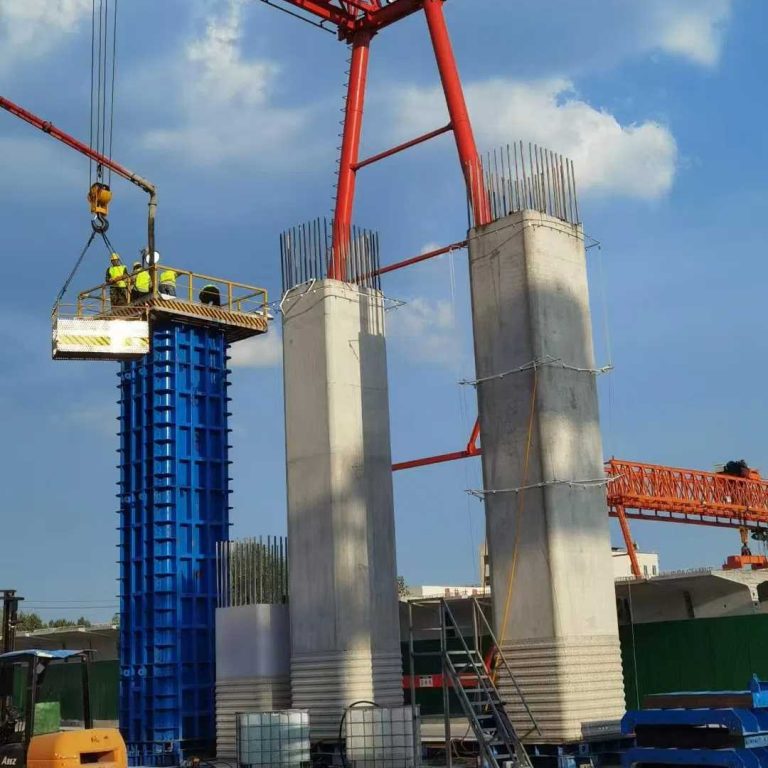
Slab formwork acts as a temporary mold. It holds freshly poured concrete in place until it hardens. It also ensures enough strength to support its own weight and imposed loads. This role is basic to securing the structural performance of any horizontal element. Proper slab formwork guarantees exact dimensions. This directly influences load distribution and long-term durability of the slab. The bottom form supports the weight of the concrete during pouring and casting. Moreover, formwork systems shape the final surface finish of slabs. As a result, they cut down the need for extra treatments like plastering or grinding.
How Slab Formwork Affects Construction Speed and Cost
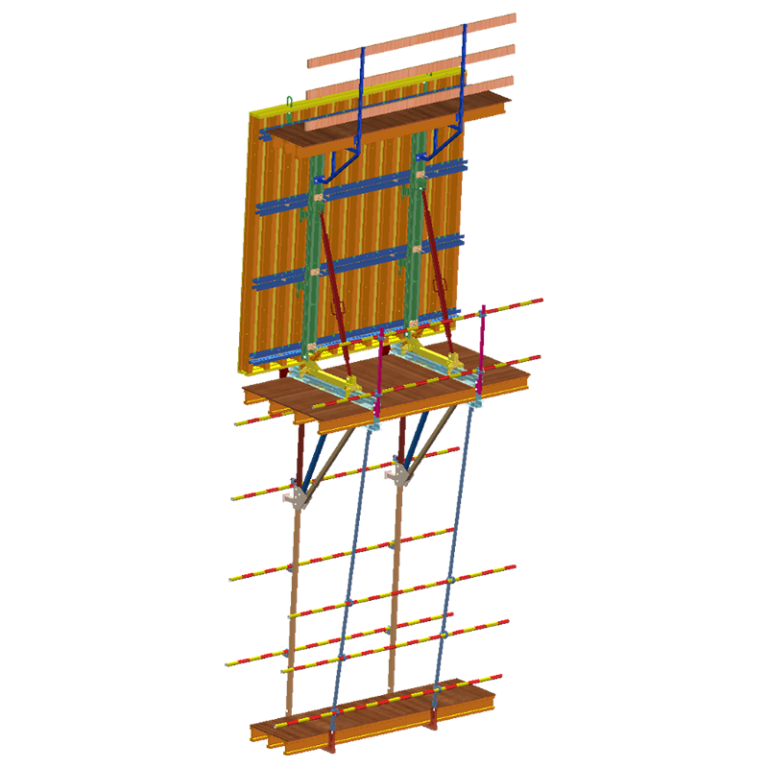
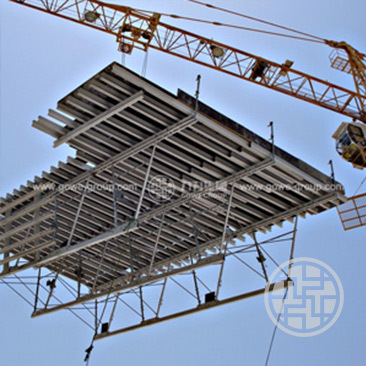
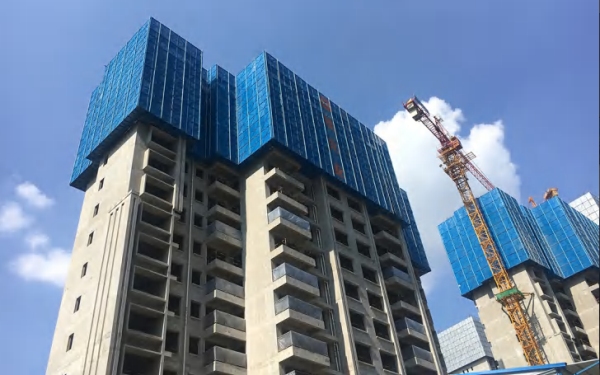
Efficient slab formwork greatly impacts the speed and cost-effectiveness of a construction project. Modular or engineered systems allow fast assembly and disassembly. They lower labor time and shorten construction cycle durations. Table formwork refers to the formwork scaffolding unit set and assembled as per the standard module. Workers avoid dismantling it each time. Instead, they hoist it from the next layer to the same position on the upper layer using a tower crane along with dedicated slings. They use it repeatedly. This achieves the goal of rapid construction. Reusability helps control costs. It is especially useful for large-scale or multi-story buildings where formwork is used many times.
Materials Commonly Used in Slab Formwork Systems
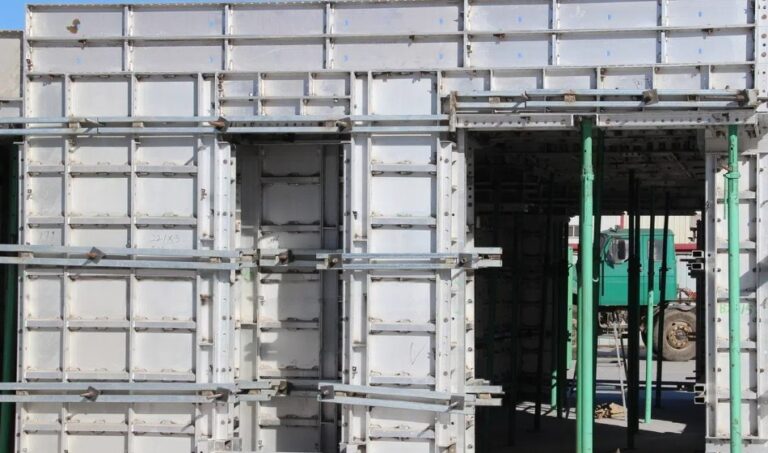
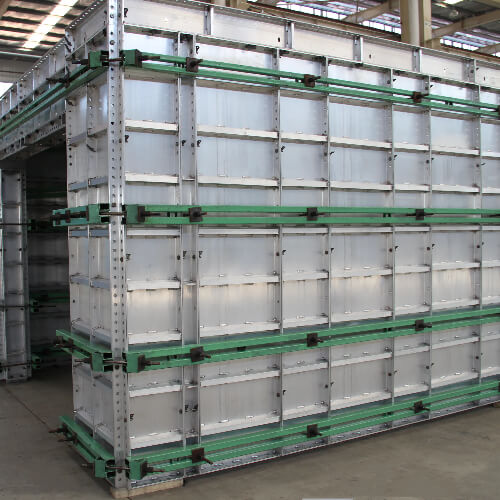
The material choice in slab formwork affects handling, lifespan, and performance. Steel works well for its toughness and high-load capacity. It fits repetitive use in tough settings. Aluminum excels because it is light and simple to move. With high-strength and lightweight, GOWE Aluminum formwork is an ideal choice for construction, and highly acclaimed by construction workers due to its light weight and flexibility. Plastic composites provide options for curved or complex shapes. Timber stays a common pick for custom or small-scale jobs. It offers adaptability and a lower starting cost.
How to Choose the Right Slab Formwork System for Your Project Requirements?
Evaluating Structural and Architectural Demands
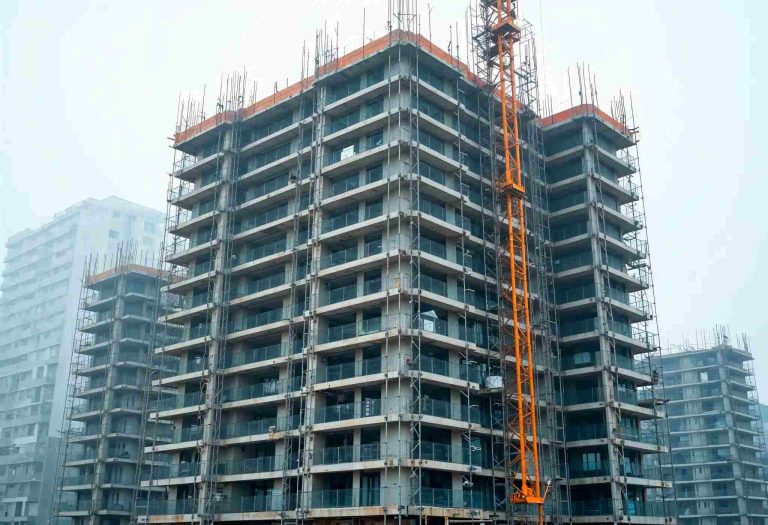
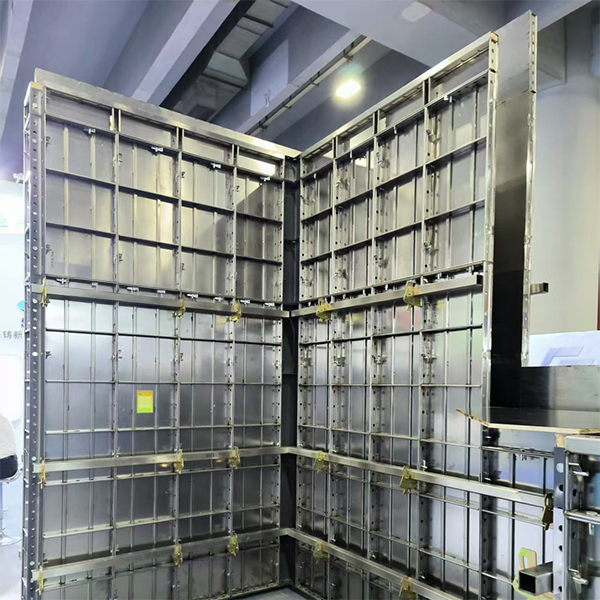
Selecting slab formwork starts with checking structural details. Consider slab thickness, span lengths, and expected live and dead loads. For instance, when post-tensioning or embedded utilities are part of the plan, the formwork must place them accurately and integrate them well. The aluminum formwork system is a high-efficiency solution for RCC load-bearing and RCC-framed multi-story buildings. It lets walls and slabs be cast in a single operation. This boosts construction speed. At the same time, it creates a strong, monolithic structure with a superior concrete finish. Complex floor layouts might need modular or flexible systems. These can handle irregular shapes.
Site Conditions That Influence Formwork Selection
Local site conditions can dramatically influence the choice of slab formwork systems. Restricted access zones may necessitate lightweight systems like aluminum or plastic for manual handling. Shoring system stability depends on ground conditions—soft or uneven soil might require base plates or wider footings. In climates with high humidity or exposure to rain, corrosion-resistant materials such as galvanized steel or treated aluminum are critical for longevity and safety.
Balancing Cost, Durability, and Reusability in System Choice
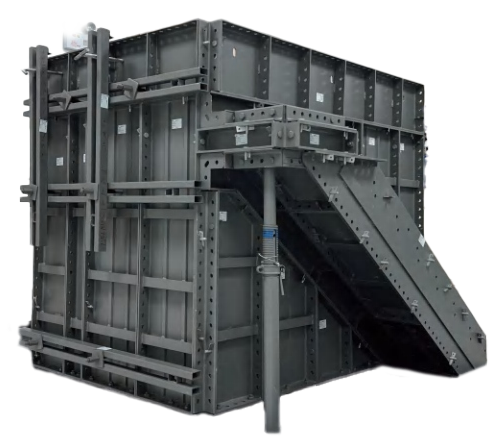
Upfront cost matters when picking slab formwork. However, lifetime value is also important. Systems with strong reuse potential save money over time. They may cost more at first. For example, it can withstand 60kN/m² concrete side pressure. It realizes one-time whole pouring and forming of both vertical and horizontal structures. And it can be dismantled in advance for a horizontal structure. Such systems boost productivity. They also lower maintenance costs over many uses. A lifecycle analysis helps weigh economic factors against performance aims.
What Types of Slab Formwork Systems Are Available and Where Are They Used?
Overview of Conventional and Engineered Slab Formwork Solutions
Traditional Timber Formwork Systems
Timber-based slab formwork offers customization flexibility but is labor-intensive and typically single-use. It’s suited for small projects or unique architectural features where prefabricated systems may not be viable.
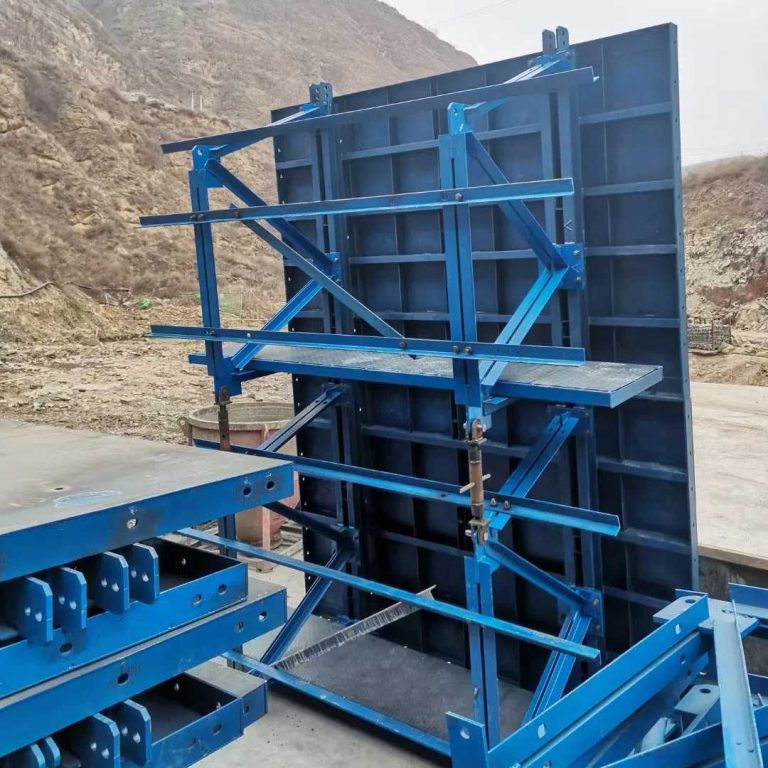
Modular Panel Systems (Steel/Aluminum)
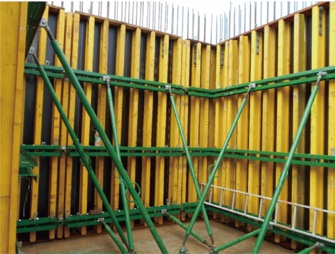
These pre-engineered units deliver steady quality. They also cut setup time. Aluminum panel systems help in mid- to high-rise buildings. Their lighter weight and reusability make them stand out. Thanks to the precise tolerances of the machined aluminum components, consistent shape and surface quality are maintained from floor to floor.
Table Form (Flying) Systems for Large Areas
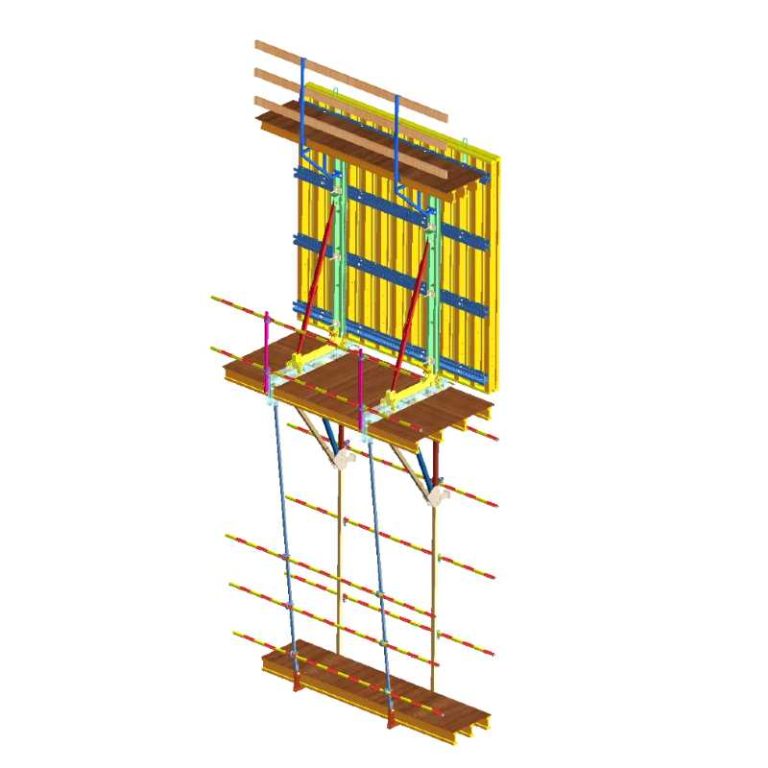
Table form systems suit projects with repeating floor plans. Think commercial towers or apartment blocks. Table formwork refers to the formwork scaffolding unit set and assembled as per the standard module. These systems let entire sections move between floors. No full disassembly is needed.
Drop Head Systems with Early Stripping Capability
Drop head slab formwork permits early removal of deck panels. Props stay in place to support loads until full concrete strength develops. This shortens cycle times. Yet it keeps safety intact.
Specialized Slab Formwork for Complex Projects or Conditions
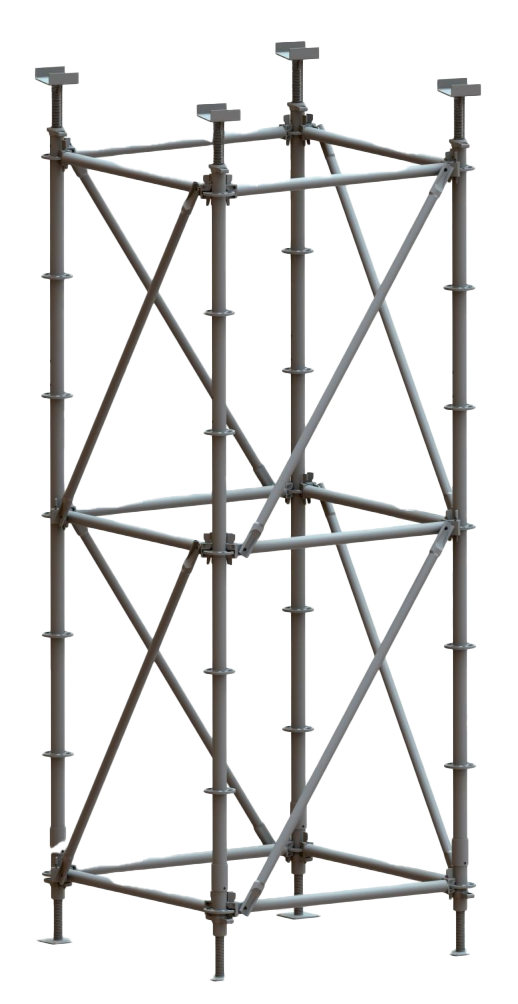
Shoring Towers for High Load Applications or Elevated Heights
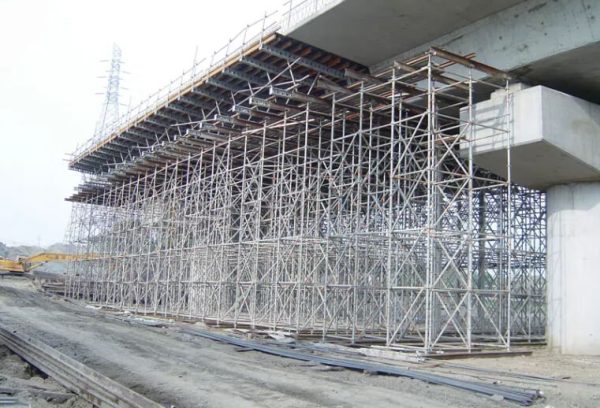
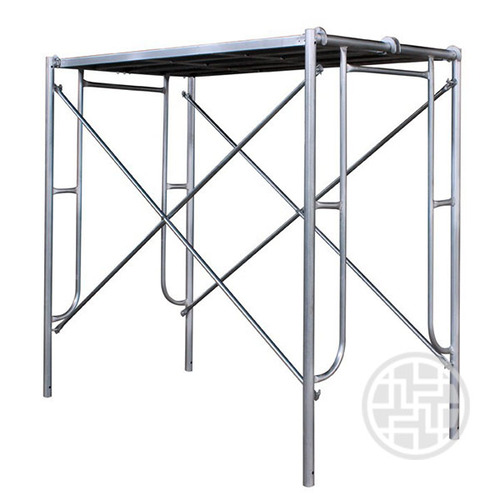
Shoring towers offer vital vertical support. They are useful where slab spans are long or loads are heavy. Examples include bridge decks or industrial floors.
Lightweight Props and Adjustable Shores for Fast Setup
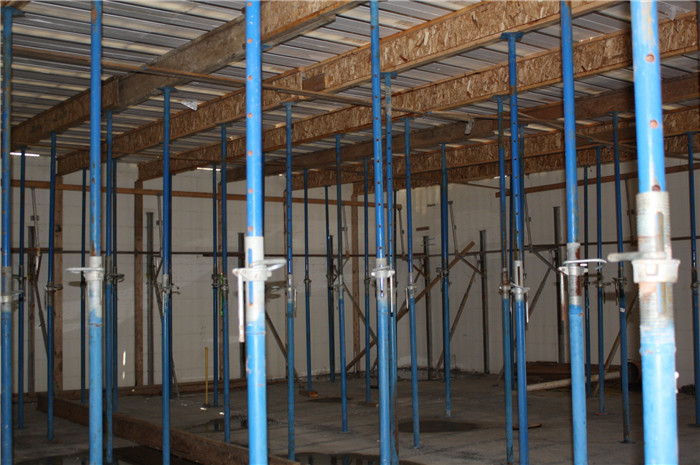
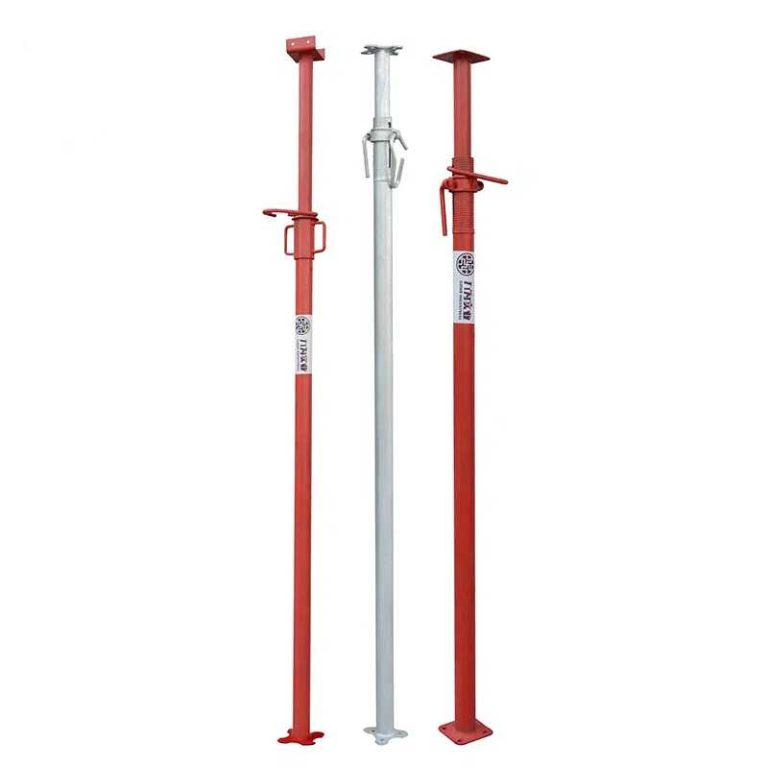
Fast-track projects gain from adjustable props. They allow quick leveling and height changes. Adjustable Steel Prop, suitable for 2000 – 3300 mm. These parts can shift easily as work goes on.
Integrated Safety Features in Modern Systems
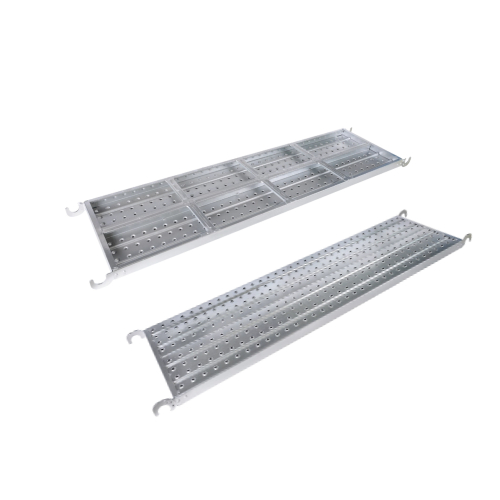
Modern slab formwork includes safety parts in its design. Guardrails, anti-slip platforms, and toe boards prevent falls. They improve worker protection during slab installation.
How Can the Right Slab Formwork System Improve Project Outcomes?
Enhancing On-Site Safety Through Smart System Design
Well-planned slab formwork lowers risks from manual handling. It uses light or craneable parts. Components like Prop Head are used with steel props to support the slab, ensuring stable load transfer during pouring operations. Integrated platforms reduce fall risks, too. They provide safe working surfaces at heights.
Minimizing Material Waste and Environmental Impact
Reusable slab formwork systems cut back on single-use materials like timber or plywood. This accuracy allows for the seamless integration of prefabricated plumbing and electrical fittings, ensuring a perfect fit during assembly. Engineered precision also helps avoid overpouring or leakages. Consequently, it leads to cleaner construction sites and less material waste.
Achieving High Quality Finishes with Precision Components
High-quality slab finishes come from precision-engineered formwork parts. They keep alignment steady over multiple pours. Thanks to the precise tolerances of the machined aluminum components, consistent shape and surface quality are maintained from floor to floor. This cuts surface flaws. It also reduces the need for fixes like plastering or patching.
Why GOWE Slab Formwork Solutions Deliver Reliable Results Across Projects
Our Approach to Engineering High-Efficiency Slab Formwork Systems
At GOWE, we design slab formwork systems that focus on structural strength, simple use, reusability, and worker safety. Our solutions work well in residential towers, infrastructure projects, public buildings, and industrial developments. Speed and reliability are essential there.
GOWE’s Core Product Lines Tailored to Diverse Project Needs
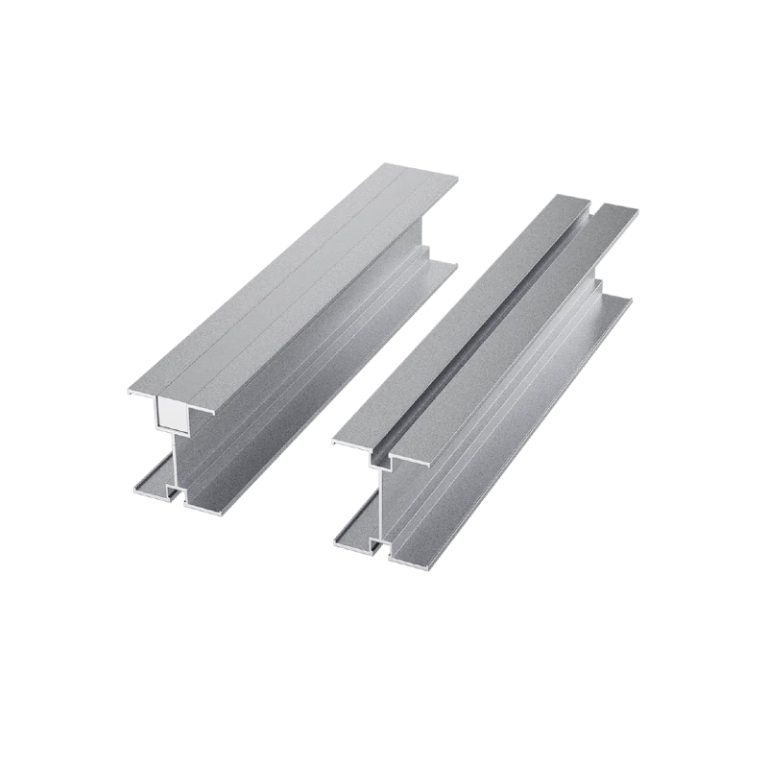
Our aluminum alloy systems perform well for vertical and horizontal structures. The aluminum formwork system is a high-efficiency solution for RCC load-bearing and RCC-framed multi-story buildings. Components like end beams, steel props, prop heads, middle beams, and bottom forms are built for fast assembly. They also handle high loads.
Why Contractors Trust GOWE Globally
Contractors worldwide count on GOWE for tough products. They also value our full technical support across project stages. This covers planning to dismantling. With local service teams and global logistics, we make execution smooth. It works no matter the location or size.
FAQ
Q: How do I choose the best slab formwork system for my project?
A: Start by evaluating your project’s structural requirements, including span length, load capacity, layout complexity, and integration needs. GOWE offers customizable aluminum formwork systems tailored for high efficiency in various conditions.
Q: Which slab formwork material offers the best balance between durability and ease of use?
A: Aluminum strikes an ideal balance due to its strength-to-weight ratio. With high-strength and lightweight, GOWE aluminium formwork is an ideal choice for construction.
Q: What are the advantages of modular panel slab formwork over traditional timber?
A: Modular panels provide faster setup times, better finish quality, and high reusability compared to labor-intensive timber systems that are often single-use.
Q: Are there slab formwork solutions suitable for rapid construction cycles?
A: Yes. Systems like table forms allow quick repositioning between floors without full disassembly. Table formwork refers to the formwork scaffolding unit set and assembled as per the standard module.
Q: Which companies offer reliable slab formwork systems globally?
A: GOWE is trusted worldwide for its engineering excellence in slab formwork solutions, offering products that support both speed and quality across diverse construction needs.