


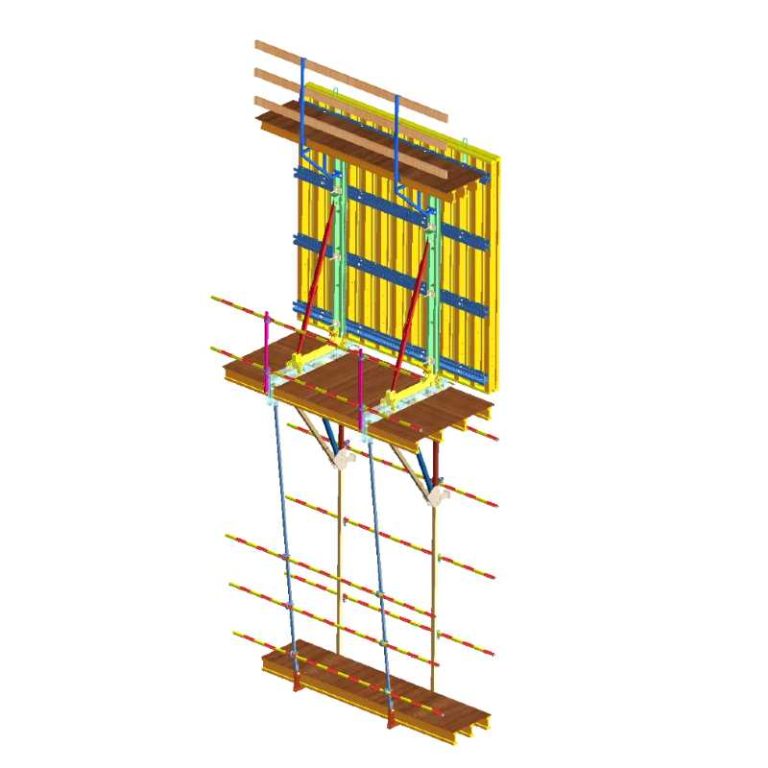
What Makes Steel Scaffolding a Strong Choice for Your Project?
Key Advantages of Steel Scaffolding
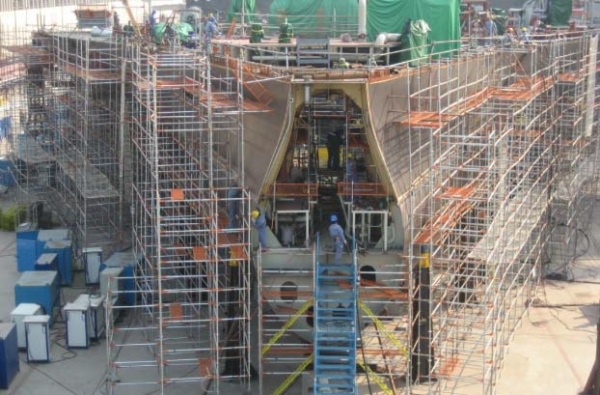
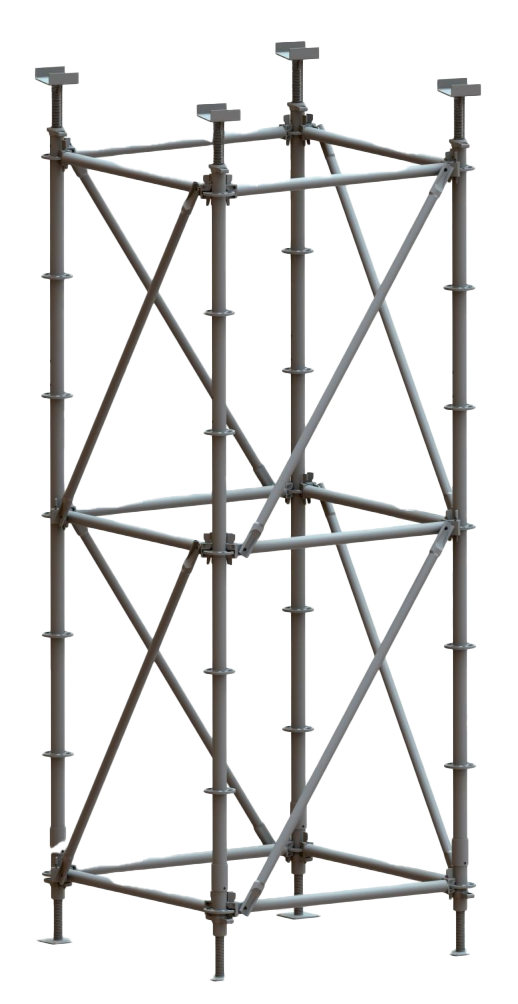
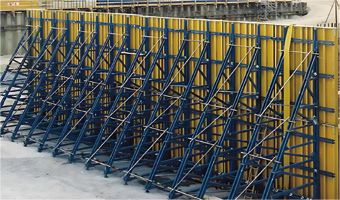
Steel scaffolding remains a top pick for tough construction jobs. It provides great strength and firmness. This material has excellent load-bearing power. So, it works well for tall buildings and heavy industrial tasks. With good upkeep, steel scaffolding lasts a long time. Thus, it gives real value in the years ahead.
The setup is firm. It handles heavy loads well. Plus, it is safe and dependable. These traits make steel scaffolding a fine option. Safety and toughness matter most here. Also, the material’s stiffness means little bending under weight. That point is key to keeping workers at ease. It also preserves the build’s soundness in tricky projects.
When Should You Opt for Steel Scaffolding?
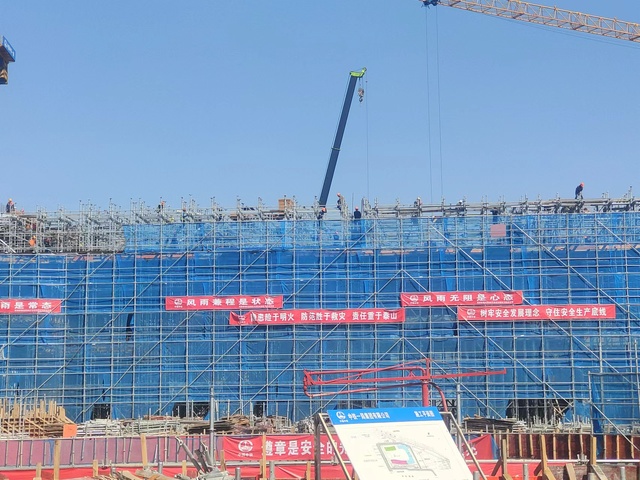
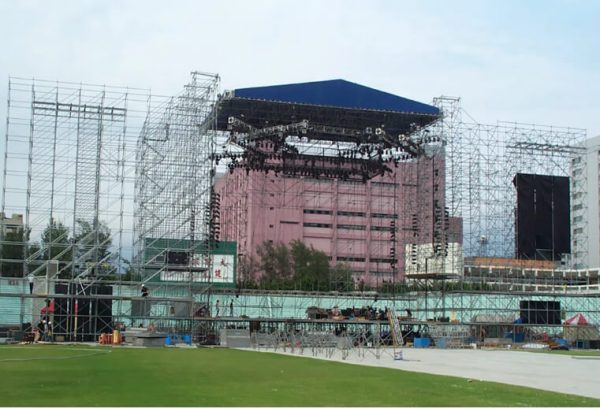
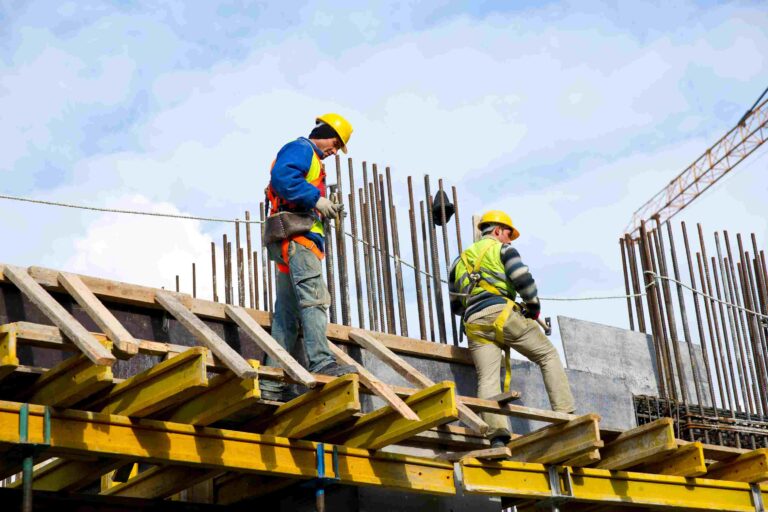
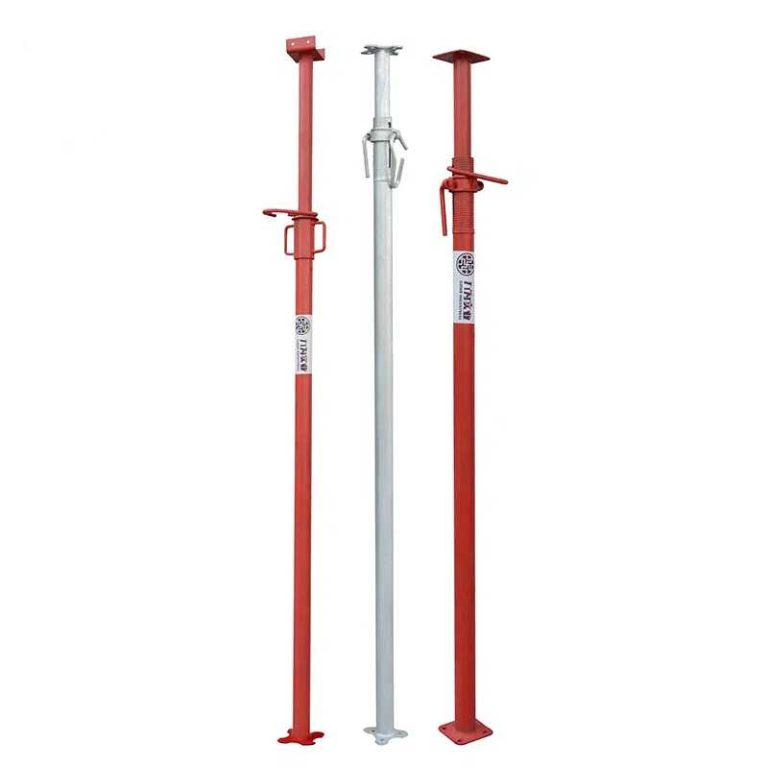
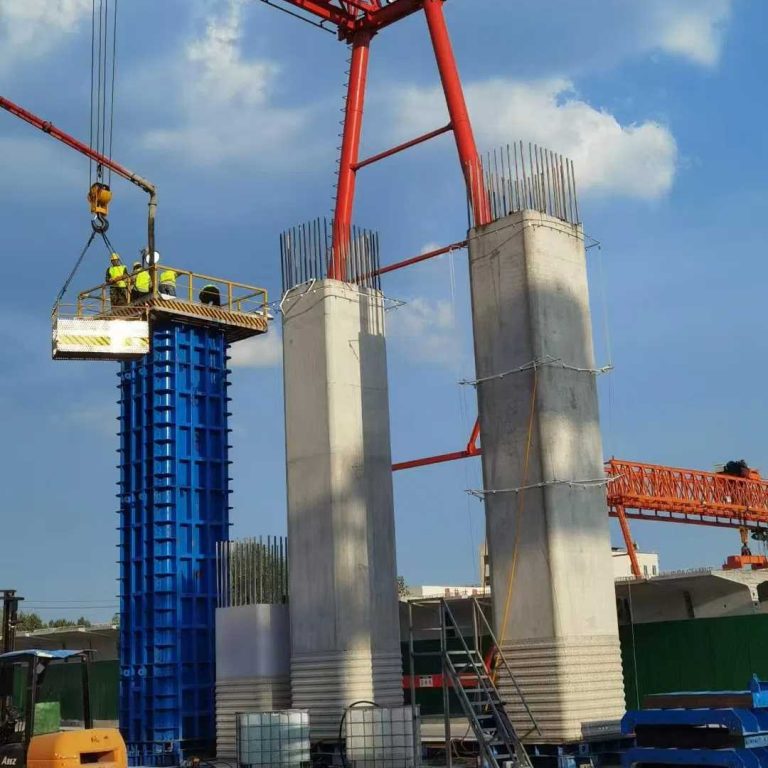
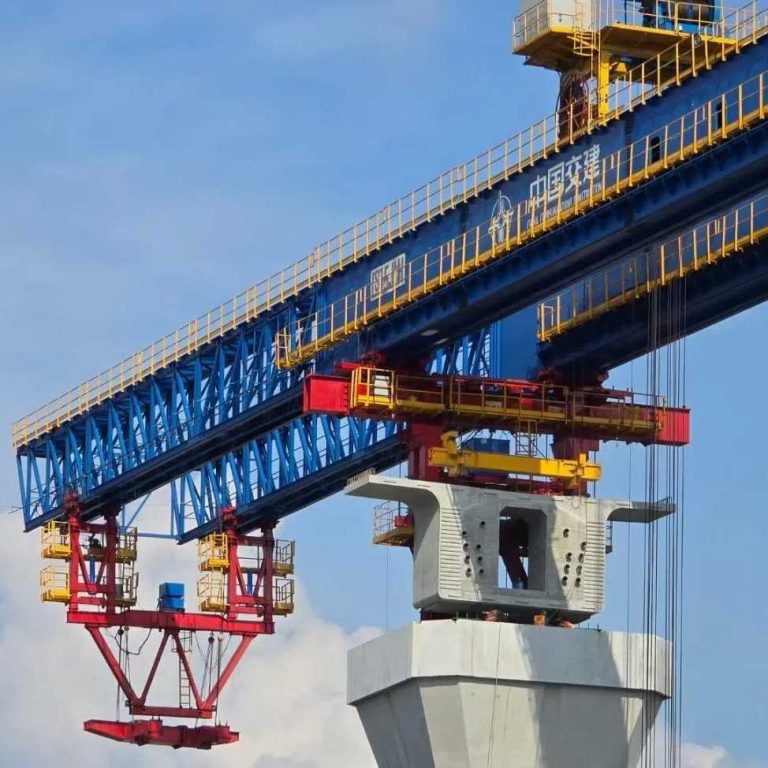
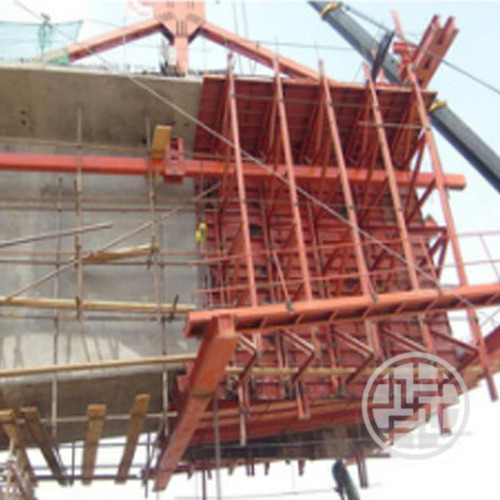
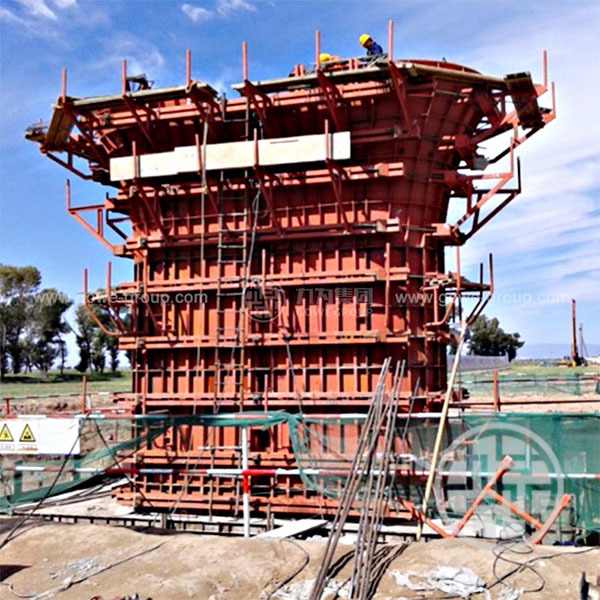
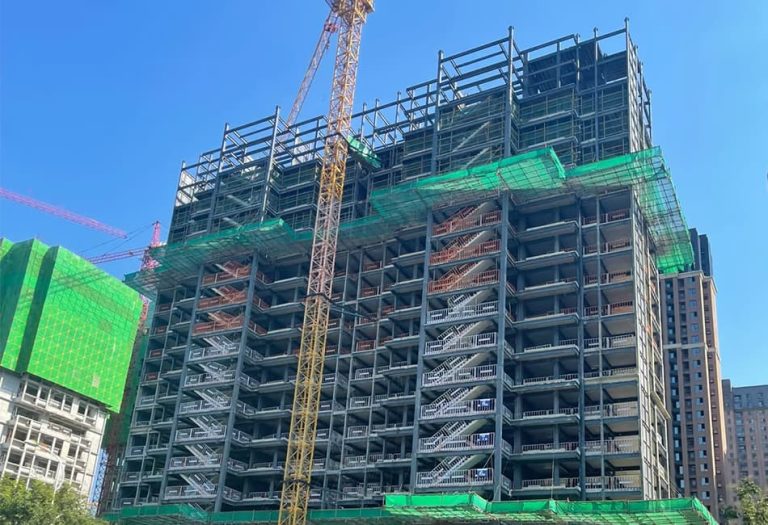
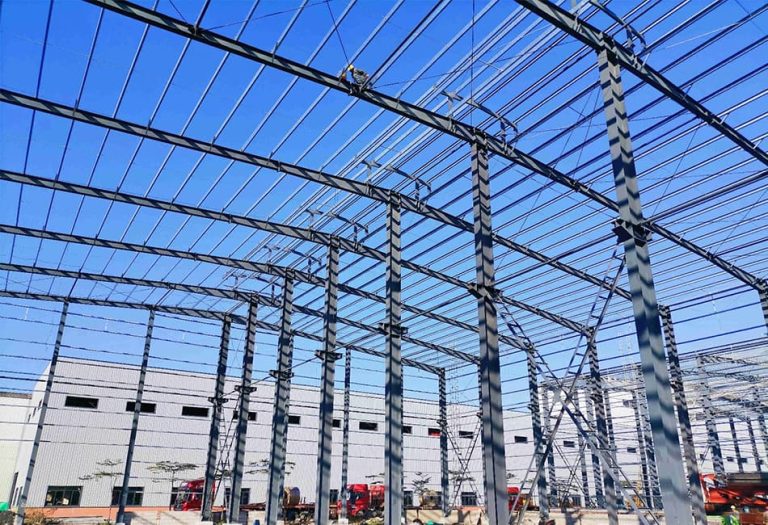
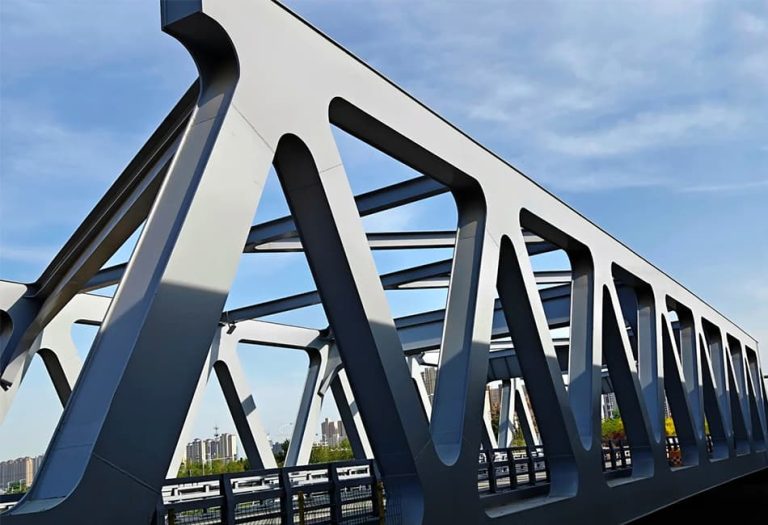
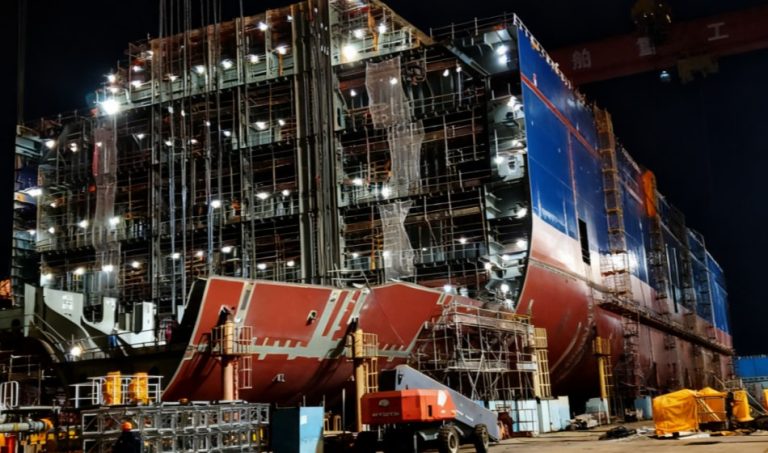
Steel scaffolding fits projects that need top stability. Think bridge building or high commercial towers. It holds up great in rough weather. Wind or temperature changes might harm lighter options. For special setups that call for odd shapes or extra support, steel adapts easily. It matches the project needs exactly.
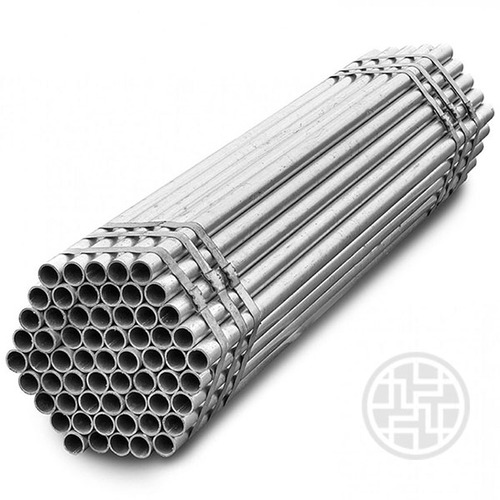
Our company picks Q355 and Q235 grades of steel. These materials are noted for their toughness and staying power. We use them to build our scaffolding setups. This lets us offer structures that hold big loads. At the same time, they meet safety rules in many settings.
Potential Drawbacks of Steel Scaffolding
Steel scaffolding has strong points, but it comes with some downsides. It weighs more than aluminum types. That can raise shipping expenses. It also needs more workers for setup and takedown. Yet, these issues often get balanced by the system’s sturdiness and long use. Those features turn steel into a solid choice for ongoing or big projects.
Why Consider Aluminum Scaffolding for Your Job?
Advantages of Aluminum Scaffolding
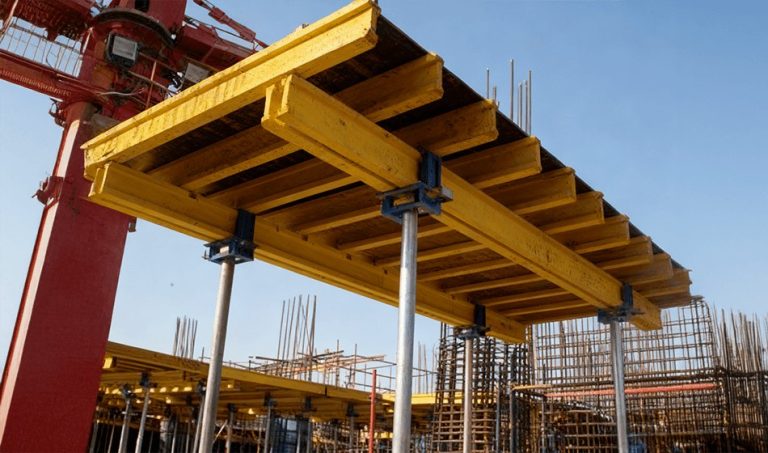
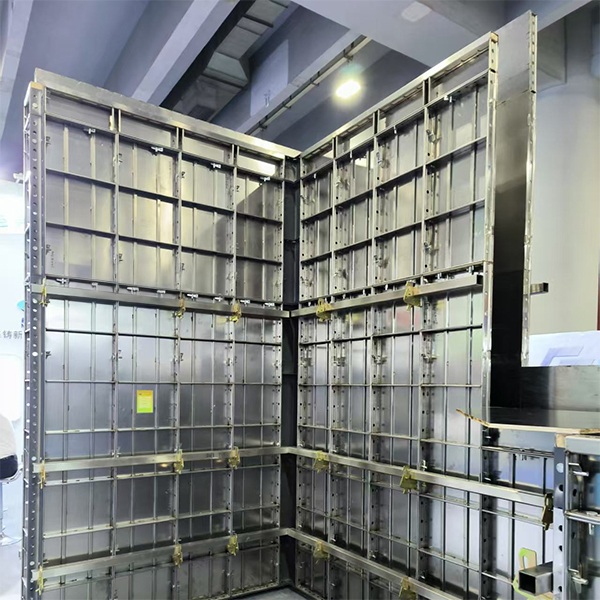
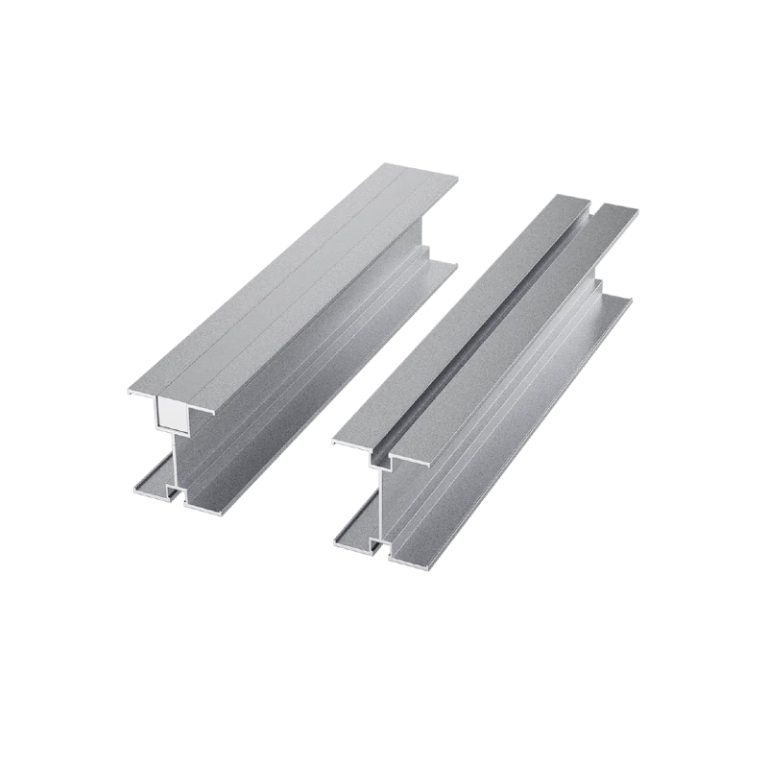
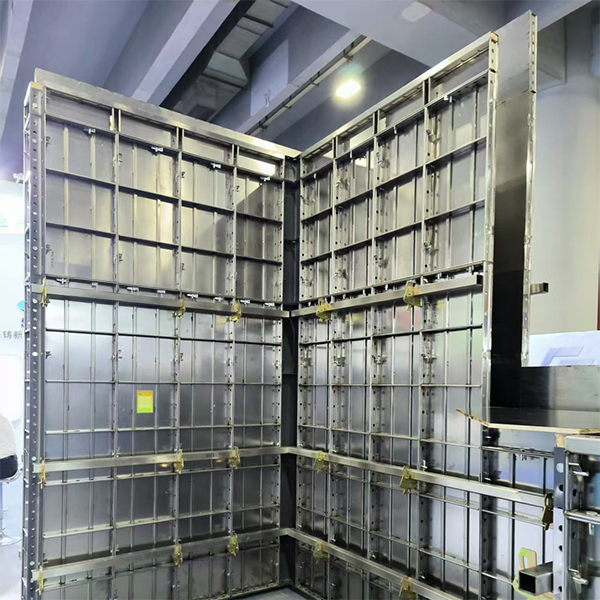
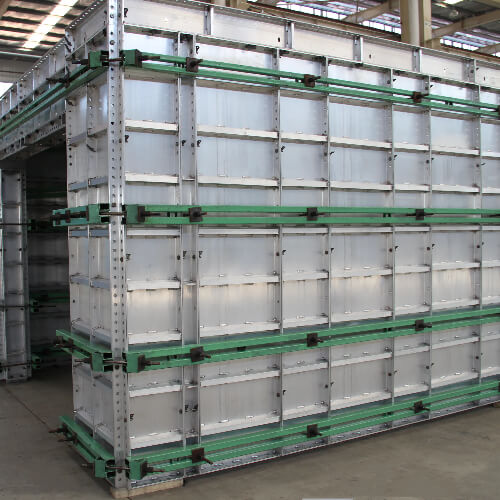
Aluminum scaffolding gets praise for its light build and simple handling. Aluminum beams (Aluminum alloy I-beams) are built to give solid support in construction work. This suits jobs that need quick moves or fast setup. Their resistance to rust makes them good for different places. That includes coastal spots or damp areas where corrosion might be a problem.
Besides easy transport, aluminum scaffolds cut down setup time a lot. This helps boost workflow on small or brief projects.
Ideal Scenarios for Choosing Aluminum Scaffolding
Aluminum scaffolding shines when movement is important. Projects with several work areas gain from its light frame. Teams can shift platforms fast without big machines. It also fits indoor upkeep jobs. There, floor weight limits block heavier stuff.
For instance, pairing aluminum beams with our steel scaffolding systems makes mixed setups. These blend ease with power. So, they work well in short-term or lasting installs.
Limitations of Aluminum Scaffolding
Aluminum scaffolds bring ease, but they hold less weight than steel ones. This limits them to very high buildings or heavy industrial spots. Those places need better resistance to strain. Also, though they fight rust, aluminum might bend under too much load if not shored up properly.
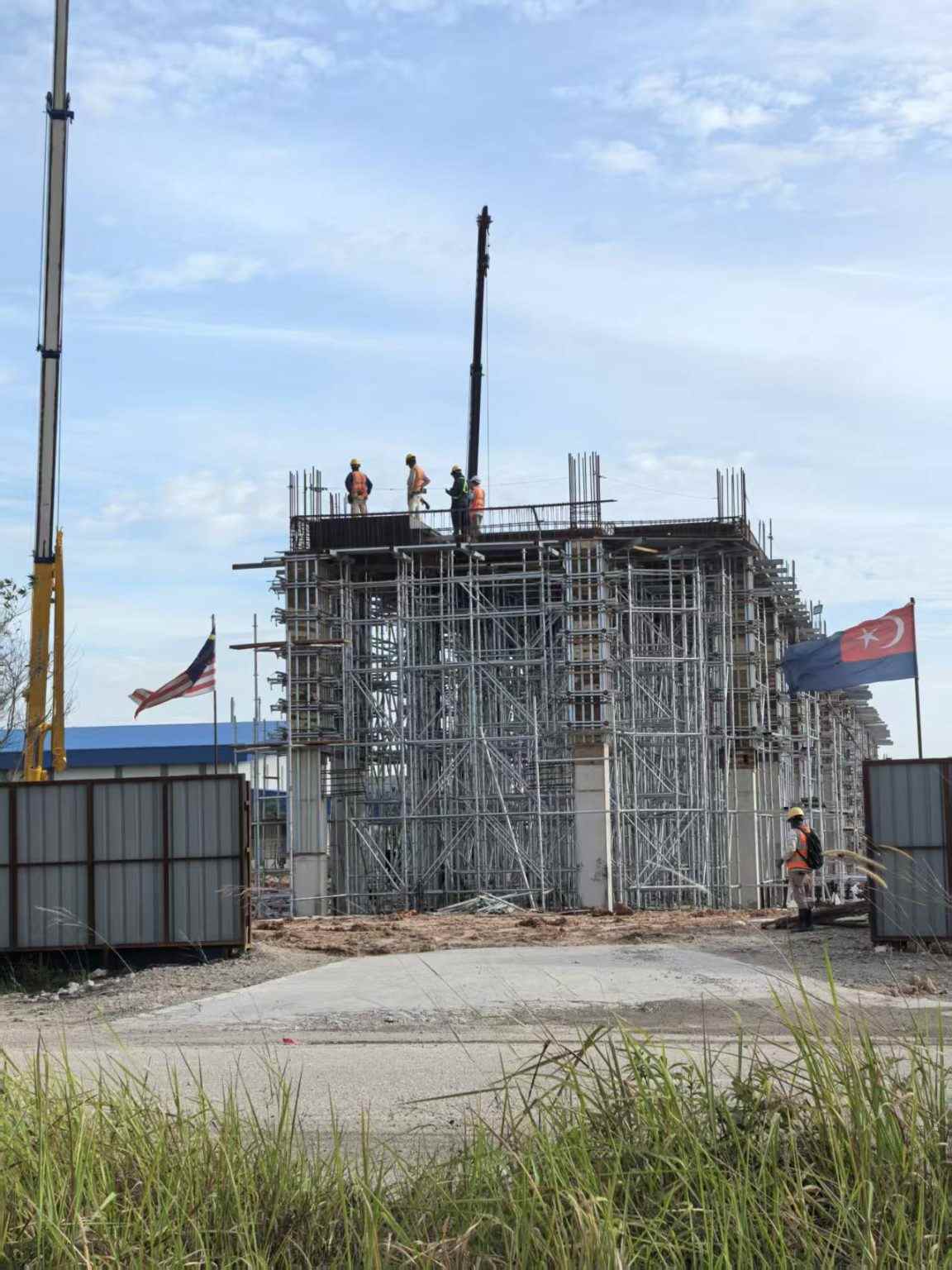
What Factors Should You Consider When Choosing Between Steel and Aluminum?
Comparing Cost Efficiency and Durability
When looking at cost efficiency, think about starting costs and ongoing care fees. Steel scaffolding might cost more at first. But with proper handling, it serves longer. Aluminum choices often start cheaper. Yet, they may need swaps sooner from hard use.
Toughness relies on the surroundings. Galvanized steel fights corrosion well outside. Aluminum does better in wet spots without extra coatings.
Assessing Safety Standards and Compliance
Safety rules matter a lot in picking the right material. Always check if it meets local laws like EN12811 or JG/T503 standards. These cover scaffold safety performance. Surface Treatment: Hot Dipped Galvanized; Standard: EN12811, JG/T503. Such approvals make sure both steel and aluminum setups hit global marks for holding loads reliably.
How Does GOWE’s Steel Scaffolding Stand Out in the Market?
Unique Features of GOWE’s Steel Scaffolding
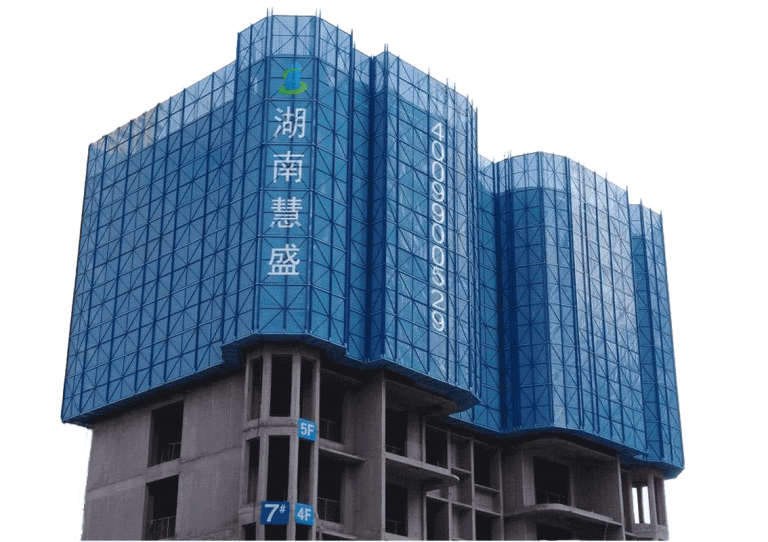
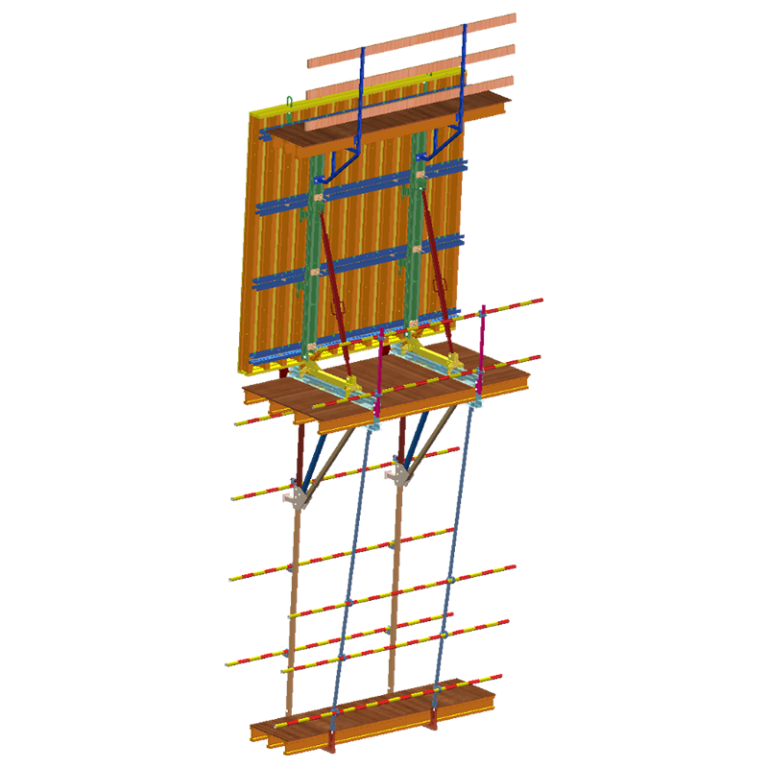
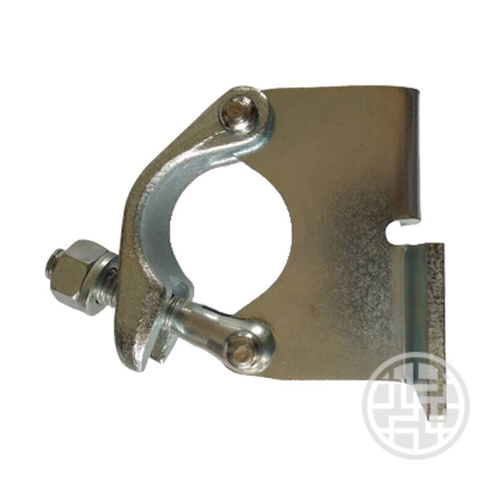
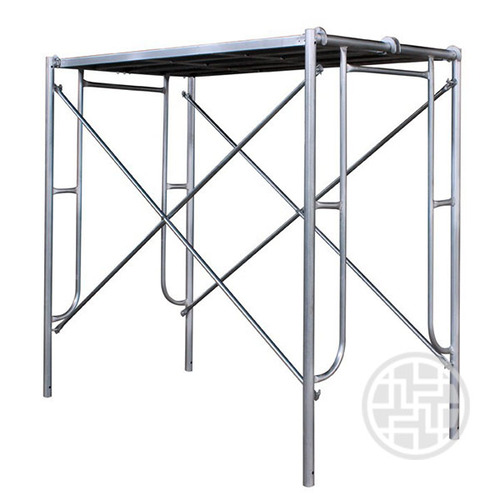
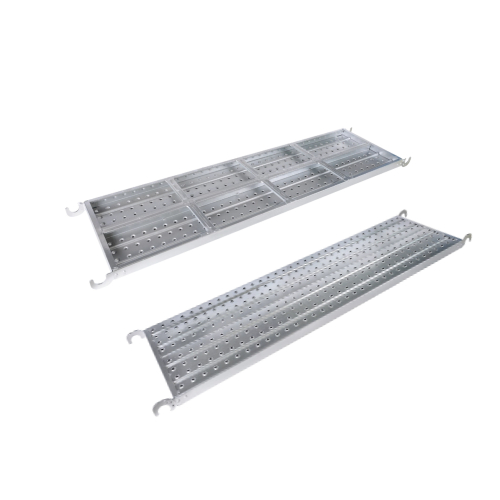
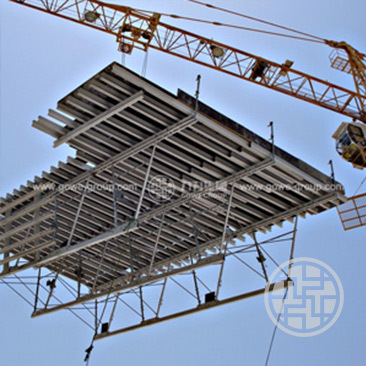
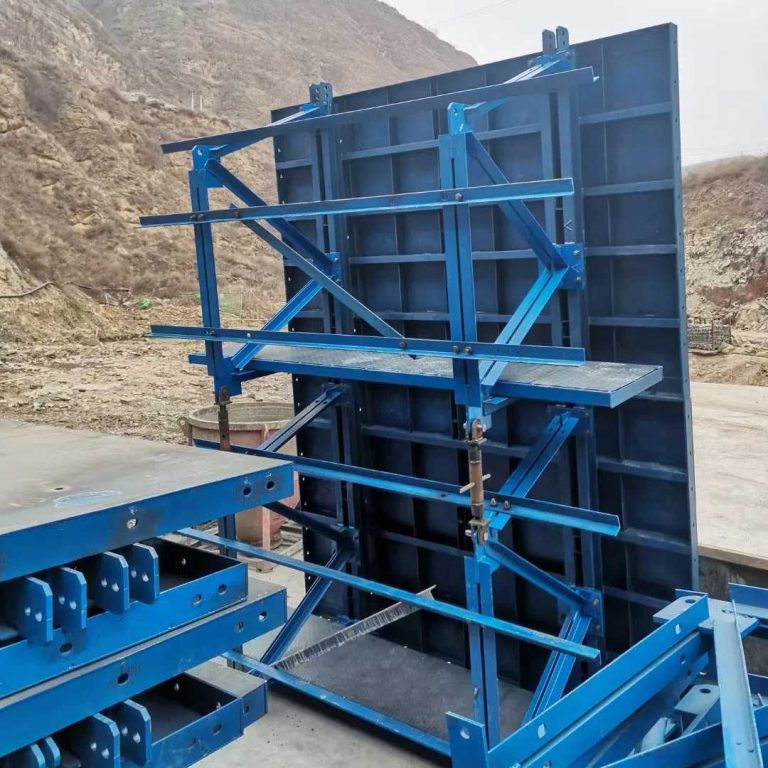
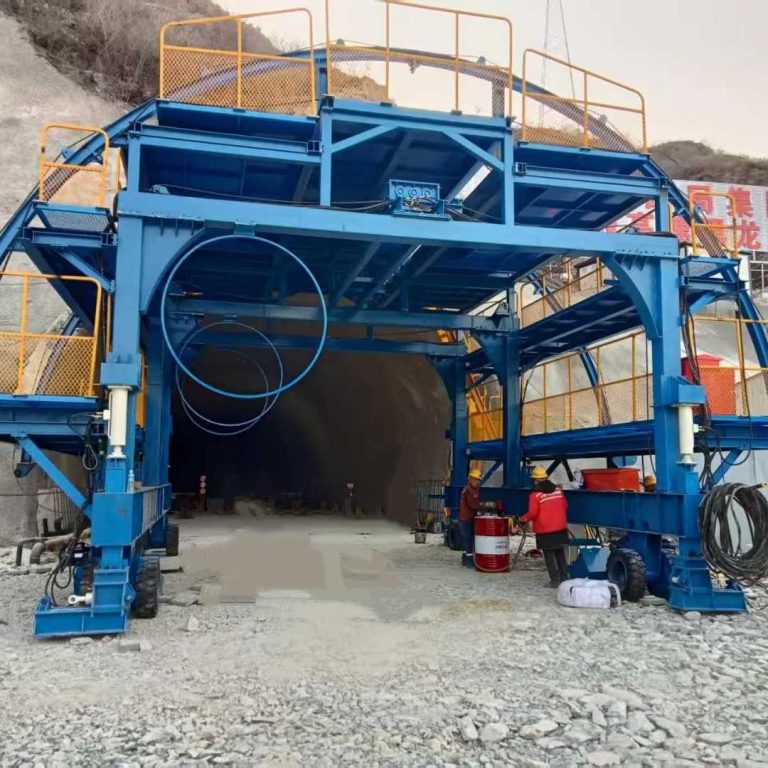
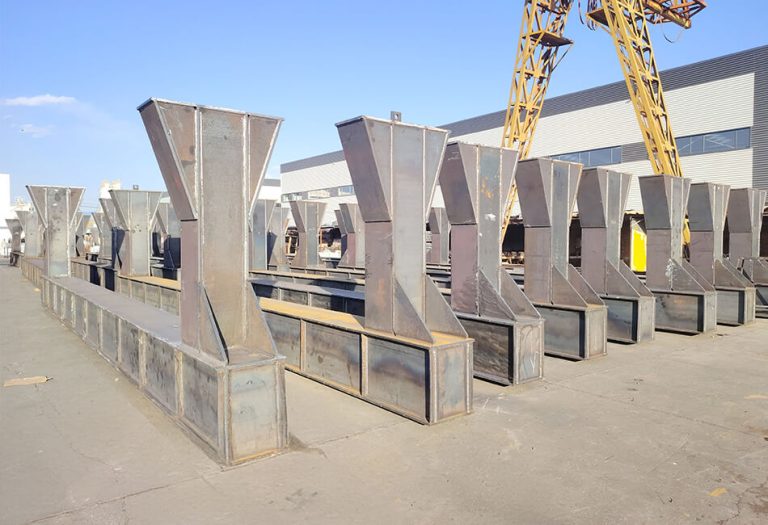
At GOWE, we craft our steel scaffolds with modern production methods. These aim to boost accuracy and lasting quality. Advanced technology, reasonable joint design and firm connection; Overall upgraded raw materials, using low-alloy structural steel; Internal and external hot-dip galvanized anti-corrosion process, with long service life, neat and good looking; Automatic welding, high precision, strong interchangeability, excellent quality; Stable structure, high bearing capacity, safe and reliable; Light weight, less consumption, reduced construction cost; Quick assembly, hoisting as a whole, and shortening the construction period.
We use top materials like Q355 and Q235 steels in our plans. This ensures peak strength. It also keeps flexibility in various scaffold shapes. Our items go through strict tests. These confirm steady work even in harsh site conditions.
Benefits of Choosing GOWE’s Products
Picking GOWE means putting money into toughness. It comes with top engineering skills. Ranked No.1 in China, GOWE has a team of over 500 engineers. They handle R&D, manufacturing, craftsmanship, service, QC, and construction in the field of formwork & scaffolding. We offer custom fixes from client sketches. This makes sure each job gets better safety and cost savings.
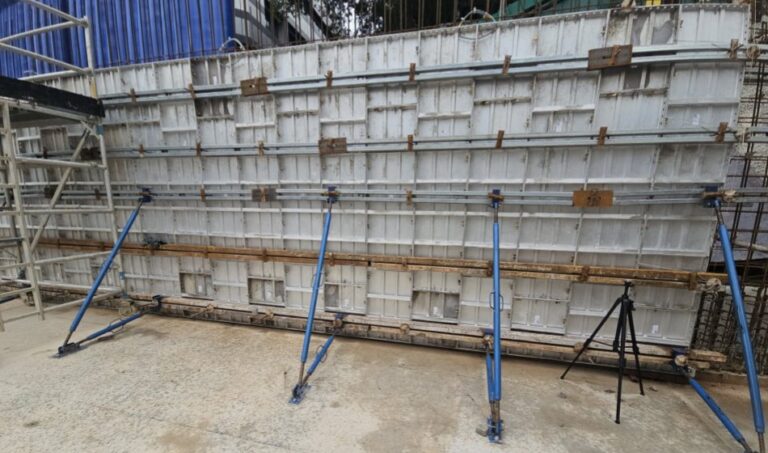
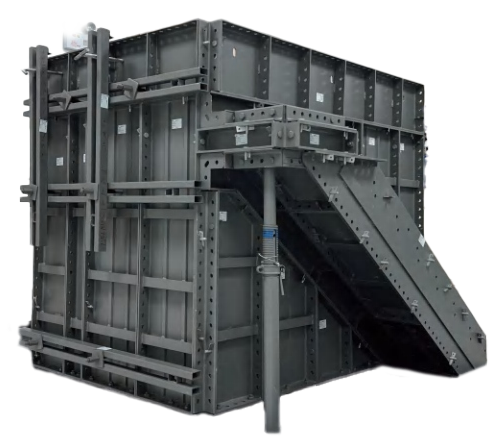
On top of that, our lineup has matching aluminum beams. They fit right with our steel scaffolds. This gives mixed systems that mix light handling with top steadiness. For tall jobs needing both formwork aid and scaffold platforms, our Aluminum formwork options pair well with these.
FAQ on Steel vs Aluminum Scaffolding Choices
Q: Which is better, steel scaffolding or aluminum scaffolding?
A: The choice depends on project type—steel offers greater strength for heavy-duty work while aluminum provides mobility for lighter tasks or frequent relocations.
Q: How do I decide whether my project needs steel or aluminum scaffolds?
A: Evaluate factors like height requirements, environmental conditions, load demands, and frequency of movement before selecting the appropriate material system.
Q: Are hybrid scaffold systems using both materials effective?
A: Yes. Combining GOWE’s Q355/Q235 steel frames with lightweight aluminum beams creates efficient hybrid setups suitable for complex builds requiring both strength and flexibility.
Q: What maintenance does each type require?
A: Steel requires periodic inspection against corrosion despite galvanization protection; aluminum needs checks mainly for deformation after repeated use, but resists rust naturally.
Q: Why should professionals choose GOWE products?
A: GOWE delivers certified quality through advanced manufacturing processes using low-alloy structural steels with anti-corrosion finishes—ensuring long-lasting reliability at competitive pricing levels while meeting international safety standards like EN12811.