
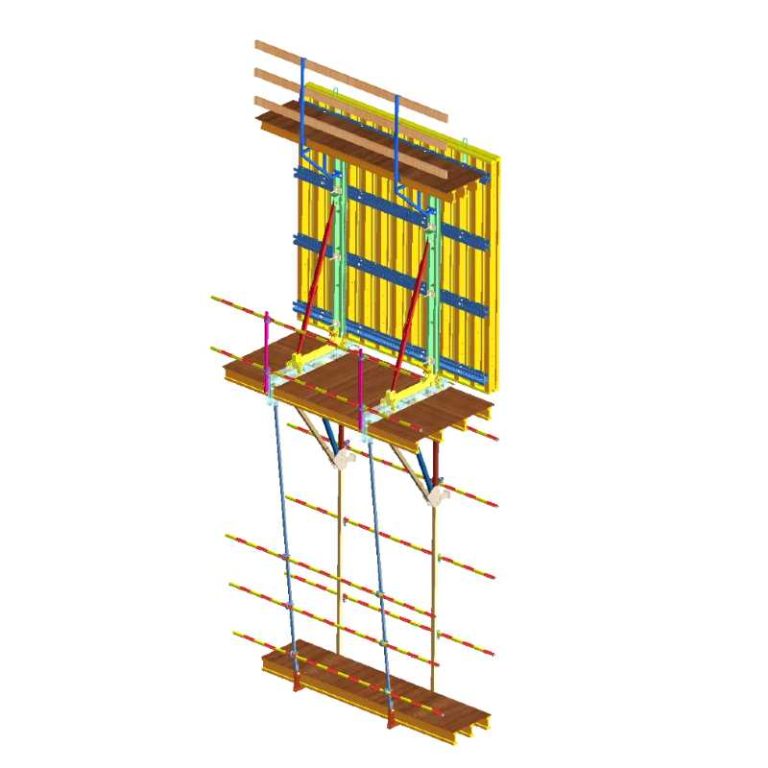
Understanding Aluminium Formwork Systems
What Is Aluminium Formwork?
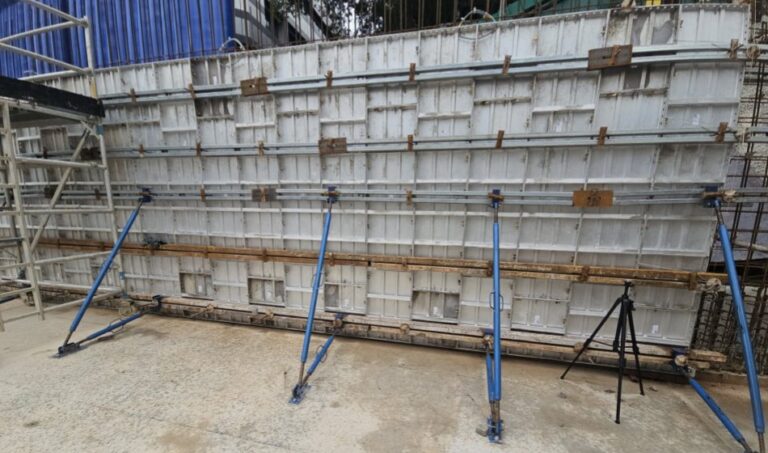
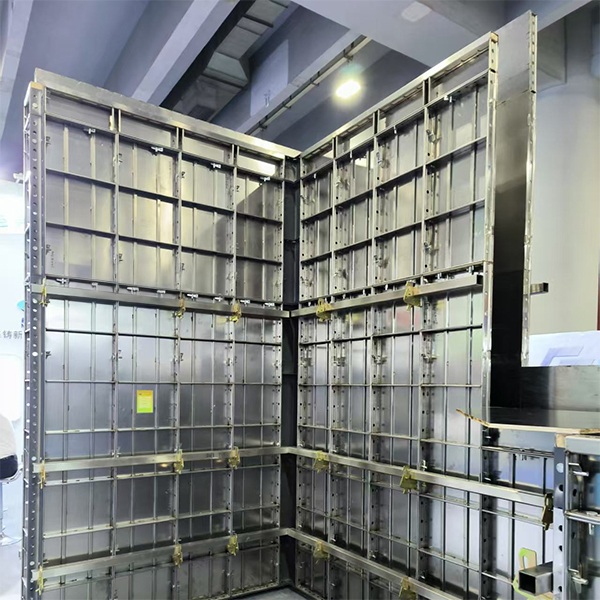
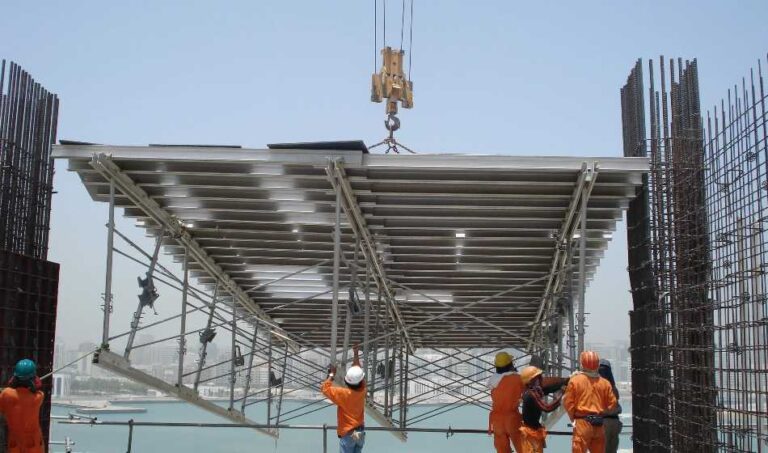
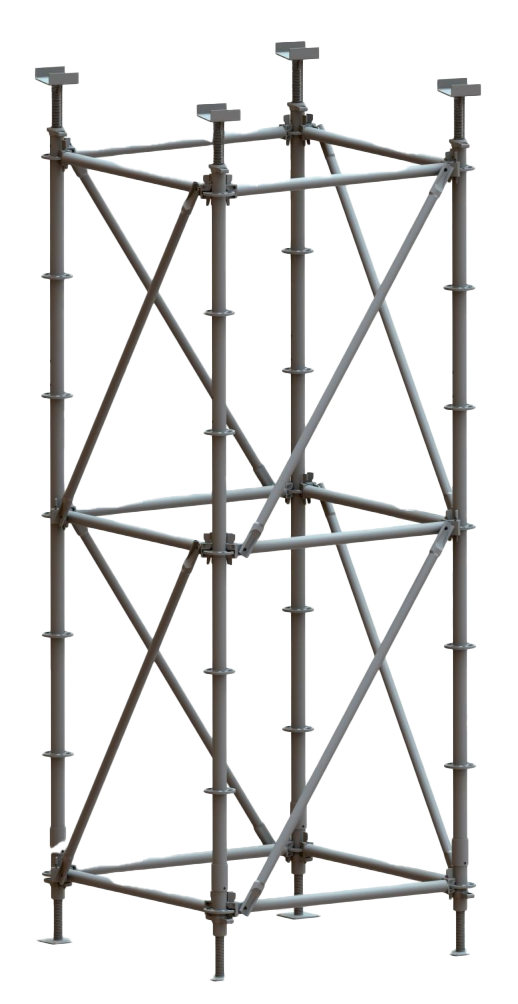
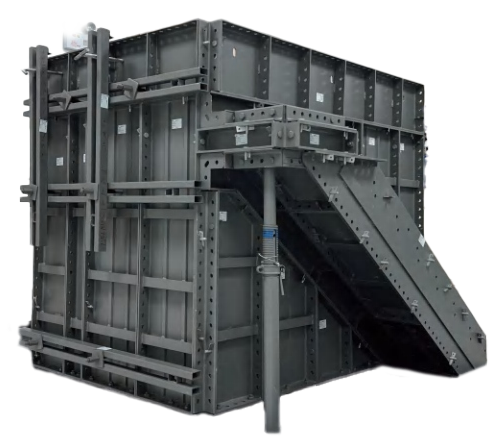
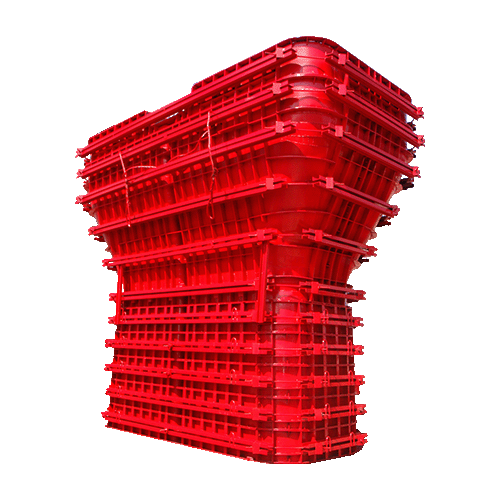
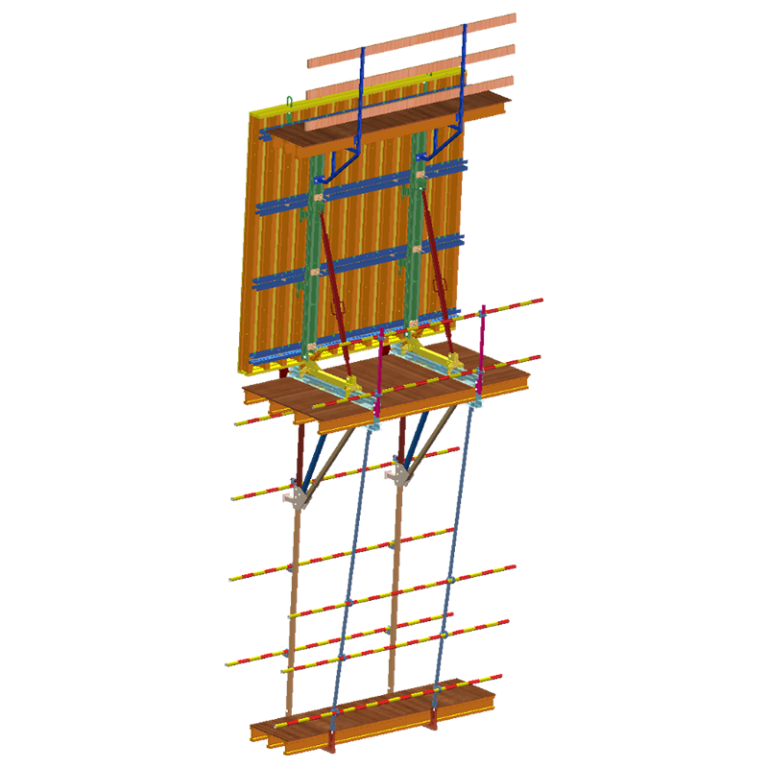
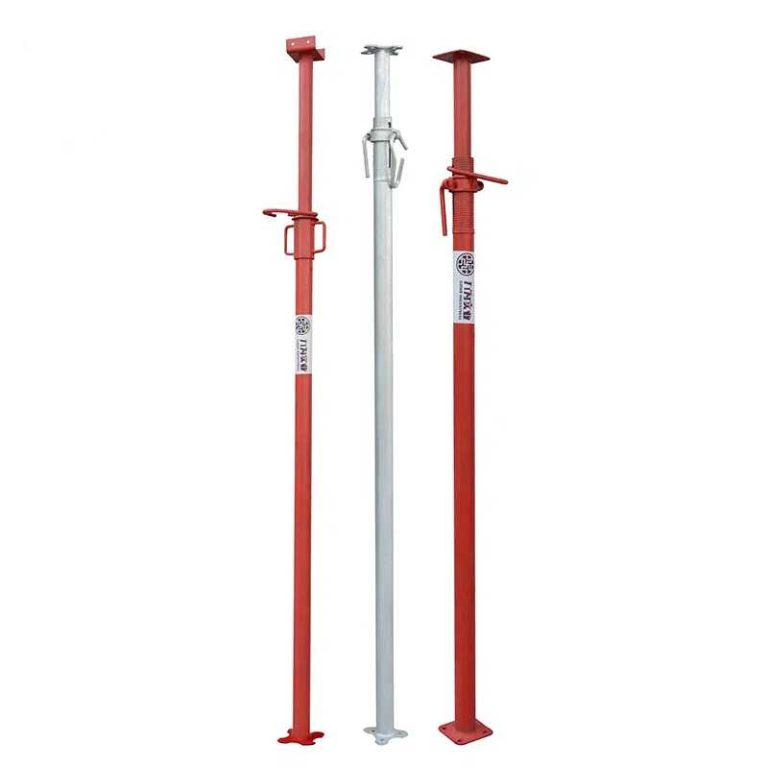
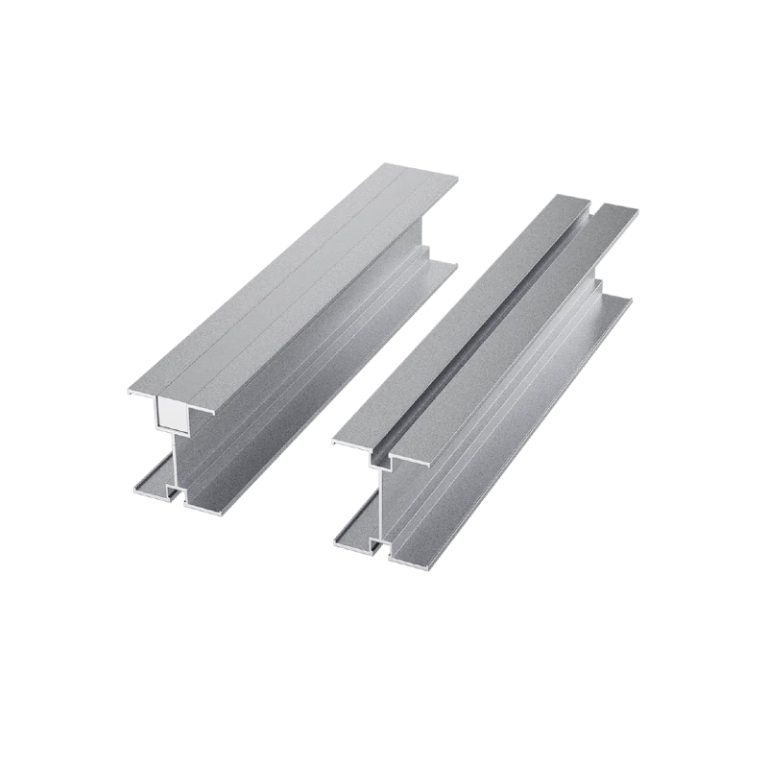
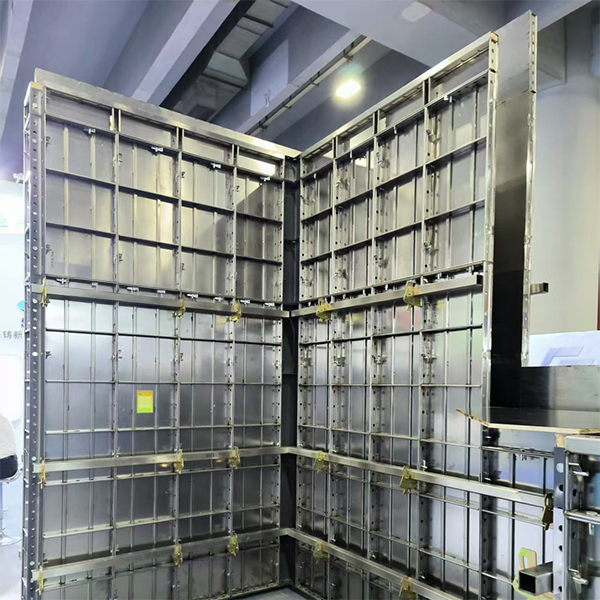
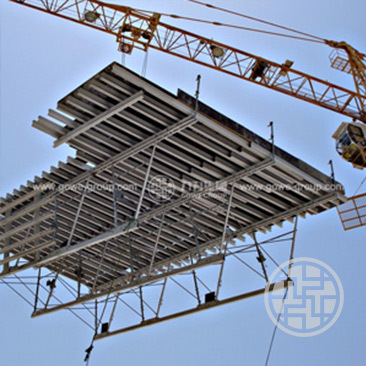
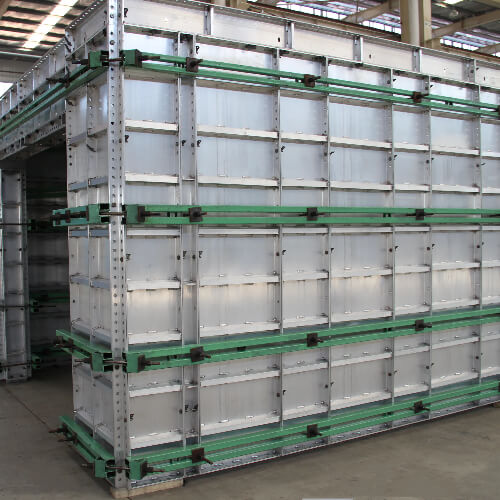
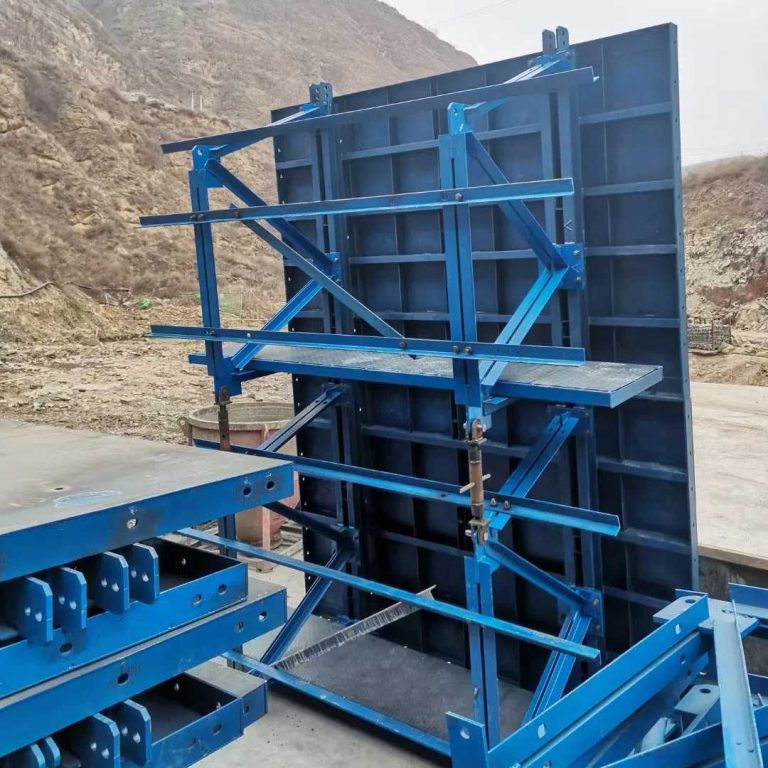
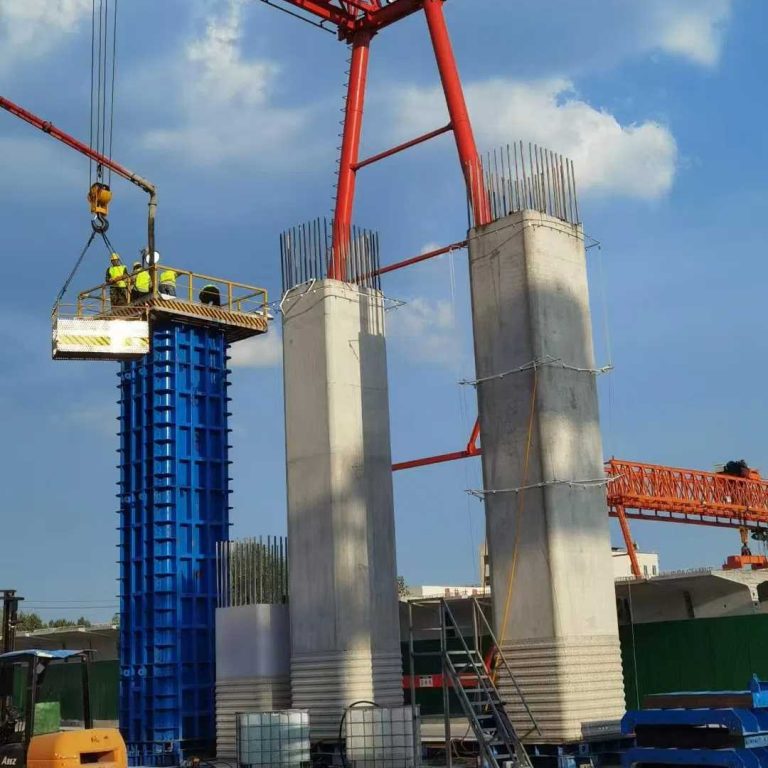
Aluminum formwork came after timber and steel types. Makers use aluminum alloy profiles as the main material. They shape it by mechanical processing and welding. The result works well for concrete jobs. This setup takes the place of older choices. It uses exact parts to shape solid concrete. The main pieces are panels, beams, props, and accessories. These pieces create the mold for walls, slabs, columns, and staircases. Timber formwork wears out fast. Steel feels heavy and costs more to move. Aluminium formwork offers a mix of strength, long life, and simple use.
Advantages of Using Aluminium Formwork in Construction
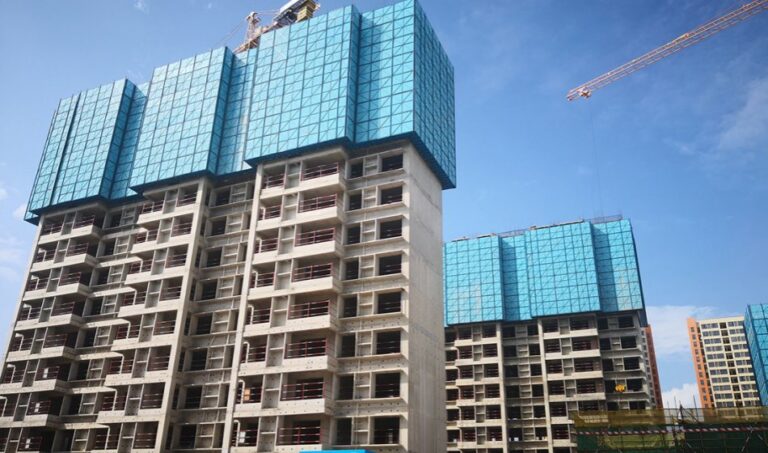
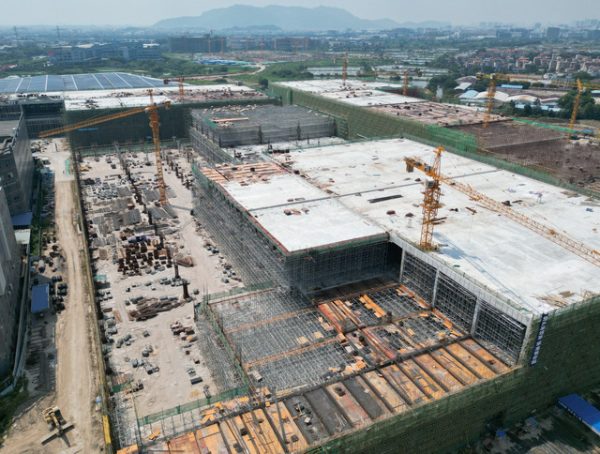
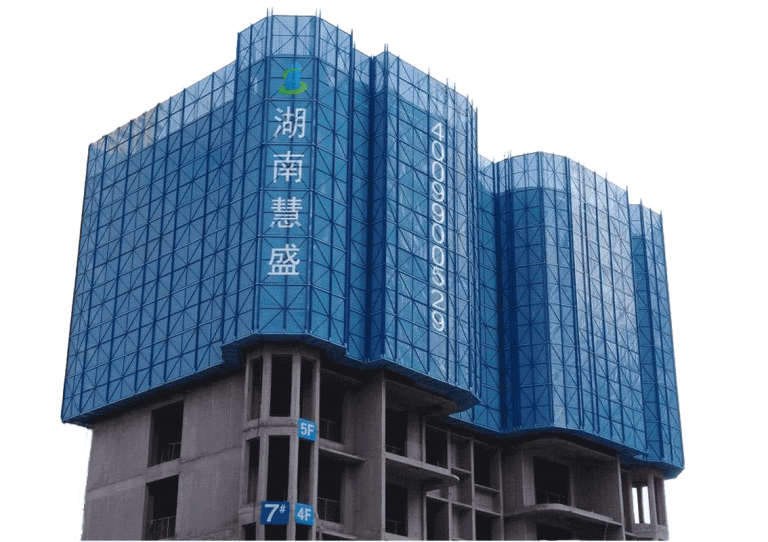
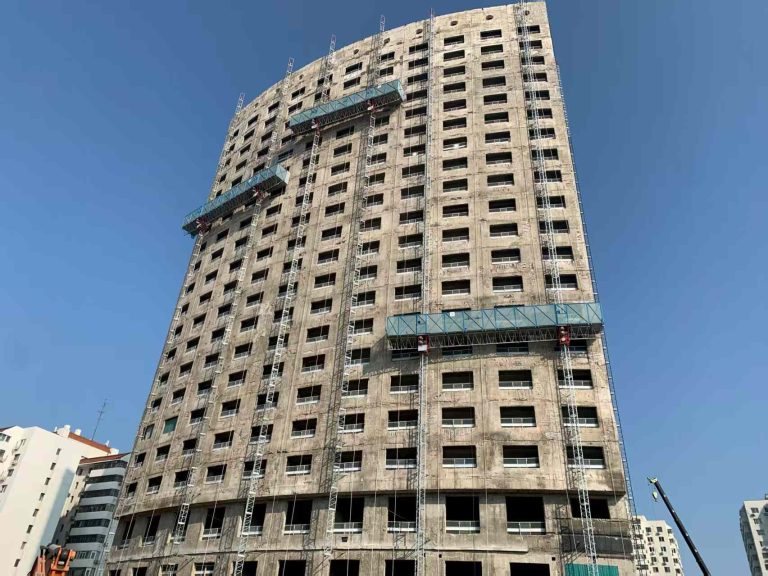
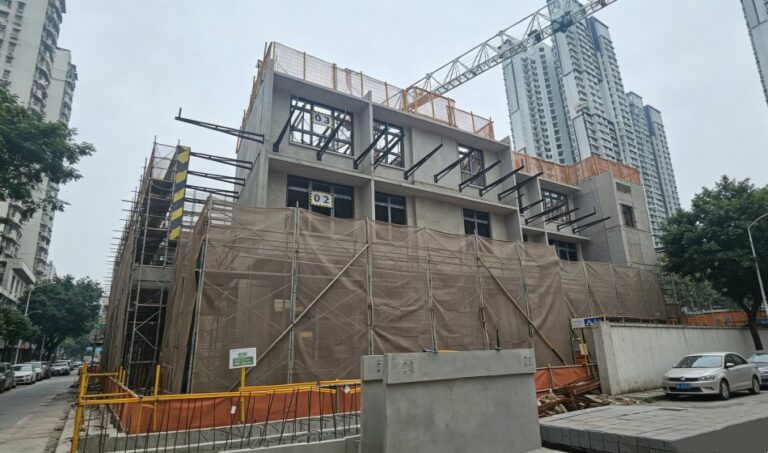
Aluminum formwork systems speed up building work. One floor can be finished in about seven days. Crews cast walls and slabs at the same time. This cuts the time per cycle. At the Tanglin Halt redevelopment project in Singapore, GOWE supplied a full aluminum formwork system. The site team reached a 4-to-5-day floor cycle. The modular parts help teams work faster on crowded city sites.
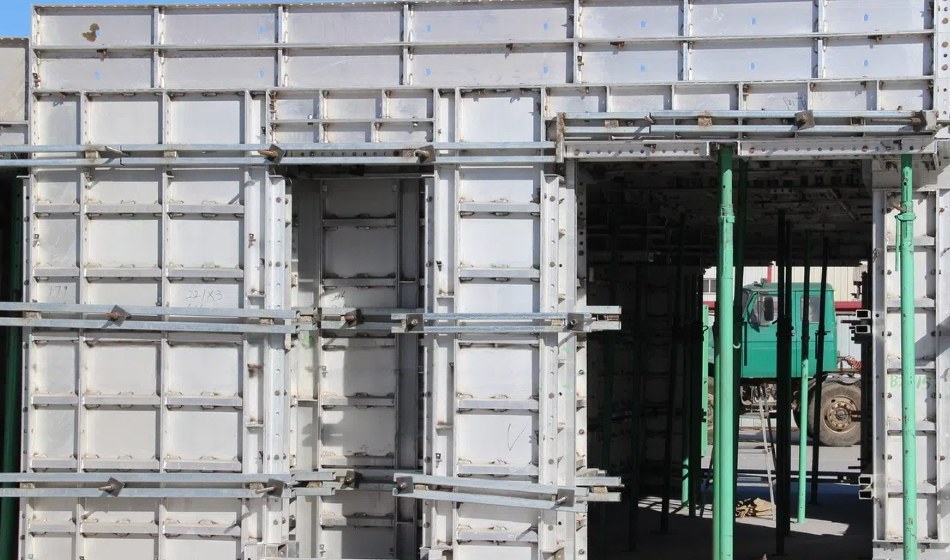
The concrete surface comes out smooth. This removes the need for plastering. It can save up to 50% of total build time. The panels last through many uses, up to 200 cycles. That leads to lower costs across several projects. The lightweight lets workers move pieces by hand. No cranes are needed. Safety improves, and labor costs drop. The system creates one solid concrete piece without cracks or joints. Strength and life improve as a result.
Factors to Consider Before Purchasing an Aluminium Formwork System
Assessing Project Requirements
Match the system to the job at hand before buying. Housing projects gain from standard layouts that repeat well. Commercial or infrastructure work may need special panel shapes. The load capacity must fit the structure. GOWE systems handle up to 60 kN/m² of side pressure from concrete. Check the drawings against the actual floor plans to confirm a good fit.
Evaluating Material Quality and Manufacturing Standards
Good material leads to steady results over time. The alloy grade affects strength and how well parts hold up after repeated use. GOWE runs strict checks on incoming material, work in progress, finished items, and pre-shipment steps. Precise machining keeps panel sizes exact. Buyers should look for ISO or ASTM marks to confirm reliable quality.
Compatibility with Existing Construction Practices
The system must fit into current site routines. Machined aluminum parts keep the same shape and surface from floor to floor. This accuracy helps teams add plumbing and electrical parts that arrive ready-made. MEP planning becomes easier. Light panels also help. Crews with different skill levels can put them together or take them apart without special machines.
Comparing Different Aluminium Formwork Systems on the Market
Modular vs. Customised Systems
Modular setups work well for buildings with repeating floor plans. Reuse stays high. Custom panels suit odd shapes or tall building fronts that need unique sizes. Modular choices cut the cost per use through many repeats. Custom work gives an exact fit but needs more money at the start.
Evaluating Supplier Offerings and Technical Support
Look at a supplier’s past work on big sites like Tanglin Halt, Singapore. We helped with that urban project with aluminum formwork systems built for fast work on Singapore housing. Good partners offer training for crews and advice on upkeep. Clear layout drawings and assembly guides support smooth site work.
Cost Analysis and Lifecycle Considerations
Initial Investment vs. Long-Term Savings
Upfront costs for aluminium formwork cover panels, parts, and shipping. These run higher than timber. Over the full life, the numbers favor aluminum because panels last longer. They can be used up to 200 times with no loss in quality. Many cycles lower the cost per use. Total ownership cost often beats older materials. No repeated buys of plywood or nails are needed. Setup time drops, and labor hours fall.
Maintenance Requirements and Refurbishment Options
Check panels for wear or bends after each cycle. Clean them well to avoid buildup that hurts finish quality. Some makers offer repair services. They fix coatings or swap damaged sections. This extends panel life and keeps casting results steady.
Ensuring Safety and Performance on Site
Structural Integrity and Load Testing Procedures
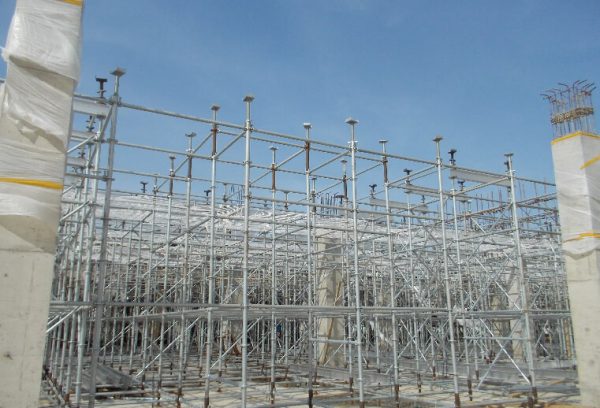
Test load capacity before installation to confirm stability under expected pressure. Watch for too much bending while concrete is poured. Follow rules when tying the system to scaffolding. Our quality checks cover every step from factory to site to meet safety needs.
Training Workforce for Efficient System Utilization
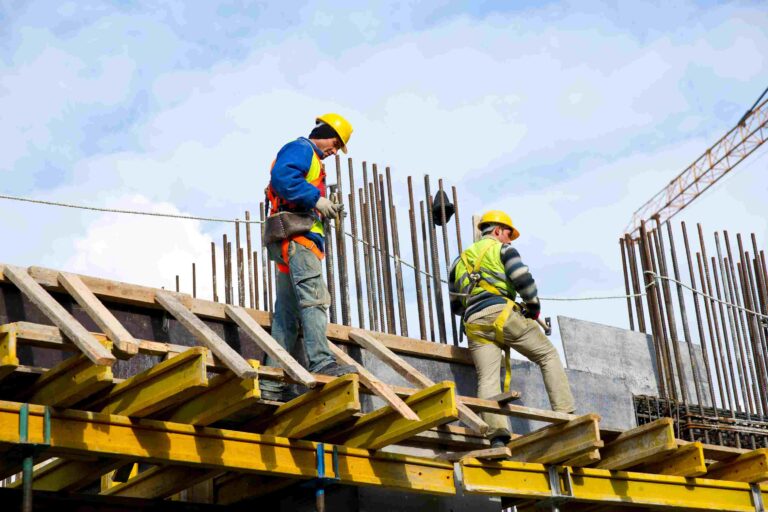
Training helps teams work faster and lowers handling risks. Supervisors walk crews through the steps. They stress tight links between wall forms and top forms. Workers can set up the system by hand. No cranes are required. Even new crews can learn the process quickly. Safety talks on lifting help protect staff during daily tasks.
Future Trends in Aluminium Formwork Technology
Integration of Digital Tools in Formwork Design and Planning
BIM tools now help plan aluminum formwork layouts before production starts. Digital checks improve material counts and cut waste. Large housing jobs gain from this planning speed.
Advancements in Material Science and Sustainability Practices
New alloys aim to be lighter yet stronger. They resist fatigue over many reuse cycles. Recycling programs turn old panels into fresh ones. Strength stays the same. This matches green building goals worldwide.
Frequently Asked Questions
Q: What factors affect the price of an aluminium formwork system?
A: Price depends on how many panels are needed, how much custom work is required, alloy quality, shipping, and extra parts like props or beams. First costs sit above timber. Yet, reusing up to 200 times makes the system cheaper over time.
Q: How long does delivery usually take after placing an order?
A: Time varies with project size and custom needs. Makers like GOWE plan and build from drawings. They trial fit in the factory. This cuts delays before the shipment leaves.
Q: Are aluminium formworks suitable for both residential and commercial projects?
A: Yes. The system fits many building styles, from low to high-rise. It supports solid casting for homes as well as complex commercial work that needs even finishes.
Q: What certifications ensure product reliability?
A: Check for ISO or ASTM marks. These confirm strength and size consistency. GOWE keeps strict checks at every production stage.
Q: How does aluminium formwork reduce labor costs?
A: Light panels move by hand. No cranes are needed. Teams finish assembly faster per floor. Fewer workers are required. This helps where skilled labor costs run high in places like Singapore or Malaysia.