



What Defines Scaffolding Load Capacity Classes in the 2026 Safety Standards?
Key Regulatory Updates Shaping Load Capacity Classification
The 2026 safety standards for scaffolding load capacity show a worldwide move toward unified structural strength rules. These changes match global guidelines like EN12811 and OSHA Subpart L with common testing methods. They focus on practical moving loads and endurance under repeated use. Earlier standards differ from this version. The 2026 one sets tougher checks on platform bending limits. It also adds computer-based tests to mimic ongoing strain situations.
Certification under the new rules demands more than steady load checks. It requires repeated loading steps that copy the ongoing pressures from actual work. This boosts the trustworthiness of scaffolding classes in light, medium, and heavy uses. For example, EN12811 is used to stress mainly steady loads. Now, the updated system calls for clear records of material breaking point and shape return rates.
How Load Capacity Classes Are Categorized in Modern Construction
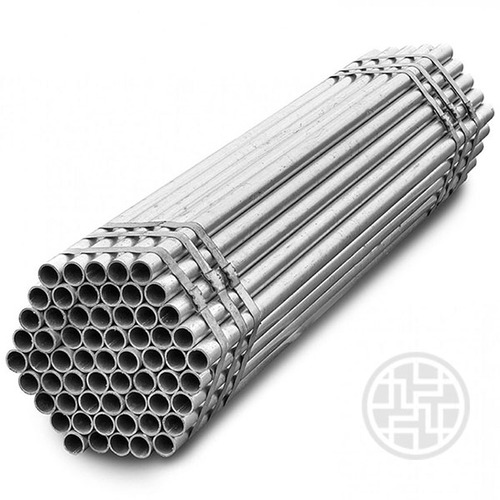
Scaffolding load capacity classes depend on basic build features. These include pipe size, connector setup, and deck material firmness. Steady loads mean fixed weights, like kept supplies or workers on their feet. Moving loads come from actions such as stepping or tool use. These create changing forces. The sorting method reviews both kinds to guarantee steadiness in changing job site settings.
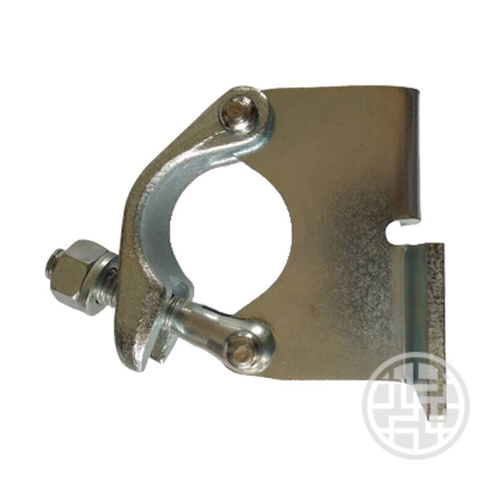
Material makeup has a big part in weight-holding ability. The scaffolding coupler uses Q235 carbon steel. This grade beats the usual level. Such steel gives better pulling strength. It also aids steady weight passing from upright posts to side beams. Newer setups include Q345-grade parts for better fight against curving pressures. These support higher scaffolding load capacity levels fit for factory jobs.
How Do Scaffolding Load Capacity Classes Affect Structural Safety?
The Relationship Between Load Class and Worker Safety
Each scaffolding load class links straight to a set safety buffer. This buffer aims to stop falls or tip-overs. Going over the set class cuts the build’s extra strength. As a result, it raises the chance of breakdown at link spots or foot plates. Following the right classes is tied to fewer mishaps in tall building work, based on data.
Safety buffers in each class cover unknown factors like uneven weight spread or material wear over periods. The scaffolding structure stays straightforward and dependable for carrying loads. It offers enough stiffness and power. This built-in stiffness means that even with some extra load, bending stays in safe bounds. Thus, it shields workers from quick instability.
Engineering Principles Behind Safe Load Distribution
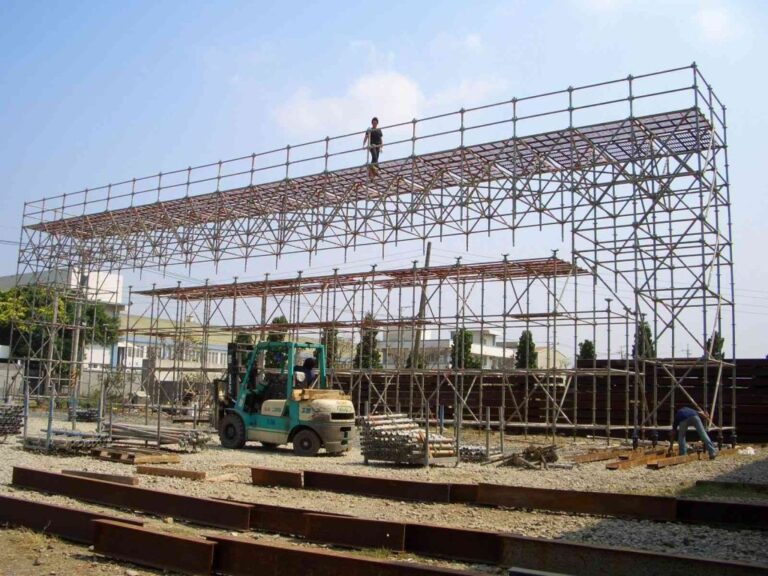
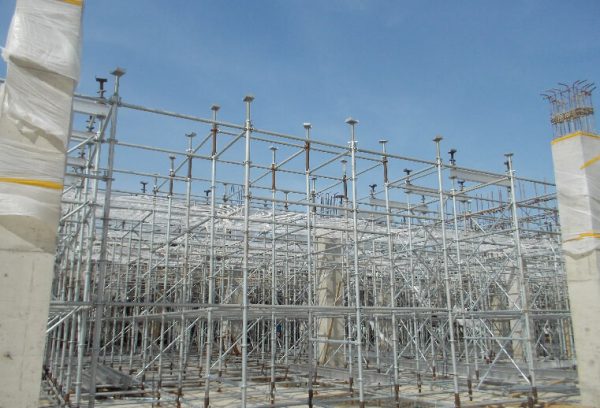
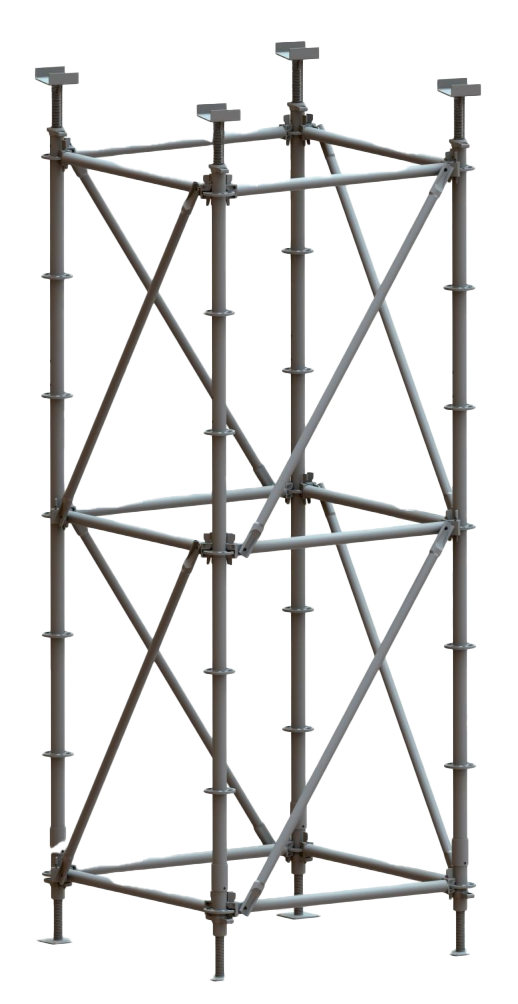
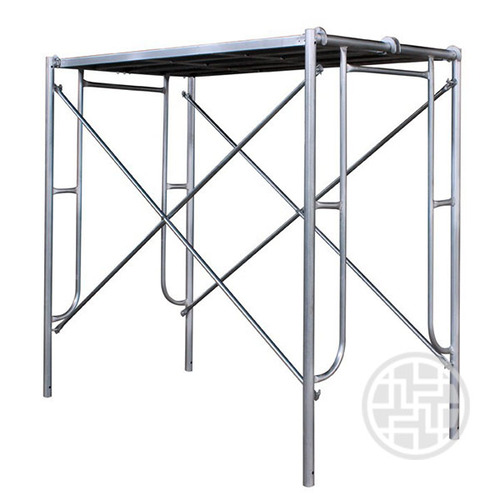
Good scaffolding planning relies on an even weight spread over decks. Upright posts send weight down to the ground via foot plates. Side beams and cross pieces share side forces smoothly along the setup. Build math uses allowed workloads from test results and idea-based strain reviews. These confirm match to each scaffolding load capacity class.
GOWE’s systems show this idea well. They use exactly made parts like lock ledgers from 900 mm to 2500 mm. These keep steady gaps for the best force passing. Lock Standard: 500/1000/1300/1500/1800/2000/2300/3000 mm allows bendable setups. Yet, it does not weaken steadiness. This meets key needs under current safety rules.
Which Factors Determine the Correct Scaffolding Load Capacity for a Project?
Environmental and Operational Considerations
Site conditions greatly shape the right class choice. Strong winds push and boost side forces on high scaffold builds. Shakes from close machines can heighten moving strains. Rain or frost adds changing weight to decks. City building often needs lighter piece-by-piece systems for simple setup in tight spots. Factory areas usually call for strong setups with tougher links.
Check frequency must fit the exposure to the surroundings. Buildings facing sea dampness or heat shifts require more regular checks for rust or screw looseness. This keeps the rated scaffolding load capacity steady over time.
Material Strength and Design Parameters in Class Selection
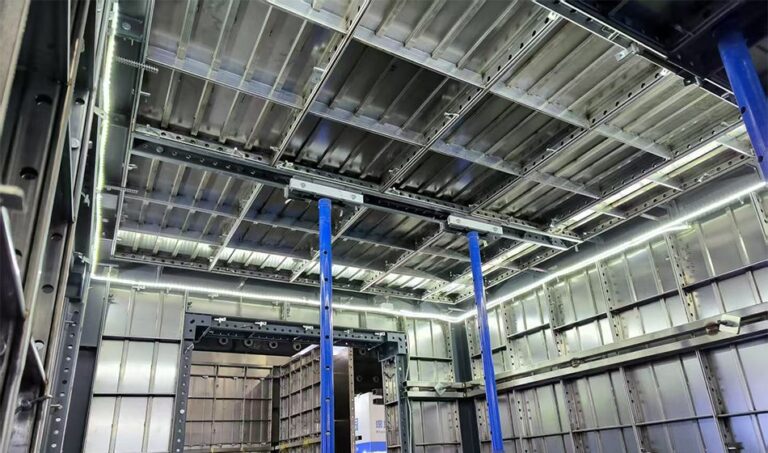
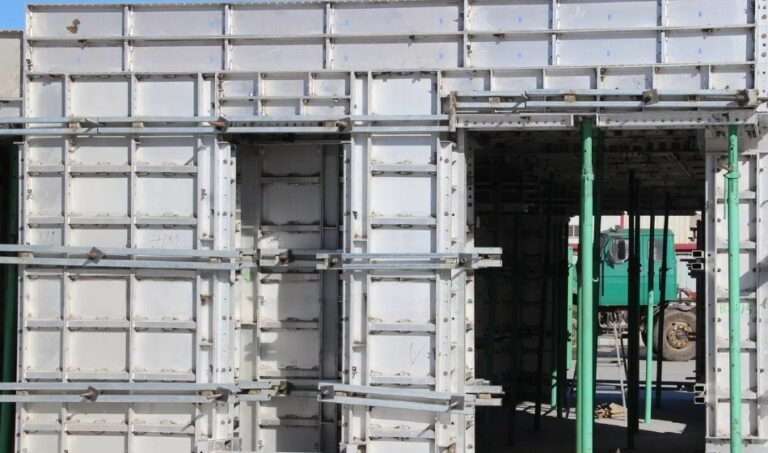
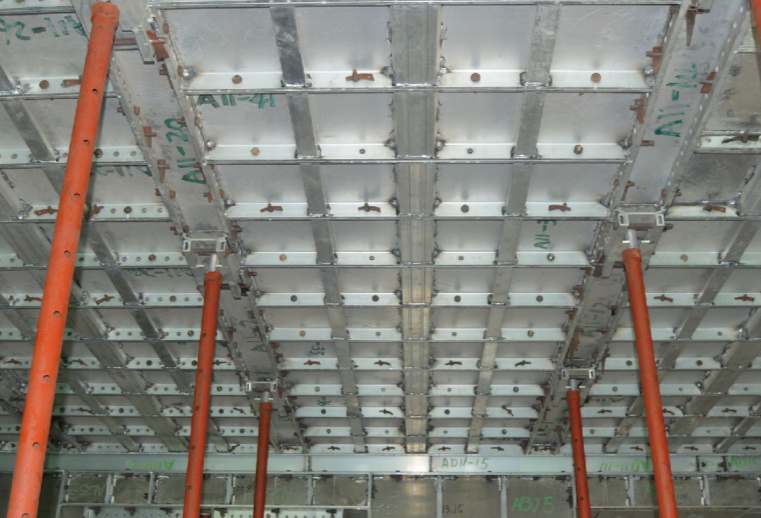
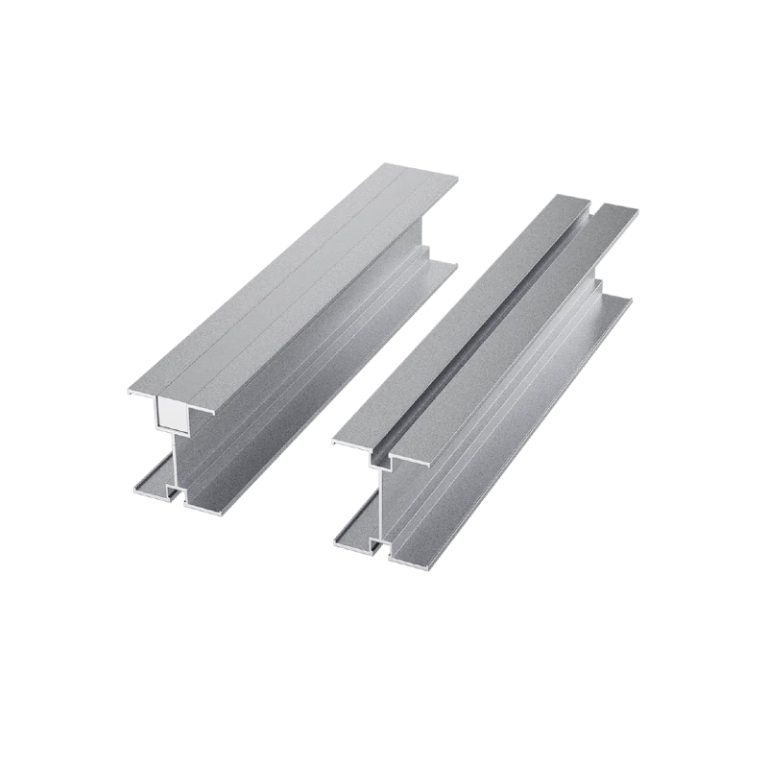
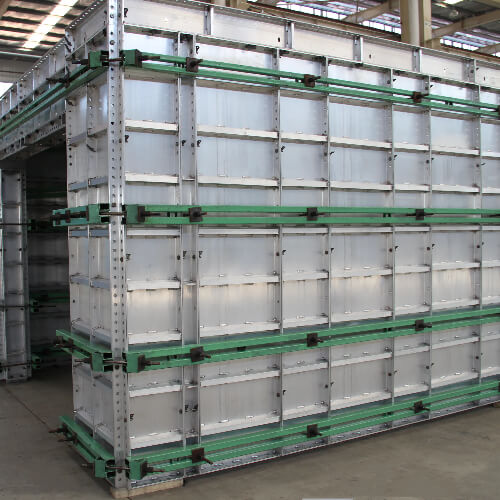
Various materials show different acts under pressure. Steel scaffolds from Q235 or Q345 give high squeeze strength, fit for strong uses. Aluminum setups bring less weight but lower firmness levels. These suit short-term jobs. Material: 6351-T6 aluminum beams show pulling strengths up to 310 MPa. Their stretch modulus sits around 70300 MPa. This works for fair loads. But it needs close moving checks.
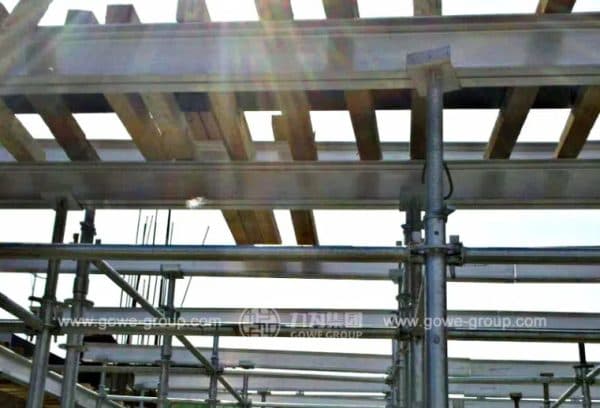
Build shape also sets how well it performs. Broader cross pieces boost side steadiness. However, they raise their own weight, which impacts ease of movement. Quality checks in making sure even pipe thickness and the right zinc coating matter a lot. Small uneven spots can lower whole system trust by changing local strain buildups.
How Can Misjudging Scaffolding Load Capacity Impact Project Efficiency?
Common Errors in Load Class Assessment and Their Consequences
The wrong reading of maker info sheets often causes many overload cases. Mix-up between full system ability and per-section ratings leads to risky piling or supply kept on decks. Another usual problem is using old ideas from past jobs. This ignores current rules. It matters especially with growing 2026 safety needs that stress computer checks.
In monetary terms, wrong calls lead to high costs from fixing work. This comes from rule breaks or part falls that cause rebuild waits. Past money hits and bad name from safety breaches can harm builder approval for many jobs.
Strategies to Ensure Compliance with 2026 Safety Requirements
Using computer watch tools that track live weight spread helps active handling of scaffold load states. Training sessions should stress grasping new sorting rules. So, site leaders can spot early overload signs like too much bending or link shifts.
Records have a key role. Keeping clear check logs aids rule reviews. It also proves sticking to cert steps under the 2026 setup.
How GOWE Solutions Optimize Scaffolding Load Capacity Management in 2026 Projects?
Our Advanced Scaffolding Systems are designed for Modern Safety Standards
At GOWE, we build piece-by-piece scaffolding setups aimed at matching changing world rules like EN12811:2026. Our items cover various scaffolding load capacity classes. These go from light wall frames to strong factory holds. They fit many building demands.
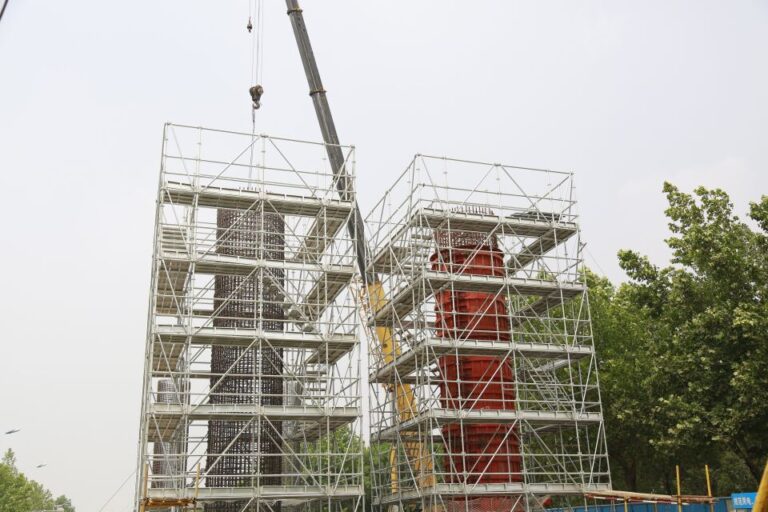
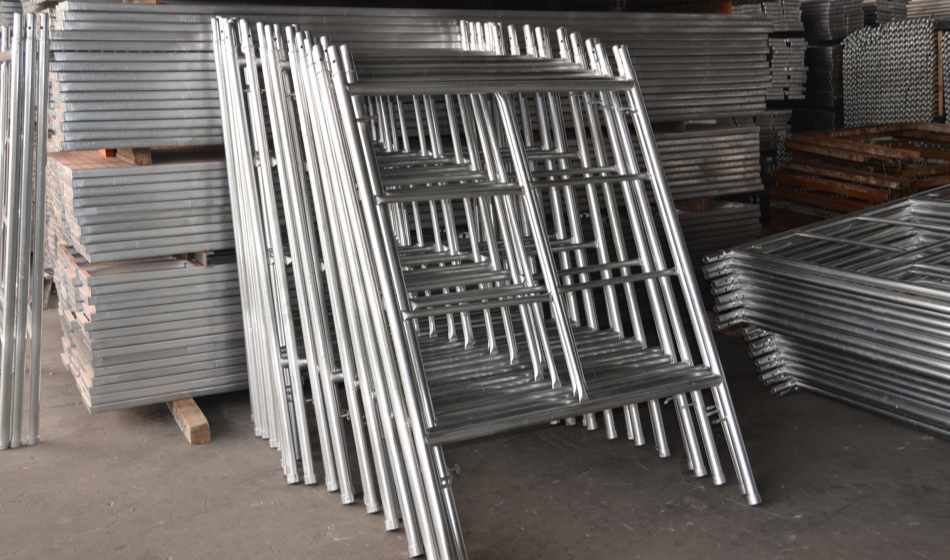
Simple build and strong weight-holding mark our frames. We use Q235 and Q345 steel types with hot-dip galvanized covers. These fight rust even in bad weather. Strong steel frames ensure a steady load spread over uprights and sides. This works for fixed spot builds or moving tower shapes.
Innovative Features That Enhance Performance and Compliance Assurance
We add smart sensors to some systems for live tracking of deck weight spread. This key part matches computer rule hopes under fresh safety codes. Exact lock setups cut side shifts during strong-load work. They also keep building line-ups over long use times.
Surface fixes lengthen the life of the work further. Galvanized layers stop rust. Powder-coated layers add a scrape-resistant fit for long outside use. All parts come factory-set, ensuring the strength and stiffness of scaffolding pieces.
FAQ
Q: What factors influence scaffolding load capacity classification?
A: Classification depends on structural design parameters like tube dimensions, coupler type, material grade (Q235/Q345), and platform stiffness tested under both static and dynamic conditions according to updated EN12811:2026 guidelines.
Q: How does exceeding the rated scaffolding load capacity affect safety?
A: Overloading beyond designated limits increases bending stress at joints, leading to instability or collapse risks; maintaining proper class compliance ensures adequate safety margins against unpredictable site forces.
Q: Why are materials like Q235 steel preferred in scaffolding systems?
A: Q235 carbon steel offers excellent tensile strength combined with ductility that supports reliable connection performance between components while sustaining high working loads without deformation fatigue.
Q: What role do environmental conditions play in determining scaffold class?
A: Wind pressure, vibration intensity, moisture exposure, and temperature variation all affect allowable loads; selecting appropriate classes ensures resilience against these external stress factors throughout the project duration.
Q: How can digital tools improve the management of scaffolding load capacity?
A: Integrated sensors provide continuous feedback on live loading patterns, enabling immediate corrective actions before thresholds are exceeded—enhancing both operational efficiency and regulatory compliance assurance.