

In the competitive landscape of high-rise construction, efficiency is the ultimate currency. Every day that concrete formwork remains attached to a curing structure is a day that equipment is not being utilized elsewhere. However, the pressure to maintain a tight schedule must never overshadow structural safety.
Deshuttering (also known as stripping or striking) is a critical phase. If done too early, the concrete may deform or collapse; if done too late, project costs skyrocket. This guide provides an in-depth look at the standard timelines, the science behind them, and how modern aluminum formwork technology is redefining project speed in 2026.
1. What is Deshuttering and Why is Timing Vital?
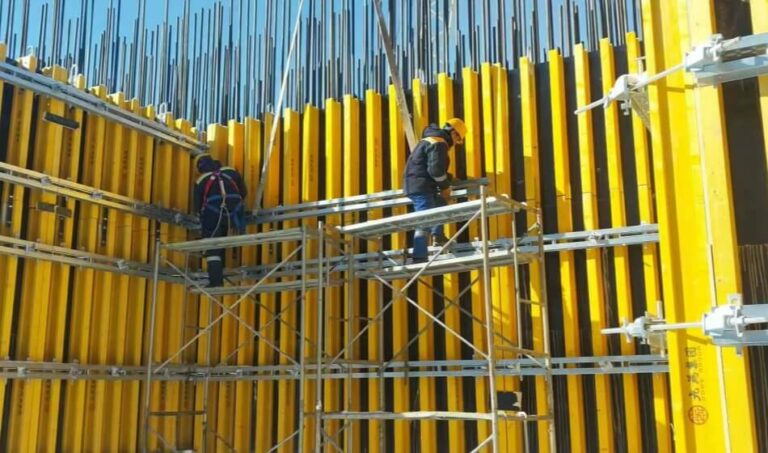
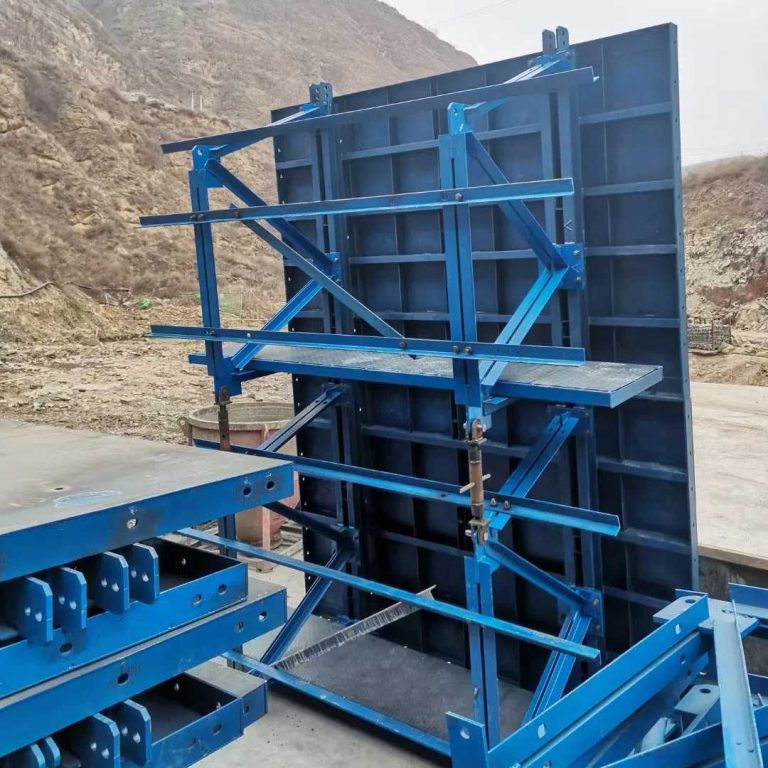
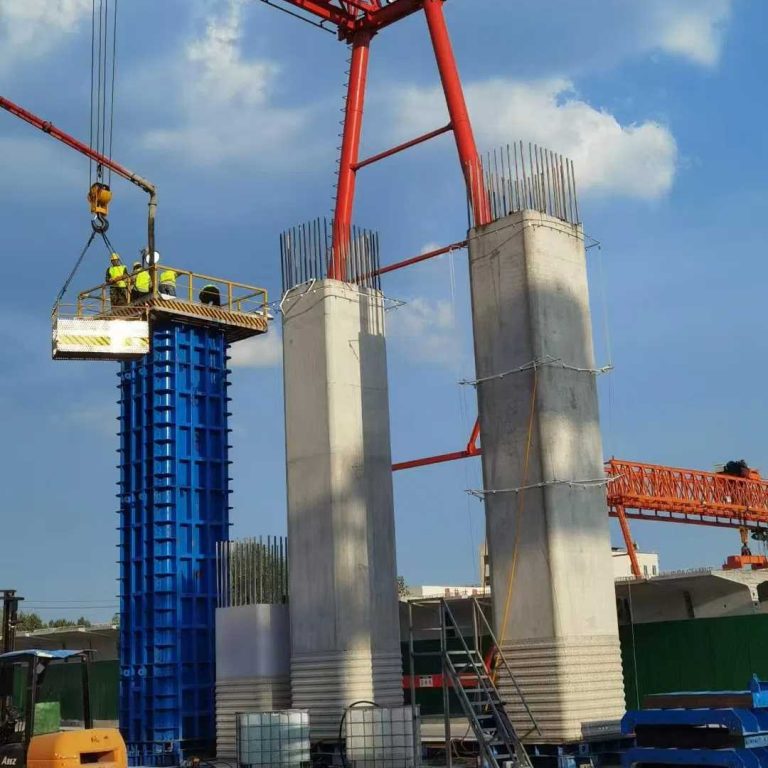
Deshuttering refers to the removal of the temporary mold that supports fresh concrete until it can sustain its own weight. Concrete does not reach its full strength immediately. It undergoes a chemical process called hydration, where it gains strength over hours and days.
Why Timing is Critical:
- Structural Integrity: Premature removal leads to “deflection” (sagging) or structural cracks that are impossible to fix later.
- Surface Aesthetics: For high-quality projects, the concrete finish must be smooth. Removing formwork before the “initial set” is complete can cause the concrete to stick to the panels, resulting in a scarred or “honeycombed” surface.
- Resource Management: For formwork suppliers, the goal is to rotate equipment as quickly as possible to maximize ROI.
2. Standard Deshuttering Schedule: A Technical Breakdown
The removal schedule depends heavily on the type of cement used, the ambient temperature, and the specific structural element. The following table represents the industry standard for Ordinary Portland Cement (OPC) at normal temperatures (above 20°C):
Quick Reference Table
| Structural Element | Minimum Time Before Stripping |
| Columns, Walls, & Vertical Faces | 16 – 24 Hours |
| Slab Soffits (Props left under) | 3 Days |
| Beam Soffits (Props left under) | 7 Days |
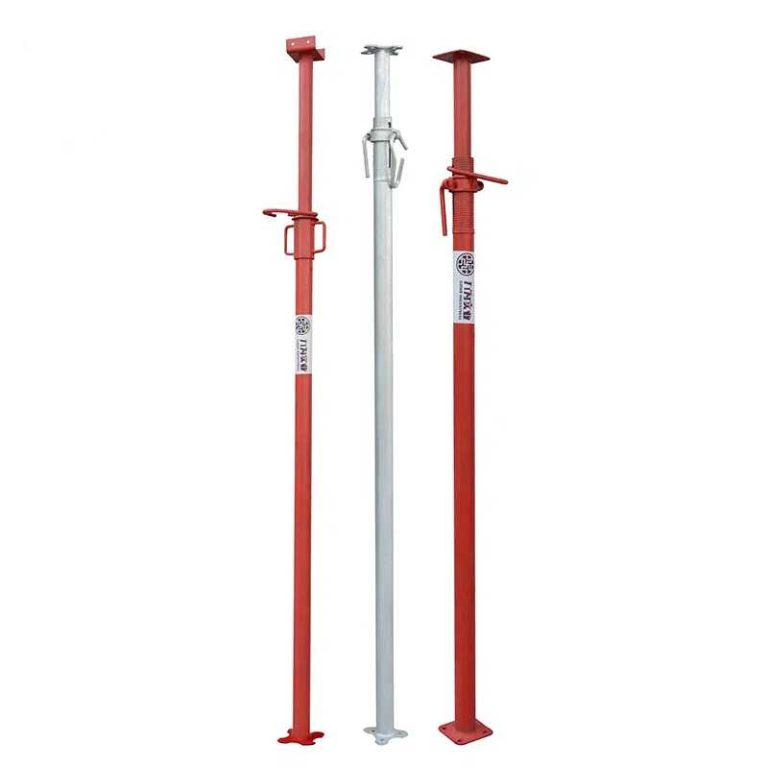
| Props under Slabs (Span up to 4.5m) | 7 Days |
| Props under Slabs (Span over 4.5m) | 14 Days |
| Props under Beams (Span up to 6m) | 14 Days |
| Props under Beams (Span over 6m) | 21 Days |
3. Factors That Influence Your Stripping Schedule
While the table above provides a baseline, professional engineers must consider several real-world variables:
A. Concrete Grade and Mix Design
The use of High-Early-Strength (HES) concrete can significantly reduce these timelines. Some modern mixes allow for vertical stripping in as little as 12 hours. Conversely, if fly ash or other additives are used to slow down the setting process (to prevent thermal cracking in massive pours), the deshuttering time must be extended.
B. Ambient Temperature and Curing Conditions
Temperature is a catalyst for concrete strength. In the scorching heat of summer, concrete sets much faster. However, in winter (below 5°C), the hydration process slows down significantly. Proper curing (keeping the concrete moist) is essential during this time to ensure that when the formwork is removed, the concrete has reached its target strength.
C. The Span of the Member
The longer the span of a slab or beam, the greater the internal stress. This is why props under a 10-meter beam must stay in place for 21 days, even if the side panels were removed weeks ago.

4. How Aluminum Formwork is Revolutionizing Deshuttering Efficiency
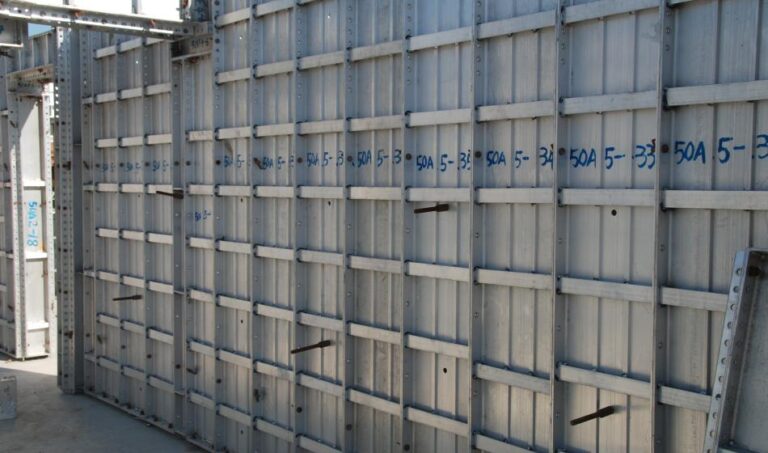
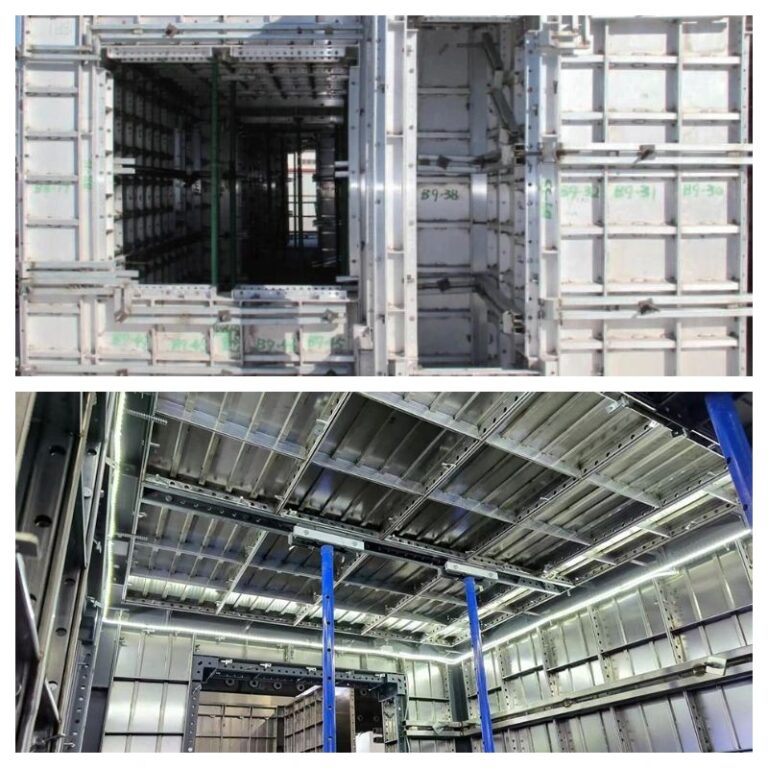
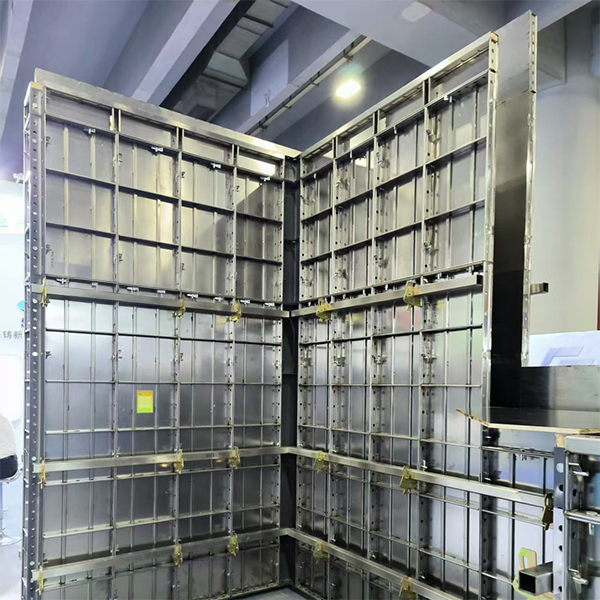
In the past, timber was the primary material for concrete formwork. Timber is slow to assemble and even slower to strip safely. Enter Aluminum Formwork.
The “Early Stripping” Advantage
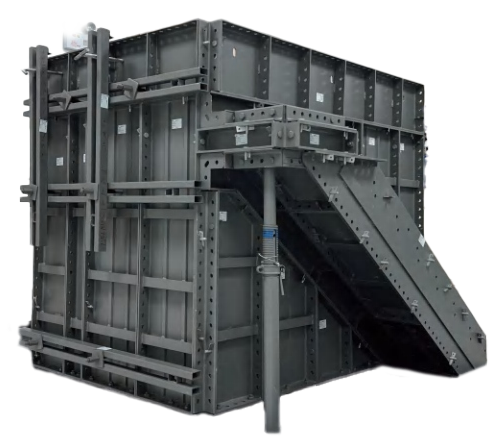
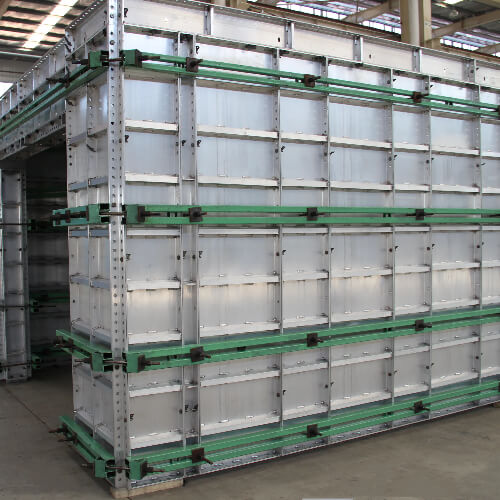
Leading formwork suppliers like GOWE have developed the Early Stripping System. This technology is a game-changer for high-rise developers.
How it works:
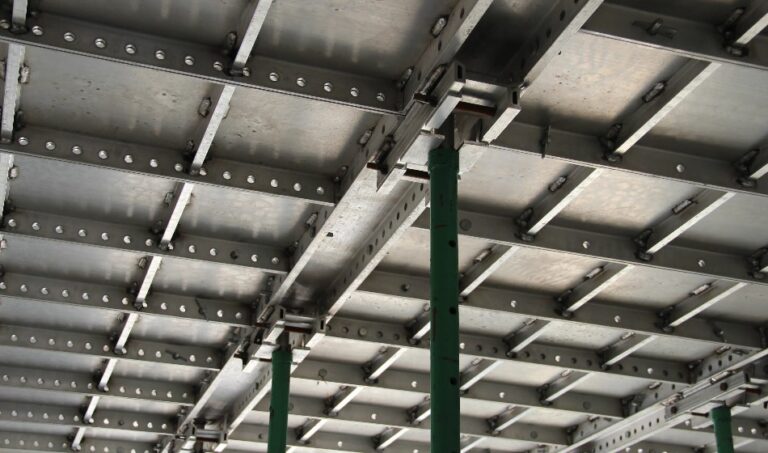
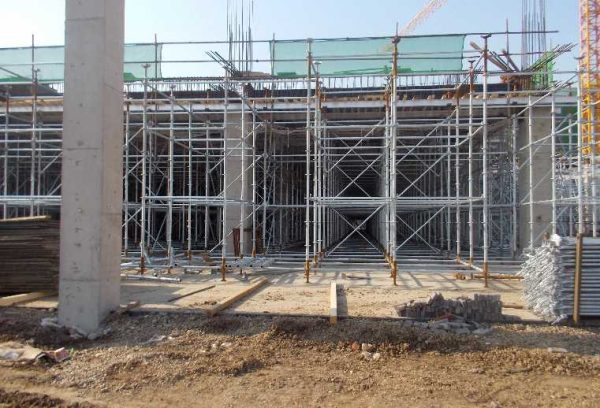
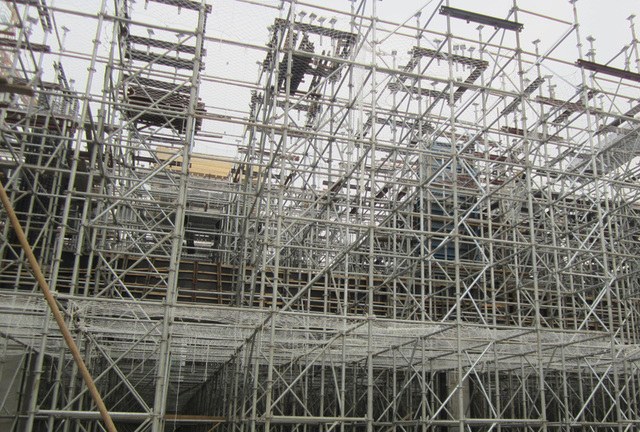
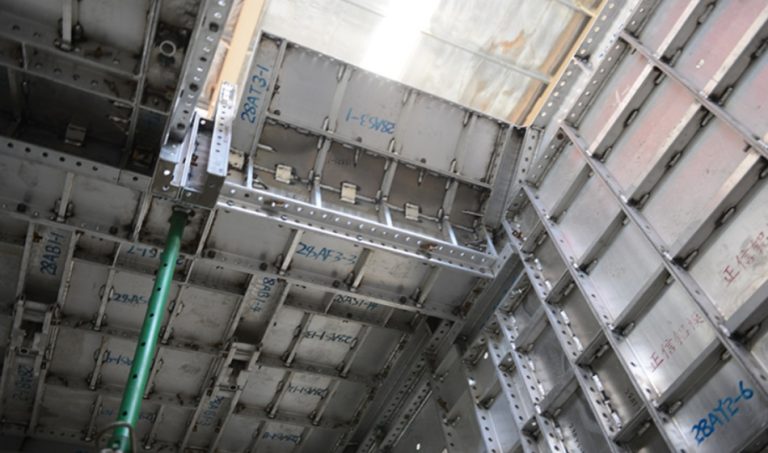
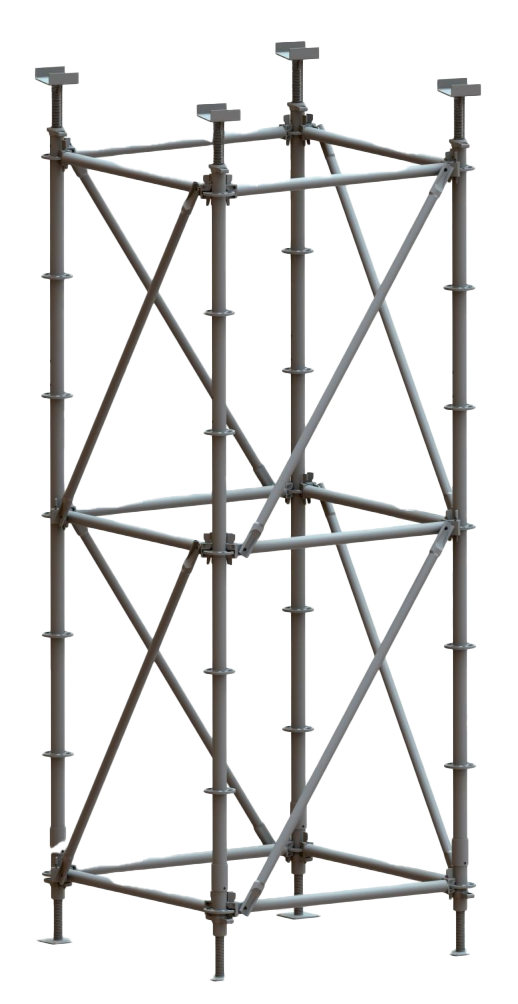
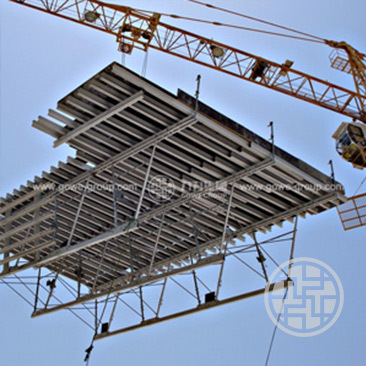
The GOWE system utilizes a specialized “Stripping Head” (also known as a drop head). When it’s time to strip, the main deck panels can be lowered and removed while the vertical props remain untouched and under tension.
- Efficiency: You can remove 80% of your aluminum formwork components within 36 to 48 hours.
- Rotation: Because the panels are released early, they can be moved to the next floor immediately. This allows a single set of formwork to achieve a 4-5 day floor cycle, compared to the 10-12 days required by traditional systems.

5. The Financial Impact of Masterful Deshuttering
Why does a project manager care about shaving 3 days off a stripping schedule?
- Reduced Inventory: If you can rotate your panels every 4 days, you need to buy or rent significantly less material from your formwork suppliers.
- Labor Productivity: A systematic stripping schedule allows for a “production line” workflow. Workers become experts at the assembly-disassembly cycle, reducing mistakes and accidents.
- No More Plastering: Precision aluminum formwork provides a “fair-faced” finish. Proper stripping at the right time ensures the concrete surface is so smooth that expensive plastering is no longer necessary.
6. Safety Checklist Before Deshuttering
Never remove the formwork based solely on the calendar. Use this checklist:
- Strength Testing: Have the concrete cubes reached at least 70% of their 28-day design strength?
- Visual Inspection: Are there any signs of bleeding or excessive heat?
- Weather Log: Has there been a sudden drop in temperature that could have delayed the set?
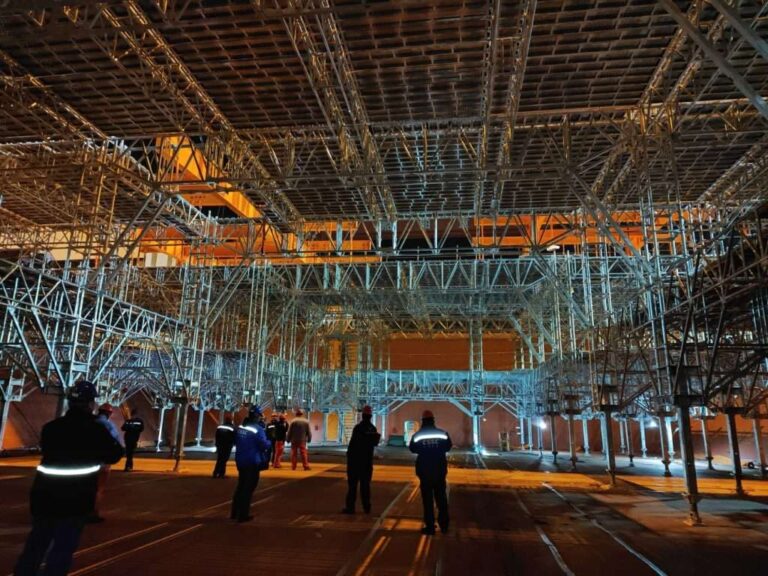
- Prop Check: Are the support props for the levels below still in place?
Conclusion: Engineering Your Way to Faster ROI
In 2026, building tall is a race against time and rising costs. Mastering deshuttering time is not just about safety—it’s about strategic project management. By combining industry-standard schedules with the advanced Early Stripping Technology found in GOWE’s aluminum formwork, contractors can hit aggressive deadlines without ever compromising structural integrity.
Ready to accelerate your construction cycle?
At GOWE, we specialize in high-performance concrete formwork solutions tailored for the world’s most ambitious high-rises. Our engineers provide full technical support to ensure your stripping schedule is optimized for both speed and safety.