
Aluminium Formwork vs Steel Formwork: What Factors Truly Matter?
Why Modern Contractors Compare Aluminium Formwork and Steel Formwork
Most builders today look at both aluminium formwork and steel formwork before they decide. They want a system that gives straight walls, saves time, and stays strong pour after pour. The choice depends on how tall the building will be, how much concrete it will hold, how fast the owner needs it finished, and what the crew already knows how to use. Jobs keep getting taller, and schedules keep getting shorter. Everyone needs something they can count on every day, and that keeps the workers safe. That is why people keep asking which material really works better on real sites.
Key Structural and Operational Criteria Used in Formwork Selection
A few simple things decide the winner. People check how much weight the panels can carry, how heavy the panels are to lift, how well they stand up when concrete pushes hard, and how many times the set can be used again. They also look at how the material handles heat and whether it fits normal props and scaffolding. When you put aluminium formwork next to steel formwork on these points, the right answer for the job shows up fast. This quick check helps avoid mistakes and keeps the whole project moving.
Benefits of Aluminium Formwork for High-Efficiency Building Projects
How Aluminium Formwork Improves Construction Speed and Labor Productivity
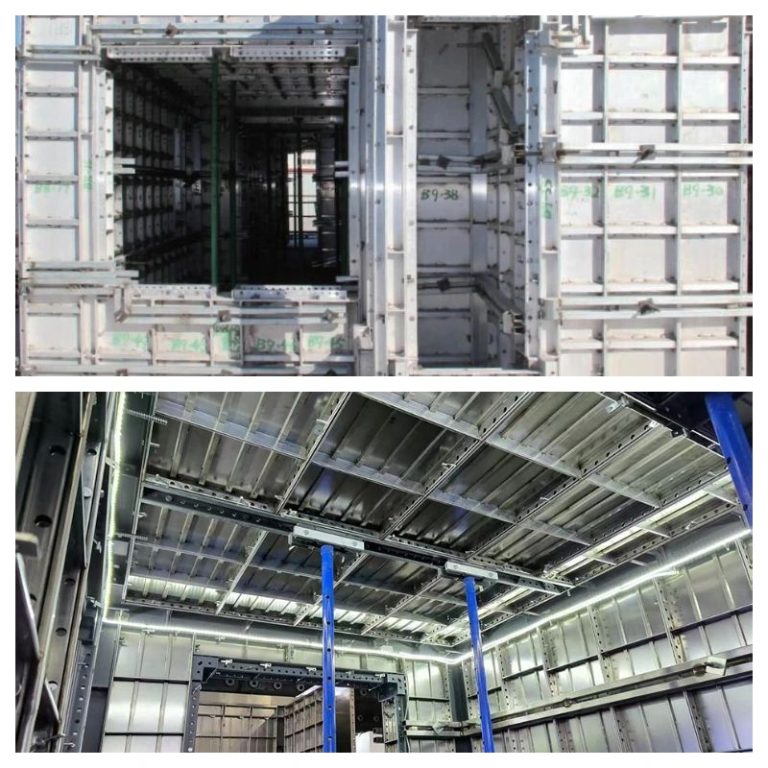
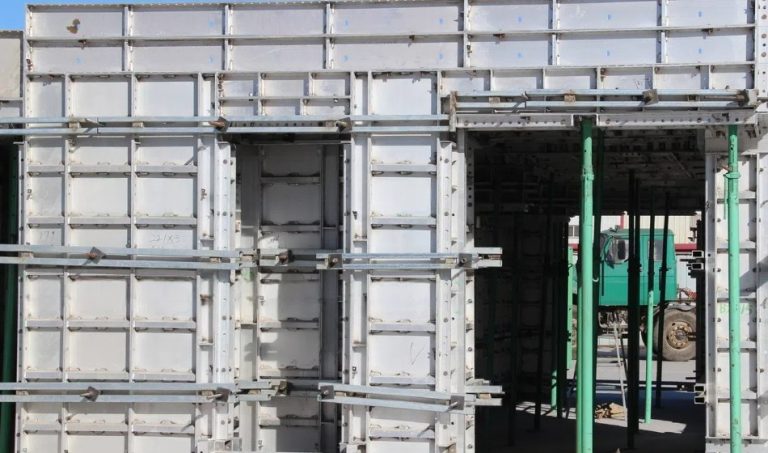
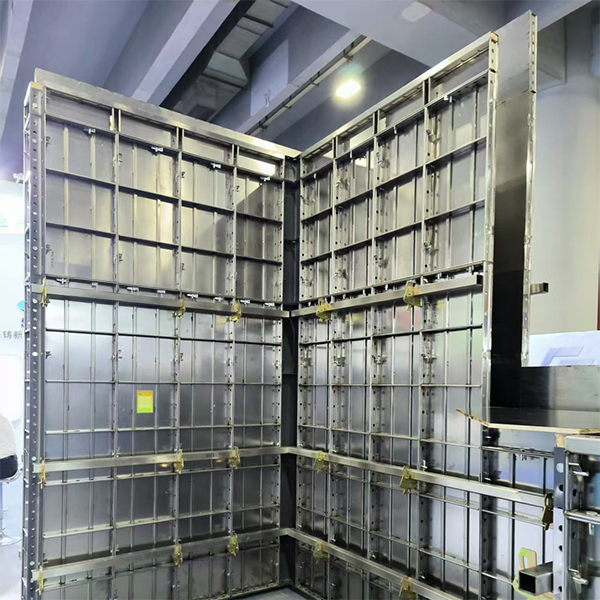
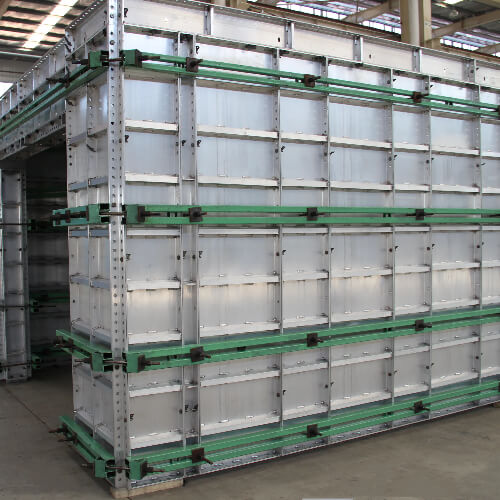
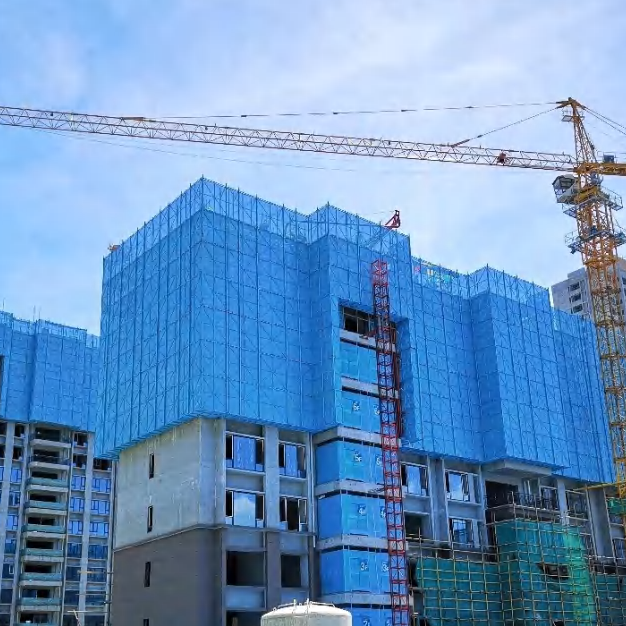
Aluminum formwork makes everything go faster. The panels are light, so a small crew can put them up and take them down without waiting for big machines. The same group finishes more floors each week. On apartment blocks where every level looks the same, the speed adds up to many days saved.
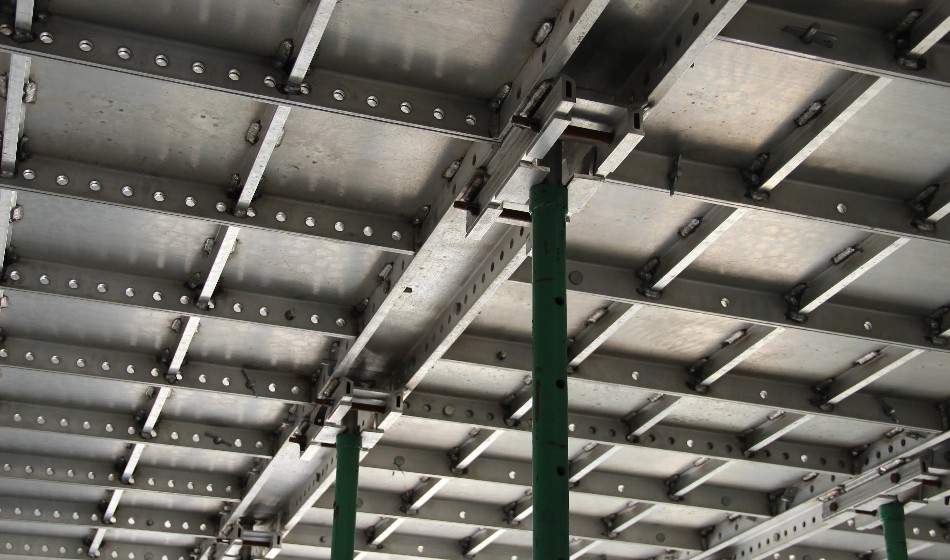
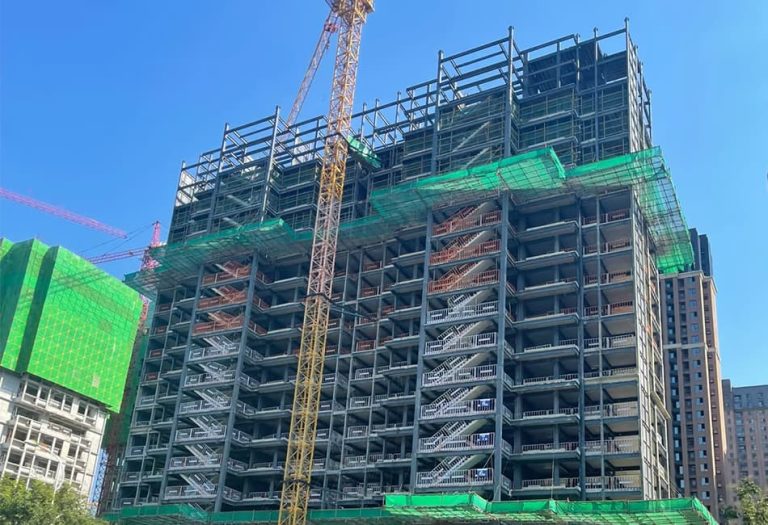
Lightweight Aluminium Formwork and Its Advantages in High-Rise and Repetitive Units
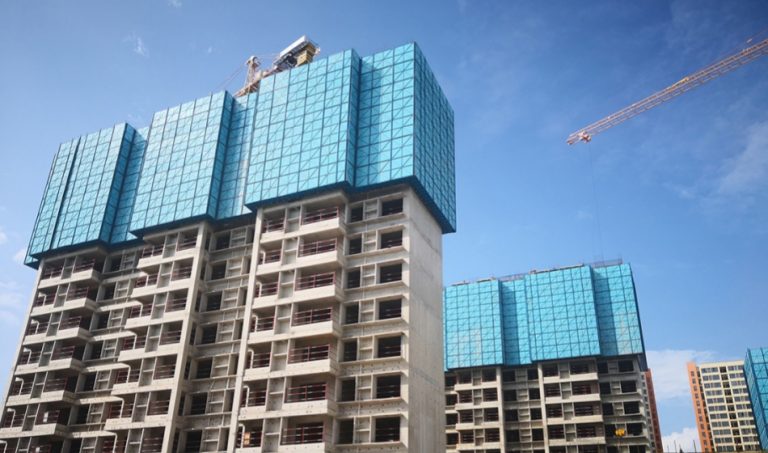
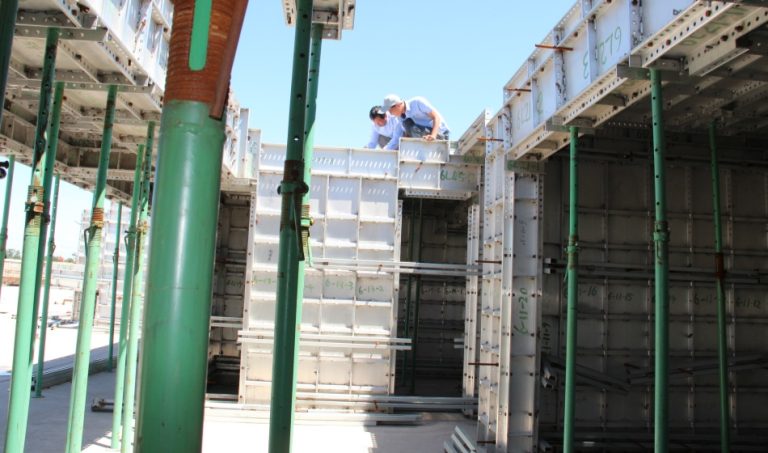
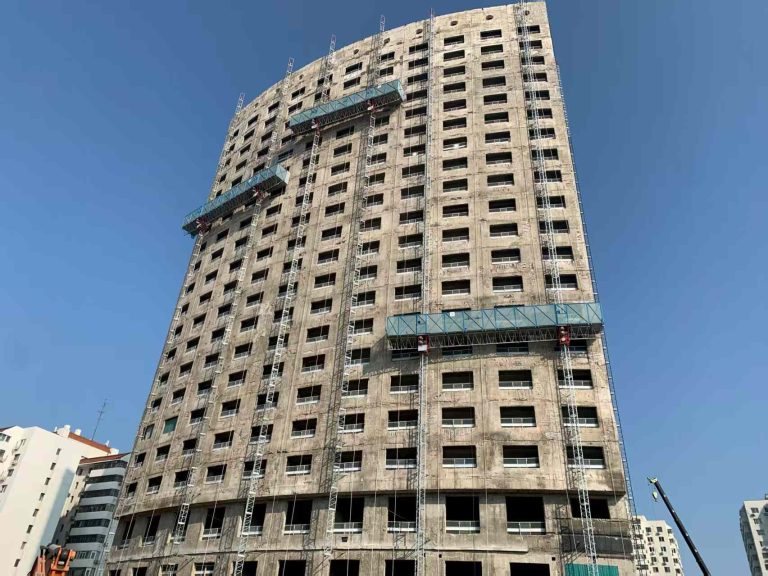
Up high, light panels make a big difference. Workers carry them by hand inside narrow shafts or along edges. No heavy crane sits there all day. Because every panel fits the same way every time, the floors line up perfectly from the first level to the top.
Durability, Reusability, and Long-Term Cost Efficiency of Aluminium Formwork
A good aluminium set lasts for hundreds of pours if the crew wipes it down and stores it carefully. It never rusts, so the face stays smooth, and the concrete looks clean. On a long job, the price per pour becomes very low.
Surface Accuracy and Concrete Finish Quality Achieved with Aluminium Systems
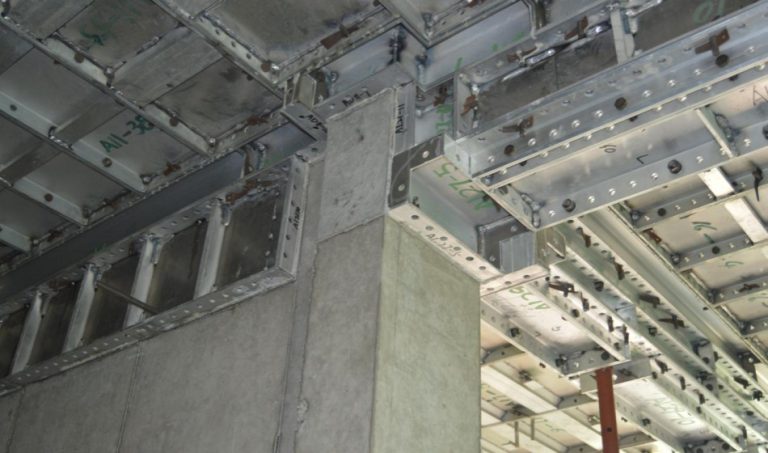
Factory-made aluminium panels come out dead straight. Walls and columns need almost no patching. The joints stay tight, so the finished concrete looks good the first time.
Compatibility with Common Support Systems, Including Timber Beams and Steel Walers
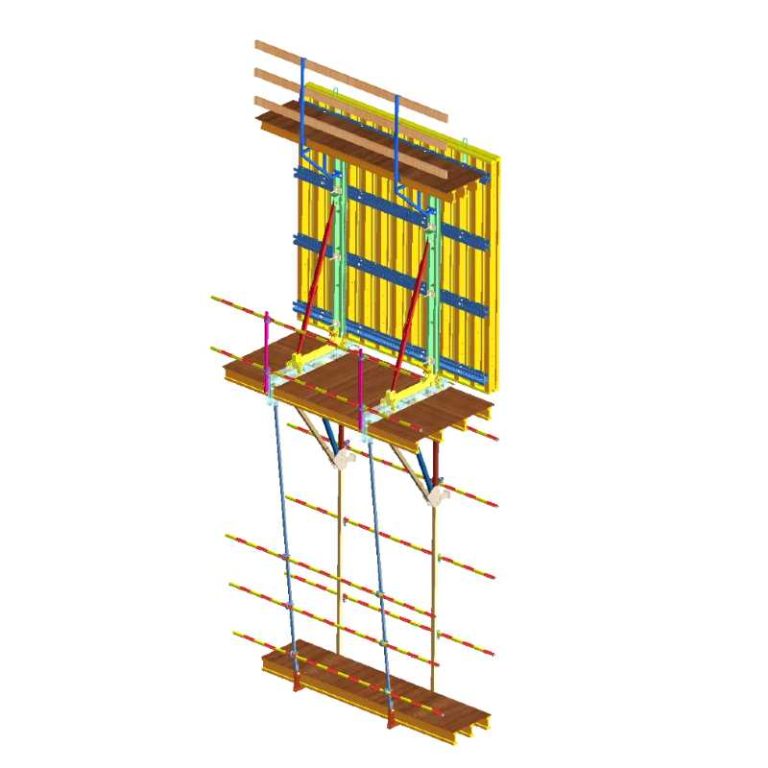
Aluminium panels bolt right onto regular timber beams or steel wallers. You can use the same props and braces you already own.
Aluminium Formwork Performance in Fast-Cycle Residential and Urban Projects
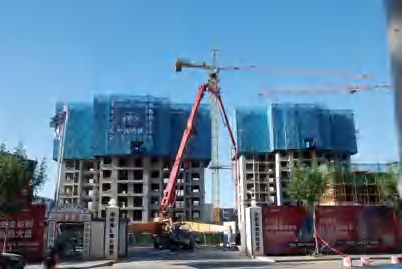
When floors repeat, and the deadline is close, aluminium wins. City apartments and office towers finish weeks ahead of schedule.
Strength and Versatility of Steel Formwork in Heavy-Duty Construction
High Load Capacity and Pressure Resistance of Steel Formwork
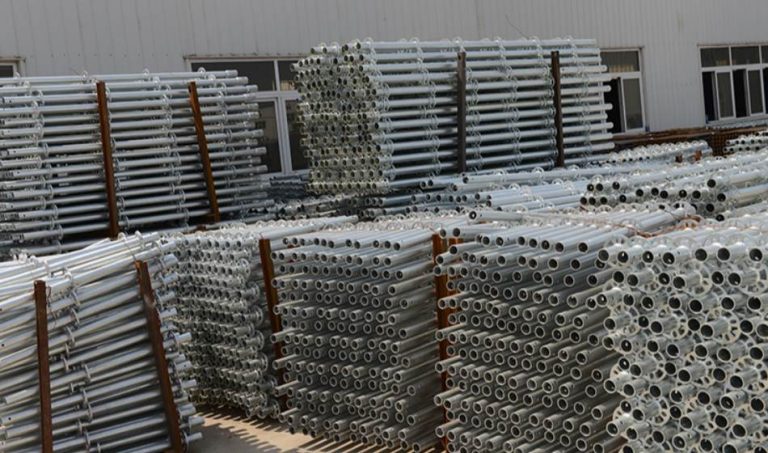
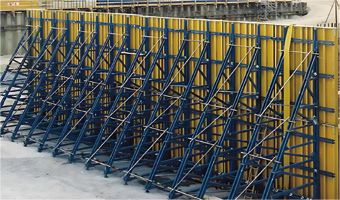
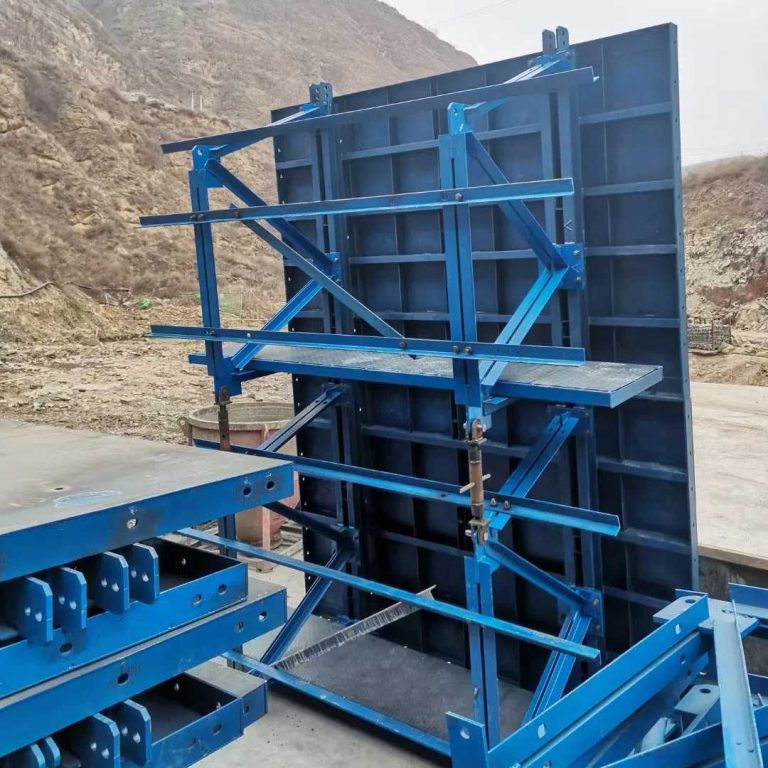
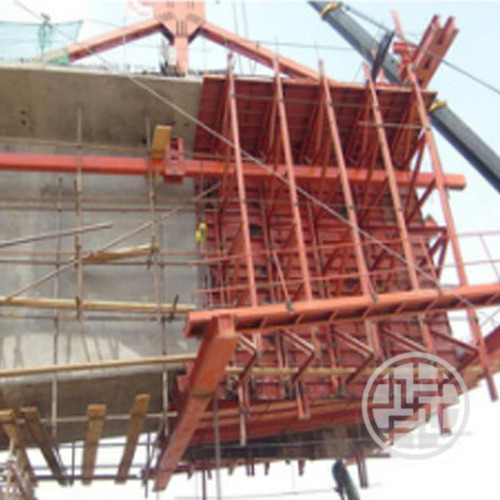
Steel formwork holds the heaviest concrete without bending. Thick walls, deep beams, and wide foundations stay exactly in shape even when the concrete is very wet and heavy.
Steel Formwork Applications in Bridges, Tunnels, Dams, and Infrastructure
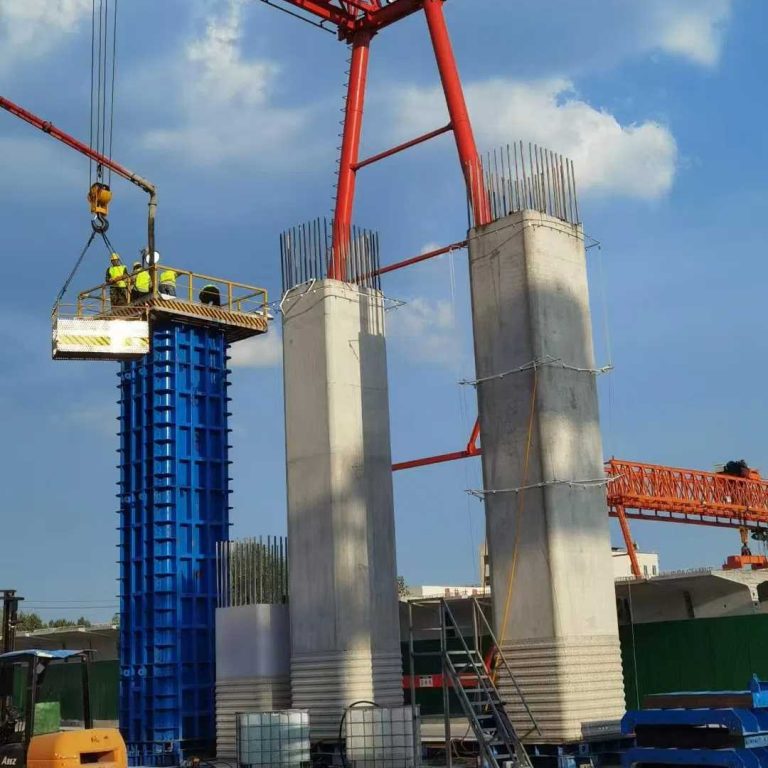
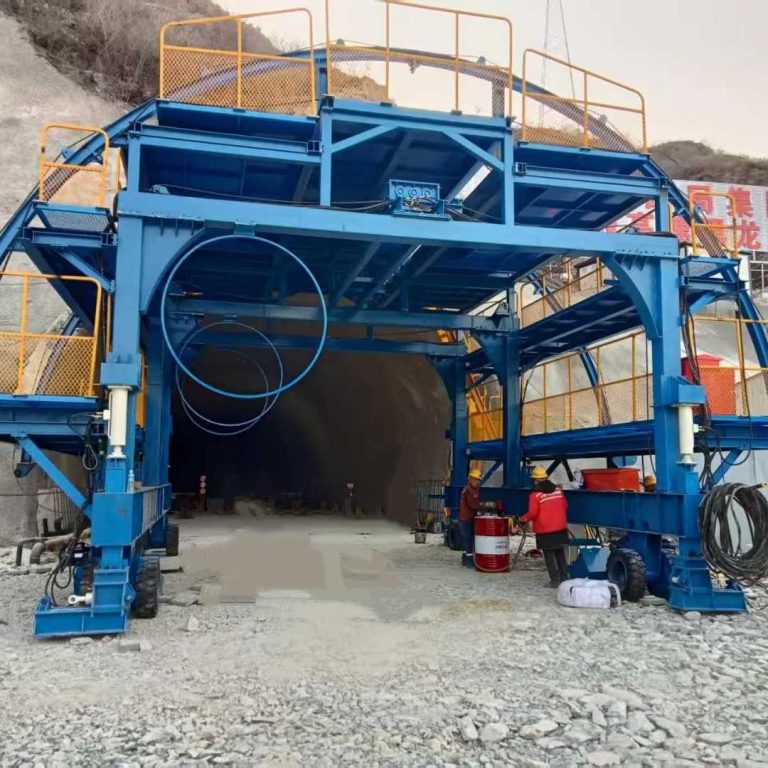
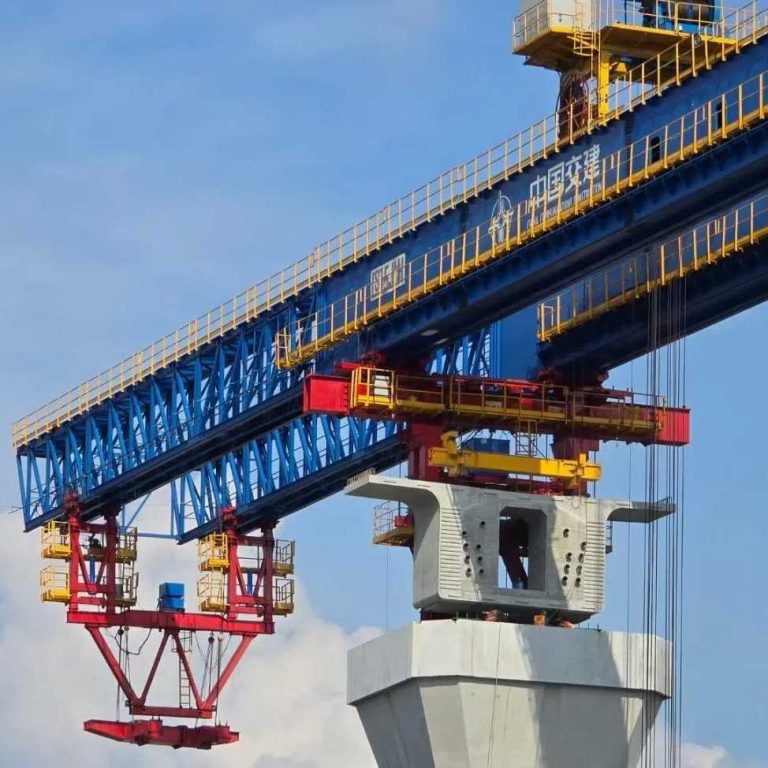
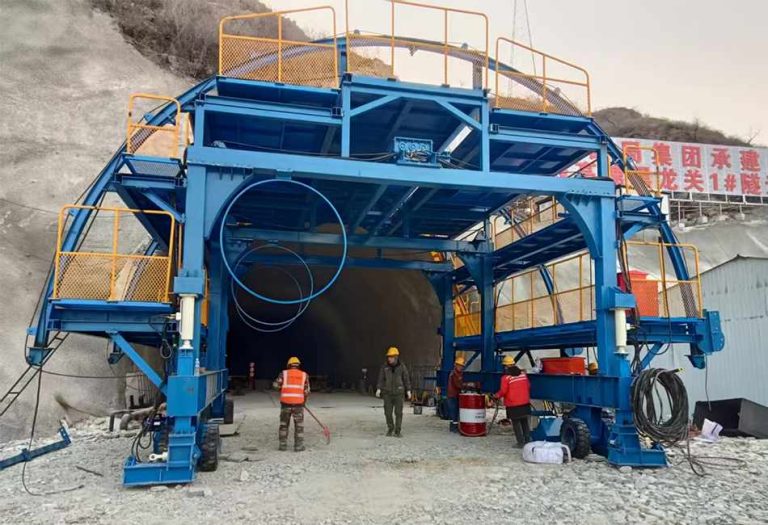
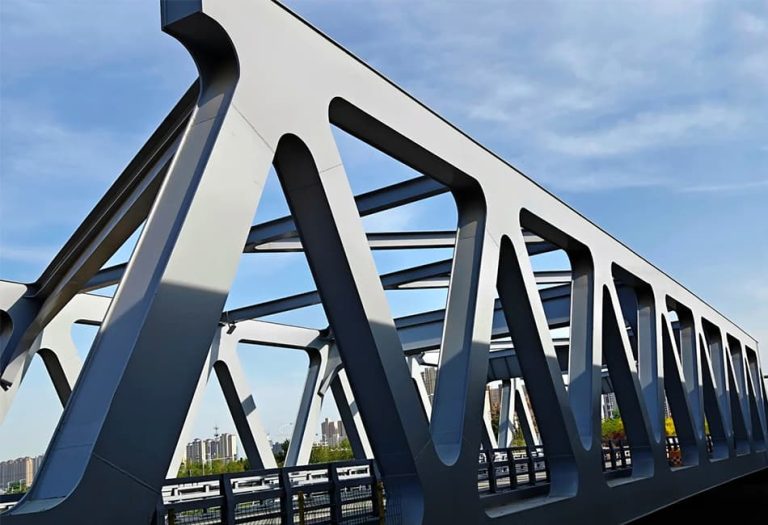
Almost every big bridge, tunnel, or dam uses steel formwork. It shapes long girders, tall piers, and curved tunnel walls where nothing else is strong enough.
When Steel Formwork Provides Superior Performance in Harsh Environments
Steel formwork excels in harsh environments where high humidity, heavy loads, or aggressive construction sequences challenge lighter materials. Its durability under extreme conditions ensures reliable positioning during complicated pours, such as deep basements, river-crossing structures, and power plant foundations. This reliability contributes to safer and more predictable construction, even when site conditions fluctuate.
Long-Term Reusability and Maintenance Needs for Steel Formwork Systems
Steel panels keep working for many years if the crew cleans them and paints the surface again after each job. A little care goes a long way.
Integration of Steel Formwork with Scaffolding, Support Frames, and Large Equipment
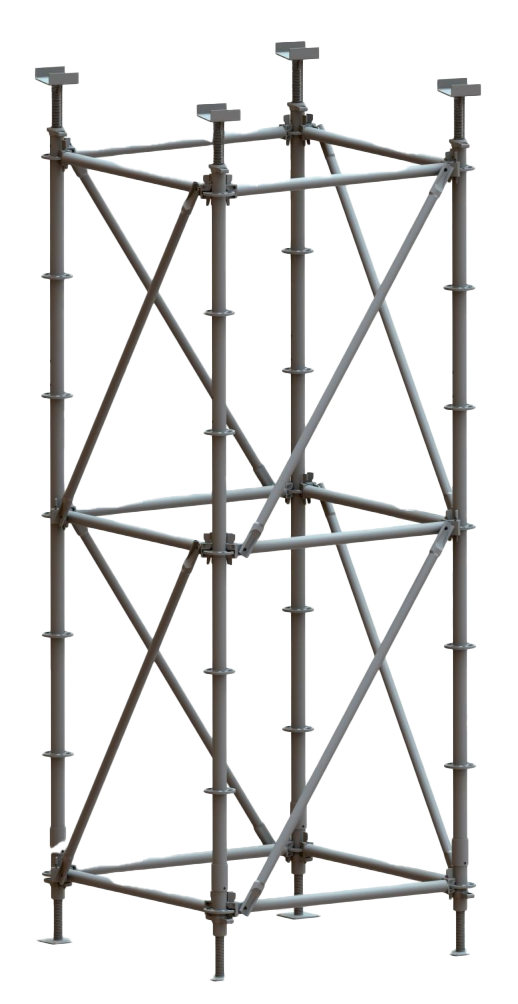
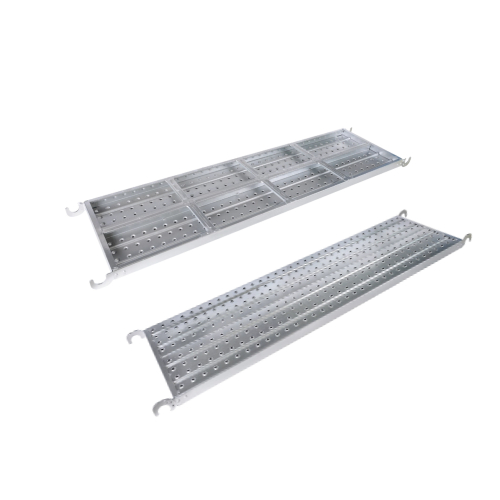
Steel panels tie in easily with big scaffolding and heavy props. Workers walk safely and place steel bars without trouble.
Steel Formwork Suitability for Complex Shapes and Massive Concrete Sections
Curved walls or special angles come out perfect because steel can be welded or bolted into any shape the drawing asks for.
Aluminium Formwork vs Steel Formwork: Detailed Performance Comparison
Construction Speed, Labor Inputs, and On-Site Productivity Differences
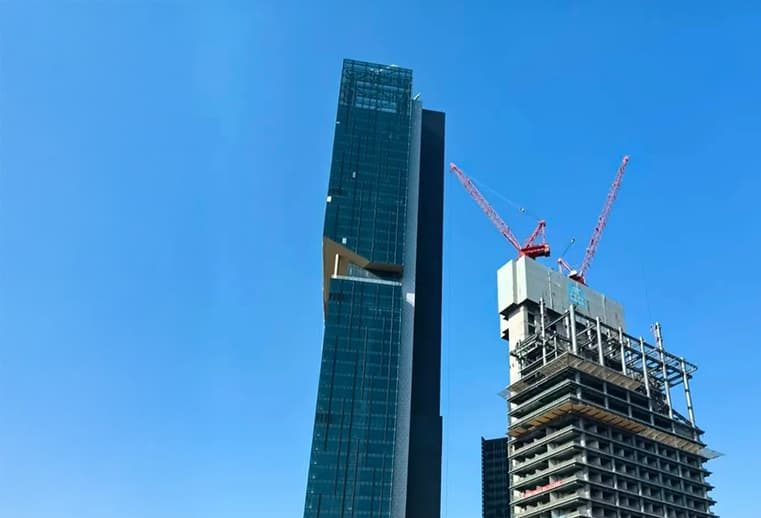
Aluminium formwork provides superior construction speed due to its lightweight nature, while steel formwork offers reliable performance in slower but heavy-duty settings. This difference means aluminium formwork outperforms steel formwork in repetitive, fast-cycle projects, whereas steel remains the preferred choice for complex and high-load structures.
Structural Strength, Load Capacity, and Stability Under Real Conditions
Steel carries more weight without moving. Aluminium has plenty of strength for normal building work and keeps everything straight.
Cost Structure Comparison: Upfront Cost vs Life-Cycle Value
Aluminium costs more to buy but pays back fast because the job finishes sooner. Steel is cheaper at the start, yet it needs more hours on site.
Safety, Accuracy, and Dimensional Consistency of Both Formwork Types
Aluminium is easier and safer to lift high up. Steel gives the strongest support where the concrete pressure is huge.
Environmental Impact, Recyclability, and Sustainability Advantages
Both materials can be melted down and used again. Aluminium often saves more energy overall because the building goes up faster.
Project Scenarios Where Aluminium or Steel Offers the Optimal Outcome
Regular apartments and towers pick aluminium. Bridges and dams go with steel. Some jobs use both in different parts.
GOWE’s Formwork Solutions: Aluminium, Steel, and Integrated Systems
GOWE’s Aluminium Formwork System and Manufacturing Capabilities
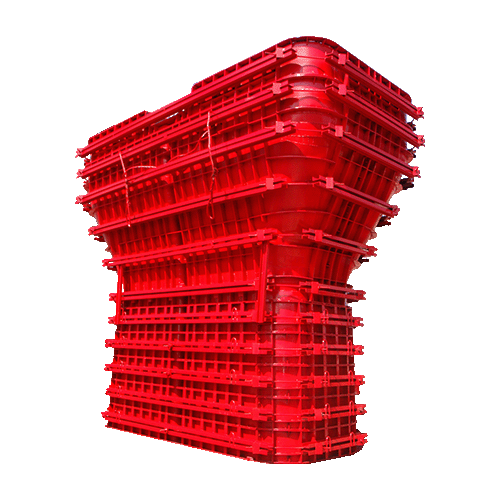
At GOWE, our aluminium formwork is made light yet tough for city high-rises. Panels click together fast and work with normal scaffolding and props.
GOWE Steel Formwork for Bridges, Tunnels, Precast Yards, and Heavy Infrastructure
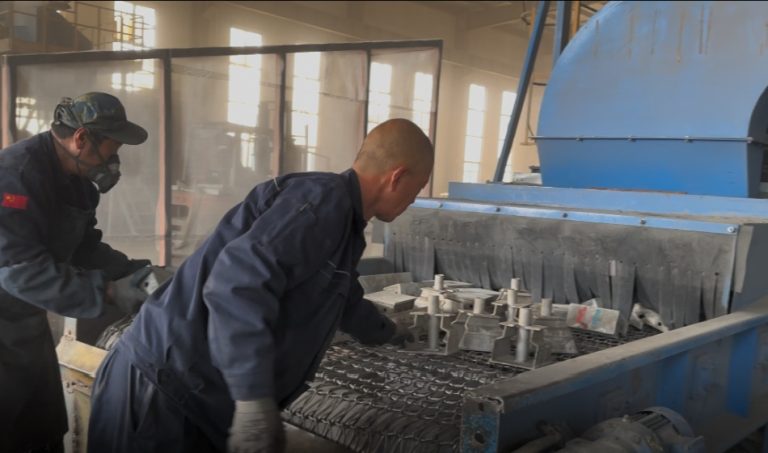
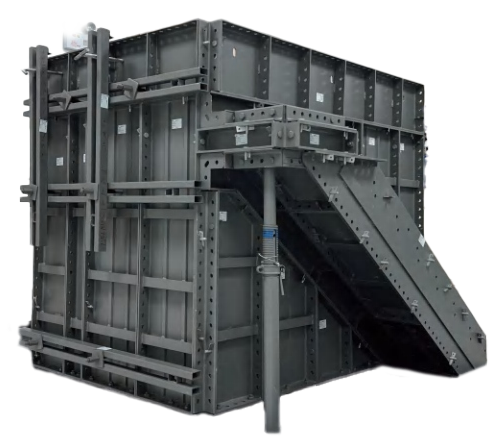
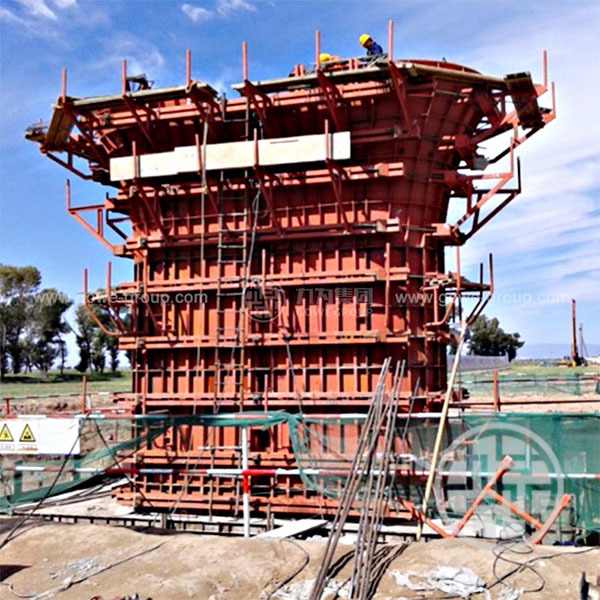
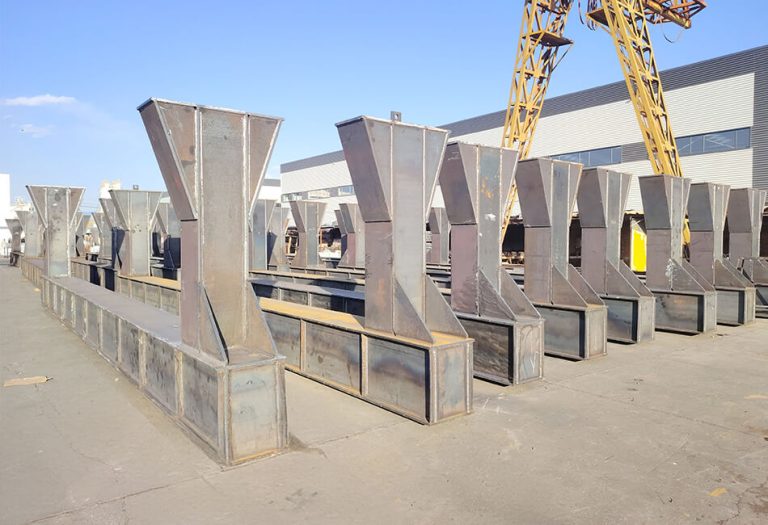
We also build heavy steel formwork for bridges, tunnels, and big precast plants. Every piece is made to take huge loads and last.
Certifications, Global Production Capacity, and Engineering Strength
Our plants have top testing labs and carry EN1090, AISC, and CMA marks. We have finished more than 10,000 projects around the world.
Why Contractors Choose GOWE for High-Performance Formwork Delivery Worldwide
Teams like working with us because we ship on time, fix problems fast, and supply both aluminium and steel systems for any job.
FAQ: Aluminium Formwork vs Steel Formwork
Q: Which formwork material performs better for high-rise construction?
A: Aluminium formwork usually moves faster and feels lighter on high-rise jobs. Steel is still used when the concrete is extra thick or the shape is unusual.
Q: How to choose between aluminium formwork and steel formwork for different project types?
A: Use aluminium when floors repeat and time is short. Pick steel for bridges, tunnels, or heavy foundations. Look at the concrete weight and how many days you have.
Q: Which lasts longer: aluminium formwork or steel formwork?
A: Steel stands up longer to very heavy loads. Aluminium gives hundreds of good pours on normal buildings when you look after it.
Q: What are the main cost differences between aluminium formwork and steel formwork?
A: Aluminium costs more at the beginning but saves money with quicker work and fewer workers. Steel is cheaper to buy but needs more time and care.
Q: Can aluminium and steel formwork be combined within the same project?
A: Yes, many big sites use aluminium for the tall floors and steel for the heavy base or special parts. The mix gives speed up top and strength down low.