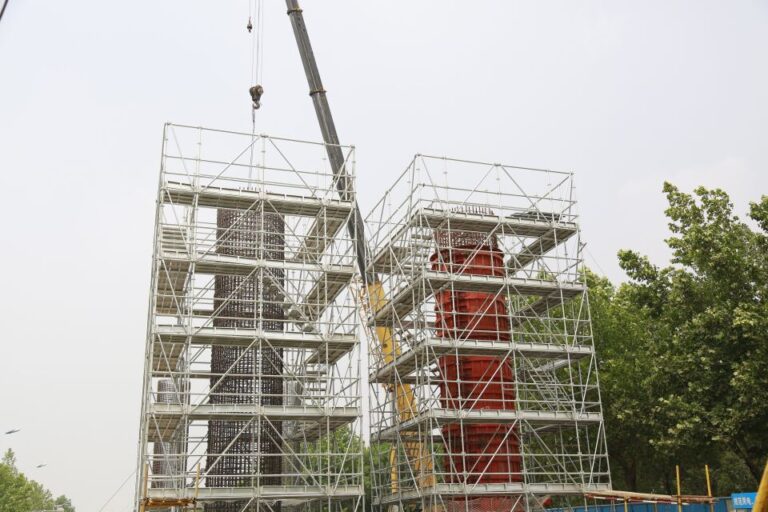

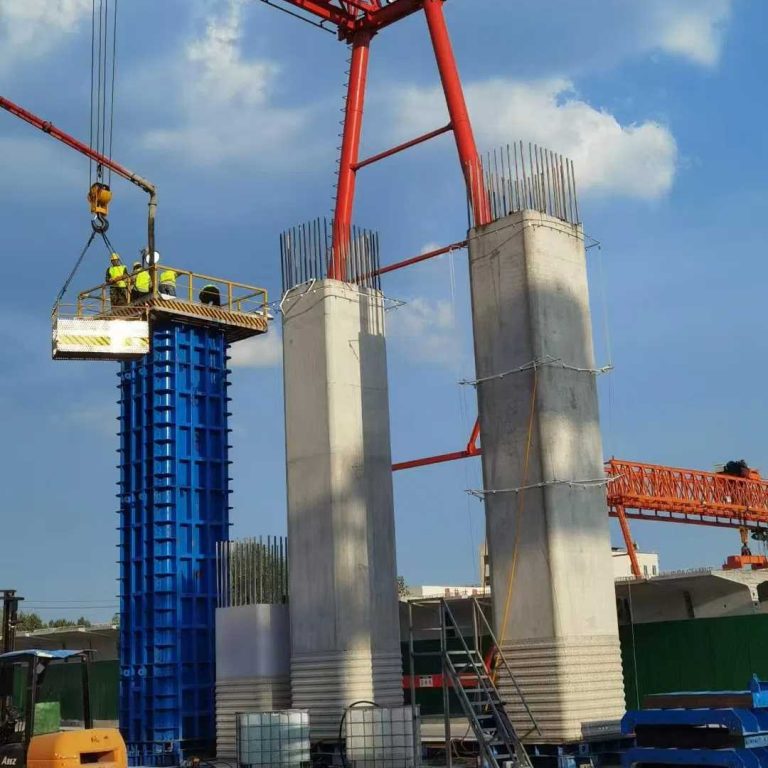

Formwork Frame Maintenance is a control system, not a one-time cleaning task. Inspect frames after stripping, remove residue promptly, use correct tools, store components off the ground, and record repairs and reuse cycles. These steps protect dimensional accuracy, concrete finish, installation efficiency, and cost per use.
Why Does Formwork Frame Maintenance Matter for Construction Projects?
Understand How Maintenance Affects Formwork Performance and Reuse Cycles
A formwork frame is a reusable construction asset, not a disposable consumable. Defects accumulate through assembly, concrete pressure, stripping, transport, and storage. Bent edges create gaps, damaged connections slow alignment, and residue affects concrete finish. Poor control reduces formwork reuse cycles even when the material still looks strong.
The same system can have different service life across projects because handling, storage, geometry, and inspection vary. Judge reuse by required quality, not age alone.
Reduce Lifecycle Costs by Protecting Formwork Frames From Early Damage
The purchase price is only one part of formwork lifecycle cost. Early damage adds repairs, sorting labor, missing accessories, and downtime. Rough stripping, improper storage, impact, and delayed cleaning can turn a repairable frame into an unusable one.
Use a return-to-service process: clean, inspect, classify, repair, and store. Track labor and parts by frame group to compare cost per use. A durable reusable formwork system can offer better lifecycle value. Compare أنظمة قوالب الخرسانة against actual labor and quality requirements.
What Are the Main Causes of Formwork Frame Damage?
Prevent Mechanical Damage During Stripping and Handling
Most premature failures start with site handling. Pulling a stuck panel sideways, levering against an edge, unsuitable impact, dropping, or dragging over concrete can bend members and enlarge holes.
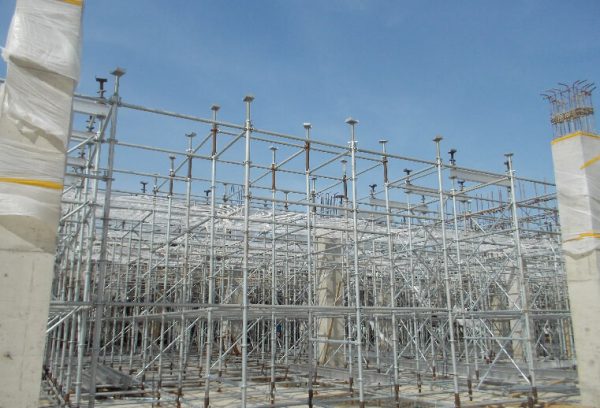
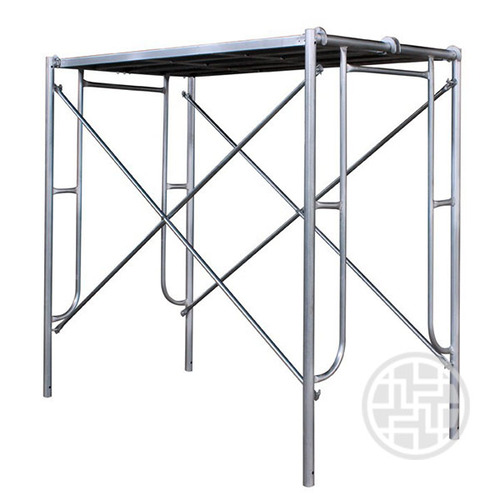
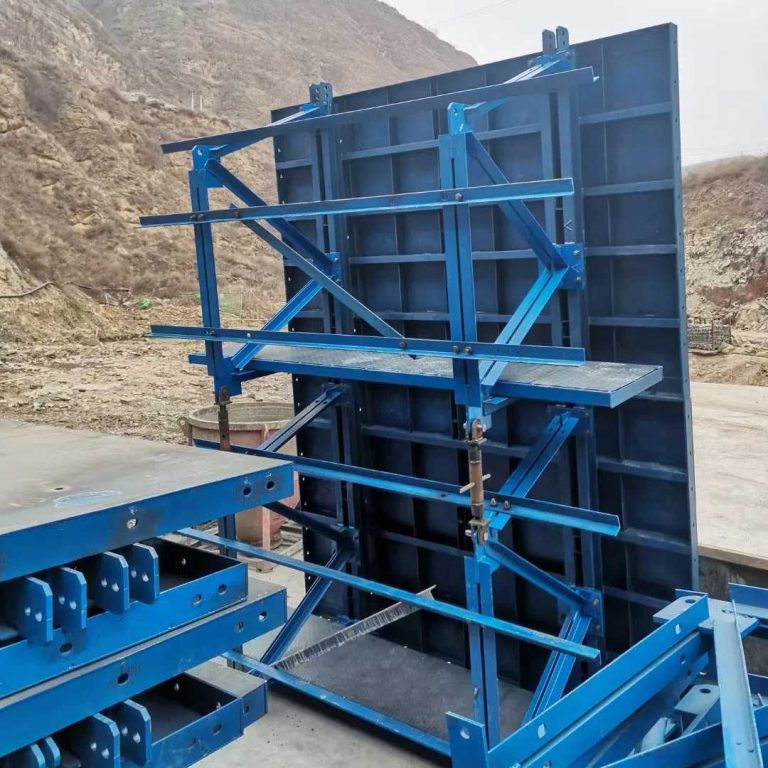
Release pins and wedges in sequence, support large components, and use transfer boxes or controlled lifting routes. Keep frames out of traffic paths and never stack heavy components on unprotected edges. If stuck, change the removal method. Related scaffolding maintenance guidance reinforces the same component-control principle.
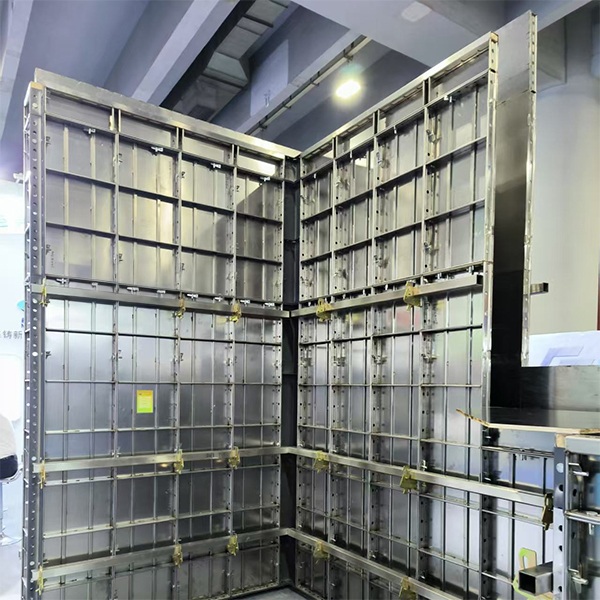
Control Concrete Residue, Moisture and Environmental Exposure
Concrete buildup hardens around ribs, joints, holes, and edges. Remove it early with compatible tools. Avoid grinding on faces that must remain flat.
Moisture, standing water, coastal salt, and humid storage accelerate corrosion on steel components and can damage coatings or mixed-material connections. Dry frames before stacking, separate dissimilar parts where practical, and inspect fasteners more often in coastal or humid environments.
How Should Contractors Inspect Formwork Frames Between Uses?
Check Structural Alignment, Connections and Surface Conditions
A practical formwork frame inspection occurs after stripping, before storage, and before reuse. Use the same sequence:
- Check for twist, bowing, bent edges, cracked welds, and damaged ribs.
- Check faces and contact surfaces for deep gouges, hardened residue, coating failure, or distortion.
- Check pins, wedges, holes, tie points, props, and brackets for looseness, elongation, missing parts, or unsafe wear.
- Compare critical dimensions with project drawings or supplier acceptance criteria.
- Mark each item ready, clean-and-recheck, repair, quarantine, or retire.
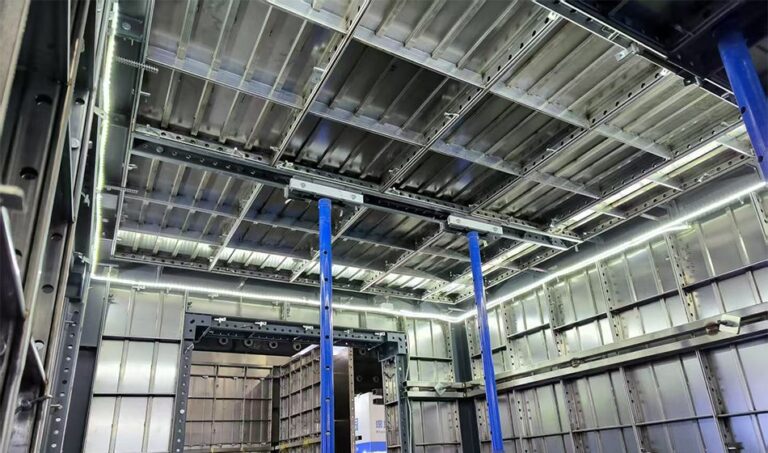
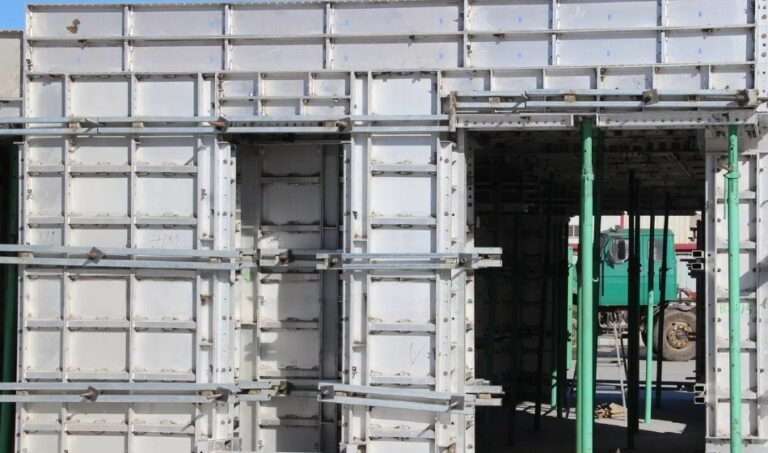
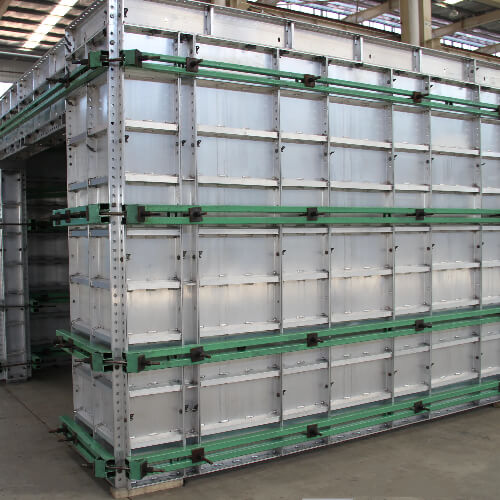
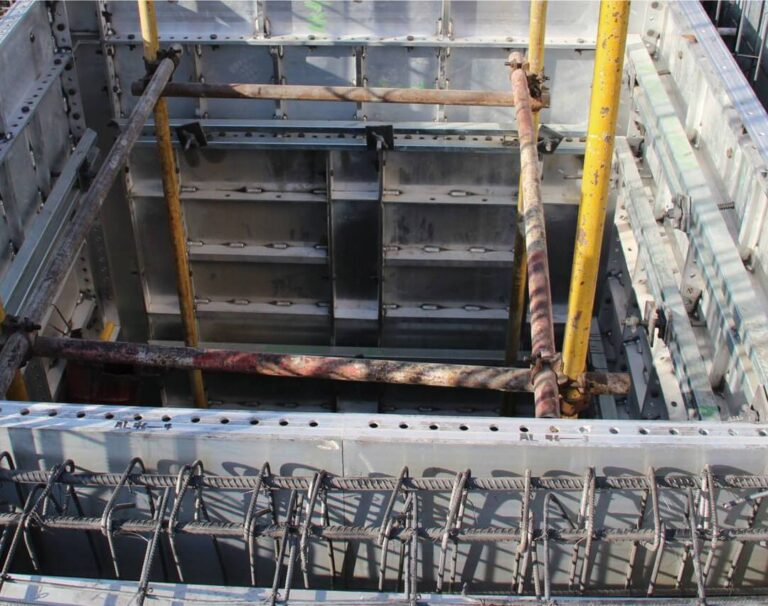
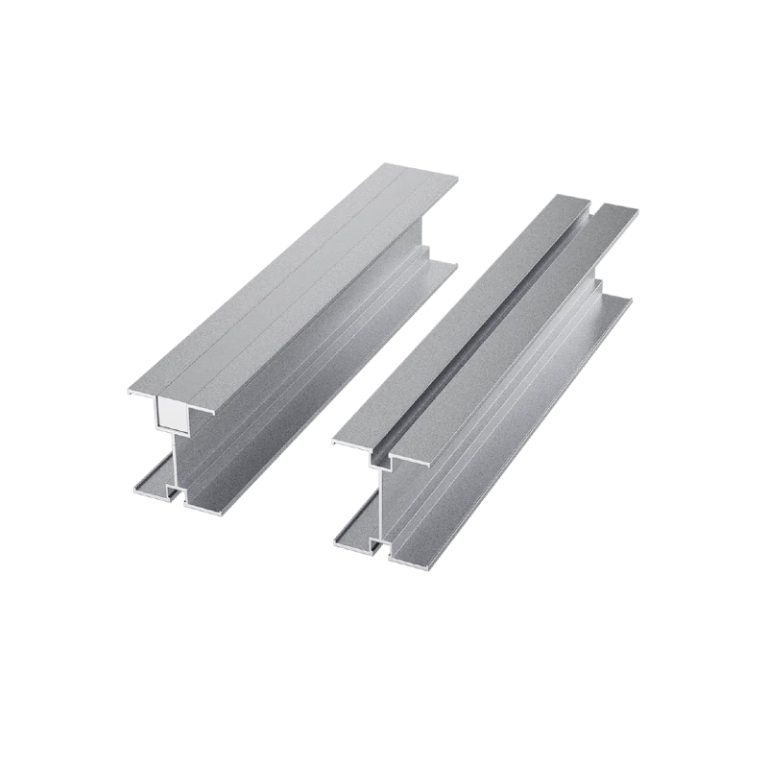
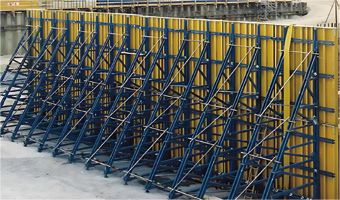
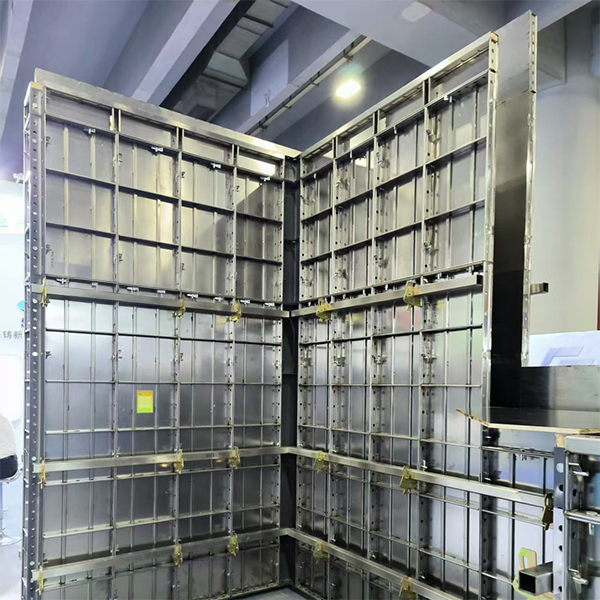
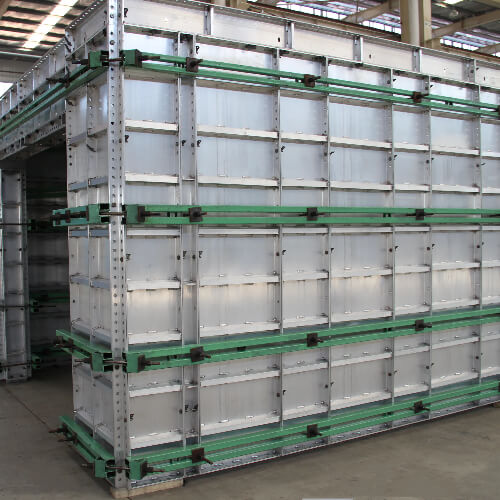
For aluminium formwork, hollow sections help wall straightness and flat wall surfaces, while raking shores adjust wall verticality. If a frame cannot hold the required geometry or connection security after correction, keep it out of service.
Create a Maintenance Record for Repeated Construction Cycles
Use a formwork maintenance checklist or digital record for each frame group. Record the frame ID, project or zone, reuse count, stripping date, damage, cleaning status, repair action, replacement parts, inspector, and release decision. Photograph unusual damage before repair.
Reuse tracking reveals recurring causes. Repeated edge damage may indicate a poor stripping method; missing pins and wedges may indicate weak zone handover; repeated straightening may make replacement more economical. Keep the record with the frame or set so the next crew can review its condition before assembly.
What Cleaning and Storage Practices Extend Formwork Frame Service Life?
Clean Frames Immediately After Formwork Removal
Formwork frame cleaning should follow removal, not the end of the project. Remove loose concrete, then clean ribs, holes, joints, faces, and bearing areas with non-damaging tools. Check for pooled release agent or cement residue, then dry the frame before inspection.
Oxidation can create dirt spots on aluminium alloy formwork without compromising material quality or concrete finish quality. Separate cosmetic marks from warping, deep corrosion, cracked structural parts, damaged holes, or connection failure. Powder coating may mitigate oxidation but can still peel in site conditions.
Store Formwork Frames Properly Between Construction Stages
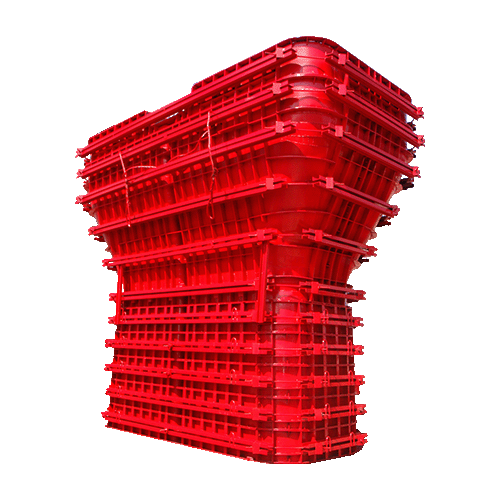
Formwork frame storage should keep components dry, identifiable, and supported. Place frames on level dunnage rather than soil or a wet slab. Use stable stacks and separators, protect edges, and keep small accessories labeled. Do not place concentrated loads on unsupported spans.
Before handover, confirm ventilation, lifting access, and inventory. Covers can help in exposed areas, but trapped moisture is harmful. A pre-storage check prevents hidden distortion or missing connections.
How Can Proper Handling Improve Formwork Frame Longevity?
Train Workers to Protect Frames During Assembly and Dismantling
Worker habits directly affect service life. Train crews to identify the correct pins, wedges, props, walers, ties, brackets, and removal tools. Demonstrate where force may be applied and where levering or impact is prohibited. Standardize handover between teams.
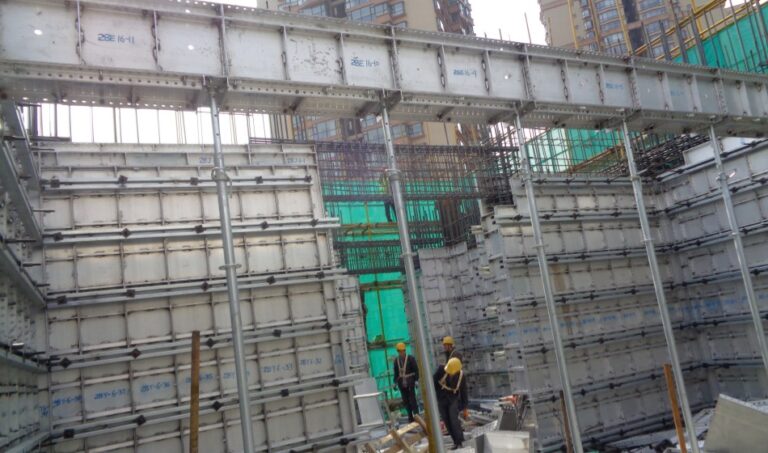
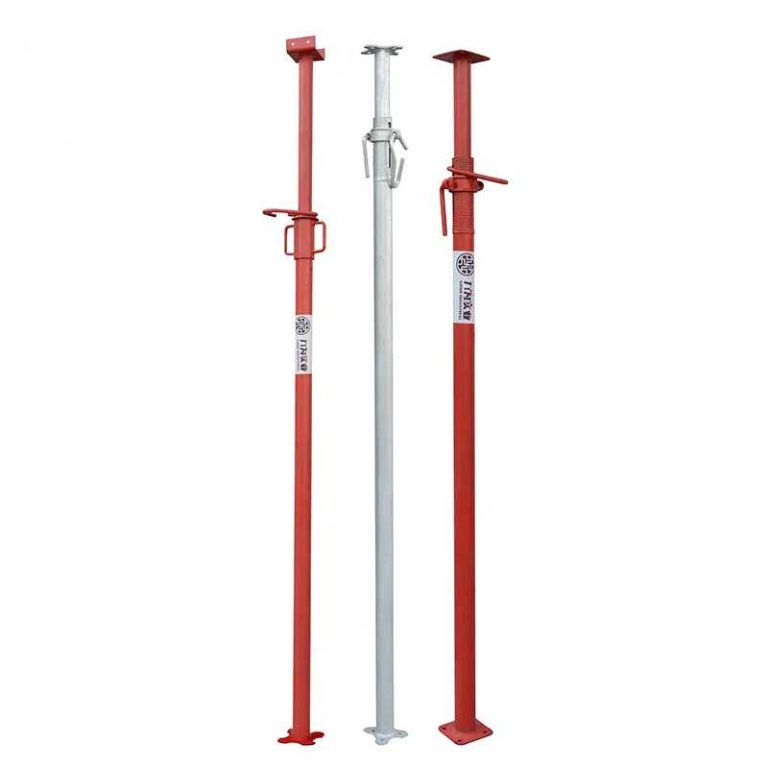
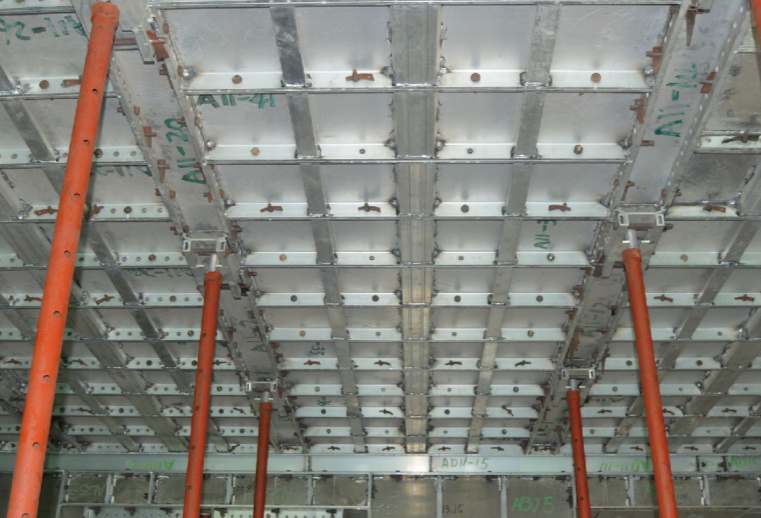
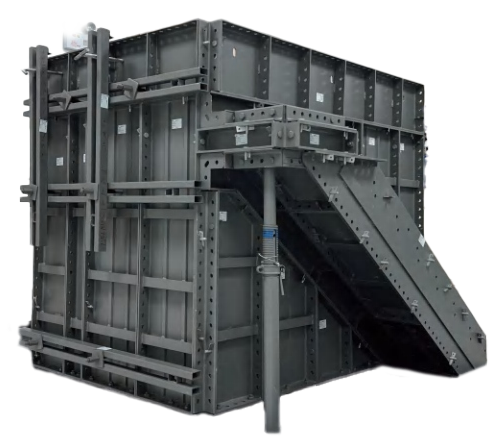
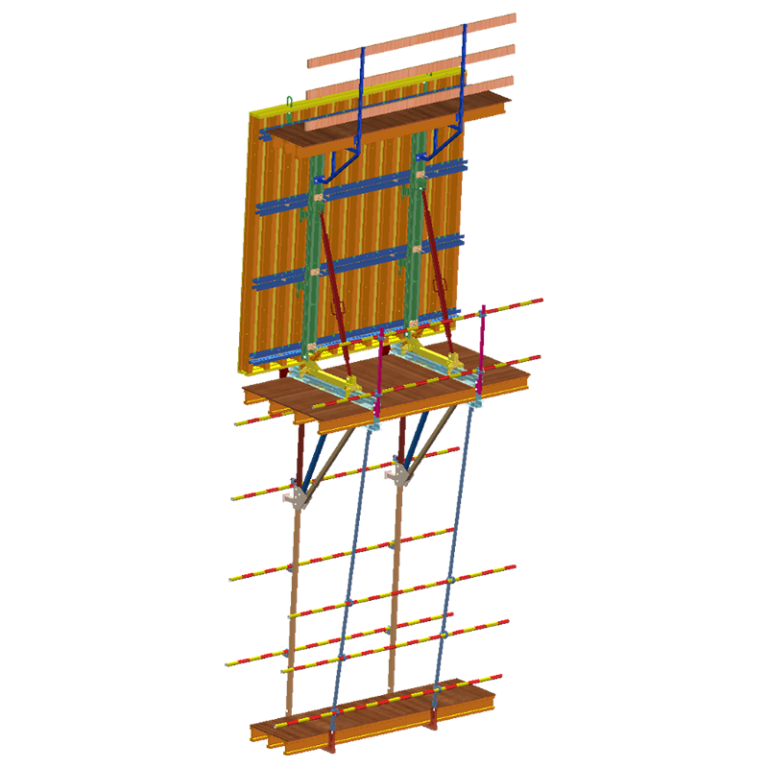
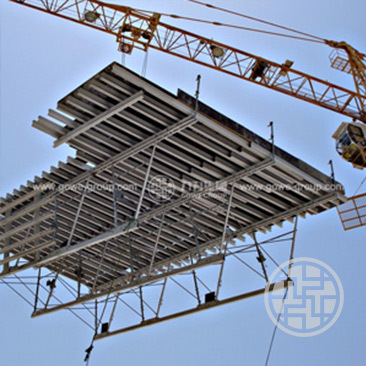
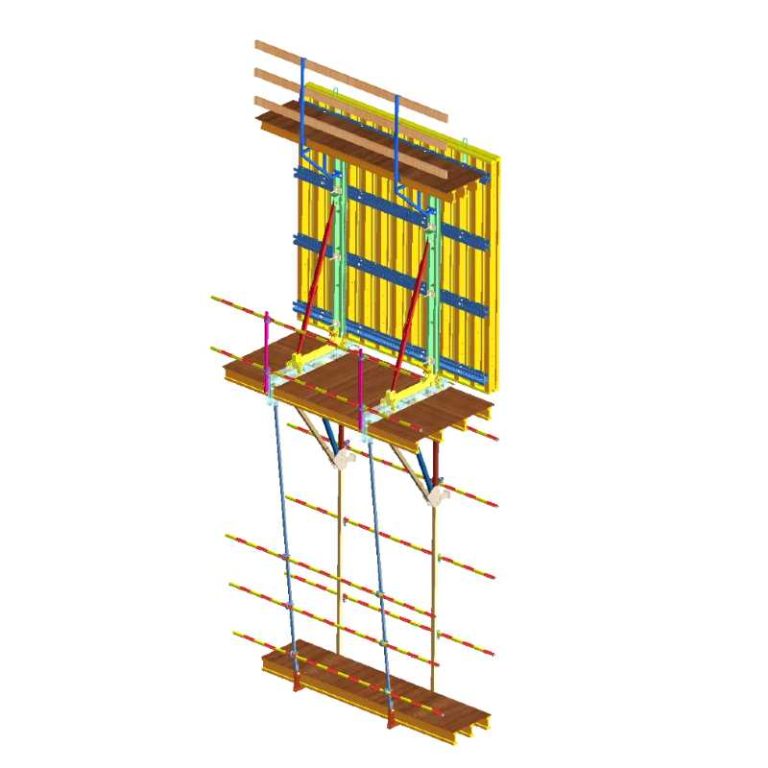
Our aluminium formwork system includes wall formwork, top formwork, props, pins, wedges, transfer boxes, and other functional accessories. The GOWE aluminium formwork system is composed of wall formwork, top formwork, and prop. Keeping these parts complete supports alignment, verticality, support, dismantling, and movement in the next cycle.
Use Repair and Refurbishment Strategies Instead of Early Replacement
Not every defect requires scrapping. Minor residue, replaceable hardware, light edge damage, or a serviceable coating issue may be handled through cleaning, component replacement, controlled straightening, or refurbishment. Verify repairs against required geometry and connections.
Quarantine frames with structural cracks, repeated deformation, unsafe holes, failed supports, or untraceable damage. Compare repair cost, inspection time, remaining cycles, and rework risk before replacement.
How Does Formwork Frame Quality Influence Long-Term Maintenance?
Choose Frames Designed for Repeated Construction Use
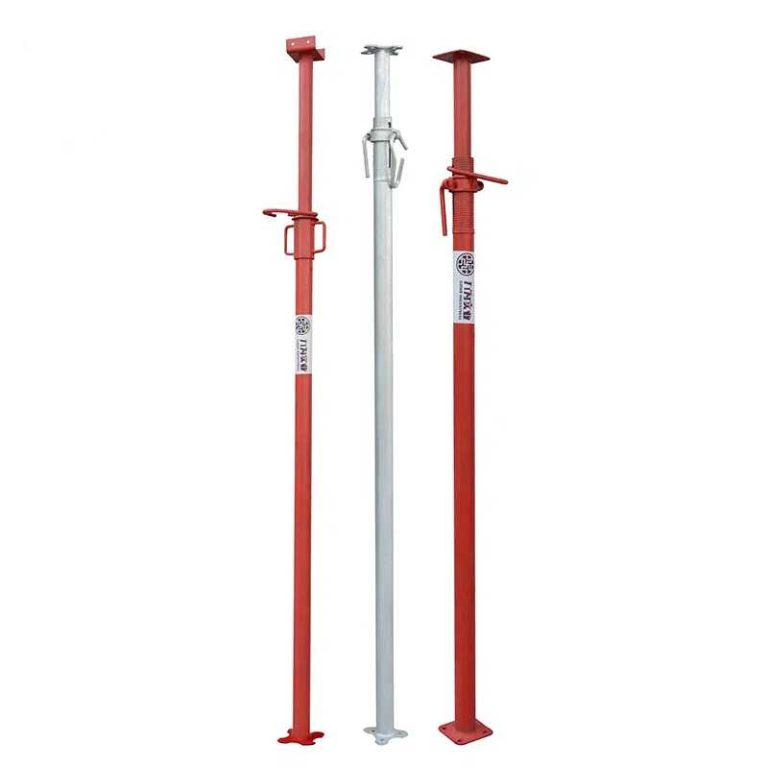
Maintenance starts at procurement. Review material quality, welds, dimensional tolerances, connection reliability, surface treatment, spare parts, and inspection process. GOWE provides formwork and scaffolding solutions through integrated research and development, production, sales, leasing, construction, and operation. GOWE carries out precise design and customized production according to engineering drawings. Delicate design, customized production according to construction drawings and trial assembly in the factory help minimize problems before transport to site and improve construction speed and accuracy. GOWE aluminium formwork covers wall, beam, slab and stair formwork. GOWE aluminium formwork data identifies Aluminium Alloy 6061-T6, 4 mm panels, an aluminium panel weight of 25 kg/m², and adjustable steel props suitable for 2000 to 3300 mm. Confirm requirements from current drawings.
GOWE’s process includes incoming material inspection, in-production inspection, finished product inspection, pre-shipment debugging, finished product transportation inspection, and controlled transportation to site. Buyers can review the GOWE aluminium formwork system when comparing complete-system maintenance requirements.
Evaluate Total Ownership Cost Instead of Initial Purchase Price
Compare purchase, transport, labor, cleaning, repairs, storage, replacement, finishing, and usable pours. A low-cost frame that repeatedly loses alignment can cost more than a durable frame with predictable maintenance.
Buyers should check what a supplier’s reuse-cycle claim includes, including dismantling, complete accessories, release-agent use, cleaning, storage, transport protection, repair records and project geometry compatibility. No fixed guaranteed reuse-cycle number is established for aluminium formwork, so buyers should request the assumptions behind any number. Broader lifecycle comparisons should use the project’s actual labor and quality requirements.
الأسئلة الشائعة
Q: How often should a formwork frame be inspected?
Inspect every frame after stripping, before storage, and before reuse. Add checks after impact, overload, transport damage, or prolonged humid exposure.
Q: How can formwork frame maintenance extend service life?
Prompt cleaning prevents buildup, handling limits dents, inspection catches defects, and dry storage limits moisture damage. Records support targeted replacement.
Q: What causes formwork frame damage during construction?
Common causes include improper stripping, unsuitable tools, impact, overload, concrete buildup, moisture, missing accessories, and unsupported stacking. Controlled handover prevents many failures.
Q: How should a formwork frame be stored between projects?
Store it in a dry, ventilated area on level supports, away from ground contact. Stack securely, protect edges, separate accessories, prevent trapped moisture, and retain repair records.
Q: When should a formwork frame be repaired or replaced?
Repair limited defects when required geometry and connection reliability can be restored. Replace or retire frames when deformation affects accuracy, structural damage compromises safety, or repair costs exceed replacement value.