
Why Aluminium Formwork Systems Are Ideal for High-Rise Construction Projects
What Makes Aluminium Formwork Stand Out in High-Rise Applications?
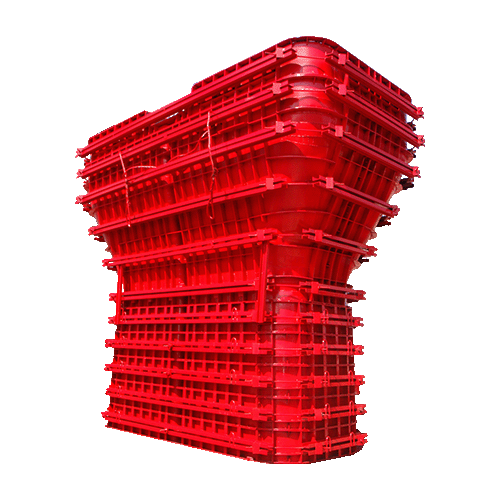
Aluminium formwork works well for high-rise construction because of its light build and strong shape. GOWE Aluminum formwork has these strong and light features. It serves as a great option for building work. Construction workers praise it for its lightweight and ease of use. This trait lets workers handle it quickly by hand. It cuts down on the need for cranes. As a result, teams can set it up and take it down fast. This holds true even in tight spaces common in tall buildings.
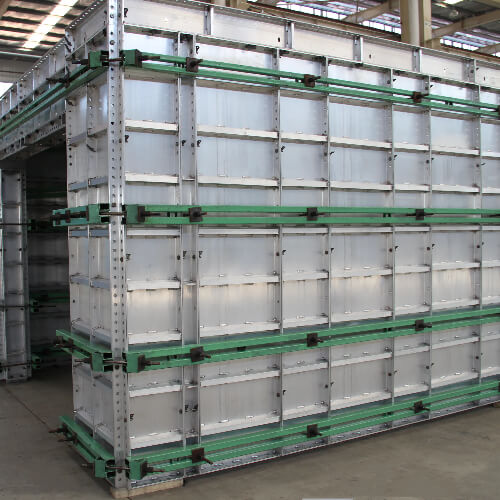
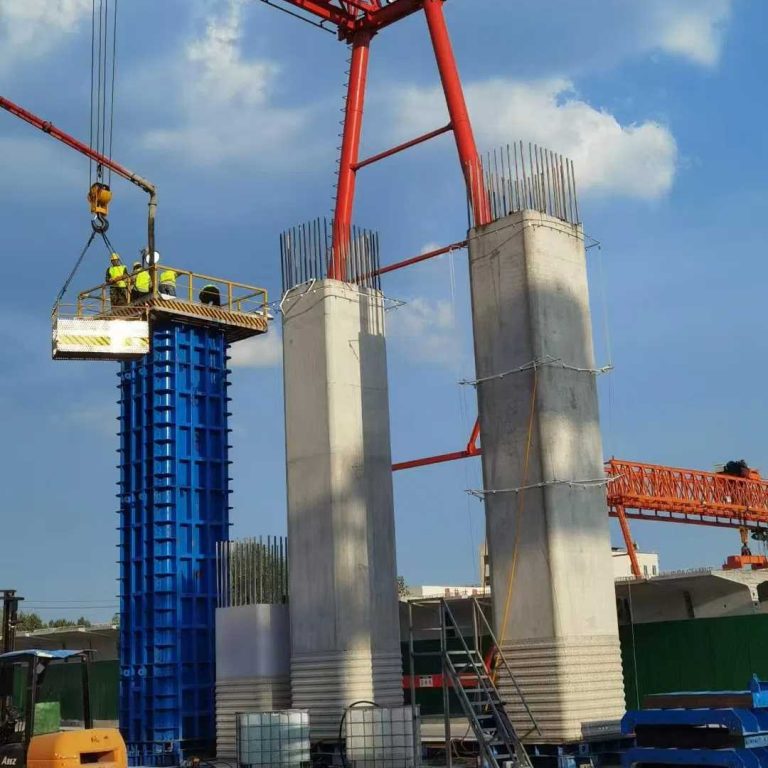
The build quality also keeps things safe and solid at heights. It can handle 60KN/m² concrete side pressure. Plus, it allows one-time full pouring and forming for both vertical and horizontal parts. This strength deals with the heavy loads and side forces during concrete pouring in many-story projects.

Besides, aluminium formwork gives a neat, even finish on concrete. The smooth surface means no plastering is needed. This saves up to 50% of total construction time. It speeds up work after the structure is done. It also improves the look and build match between floors.
How Does Aluminium Formwork Improve Construction Efficiency?
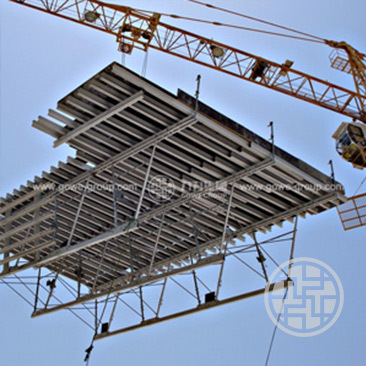
Aluminium formwork systems greatly boost construction speed by allowing wall and slab casting at the same time. The aluminum formwork system is a high-efficiency solution for RCC load-bearing and RCC-framed multi-story buildings. It lets walls and slabs form in one step. This raises the building pace a lot. It creates a solid, single-piece structure with a good concrete finish. Such combined work shortens the time between floors. Developers can thus stick to tight schedules in city high-rise jobs.
On top of that, aluminium systems use standard parts that fit together with little training. It can be assembled without cranes or heavy lifting equipment. Even workers with basic skills can learn to set it up well. This simple setup lowers the need for rare expert workers. It also raises output on-site.
The panels’ ability to be used many times helps with quicker floor turns. Made for lasting use, aluminum formwork panels can be reused up to 200 times without losing quality. Contractors can shift panels to different levels. This keeps work going without holds from system changes or a lack of supplies.
In What Ways Does Aluminium Formwork Support Sustainable Building Goals?
Aluminium formwork systems fit well with green building plans due to their reuse and material traits. The system skips the use of timber or plywood. This cuts costs and trash. It helps the environment by lowering building waste. It also saves trees.
Aluminum is fully recyclable, making it an ideal material for eco-conscious developments. Its lifecycle compatibility with green building certification schemes further strengthens its appeal for modern projects targeting environmental performance benchmarks.
What’s more, the exact size of aluminium panels cuts down on extra material in pouring. Precise cuts in the aluminum parts keep the shape and surface steady from floor to floor. This lessens fix-up work. It ensures a good fit with ready-made MEP systems. Thus, it makes the best use of materials over the whole project.
How to Evaluate the Best Aluminium Formwork System for Your High-Rise Project?
What Technical Factors Should Be Considered During Selection?
When selecting aluminium formwork for high-rise applications, compatibility with architectural complexity is paramount. Systems must adapt to varying layouts while preserving structural clarity. The system’s ability to handle standard and non-linear geometries ensures it matches modern tower designs.
You must check that the system’s load limits match or beat local build rules. This is key under concrete force in joint pouring. It can withstand 60KN/m² concrete side pressure.
Exact size control is just as key to skipping line-up errors. Its excellent dimensional accuracy guarantees consistent alignment for doors, windows, and other structural elements. This exactness stops the build-up of shifts across floors. That is vital in tall buildings.
Which Operational Features Influence Long-Term Performance?
Lasting work relies a lot on how well panels hold up over many reuses. Systems that last beyond 100–200 times have lower full costs. They do so without quality loss. Designed for long-term use, aluminum formwork panels can be reused up to 200 times without compromising quality.
Ease of logistics—from handling and transport to on-site storage—determines deployment efficiency. Lightweight panels are easier to move around restricted sites or reposition between floor cycles without heavy machinery.
Integration with crane systems or lifting mechanisms is another critical feature for vertical projects. Compatibility here improves workflow by reducing manual handling at higher elevations.
How Do Safety Standards Vary Across Different Aluminium Systems?
Safety compliance is non-negotiable in high-rise work environments. Systems must adhere to international safety codes and include fire resistance certifications relevant to regional regulations.
Worker protection features such as anti-slip panel surfaces and edge barriers are vital for preventing falls during installation and dismantling phases.
Formwork stability under wind loads becomes increasingly important at elevation. System rigidity must prevent displacement or vibration that could affect cast integrity or worker safety during adverse weather conditions.
What Are the Key Differences Between Leading Aluminium Formwork Brands?
How Do Modular Capabilities Affect Flexibility Across Floor Plans?
A key differentiator among top brands lies in modularity. Interchangeable panels enable rapid adaptation to various room sizes or shape configurations within a tower.
Some systems offer adjustable corners and flexible junctions that simplify application in complex geometries such as curved facades or offset layouts, increasing their value in architecturally ambitious high-rise buildings.
Which Surface Treatments Offer Better Durability and Finish Quality?
The longevity of aluminium formwork depends significantly on its surface treatment. Anodized finishes resist corrosion effectively over time, particularly in humid or coastal environments.
Powder-coated surfaces also offer enhanced durability but may require more maintenance over extended usage cycles. Smooth coatings facilitate easy stripping from cured concrete while minimizing residue buildup—reducing cleaning effort between uses.
What Role Does Engineering Support Play in System Performance?
Access to engineering support services enhances system performance across the project lifecycle. Design optimization ensures the formwork configuration aligns precisely with structural requirements while maximizing casting efficiency.

On-site training helps teams install the system accurately on the first attempt, reducing errors and rework. Supervision during initial cycles builds crew familiarity, setting a consistent pace for future floors.
How GOWE Solves Common Challenges in High-Rise Aluminium Formwork Projects
Our Approach to Customizing Aluminium Formwork for Complex Towers
We adjust our aluminium formwork systems to fit project plans exactly. This ensures smooth changes, no matter the design twists. By delicately designing and customizing production based on construction drawings and trial assembly in the factory, GOWE has minimized all problems that will possibly occur before transported to the construction site. This forward step stops line-up troubles at the site. It keeps the full project on track.
Why Contractors Trust GOWE for Large-Scale Vertical Construction Projects
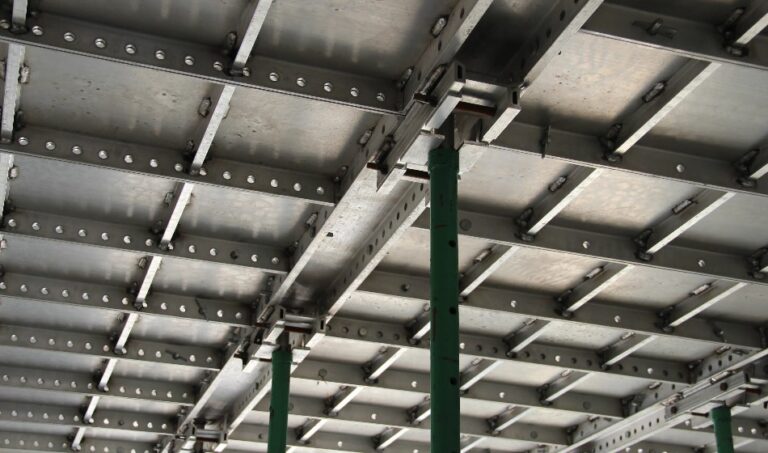
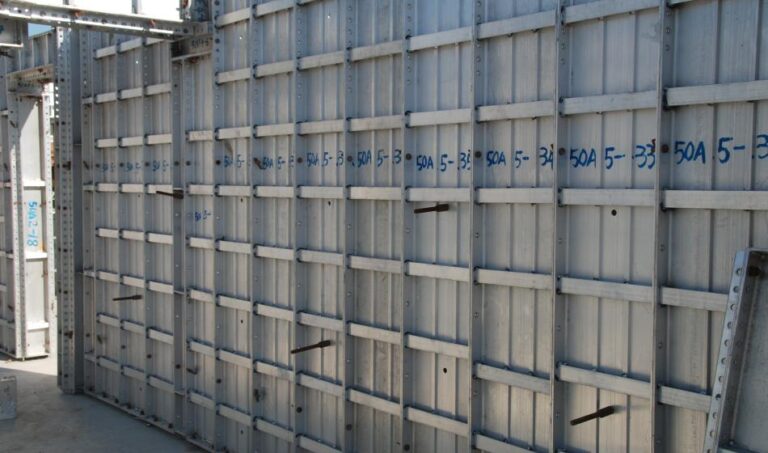
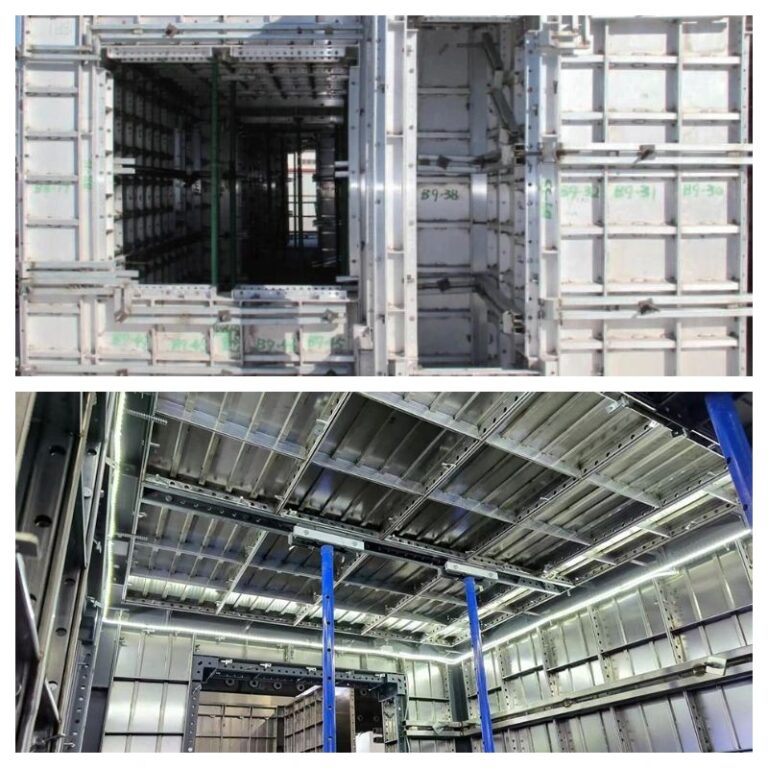
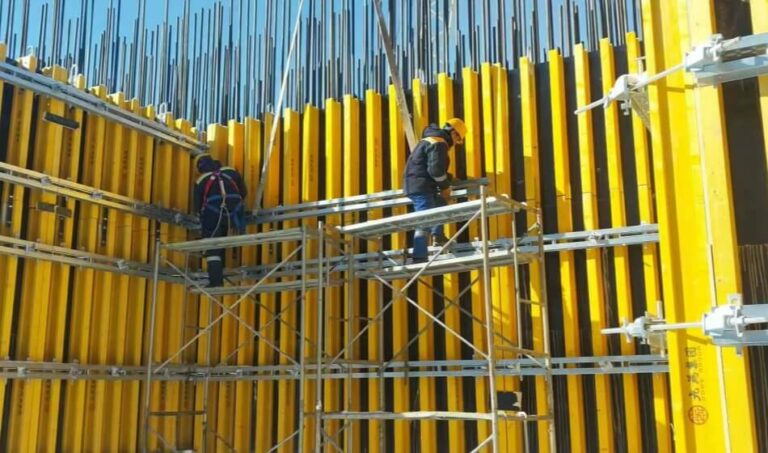
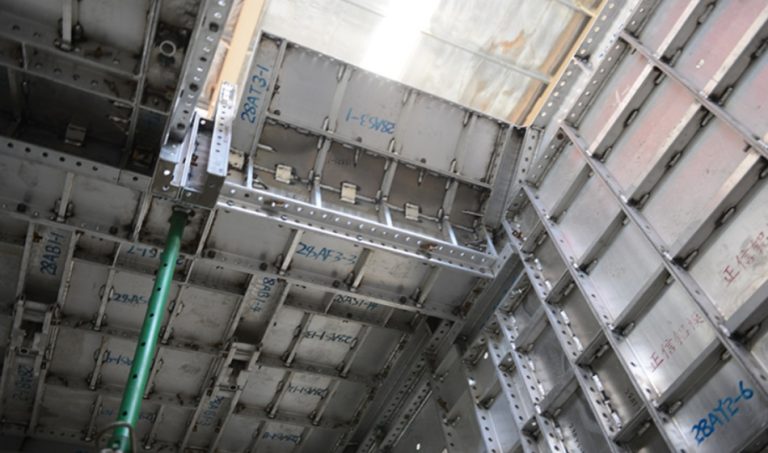
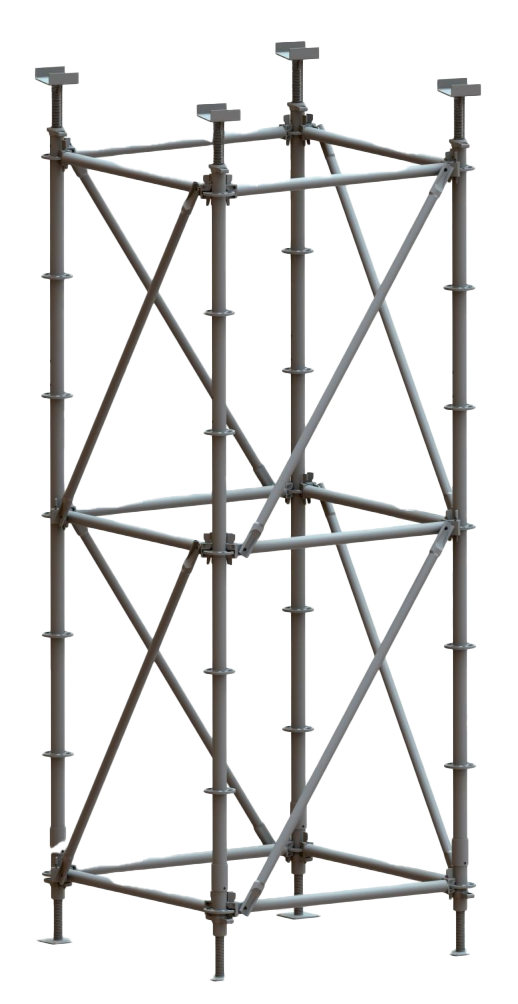
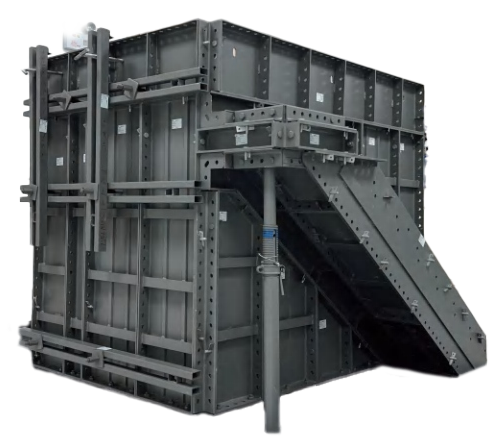
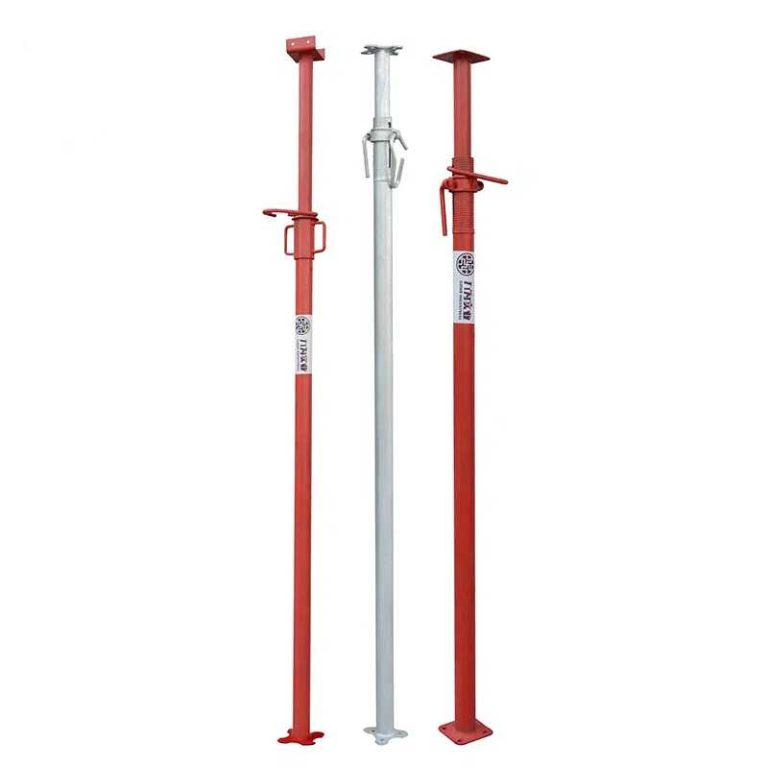
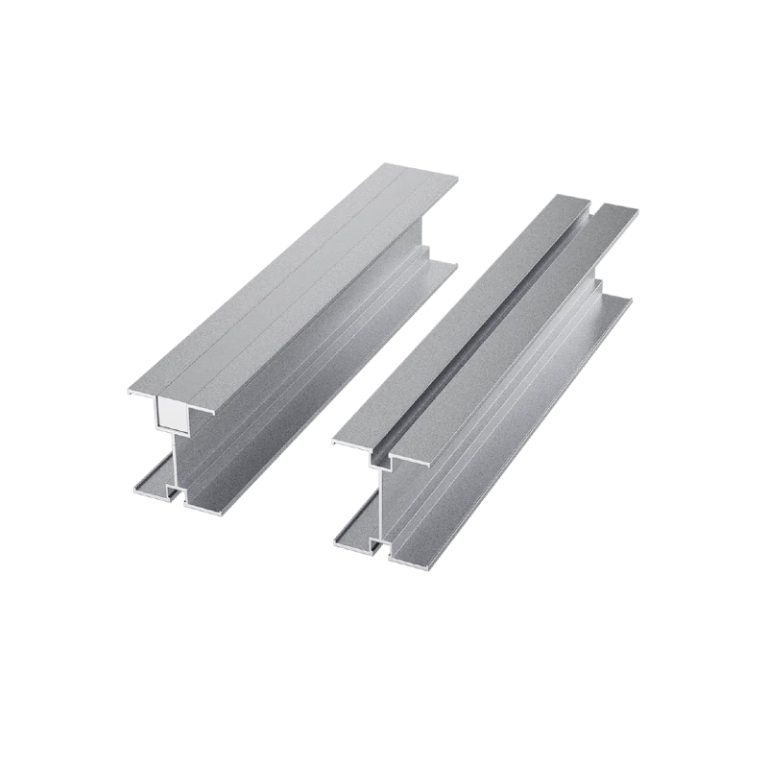
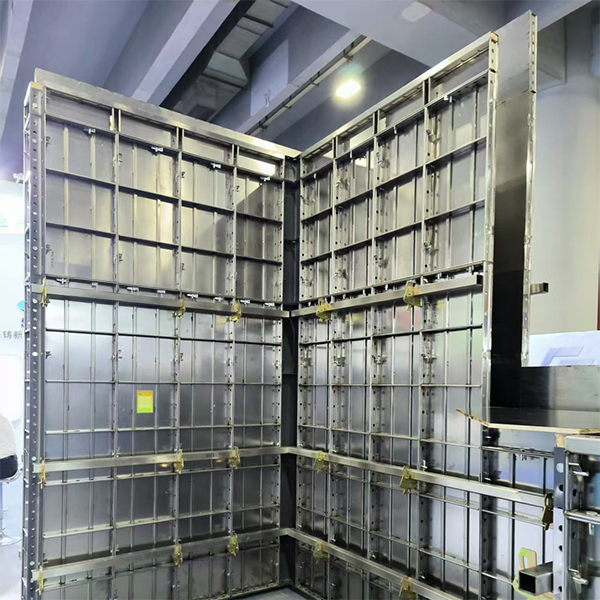
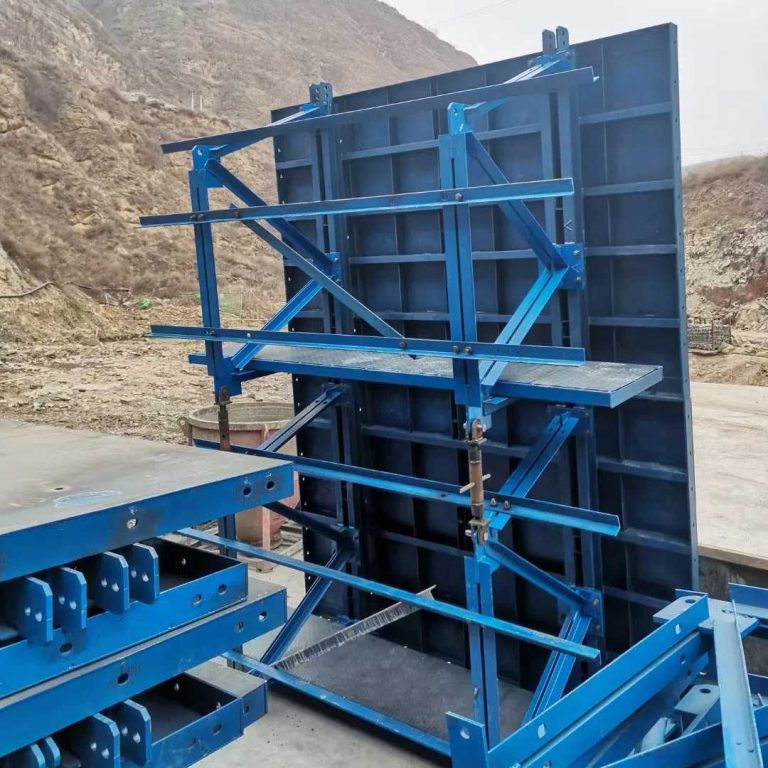
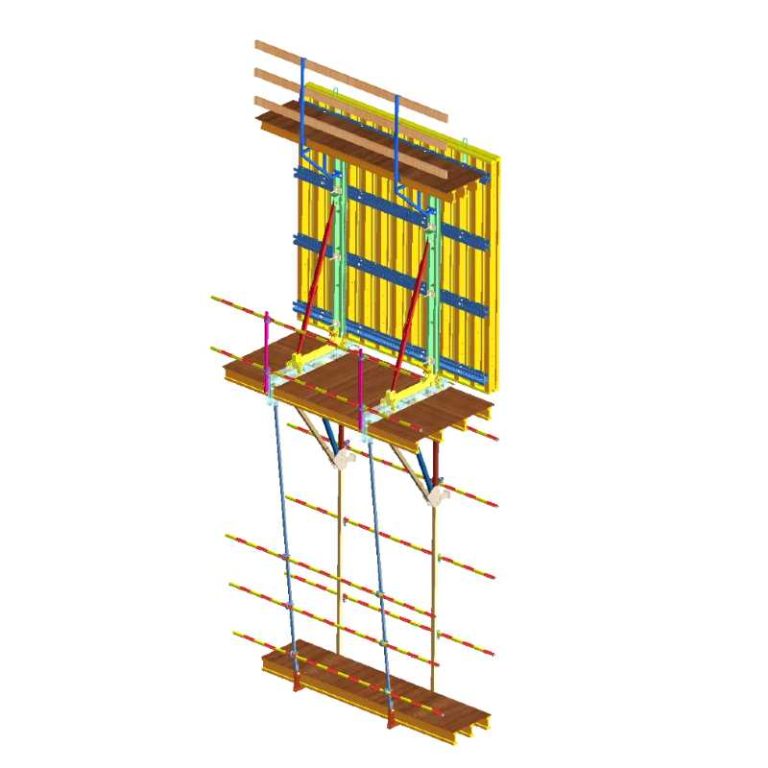
Our systems are built just for high-rise floor turns with tight size control. GOWE aluminum formwork system is composed of several independent systems, such as Wall formwork, Top formwork, and Prop. After all the formwork is assembled, concrete can be poured and formed in one go, which is efficient and convenient for construction. This full setup gives strong backing during the joint up-down pour steps. It stays close to design limits with little drift.
GOWE’s Engineering Support Throughout the Project Lifecycle
From early planning to last pour checks, our experts aid clients at each stage. GOWE has a strict quality management system, including incoming material inspection, in-production inspection, finished product inspection, pre-shipment debugging, finished product transportation inspection, and every link of transportation to the construction site is strictly controlled. Our full watch ensures safety, rightness, and steady results across all project parts.
Frequently Asked Questions
Q: Which aluminium formwork brand is best for high-rise buildings?
A: Brands like GOWE stand out due to their high-strength design capable of handling 60KN/m² concrete pressure and their ability to support one-time whole pouring of vertical and horizontal structures.
Q: How do I choose an aluminium formwork system for a tall project?
A: Look for systems offering dimensional precision, compatibility with architectural complexity, high reuse cycles (up to 200 times), and strong engineering support throughout the build process.
Q: Is aluminium formwork more sustainable than timber or steel?
A: Yes. Aluminium systems are reusable up to 200 times and fully recyclable, unlike timber, which generates waste after limited uses. They also eliminate the need for plastering due to their smooth concrete finish.
Q: What makes aluminium formwork better than traditional methods?
A: It speeds up construction through simultaneous wall-slab casting, reduces reliance on skilled labor due to standardization, and provides superior finish quality without post-casting treatments.
Q: What are the leading companies in aluminium formwork manufacturing?
A: Leading aluminium formwork manufacturers are typically defined by their ability to deliver project-specific designs, factory pre-assembly trials, and high system reuse rates. Companies such as GOWE and AluFormex stand out by producing aluminium formwork strictly based on architectural drawings, conducting pre-assembly checks before delivery, and ensuring fast on-site installation with high dimensional accuracy from the first pour.