
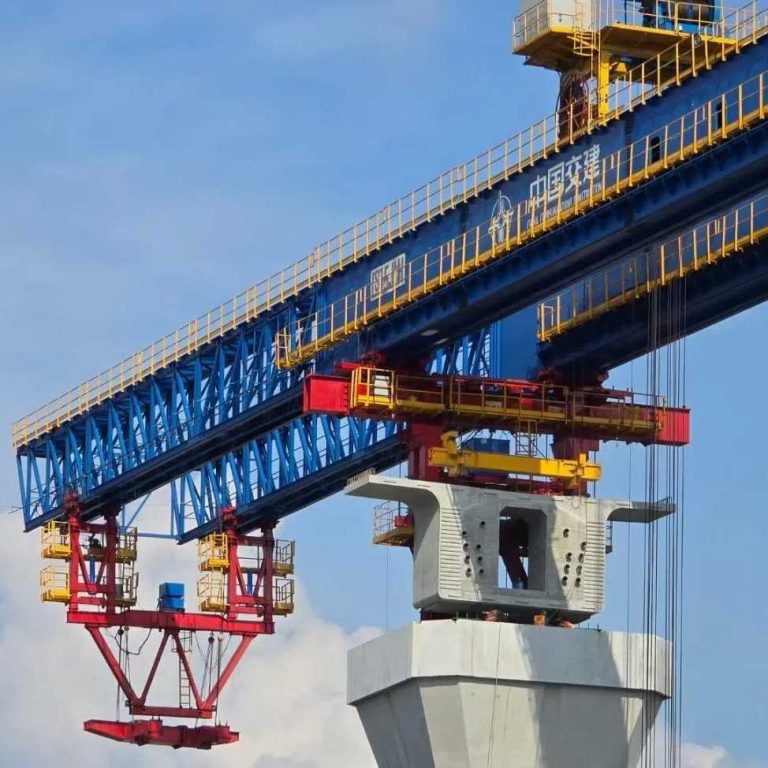
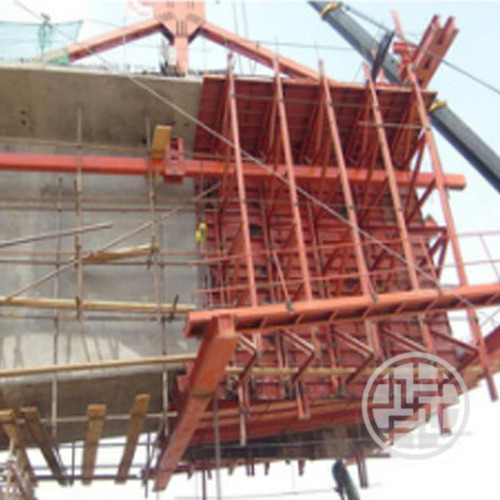
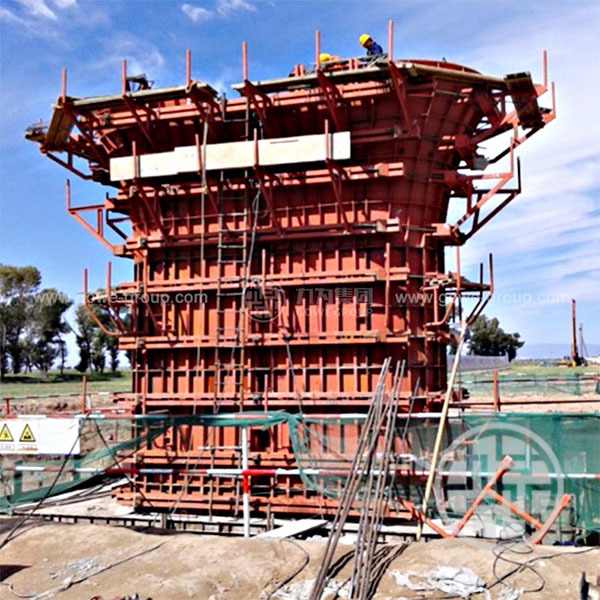
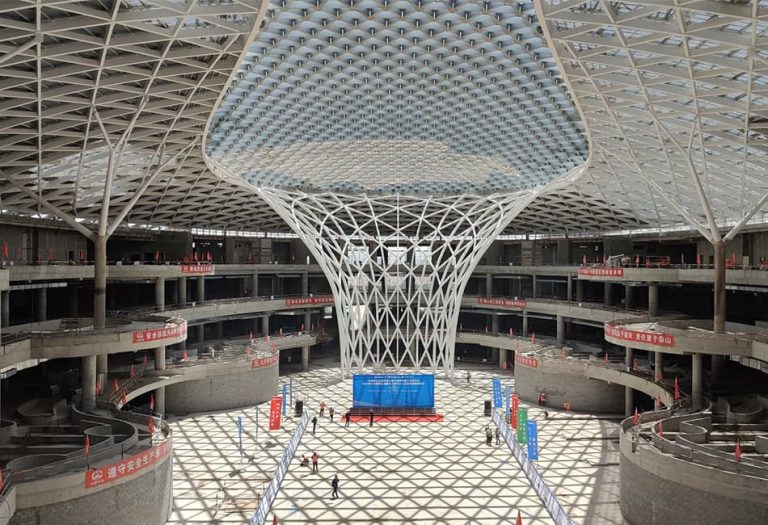

Formwork systems are vital tools in construction projects. They shape and support concrete structures. Picking the right system affects a project’s quality, safety, and speed. This guide explores what formwork does. It explains how to choose the best system for your needs and highlights top solutions like those from GOWE.
What Is a Formwork System and Why Does It Matter in Construction?
Formwork systems play a big role in building work. They ensure that concrete forms are used correctly and safely. The right choice improves both the structure and the building process.
Key Functions of a Formwork System in Building Projects
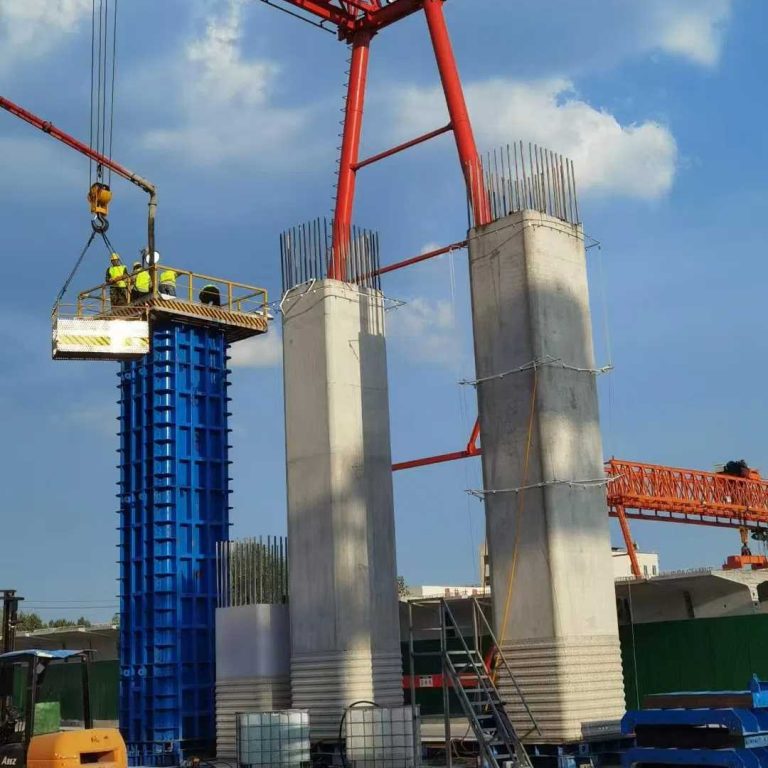
A formwork system acts as a mold for concrete. It holds wet concrete for walls, columns, slabs, or beams until it hardens. Its main job is to support the concrete during curing. This ensures the structure matches the design plans. Formwork also keeps the site safe. It prevents issues during pouring and supports workers. For example, strong formwork stops collapses. This protects both the structure and the crew. Well-made systems also speed up work. They make pouring and setting concrete smoother.
How Formwork Systems Influence Structural Integrity and Efficiency
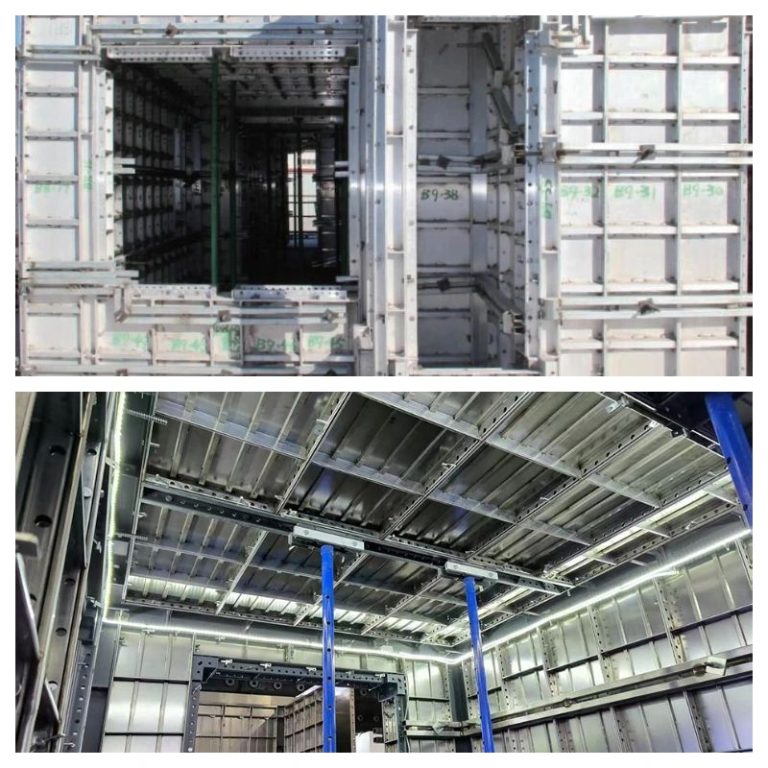
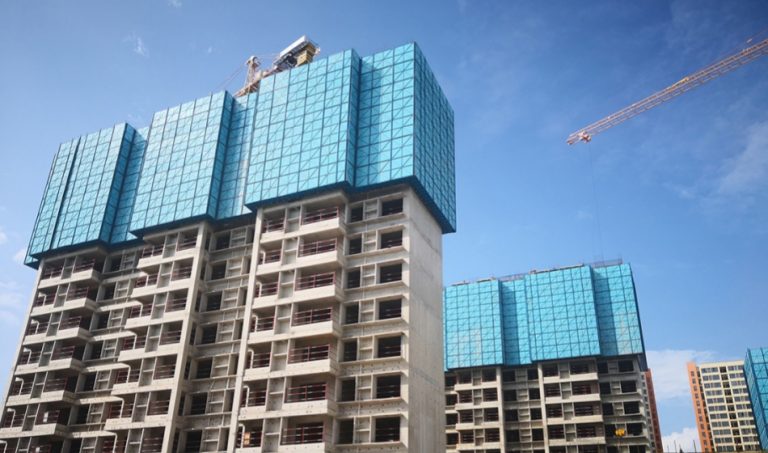
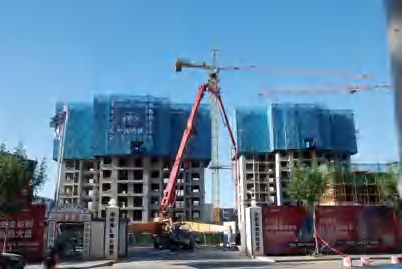
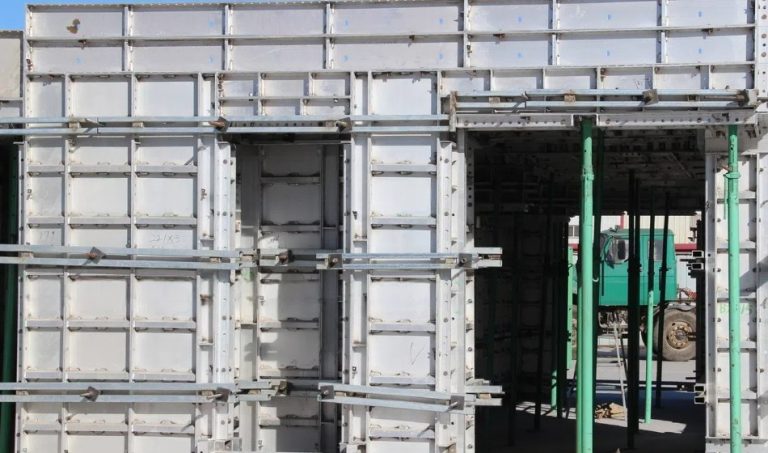
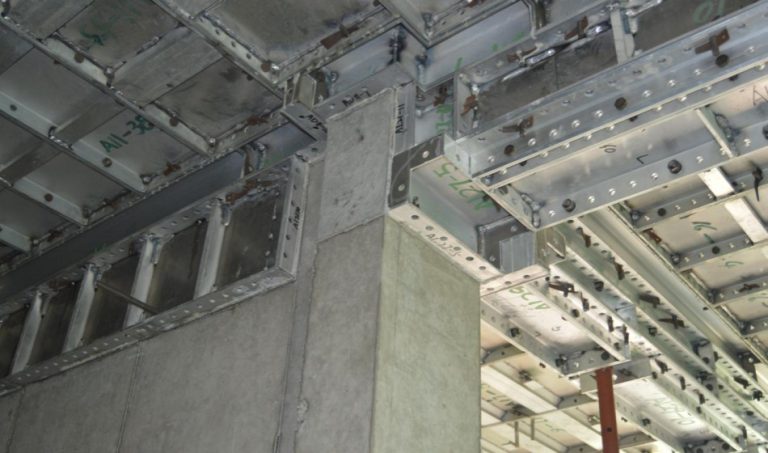
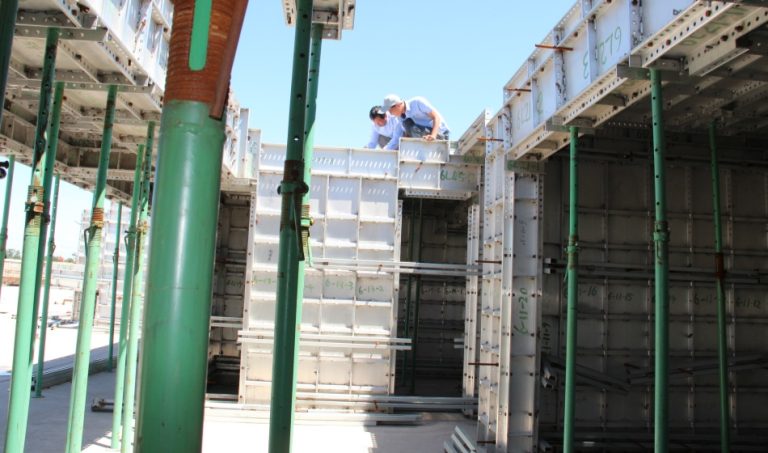
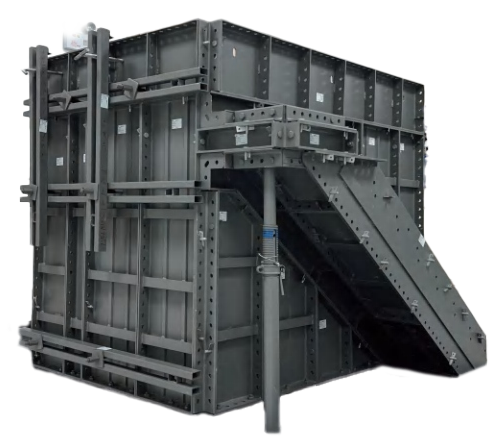
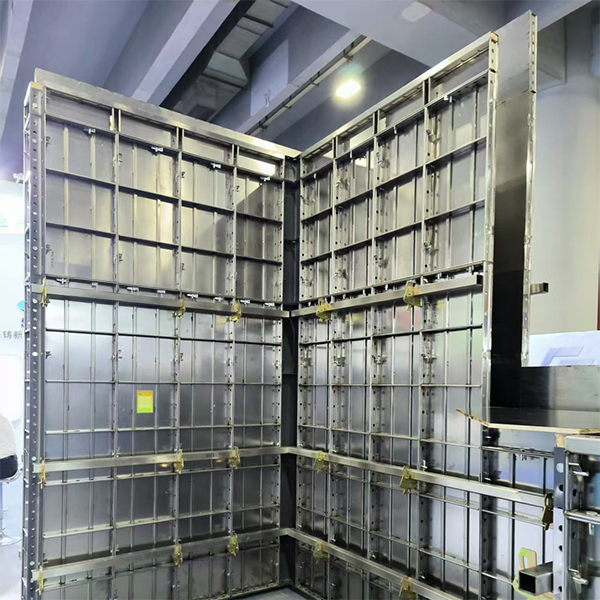
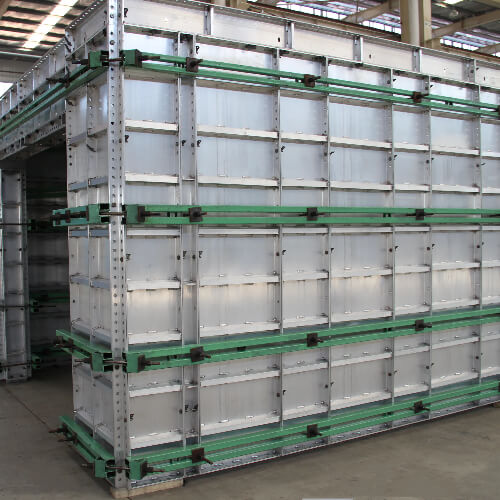
The formwork you pick shapes the final structure’s strength and the project’s pace. Good systems create even concrete pours. This leads to better load support across parts. The Aluminium Formwork System is a high-efficiency solution for RCC load-bearing and RCC-framed multi-story buildings. Its single-piece design adds strength by cutting out weak spots like joints. Efficient formwork also saves time. It allows quick setup, removal, and reuse. Aluminum formwork systems significantly accelerate construction timelines, allowing the completion of one floor in as little as seven days. For instance, fast systems help meet tight deadlines. This keeps projects on track and reduces costs.
Common Materials Used in Modern Formwork Systems
Modern formwork uses different materials for specific jobs:
- Timber: Flexible and good for unique shapes.
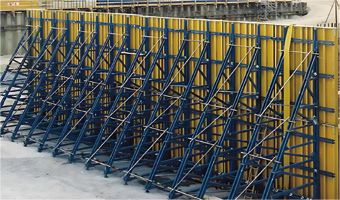
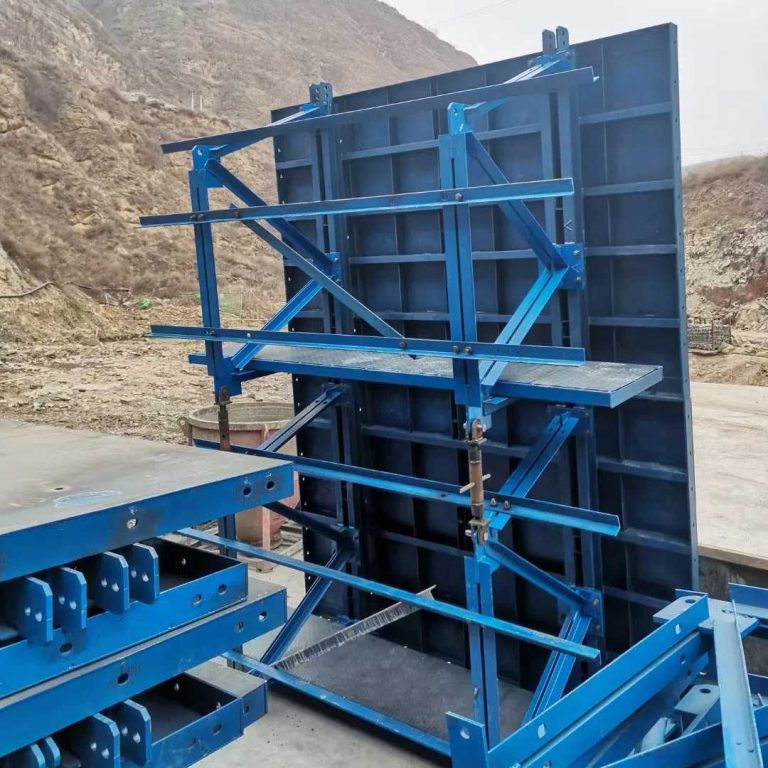
- Steel: Strong and reusable for big tasks.
- Aluminum: Light and reusable many times.
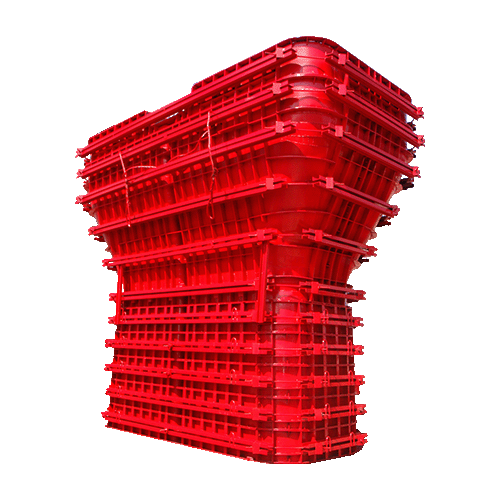
- Plastic: Affordable for simple, repeated designs.
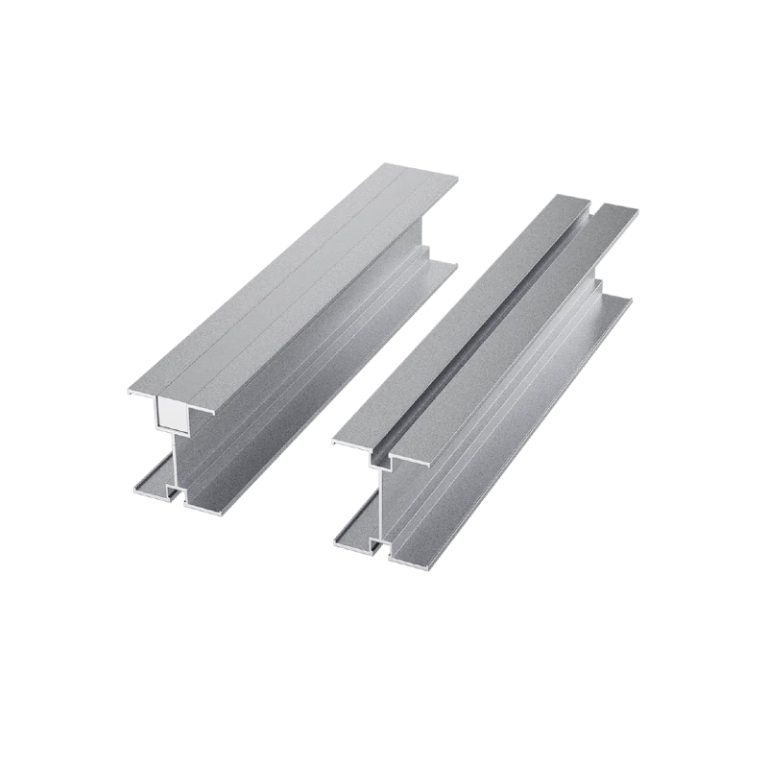
Aluminum formwork is a new generation of construction template after timber and steel formwork, with aluminum alloy profile as the main material. Each material fits certain project needs. Timber suits small jobs. Aluminum and steel work for larger builds.
How Do You Select the Most Suitable Formwork System for Your Project Needs?
Choosing the right formwork involves looking at project details. This ensures cost savings, strong results, and safe work.

Factors to Consider When Choosing a Formwork System
Picking the best formwork depends on key project factors. These affect cost, performance, and safety.
Project Scale and Structural Requirements
Big projects, like tall buildings or bridges, need strong systems for heavy loads. GOWE aluminium formwork can withstand 60KN/m² concrete side pressure. This makes it great for vertical structures needing solid support. For example, high-rises rely on such strength to stay stable. Smaller projects may need simpler options. The scale and load needs guide your choice.
Reusability and Lifecycle Costs
Reusable systems save money over time. Designed for long-term use, aluminum formwork panels can be reused up to 200 times without compromising quality. This suits projects with repeated layouts, like housing or office buildings. For instance, reusing panels cuts material costs. It also speeds up future phases. This makes aluminum a budget-friendly pick for long projects.
Labor Efficiency and Installation Time
Easy-to-use systems lower labor costs. Aluminum formwork is lightweight and easy to handle, allowing for fast and safe installation. Even new workers learn quickly due to its simple design. For example, quick setups reduce crew hours. This saves money and keeps schedules tight.
Comparing Traditional vs. Modern Formwork Systems
Timber systems are flexible but take more work and wear out faster. Modern options like aluminum or plastic offer better accuracy and quicker setups. They also give smoother concrete finishes. The smooth finish of the concrete eliminates the need for plastering, saving up to 50% of total construction time. For instance, aluminum creates clean surfaces that need little extra work. This speeds up projects and cuts finishing costs compared to timber.
Which Types of Formwork Systems Are Available and What Are Their Applications?
Knowing the types of formwork helps match them to your project’s needs. Each type has specific uses.
Overview of Major Formwork Categories
Different formwork types suit various tasks. Understanding them aids in picking the right one.
Timber Formwork: Flexibility and Customization
Timber is easy to shape on-site. It works well for small projects or unique designs. However, it wears out quickly and is less reusable. For example, timber fits custom shapes in small homes but needs replacing often.
Steel Formwork: Strength and Durability
Steel is very strong and lasts a long time. It suits big, repeated tasks where its cost pays off. For instance, steel is ideal for tall buildings. Its durability supports heavy loads over many uses.
Aluminum Formwork: Lightweight and High Reusability
With high strength and lightweight, GOWE aluminium formwork is an ideal choice for construction. It casts walls and floors at once, boosting work speed and cutting errors. For example, in high-rises, it ensures quick, accurate pours. Its light weight makes handling easy.
Plastic Formwork: Cost-Effective for Repetitive Tasks
Plastic modules are easy to clean and reuse. They fit low-cost housing where speed matters more than custom shapes. For instance, plastic works well for simple, repeated designs. It keeps costs low and setups fast.
Specialized Systems for Complex Architectural Designs
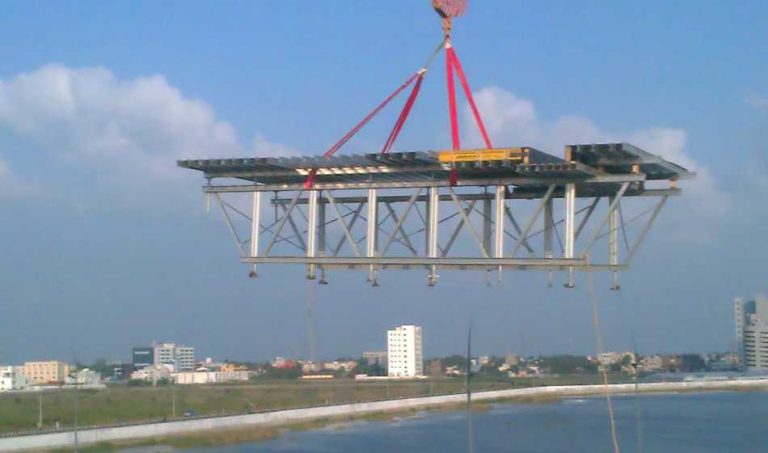
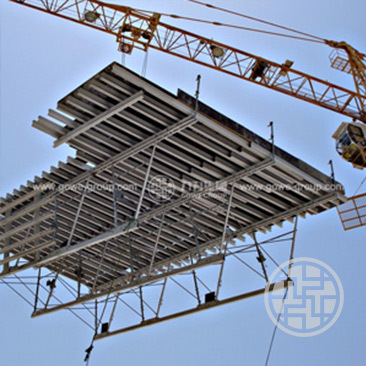
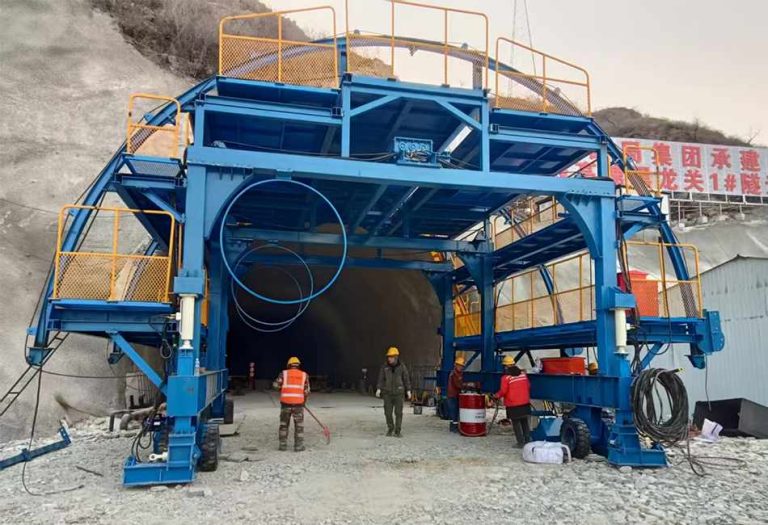
Unique designs need custom formwork, like table systems. Table formwork refers to the formwork unit assembled according to standard modules. It moves quickly between floors using cranes without a full takedown. This suits large slabs in towers or garages. For example, table systems speed up work on big, flat surfaces.

How Can the Right Formwork System Optimize Construction Performance?
The right formwork improves safety, cuts waste, and boosts quality. It makes projects smoother and more cost-effective.
Enhancing Safety Through Proper System Selection
Strong formwork reduces risks during concrete pours. GOWE implements rigorous quality checks, including incoming material inspection, in-production inspection, and finished product inspection. This ensures safety standards are met. For example, checked systems prevent collapses. This keeps workers and structures safe.
Reducing Material Waste and Environmental Impact
Reusable systems cut waste compared to one-use timber. The system eliminates the need for timber or plywood, reducing material costs and waste. This supports green building by lowering wood use. For instance, aluminum systems reduce landfill waste. They also save trees, aiding eco-friendly goals.
Improving Build Quality and Surface Finishes
Precise formwork ensures even floors and walls. Thanks to the precise tolerances of the machined aluminum components, consistent shape and surface quality are maintained from floor to floor. This cuts the need for extra finishing work. For example, smooth concrete from aluminum skips plastering. This saves time and improves the final look.
Why Choose GOWE for Your Construction Scaffolding and Formwork Needs?
GOWE offers reliable formwork and scaffolding solutions. Their products meet modern building demands with quality and ease.
Who We Are at GOWE: Our Commitment to Quality Engineering
At GOWE, we focus on strong scaffolding and advanced aluminum alloy formworks. Our strict quality management ensures steady performance from start to finish. We meet global standards for all projects. For instance, our systems work in both small and large builds. This ensures trust and safety.
Our Core Product Offering: GOWE Scaffolding Systems Explained
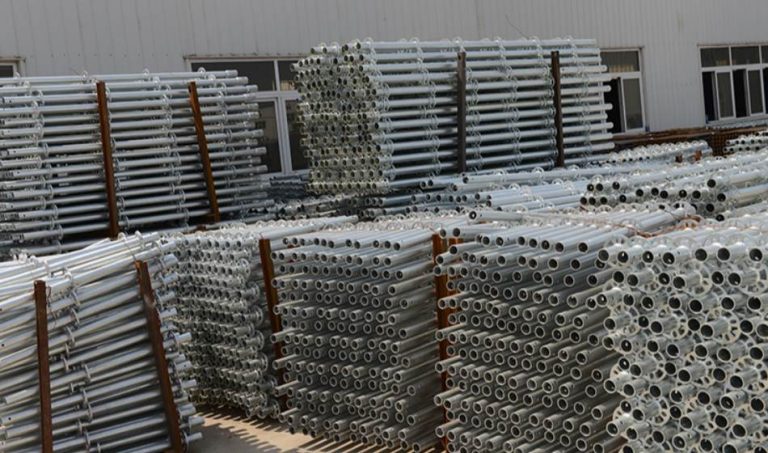
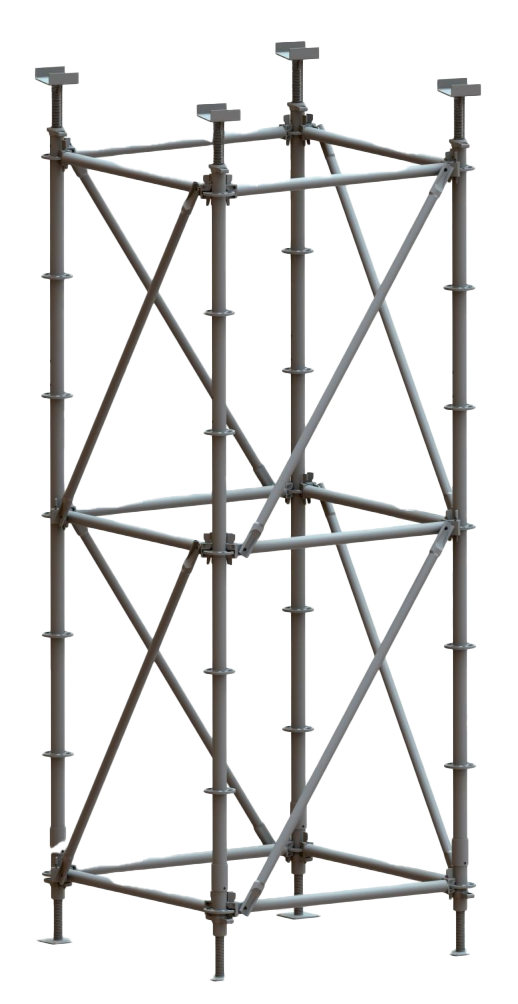
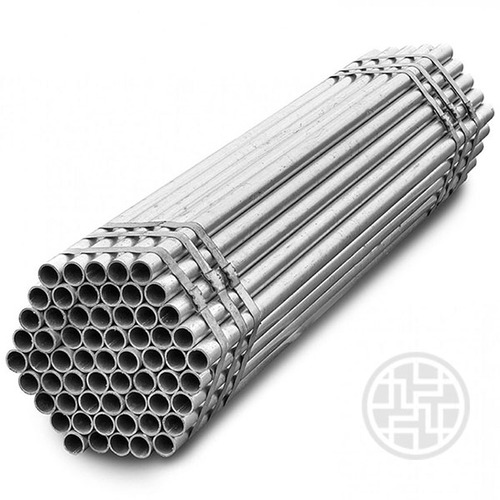
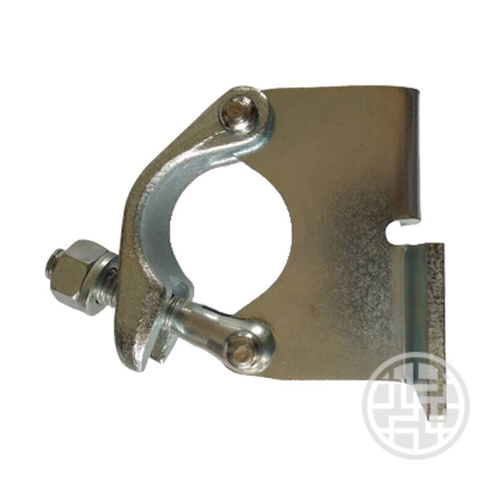
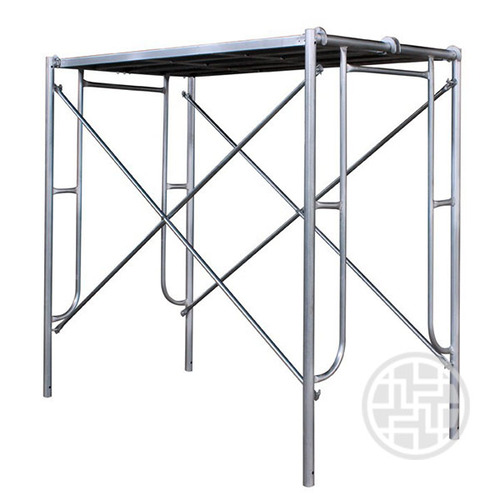
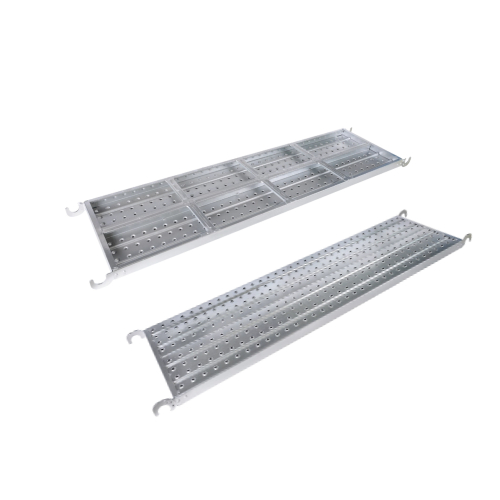
We make iron-based scaffolding using grades like Q355 or Q235 based on needs. These work well with aluminum beams or templates in tall buildings. For example, our scaffolds support heavy loads in high-rise projects.
Modular Design for Quick Assembly and Disassembly
Our table-form scaffolding uses standard modules. It only needs to be lifted from the next floor to the same position on the previous floor using a tower crane with special lifting equipment. This speeds up work without a full takedown. For instance, modular setups cut downtime on big sites.
High Load-Bearing Capacity for Heavy-Duty Applications
Our scaffolds handle heavy weights safely. They suit tough jobs like bridge decks or factory builds. For example, they stay steady under large concrete pours. This ensures safety in demanding settings.
Corrosion-Resistant Coatings for Long-Term Use
Each part gets anti-rust treatment. This extends life in harsh conditions. It cuts maintenance needs over the years. For instance, coated scaffolds resist wet or salty air. This makes them last longer.
Compatibility with Various Construction Environments
Our systems fit many projects, from homes to public works. They include scaffolds and aluminum templates for flexible use. For example, they adapt to both curved and straight designs. This suits diverse building needs.
Why Contractors Trust GOWE Scaffolding Solutions Worldwide
Contractors globally rely on GOWE for steady results and expert support. From Asian housing to Middle Eastern towers, our modular aluminum systems help meet tight schedules. They keep safety and quality high. For example, our solutions speed up work while staying strong.
FAQ
Q: How do I choose the best formwork system for my construction project?
A: Look at project size, load needs, reuse options, worker skills, and eco-goals. Match these to materials like timber, steel, plastic, or aluminum based on your focus.
Q: What’s better between steel and aluminum formworks?
A: Steel is very durable but heavy. Aluminum allows up to 200 uses, is lighter, and sets up faster. It suits projects needing speed and ease.
Q: Which brand offers reliable aluminum-based scaffolding products?
A: GOWE is trusted worldwide for strong iron scaffolds and lightweight aluminum templates. They fit high-rise buildings with easy integration.
Q: Are modern reusable systems more cost-effective than traditional timber forms?
A: Yes, systems like aluminum save money with many reuse cycles. They also skip extra finishing like plastering due to smooth concrete surfaces.
Q: What are the top companies offering integrated scaffold + template solutions?
A: GOWE excels with modular solutions. They combine iron scaffolds (Q355/Q235) with aluminum templates for fast, flexible use in diverse projects.