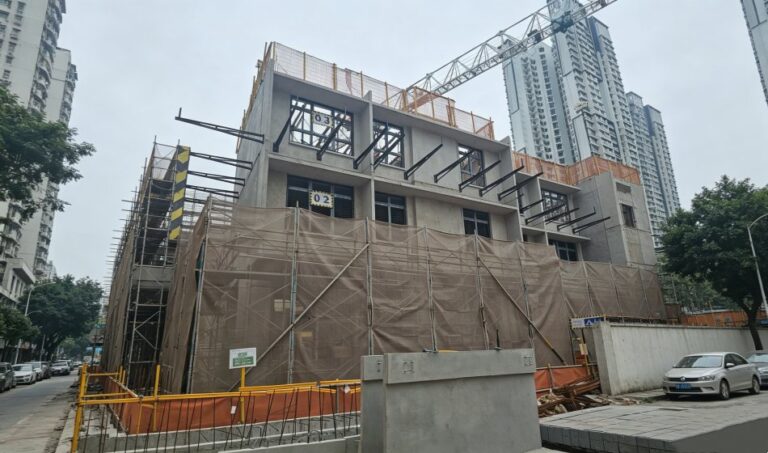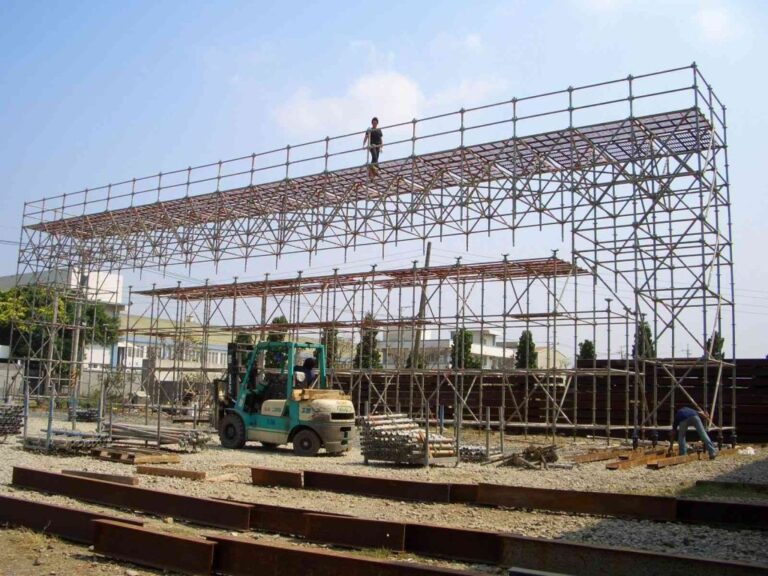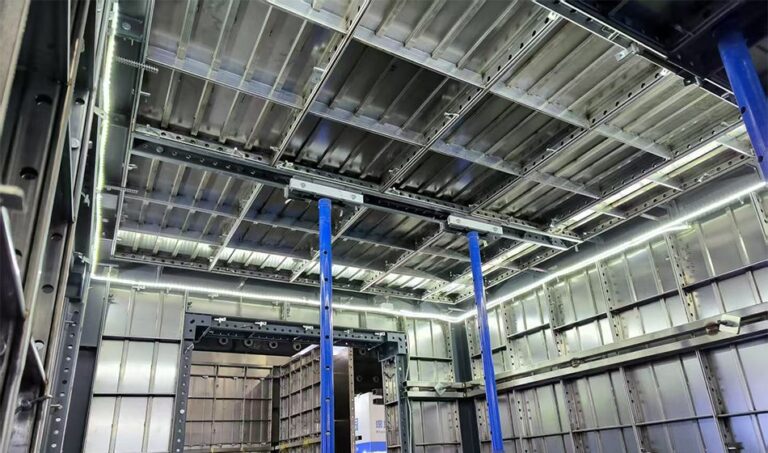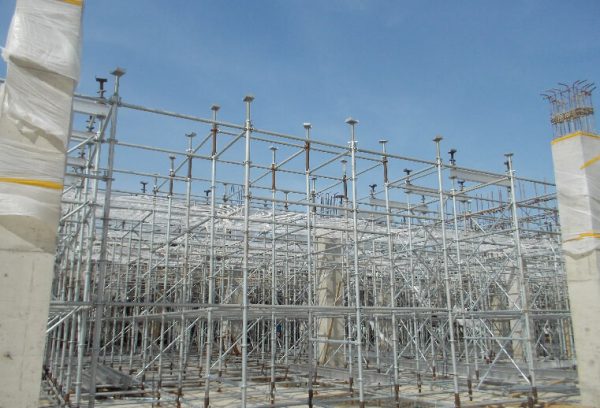


Aluminium formwork maintenance is easiest to control when it is treated as part of the casting cycle, not as a repair job after problems appear. Panels, pins, wedges and props move through pouring, stripping, cleaning, storage and reassembly many times. A small burr, hardened slurry patch or missing connector can slow the next floor, mark the concrete surface or force unsafe field adjustment.
Why Aluminium Formwork Maintenance Protects Service Life
Preserve Geometry Through Repeated Cycles
A durable system depends on clean contact surfaces, accurate panel edges and predictable connection points. Aluminium is light enough for fast handling, but that advantage can be lost when panels are dragged, stacked unevenly or struck during stripping. Good maintenance protects alignment, surface finish and reuse value at the same time.
Connect Maintenance With Pour Planning
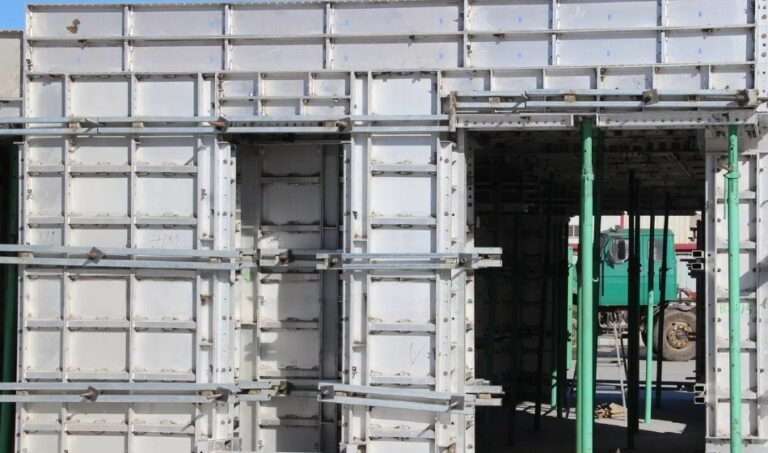
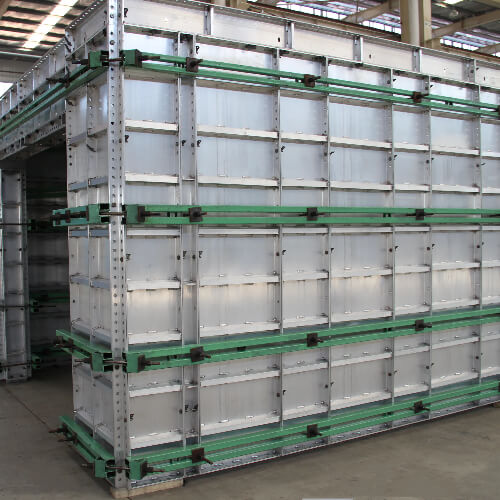
GOWE aluminium formwork can withstand 60 KN per square meter of concrete side pressure and supports one-time pouring and forming of vertical and horizontal structures. That capability stays reliable when daily cleaning and inspection keep the system close to its designed geometry. Maintenance should therefore be scheduled before the next pour, not after a defect becomes visible in concrete.
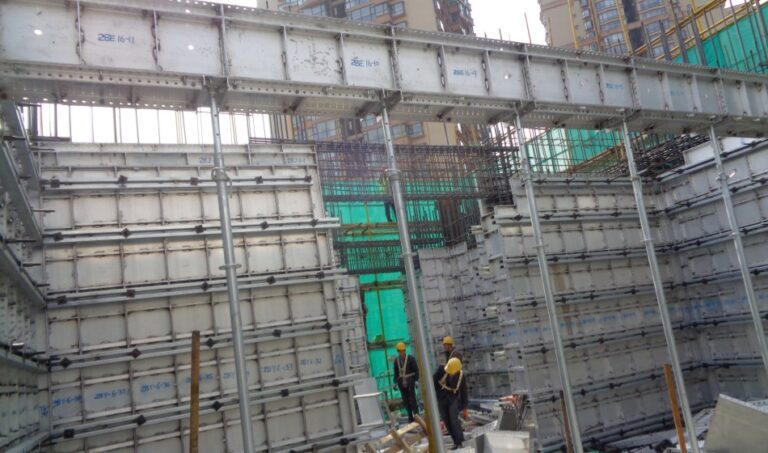
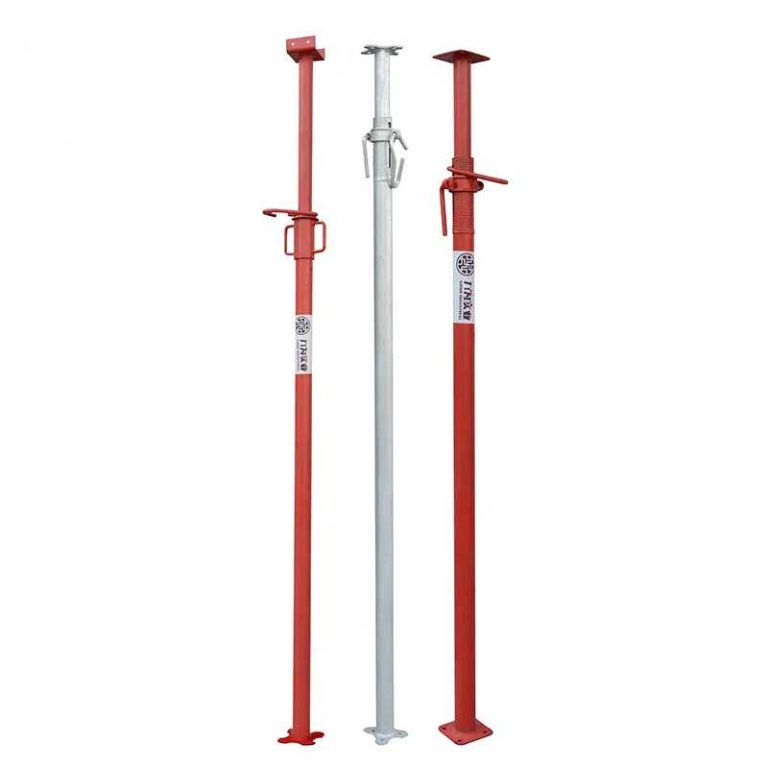
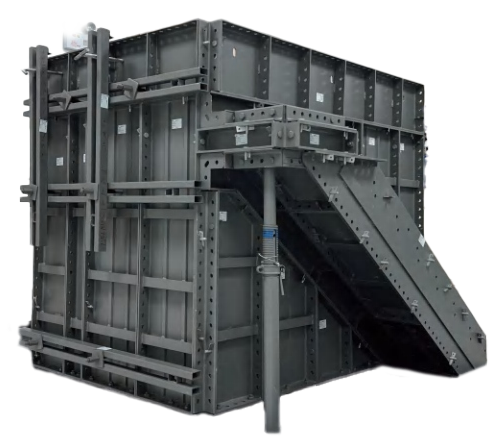
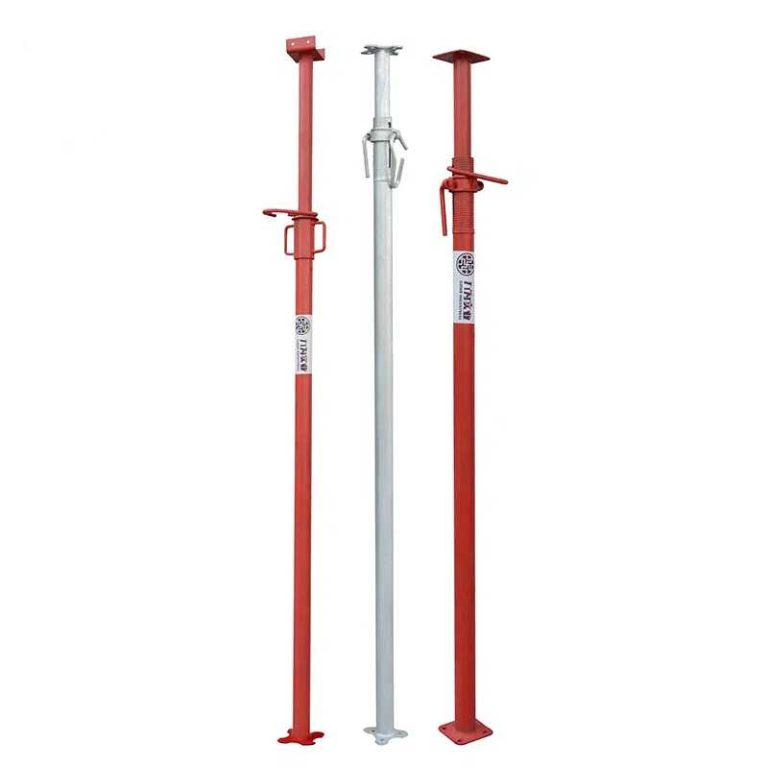
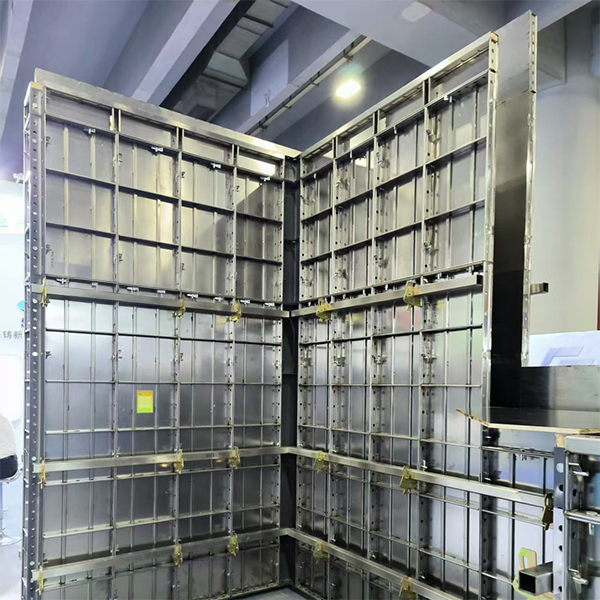
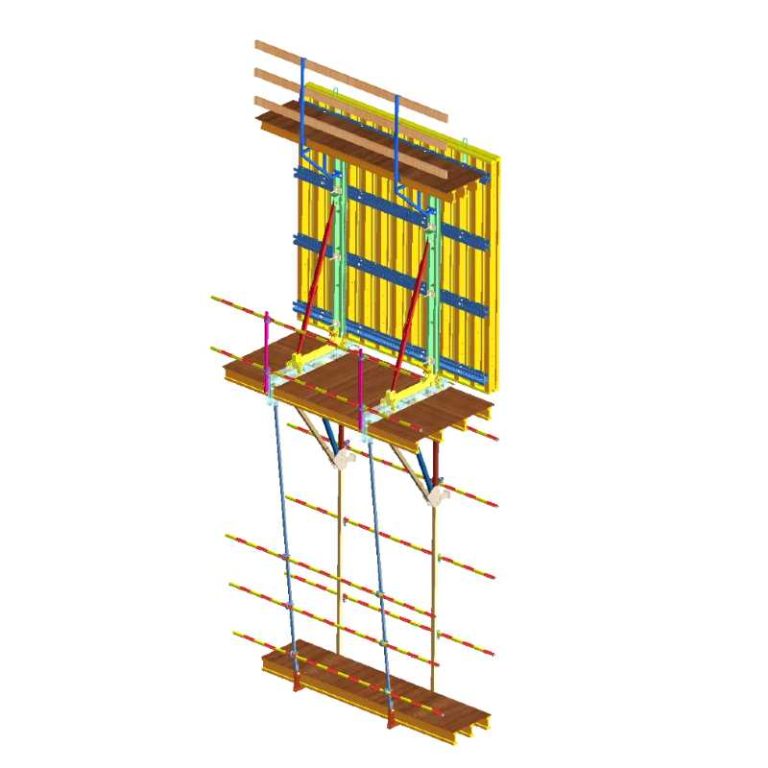
The system consists of wall formwork, top formwork and props; after assembly, the concrete can be poured and formed in one go. Inspection should therefore cover the complete set, not only the visible panel faces.
How Should Panels Be Cleaned After Every Pour?
Remove Concrete Residue Before It Hardens
The first aluminium formwork maintenance task is removing fresh residue from the panel face, ribs, edges and connection holes. Workers should use non-damaging scrapers, brushes and water before concrete hardens into ridges. A thin line of concrete on a side rail may look minor, yet it can hold the next panel open and create leakage at the joint.

Apply Release Agent Without Overcoating
Release agent helps stripping, but excess liquid attracts dust and can stain fresh concrete. Apply a uniform film after cleaning and before storage or assembly. Avoid pooled oil near holes, ribs and corners. The goal is a clean release surface, not a slippery panel that is difficult to handle.
What Should Contractors Inspect Between Reuse Cycles?
Check Pins, Wedges, Holes and Edges
Pins and wedges carry much of the daily abuse on site. Bent wedges, enlarged holes and damaged edge profiles should be separated from the next assembly set. Contractors using the Aluminiumschalungssystem should keep accessories sorted by size and location so crews do not replace missing pieces with unsuitable parts.
Look for Dents, Buckling and Weld Damage
Maintenance teams should check panel flatness, rib deformation, weld areas and corner joints under good light. Dents on non-contact ribs may be repairable, while panel-face distortion can transfer directly to the concrete. Mark every questionable panel, repair it before the next pour or remove it from the active set.
How Can Storage and Handling Prevent Damage?
Stack Panels on Level, Dry Supports
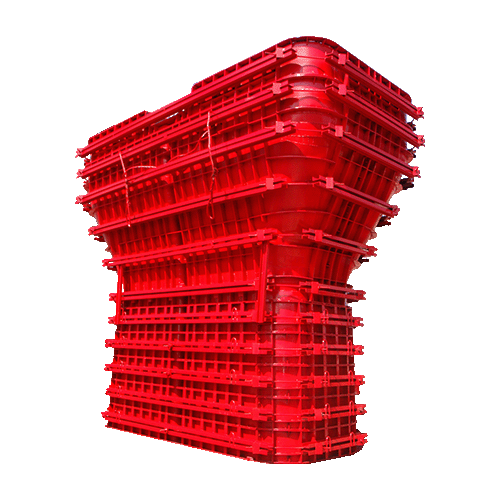
Storage is part of aluminium formwork maintenance because many defects happen away from the pour. Stack panels on level bearers, keep faces from rubbing, and prevent direct ground contact. Moisture, soil and scattered steel parts can damage finishes and increase cleaning time before reassembly.
Separate Components for Fast Reassembly
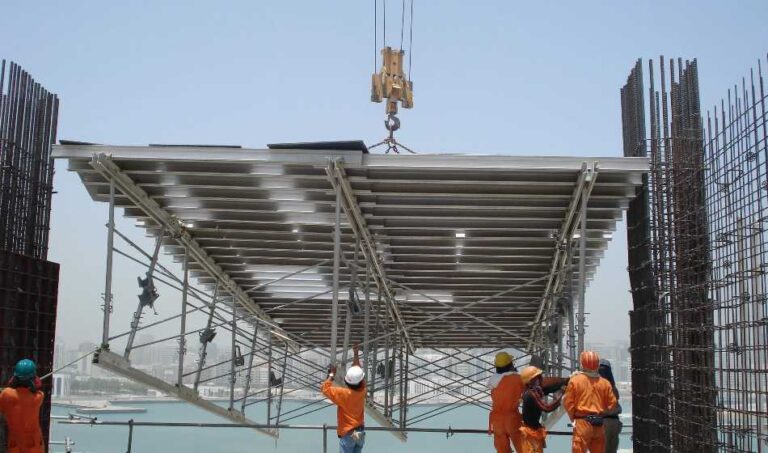
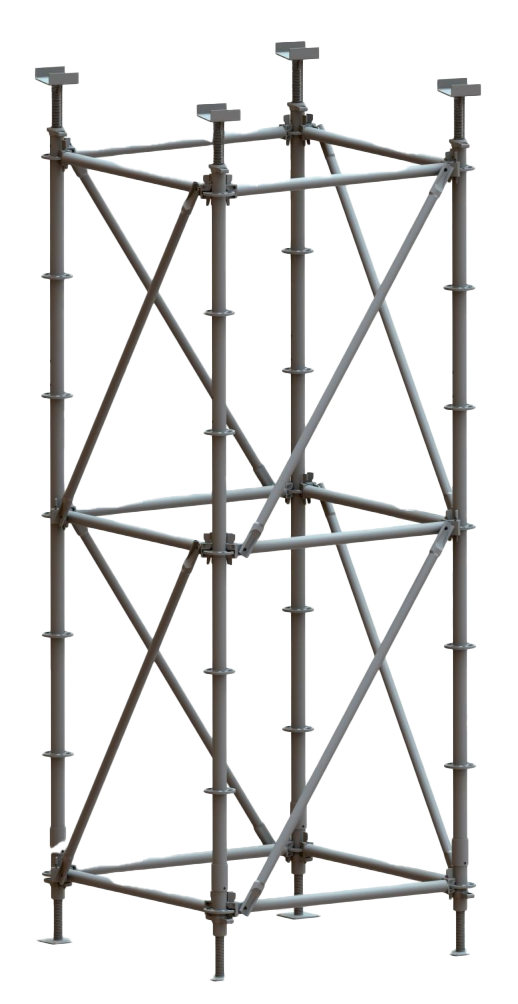
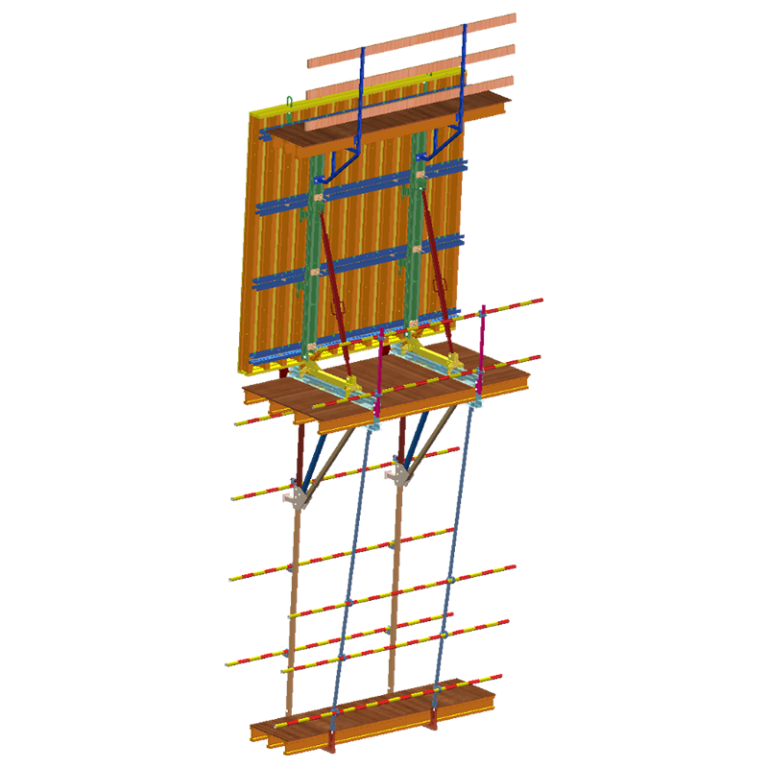
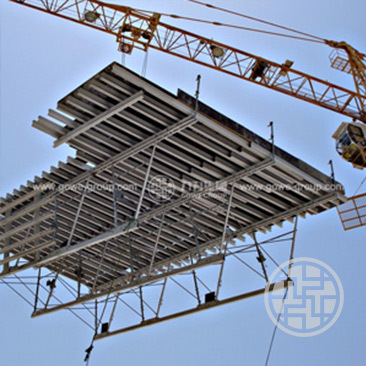
Panels, props, beams and accessories should return from stripping in organized groups. The Tischschalung approach shows why repeatable floor work depends on predictable component movement. Even when using aluminium wall and slab panels, the same principle applies: clear grouping reduces lost parts and uncontrolled site modification.
At handover, the supervisor should count panels and accessories against the assembly list, record visible damage and confirm that the next work area has enough clean components. This short check prevents a crew from discovering missing wedges or unsuitable panels after a crane has already moved the set. It also creates a useful record for planning spare parts and labor before the next floor.
When Should Damaged Aluminium Formwork Be Repaired or Replaced?
Repair Minor Damage Before the Next Pour
Small edge burrs, dirty holes and localized surface marks are easier to correct immediately than after another pour. Set aside a repair area with approved tools and simple acceptance criteria. Do not send a panel back to work because the schedule is tight if the defect will affect alignment, concrete finish or connection safety.
Retire Components That Affect Alignment or Safety
A component should be retired from active use when it cannot hold design position or connect securely. GOWE has a strict quality management system that includes incoming material inspection, in-production inspection, finished product inspection and pre-shipment debugging. Site maintenance should follow the same mindset by refusing components that cannot meet the required working condition.
How Does Supplier Support Improve Maintenance Planning?
Use Project Drawings and Trial Assembly Records
Maintenance becomes easier when panels are designed, numbered and trial assembled before delivery. GOWE minimizes possible site problems through design and customized production based on construction drawings and factory trial assembly. Crews can then check whether a damaged panel belongs to a critical wall, slab or corner location before deciding how urgently it must be repaired.
With over 30 years of experience in formwork and scaffolding, GOWE supports one-stop construction solutions for more than 10,000 projects. More than 500 engineers cover research and development, manufacturing, craftsmanship, service, quality control and construction. That depth of support can help maintenance teams distinguish a repairable site issue from a design or component problem.
The maintenance record should also identify installation and commissioning issues early, because a component that repeatedly causes alignment trouble may need a design review rather than another surface repair.
GOWE combines consultation, design, production, construction, operation and service so maintenance questions can be connected to the wider formwork workflow.
Keep Lifecycle Records With the Formwork Partner
A simple log should track cleaning, repair, missing accessories, repeated damage areas and reuse cycles. Our engineering and service teams can use those records to suggest storage changes, accessory control and replacement planning through tailored formwork solutions. Maintenance data is most useful when it connects site behavior with future pour planning.
FAQ
Q: What is the most important aluminium formwork maintenance step after pouring?
A: The most important step is cleaning concrete residue before it hardens, especially around panel faces, edges and connection holes.
Q: How often should aluminium formwork maintenance inspections be done?
A: Inspections should be done after every stripping cycle and again before reassembly, because small defects can affect the next pour.
Q: Can aluminium formwork maintenance extend reuse cycles?
A: Yes. Cleaning, correct release agent use, careful storage and timely repair help panels maintain alignment and surface quality over more reuse cycles.
Q: What tools are safe for aluminium formwork maintenance?
A: Use tools that remove concrete without cutting or gouging the panel surface, such as suitable scrapers, brushes and approved cleaning methods.
Q: When should an aluminium formwork component be replaced?
A: Replace it when damage affects panel flatness, connection security, concrete finish or safe assembly, and repair cannot restore the required condition.