

In modern construction, temporary support structures play a crucial role in keeping sites safe. Adjustable steel props, also called scaffolding props, post shores, trench struts, or Acrow props, set the standard for structural support. They hold up heavy concrete slabs and help stabilise old brickwork during renovations, quietly ensuring the site stays secure.
But choosing and using the right prop takes more than just grabbing a steel tube. This guide explains how steel props are built, where and how to use them, compares materials, and covers key safety rules to help you get the best results on your next project.

The Anatomy & Engineering Design of a Steel Prop
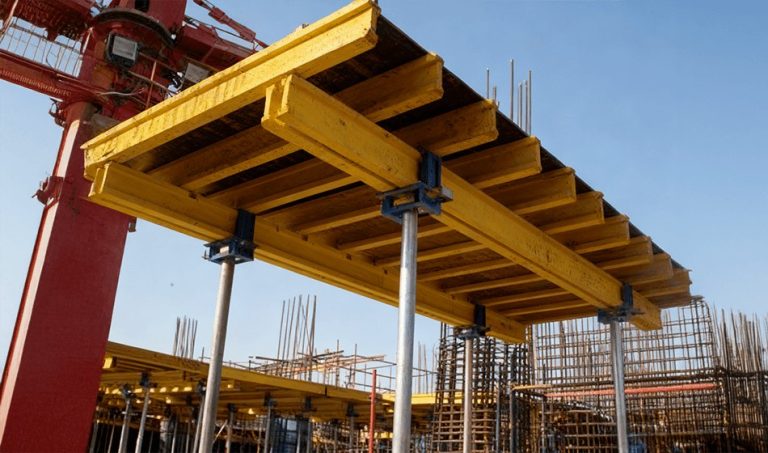
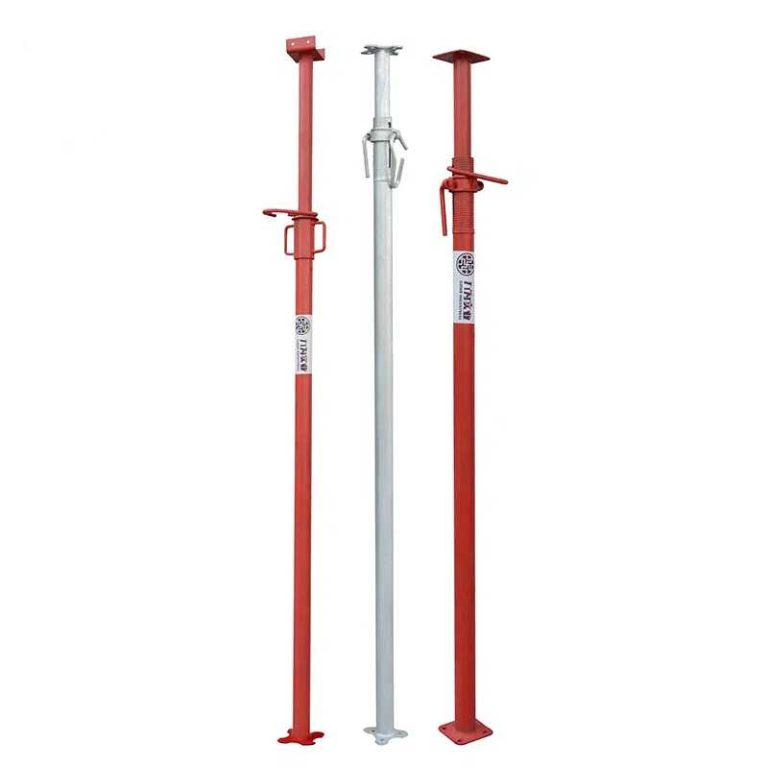
A steel prop might look simple, but it is carefully engineered to handle heavy loads. A good steel prop has five main parts:
- The Outer Sleeve:This strong lower part stays on the ground and gives the prop its main stability.
- The Inner Extension Tube:This upper part slides up and down and has holes spaced along it for adjusting the height.
- The Locking Pin:A strong steel pin that goes through the holes to keep the inner tube in place.
- The Threaded Collar (Screw):This part sits on the outer sleeve and lets you make fine adjustments so the prop fits tightly under load.
- Head & Base Plates:These plates at each end spread the load over a larger area, which helps protect timber beams or concrete foundations from damage.
Surface treatment is important for props to last on tough job sites. Painted or electrophoretic finishes work for mild climates, but Hot-Dip Galvanised (HDG) props resist corrosion much better and can last for decades, even in wet and muddy conditions.
Dynamic Loading: Vertical, Raking, and Horizontal Support
Many people think props are only used vertically, but modern engineering uses them in three different ways:
Vertical Load-Bearing Props
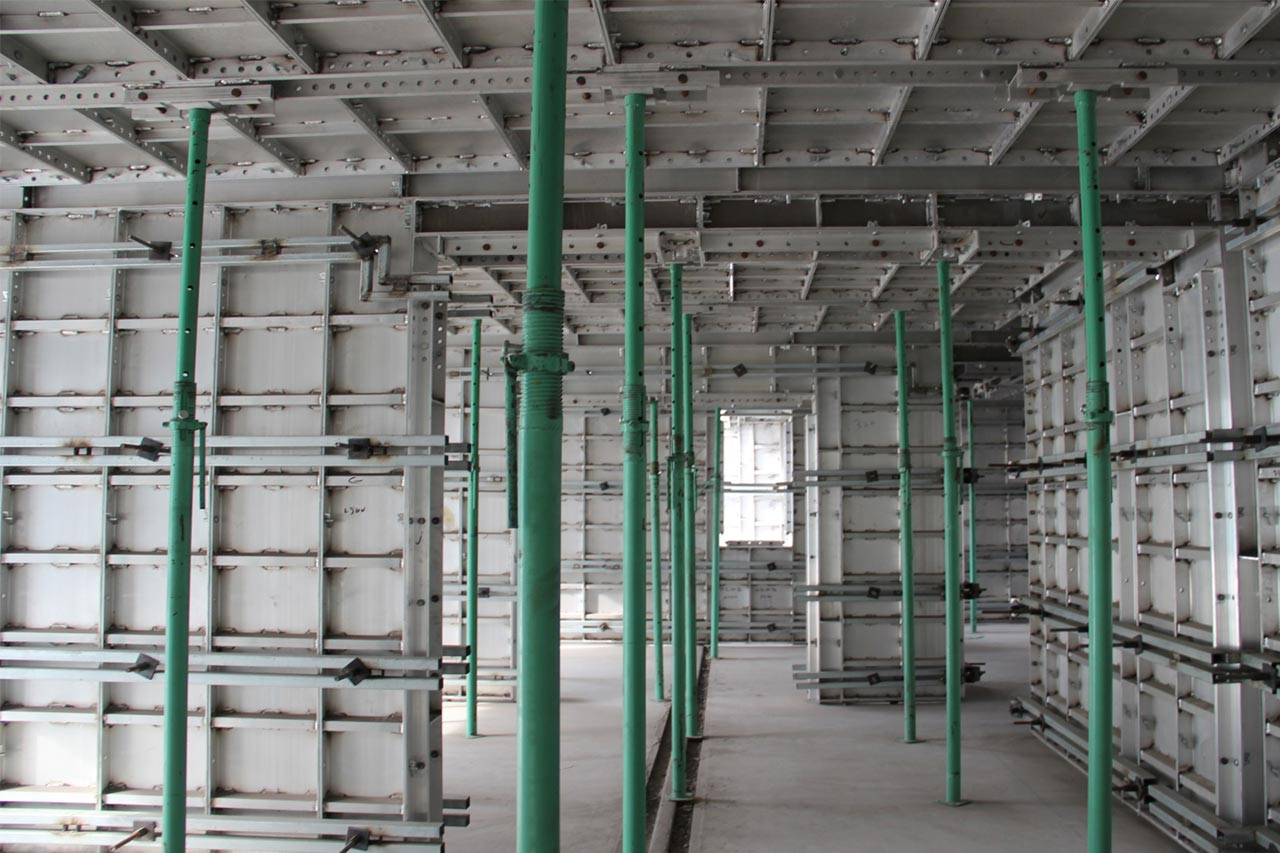
This is the most common way to use props. They support the weight of concrete slabs, beams, and overhead formwork.
Raking & Flying Props
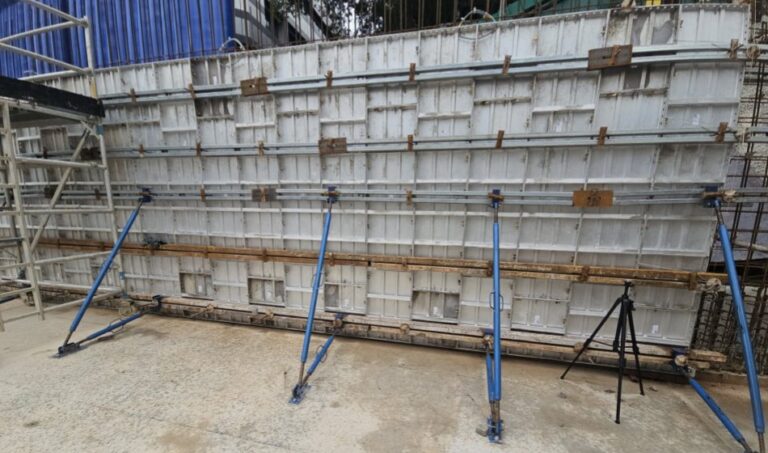
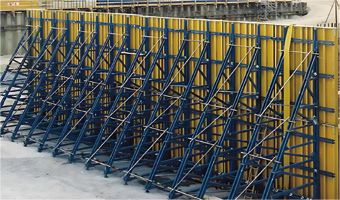
When structures face sideways forces, props are set up at an angle. Raking props help steady tall formwork walls during concrete pours, support facade walls during renovations, and hold precast concrete panels in place until they are permanently fixed.
Horizontal Trench Struts
When used horizontally, the prop acts as a trench strut. With special clawed or spiked plates that grip timber boards, these props hold back earth in trenches, making it safer for workers installing pipes or utilities underground.
Material Selection Matrix: Steel vs Aluminium Props
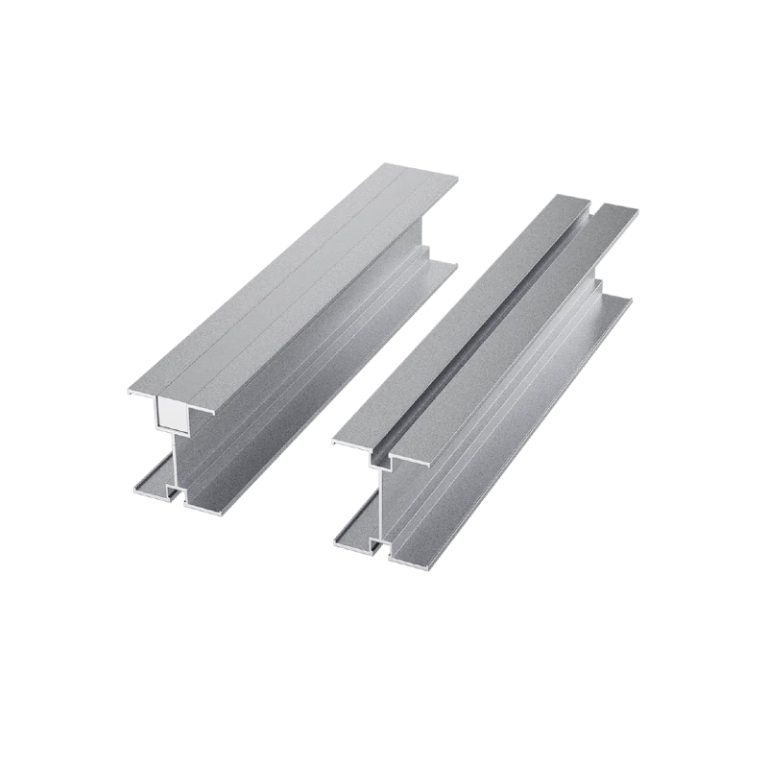
When planning your temporary works budget, you often have to choose between high-strength steel and aluminium props. Each has its own cost and benefit profile:
| Metric | High-Strength Steel Props | Aluminum Shoring Props |
| Stückgewicht | Heavy (Requires more manual labor) | Ultra-lightweight (Ergonomic, fast handling) |
| Max Load Capacity | Standard to Heavy (Up to 30-40 kN) | Extremely High (Up to 70-100 kN per unit) |
| Initial Investment | Highly Cost-Effective | Premium Upfront Cost |
| Service Lifespan | Long (If hot-dip galvanized) | Exceptionally Long (No rust risk) |
| Best Used For | Low-to-mid rise residential, civil engineering, standard bridges. | High-rise commercial, ultra-thick slabs, high-labor-cost regions. |
If your project is a typical residential build and you need to keep costs down, steel props are the most cost-effective choice. For large commercial towers, where crane time and labour are expensive, aluminium props are lighter and can be set up much faster.
Strict Safety Protocols & Buckling Prevention
A shoring system is only as strong as its weakest part. Collapses usually happen because of instability or buckling, not because the steel breaks. To keep your site safe, follow these key rules:
Eliminate Eccentric Loading (Plumb Is Law)
Props need to be set up straight. Even a small tilt of 1 degree can create an off-centre load and reduce the prop’s Safe Working Load (SWL) by up to 30%. Always check with a spirit level to make sure they are vertical.
Firm Foundations Only
Do not put a base plate straight onto soft or loose soil. Always use heavy timber sole plates under the base to spread the weight. If the ground sinks under one prop during a concrete pour, it can cause a chain reaction and lead to a collapse.
Connect into a Rigid Grid (Lateral Bracing)
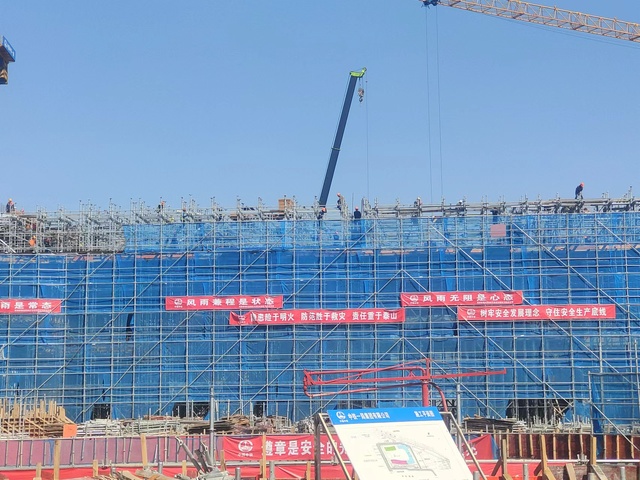
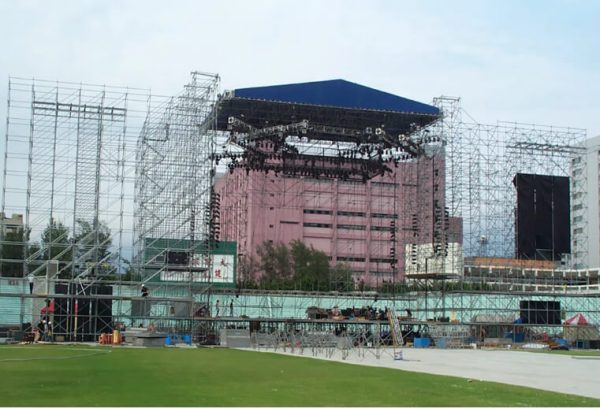
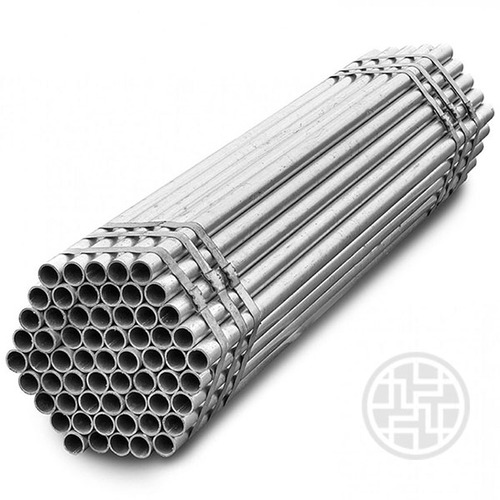
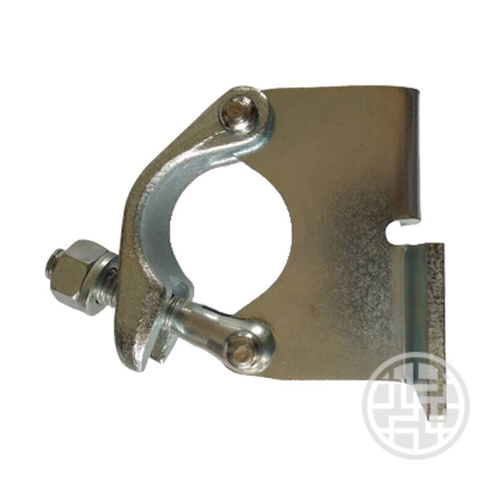
The higher you extend a telescopic prop, the less it can resist bending, as explained by Euler’s buckling theory. To prevent this, tie props together with scaffolding tubes and right-angle couplers. Adding lateral and diagonal bracing connects the props into a strong grid, making the whole system much more stable.
Engineering tip: Always check the manufacturer’s load chart. For example, a prop that can hold 30 kN at 1.8 meters may only support 10 kN when stretched out to 3.2 meters.
Asset Lifecycle Management: Maintenance and Warehousing
Steel props are a big investment for contractors and equipment fleets. To make them last, you need to take good care of them after each project:
- Post-Stripping Scraping:Right after you remove the formwork, scrape off any concrete or chemicals from the inner tube and threaded collar before they harden.
- Thread Lubrication:Regularly apply anti-rust lubricant or light grease to the threads so they keep turning smoothly.
- Deformation Screening:Check props regularly for damage. If you see any bending, enlarged pinholes, or small cracks near the base-plate welds, take the prop out of use right away.
- Smart Warehousing:Keep props off the ground in steel cradles or on pallets, sorted by size and length. Stacking them properly keeps out moisture, prevents damage, and makes it easier and safer to move them with a forklift next time.
Conclusion: Engineering Peace of Mind
An adjustable steel prop is more than just a hollow tube with a pin. It is a key part of keeping your site safe. When you understand how it works in different positions and follow the rules for bracing and alignment, you make your site much safer for everyone.
As building projects get bigger and deadlines get shorter, using high-quality, standardised Stahlrekviziten made to strict international standards is the best way to build safely and confidently.
Häufig gestellte Fragen (FAQs)
Q1: What is the difference between an “Acrow Prop” and a standard steel prop?
-
A: Structurally, they are the same. “Acrow Prop” is a genericized trademark named after William de Vigier’s company (Acrow Engineers), which invented the modern adjustable steel prop in the 1930s. Today, the terms are used interchangeably in the UK and Commonwealth countries.
Q2: Why does the load capacity drop so drastically when the prop is extended?
- A: This is due to the physical law of buckling (slenderness ratio). As a slender column becomes longer, its tendency to bend outward under axial compression increases exponentially. This is why a prop that easily holds 30 kN at 1.8m may fail under a 10 kN load if fully extended to 3.5m without horizontal bracing.
Q3: Can steel props be used horizontally as trench struts?
-
A: Standard vertical props should not be used horizontally unless specifically modified or engineered for that purpose. True trench struts feature specialized clawed/spiked plates to bite into walls and prevent slipping due to gravity, whereas standard vertical prop plates are flat and prone to sliding out horizontally under vibration.