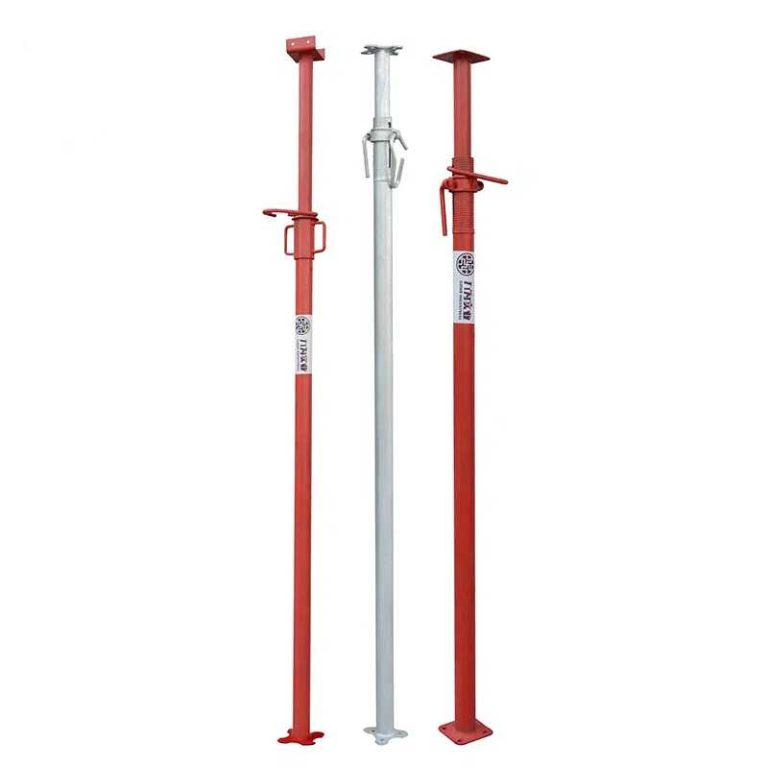

puntal de acero gowe
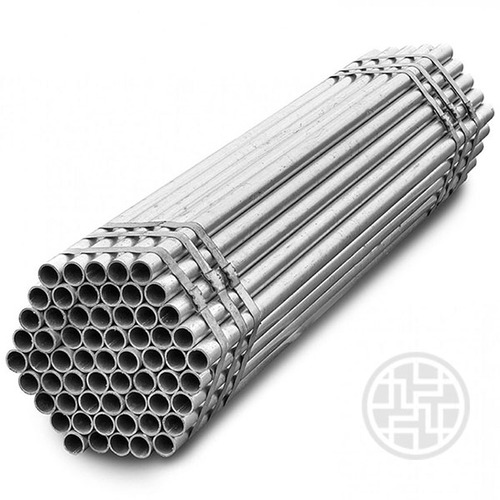
Tubo de acero para andamios-1
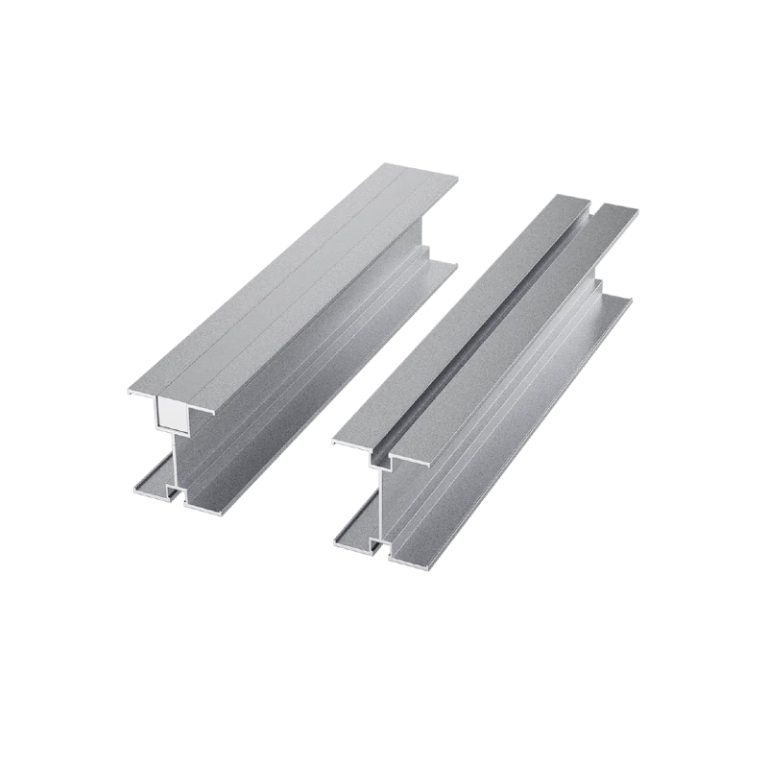
Vigas de aluminio Grupo GOWE
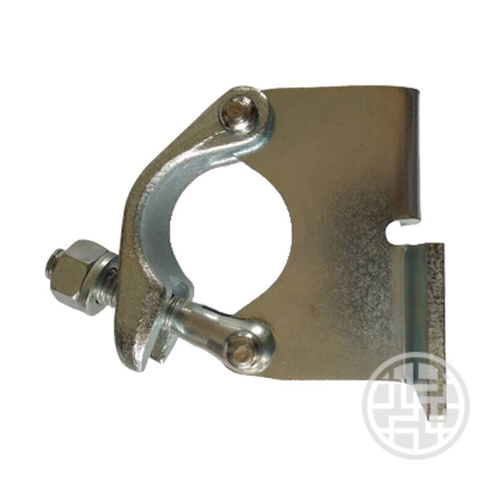
Acoplador de retención de tablero forjado británico-1
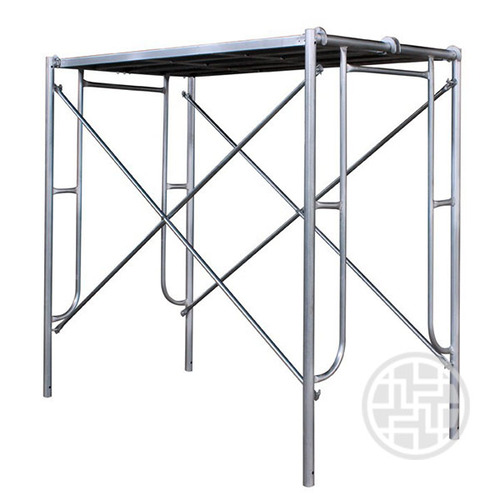
Marco Andamio-1
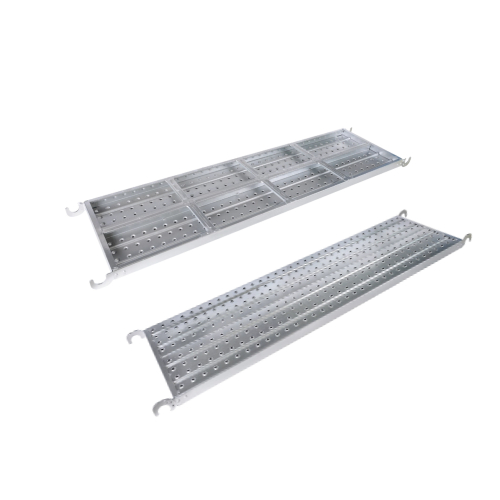
andamio plank-gowe
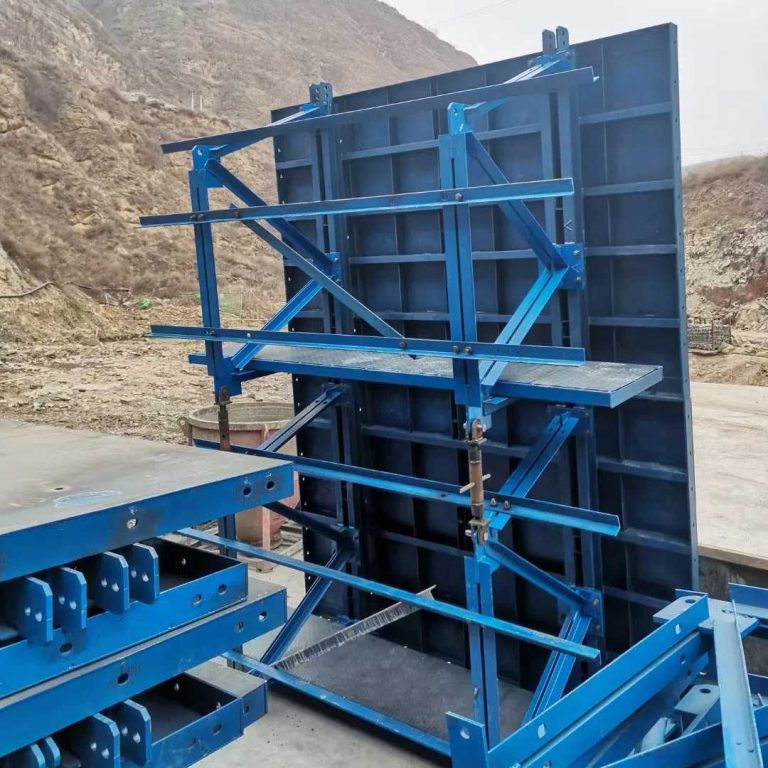
Sistema de encofrado a una cara GOWE
Sistema de encofrado de acero inoxidable de alta resistencia GOWE (2)
Mesa de encofrado de aluminio GOWE
Vigas de madera GOWE H20 (7)
Venta y alquiler de encofrados de aluminio-GOWE
Encofrado eólico e hidroeléctrico
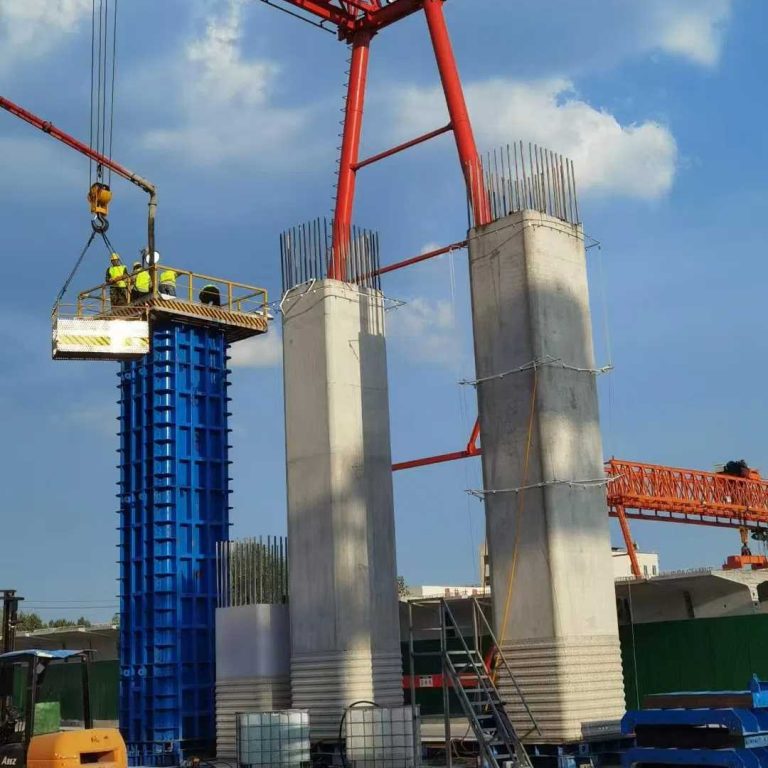
Encofrados prefabricados GOWE
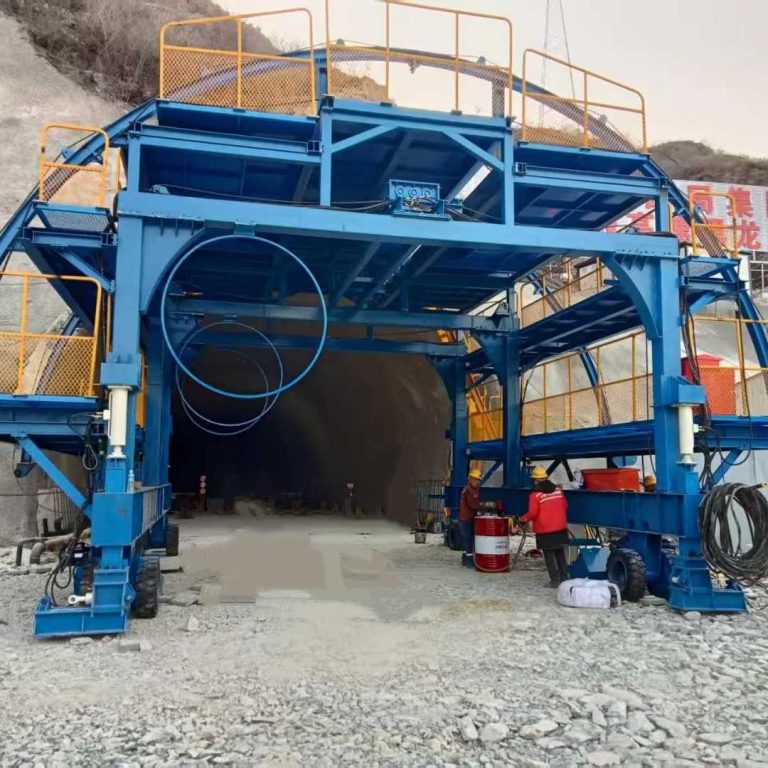
Carro de instalación de membranas impermeables GOWE
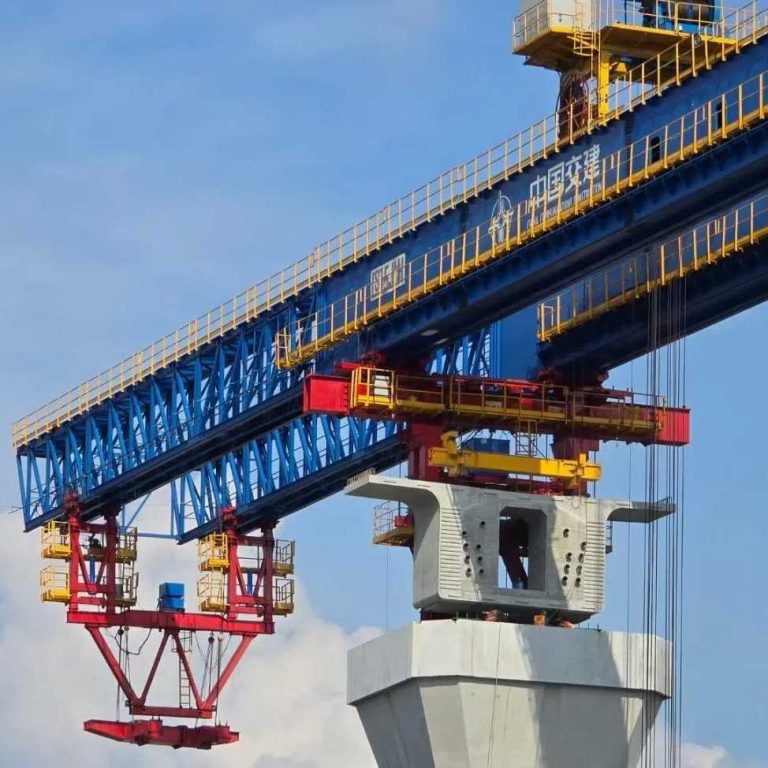
Encofrado de montaje segmentado
Encofrado de cestas colgantes GOWE
ENCOFRADO DE MUELLE GOWE
Rejilla espacial monocapa de pared delgada
Carro impermeable
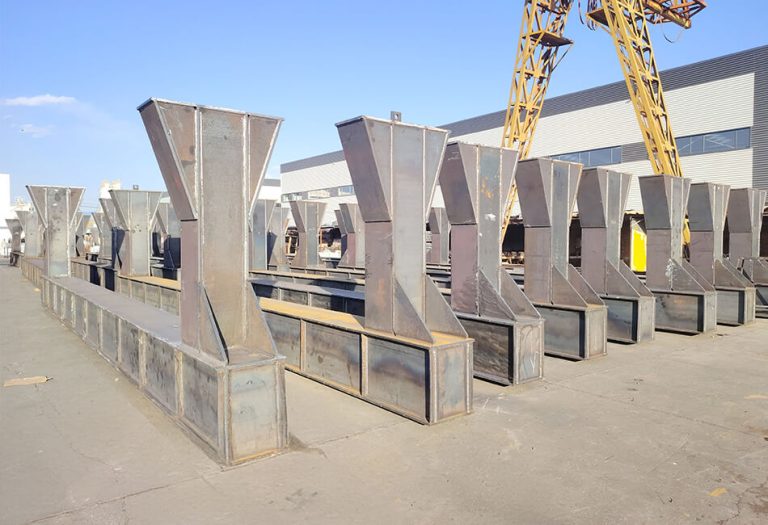
Pedestal de rodamiento de segmento -2 (2)
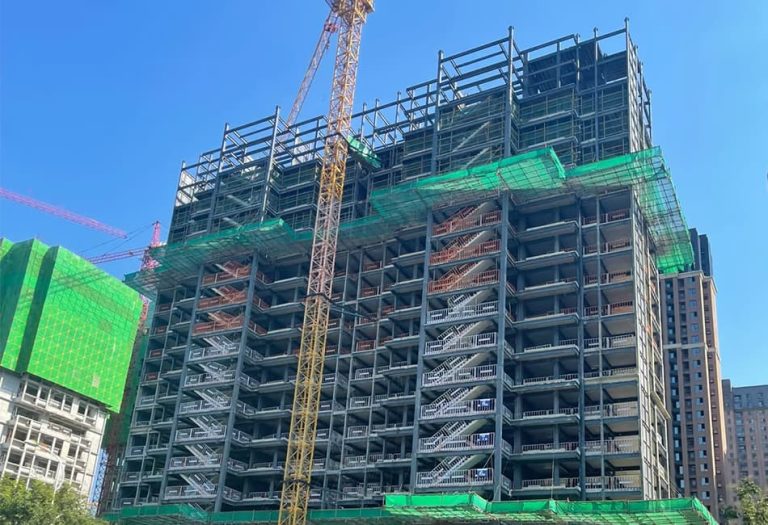
Estructura de armazón de gran altura
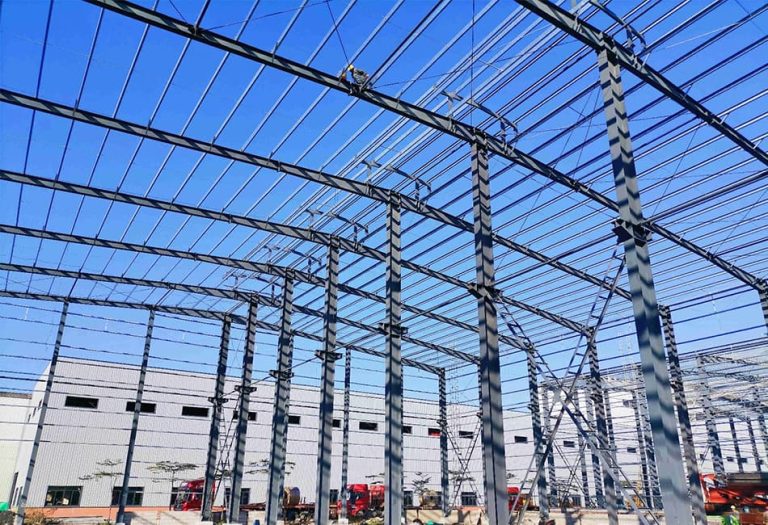
Taller con estructura de acero tipo pórtico
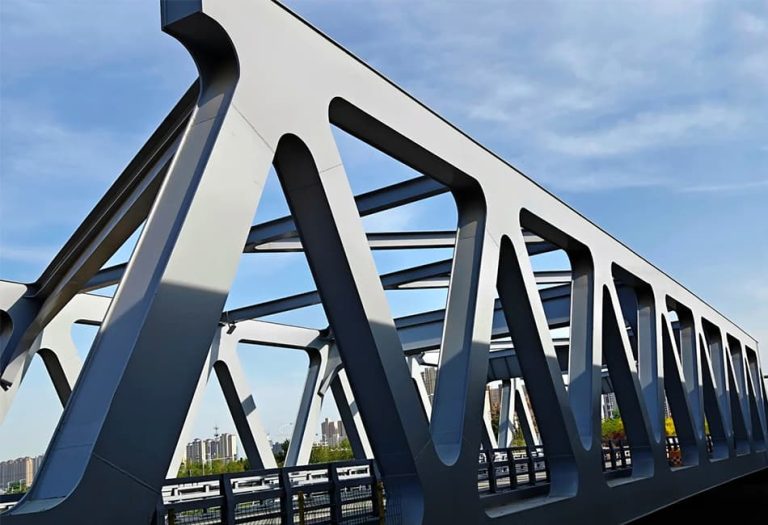
Puente de vigas de acero
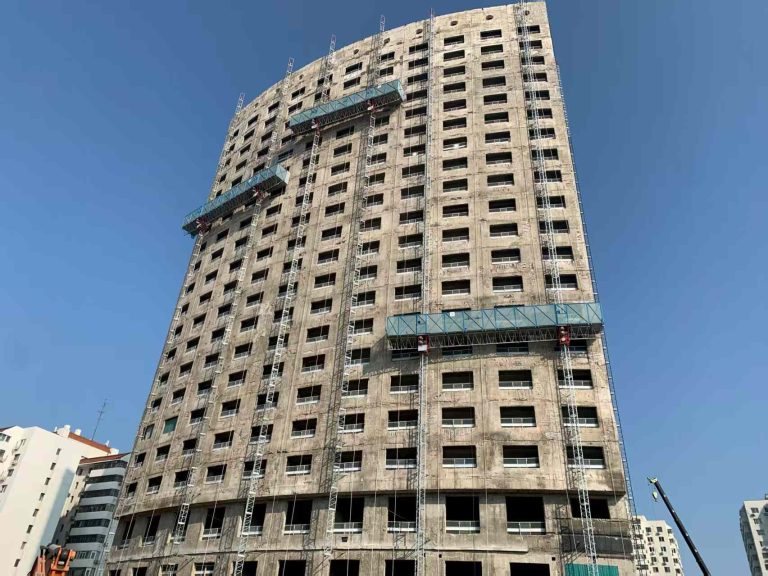
Plataforma de trabajo de escalada de mástil eléctrico GOWE
plataforma de protección-gowe
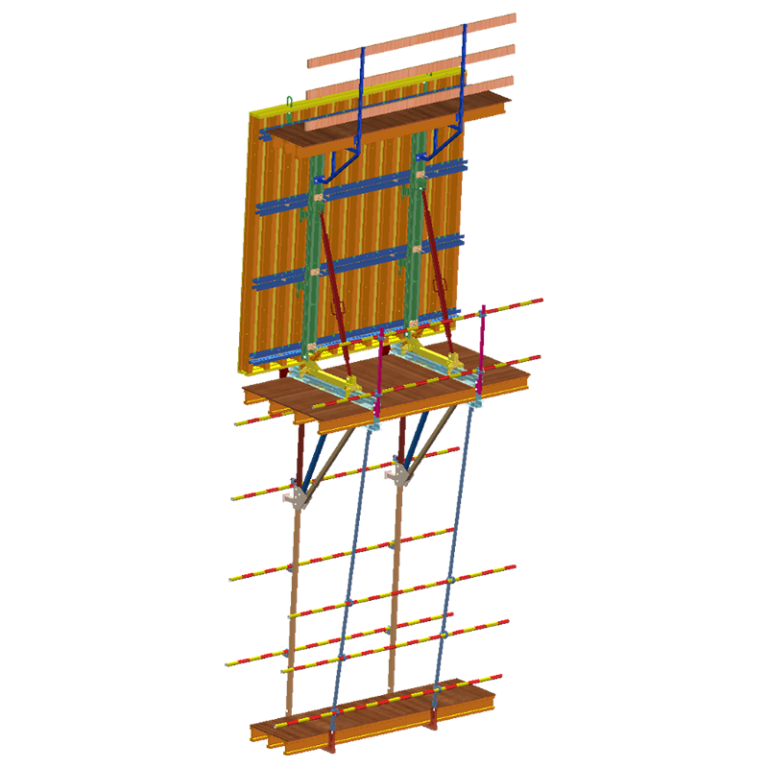
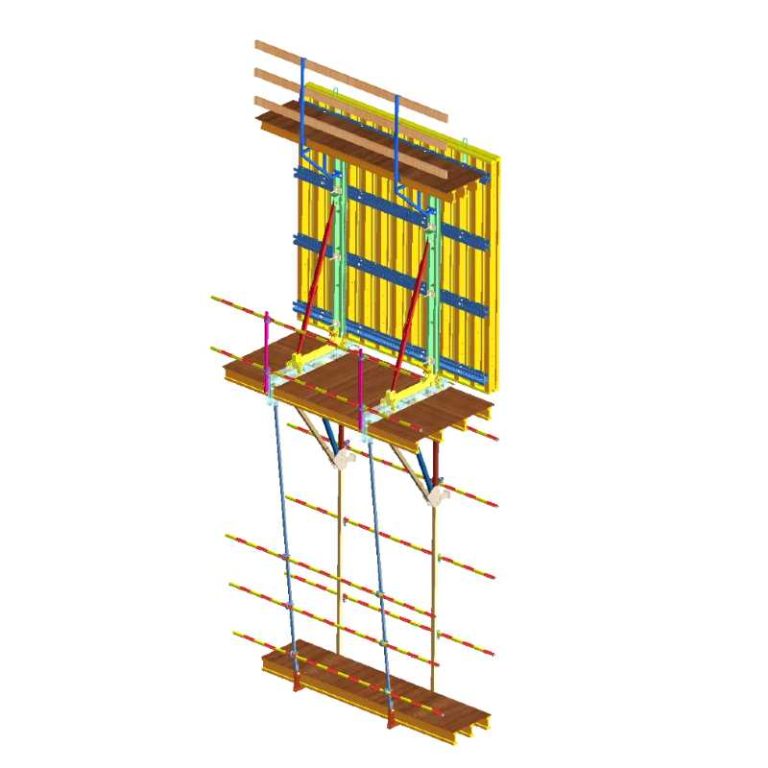
Encofrado en voladizo GOWE

Why Anti-Drop and Anti-Tilt Reliability Dictates Modern Climbing Platform Safety

No dude en contactarnos para cualquiera de sus necesidades!

Tabla de contenido

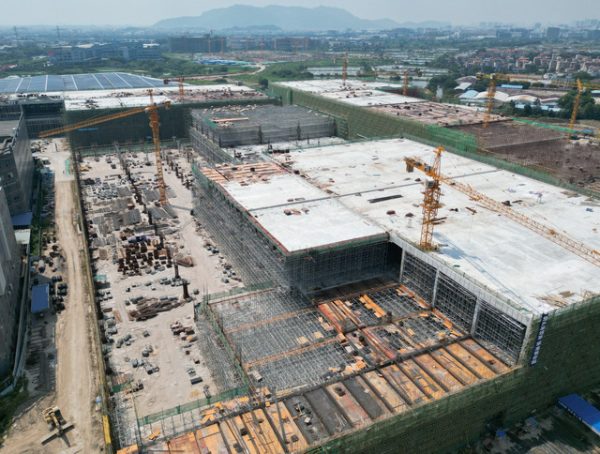
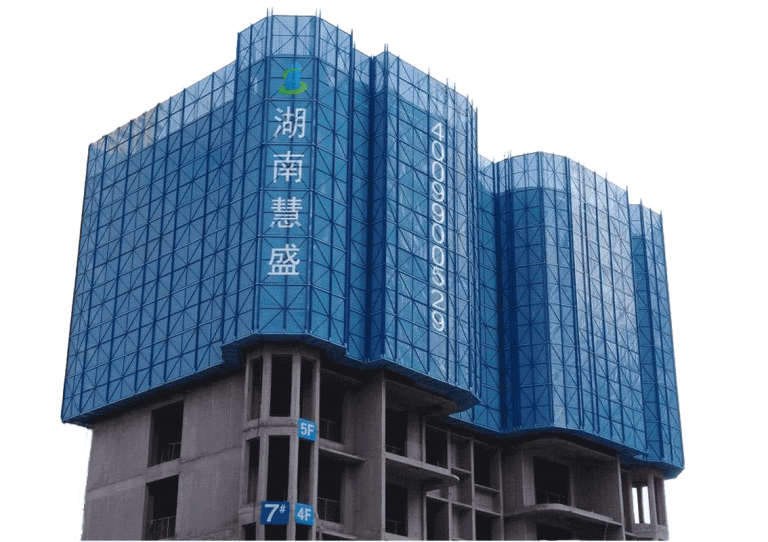
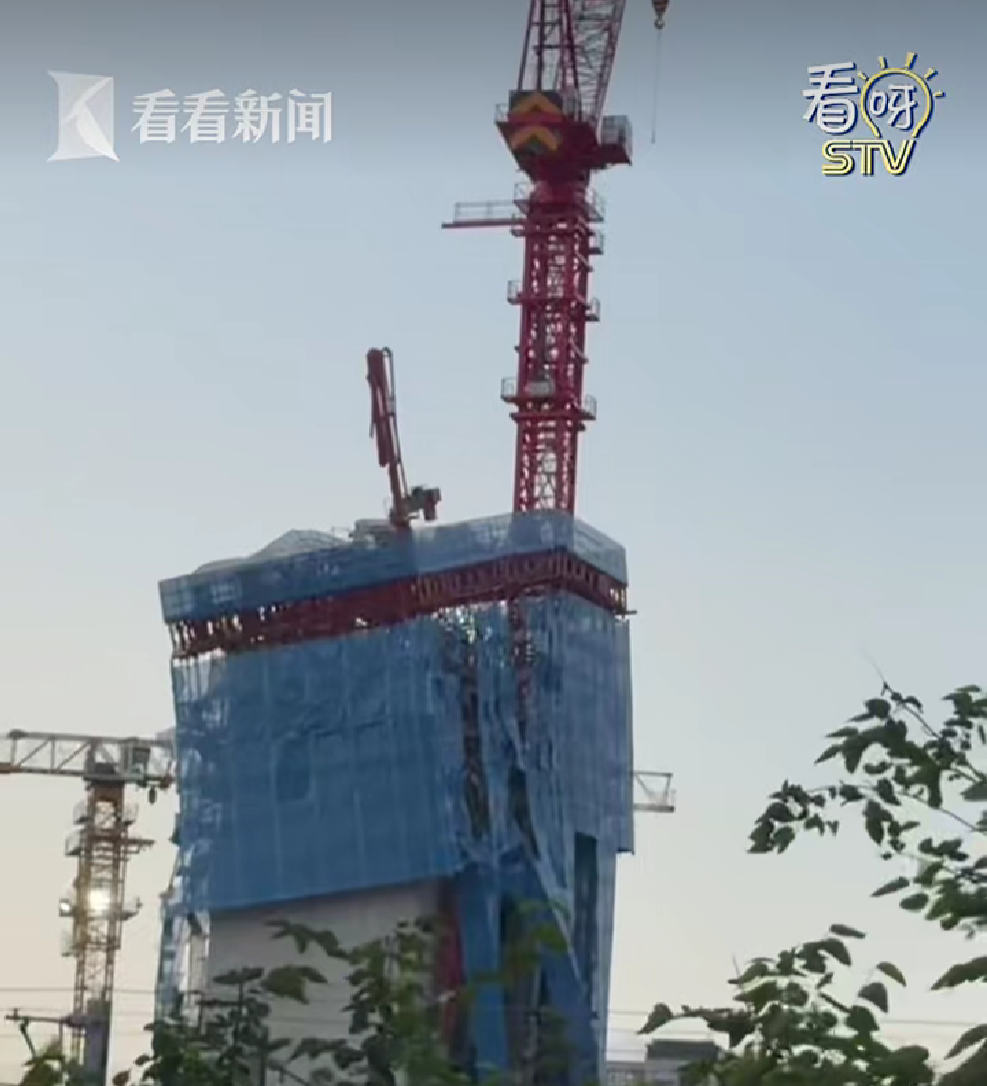
    On the afternoon of May 16, 2026, an unexpected operational failure occurred at a commercial project site in the Wanli Community of Putuo District, Shanghai. Reports indicated that a structural slippage within the climbing platform system caused a localised section of the external framework to buckle and deform. While official investigation bureaus are still determining the definitive root cause and casualty details, early industry feedback points to a critical mechanical vulnerability: the loosening and failure of the climbing claws.
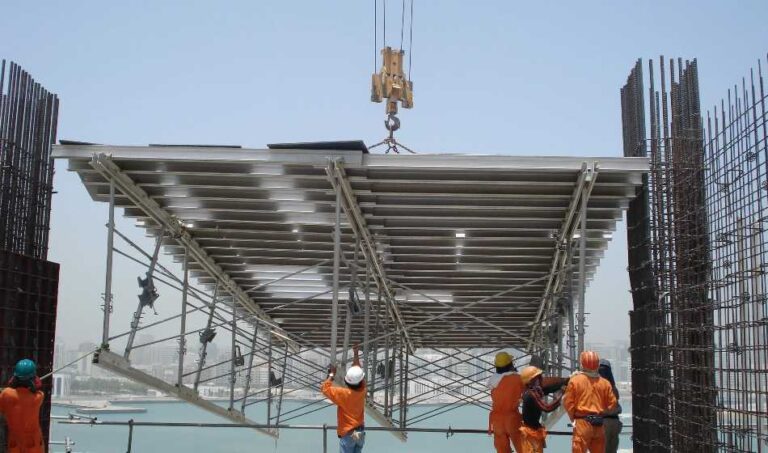
    In high-rise construction, climbing platforms and hydraulic climbing formwork are more than just access platforms—they are essential to the building’s structure. Every small part handles significant stress. If one climbing claw comes loose, it can cause a chain reaction, leading to deformation or even more serious problems.
    For EPC contractors everywhere, this incident is a clear warning: safety at height must be a priority, and the climbing equipment you choose directly affects your project’s success.

    CLIMBING PLATFORM INCIDENT


    The Anatomy of Failure: Why Do Conventional Climbing Claws Loosen?

    To avoid future failures, engineering teams need to know why traditional climbing systems are weak during vertical transitions:
    • Alternating Dynamic Loads: When the platform is lifted hydraulically, it faces repeated forces, vibrations from pouring concrete, and unexpected wind. If the locking mechanism only uses friction, standard parts can shift slightly.
    • Human Error in Manual Locking: Traditional systems often need workers to insert safety pins or check latches at every floor. In busy construction, missing just one pin can put the whole perimeter at risk.
    • Structural Deviation under Wind Load: At great heights, strong winds push hard against the framework. If climbing claws aren’t rigid or adaptable, these forces can make them bend, slip, or even come off the guide rails.

    Redefining High-Rise Security: The GOWE Triple-Layer Safety Philosophy
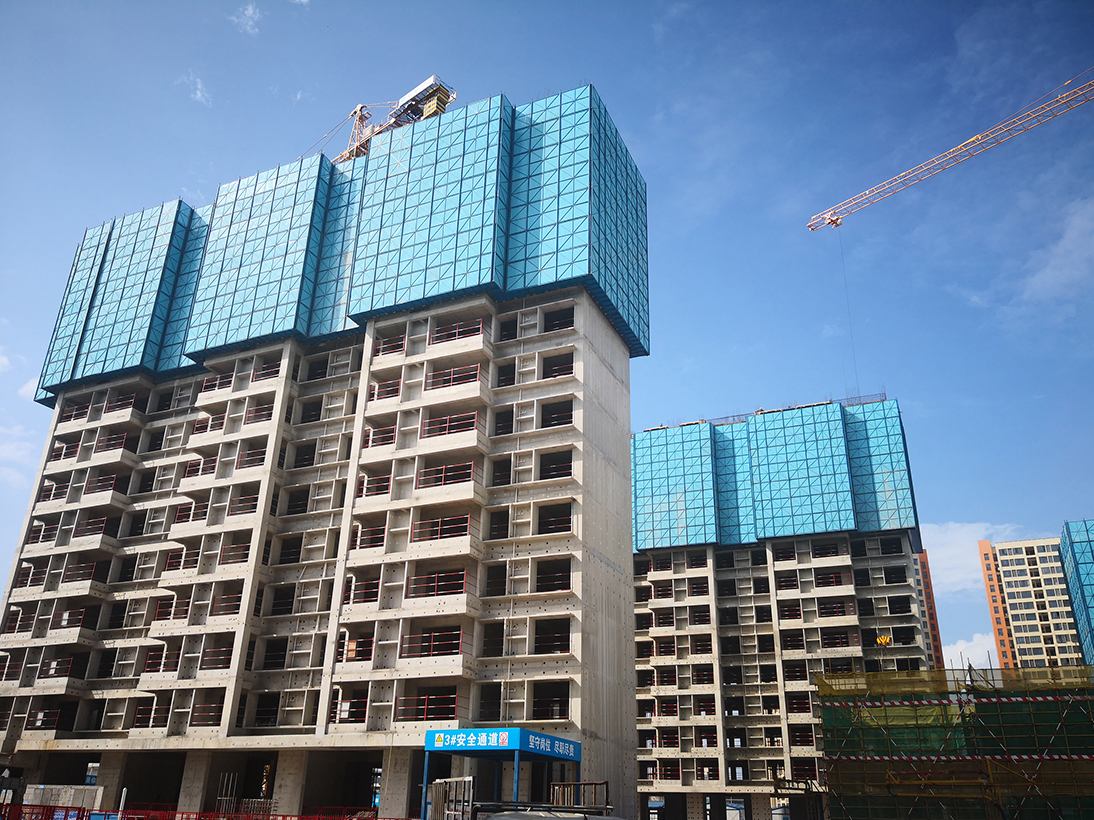
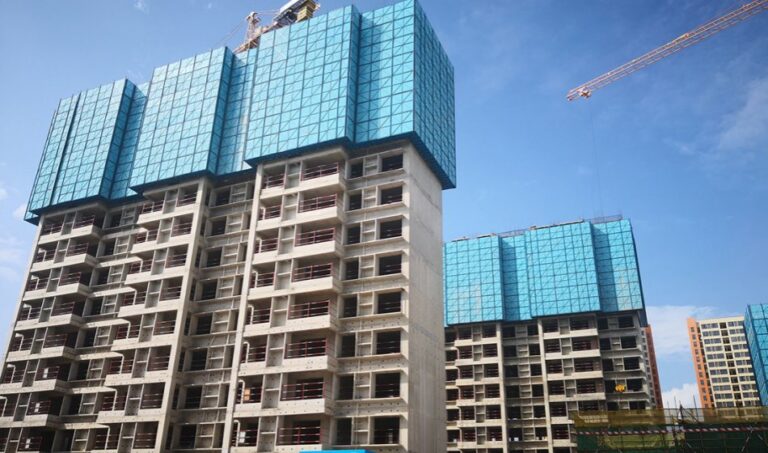
    At GOWE, we design our hardware to make structural safety automatic, removing chances for human error. Our Hydraulic Climbing Formwork and Protection Systems use strong, multi-layered fail-safe features to prevent slips, addressing the failures seen in real projects.


    GOWE CLIMBING PLATFORM


    1. Gravity-Induced Mechanical Interlocking (The Auto-Lock Claws)

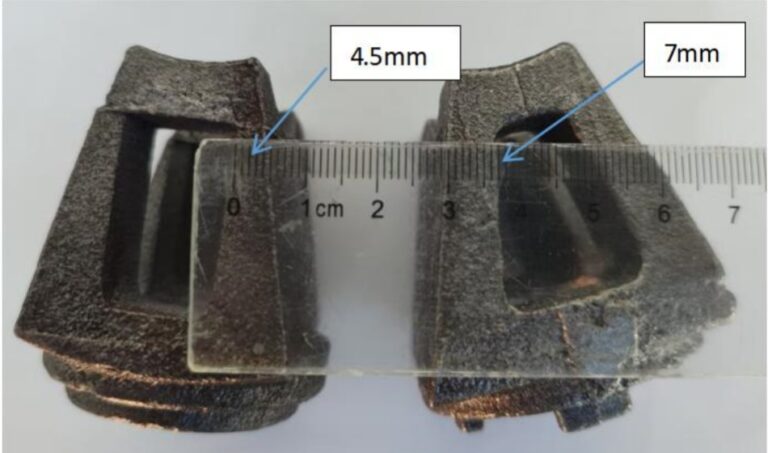
    GOWE’s climbing claws use a gravity-based design. When the hydraulic cylinder lifts the rail, the claw pulls back to avoid obstacles. Once lifting is done, gravity drops the claw into a strong load-bearing notch. No manual action is needed, so the system stays locked naturally.

    2. Hydraulic and Mechanical Dual Synchronised Locking

    Our system uses a hydraulic control valve and mechanical limiters. If hydraulic pressure drops unexpectedly, the mechanical anti-drop device grabs the structure within millimetres, stopping any downward movement right away.

    3. High-Tensile Q355 Steel & Hot-Dip Galvanization

    Structural deformation happens when materials fail under stress. GOWE makes all key load-bearing parts—guide rails, climbing shoes, and climbing claws—from high-quality Q355 steel. With Hot-Dip Galvanisation, our systems resist corrosion and fatigue, keeping their shape and strength through many uses.

    The True Cost of Scaffolding: Safety Is Your Highest ROI

    In B2B marketing and procurement, it’s tempting to choose cheaper scaffolding to save money. But the Shanghai 5·16 incident shows the high hidden costs of using poor-quality equipment.
    A framework failure isn’t just about fixing some bent pipes. It can lead to site shutdowns ordered by the government, legal problems, missed deadlines, and serious damage to a contractor’s reputation.
    Choosing a premium system like GOWE isn’t just an extra cost—it’s the best insurance for your project. By meeting global safety standards like OSHA and EN12811, GOWE helps your crew work safely, keeps your project on track, and protects your brand’s reputation for quality.

    Want to make your next high-rise or bridge project safer? Contact GOWE’s Engineering Team Today for a custom hydraulic climbing system plan designed for your site.


    Preguntas frecuentes (Q&A)

    Q1: What is the primary difference between standard climbing claws and GOWE’s auto-lock climbing claws?

    R: Standard climbing claws often rely heavily on manual pin insertion or continuous hydraulic pressure to maintain their position, leaving room for human error or mechanical failure. In contrast, GOWE’s auto-lock climbing claws utilize a gravity-induced mechanical interlocking design. As the system lifts, the claws automatically retract and instantly drop into heavy-duty load-bearing notches by gravity alone at the end of each stroke. It ensures the system is always locked by default, completely independent of human memory or hydraulic stability.

    Q2: How does GOWE ensure the synchronization of multi-cylinder climbing to prevent framework twisting?

    R: Framework deformation is often caused by uneven lifting heights among different cylinders. GOWE solves this through an advanced Hydraulic Synchronized Control System. It monitors and balances the hydraulic oil flow and pressure across all lifting points in real-time. Additionally, our rigid guide rails and high-tensile Q355 steel structure provide immense geometric stability, allowing the system to absorb minor eccentric loads without buckling.

    Q3: Are GOWE’s hydraulic climbing systems compliant with international construction safety standards?

    R: Yes, absolutely. GOWE designs, engineers, and manufactures all modular scaffolding and climbing systems in strict accordance with global benchmarks, including OSHA (USA) y EN12811 (Europe) standards. Every batch of our critical load-bearing components—such as climbing shoes, rails, and pin-bearing joints—undergoes rigorous physical pull-out, shearing, and load capacity limit testing before leaving our facilities.
    Facebook
    Twitter
    LinkedIn

    Relacionado Noticias