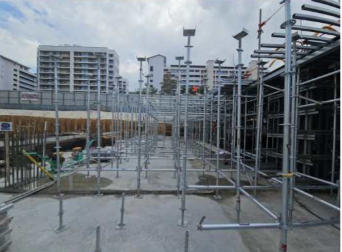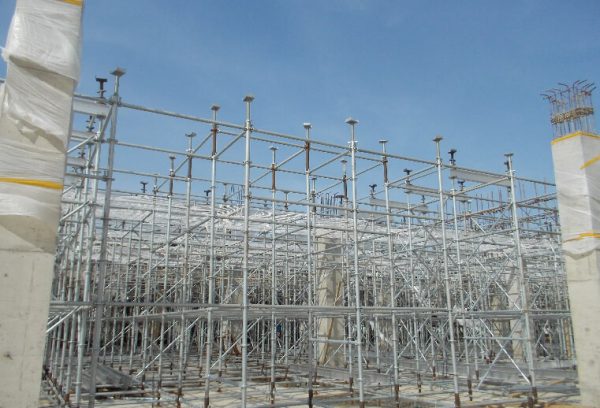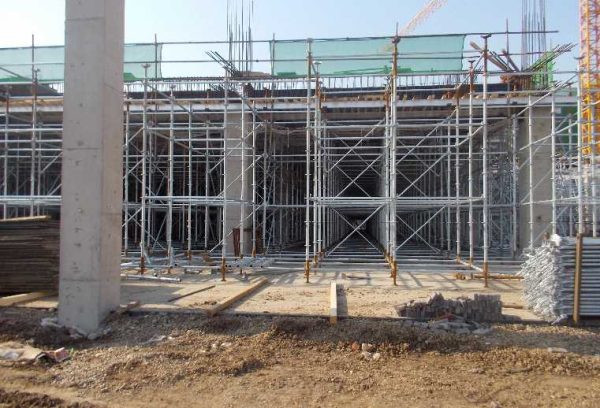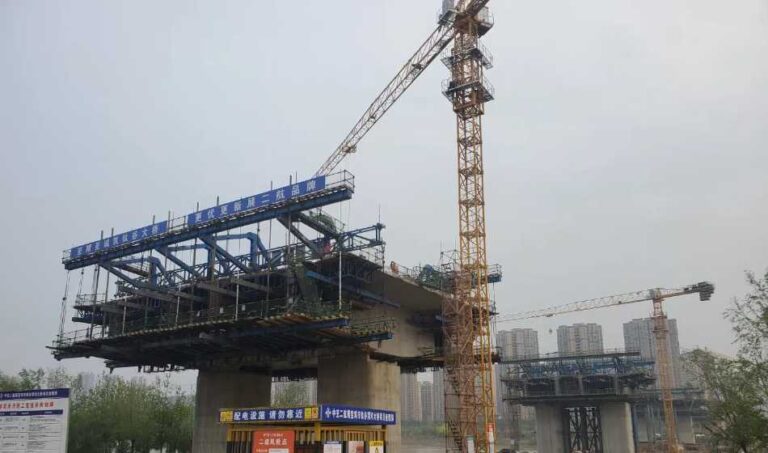
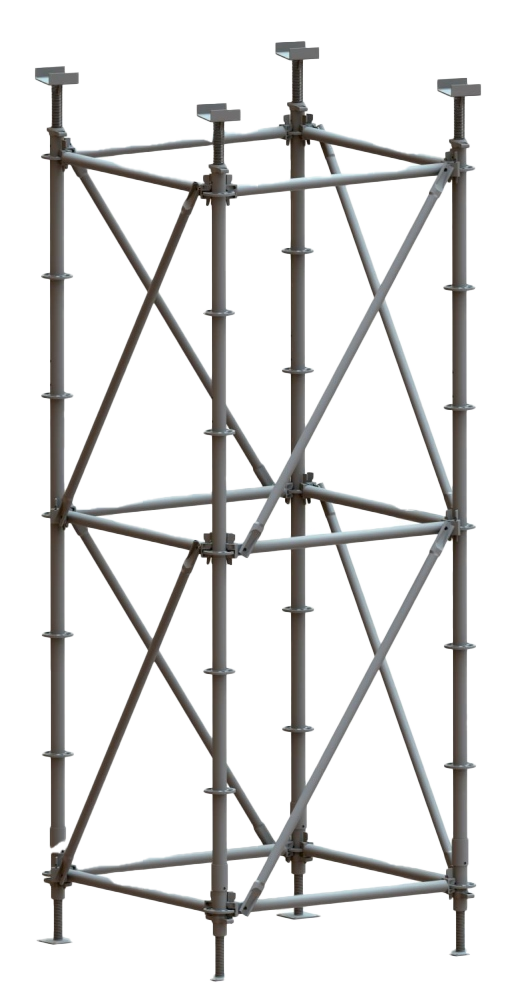
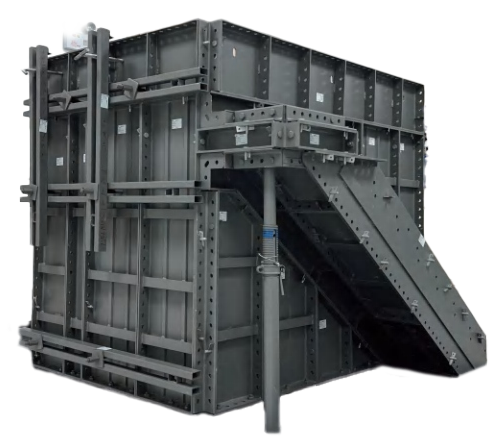

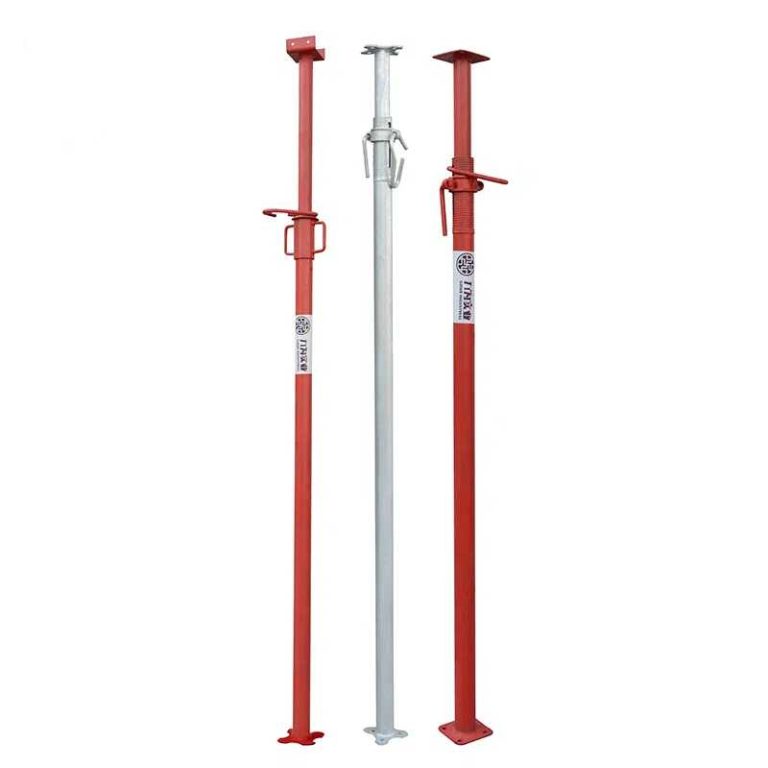
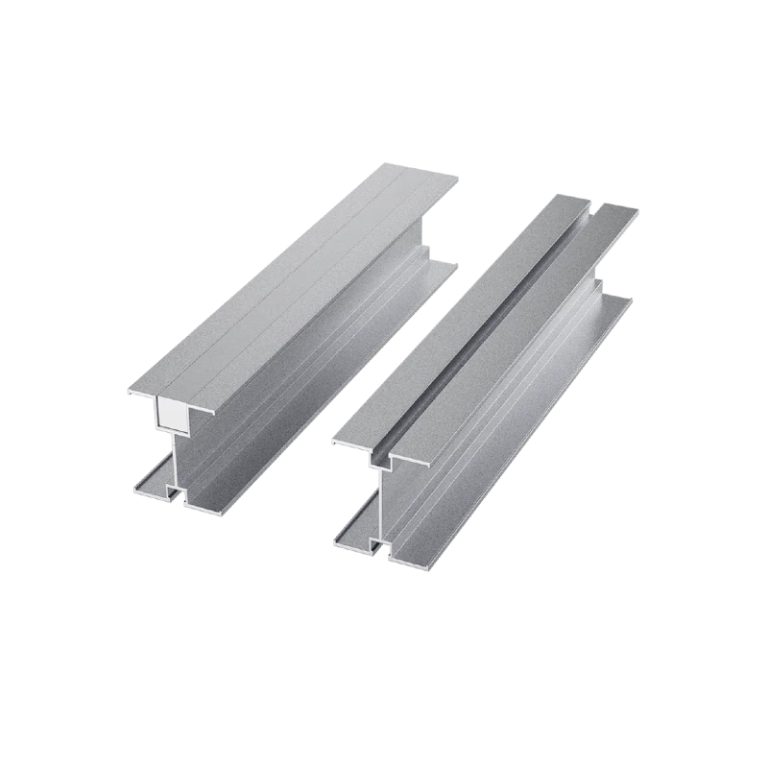
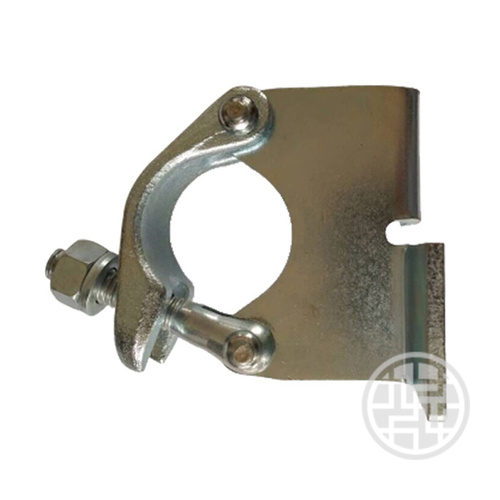
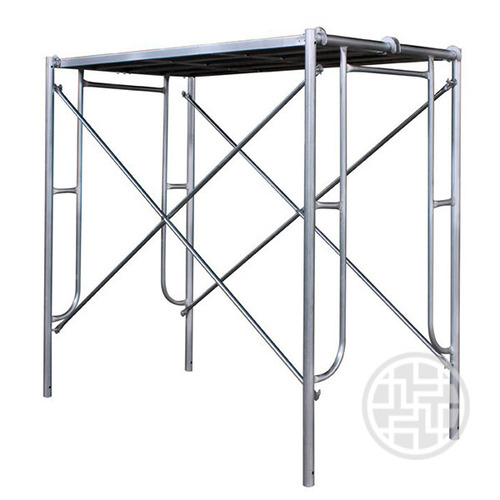
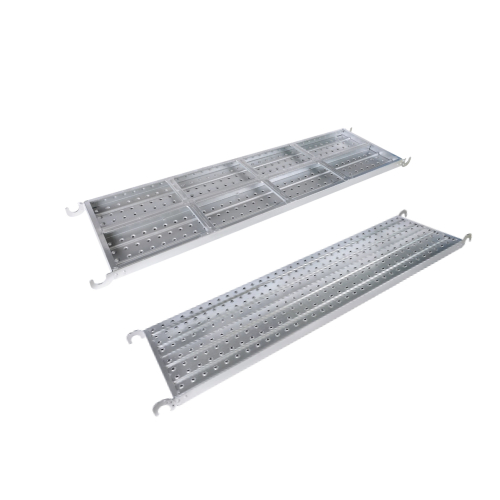
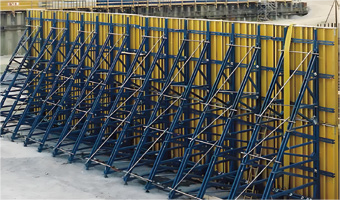
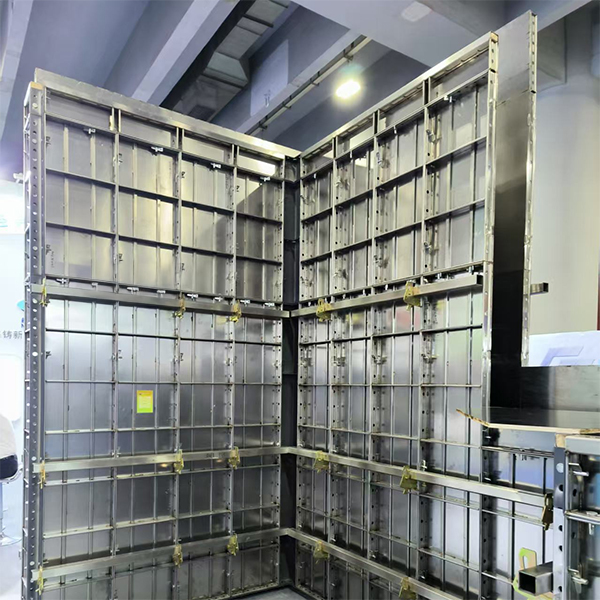
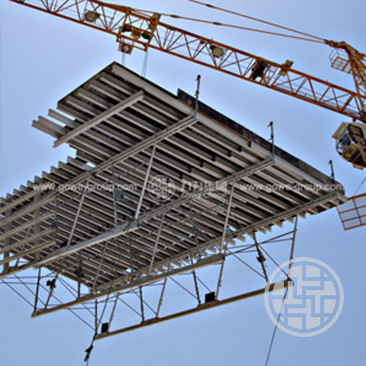

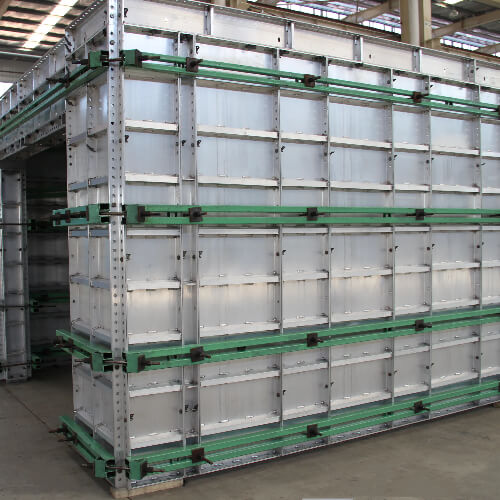






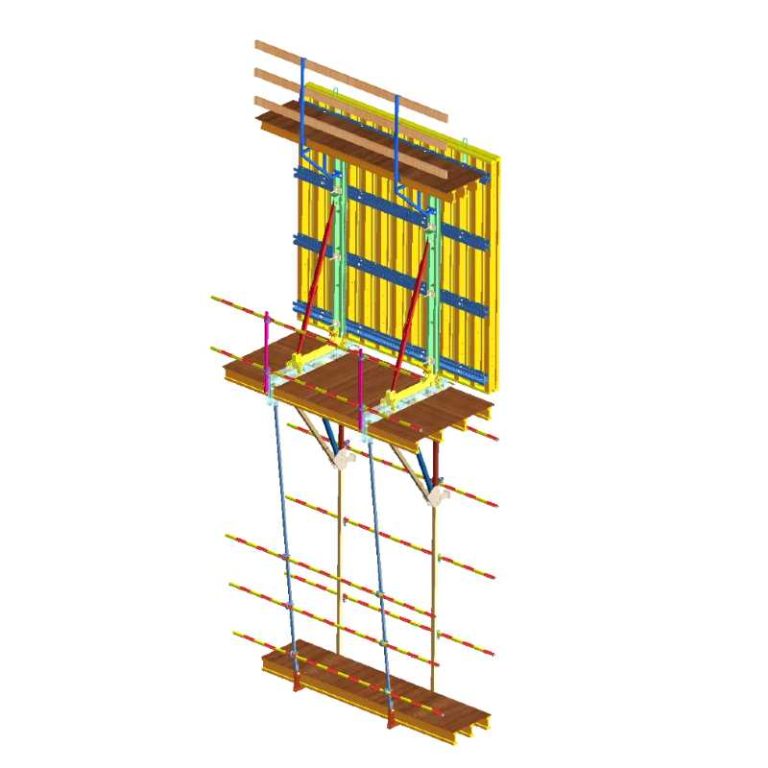
Scaffold jacks are used to join a scaffold to a surface. Base jacks can be used on the ground to level standards off. Head or U-head jacks are used to support beams and other main scaffold members. They are adjustment and bearing components only and must not be used to form part of the scaffold layout or to form a complete load-bearing path.
Which Scaffold Jacks Are Needed at the Base and Top of the System?
Understand the Role of a Base Jack at Ground Level
A base jack is used below a standard to transfer reaction to a plate or other suitable bearing. The threaded adjustment can be set to allow for differences in surveyed levels, but the plate must be fully loaded and the standard centralised. In a échafaudage à anneaux arrangement, the base collar and other specified components help connect and restrain the first lift. Check their compatibility against the approved configuration before erection.
Understand When a Head or U-Head Jack Supports Beams Above
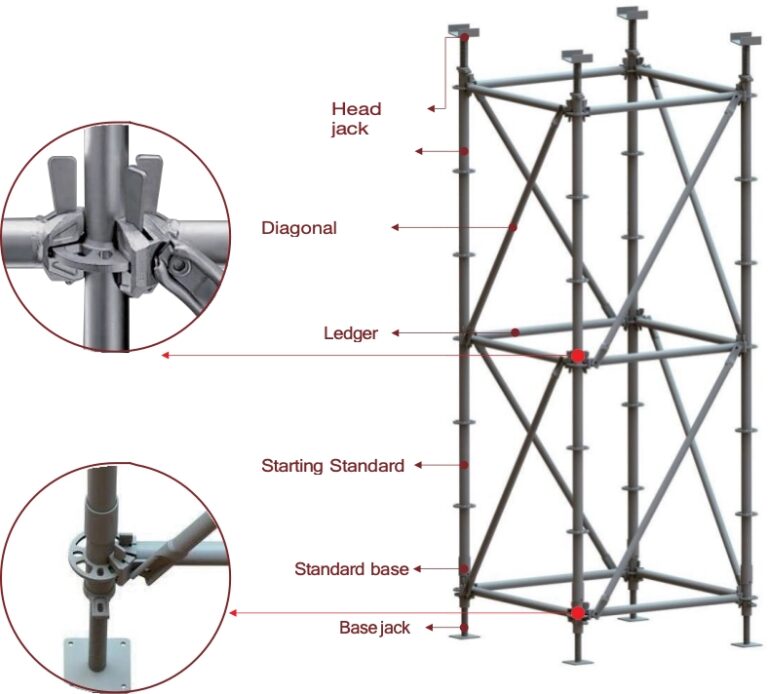
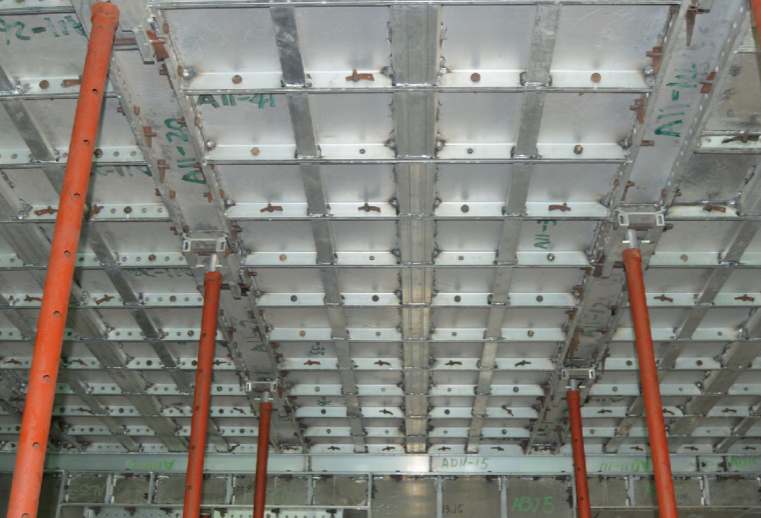
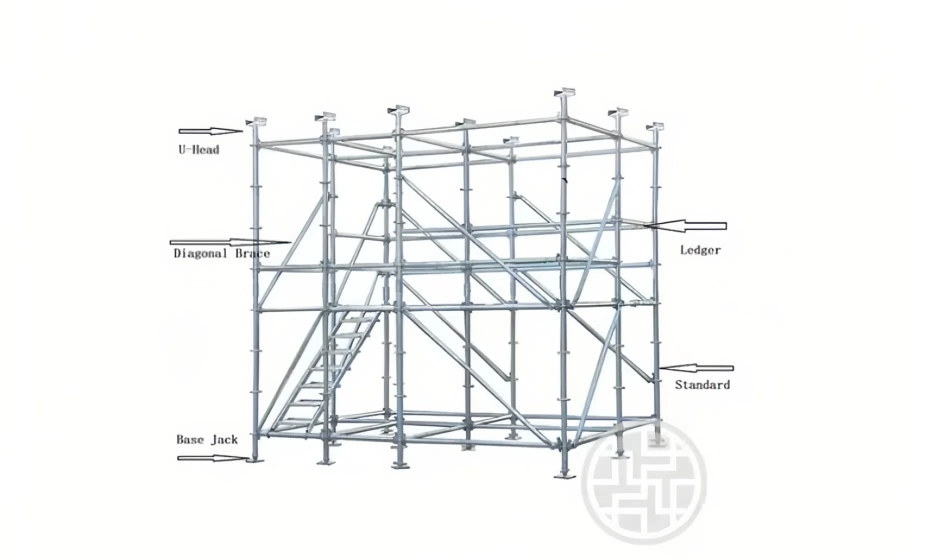
Head or U-head jacks are typically used at the top of a scaffold or shoring tower when supporting timber or steel beams. For timber beam formwork, the U seat must be set to capture the supporting beam in the correct direction and provide a suitable contact area. Check the approved design for the beam position, lateral restraint and jack adjustment range prior to loading. The ringlock system comprises base jacks and head jacks and is used with standards, ledgers and diagonal braces. These components must be used in the approved configuration only.
Avoid Treating Different Scaffold Jacks as Interchangeable Components
There are variations in threads, plates, seats, pins, and connection details. Even though a jack may fit into a tube, it could be non-approved for use on a beam seat or for another standard. Check system information and project approval as opposed to simply checking the diameter and apparent length of the jack. The compatible jack must fulfill the connection, bearing, and adjustment requirements as detailed for its particular installed position.
How Much Adjustment Do Scaffold Jacks Actually Need?
Survey Level Differences Before the Scaffold Is Erected
Highlight the high and low points of the slab, soil, or temporary bearing line under survey to assess if any adjustment is required and/or if any improvement can be made to the bearing. If the difference is outside the specified tolerance, then do not attempt to force the jack to its limit but cease and redesign.
Use Jack Adjustment for Leveling Rather Than Correcting Layout Errors
Do not use a long extension to make up for a misplaced standard, incorrect bay length, or missing support when setting out the scaffold grid. An extension that is too long can result in the extension reducing the stability of the scaffold and making the load eccentric. Errors in the layout of the scaffold may not always be visible.
Record the Actual Extension Against the Approved Configuration
Visible extension, lock nut position, bearing condition, and standard alignment are to be recorded during inspection. The recorded information can be compared by the subsequent shift against the relevant information on the drawing to identify any changes caused by settlement or any alteration.
How Should Scaffold Jacks Transfer Loads Safely?
Keep Base Reactions Centered on the Supporting Surface
Place the plate fully on the sole board or slab and center the standard over the bearing area of the standard. Do not locate the edge of the plate or standard along an exterior edge, opening, loose packing, or unsupported floor zone. A complete shoring scaffold design includes consideration of the supporting structure, the bearing, and the reactions that are transferred to the tower before loads are applied to the scaffold.
Seat Beams Correctly at the Upper Support
Position the beam centrally in the U-head. Check that the beam has been placed with the specified overlap or seat depth. Where design requires, provide the beam with lateral support. A single edge placed beam is prone to rotation or displacement under loading. Check the beam and its supports as a single load path.
Check for Eccentric Loading and Unintended Rotation
Check for tilted plates, bent threads, poor contact, beam twist, etc. Fix the problem. If it needs to be unloaded to fix, then reload and check the entire load path down to the ground. A jack cannot make an eccentric reaction safe.

What Should Be Checked Before Scaffold Jacks Are Used?
Inspect Threads, Nuts, Plates and Welded Areas
Check the threads and nuts on the jacks for cleanliness and freedom of rotation. Look for any signs of distortion to the plates, cracks in the welds and adequate engagement of the pin in the collar. Any damaged jacks must be withdrawn from service and clearly marked to prevent their return to service within the jack stack.
Confirm Compatibility With the Scaffold Standards or Support System
Check thread form, diameter, and plate size, as well as U-head geometry and connection to the main scaffold for an approved system. Verify ground, load path, required scaffold components, access, handover, and reinspection after any change for supported scaffold planning. GOWE is a leading company in formwork and scaffolding systems with integrated R&D, production, sales, leasing, construction, and operation. The project-specific capacity is subject to design approval.
Recheck Jacks After Settlement or Changes to the Scaffold
Check after rain, settlement, impact, a moved tie, a changed beam, or a new load. Check that the base is still fully bearing and that all upper seats are still aligned. Record any corrections and get them approved before putting them back into service.
How Should Scaffold Jack Checks Continue After Handover?
Compare Jack Settings and Keep Clear Records
When checking the jacks on nearest supports, compare them to the support under test rather than checking individual supports. Large differences could indicate settling of the load-bearing floor, an incorrect scaffold grid, or some other change to load distribution. Take a photo of the base plate and upper seat during handover and note the approved drawing revision, extension used, and support type. This will allow subsequent shifts to know if any changes have been made and who made them. Record any corrections along with the name of the person who checked the support and made any changes to the support and then re-checked.
Review the Complete Ringlock and Formwork Load Path
Check the ringlock joint of all standards, ledgers, diagonal braces, base jacks, base collars, and head jacks as a single unit to see how individual jacks resist vertical and horizontal loads. For formwork and shoring applications, trace the load down from the top of the supported beam through the tower to the load-bearing surface of the jack. Inspect all parts of the structure to ensure they are still correctly fixed and have not been obstructed in any way. One damaged support can affect adjacent members even if they appear to be OK.
Reinspect After Changes and Before Reuse
A supported scaffold plan will identify factors such as the ground, load transfer, the various scaffold components and access requirements. These factors can alter rapidly due to rain, settlement, impact, etc. Therefore, refer to the approved drawing to check for firm bearing, to ensure the upper support has been adequately restrained, and obtain approval for any changes prior to re-instatement and loading. When a scaffold is to be dismantled for leasing or re-use, all threads must be clean, all plates and seats must be inspected for damage, and any rejected items recorded on the inspection record. The record is to be retained with the component and project records.
Follow a conservative adjustment sequence – survey the bearing line, set out the grid, make the adjustments within the approved limits, secure the whole assembly and check before loading. Load up within the approved limits and monitor for any unexpected movement. If the bearing, alignment or compatibility fails, then unload and put the causes right. As with all scaffolding, adjustable scaffold jacks give precise support only if the overall design is sound.
Our supply includes design, production, sales, rental, construction and operational services for formwork and scaffolding systems. We follow the approved project configuration from setup to completion and inspect and approve each component before it leaves our sites, and upon completion, for dismantling and removal.
FAQ
Q: What Are Scaffold Jacks Used for in Construction?
A: These items provide controlled adjustment and bearing at the base or top of a scaffold or shoring arrangement.
Q: How Do Scaffold Jacks Level Scaffolding on Uneven Ground?
A: Scaffold jacks level scaffolding on uneven ground by adjusting the height of each leg. Their threaded screw mechanism allows precise adjustments, keeping the scaffold stable, balanced, and safe.
Q: What Is the Difference Between Base and U-Head Scaffold Jacks?
A: The base jack is used to support a standard from below. A U-head jack is used to support a beam or member above the tower.
Q: How Far Can Scaffold Jacks Safely Be Extended?
A: The extension must be in accordance with the approved design and manufacturer’s instructions. There is no safe extension length.
Q: Can Scaffold Jacks From Different Systems Be Mixed?
A: Mix them only when compatibility is explicitly approved for the complete system, including threads, plates, seats, and load path.