

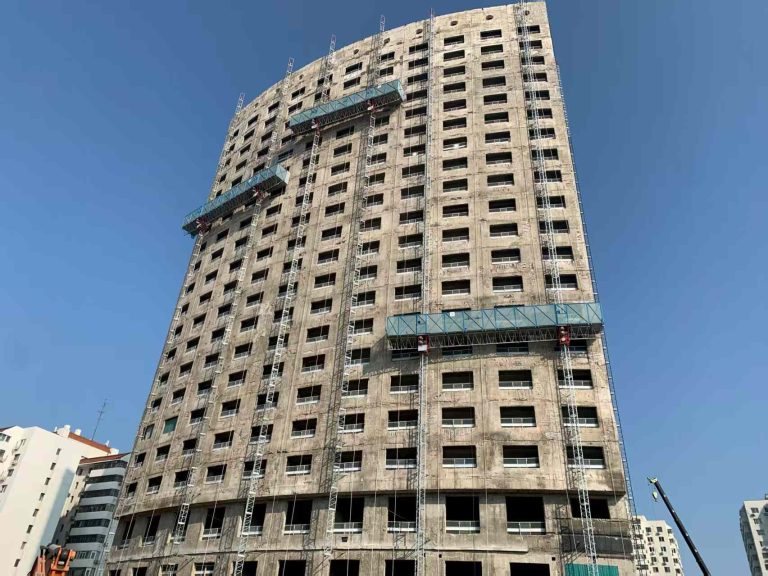

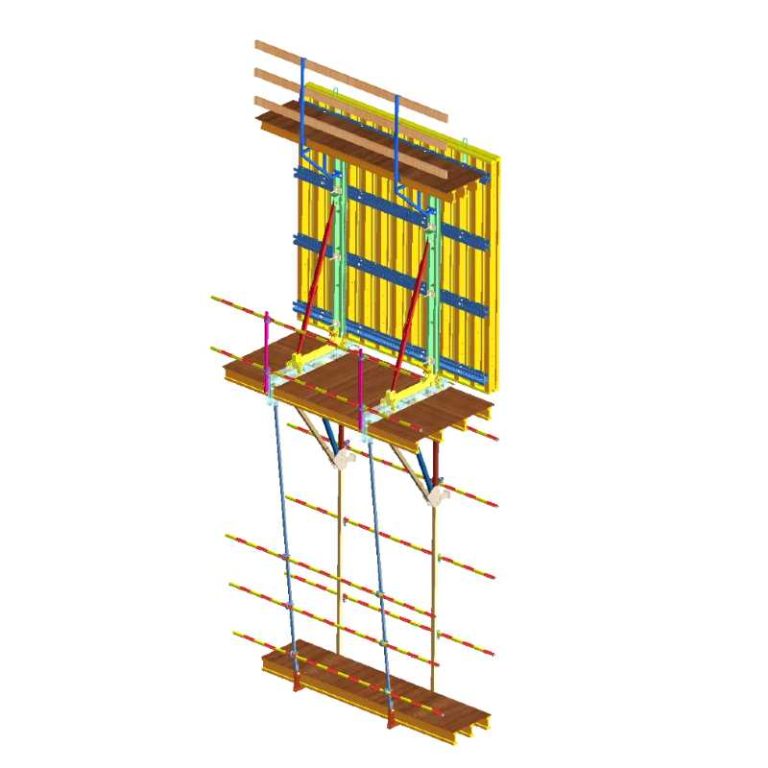
Common Causes of Concrete Formwork Failures
Design and Planning Errors
A common reason for concrete formwork failure stems from weak design and insufficient planning. Wrong load checks or limited attention to side forces in the pour can cause unsteadiness. Engineers ought to confirm that the design covers every force applied. This includes moving and weather-related pressures. Also, overlooking local site factors like ground steadiness, heat shifts, and wind can weaken the building’s strength.
Poor teamwork between design groups and building teams often leads to off-spec details. A solid design must fulfill strength needs. Yet it should match the project’s order and building approach as well.
Material and Construction Deficiencies
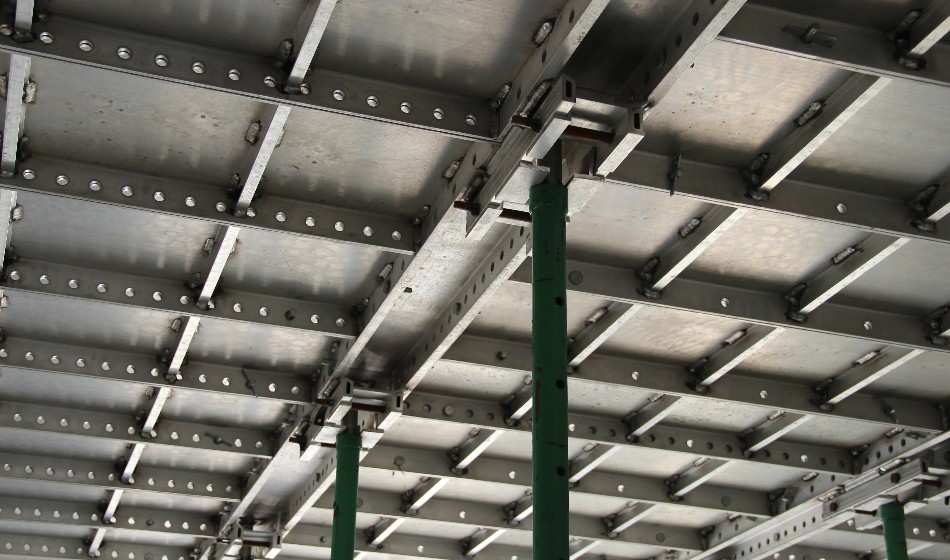
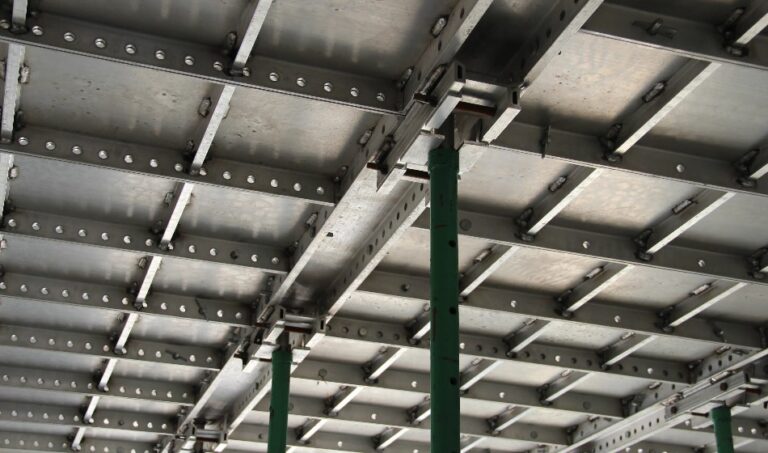
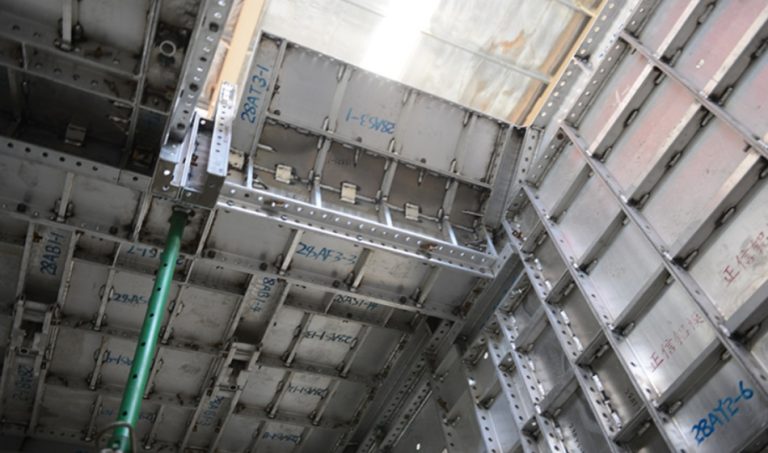
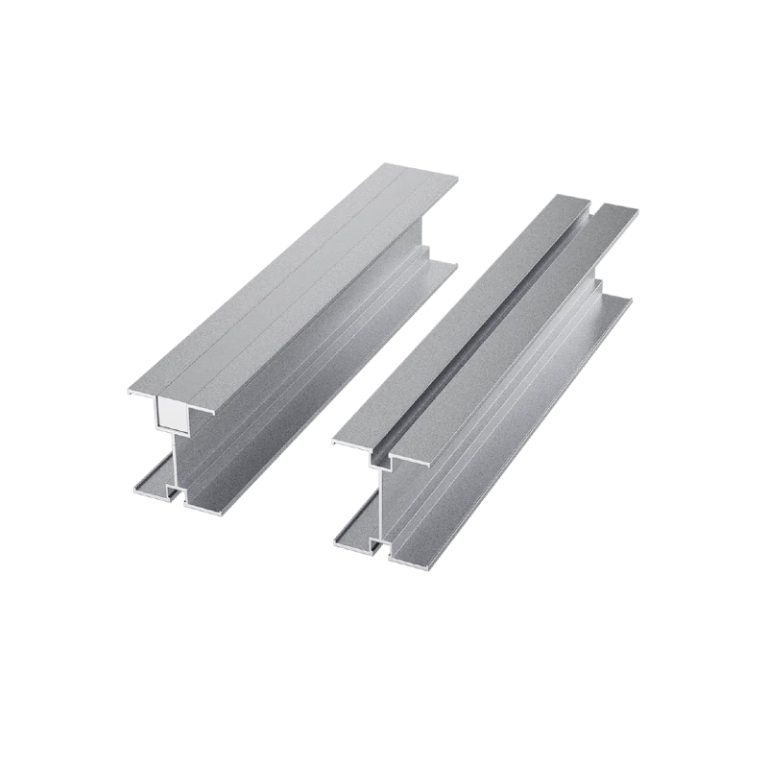
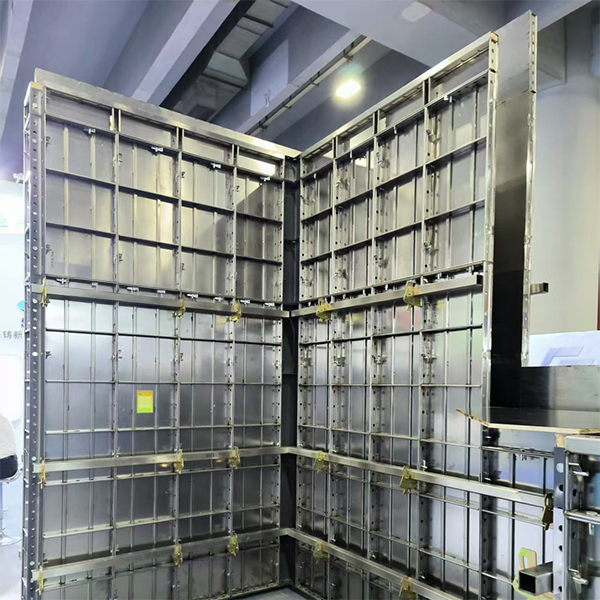
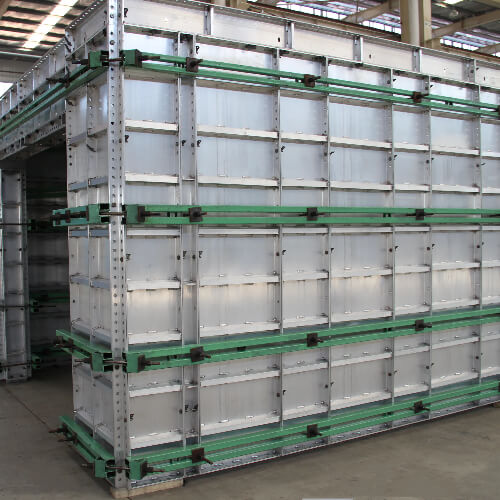
Relying on low-grade materials counts as a major element in these failures. Weak wood or rusted steel parts lower the weight-holding ability. They also heighten bending chances. By comparison, Aluminum formwork is a new generation of construction template after timber and steel formwork, with aluminum alloy profile as the main material, through mechanical processing, welding, and other processes, making templates suitable for concrete projects. This arrangement delivers better strength per unit weight. Thus, it sustains steady output under a strong push.
Sloppy work, like faulty setup or ignoring line allowances, can further harm the setup. If builders skip set guidelines or overlook checks, even top plans might give way under load.
Key Factors Contributing to Formwork Collapse
Improper Installation Techniques
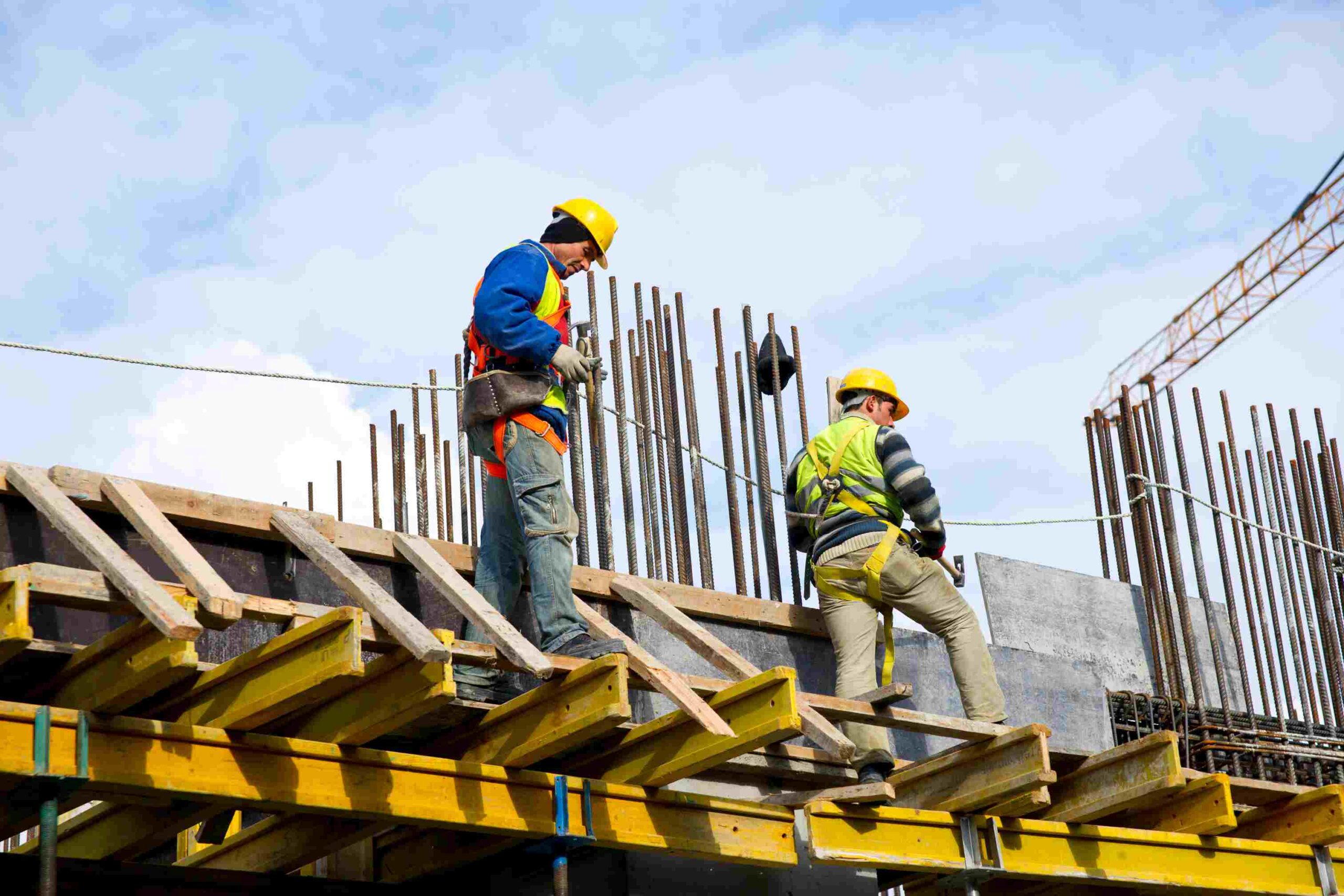
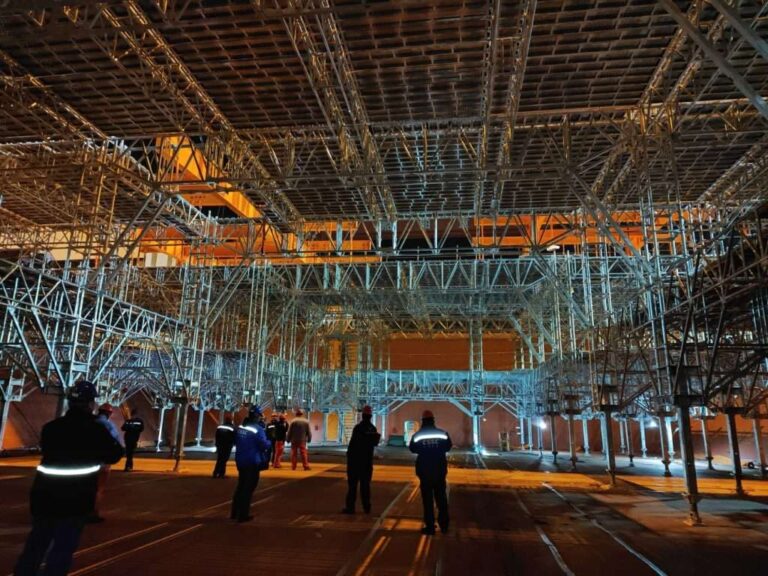
Faulty setup ranks among the chief triggers for formwork collapse. Offline parts in assembly create uneven weight spread. As a result, spot breaks happen. Besides, if teams ignore safety rules or setup guides, they risk harm to staff and buildings. Trained engineers regularly oversee to ensure each part aligns correctly prior to the pour.
Overloading and Structural Instability
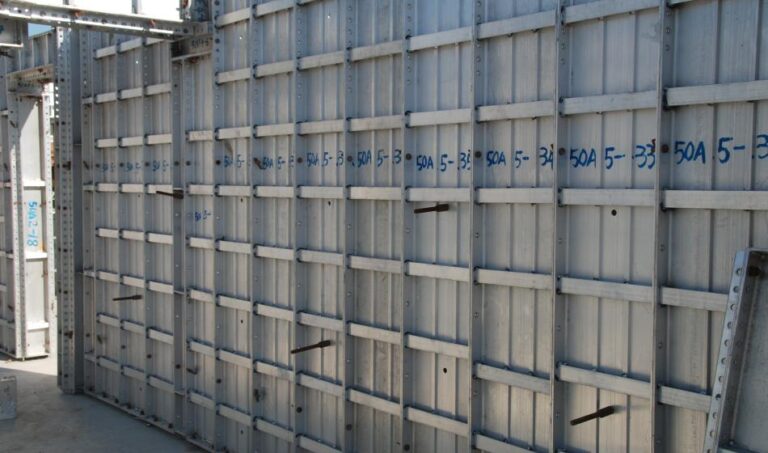
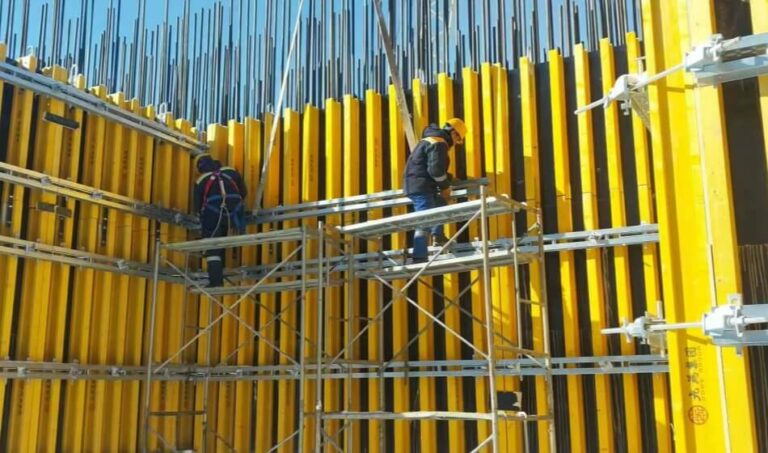
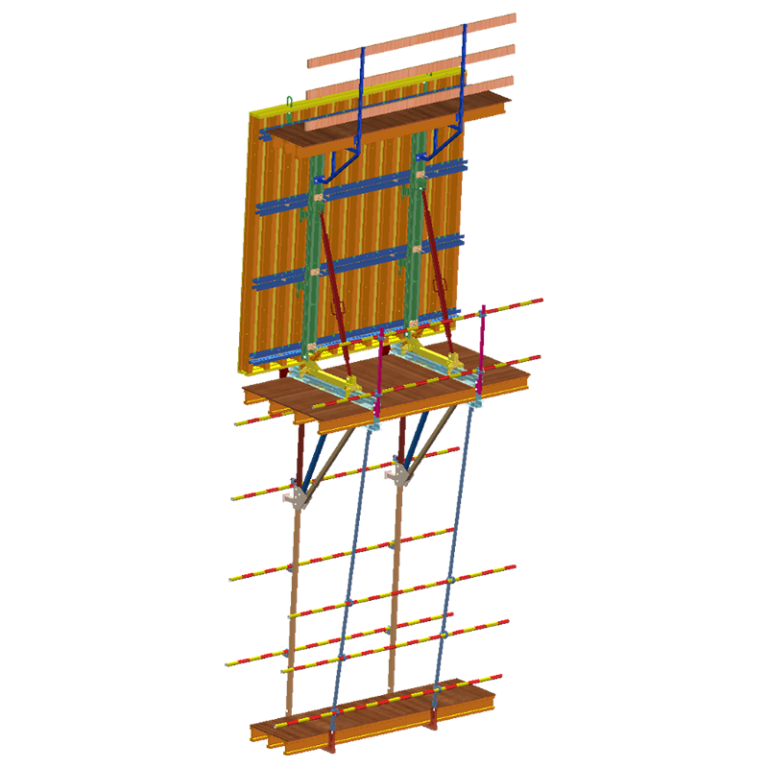
Excess load arises when new concrete applies forces beyond the system’s limit. Lacking proper side supports or ties, side shifts might make panels swell or break free. With high-strength and lightweight, GOWE aluminium formwork system is an ideal choice for construction, and highly acclaimed by construction workers due to its light weight and flexibility. It can withstand 60KN/m’ concrete side pressure, and realize one-time whole pouring and forming of both vertical and horizontal structure, and it can be dismantled in advance for the horizontal structure. These traits illustrate how modern materials lessen overload threats. Meanwhile, they preserve a smooth workflow.
Effective Strategies for Preventing Formwork Failures
Comprehensive Planning and Design Review
Halting collapses starts with careful planning. Running full load reviews aids engineers in spotting possible soft spots before work begins. Bringing in skilled experts for plan checks secures adherence to global safety norms. GOWE provides engineering consultation, product references, and customized design to deliver safe, efficient, and tailored scaffolding and formwork solutions. This combined method backs precise shaping of tailored concrete formwork setups for varied sites.
In practice, this groundwork pays off by catching issues upfront. It sets a reliable base for the entire effort.
Quality Control in Materials and Construction Practices
Material standards impact build dependability right away. Builders need to obtain parts from dependable vendors. These feature-tested quality controls. GOWE has a strict quality management system, including incoming material inspection, in-production inspection, finished product inspection, pre-shipment debugging, finished product transportation inspection, and every link of transportation to the construction site is strictly controlled, to ensure high quality and safety for customers. Applying phased reviews on location assures all items hit use benchmarks beforehand.
Consequently, such measures build lasting trust. They prevent costly setbacks down the line.
Engineering Best Practices for Safe Formwork Operations
Training and Skill Development for Workers
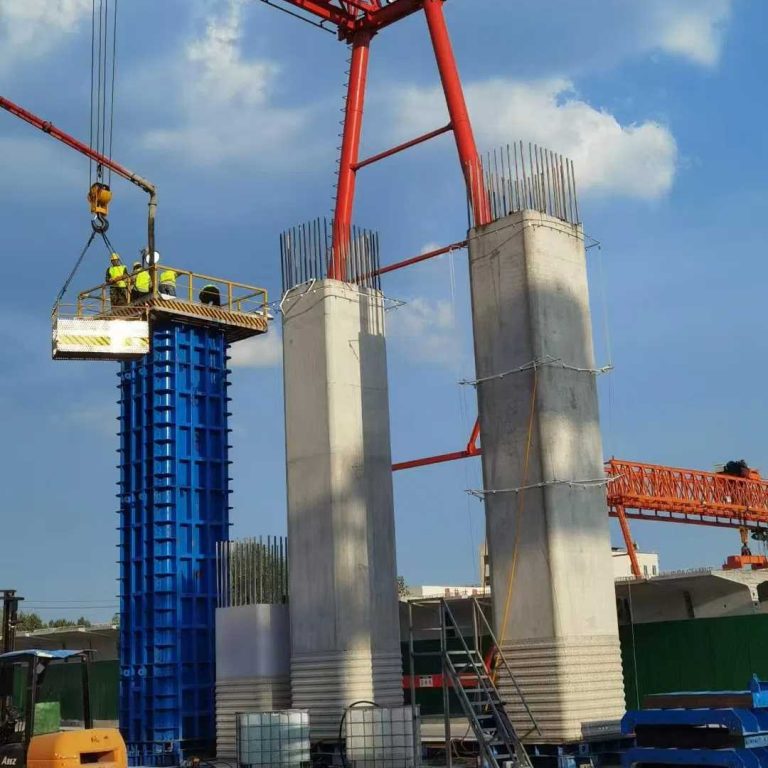
A prepared team proves vital for upholding safety in metal and concrete formwork tasks. Staff ought to join steady sessions on setup methods, weight control basics, and crisis responses. Cert programs confirm their skill in managing intricate piece systems without danger.
However, real gains come from blending theory with hands-on drills. This approach sharpens responses effectively.
Implementation of Safety Protocols and Inspections
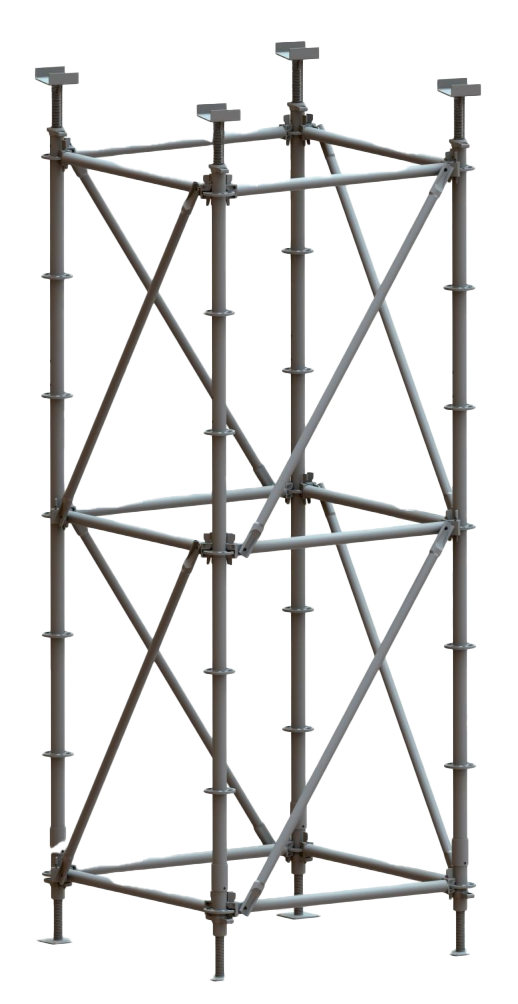
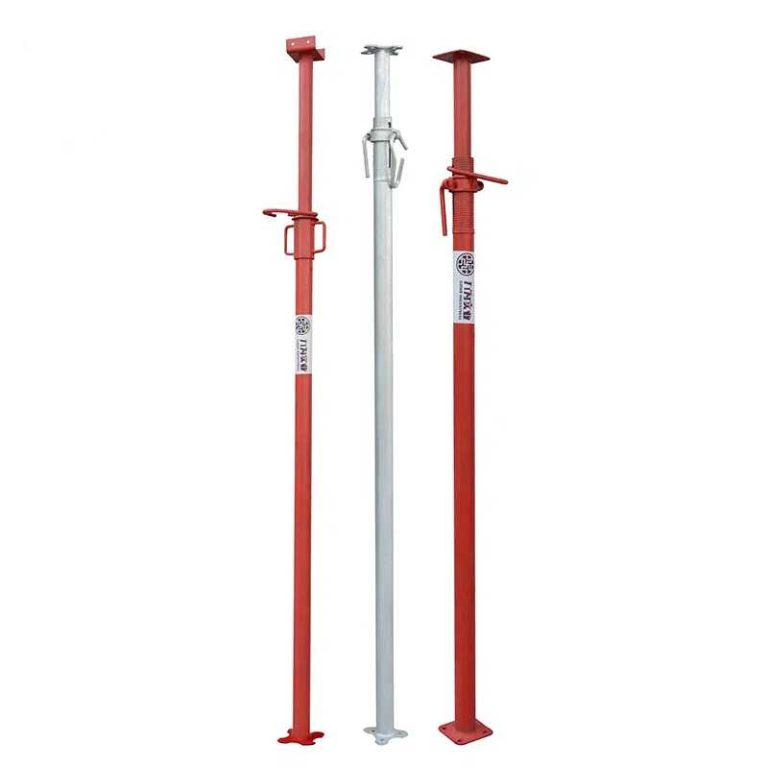
Standard checks spot initial wear or shakiness. They curb growth into large troubles. Timed upkeep scans on side links and lines guarantee ongoing firmness across each pour round. Modern scaffolding setups with added safety tools cut down further on hand-mistake risks.
GOWE Enterprise Solutions for Formwork Safety
Innovative Formwork Systems Offered by GOWE
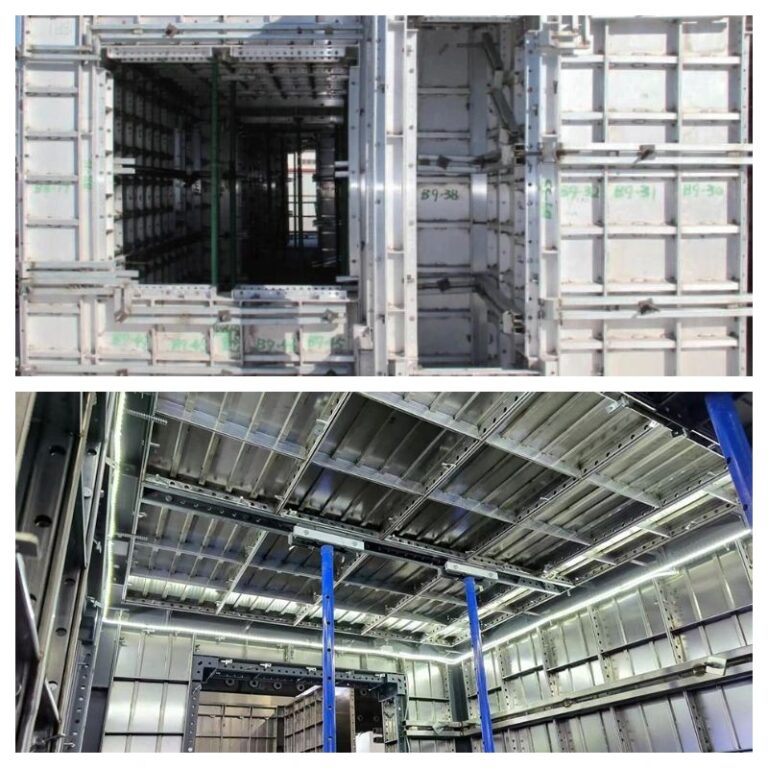
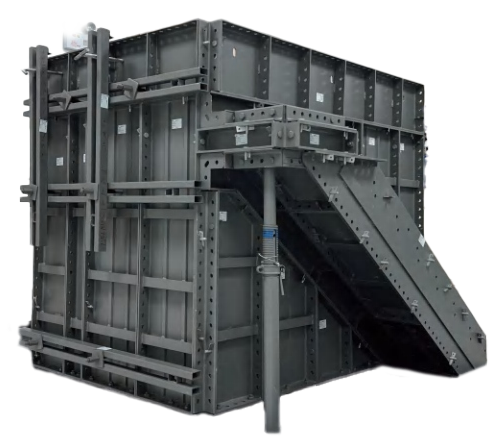
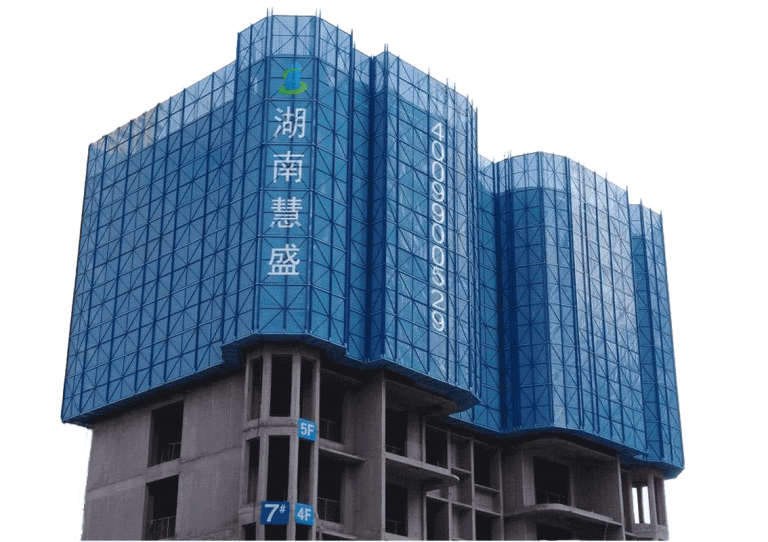
GOWE’s range holds various fresh tech aimed at improving safety in every project kind. The aluminum formwork system is a high-efficiency solution for RCC load-bearing and RCC-framed multi-story buildings. It enables walls and slabs to be cast in a single operation, significantly boosting construction speed while delivering a strong, monolithic structure with a superior concrete finish. Its modular nature allows precise alignment while reducing labor intensity on-site.
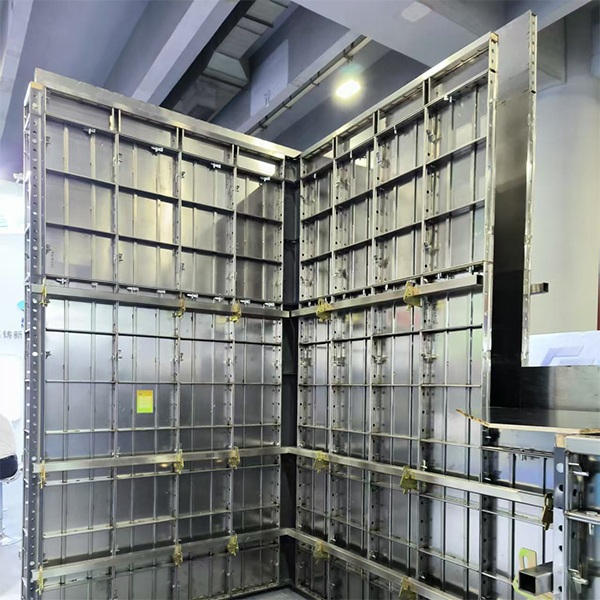
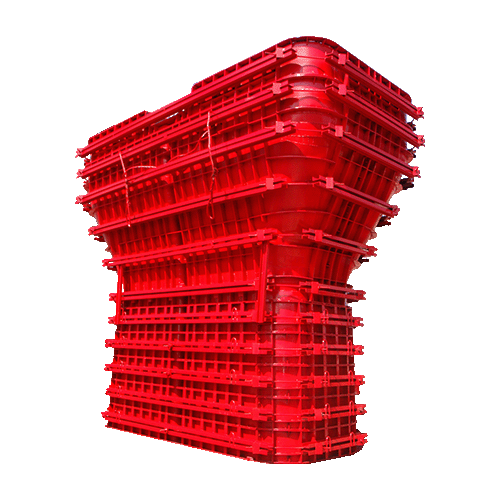
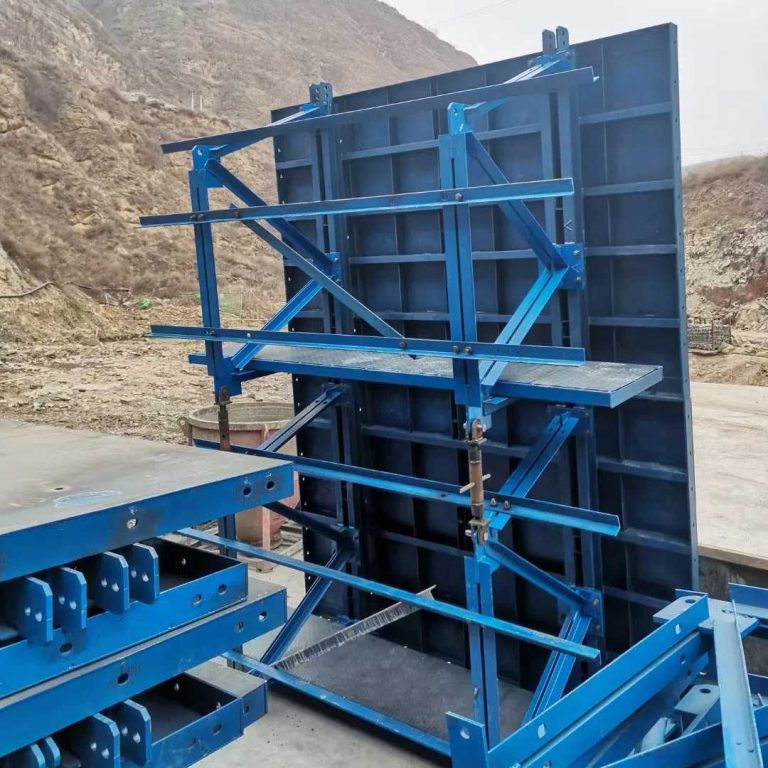
Engineered for performance, GOWE High-Strength Stainless Steel Formwork provides superior strength and precision in structural formwork applications. These advances blend smart watch tech for instant fixes in pours. Such elements stand essential for vast infra works led by expert concrete formwork contractors.
GOWE’s Commitment to Safety and Efficiency
As one of the leading manufacturers and suppliers of Formwork and Scaffolding systems, GOWE has integrated R&D, production, sales, leasing, construction, and operation. The company emphasizes lifecycle management through its CPCO+S framework, encompassing consultation, production oversight, on-site supervision, operation support, and after-sales service. These services are reinforced by comprehensive training programs that empower teams to manage complex installations efficiently while maintaining strict adherence to global safety standards.
Summary of Key Insights on Preventing Formwork Failures
Recap of Causes, Solutions, and Best Practices
Concrete formwork failures typically arise from a lack of design checks or subpar materials. These pair with faulty setup ways. Performing strict load studies in prep phases helps. Tight quality steps over making rounds bolster this. Steady team training backs it up. Therefore, builders avert most events successfully.
This balanced tactic feels straightforward yet powerful. It tackles core problems head-on.
Emphasis on the Importance of Continuous Improvement
Sustainable improvement requires steady funds for fresh ideas. Through research-driven development initiatives such as intelligent monitoring systems integrated into modular assemblies like aluminium alloy frameworks, organizations can elevate both productivity levels and operational safety benchmarks across global projects.
FAQs
Q: What are the early warning signs of potential formwork collapse?
A: Visible misalignment or excessive deflection during pouring often indicates instability requiring immediate inspection.
Q: How does aluminium alloy improve custom concrete formwork performance?
A: Its lightweight yet strong composition enhances handling ease while maintaining superior load resistance under pressure.
Q: Why is continuous worker training vital for formwork safety?
A: Regular training ensures crews understand updated procedures, reducing human errors during assembly or dismantling phases.
Q: What role do inspections play in preventing structural failures?
A: Systematic inspections detect fatigue or damage early, allowing timely reinforcement before serious deformation occurs.
Q: How does digital monitoring enhance modern metal concrete formwork systems?
A: Real-time sensors provide instant feedback, enabling corrective adjustments that maintain stability throughout casting operations.