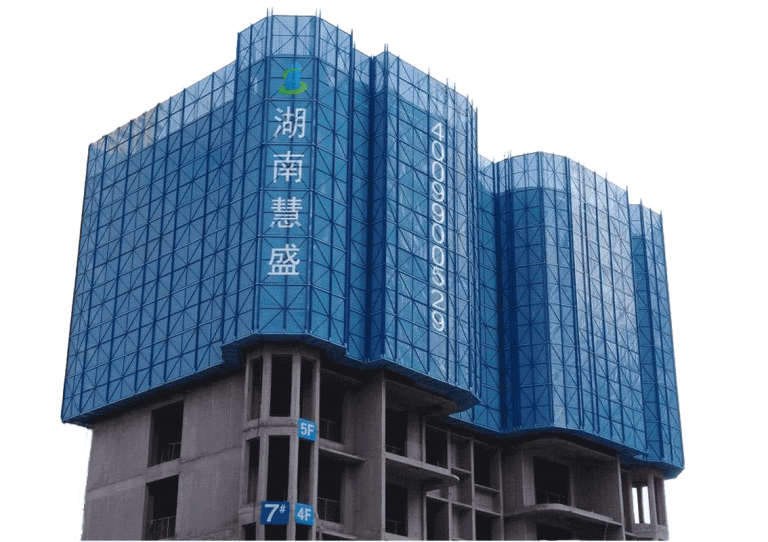
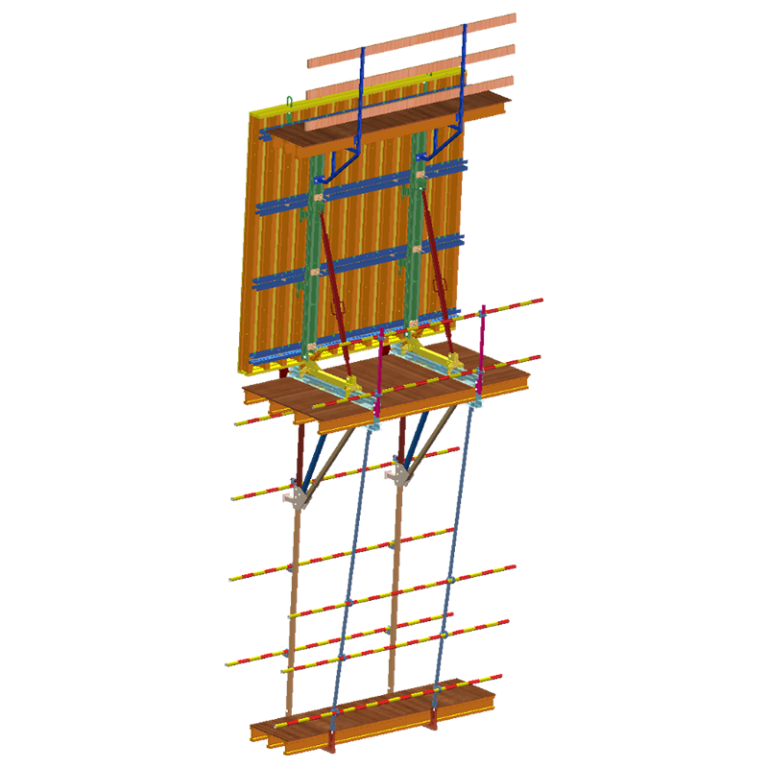
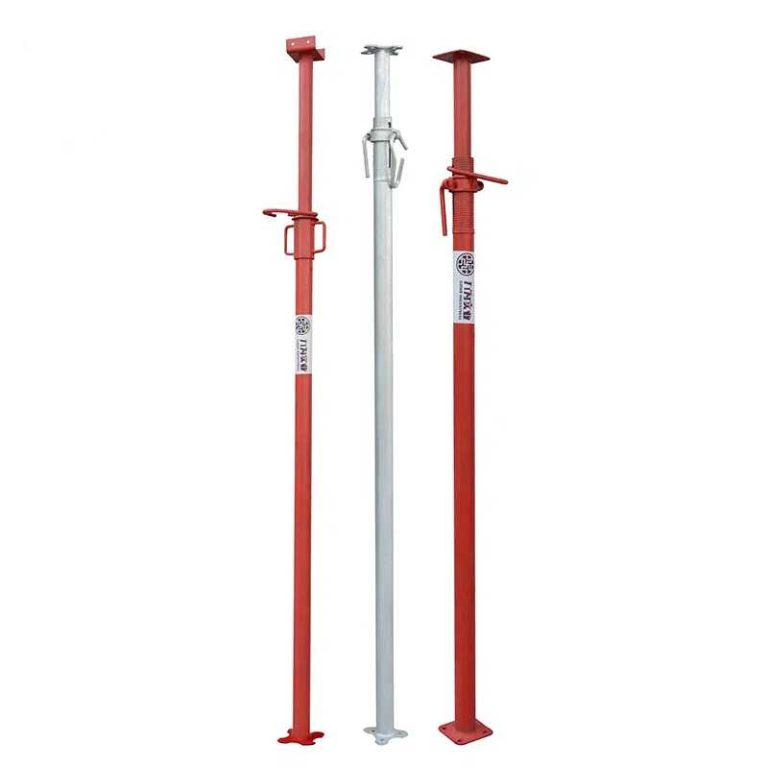

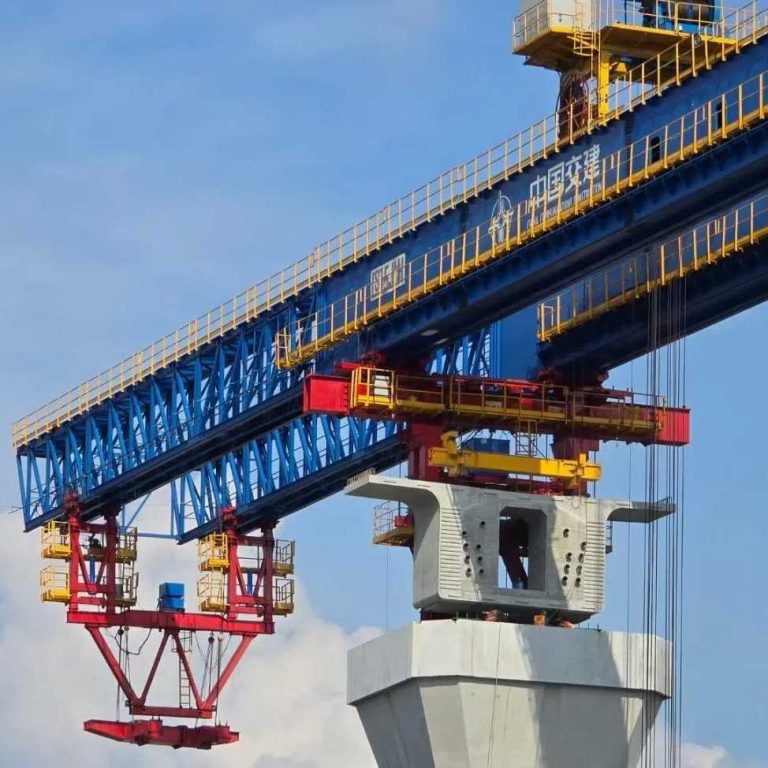
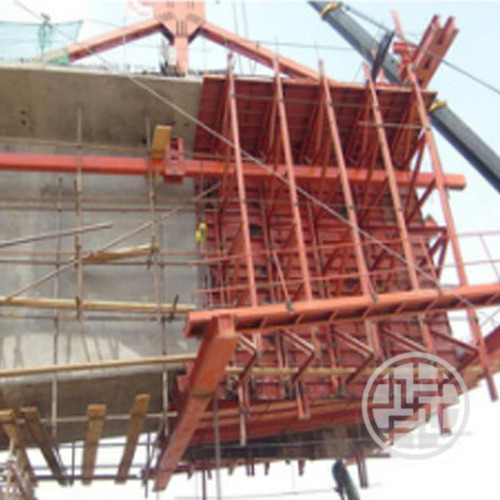
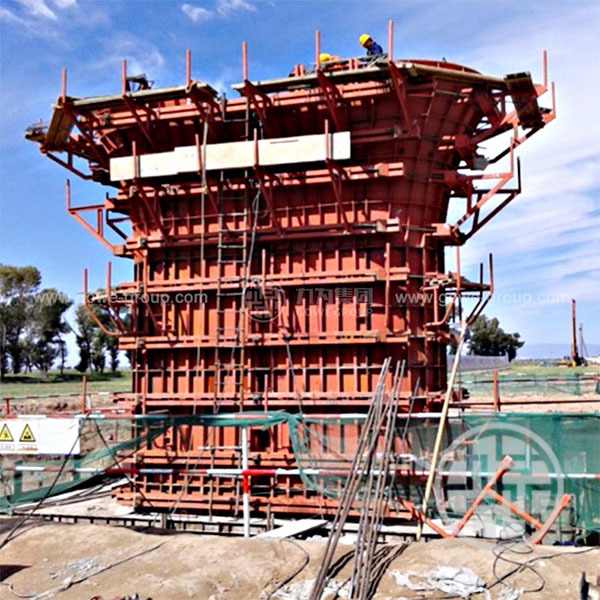
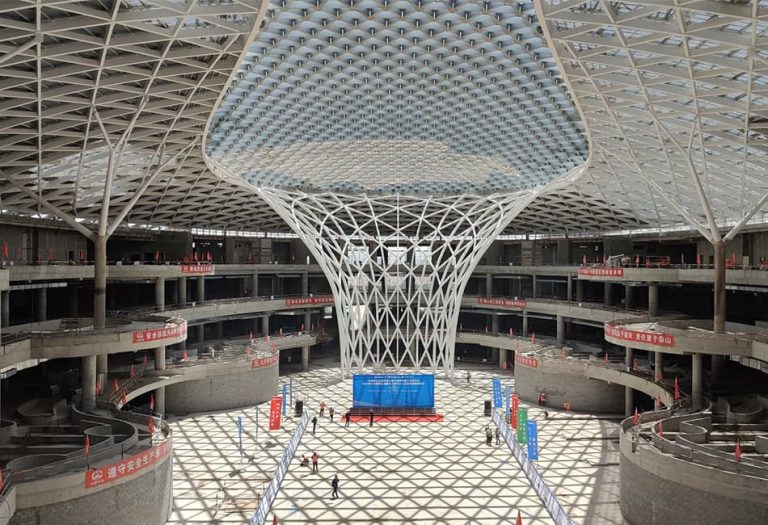
In the fast-changing world of global building projects, the speed of pouring concrete depends on more than just the mix. It relies on the basic frame that keeps it in shape. Formwork frame systems have moved past simple short-term props. Now, they act as carefully built tools that control safety, pace, and finish quality in today’s key structures. For managers and engineers, knowing these systems marks the line between a job that hits its budget and one hit by expensive delays.
What Are Formwork Frame Systems and Why Are They Crucial for Modern Concrete Construction?
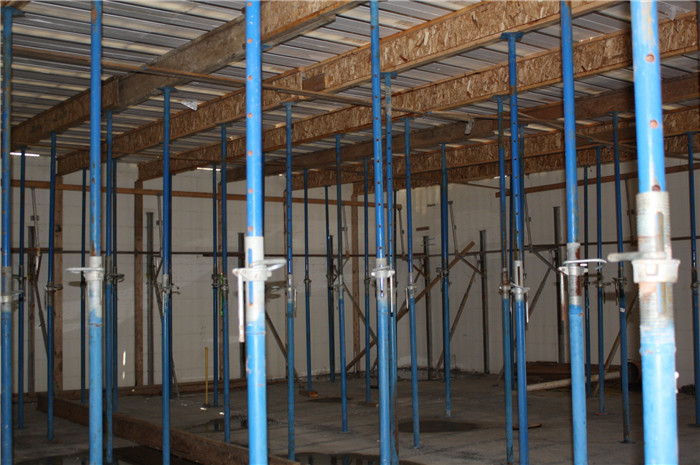
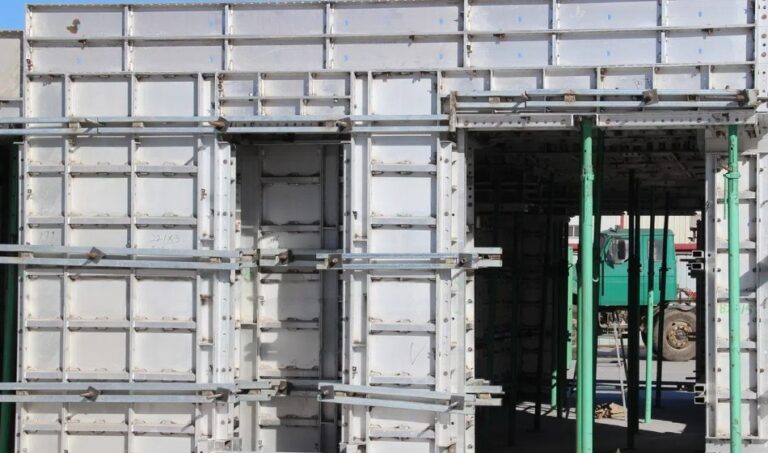
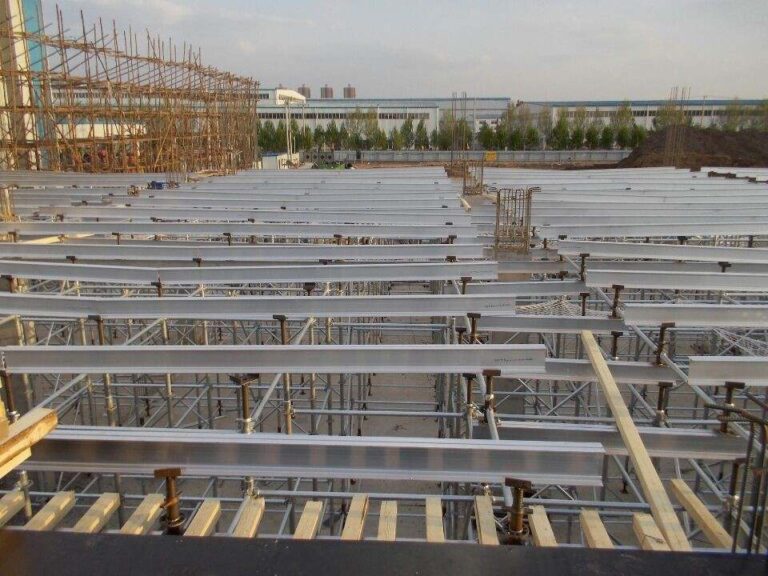
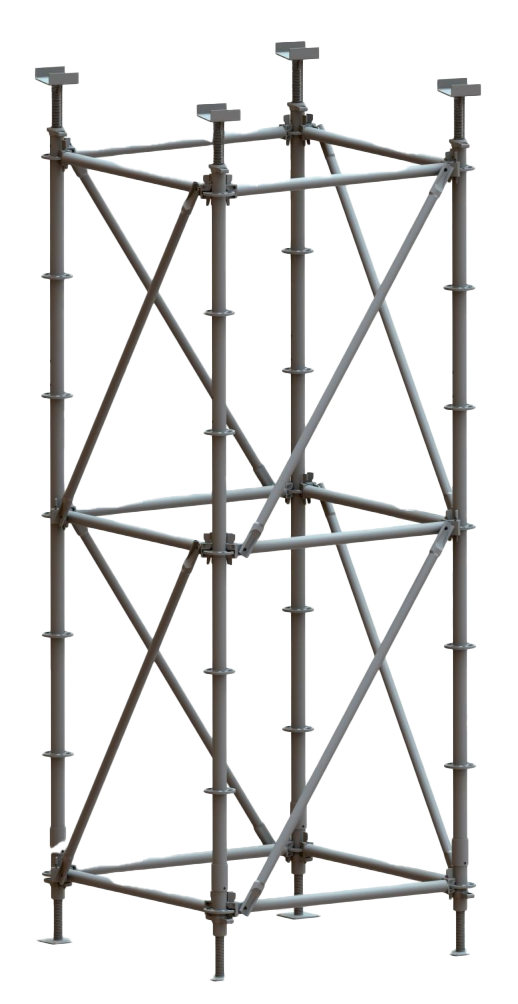
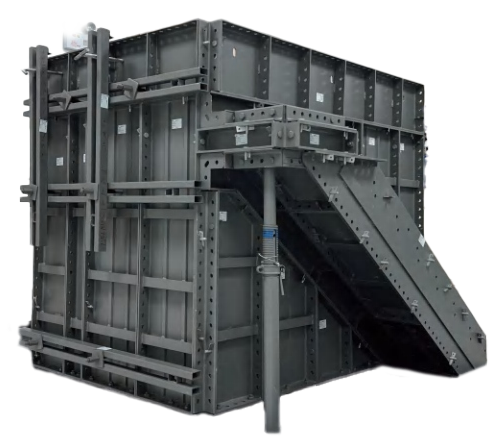
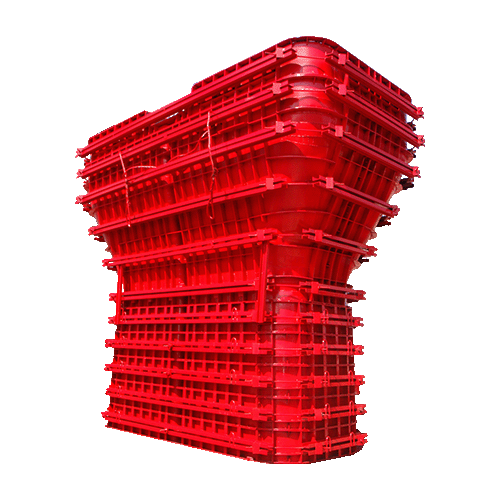
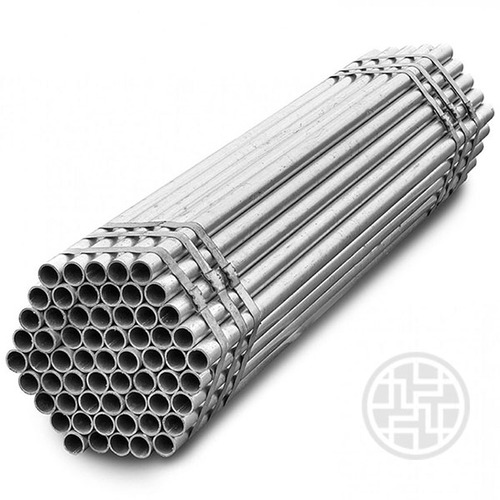
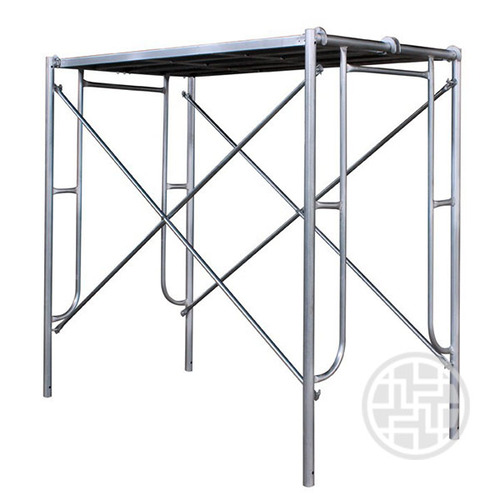
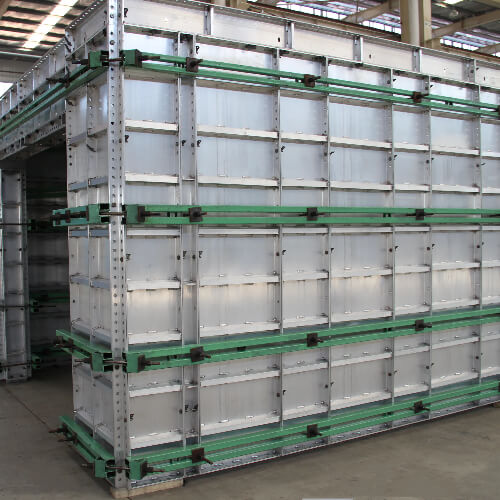
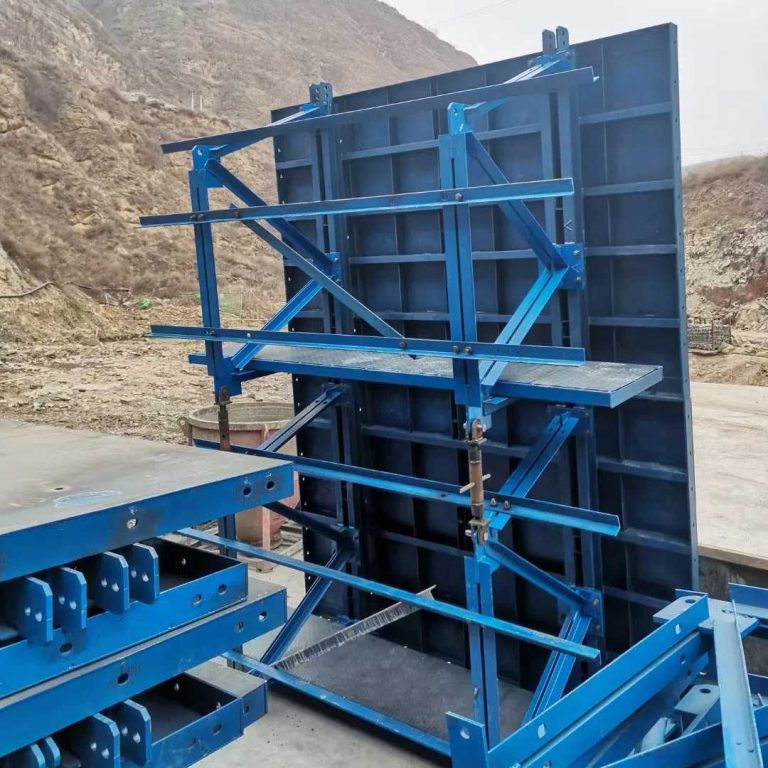
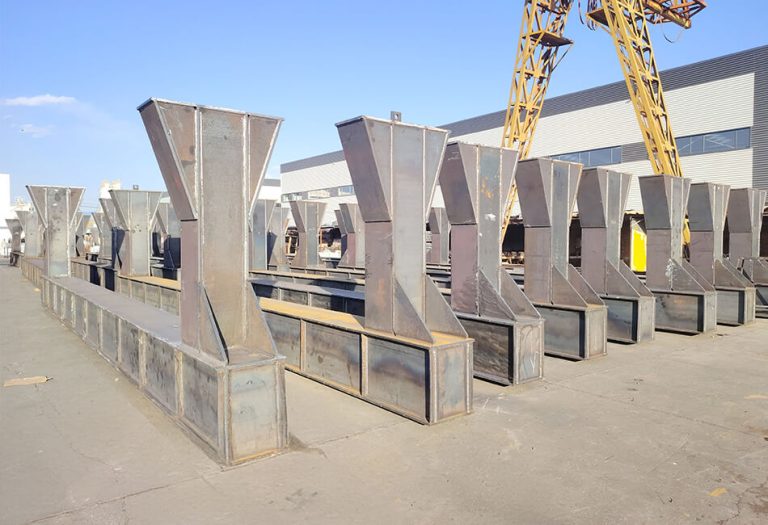
At its core, a formwork frame system is a prefabricated structural assembly designed to support the weight of wet concrete and reinforcement steel until the structure achieves self-supporting strength. Unlike traditional timber shuttering, modern frame systems are modular, allowing for rapid assembly and extreme precision.
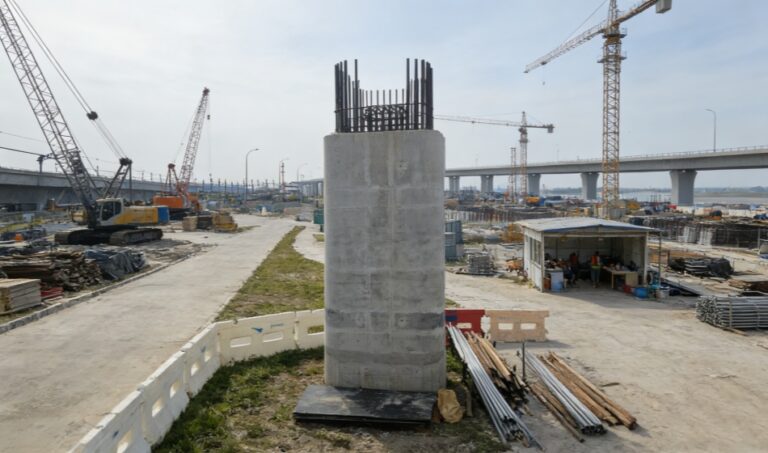
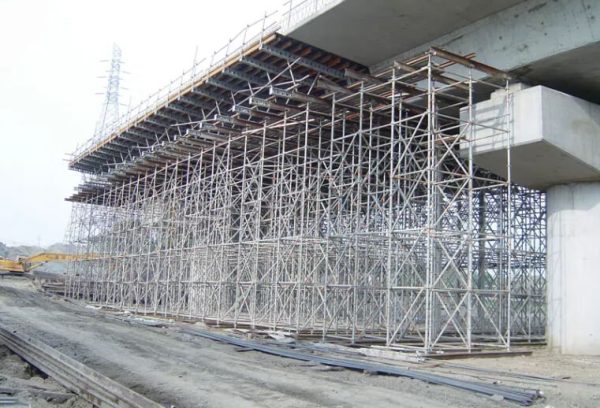
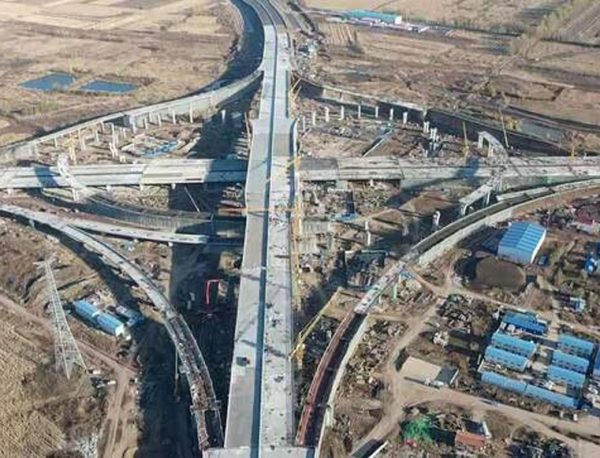
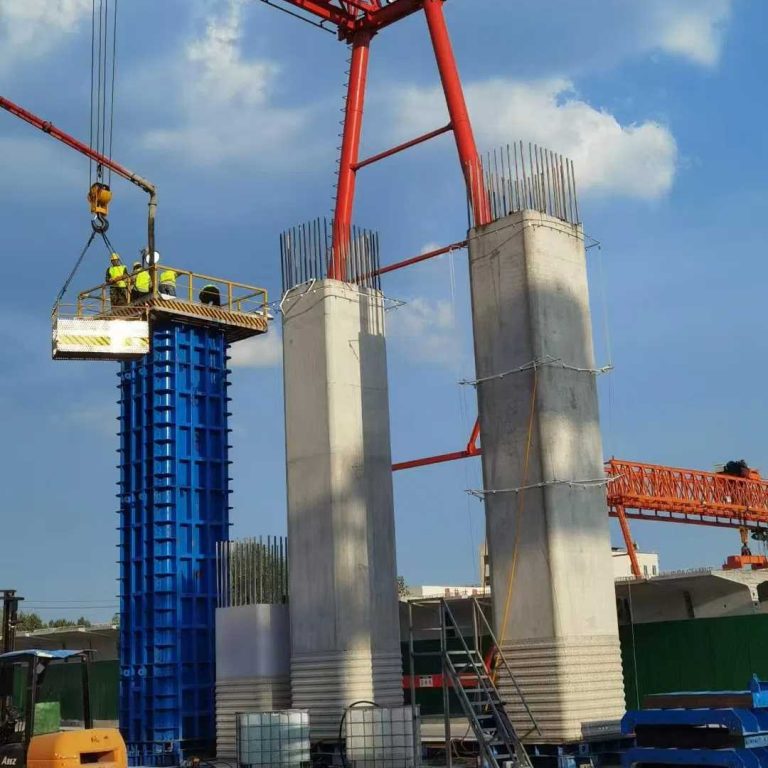
These systems matter because they handle huge water pressure from the concrete. As structures rise higher and shapes get trickier, the need for strong, reusable frames has grown fast. They do more than hold the concrete in. They also give the exact shapes needed for tall building centers and solid bridge bases. From our 30 years in the field at ゴー, we see that using standard frames cuts down mistakes by workers. This keeps the concrete’s strength solid from the start of pouring to the end.
The Anatomy of Formwork Frame Systems: Breaking Down the Essential Components
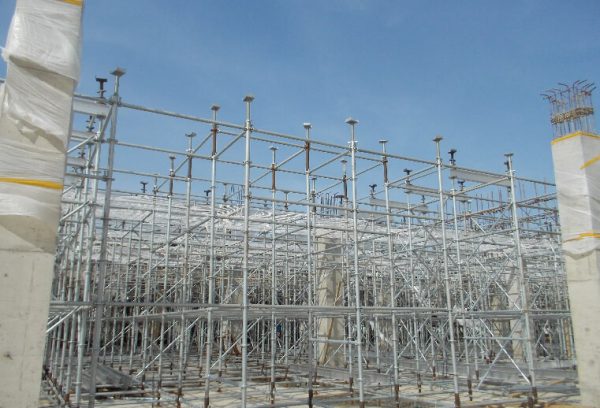
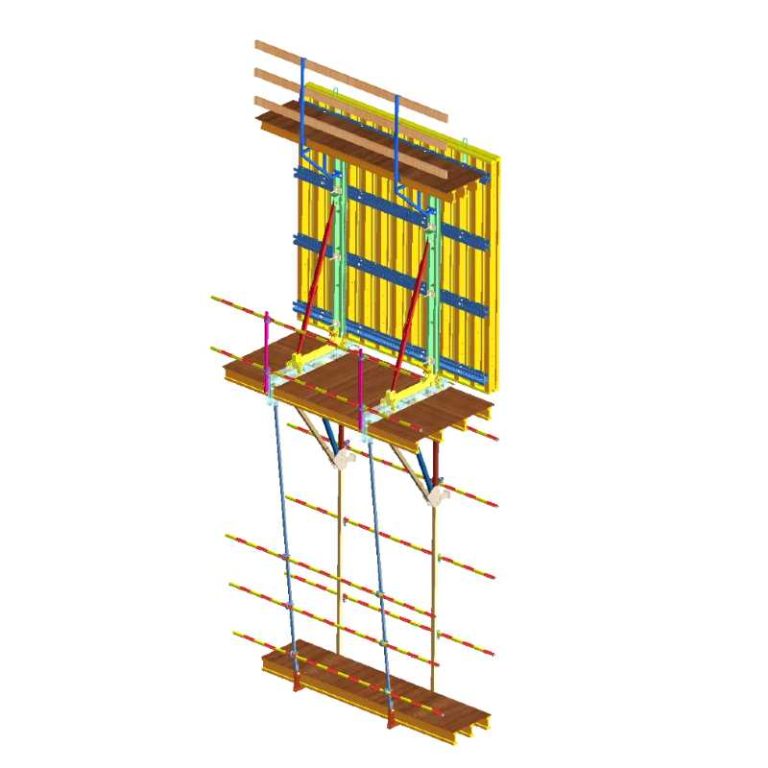
To see how well these systems work, consider how their parts fit together. A small link failure can cause a major break during the pour.
Primary Load-Bearing Members: Studs, Joists, and Panels
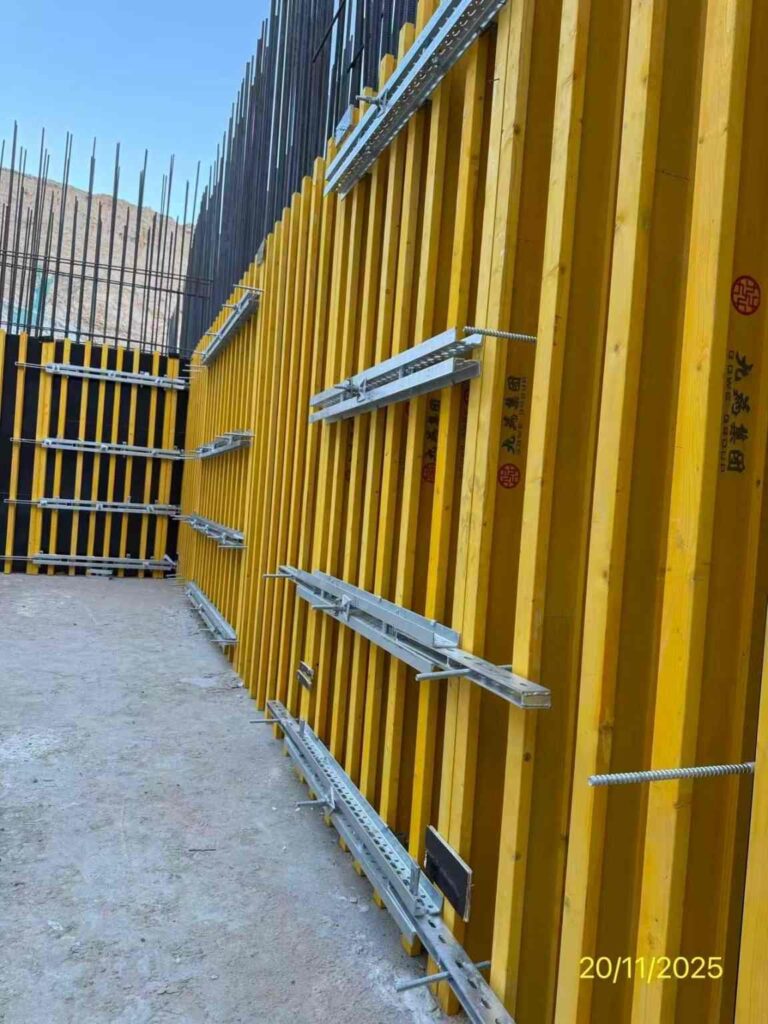
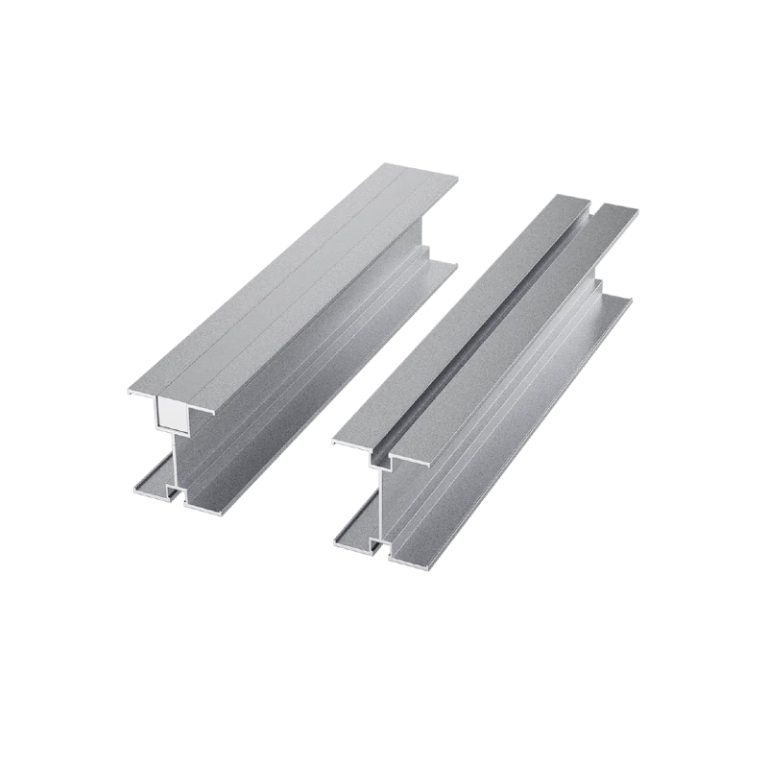
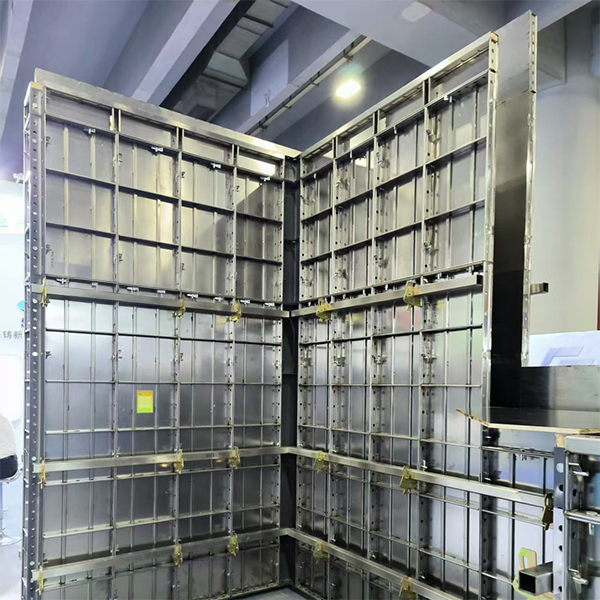
The “skin” of the system is the panel, often made of durable metal materials like steel, high-quality plywood, or composites, which directly contacts the concrete. Supporting this are the studs (vertical) and joists (horizontal). In high-performance フォームワーク frame systems, these members are engineered to minimize deflection under heavy loads, ensuring the resulting concrete surface is perfectly smooth and plumb.
Lateral Support Systems: The Role of Walers and Strongbacks
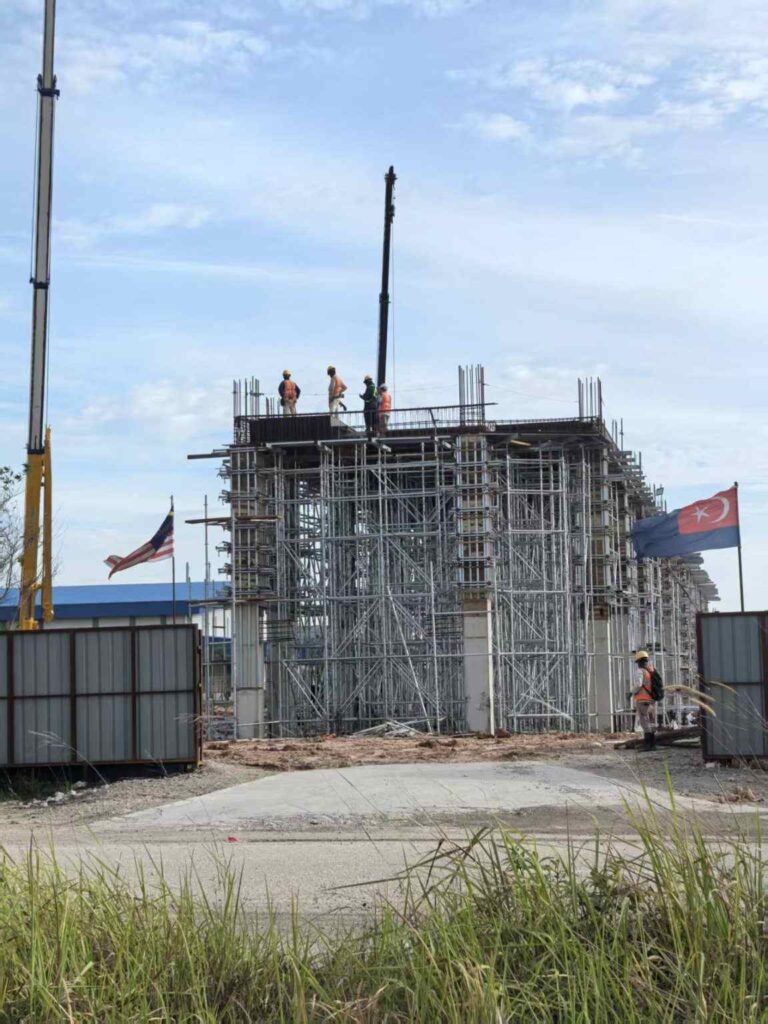
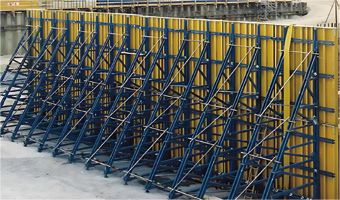
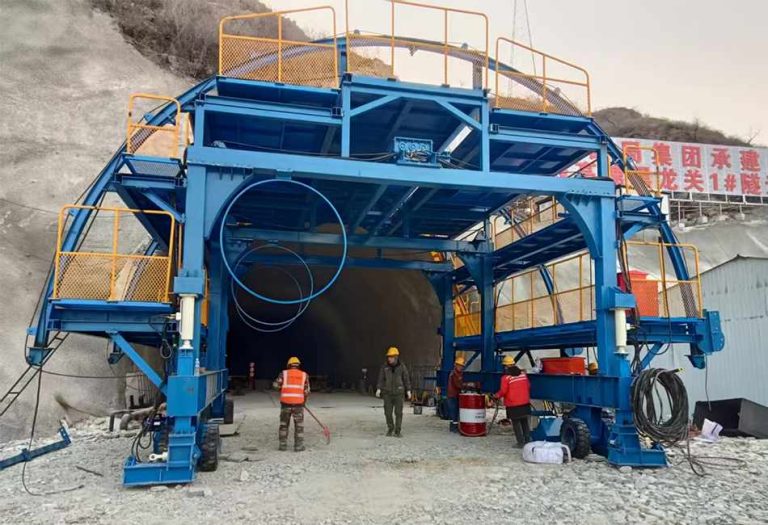
Panels keep the concrete’s face in place. Walers, or wales, are horizontal bars that spread the weight over the studs. In big pours, like those in the China-Thailand High-Speed Railway Project, strongbacks add vertical help. They give extra firmness. This stops the frames from bending out.
High-Precision Connection Hardware: Ties, Clamps, and Brackets
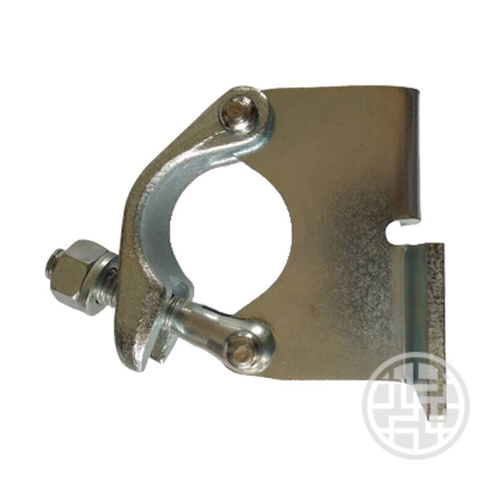
The links that hold it all are strong ties and clamps. These must go on simply. Yet, they need to fight off tons of pull. At GOWE, we focus on how the main and extra parts match up. This makes sure each clamp and bracket fits right. It keeps a tight seal with no leaks.
Steel vs. Aluminum: How to Choose the Right Material for Your Formwork Frame System?
Picking the material is a key choice. It shapes both the moving plans and the final costs of a job.
Maximizing Durability with Heavy-Duty Steel Frames
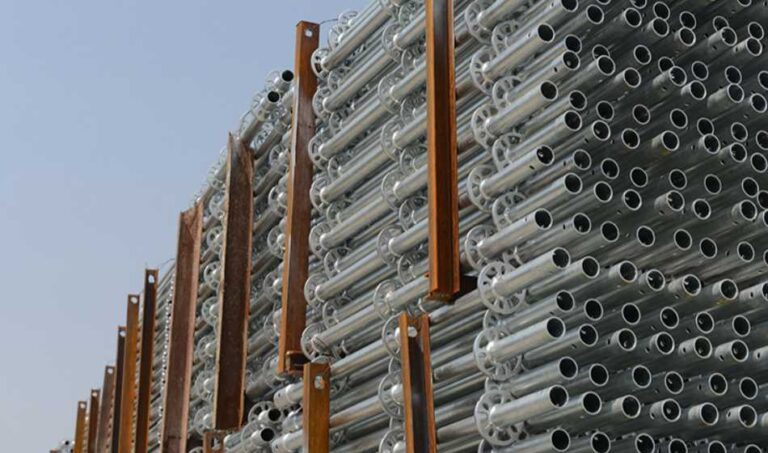
Steel formwork frame systems, often featuring all-steel panels for maximum wear resistance, serve as the main tools in the field. They give top strength and can be used many times over. This makes them right for large building jobs. Their ability to carry heavy loads fits big civil works. There, the amount of concrete is vast.
Achieving Speed and Flexibility with Lightweight Aluminum Systems
For residential high-rises or プロジェクト with limited crane access, aluminum frame systems offer a distinct advantage. Being significantly lighter, they can often be “man-handled” or moved in larger sections, drastically reducing the cycle time per floor. The choice often comes down to the balance between the weight of the components and the required number of reuses.
How Do Modular Formwork Frame Systems Optimize Project ROI?
In business building work, Return on Investment, or ROI, shows in fewer work hours and longer tool life.
Reducing Labor Costs Through Standardized Assembly and Disassembly
Modular formwork frame systems skip the need for expert woodworking each time. The parts all match standard sizes. So, site teams learn fast to put together the simple block-style builds. This steady process allows better time plans. It also lowers worker costs per area of concrete.
Enhancing Lifecycle Value via High Repeatability and Durability
A good system acts as a long-term gain, not just a cost. Using setups with more than 360 patents and deep research, like ours at GOWE, lets builders cut the price per use. From handling over 10,000 jobs worldwide, we find that starting with a solid frame saves big on fixes and swaps over ten years.
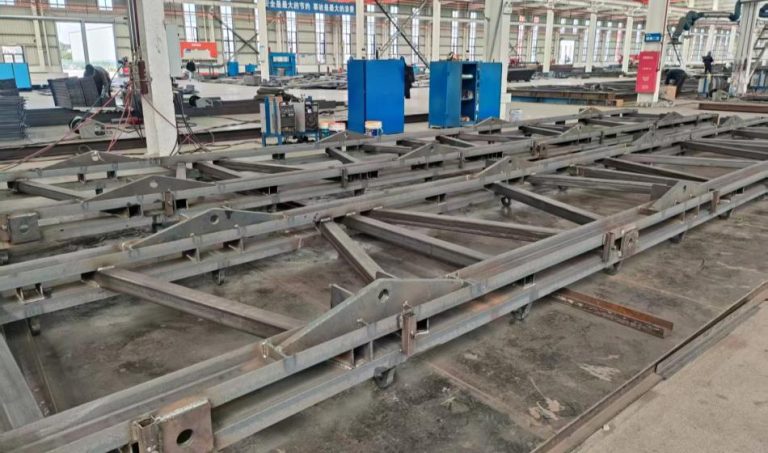
How Can Engineering Solutions Enhance the Performance of Your Formwork Frame Systems?
A tool works only as well as the idea behind it. Here is where suppliers turn into true partners.
Integrating Design Planning with On-Site Structural Requirements
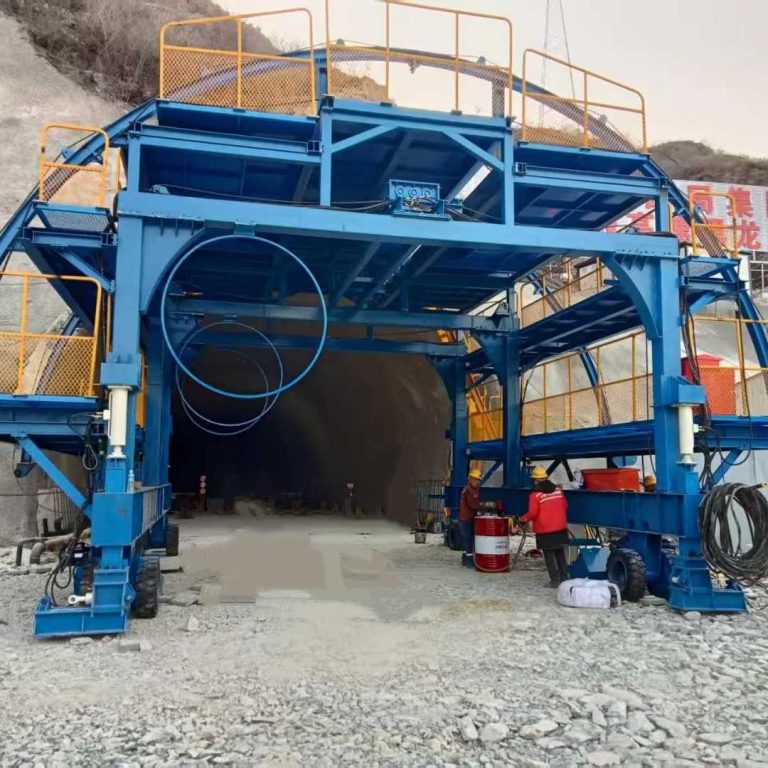
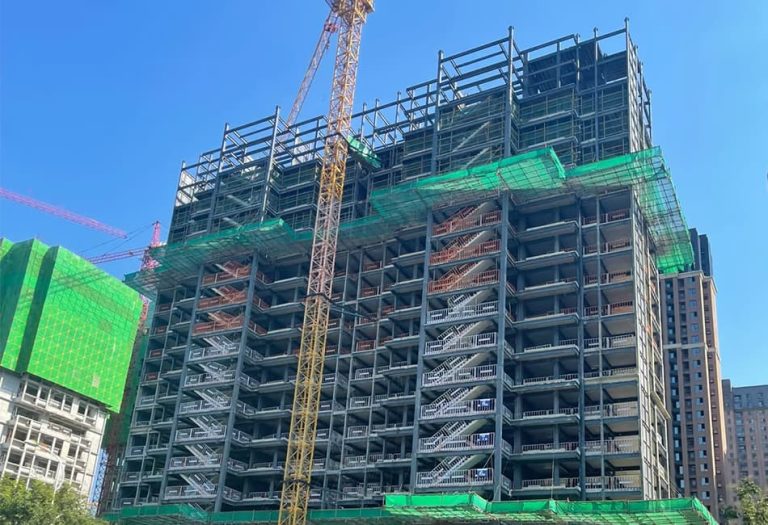
At GOWE, we use our CPCO+S solution to make a custom plan for each job. Trained engineers check odd parts. They ensure these fit the site’s special build needs. This could be a tough tunnel or home housing, like in Xiong’an. The plan stage fixes setup issues before they hit the site.
The Impact of Professional Technical Guidance on Construction Safety
Safety comes first, always. Giving site tech help makes sure formwork frame systems go up just as planned. We supply focused support to lead teams on the key first floors. This way, the system reaches its full safe and usable state.
Future Innovations: The Evolution of Intelligent Formwork Frame Systems
Looking to 2026 and later, the field heads to smarter frames. This means adding sensors in formwork frame systems. They track concrete pressure and heat right away. These changes allow quicker removal times and safer work. They point to the next step in concrete build tech.
よくあるご質問
Q: What are the primary components of formwork frame systems that I should prioritize for safety?
A: For top safety, check the weight-holding strength of the frames. Also, look at the pull strength of the wall ties. And ensure the brace parts stay steady. At GOWE, we stress that strong formwork systems and well-matched extra parts form the base of a safe site.
Q: How do I choose between steel and aluminum formwork frame systems for a high-rise project?
A: If cranes work well and you want max reuse, steel saves money over time. But if you need fast moves between levels with less crane help, light aluminum systems boost the pace better.
Q: Can modular formwork frame systems really reduce the total project budget?
A: Yes, mainly by cutting worker costs and waste. Standard modular systems speed up the put-together and take-apart steps. Working with skilled teams like GOWE gives full solutions. These improve the whole life of the build tools.
Q: What should I look for in technical guidance when using complex formwork frame systems?
A: Make sure your supplier gives expert engineer checks on the plan. Also, seek site help for the first setup. We offer tech guide services fit to your timeline. They fix setup and start issues in the key stages.
Q: How does the durability of formwork frame systems impact long-term infrastructure quality?
A: Strong frame systems keep their form under force. This makes sure concrete hits tight build standards. It avoids weak spots from bending. Plus, it gives a fine finish with less fix work after pour. This is a mark we keep in over 10,000 build jobs.