What Are the Key Aluminium Formwork Trends Emerging in 2026?
Shifts in Global Construction Practices Driving Aluminium Formwork Adoption
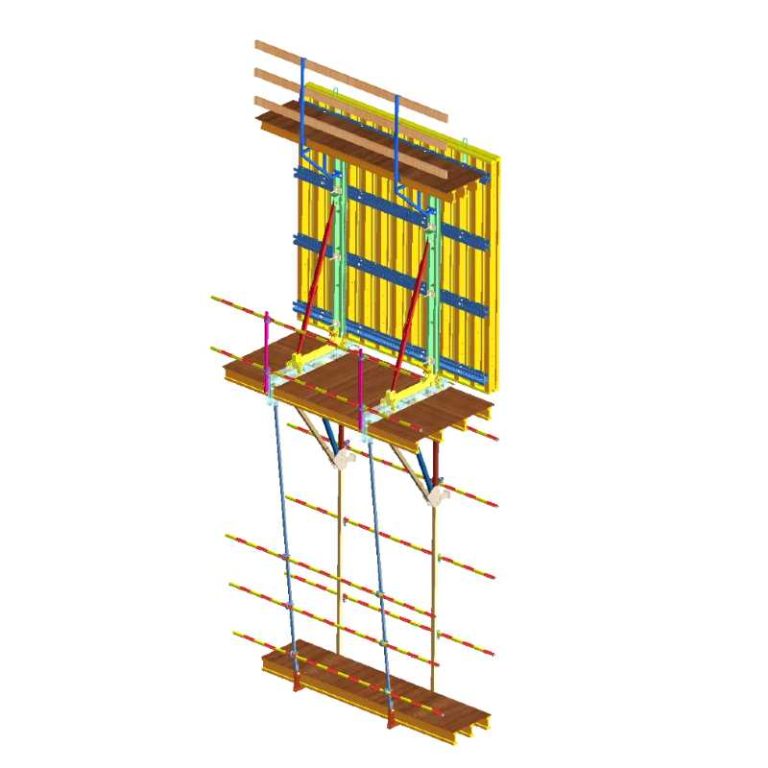
The global construction sector is facing big changes. These stem from the need for quicker, greener, and more exact methods. Developers want building systems that are fast and eco-friendly. This demand is changing how they handle structures. アルミ型枠 serves as a fresh type of building template. It comes after wood and steel formwork. The main material is aluminum alloy profiles. Workers process it mechanically and weld it to create templates. These suit concrete jobs well. Such progress fits urban growth patterns. They focus on modular and pre-made construction. This helps meet housing needs in a smart way.
Labor shortages hit major economies hard. As a result, builders turn to organized フォームワーク tools. They pick aluminum formwork more often. It is light and simple to put together. This lets workers with basic skills handle it well. Aluminum formwork weighs little and is easy to move. So, installation happens fast and safely. Teams can set it up without cranes or big lifting gear. Even workers without much experience can learn to build the system quickly. Automation is becoming common at work sites. This flexibility keeps quality steady. At the same time, it cuts the need for huge teams of workers.
Technological Innovations Transforming Aluminium Formwork Systems
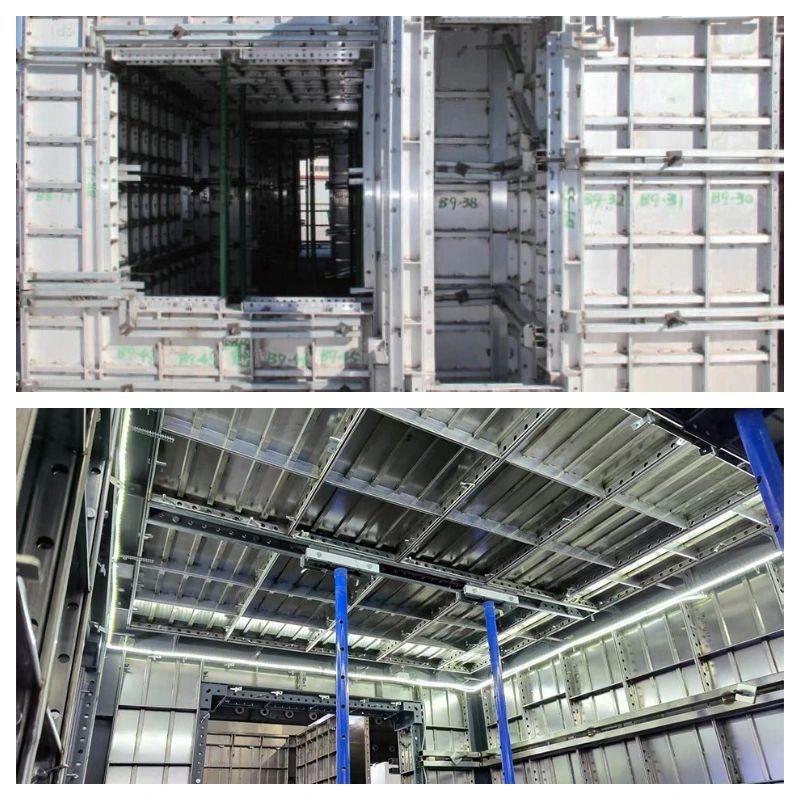
Digital transformation continues to redefine how aluminium formwork systems are designed and implemented. Building Information Modeling (BIM) integration now allows engineers to simulate structural performance before fabrication, minimizing on-site adjustments. Smart sensors embedded within panels are being used to monitor stress levels and temperature variations in real time, ensuring safety compliance throughout construction cycles.
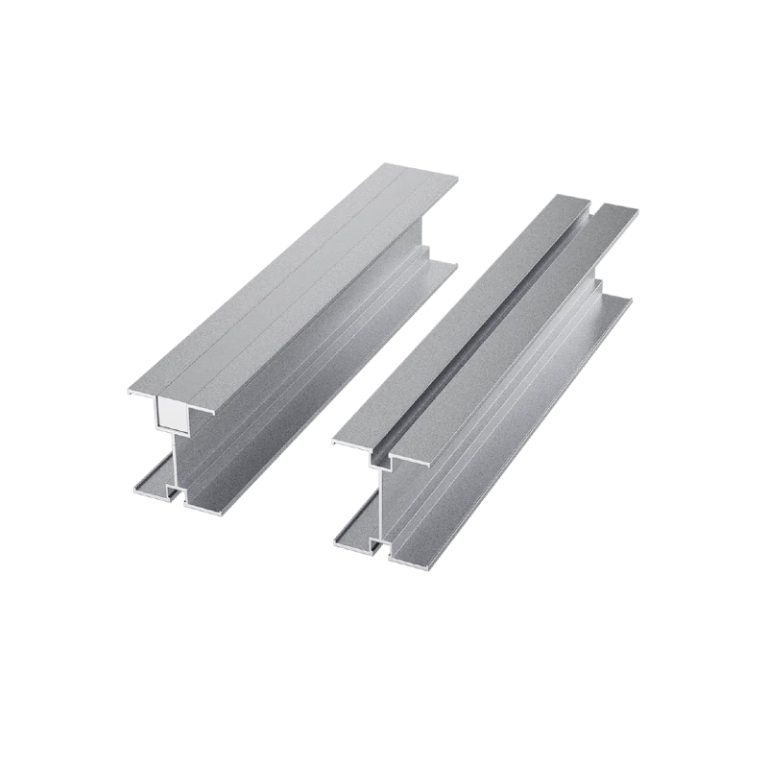
New ideas in material science shape better aluminum alloys for formwork. The aluminum formwork system acts as a strong fix for RCC load-bearing and RCC-framed multi-story buildings. It lets walls and slabs form in one pour. This speeds up building a lot. It creates a solid, single-piece structure with a fine concrete surface. Steady progress in light alloys boosts strength. It also drops shipping expenses. This matters in big city projects. There, smooth logistics affect profits directly.
Sustainability and Circular Economy in Aluminium Formwork Development
Sustainability remains at the core of modern construction strategies. Aluminium formwork’s recyclability supports circular economy models by reducing waste generation and carbon emissions across project lifecycles. Manufacturers are investing in closed-loop production systems that reclaim used panels for remelting and reprocessing without quality loss.
Low-energy making methods match worldwide green building aims. Aluminum formwork panels last for repeated use. They work up to 200 times without losing strength. This high reuse rate cuts raw material use. It also improves costs over time. Such factors matter as eco-rules get stricter around the world.
How Is the Aluminium Formwork Market Expected to Evolve by 2026?
Regional Growth Patterns and Market Segmentation
The Asia-Pacific region will continue dominating the aluminium formwork market due to rapid infrastructure expansion across India, China, and Southeast Asia. The Middle East’s focus on high-rise residential towers has further increased reliance on aluminium systems that ensure quick turnaround times under extreme conditions. Meanwhile, North America and Europe are adopting aluminium formwork primarily for sustainable retrofitting projects aimed at upgrading existing structures with minimal environmental impact.
The aluminum formwork system fits many building styles well. It works for low-rise to high-rise structures. This range makes it great for new builds and updates. Speed and exactness are key in those cases.
Competitive Landscape and Industry Consolidation Trends
Key partnerships form between material providers, builders, and tech firms. They push new ideas in the aluminum formwork field. Mergers among main companies grow output. They also improve supply lines in growing markets. Small makers target custom options. These suits tricky shapes like curved walls or mixed projects.
These shifts build a network. In it, standing out relies on skill in tech, careful building, and extra help. Such services include digital design aid or site training.
Investment Drivers Influencing Market Expansion
Government perks for green labels like LEED or BREEAM boost the need for reusable items such as aluminum formwork. Wood costs rise steadily. This nudges builders to pick lasting options. They lower full costs across projects.
Private funds see building tech as a fast-growing area. It offers room to scale. As digital tools mix with pre-made methods, money flows into aluminum formwork lines. This speeds up updates worldwide.
Which Challenges Could Shape the Future of Aluminium Formwork Manufacturing?
Cost Efficiency Versus Performance Optimization Dilemma
Makers face a tough balance. They want to lighten the weight but keep the structure strong. This aims to boost results without raising prices. Aluminum systems save money long-term through reuse. Yet, the starting cost can stop small builders from using them.
Full cost reviews now guide buying choices. Developers look at total expenses, not just the first price. Aluminum formwork systems speed up timelines greatly. They let one floor finish in just seven days. These speed facts often make high start costs worth it. Gains in output pay off over time.
Standardization and Compliance Across Global Markets
Different area rules make global approval hard for aluminum formwork items. To keep things steady in big projects, makers follow changing quality checks. These confirm size accuracy and safety fit.
ゴー has a strict quality management system, including incoming material inspection, in-production inspection, finished product inspection, pre-shipment debugging, and finished product transportation inspection. These steps show how close watch keeps trust. It works no matter the local standard differences.
Workforce Training and Skill Development Requirements
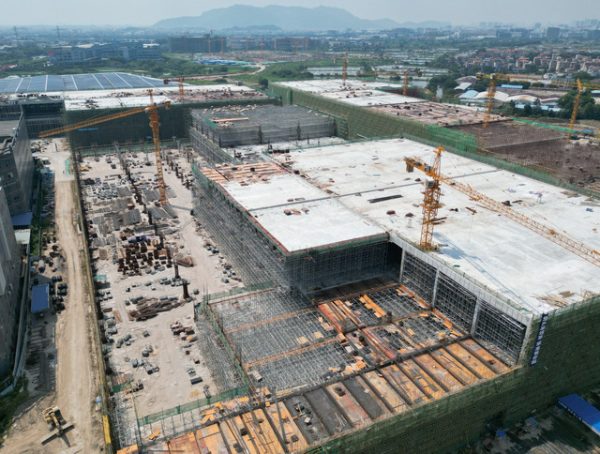
Building shifts to machines and pre-set parts. So, worker training is vital for the best output from aluminum formwork. Teams need know-how on panel fitting, weight spread, and take-down steps. This spreads through online tools or real practice sessions.
Digital aids in design flows help close skill holes. They guide groups via fake setups before real work. This cuts down mistakes on actual sites.
How Does GOWE Address Emerging Aluminium Formwork Needs in 2026?
Our Advanced Aluminium Formwork Solutions for Modern Construction Projects
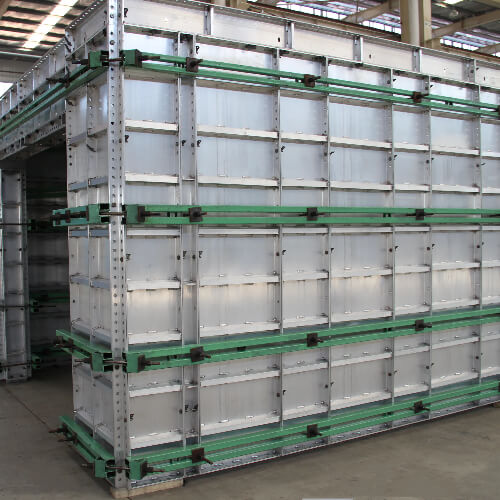
At GOWE, we build our aluminum formwork systems with care. This meets growing world needs for quickness and dependability. With high-strength and lightweight, GOWE aluminium formwork is an ideal choice for construction, and highly acclaimed by construction workers due to its light weight and flexibility. Our piece-based link designs allow fast setup. They keep the structure true and the safe rules intact.
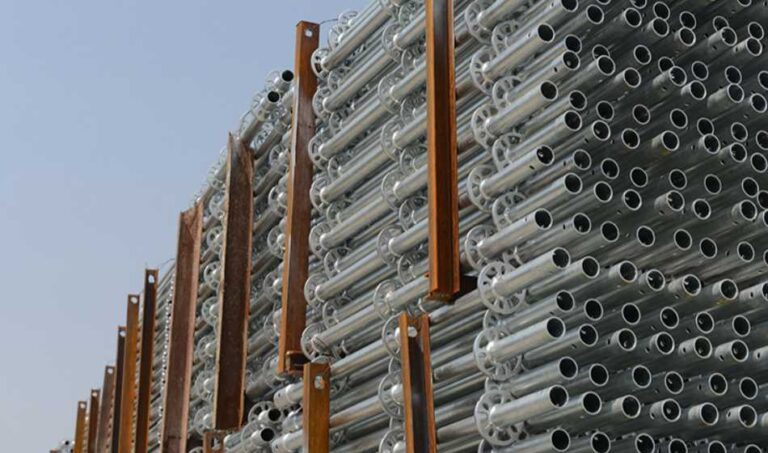
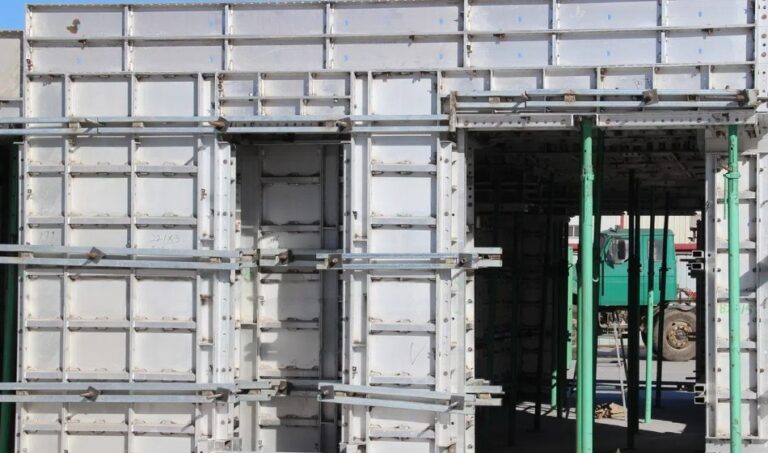
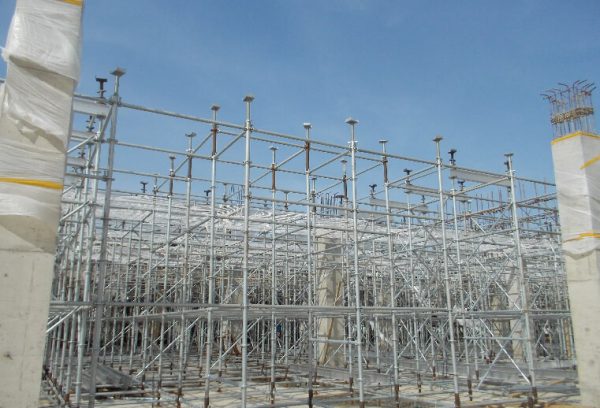
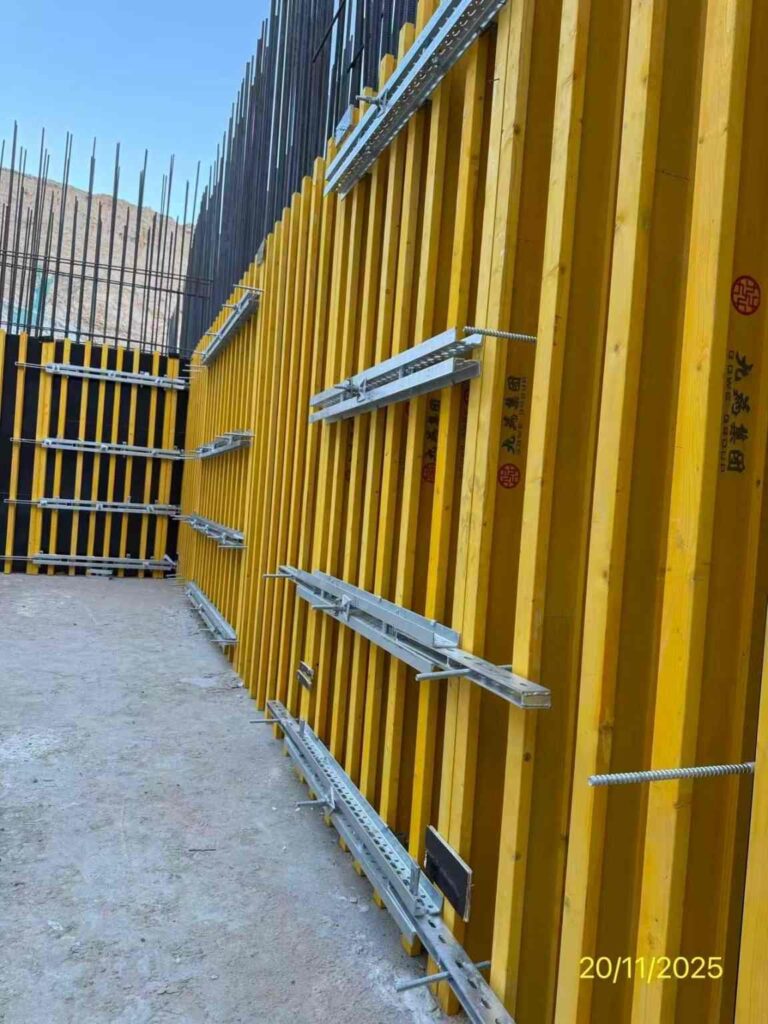
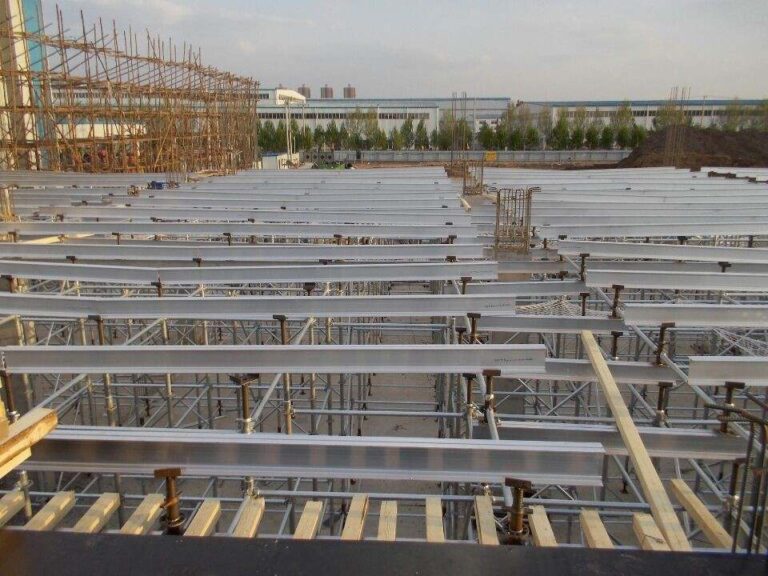
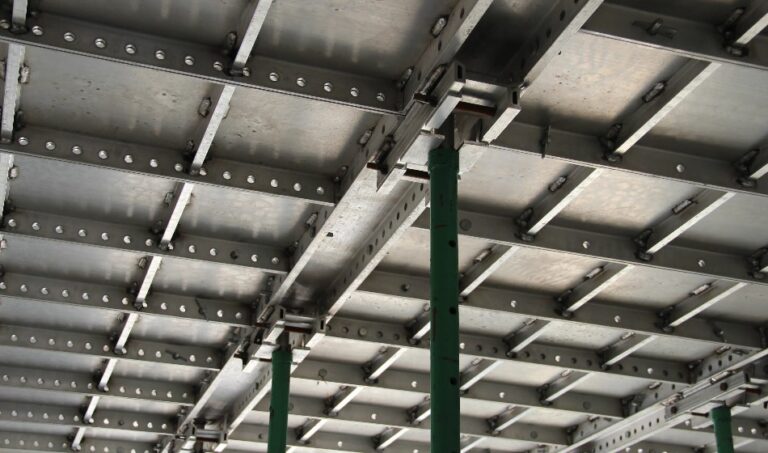
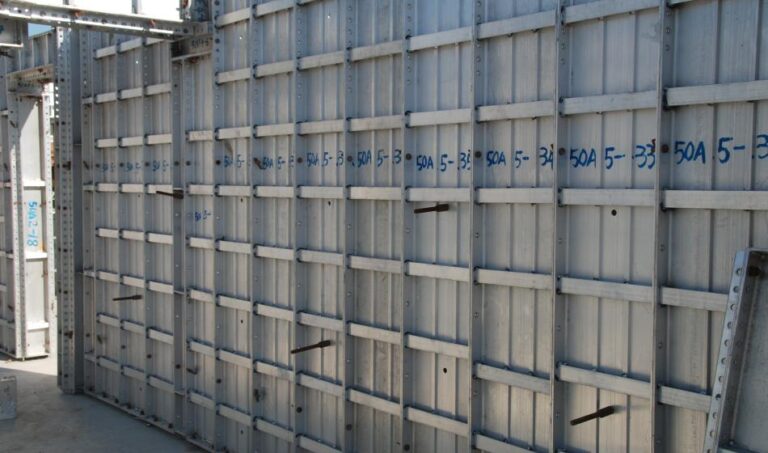
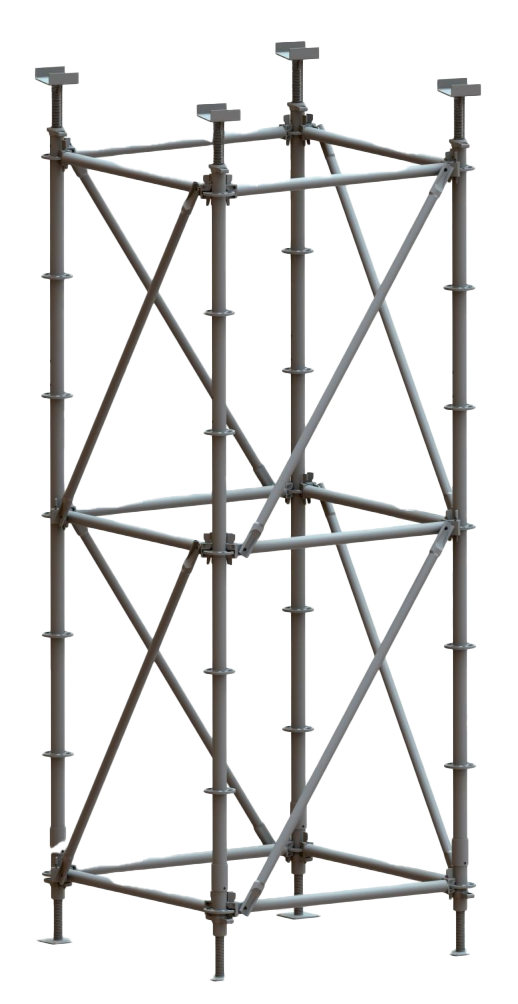
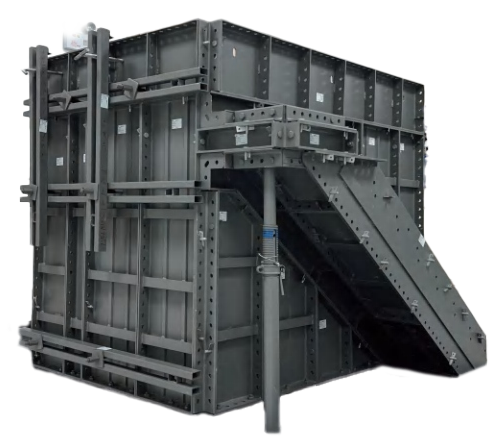
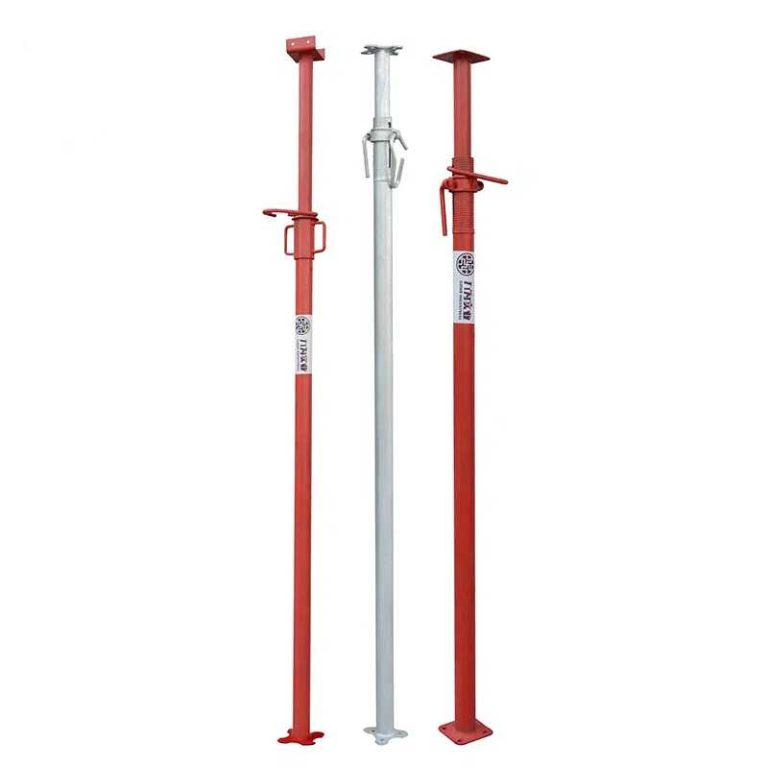
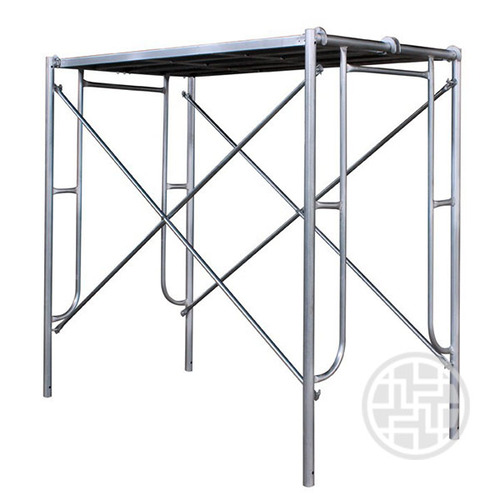
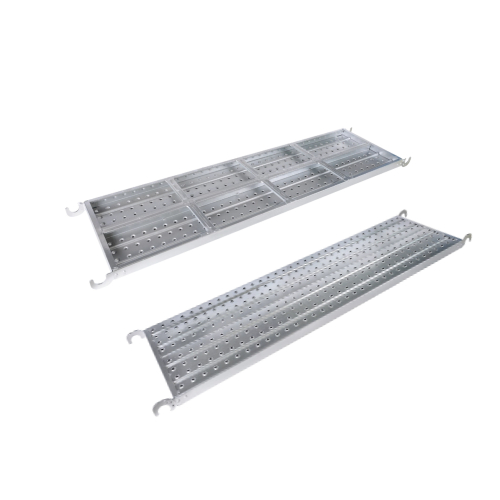
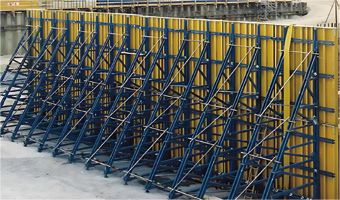
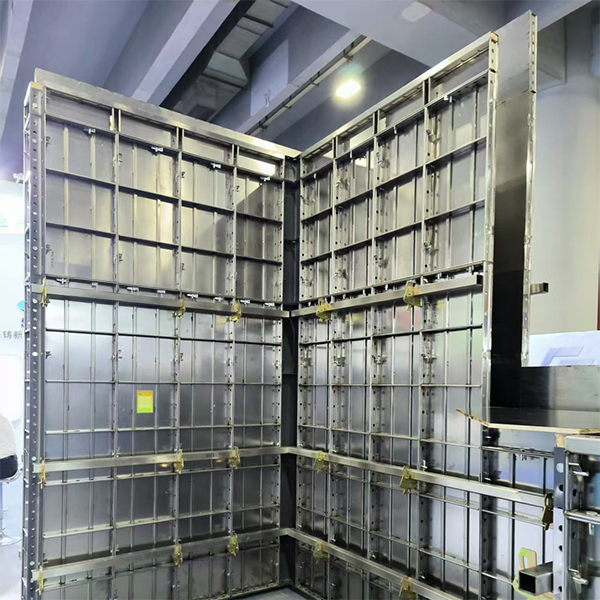
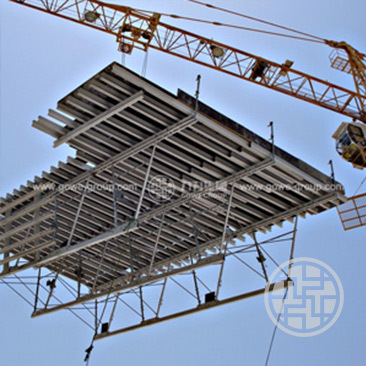
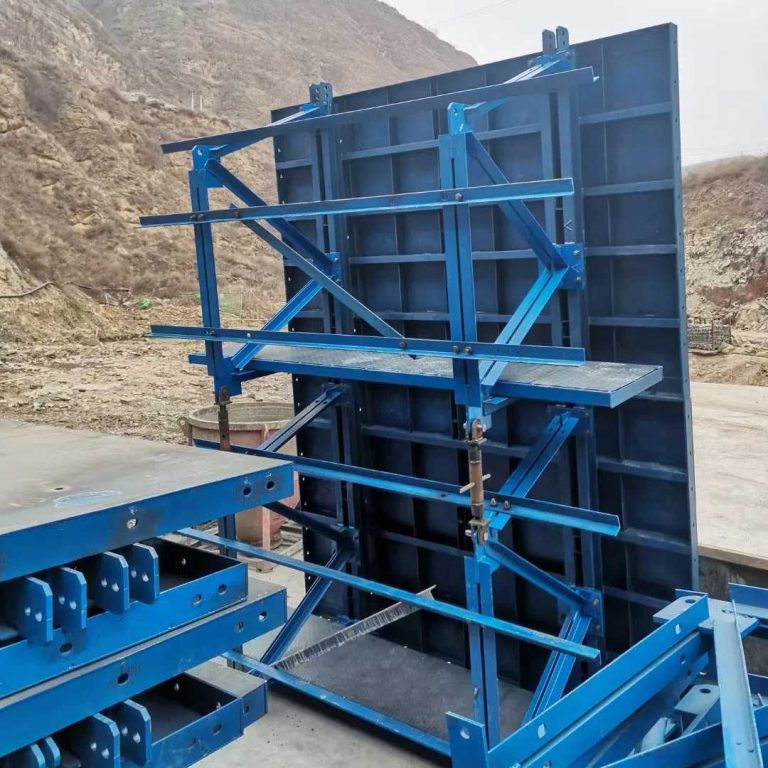
Each part faces tough tests in fake site setups before shipping. GOWE aluminum formwork system is composed of several independent systems, such as Wall formwork, Top formwork, and Prop. After all the formwork is assembled, concrete can be poured and formed in one go. This method joins up and down parts smoothly. It boosts rust resistance with better surface coatings. These suits are for rough weather.
How GOWE’s Innovations Solve Industry Challenges Highlighted Above
Enhancing Cost Efficiency Without Compromising Performance
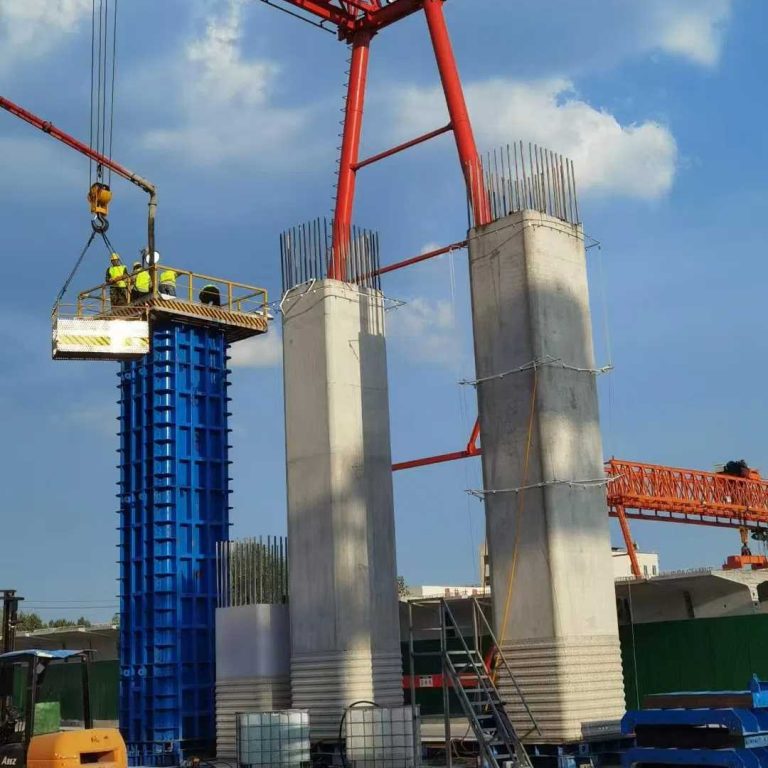
We use fine-tuned alloy mixes. They give better strength per weight. This lowers project costs by cutting worker time and moving costs. It can withstand 60KN/m concrete side pressure, and realize one-time whole pouring and forming of both vertical and horizontal structures.
Ensuring Global Compliance and Quality Assurance Standards
Our ISO-certified lines use full check steps. They cover from raw intake to ship checks. This ensures fit with world rules. It keeps sameness across areas. Cross-border jobs are growing in common, so this is key.
Supporting Workforce Skill Development Through Technology Integration
We offer BIM-ready plans and hands-on training aids. These make setup simple for builders everywhere. By mixing digital tips with site help teams, we aid pros. They get top results with our piece systems right away.
よくあるご質問
Q: What makes aluminium formwork more efficient than traditional timber or steel options?
A: Aluminum formwork systems significantly accelerate construction timelines, allowing the completion of one floor in as little as seven days. They also eliminate plastering needs due to smooth finishes while offering reusability up to 200 cycles—far surpassing timber-based alternatives.
Q: How does aluminium formwork contribute to sustainable construction?
A: Its recyclability supports circular economy goals by reducing waste generation during both production and demolition phases. Manufacturers utilize closed-loop recycling processes that minimize environmental impact compared with disposable materials like plywood.
Q: Why is aluminium preferred in high-rise building projects?
A: The lightweight yet strong properties of aluminium make it ideal for vertical structures where load reduction improves safety margins without compromising durability or precision alignment during repetitive floor casting operations.
Q: Are there specific training requirements for using aluminium formwork effectively?
A: Yes. Although easy to assemble compared with conventional methods, even unskilled labor can be trained to erect the system efficiently. However, specialized instruction ensures proper handling techniques that maximize speed while maintaining safety standards on-site.
Q: How does GOWE ensure consistent quality across its aluminium formwork products?
A: We implement multi-stage inspections covering raw materials through final delivery.GOWE has a strict quality management system, including incoming material inspection, finished product inspection, and pre-shipment debugging. This guarantees every panel meets the required tolerances before reaching clients’ project locations worldwide.