

Understanding Formwork and Its Importance in Construction
In infrastructure development, the フォームワーク system acts as a key part of the work on site. People often see it only as a temporary mold. Yet it actually decides the final concrete structure quality. When workers pour liquid concrete, it creates heavy pressure. The formwork must hold this material well. It also needs to keep exact shapes. These abilities decide the strength of the finished part.
What Is Formwork and How Does It Function?
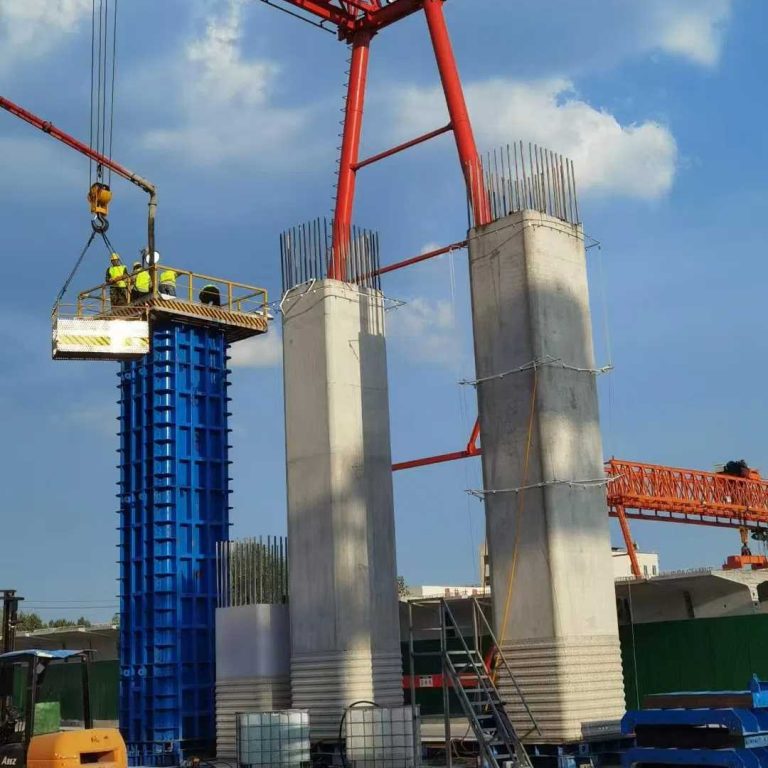
Formwork serves as a temporary vessel. It shapes, supports, and holds wet concrete. This continues until the concrete gains enough structural strength to stand on its own. The system has two main jobs. It contains the material and helps finish the surface. A good system ensures concrete sets to the exact sizes engineers require. It leaves a clean surface without defects.
Why Formwork Quality Directly Impacts Concrete Structures
Poor formwork creates problems right away. Wrong sizes cause alignment issues. These problems are very hard to fix after the concrete hardens. Weak support can lead to bulging or movement. Such issues reduce the strength of load-bearing parts. Good concrete structure quality starts well before the concrete truck arrives. It begins with careful choice and design of the mold.
Common Challenges in Formwork Installation
Workers on-site often meet several difficulties. These include leaks at joints and weak bracing that causes bending. They also face problems when removing formwork without harming the concrete surface. These troubles usually come from missing standard methods. They can also result from old materials that cannot handle the loads in modern tall buildings.
Types of Formwork Used in Modern Construction
Traditional 木材型枠 vs. Plywood Formwork
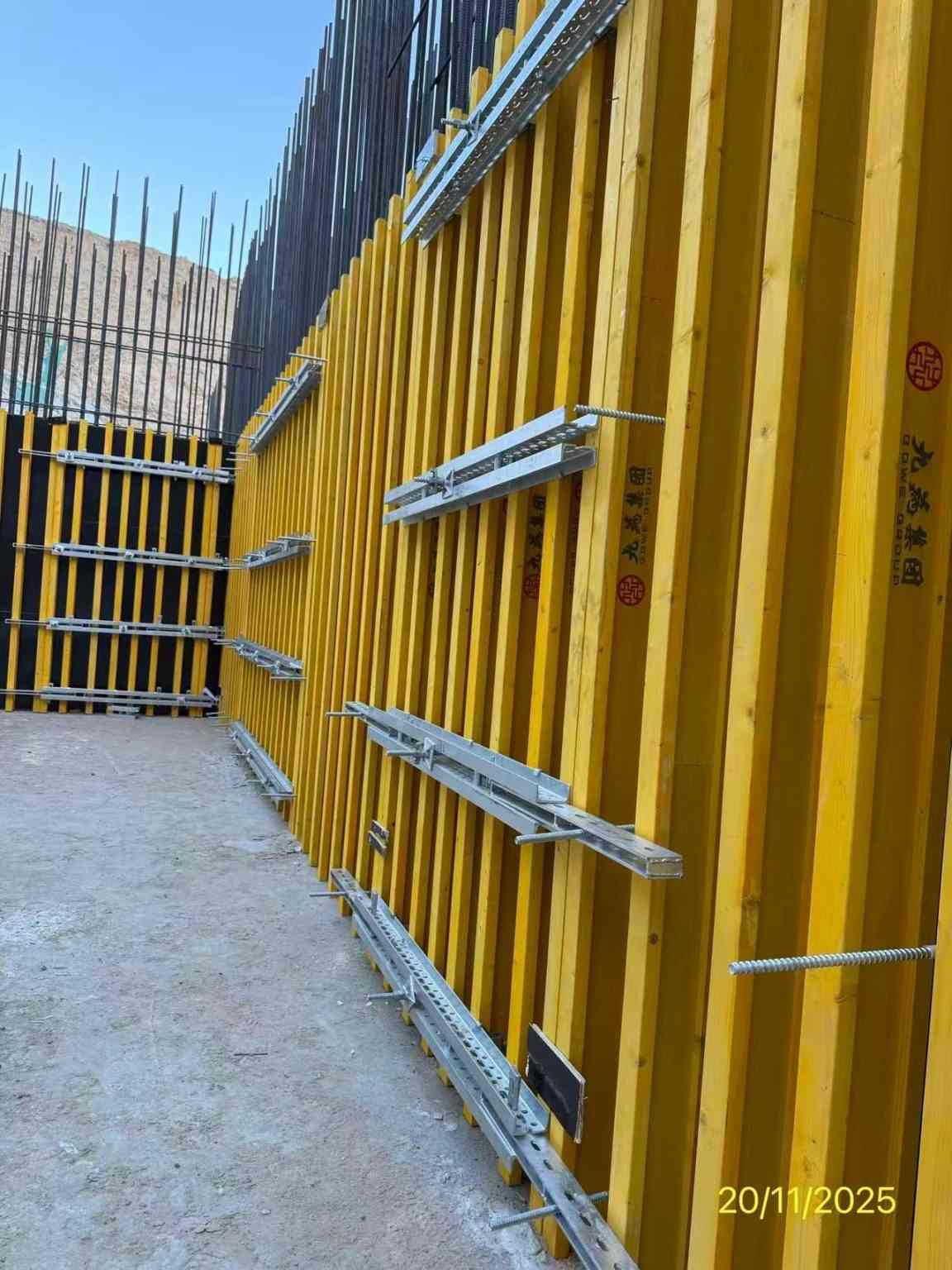
Timber served as the common choice for many years because it is easy to obtain. Yet it creates large amounts of waste and cannot be used again often. Plywood formwork gives a better surface but wears out under tough weather or repeated use. For this reason, it is not the best choice for big projects that repeat the same tasks.
Steel Formwork and Aluminum Formwork Advantages
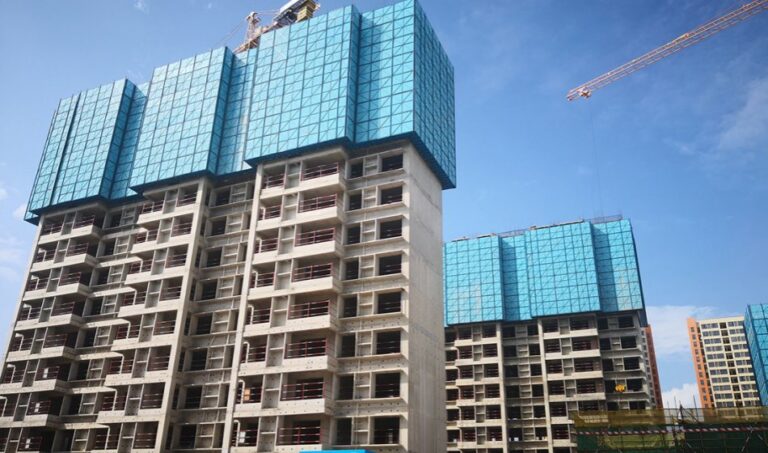
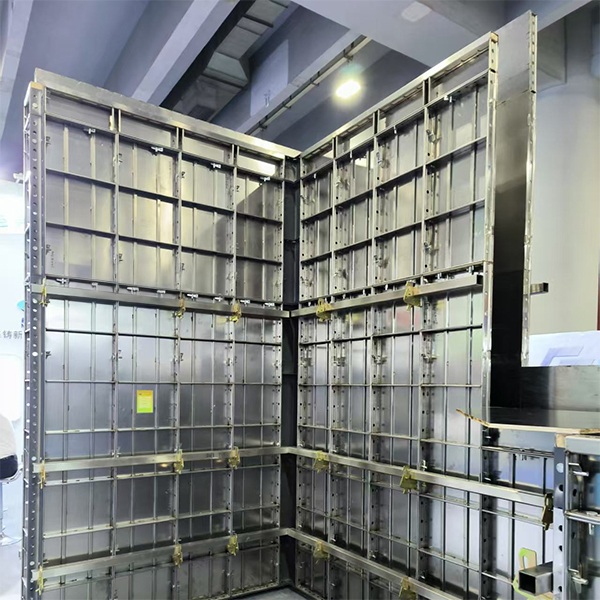
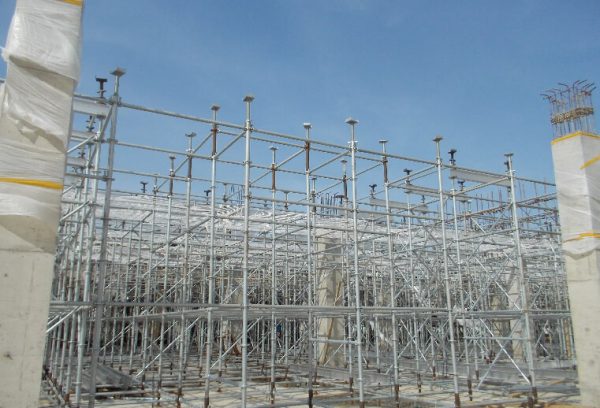
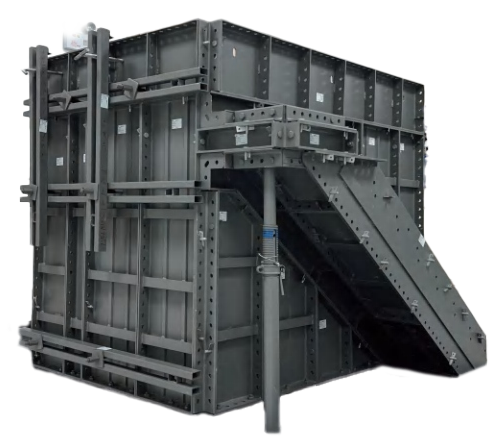
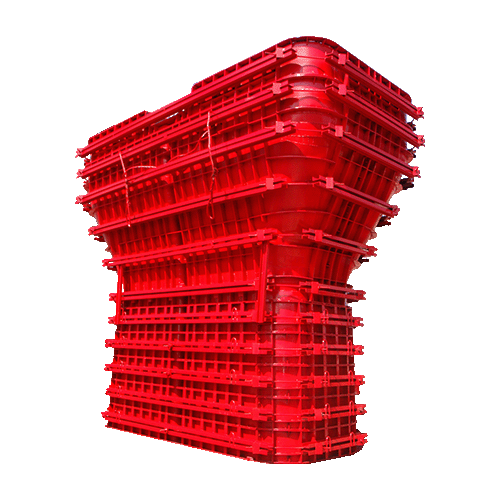
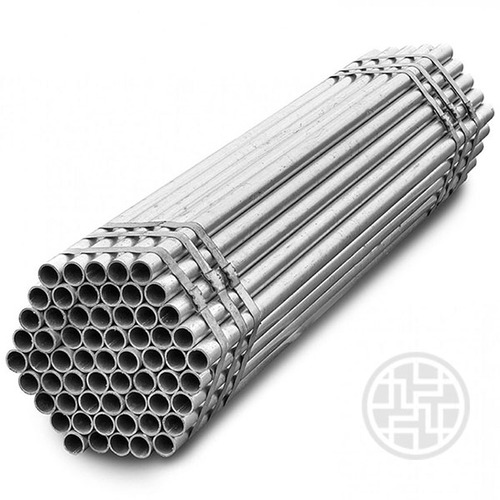
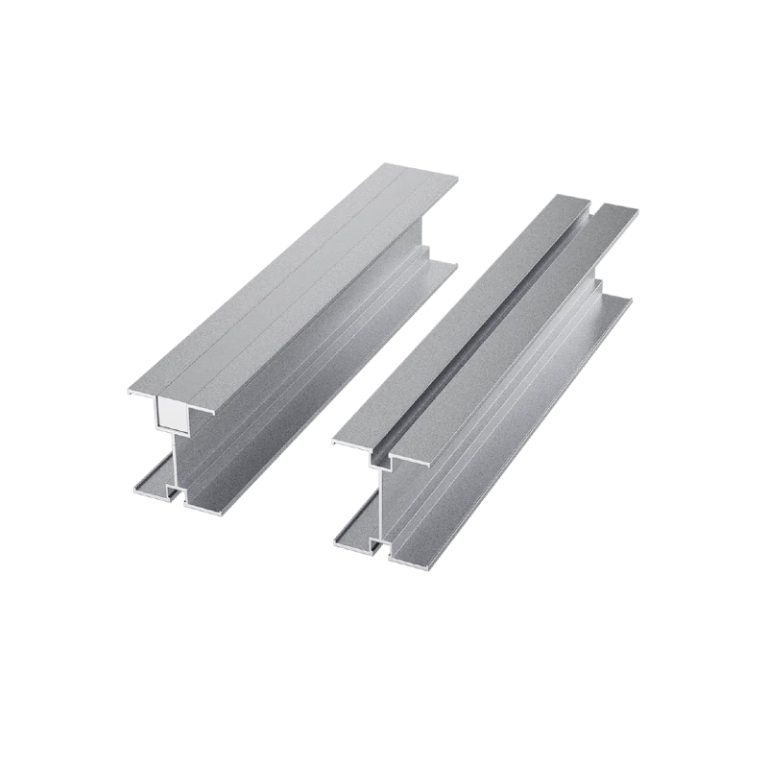
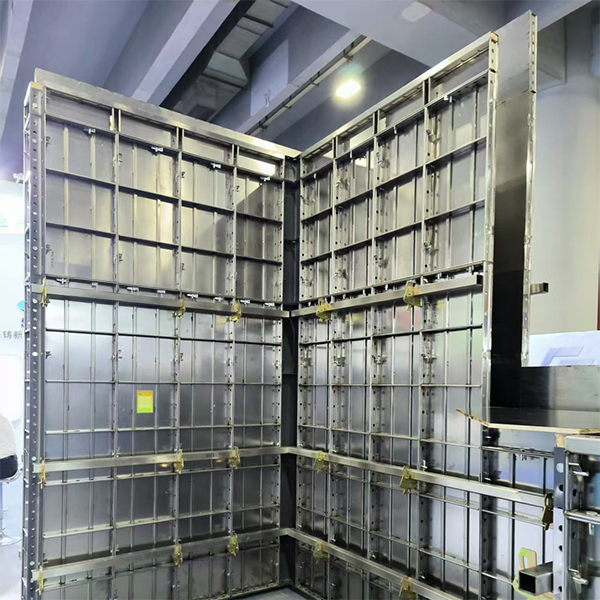
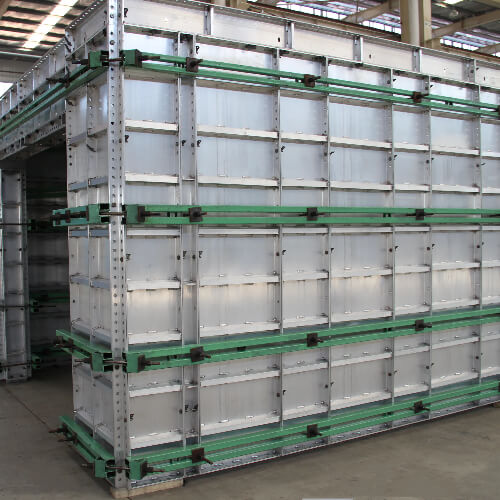
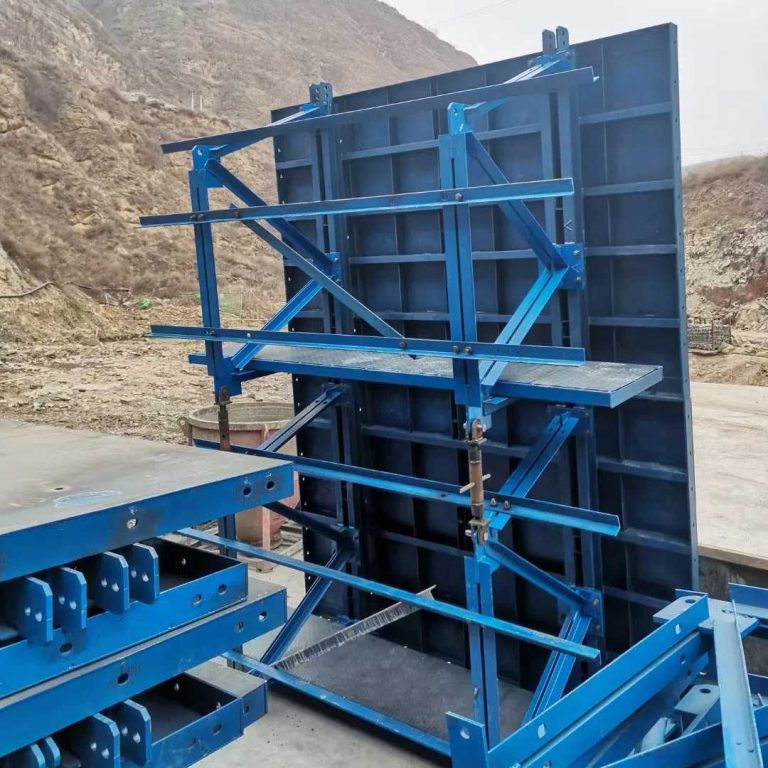
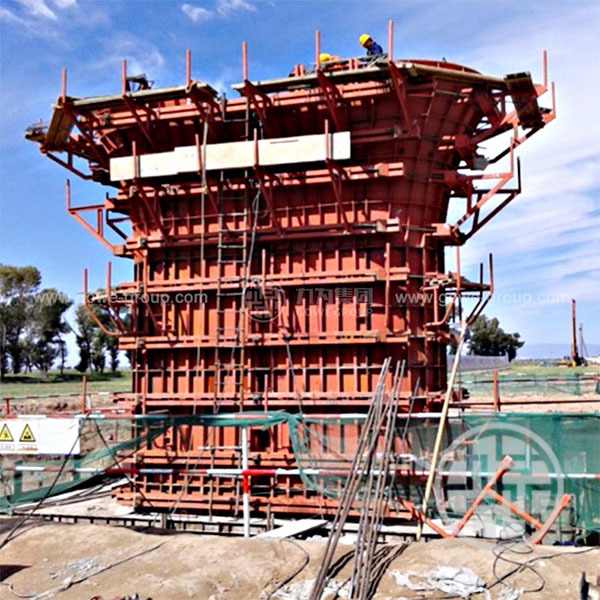
Steel and アルミニウムフォームワーク have become the top choice for current projects. Steel provides excellent lasting power and carries heavy loads in major infrastructure work. Aluminium stands out for its light weight and easy adjustment. These materials improve construction efficiency through quicker cycles. They are built for many uses over time.
Modular and Reusable Formwork Systems
The move toward modular formwork solutions has changed how projects are managed. Factory-made parts help contractors simplify the assembly steps. Reusable formwork cuts down on material waste. It also reduces the full cost over time. These benefits make it a practical option for projects planned to last many years.
How Formwork Affects Concrete Quality
Controlling Shape, Alignment, and Surface Finish
Exact work in formwork installation is very important for both appearance and function. Strong systems keep walls straight and surfaces even. This reduces extra work to fix or cover the concrete later. A clean and solid surface appears only when the formwork fits tightly and is sealed correctly.
Preventing Defects Like Honeycombing or Cracks
Honeycombing happens when concrete fails to fill all spaces. This often occurs if the formwork lets grout escape or if vibration is not enough. Good formwork design considers vibration forces. It keeps the concrete together and free of empty spots while it cures.
Ensuring Structural Strength Through Proper Formwork Design
Formwork design affects more than just shapes. It also influences the curing conditions. Correct insulation and moisture control inside the formwork help concrete reach its planned strength levels.
Installation Best Practices for Formwork
Correct Assembly and Bracing Techniques
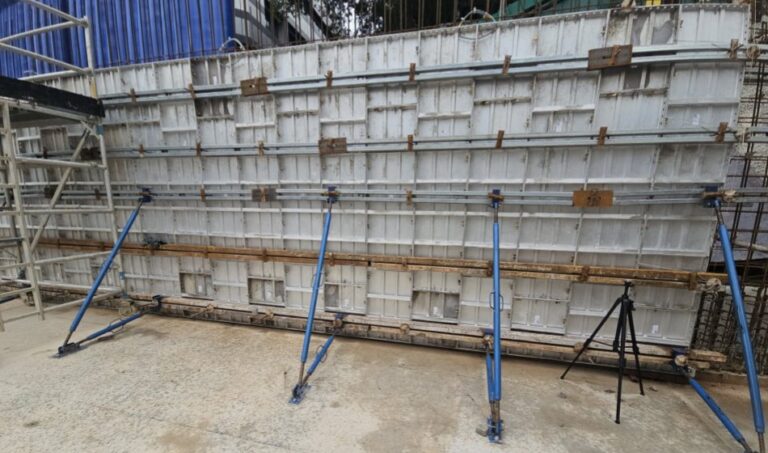
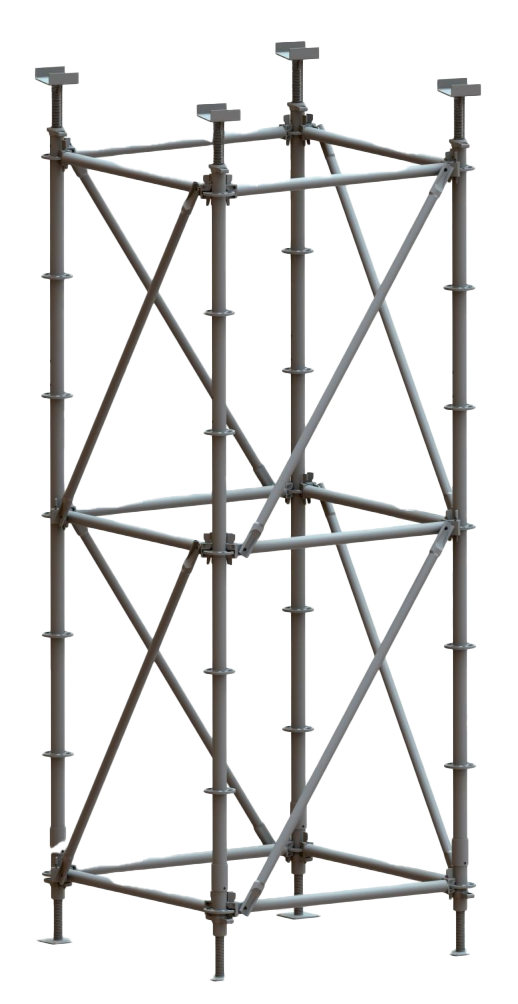
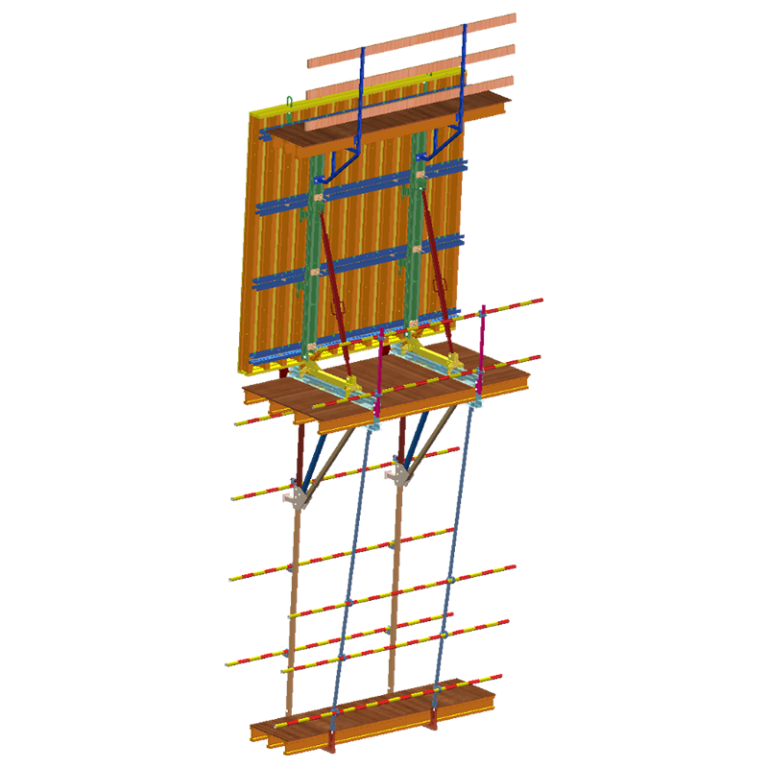
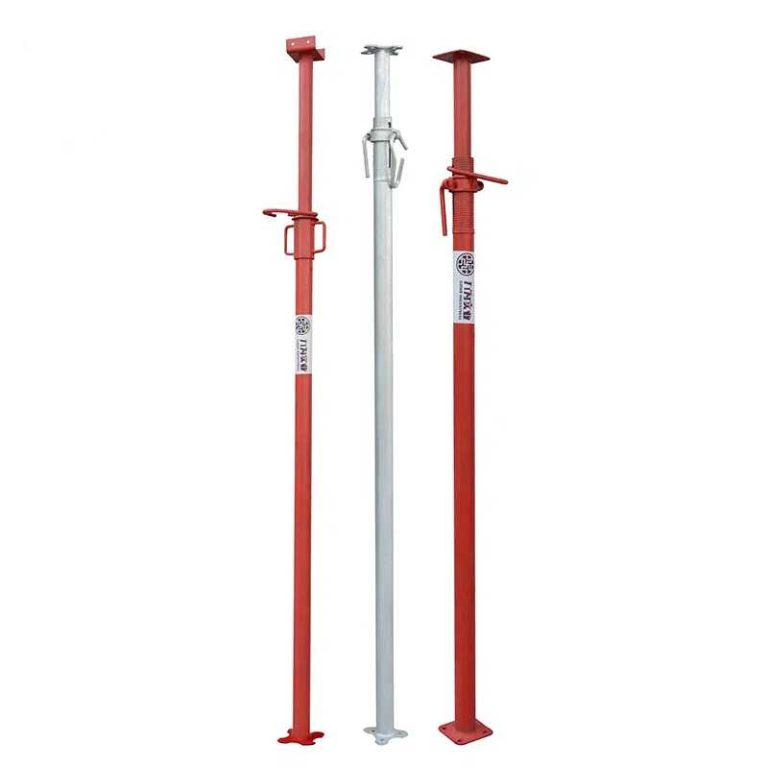
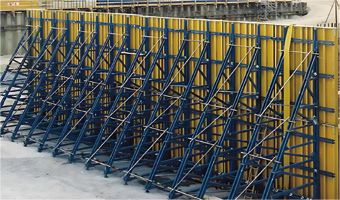
Good bracing forms the base of construction safety. Each panel must be fixed to handle the exact loads during pouring. Teams that follow a clear assembly guide avoid failures while the concrete is placed.
Safety Measures During Formwork Erection
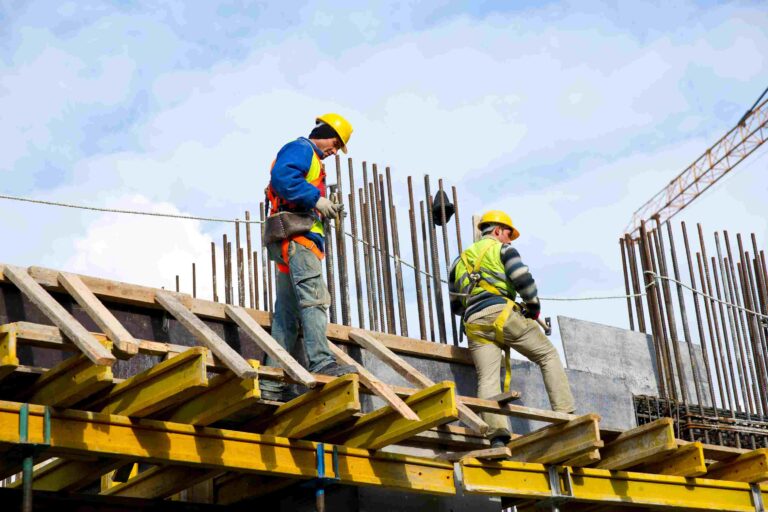
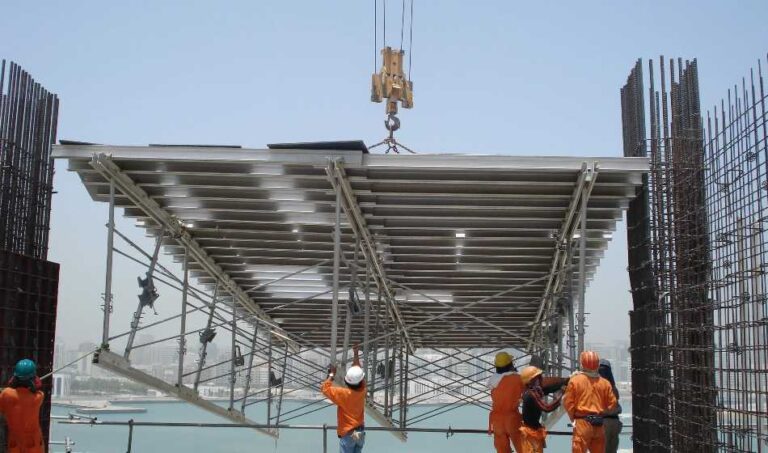
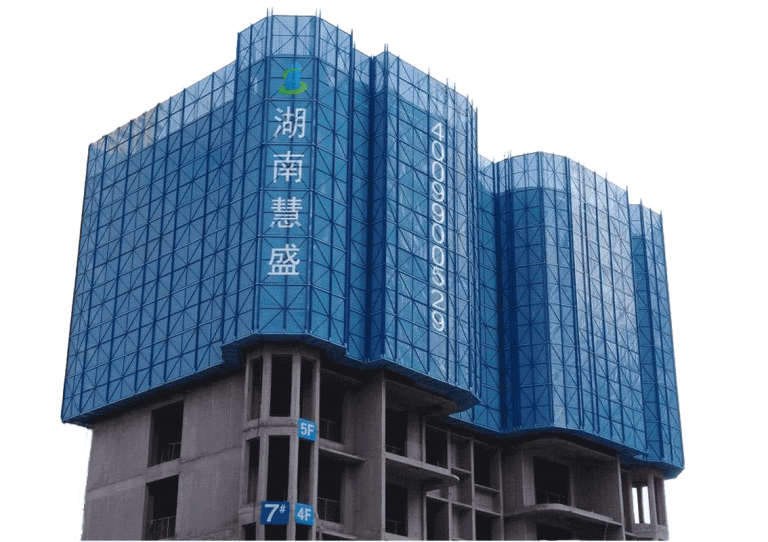
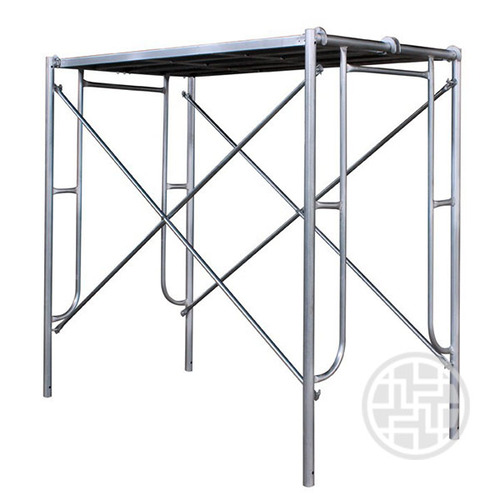
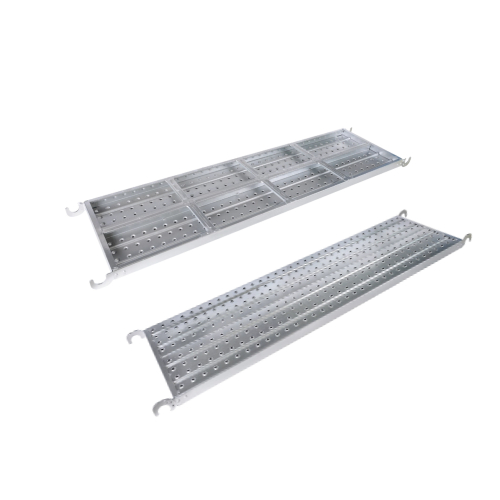
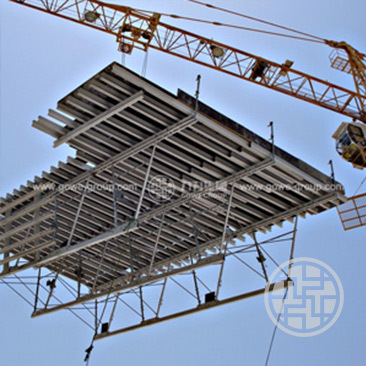
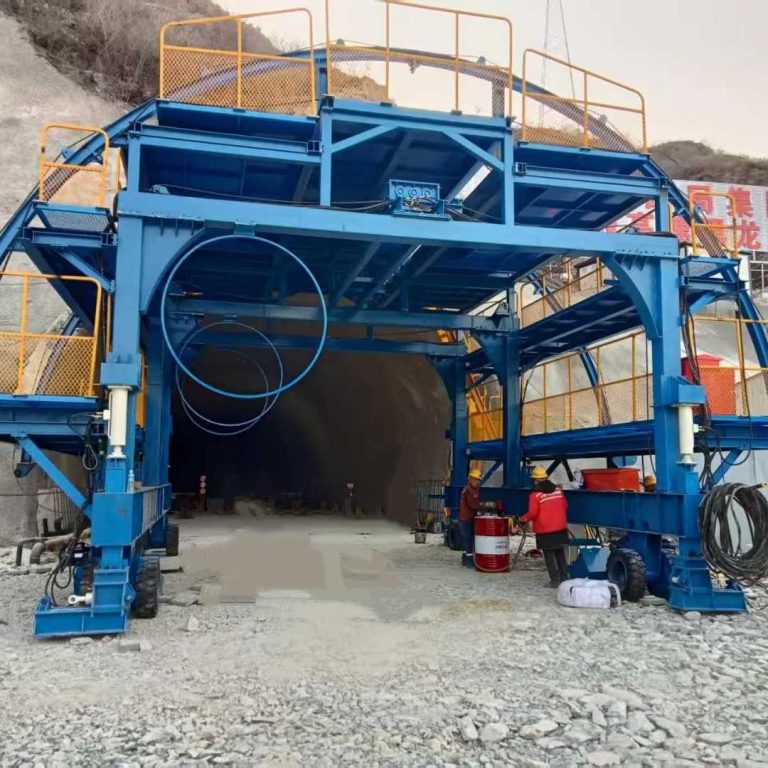
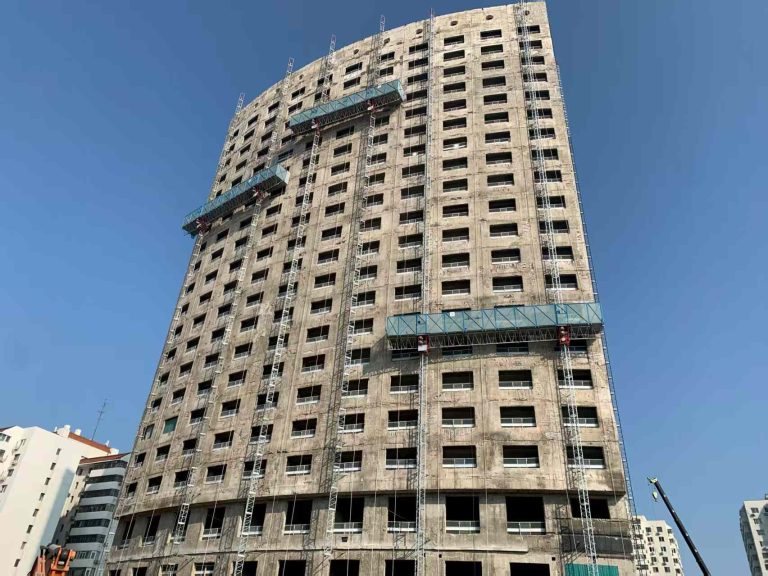
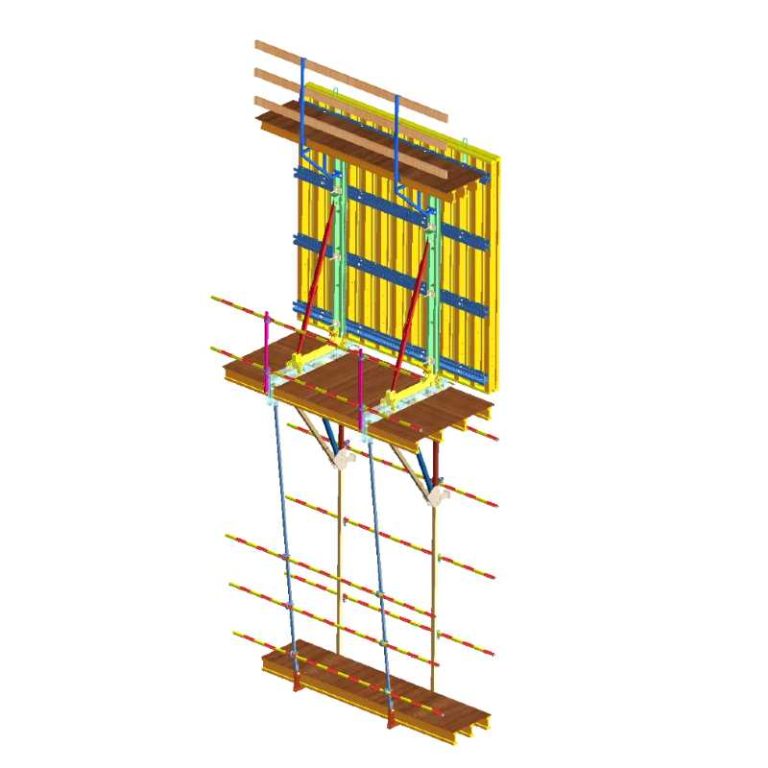
Work at heights and moving heavy parts require strict safety rules. Standardized systems with built-in safety platforms lower accident risks. They also help increase output on-site.
Inspection and Maintenance Prior to Concreting
A detailed check is required before any concrete is poured. Workers must examine seals between gaps, brace strength, and surface cleanliness. These steps make sure the money spent on good formwork appears in the final structure.
Innovations and Technologies in Formwork
Prefabricated and Modular Formwork Solutions
At GOWE, we have seen that many construction projects around the world face rising costs and delays. In our recent projects in Southeast Asia, clients changed from traditional timber to our precision-engineered aluminium formwork system. They reached 250-300 reuses with this change. The reuses helped balance the first costs. They also cut labor costs by a good amount. This change shows one fact clearly. Investing in high-quality reusable formwork is a smart move to ensure construction efficiency.
Digital Tools for Formwork Planning and Layout
Digital methods now support BIM layouts. These tools reduce mistakes in the design stage. Teams can see the full formwork installation before materials reach the site. This step cuts manual changes and avoids conflicts.
Materials and Coatings That Improve Efficiency and Durability
New developments in material science bring special anti-corrosion coatings. These extend the service life of steel and aluminium parts. As a result, formwork systems stay strong even in wet or harsh environments.
よくあるご質問
Q: What is the typical lead time for custom formwork orders?
A: Lead times depend on project size and exact design needs. For standard modular parts, we keep smooth production cycles. For complex custom projects, we suggest starting the planning phase 45–60 days ahead. This allows accurate manufacturing and on-time delivery.
Q: Does the equipment meet international safety and quality certification standards?
A: Yes. GOWE makes all products under tight quality control. We follow international engineering standards. This ensures our formwork systems work reliably under the heavy loads common in tall buildings and bridge construction.
Q: Can existing formwork be adapted to accommodate design changes during a project?
A: Modular systems offer good flexibility. Our designs support easy swapping of parts. When structural plans change during construction, we give technical advice. This helps adjust the setup so the formwork fits the new requirements without replacing the whole system.
Q: How many times can aluminium formwork be reused on average?
A: When teams follow the usage guidelines, such as careful cleaning after removal and proper storage, aluminium formwork can usually be reused between 250 and 300 times. This high number makes it an economical choice for repeated floor cycles in tall buildings.
Q: What level of technical support is provided after the product is delivered?
A: We offer full support that includes initial installation advice and on-site technical help. Based on the project timetable, our engineering team can provide supervision during the first floor or setup stage. This ensures the crew can use the system to its full potential.