
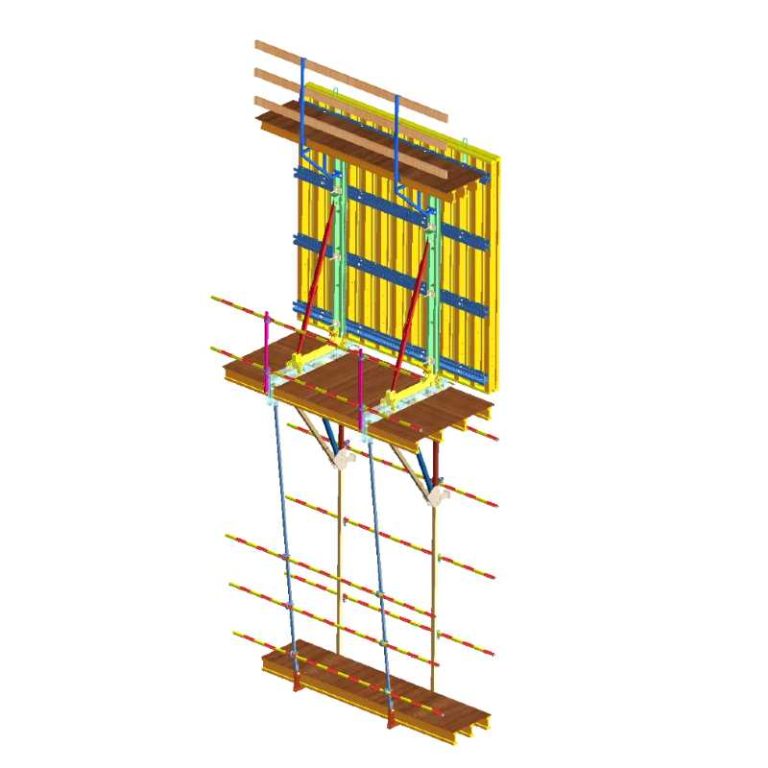
Aluminium formwork is changing how buildings are constructed. It is a lightweight but strong alternative to timber and steel, and more projects around the world are using it to speed up construction and achieve a high-quality concrete finish.
However, aluminium formwork also has some technical factors to consider. In this guide, ゴー provides a clear look at both the benefits and challenges, so you can make the best choice for your next project.
What Is an Aluminium Formwork System?
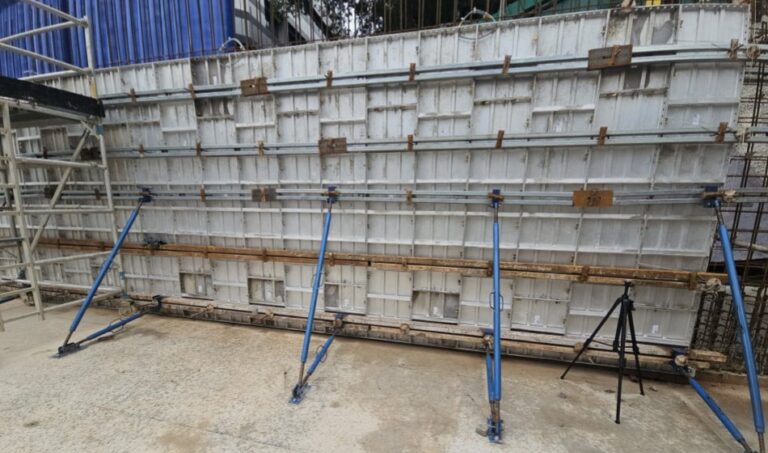
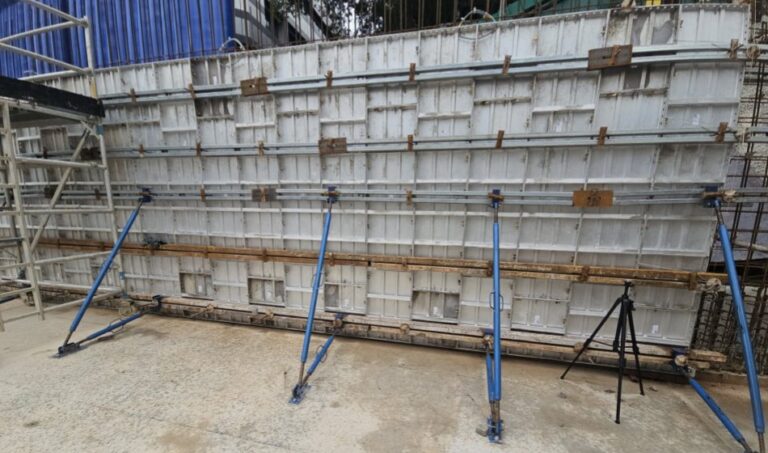
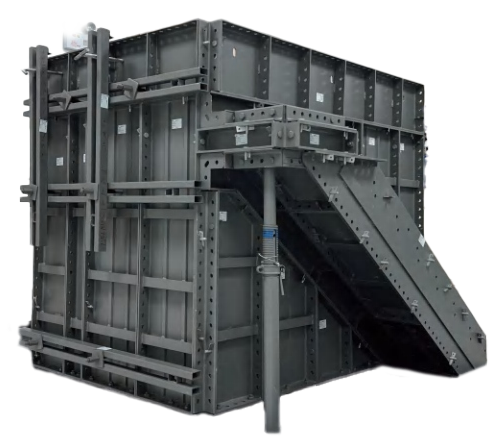
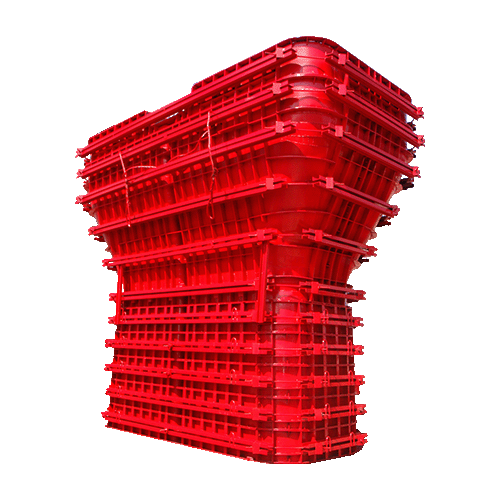
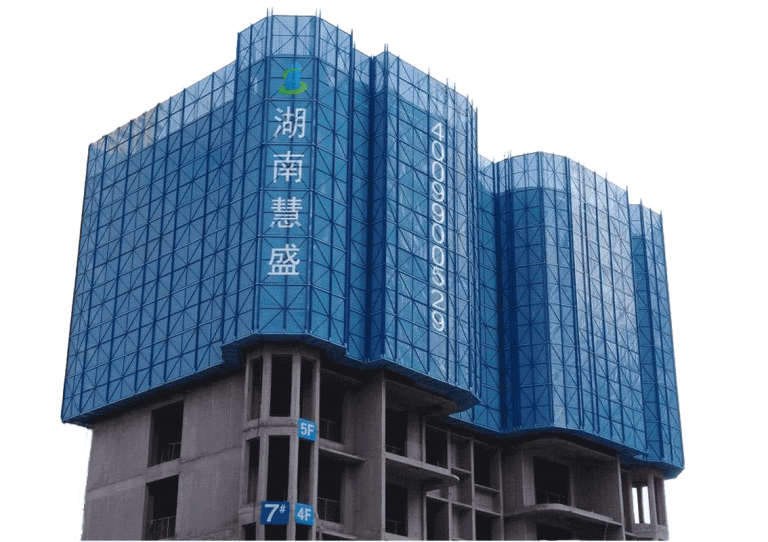
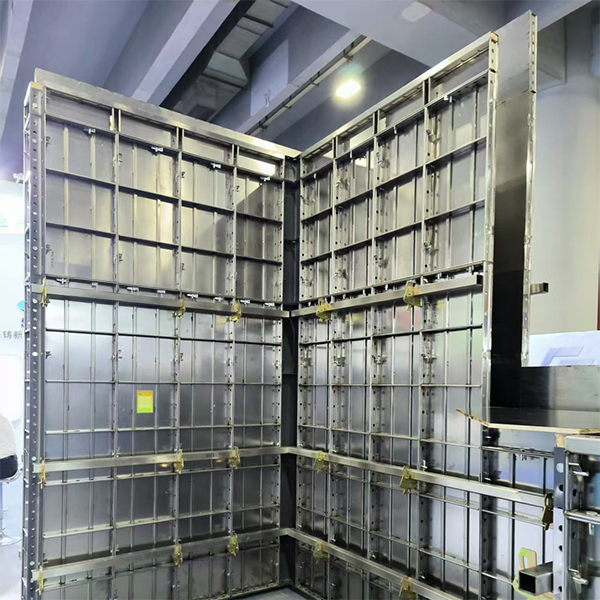
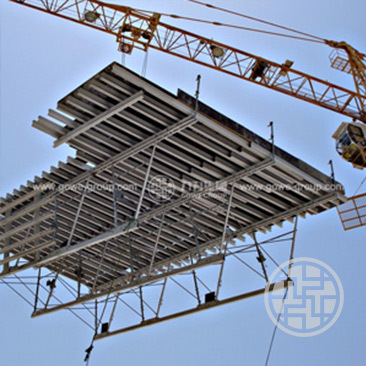
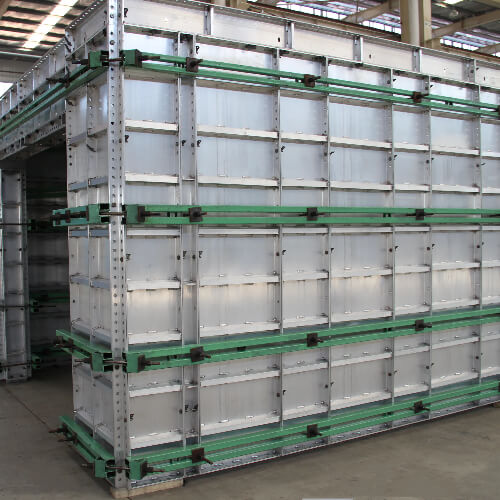
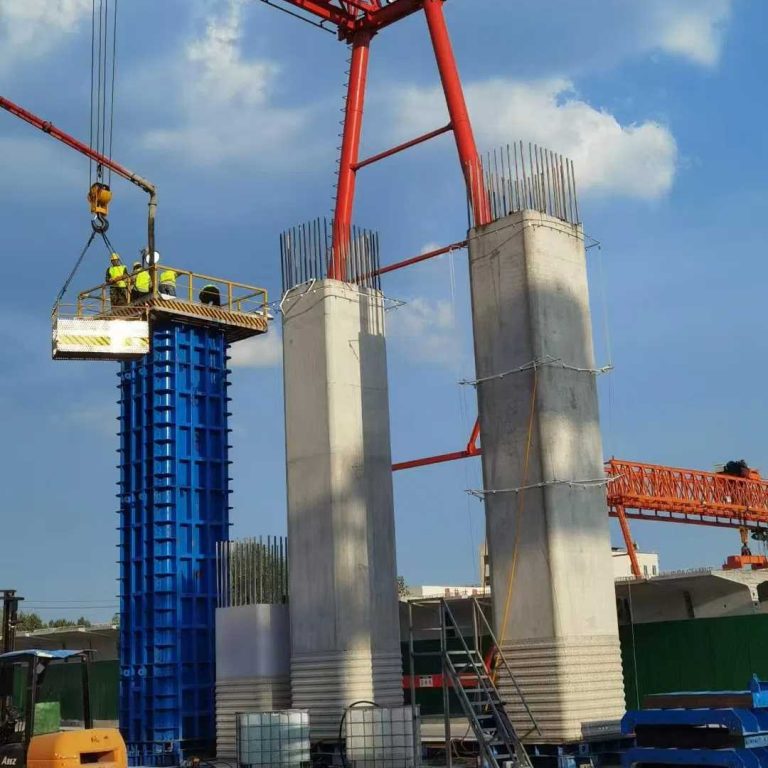
An aluminium formwork system is a modern solution for quickly casting concrete in one piece. Made mainly from strong aluminium alloys, it creates a sturdy mold for all parts of a building, including walls, floors, beams, columns, and staircases.
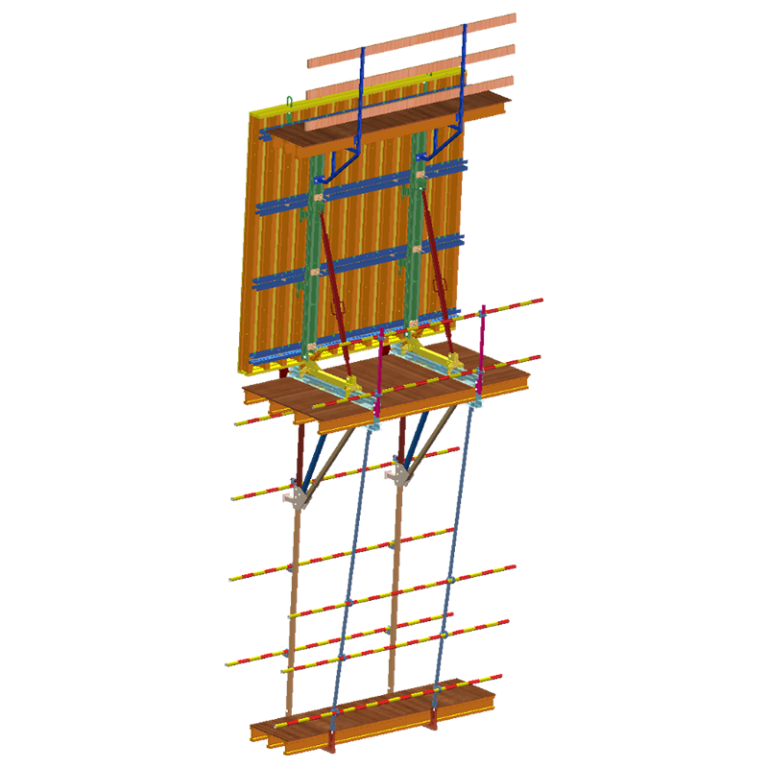
GOWE’s aluminium formwork stands out because of its modular design. The panels connect with a simple pin-and-wedge system, making assembly and removal quick and easy. It also helps coordinate other construction work, like installing steel reinforcement and MEP conduits. This system brings speed, cleanliness, and cost savings to projects of all sizes.
Advantages vs. Disadvantages: At a Glance
To give you a quick overview, here is a comparative breakdown of how aluminium formwork performs across key construction metrics:
|
Advantages of Aluminium Formwork
|
Disadvantages of Aluminium Formwork
|
|
Lightweight & Manual Handling: Eliminates reliance on heavy tower cranes.
|
Higher Upfront Investment: Requires a greater initial capital expenditure.
|
|
Exceptional Reusability: Highly durable with a long operational lifespan.
|
On-Site Modification Limits: Demands strict adherence to original structural drawings.
|
|
Unmatched Construction Speed: Rapid assembly shortens project cycles.
|
Thermal Conductivity: Requires monitoring during extreme weather curing.
|
|
Superior Concrete Finish: Mirror-like surface eliminates plastering costs.
|
Skilled Labour Dependency: Requires trained personnel for optimal layout and striking.
|
|
Eco-Friendly & Sustainable: 100% recyclable material with zero timber waste.
|
Pre-Planning Sourcing: Requires longer lead times for custom factory fabrication.
|
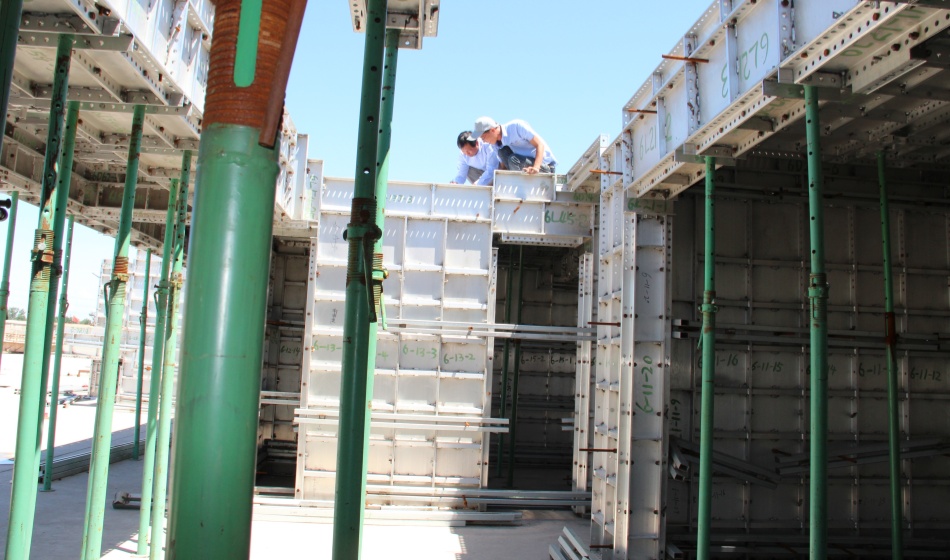
Deep Dive: The Advantages of GOWE アルミニウムフォームワーク
A. Lightweight Nature & Superior Handling
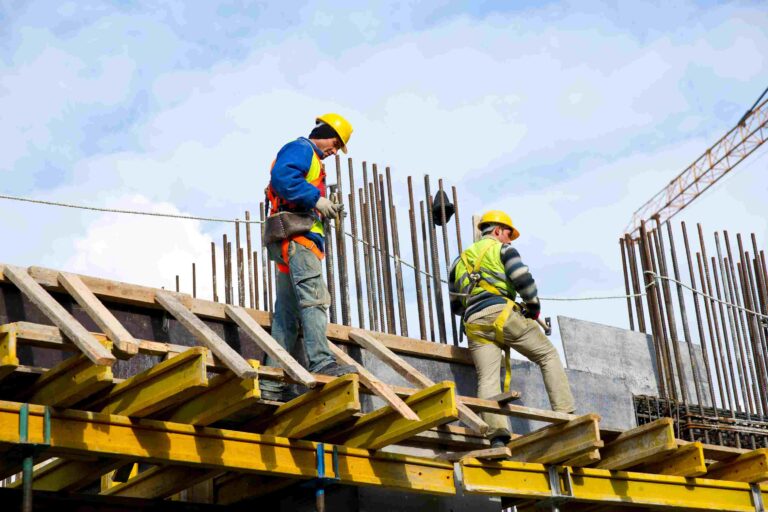
Aluminium formwork is much lighter than steel panels, so workers can move it by hand from one floor to another. This reduces the need for heavy machinery, saves time, and helps keep the worksite safer.
B. High Reusability and Maximum Economic ROI
Although the upfront cost is higher, aluminium formwork lasts a long time. With good care, one set can be reused 150 to over 300 times. For large or repeated projects, this means much lower costs per use compared to timber.
C. Accelerated Project Timelines
The pin-and-wedge connections make assembly and removal very fast. With a special prop-head system, workers can safely remove the formwork early, allowing each floor to be completed in just 4 to 5 days and speeding up the whole project.
D. Precision, Structural Quality, and Monolithic Casting
The system is made to precise measurements, so the structure is accurate and the concrete surface is very smooth. This high-quality finish means you do not need to plaster the inside walls, which saves on materials, labor, and increases usable space.
E. Sustainability and Green Building Compliance
Aluminium formwork supports green building because it does not create waste like plywood. It helps prevent deforestation, and when it is no longer needed, the aluminium can be fully recycled and has good scrap value.
Technical Considerations & Disadvantages
A. High Initial Capital Expenditure
Aluminium formwork costs more to design and make than wood or traditional options. It is most cost-effective for tall buildings or large projects with repeated use, but may not be the best choice for small or one-time jobs.
B. Rigid Structural Adaptability On-Site
The panels are made in the factory to match exact plans, so it is hard to make changes on-site. If the design changes, new panels must be made in the factory instead of making quick fixes on the job site.
C. Thermal Conductivity Considerations
Aluminium transfers heat easily. In places with big temperature changes, contractors need to use special curing methods, like thermal blankets or water misting, to control heat and make sure the concrete sets properly.
D. Sourcing and Specialized Labour Requirements
To get the most out of aluminium formwork, you need skilled workers to set it up correctly. Careful planning is also needed before the project starts, since the design and ordering process takes time.
Technical Specifications & Components
GOWE’s aluminium formwork includes a wide range of advanced components designed to meet the needs of modern construction projects:
- Wall & Shuttering Panels: The core face sheets designed to withstand high concrete lateral pressures.
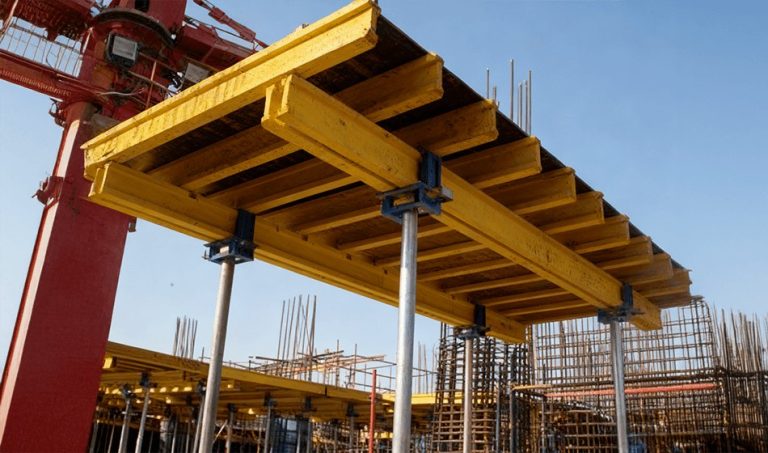
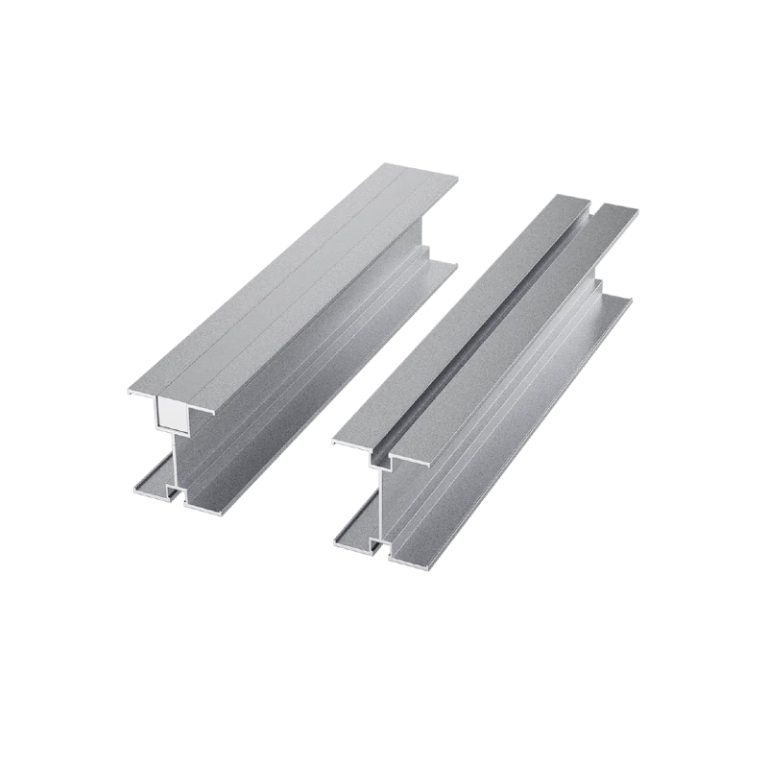
- Beams & Deck Panels: Lightweight overhead systems engineered for flawless slab casting.
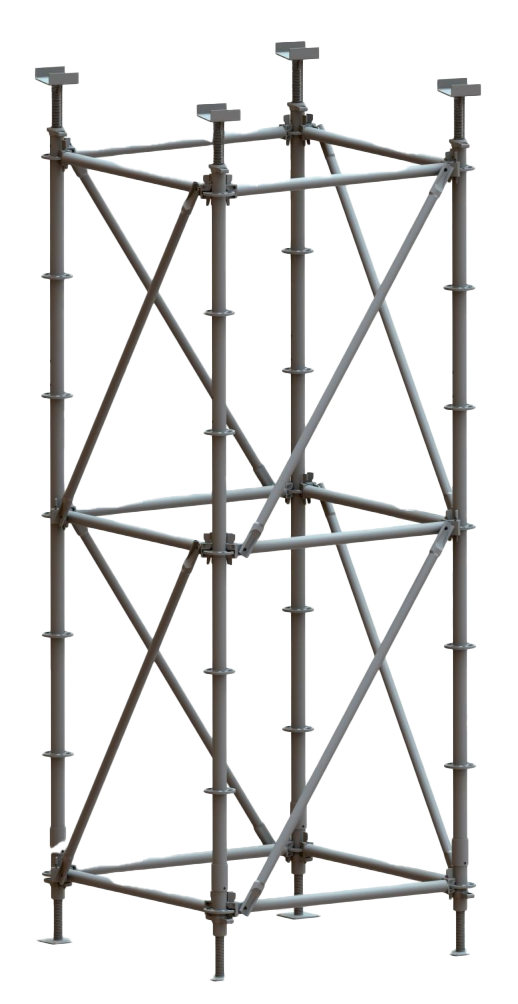
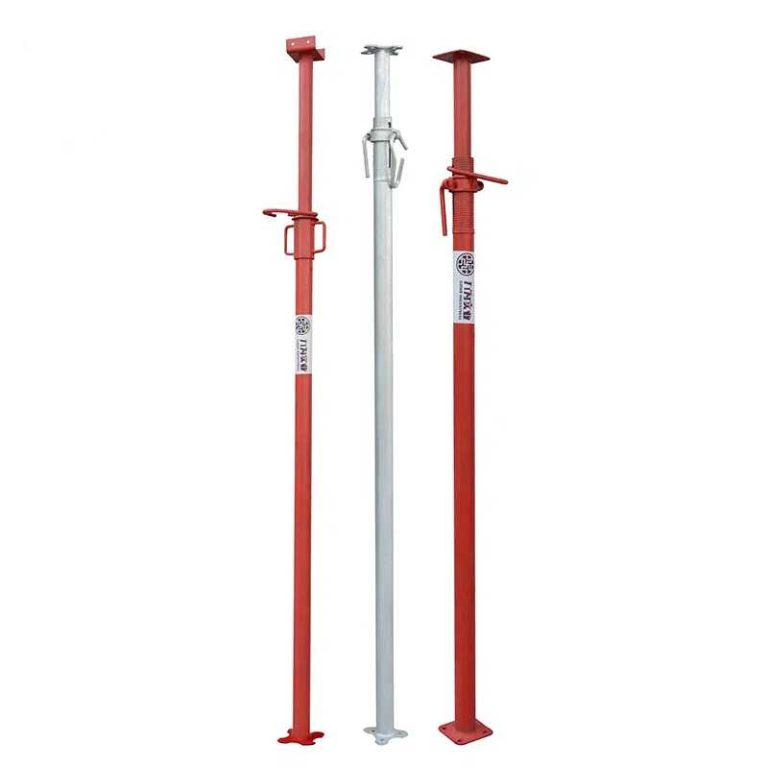
- Props & Support Heads: Heavy-duty, adjustable vertical shores featuring early-striking mechanisms.
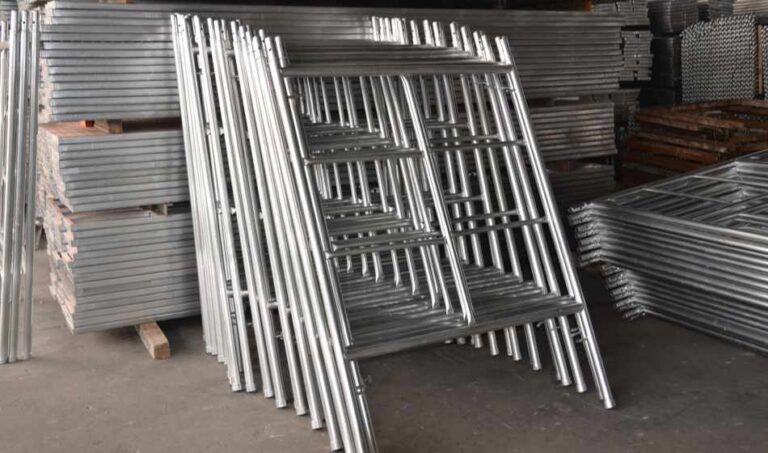
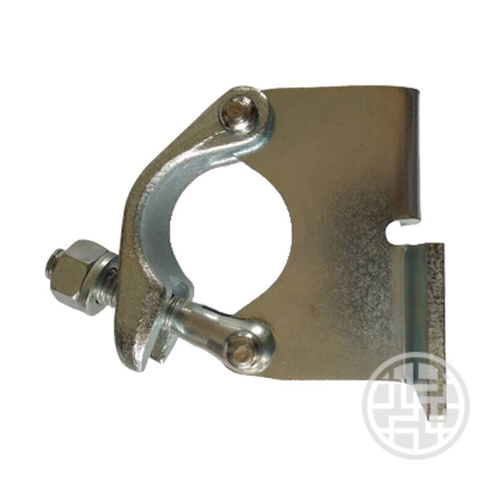
- Accessories: High-precision alignment brackets, corner plates, joint bars, middle beam plates, beam brackets, panner pullers, and heavy-duty U-clips.
Technical Performance Data:
GOWE aluminium formwork can safely support between 50 and 60 $Kn/M^2$, depending on the alloy and panel setup. This makes it suitable for heavy, single-piece concrete pours.
よくある質問(FAQ)
Q1: Is aluminium formwork better than steel formwork?
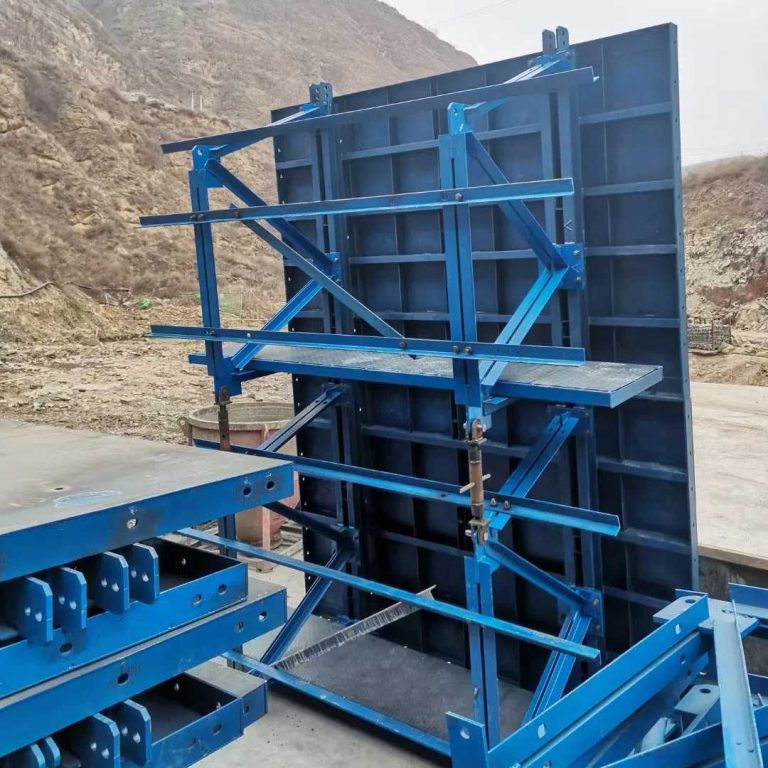
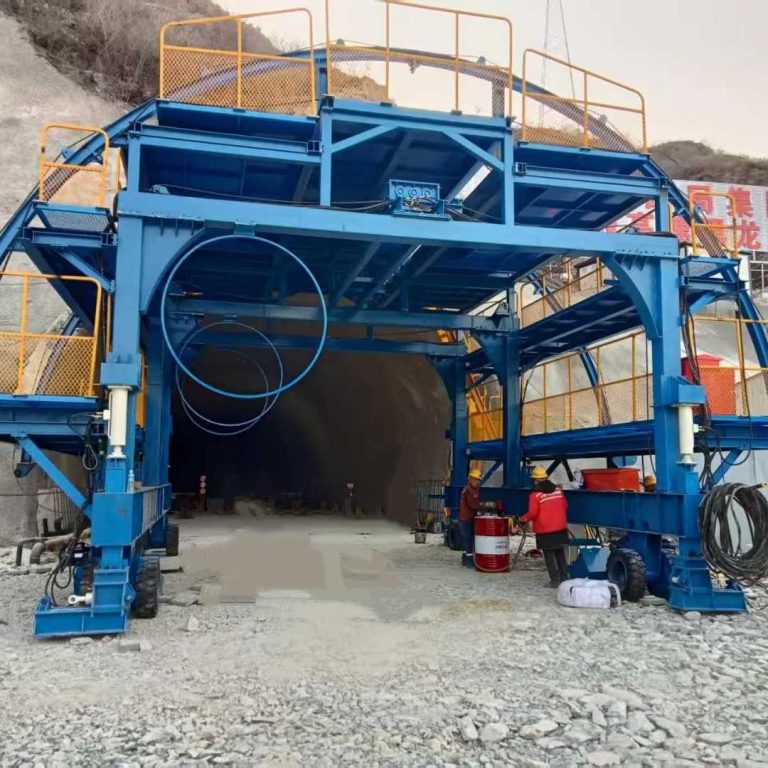
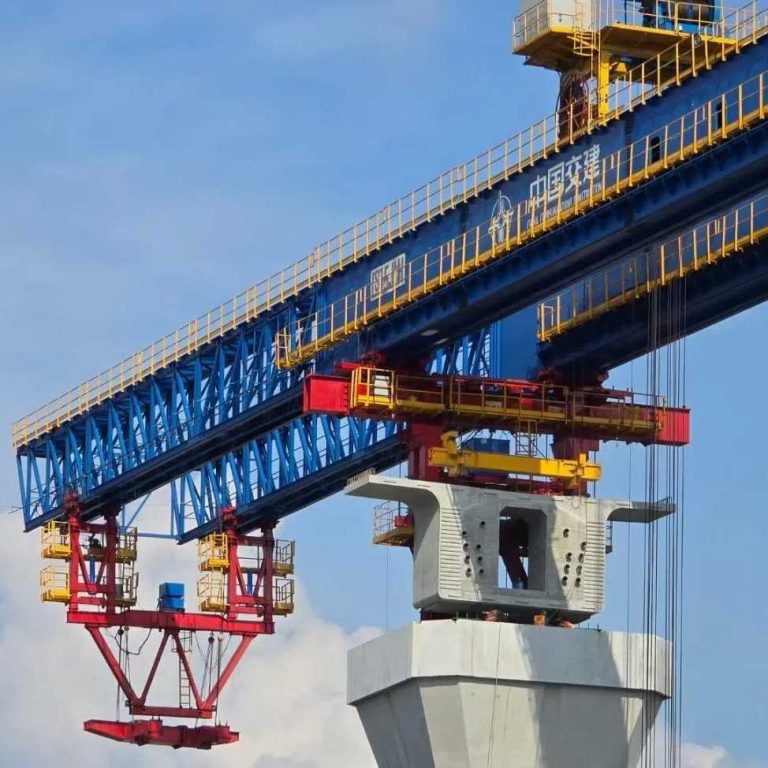
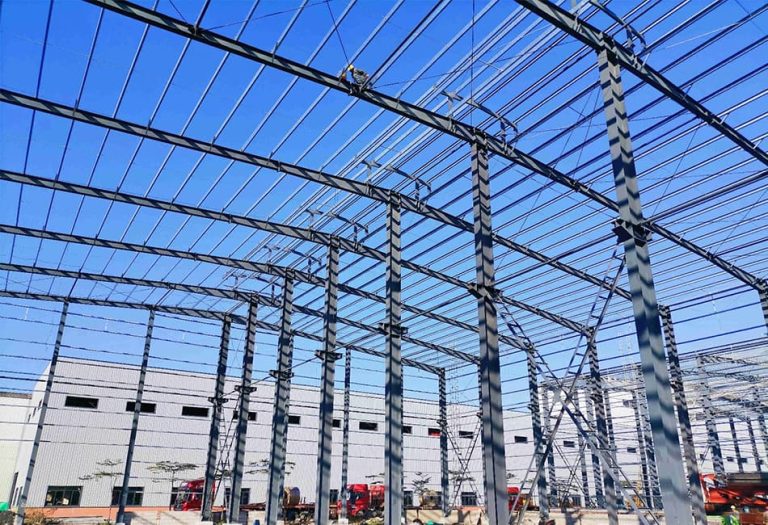
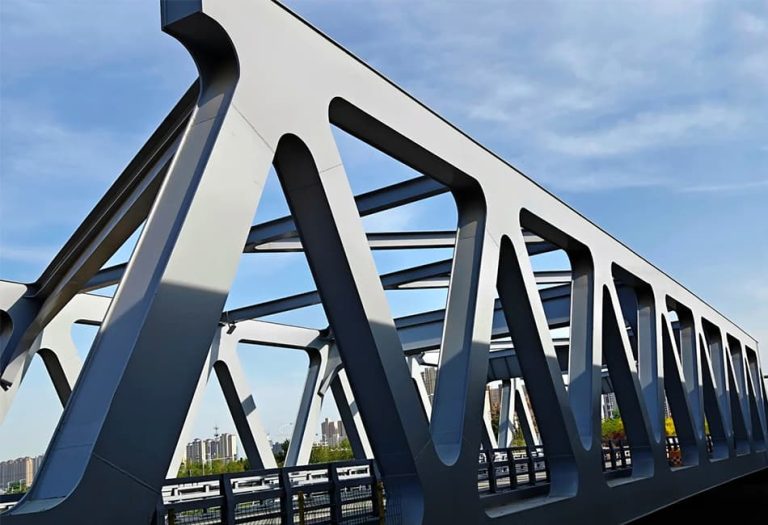
A: Both systems have distinct structural applications. StAns: Each system has its own use. Steel formwork is very stiff and strong, so it is best for heavy projects like bridges, tunnels, and large retaining walls where weight is not an issue. high-rise residential and commercial buildings. It provides unmatched lightweight handling, eliminates crane dependence for formwork movement, and delivers a much faster floor-cycle timeline, making building construction significantly more efficient.
Q2: What is the exact operational lifespan of aluminium formwork?
A: Aluminium formwork lasts a long time because it does not rust. With good care, it can be used for 150 to over 300 concrete pours. How long it lasts depends on how well it is handled, cleaned, and maintained between projects.
Q3: Why should contractors choose GOWE aluminium formwork over traditional timber?
A: Timber formwork bends, wears out fast, and creates a lot of waste, usually lasting only 5 to 10 uses. GOWE aluminium formwork can be reused up to 300 times, saves on labor costs, shortens project time, and gives a smooth concrete finish that does not need plastering.