


What Are Modular Formwork Frames and How Do They Improve Construction Efficiency?
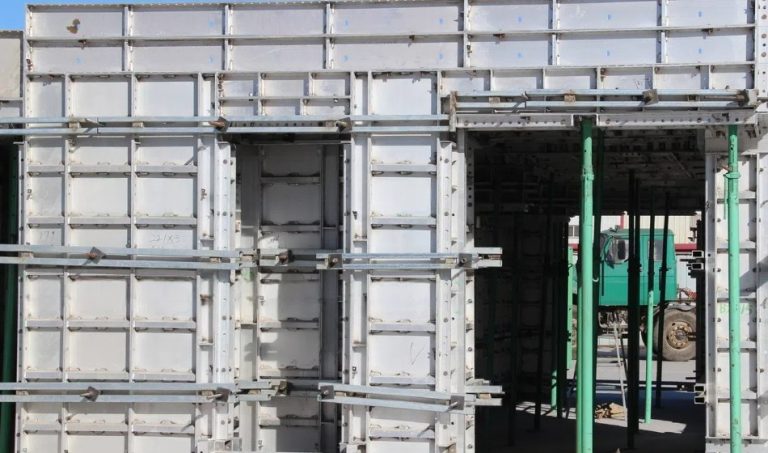
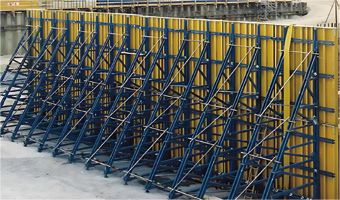
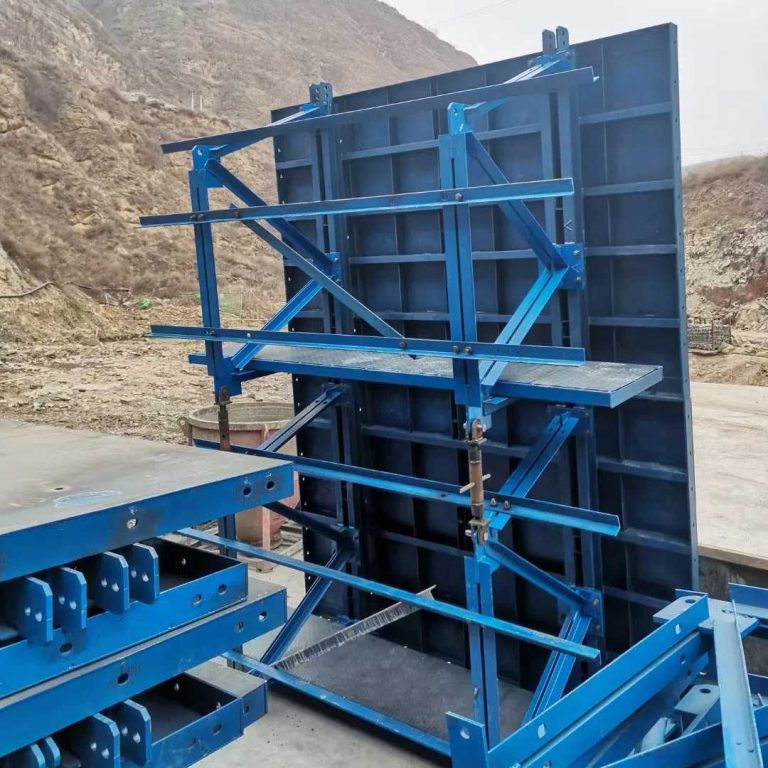
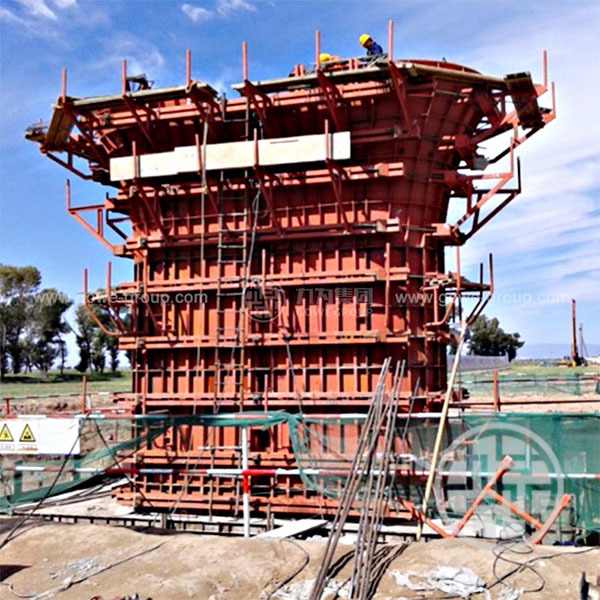
Modular formwork frames are pre-built setups for construction. They make concrete pouring quick and easy. These systems use standard parts like panels, beams, supports, and connectors. You can arrange them in many ways to match project needs. Their reusable design saves time across floors or builds.
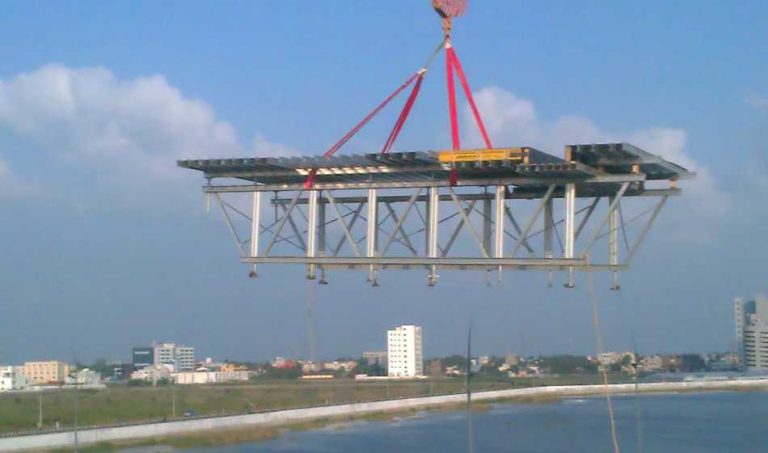
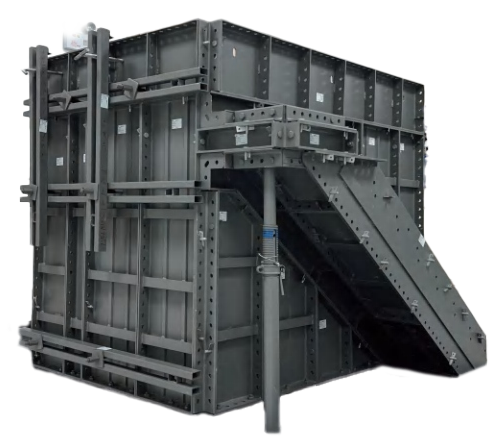
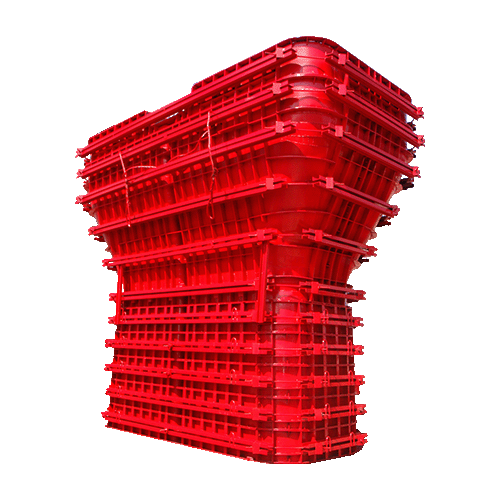
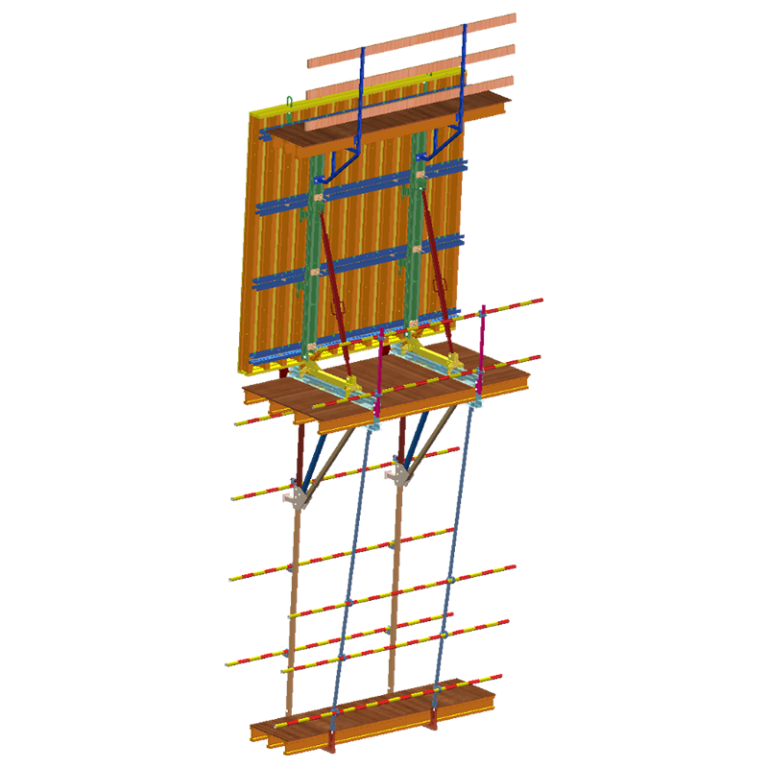
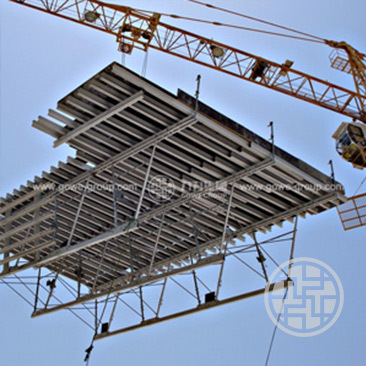
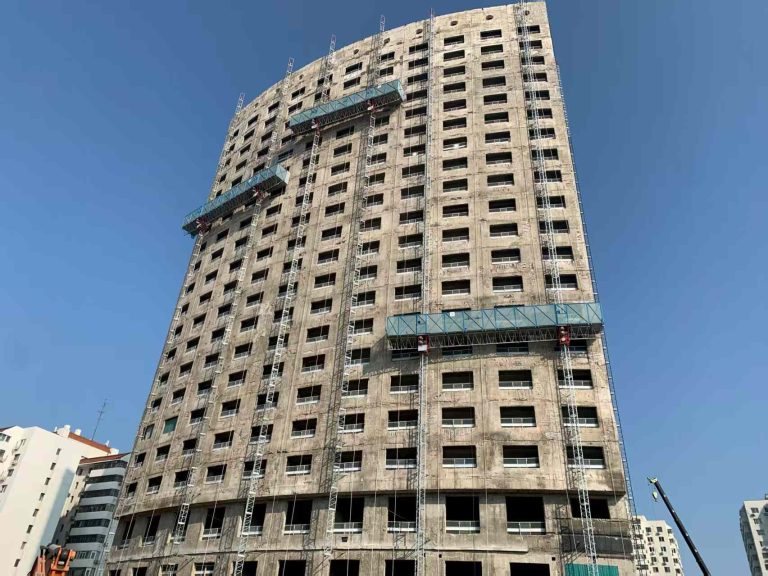
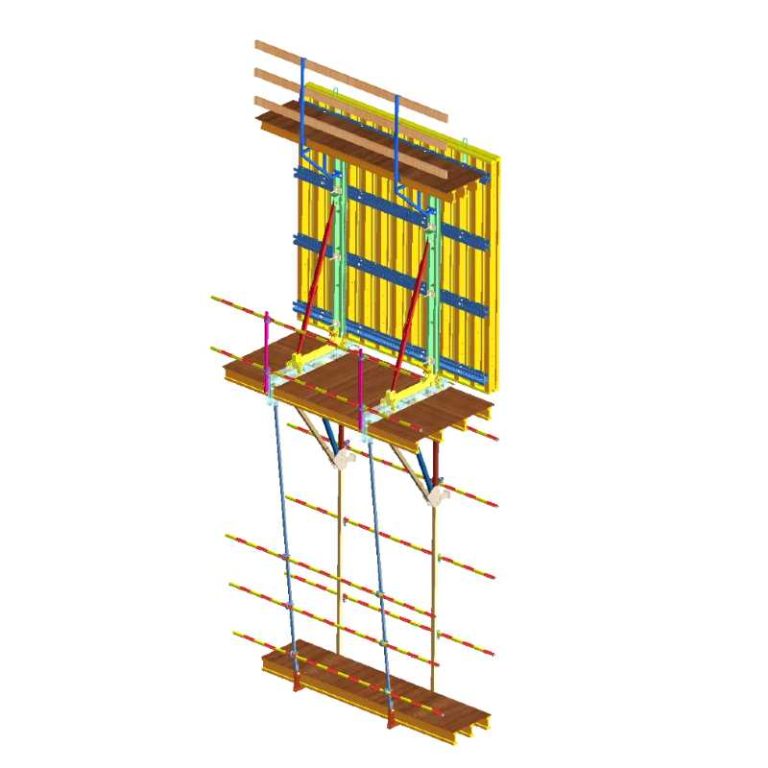
Table formwork refers to the formwork unit assembled according to standard modules. It does not need to be disassembled every time it is used. It only needs to be lifted from the next floor to the same position on the previous floor using a tower crane with special lifting equipment and then reused to achieve rapid construction. This method shortens build time and lifts site output.
Key Components and Structural Features of Modular Formwork Systems
Modular formwork has fixed pieces. Think panels, beams, and props. They fit together for different projects. Their repeat-use setup lets workers move them without a full breakdown. This keeps working fast and smoothly.
Why Modular Design Reduces Labor and Material Waste on Site
The modular build cuts down on work and waste. Parts are made exactly in the shops. They join tight with no fuss. This skips on-site tweaks. The modular design allows for flexible assembly and disassembly, improving on-site efficiency and reducing labor costs. Also, these setups are reused many times. This avoids one-use wood or custom cuts. It supports green aims too.

How Standardization Enhances Productivity in Large-Scale Projects
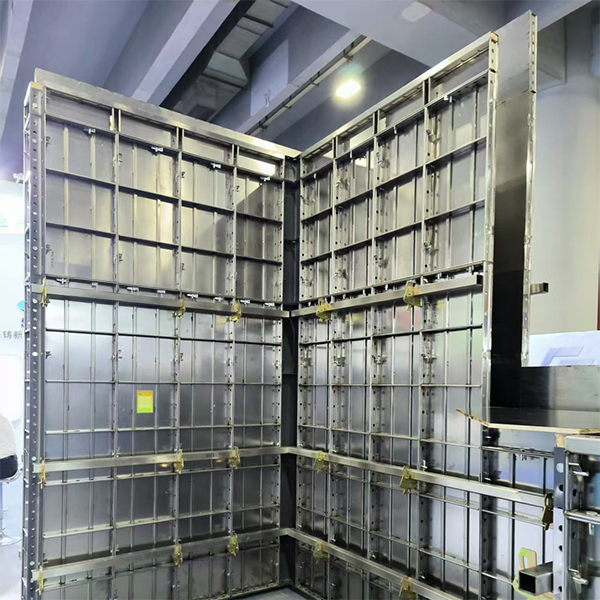
Standard parts make jobs easier. They simplify moving stuff and cut worker training. Teams can work on many spots at once. This suits tall buildings or big buildings where the same shapes count. Thanks to the precise tolerances of the machined aluminum components, consistent shape and surface quality are maintained from floor to floor. Same parts mean no holdups from measure slips or remakes.
How Does Modular Formwork Outperform Traditional Formwork in Complex Projects?
Modular formwork tops old methods in hard builds. It saves time and stays strong.
Time-Saving Benefits of Pre-Engineered Modular Systems
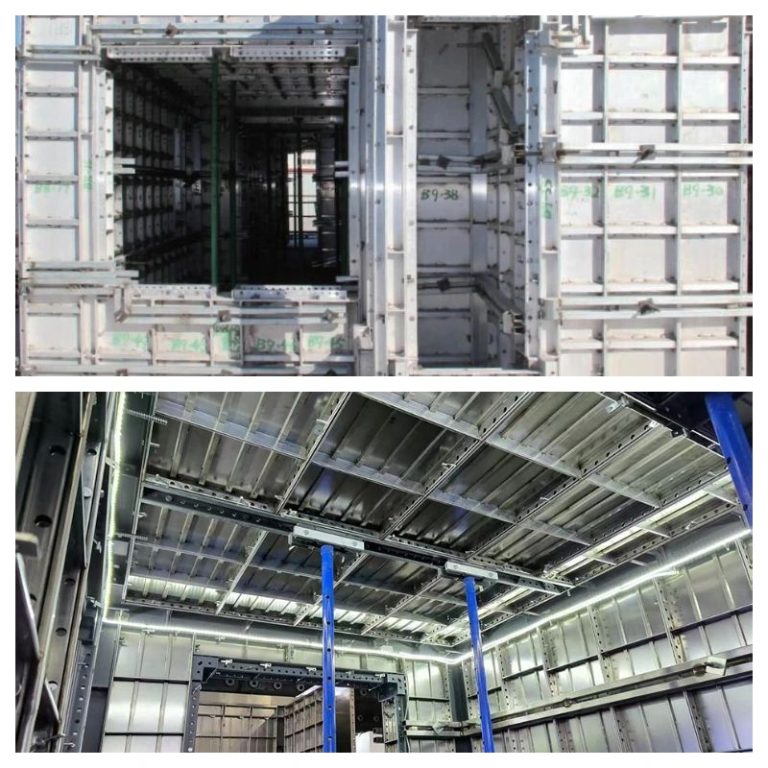
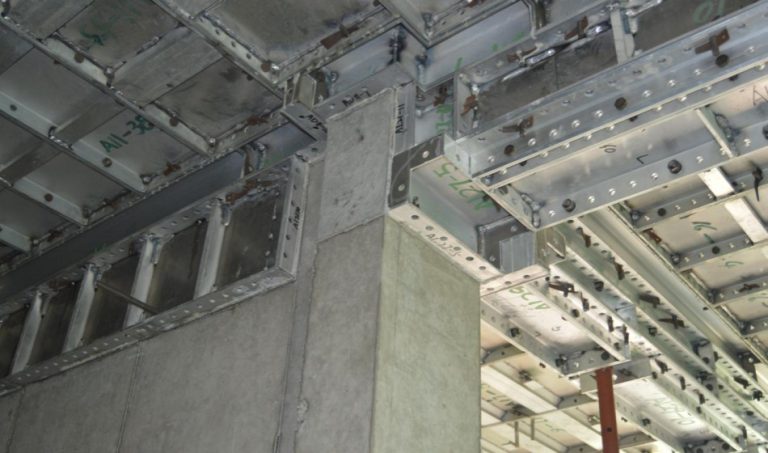
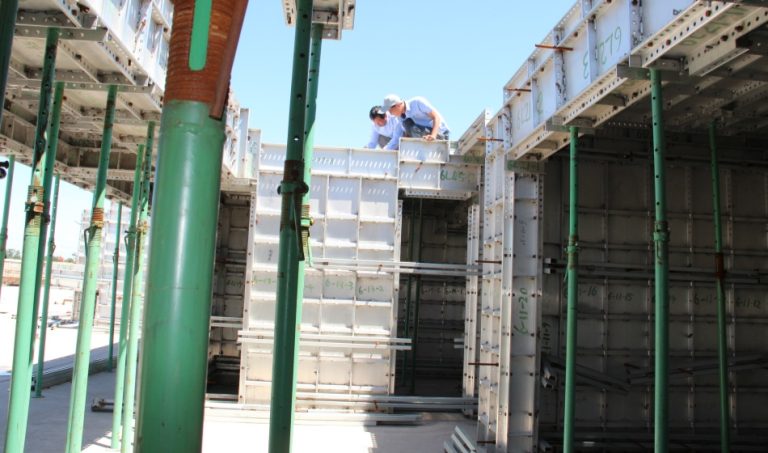
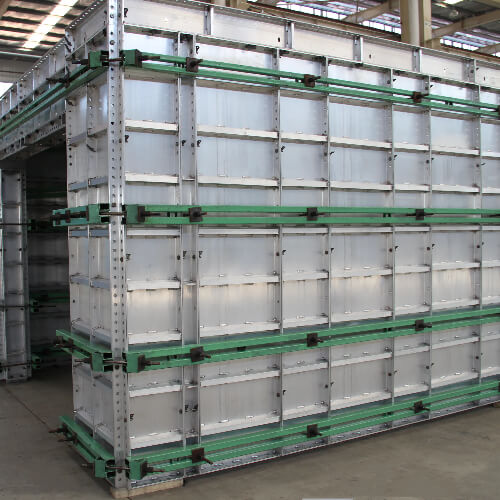
Modular systems are made for fast setup. Their ready-cut pieces skip slow woodwork or metal shaping on-site. The aluminum formwork system is a high-efficiency solution for RCC load-bearing and RCC-framed multi-story buildings. It pours walls and slabs at once. This speeds work and makes a solid, single-piece build with a clean concrete look.
Comparing Durability and Reusability Between Modular and Traditional Formwork
Old wood formwork breaks down fast. It soaks up water and wears out. Modular systems, like aluminum or galvanized steel, last longer. With high-strength and lightweight, GOWE aluminium formwork is an ideal choice for construction, and highly acclaimed by construction workers due to its light weight and flexibility. These materials have many uses without losing strength or safety.
The Role of Precision Engineering in Minimizing On-Site Adjustments
Modular formwork uses shop-exact builds. This makes all parts fit perfectly. Precision-manufactured panels produce smooth concrete finishes, reducing the need for post-treatment. This lowers rework during setup or after pouring. It’s a big plus for tricky builds with tight fits.
Where Can Modular Formwork Frames Be Applied in Large-Scale Construction?
Modular formwork fits many large jobs. It works best where repeated shapes help.
Common Applications in Infrastructure and High-Rise Developments
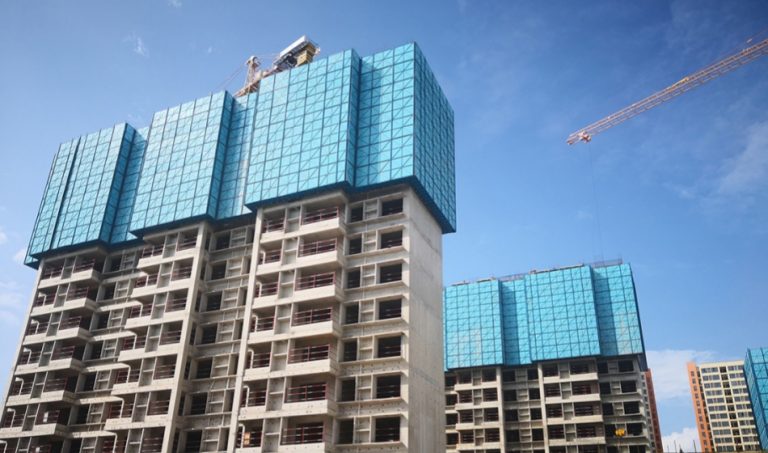
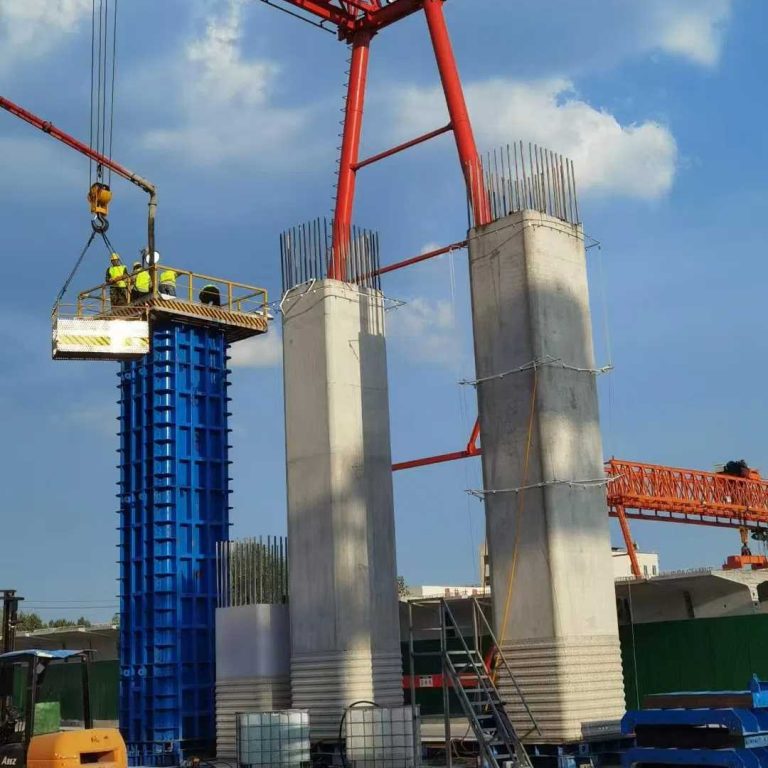
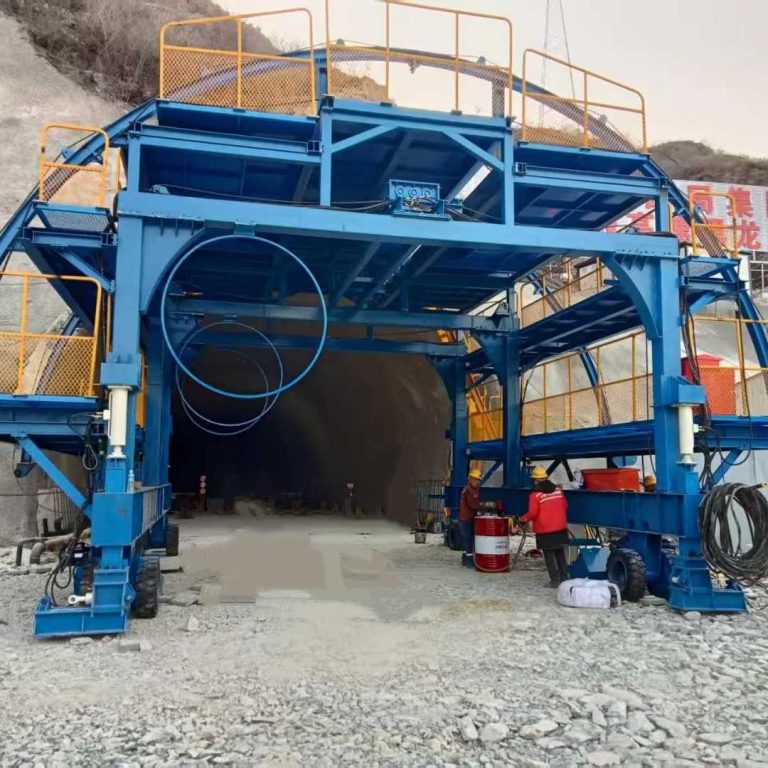
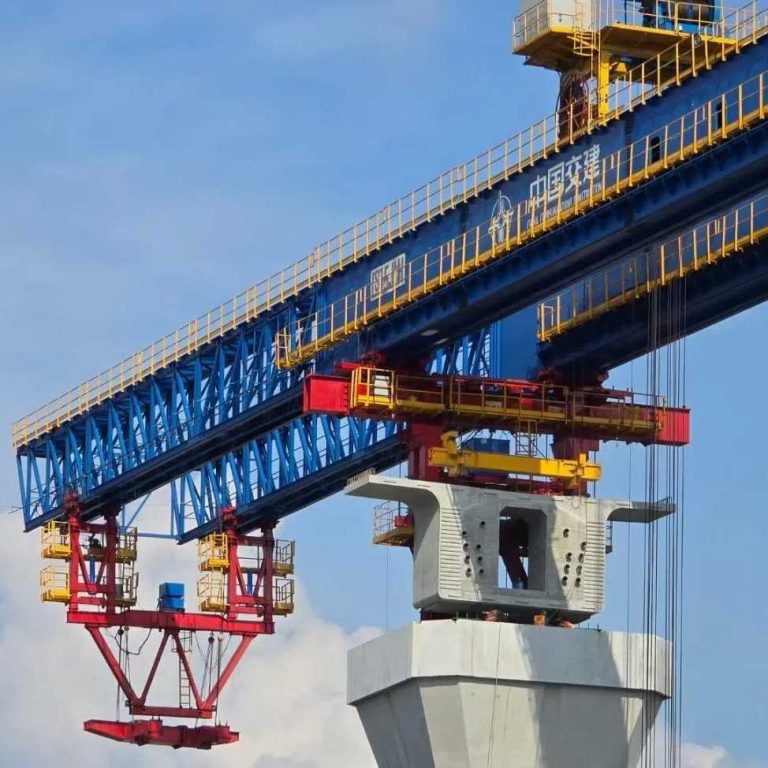
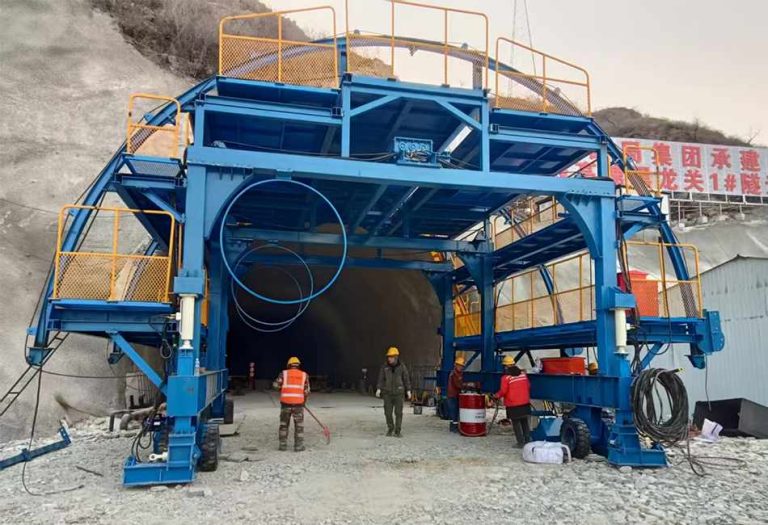
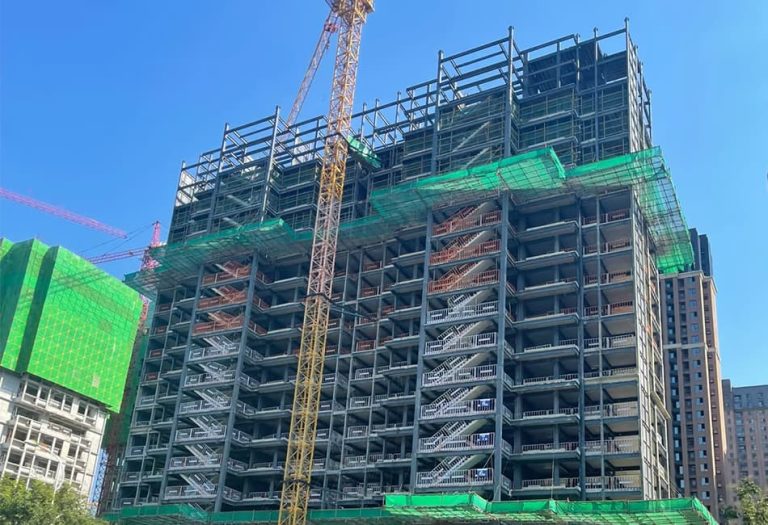
Modular formwork excels in tall homes, office towers, bridges, tunnels, and more. It can withstand 60kN/m² concrete side pressure, and realize one-time whole pouring and forming of both vertical and horizontal structure, and it can be dismantled in advance for the horizontal structure. This fits cores like lifts or stairs.
Adapting Modular Systems for Industrial and Commercial Projects
In factories, storage spaces, malls, or offices, modular frames flex to needs. They stay strong under different weights. They add ducts or lines without changing the main bits.
Safety and Compliance Considerations in Modular Formwork Usage
Safety matters in big jobs. Modular systems have locks for steady pours. Materials like galvanized steel meet fire rules and fight rust over time.
Why Is Material Selection Critical in Modular Formwork Frame Design?
Picking the right stuff shapes formwork use. It sets strength and ease.
Advantages of Using High-Grade Steel and Lightweight Alloys
Materials decide strength and handling. Aluminum alloys mix light weight with load power. They’re easy to move without cranes. High-grade steels hold up in rough spots. Engineered for performance, GOWE High-Strength Stainless Steel Formwork provides superior strength and precision in structural formwork applications.

How Material Choice Impacts Load-Bearing Capacity and Longevity
Materials handle stress in their own way. Good alloys last through many uses without bending or breaking. Its robust construction resists rust, impact, and chemical exposure, making it perfect for aggressive site conditions such as marine, underground, or high-humidity environments.
Environmental and Cost Implications of Recyclable Formwork Materials
Reusable materials save cash and the earth. Aluminum recycles well and lasts long. This cuts trash compared to one-use wood.
How Do We at GOWE Deliver Reliable Modular Formwork and Scaffolding Solutions?
GOWE makes solid formwork and scaffolding. We focus on smart, tough builds.
Our Commitment to Engineering Precision and Structural Integrity
At GOWE, we prioritize innovation backed by decades of engineering expertise. Innovation is ingrained in our DNA, and developing modular formwork systems that can be assembled and disassembled with minimal effort enables us to deliver solutions that meet both current project demands and future industry standards.
Features of GOWE’s Modular Formwork Frames for Large-Scale Projects
Our formwork has great features for big tasks.
Integrated Locking Mechanisms for Quick Assembly
Our frames have built-in locks. They tie panels fast and firmly. This saves a lot.
Galvanized Steel Frames for Enhanced Corrosion Resistance
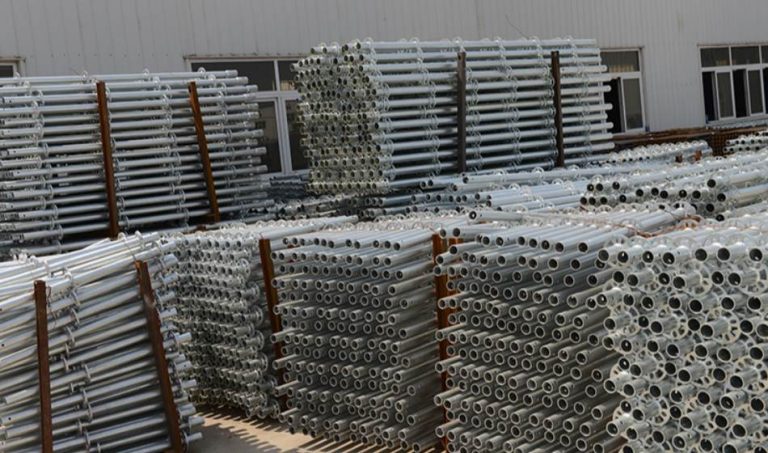
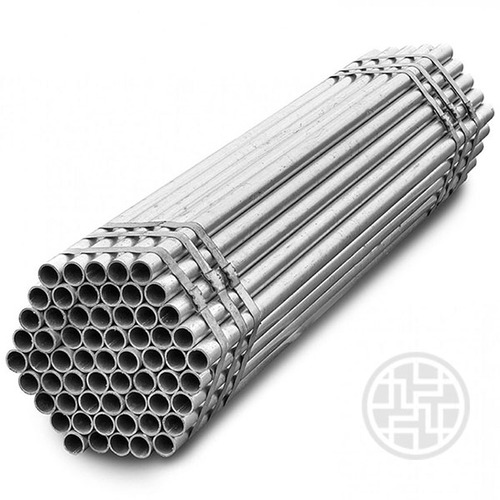
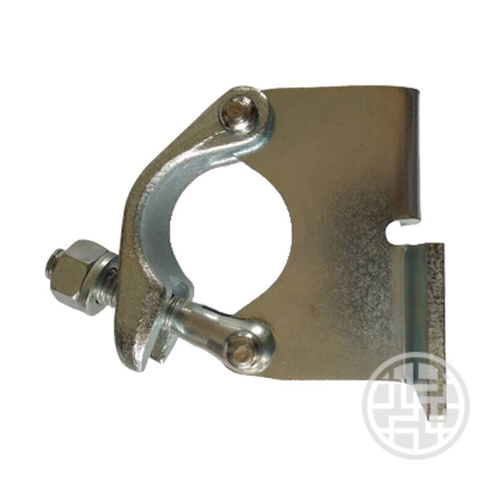
We use Q355/Q235 grade galvanized steel in our scaffolding. It stops rust even in bad weather.
Modular Flexibility to Suit Varied Construction Needs
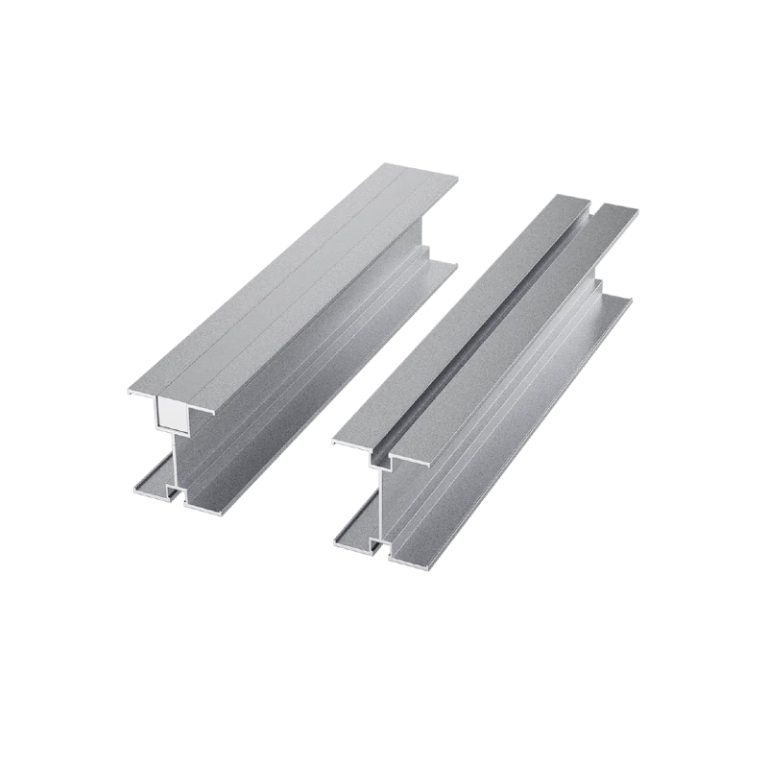
GOWE’s aluminum beams pair well with our iron scaffolding. They suit cores to wide slabs.
GOWE Scaffolding Systems: Built for Safety and Efficiency
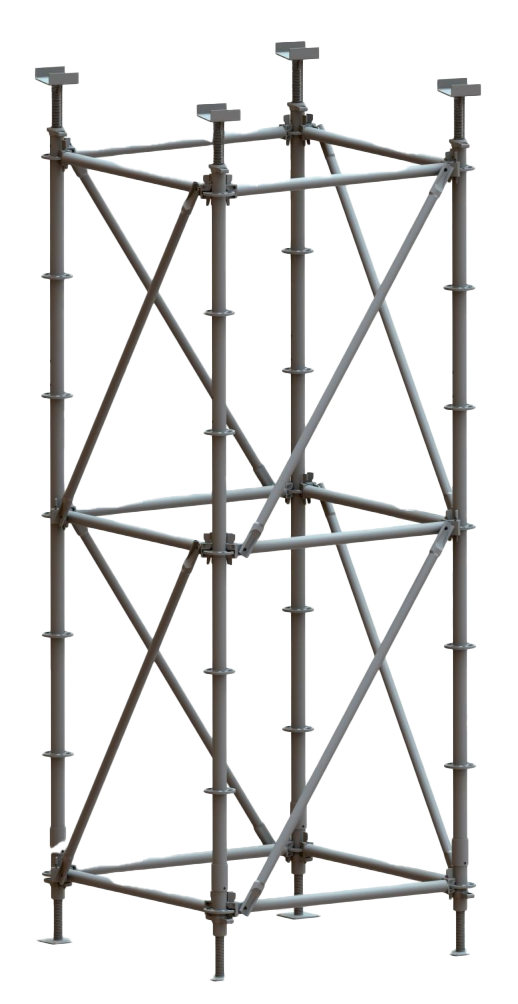
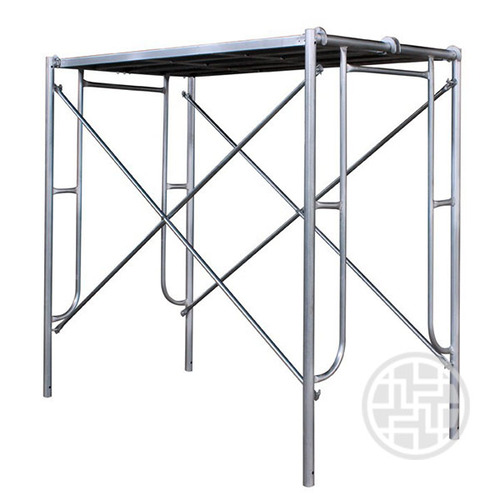
Our scaffolding is safe and works great.
Adjustable Height and Load Capacity for Diverse Project Requirements
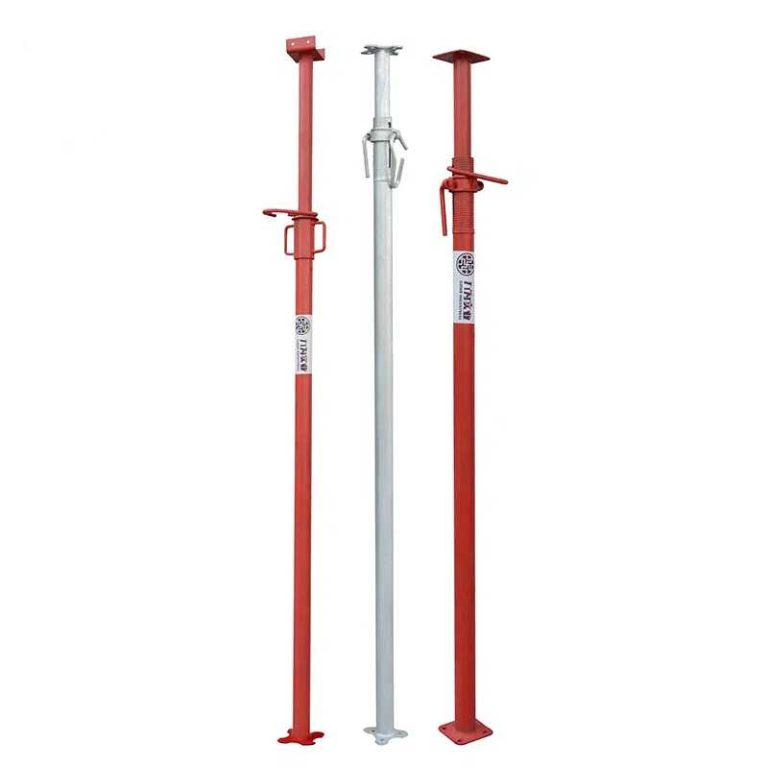
Our scaffolding shifts to fit site heights. It holds strong for different jobs.
Compatibility with GOWE Formwork for Seamless Integration
Our scaffolding links easily with GOWE’s Aluminium Formwork System. This keeps up-and-down work in step.
Easy Maintenance and Long Service Life for Cost-Effective Use
Our products need little care. They last long over many uses. This saves money over time.
FAQ
Q: What is modular formwork used for in construction?
A: Modular formwork is primarily used to mold concrete structures efficiently during construction projects such as high-rise buildings, bridges, tunnels, factories, or commercial spaces by enabling faster assembly using reusable components.
Q: How does modular formwork compare to traditional timber-based options?
A: Unlike traditional timber, which degrades quickly after limited use, modular systems like those made from aluminum or galvanized steel offer higher durability, better precision fitment, faster installation times—and most importantly—they’re reusable across multiple projects.
Q: What factors should I consider when choosing a modular formwork system?
A: Key considerations include material type (e.g., aluminum vs steel), load capacity requirements based on your project size/type, ease of assembly/disassembly features like integrated locks, compatibility with scaffolding systems, and supplier reliability based on past performance.
Q: Are there environmental benefits associated with using modular formwork?
A: Yes—modular systems reduce material waste through reuse cycles; many use recyclable materials like aluminum, which lessen environmental impact compared to disposable wooden forms commonly used earlier.
Q: Which companies provide reliable modular formworks?
A: GOWE offers precision-engineered modular formworks made from high-grade materials like stainless steel or aluminum alloy—with integrated locking mechanisms—for safe, rapid deployment across large-scale projects worldwide.