

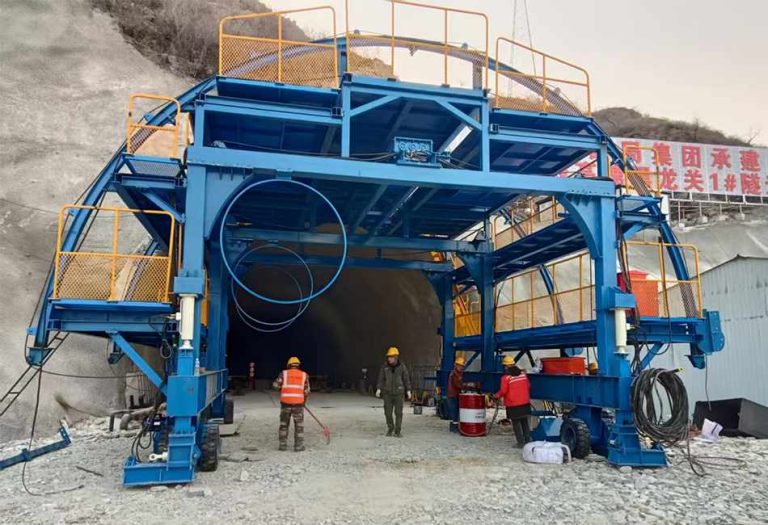
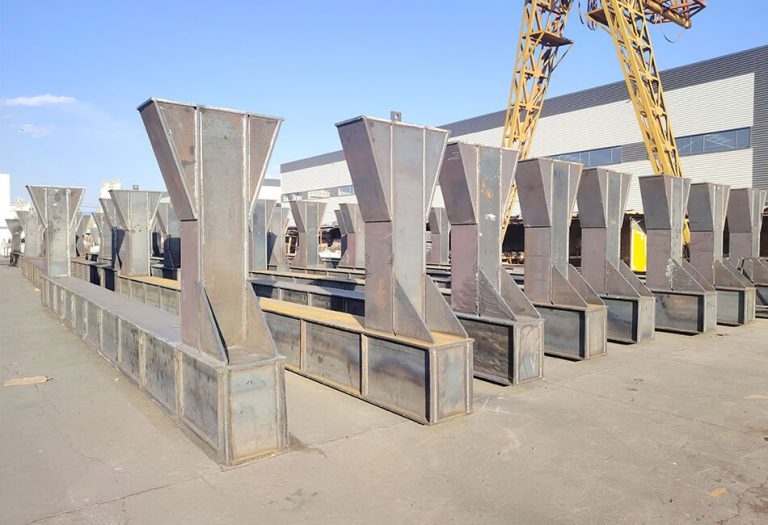
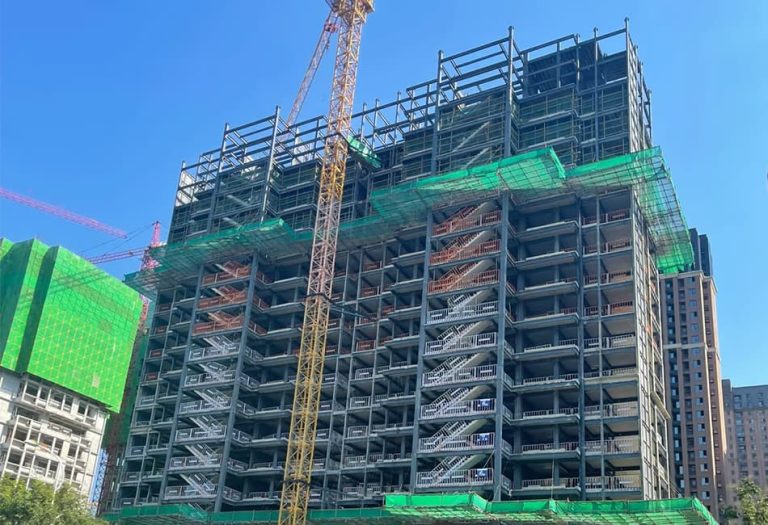
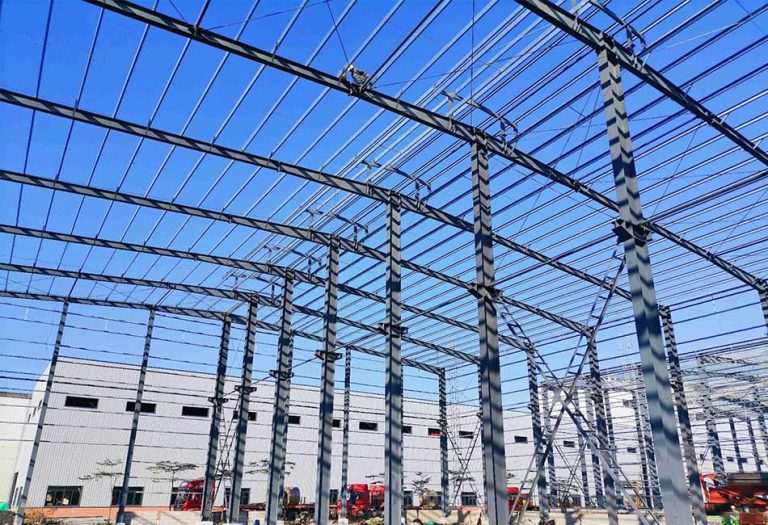


What temporary access must shipbuilding support equipment provide for the crew? Quotation drawings should explain the work scope: crew positions and what the task requires them to reach. Those answers determine the interfaces and operating conditions suppliers must address. Here the buying decision concerns temporary access and support systems, considering acceptance evidence and ownership costs together. Separate procurement packages cover machinery remaining in the finished ship.
What Counts as Shipbuilding Support Equipment in a Custom Project?
Which temporary systems support access and work at the vessel?
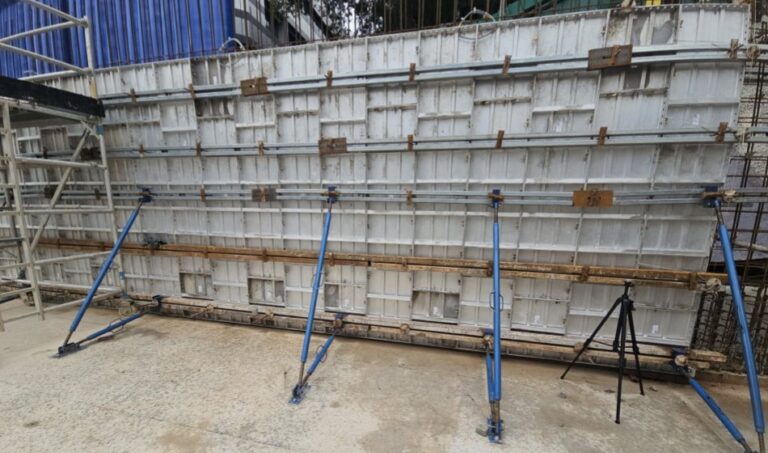
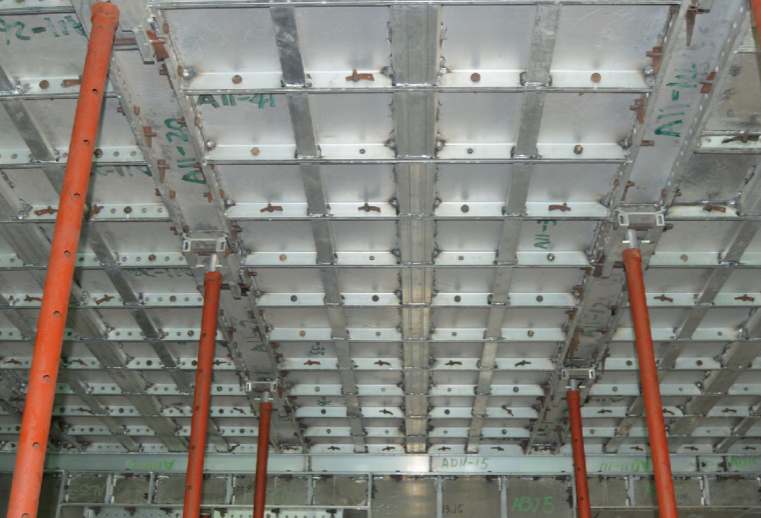
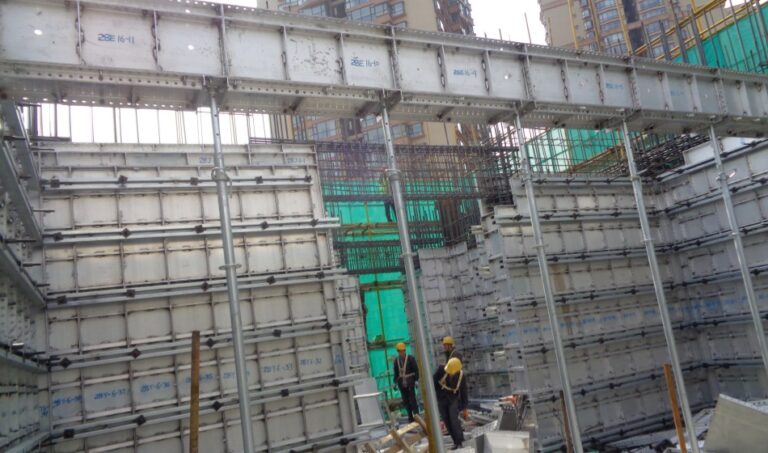
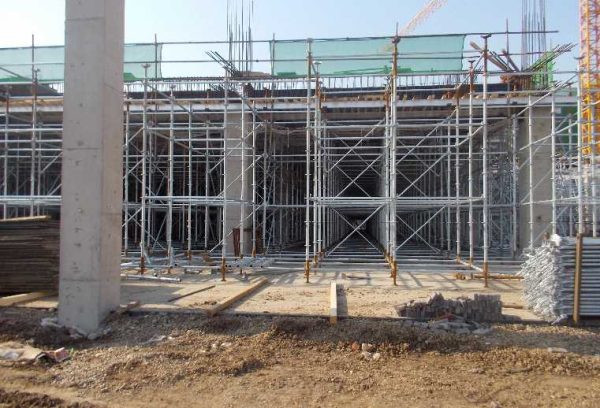
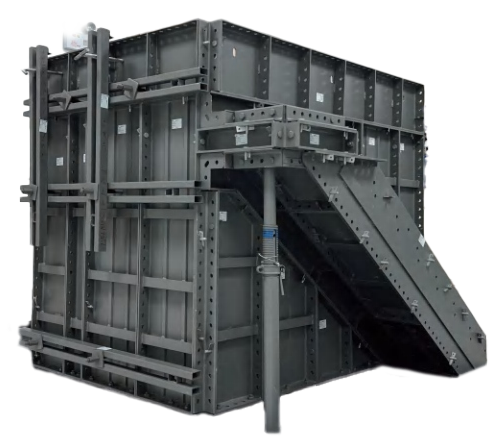
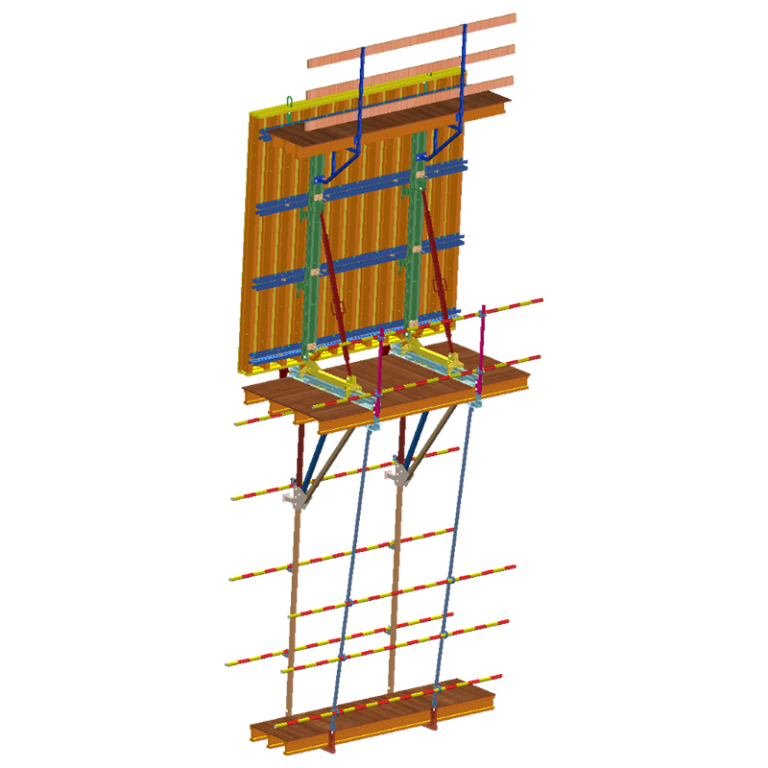
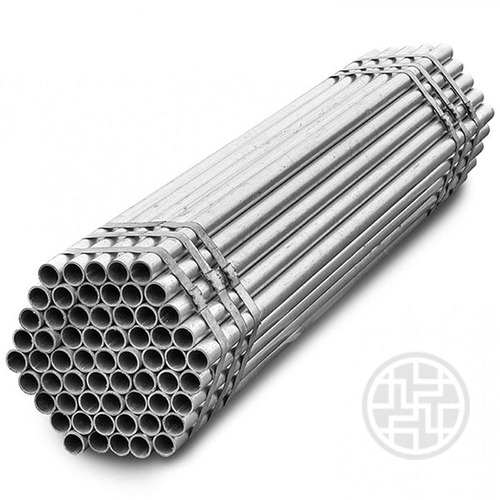
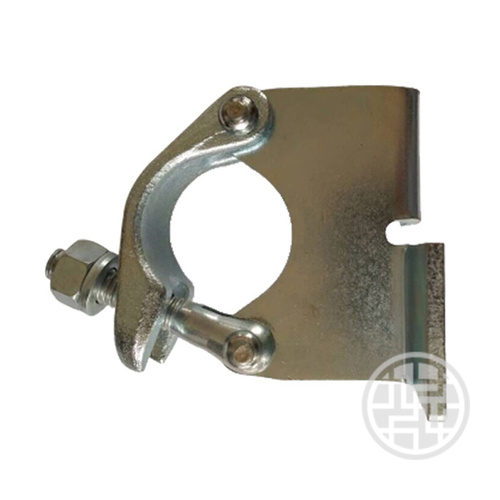
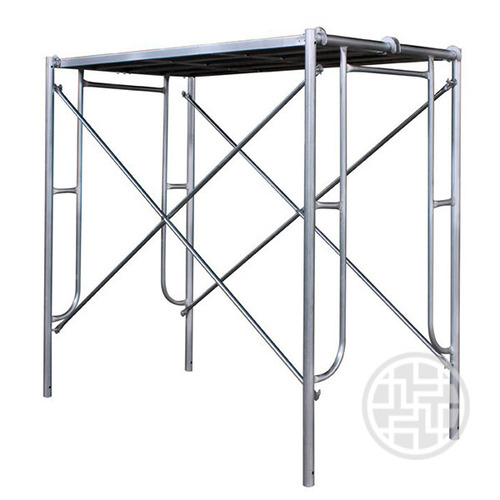
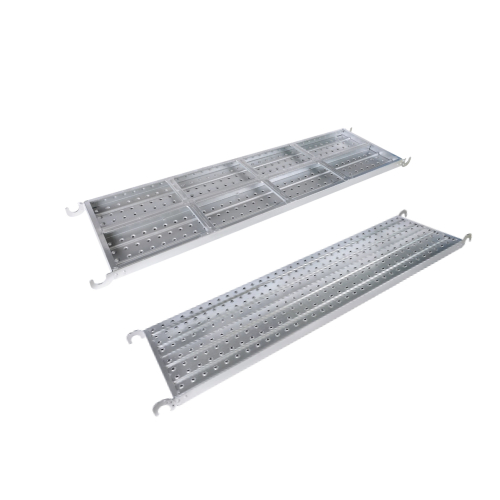
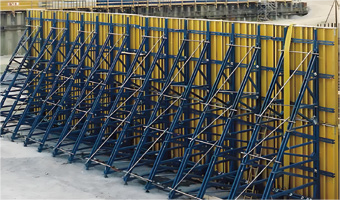
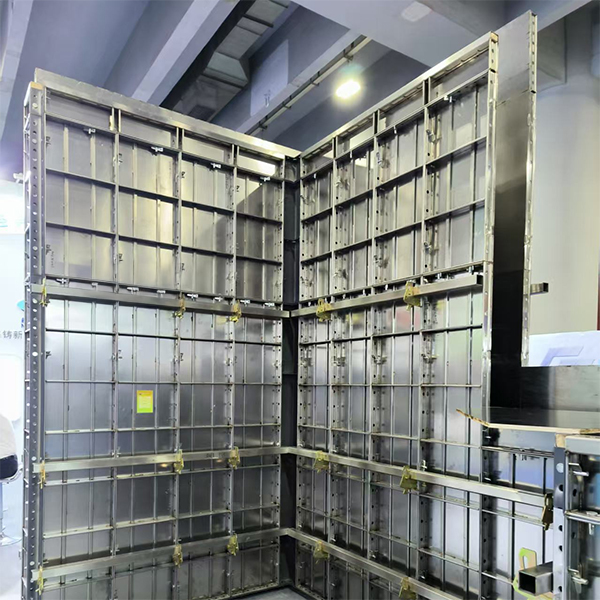
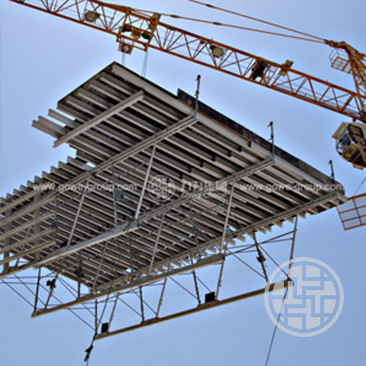
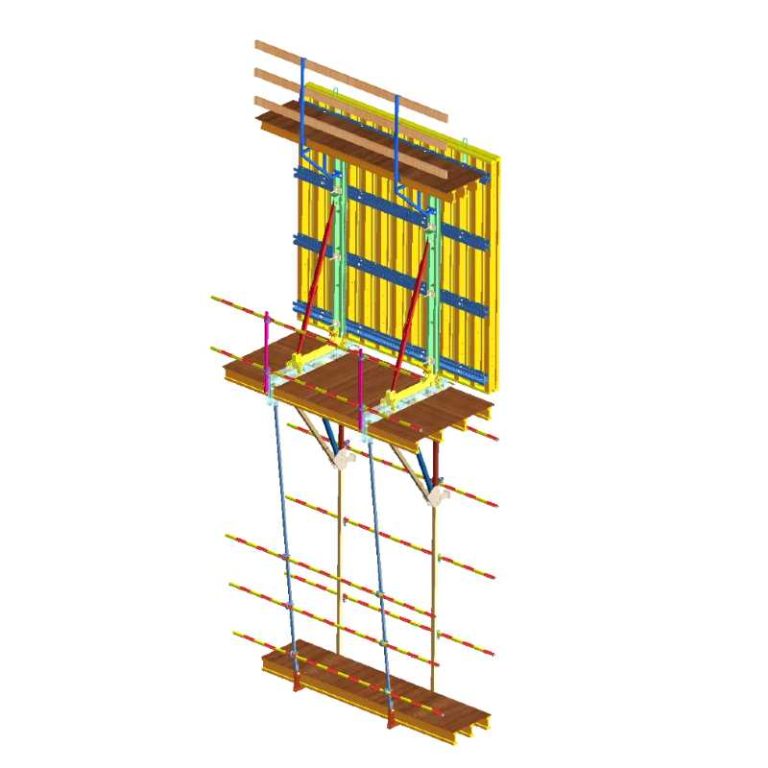
A work package needs more than a location: name the trade and activity, then record users, tools and materials, access route, and duration. Include how the work front may change as construction advances. Formwork and scaffolding systems are our focus at GOWE.
How does temporary support equipment differ from permanent ship outfitting?
In the request for quotation, describe subsequent use. After fabrication, inspection, or installation work, its temporary access may be removed, relocated, or reused. Permanent ship outfitting remains. List vessel machinery, permanent structures, and shipyard production equipment apart from the temporary equipment package. Suppliers can price against those boundaries. Beside access design, components, installation, inspection, relocation, and removal, name the responsible party. An unassigned activity is a gap to resolve before award.
When Does a Shipyard Need a Custom Support System?
Where do vessel geometry and build sequencing make standard setups unsuitable?
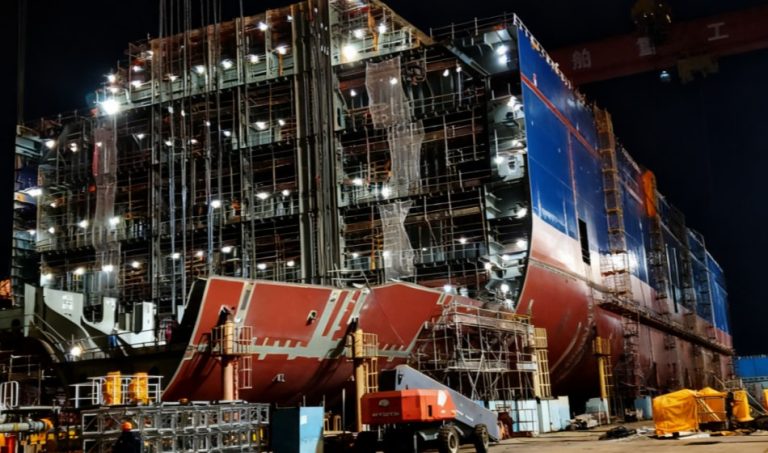
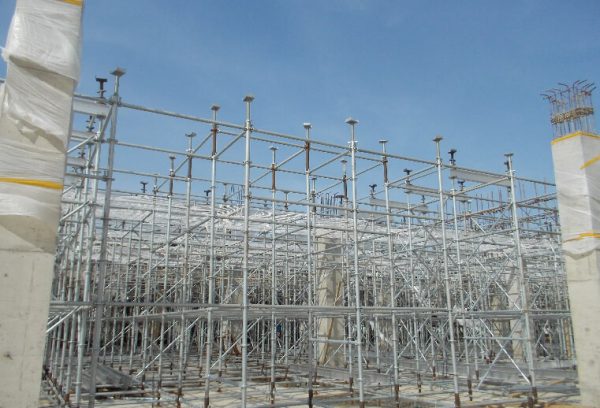
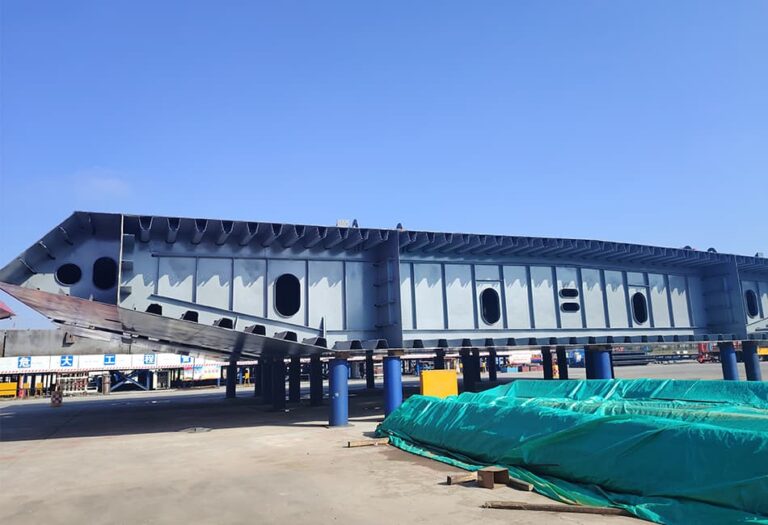
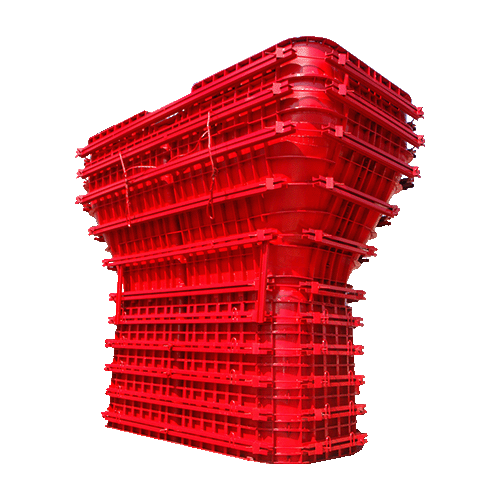
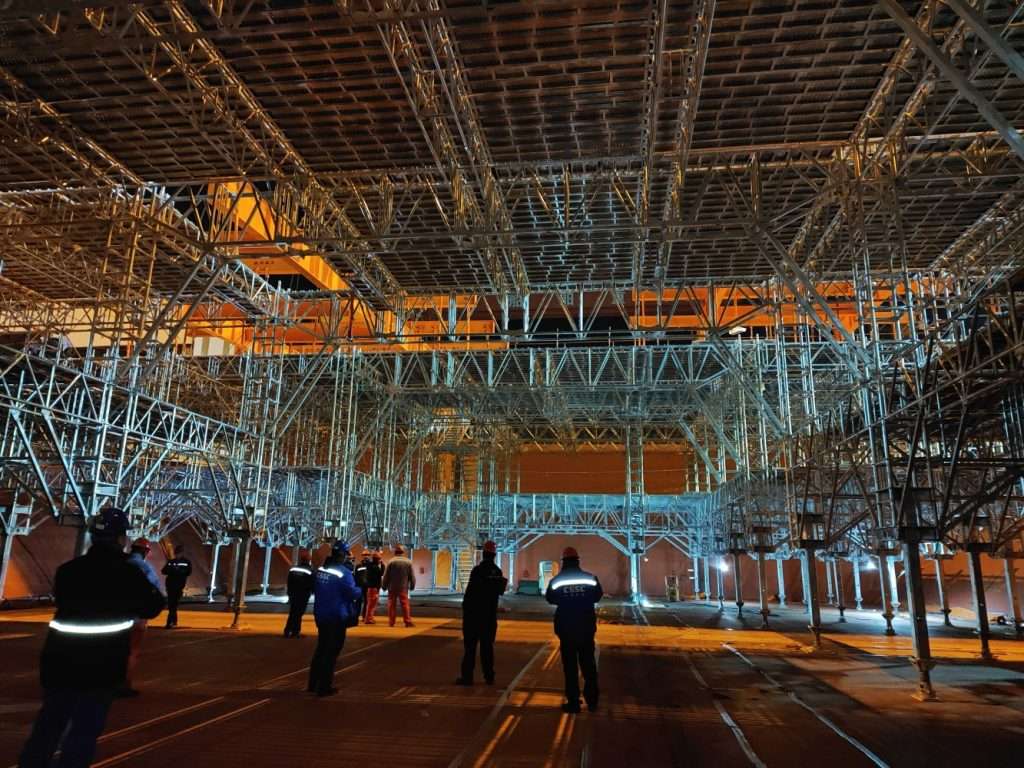
Trace the standard arrangement along the work face. Mark where vessel geometry, clearances, or trade sequence would force adjustment, and when. Compare the adjustment cost with a custom solution’s added design, fabrication, inspection, transport, and storage scope, allowing for effects on planned work. At GOWE, we provided the custom marine scaffolding solution for the Hai Yun LNG carrier, designing its ringlock arrangement around the vessel’s hull and tank curvature. That is one project example, not evidence that the same design or configuration suits another vessel.
How do repeat builds, changing work fronts, and reuse plans affect customization?
For repeat builds, compare drawings before assuming that customization will pay back. Mark dimensions and interfaces that stay the same, alongside those that vary between vessels. The designer can use that comparison to distinguish reusable modules from project-specific components and identify changes requiring a fresh review. A recurring fit problem or an arrangement adaptable across known stages gives customization a clearer purpose. Simple access needed for a one-off task may favor standard equipment on cost. Compare the new hull, compartment, or work sequence with the approved drawing. Changed assumptions mean another review.
What Should Buyers Include in a Custom Equipment Specification?
Which drawings, dimensions, loads, and clearances should the brief define?
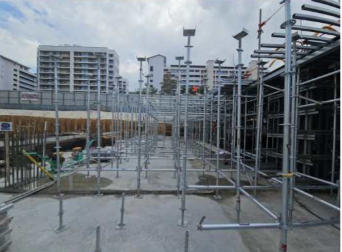
A drawing without its revision date leaves suppliers guessing which arrangement to price. Attach vessel and work-area drawings, marking task and build stage. Show working levels, clearances, restricted zones, and access and egress routes alongside expected users, tools, materials, and temporary equipment. In load planning, the maximum intended work condition means considering people together with tools, materials, and temporary equipment. A people-only surface is the wrong assumption for a working platform. Changed work methods and temporary storage require a review before use. Follow the load from the platform through horizontal members and standards to base supports and the receiving structure. Under the approved design, that complete scaffold path needs review against the actual site condition. Where drawings rely on a deck, bulkhead, or other existing structure, obtain project engineering confirmation of its proposed load.
How should the work scope, interfaces, access, and change assumptions be documented?
At connections to adjacent work, trace how crews and materials arrive. Mark routes that must stay open on the layout. For access planning, trace a worker entering the scaffold, moving to the task, and leaving. Trace tools and materials to the work face too, checking worker routes for delivery conflicts. Match the approved arrangement to access, guardrails, toeboards, and falling-object controls. Record assumed vessel position, adjacent equipment, concurrent trades, installation sequence, and expected changes. An exclusion should name the ship structure or anchor point awaiting separate approval. Ask suppliers about missing inputs before pricing; leave that decision outside the assumptions embedded in a quote.
How Can Buyers Check Engineering, Safety, and Compatibility?
What calculations, drawings, load information, and limitations should a proposal show?
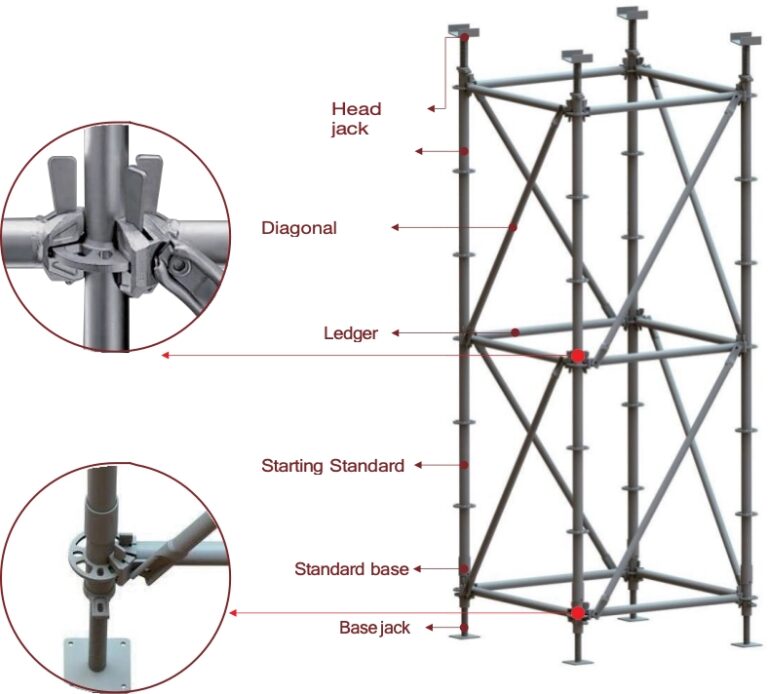
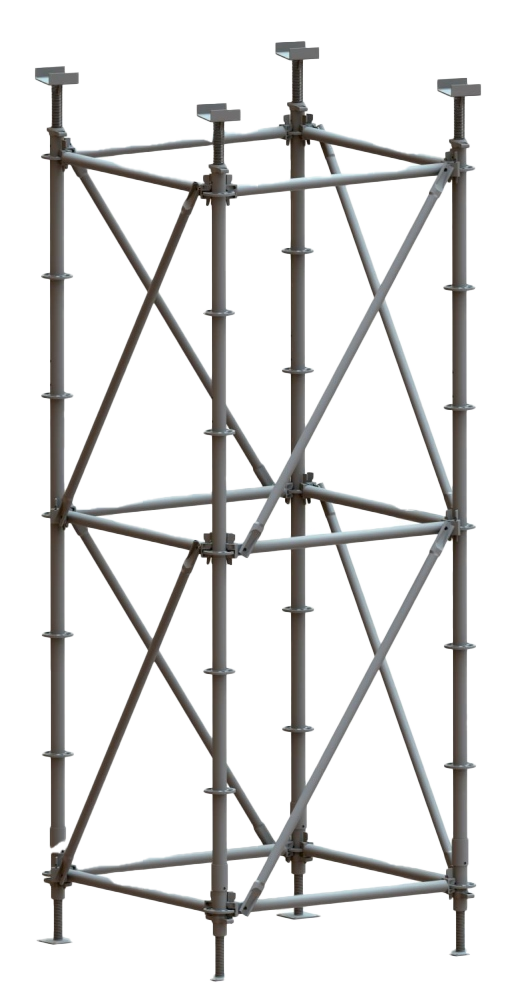
Request a layout, component schedule, design assumptions, intended loads, and limits of use. The proposal should make clear what has been checked, what remains subject to vessel-side confirmation, and which site conditions can change the design. If the proposed system is ringlock, GOWE’s ringlock range includes M48 and M60 systems with standards, ledgers, diagonal braces, base jacks, base collars, and head jacks. Put the Perancah Ringlock proposal beside current manufacturer instructions and project approval documentation. Do load, height, and component compatibility agree? Have suppliers explain differences before acceptance. A system label alone is not an engineering check.
How should inspection, handover, and design-change controls be evidenced?
Beside design review, erection, inspection, handover, and subsequent changes, write the responsible party. In the handover, find what was inspected and the load and work condition covered. Then check corrected defects and when scaffold use may resume. Those details define its scope. Check the record again at a work phase change. Its original acceptance covers the condition recorded then. Qualified engineering review should check applicable local rules and shipyard procedures. Before installation or use, obtain site-specific approvals from the responsible parties identified during procurement.
How Should Shipyards Compare Proposals and Lifecycle Costs?
Which design, fabrication, trial-fit, delivery, and support milestones should be compared?
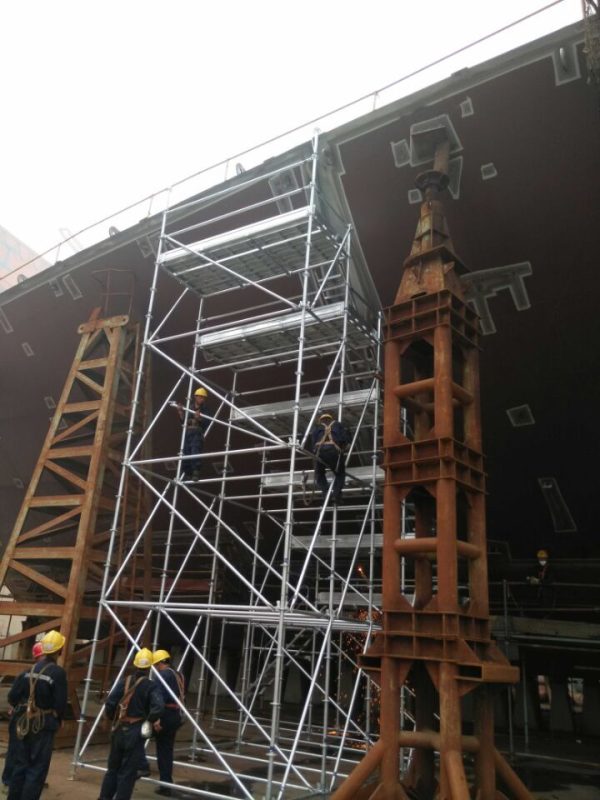
Have bidders mark commitments in the scope matrix: design inputs and drawings, review points, component supply, fabrication checks, agreed trial fit, packaging, transport, installation support, handover documents, and approved changes. A named owner and closing evidence belong against each step. Our work at GOWE runs from engineering consultation, product references, and customized design through production, construction, operation, and service. Discussing our engineering consultation, custom design, and delivery process, ask us to identify the deliverables covered by your proposal, with schedules and responsibilities.
How can buyers assess reuse, adjustment, maintenance, and storage costs?
Begin with the period and work scope on each bid. Are they identical? Set those assumptions first, together with delivery terms and services. Follow the equipment from design and fabrication through inbound transport, installation, relocation, inspection, repair, storage, and end-of-project handling. Enter costs against the common basis. Where reuse contributes to the return, ask what inspection or replacement precedes another deployment and how project-specific parts will be tracked. Beside a cheaper quote, check the layout: are activities excluded or a simpler arrangement assumed? Leave remaining uncertainties visible in the selection record.
FAQ များ
Q: What is shipbuilding support equipment?
A: It is temporary access or support equipment used to complete work during vessel construction. The request should distinguish it from production machinery and permanent ship outfitting.
Q: When does custom shipbuilding support equipment make sense?
A: Compare the adjustments a standard setup would need with the full custom scope. Vessel geometry, clearances, repeated work, and build sequencing show where adjustments arise. Where adjustments recur, examine whether the custom option addresses them.
Q: What information is needed for a custom shipbuilding equipment quote?
A: Send current drawings marking task and stage. Flag unknown dimensions, clearances, access routes, maximum intended loads, interfaces, schedule assumptions, and approval responsibilities for supplier clarification.
Q: How can buyers evaluate a shipyard support equipment proposal?
A: Read the layout alongside design assumptions, loads, limits, and compatibility information. Then match inspection, handover, delivery, and change responsibilities to project requirements. An applicable approval still missing needs resolution before acceptance.
Q: How do shipyards compare the lifecycle cost of shipbuilding support equipment?
A: Start from common scope and schedule assumptions. Put purchase and design cost beside transport, installation, relocation, inspection, maintenance, storage, reuse requirements, and end-of-project handling, using those assumptions.