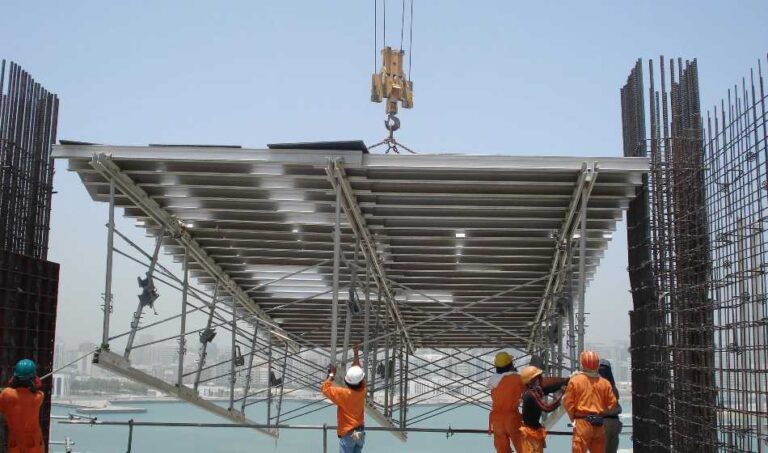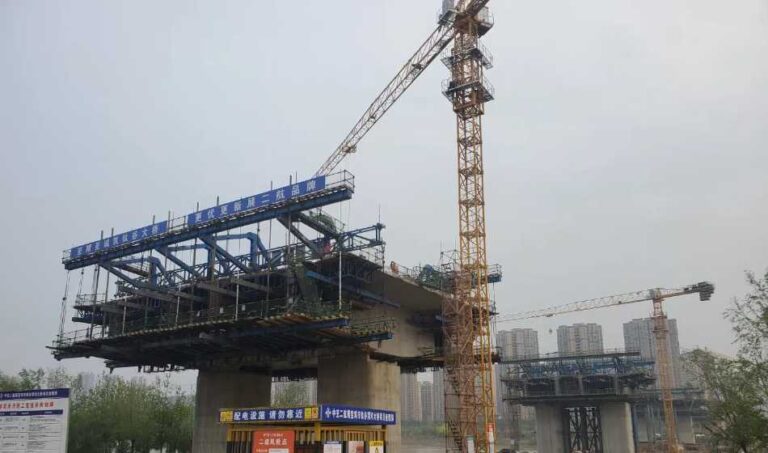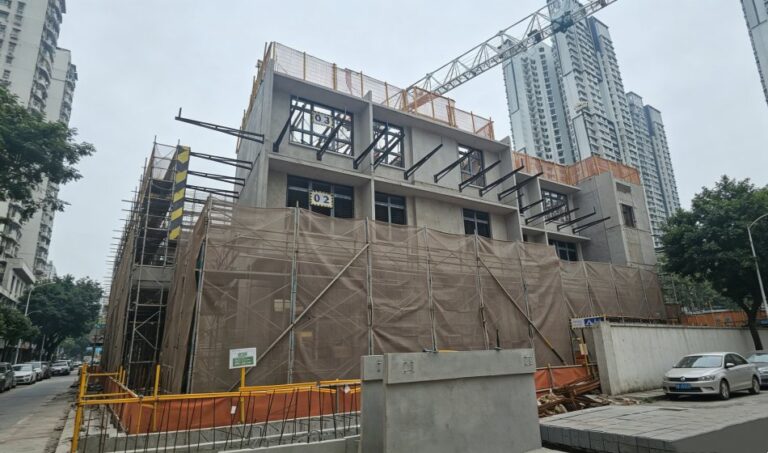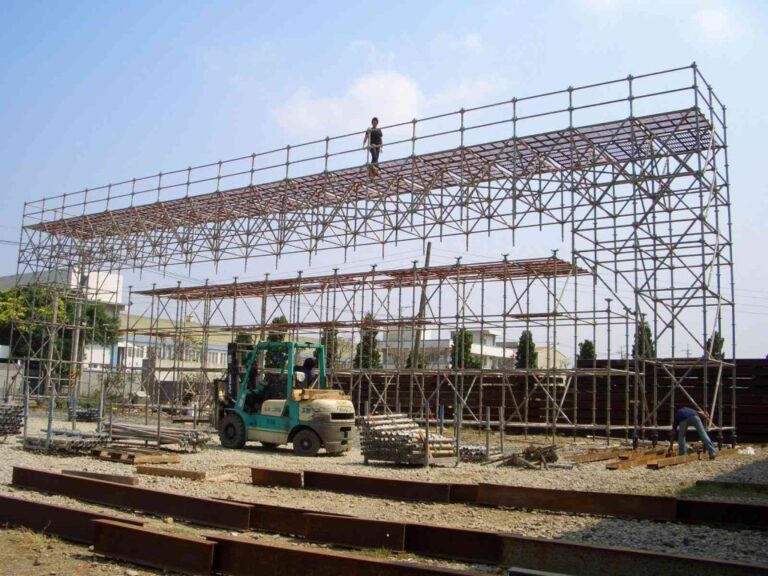

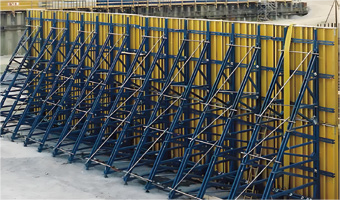
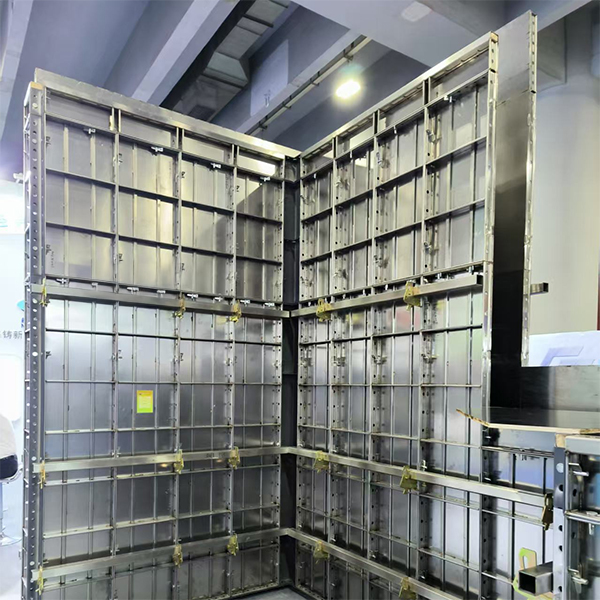
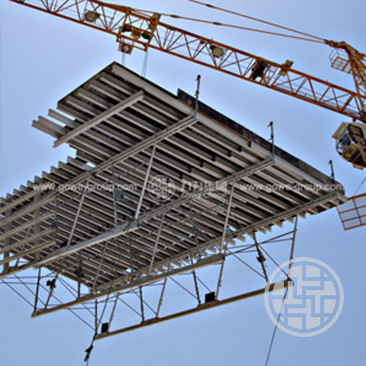

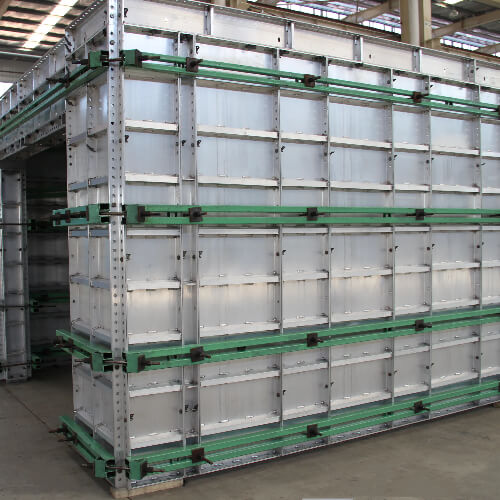


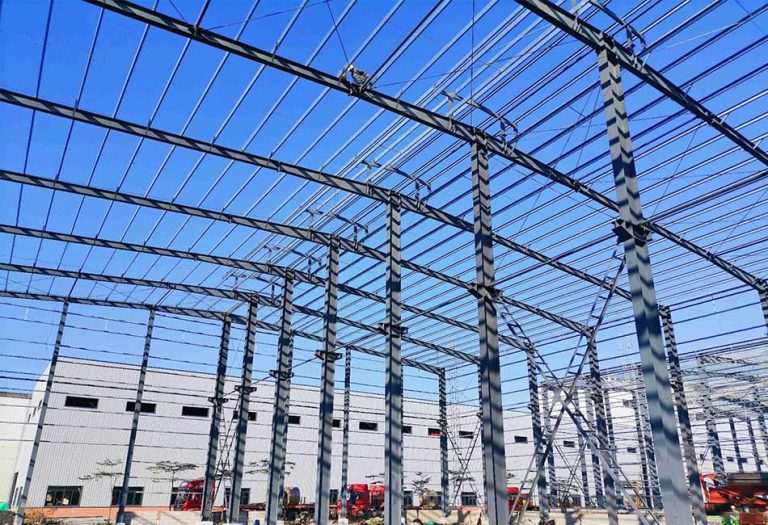



Selecting the correct equipment for the job is a design decision, not a shopping list. When choosing a scaffold system, scaffolding contractors need to consider access, ground conditions, loads, program, inspection, and handover prior to selecting the most suitable scaffold system. The scaffold should form a complete load path that can be easily erected, amended and inspected as the project develops.
How Do Scaffolding Contractors Define the Project Before Selecting Equipment?
Start With the Workface, Access and Erection Sequence
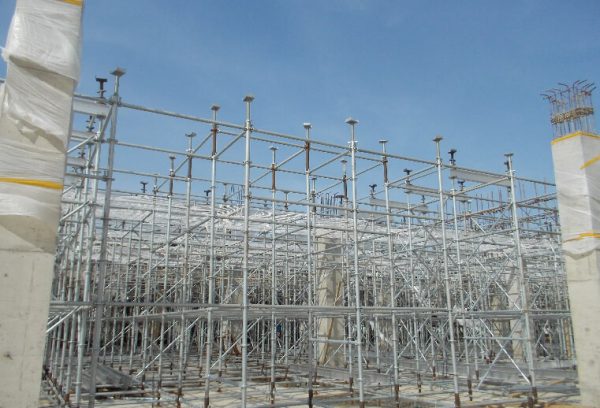
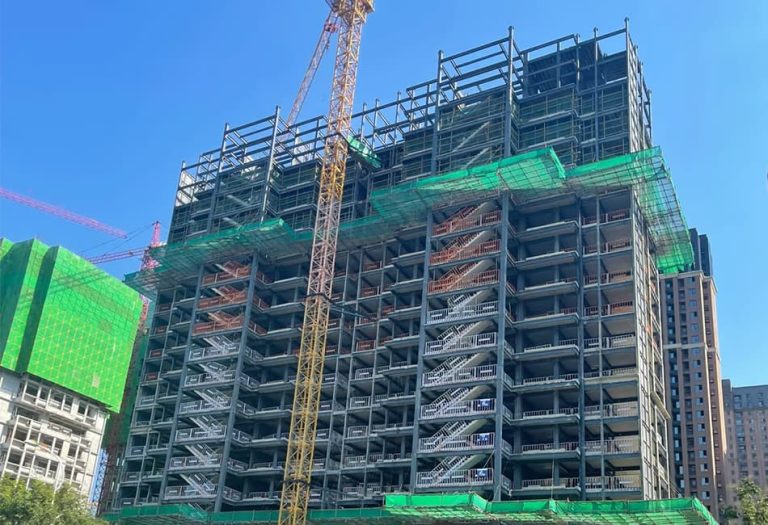
O andaime de argolas should be reviewed within the approved application for its use.
Map out where people, materials and tools will be moving around, and note the working height, setbacks, openings and interfaces with the permanent structure. A façade contract will require continuous platforms and ties, for example, whereas a plant shutdown may require compact access towers that can be moved frequently. Sequencing of components that work after handover but are unsafe during partial erection of other parts must be planned too. Loading, bracing, access and dismantling should all be covered in one conversation.
Match the System to Ground and Load-Path Conditions
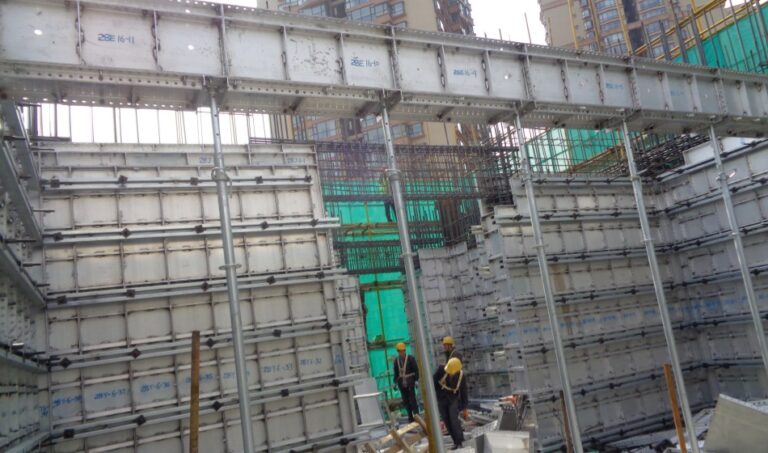
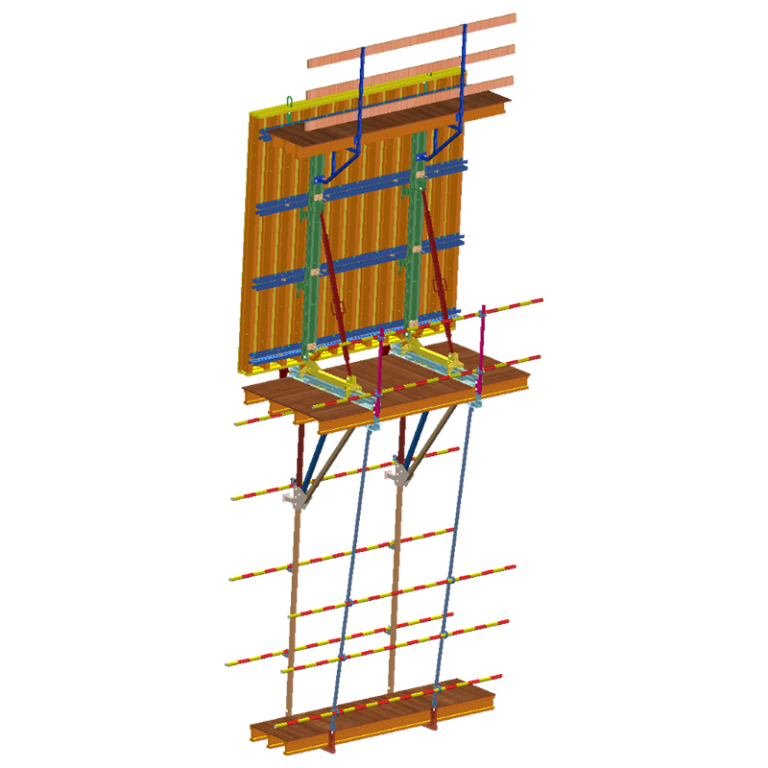
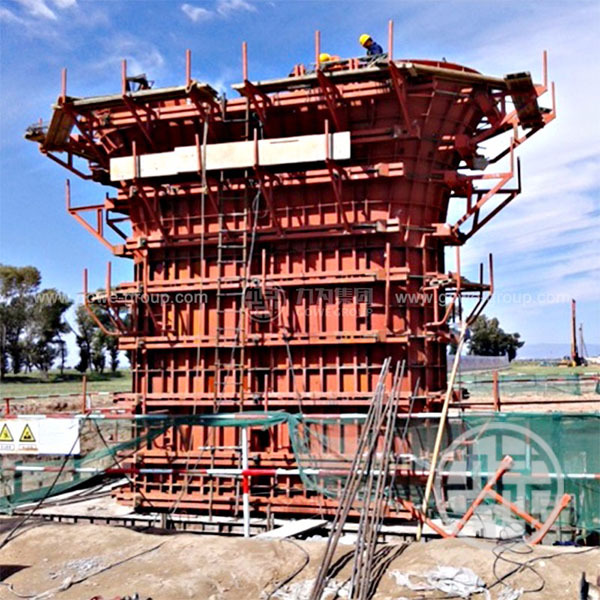
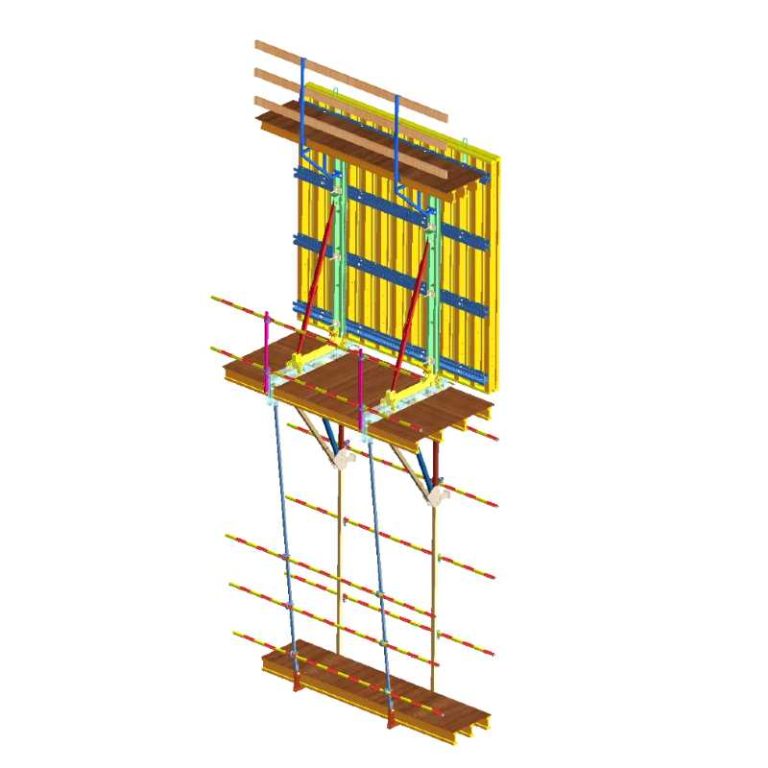
O cofragem para vigas de madeira should be reviewed within the terms of its approved application.
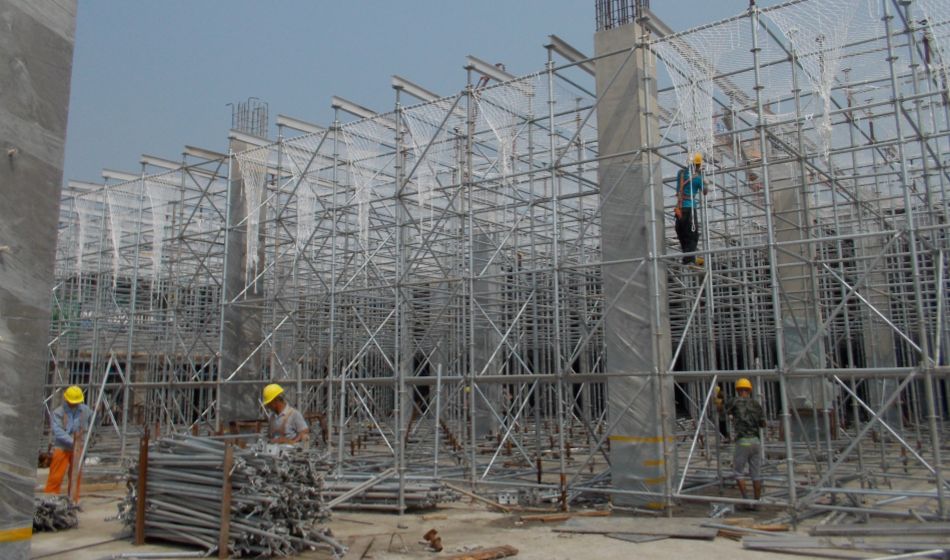
Before specifying any standards, base components or temporary bearing measures, inspect the slabs, soil, filled ground and the slopes. A designed load path must have firm bearing, complete supporting components, and be inspected before it is loaded or altered in any way. Ground which cannot provide adequate support must have an engineered improvement specified or an alternative method of support specified instead of just adding more frames.
Check Compatibility Before Combining Components
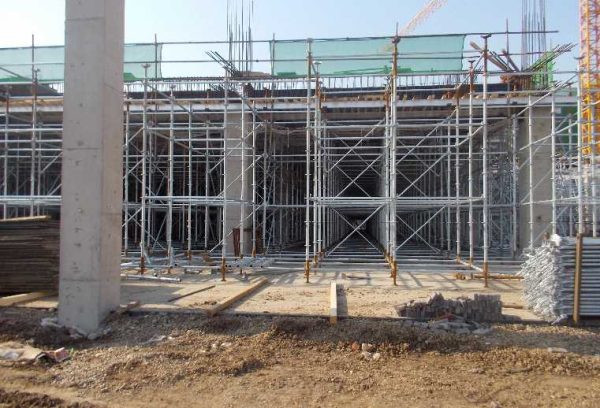
O sistema de estruturação arrangement to be reviewed is within the approved application for that use.
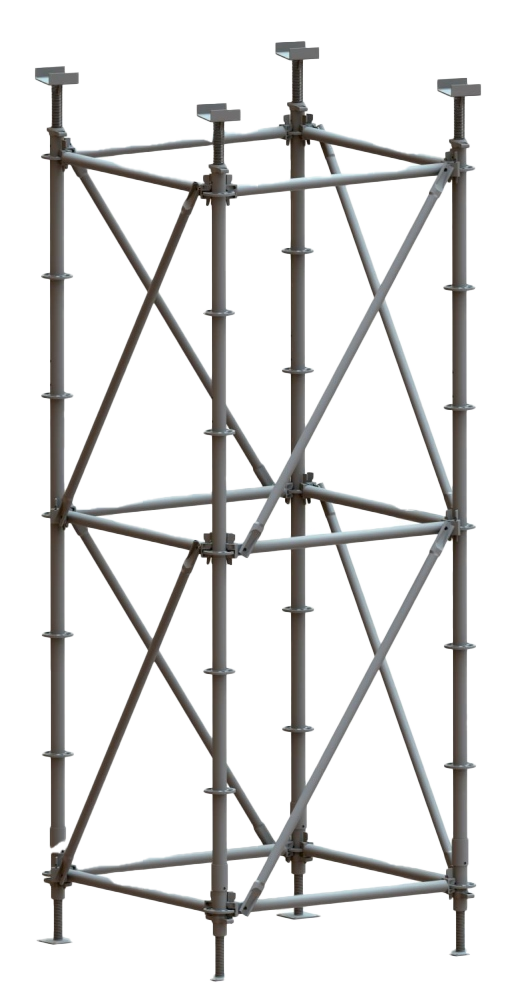
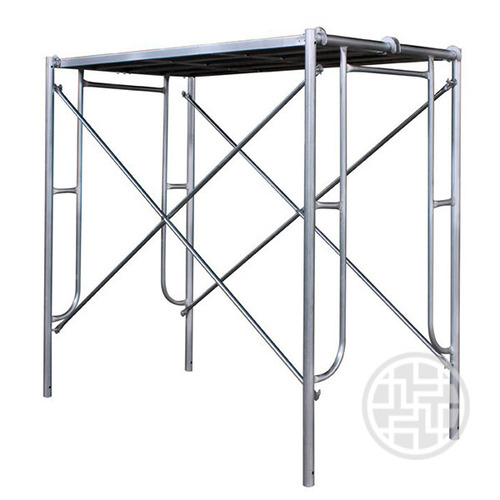
Ringlock systems consist of connected components such as standards, ledgers, diagonal braces, base jacks, base collars and head jacks. These components distribute vertical and horizontal forces, but are not interchangeable with components from other systems. Please check approved configuration, connection details, access equipment, and manufacturer’s instructions prior to ordering parts.
Which Equipment Categories Should Be Compared?
Separate Primary Structure From Access and Protection
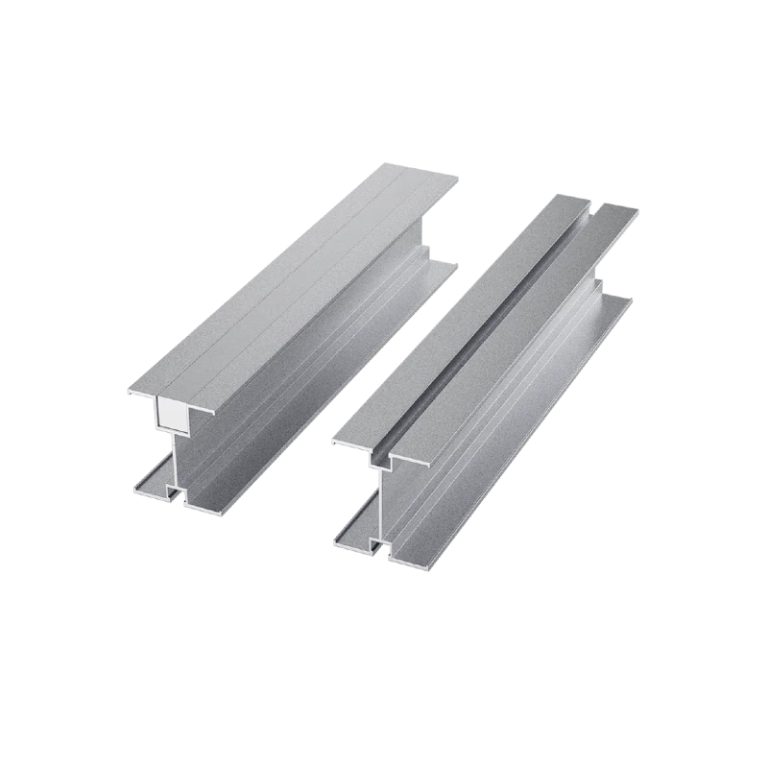
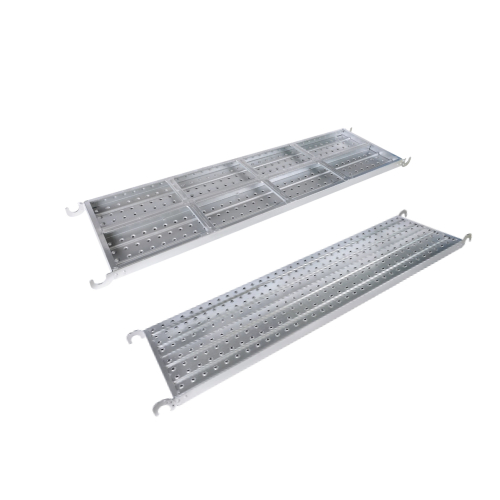
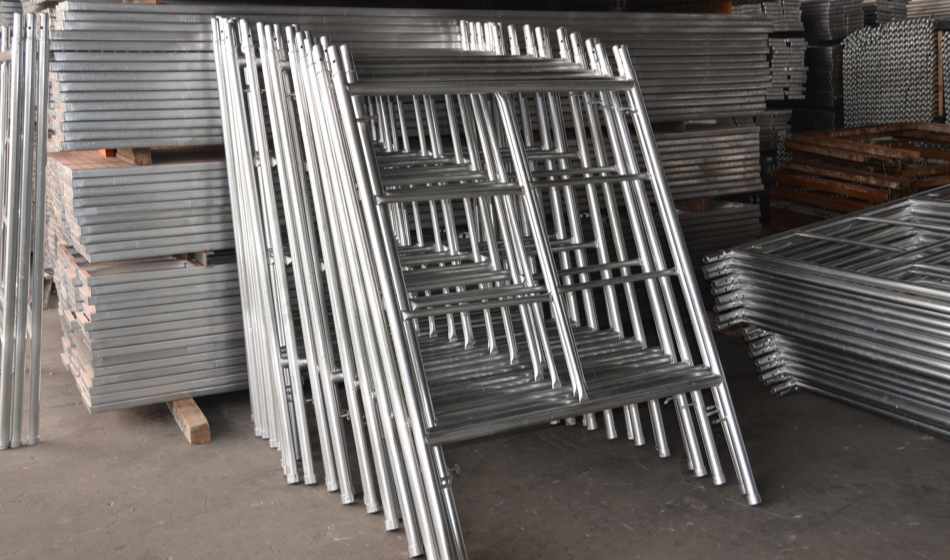
Compare load-bearing scaffold, work platforms, guardrails, toe boards, access ladders, stairways, and debris controls as separate functions. A strong structure is not complete without safe access. Identify whether components are to be used for the duration of the work phase or to be moved and consequently subject to new inspection and handover requirements.
Evaluate Adjustment, Transport and Reuse
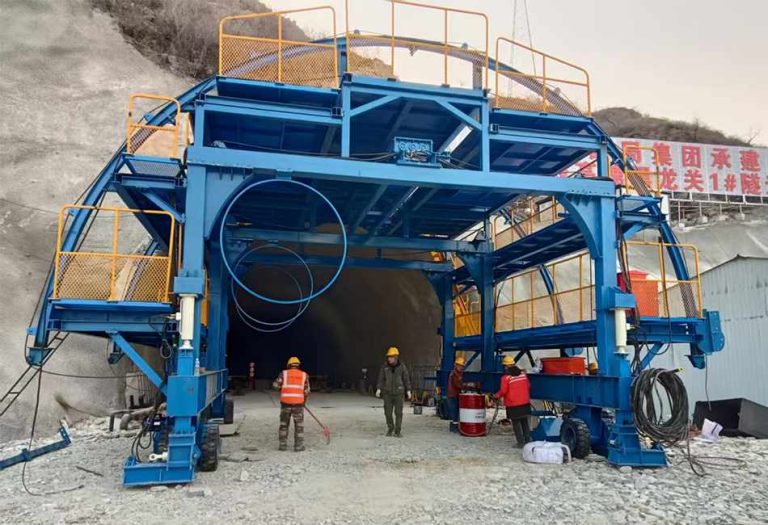
An adjustment range should account for surveyed level differences and not for inaccuracies in the formwork layout. Important are the weights of the single formwork parts, the lifting routes, the storage, as well as the cleaning and the control check between the single uses. As a general capability, GOWE’s formwork and scaffolding systems are offered with integrated R&D, production, sales, leasing, execution and operation. Thus we can discuss whether a purchase, leasing or a managed supply is appropriate for the successive uses without transforming the general capability into a project-related guarantee.
Review Evidence, Not Just a Catalogue Label
Request a copy of the approved component list, instructions, inspection criteria, and configuration limits for the product. Product names do not give any indication of capacity, certification, or suitability, and a useful comparison would detail the exact standard Ledger, braces, jacks, platforms, and connectors and show how they relate to the design calculation and on-site inspection plan.
How Should Contractors Control Safety After Selection?
Verify the Ground, Load Path and Handover
Before loading up, check that all the standards are sitting centrally over the bearing area of the scaffold, that all the braces and ledgers are complete, and that all the platforms and access points are laid out in accordance with the approved scaffold design for the supported scaffold. Verify the ground, load path, compatible components, access and handover points. Record who checked out each stage of installation and any changes made as a result of weather, settlement, etc., of adjacent structures, etc.
Inspect Before Loading and After Alteration
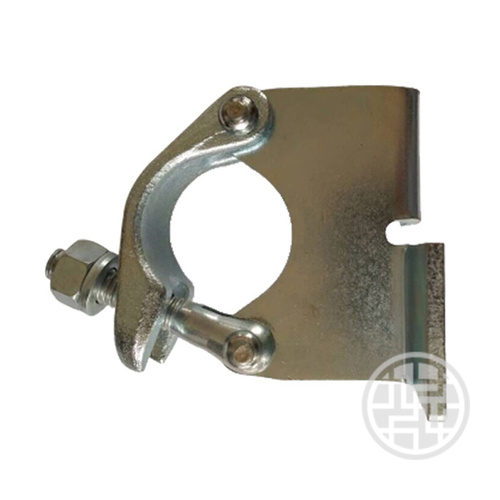
Check the threads, plates, welds, locking pins, boards and couplers on a practical basis. Take the damaged parts out of service as soon as they are found – it’s better to find them before they are incorporated into another assembly. Inspect the tie after it has been moved, the platform altered, the base struck by a vehicle or the load changed by another trade. The disciplined contractor converts his equipment choices into effective performance.
Keep the Selection Traceable
It is also important to retain the drawing revision, component schedule, delivery batch, inspection notes and handover record together. At a later date it should be possible to determine what was installed, why it was selected and what approved site instruction governs it. This is far more important than a general statement of a scaffold being described as ‘heavy duty’.
Use the Procurement Review to test out the working environment too. Check for wind, nearby cranes, hot work, corrosion, traffic and time allowed for the inspection. These factors affect platform protection, how to access the component, and storage of the component on site. Get the supervisor to walk the proposed route with the designer before it is delivered to site to reveal that what seemed like a suitable component becomes an obstruction.
Assessing the ‘whole life cost’ of alternative solutions such as time taken to erect, rental income, damaged parts, cleaning, transport and a clear handover note can reveal that the lowest ‘purchase price’ option can actually cost more in the long run, especially if components are missing or the base is unreliable and has to be constantly reset. A short and clear record of why a particular product was chosen can aid scaffolding contractors in change control and future use.
A useful selection record should contain information such as design basis, loads expected, access requirements, tie details, ground details and an assigned inspection owner. A list of items excluded from the selection record, i.e. lifting equipment and temporary edge protection, should also be included. The list should then be compared with the proposed erection sequence before release to the site to ensure that all connections, bracing and platform components can be safely reached. The users’ selection from a catalogue is transformed into a controlled site decision should conditions change.
How Should the Final Selection Be Reviewed?
Review the Connected Support Arrangement
GOWE is specialized in formwork and scaffolding systems, covering R&D, production, sales, leasing, construction, etc., integrated services.
Components in a ringlock arrangement such as standards, ledgers, diagonal braces, base jacks, base collars, and head jacks are all connected components. Thus, vertical and horizontal members are not independent components, and their connections distribute load and also horizontal forces. Hence, the selection of components must also take into account the upper support, the standards, and the lower support.
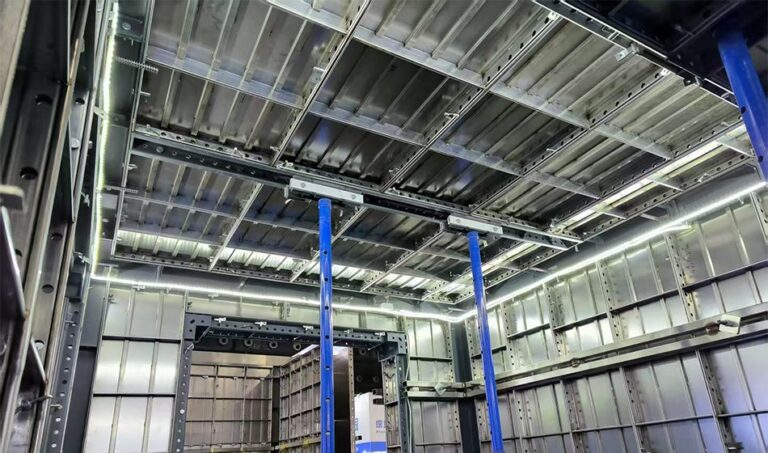
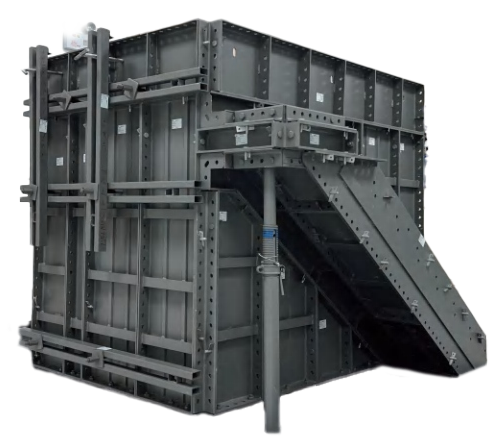
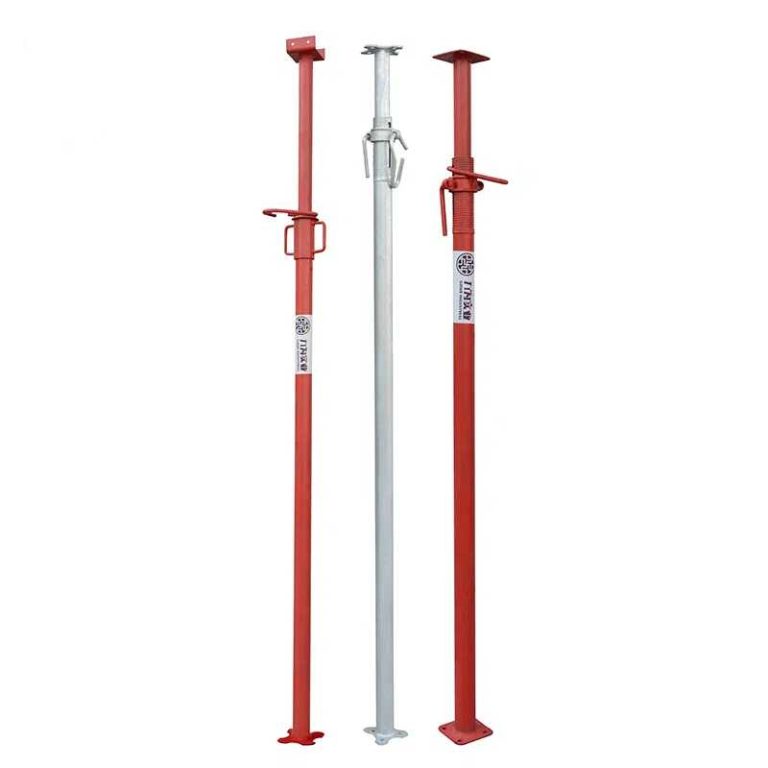
Stability of formwork and shoring is dependent on a designed load path and a complete set of support components. Firm bearing is part of the load path and must not be left as a finishing item. The items must be inspected prior to use and before any modifications are made. One item of support should not be altered as it could affect the stability of the rest of the support arrangement.
Preserve the Plan After Handover
Supported scaffold planning should relate the ground assessment to the load transfer, component compatibility and access requirements of that plan. Handover of the work should include confirmation of these connected matters and that a reinspection is required following any settlement or change. The assessment of ground, structure and access should remain within the one planning review, and the acceptance decisions for each should not be separate.
The review of the planning needs to continue after handover. Settling of the building or alterations to the building need to be reviewed against the original ground condition, load path, compatible products and access. A reinspection of the scaffold against the original plan and installed scaffold is required to establish that all aspects have been reviewed and are still adequate after the change.
FAQ
Q: What Should Scaffolding Contractors Check First?
A: Ensure workface, access, ground conditions, and load path are confirmed prior to ordering components and verify the approved system and erection sequence.
Q: Can Components From Different Scaffolding Systems Be Mixed?
- Only mix components as per manufacturer’s instructions and project approval. Having similar names or dimensions does not necessarily mean components are compatible.
Q: Does A Stronger Frame Solve Weak Ground?
A: No. Weak or compressible ground requires an engineered bearing solution and a verified load path before the scaffold is loaded.
Q: When Should A Scaffold Be Rechecked?
Recheck before loading, after settlement, weather, impact, alteration, or any change that could affect ties, bracing, platforms, or foundations.
Q: What Does A Complete Equipment Comparison Include?
A: Structure, access, protection, adjustment, transport, inspection evidence, approved configuration, and planned handover record.