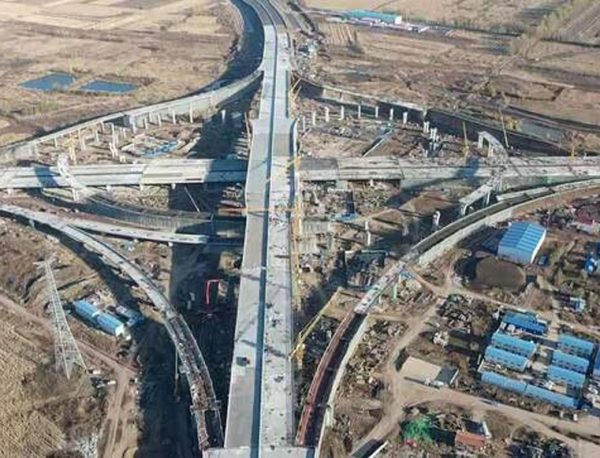


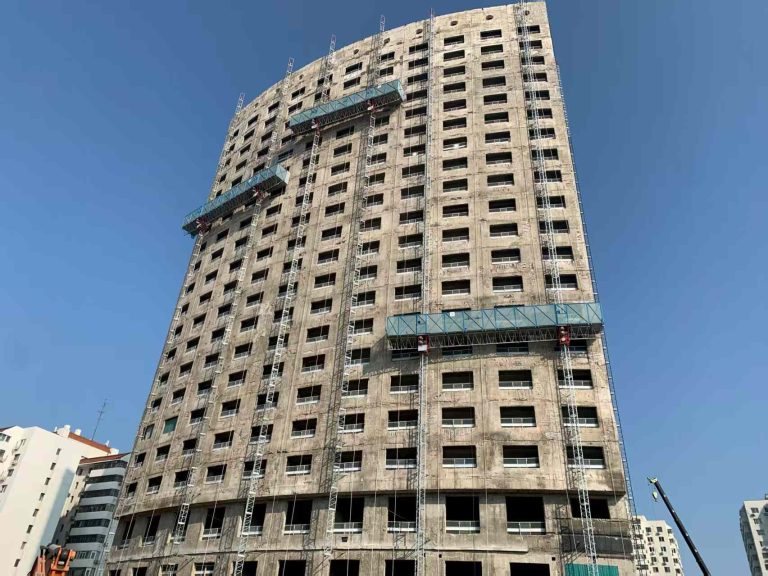

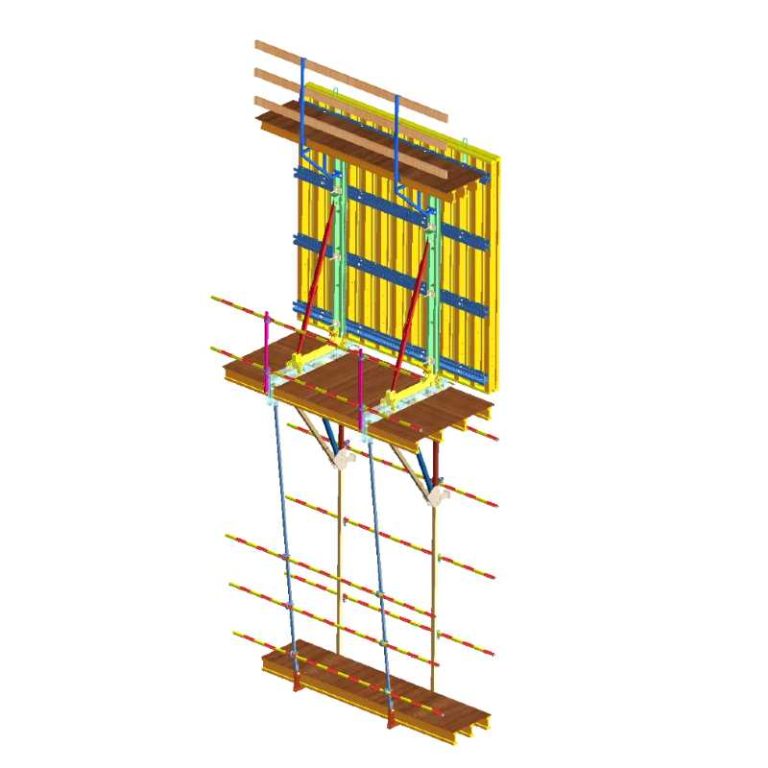
Why is Slab Formwork Safety Critical for Modern Construction Sites?
In the competitive world of global construction, safety is no longer just a regulatory requirement; it is a fundamental driver of project profitability. When dealing with slab formwork, contractors are navigating one of the most high-risk phases of a build. A single oversight in the temporary support structure can lead to catastrophic structural failure, putting lives at risk and causing irreparable damage to a contractor’s reputation. Establishing a “zero-accident” site is the true hallmark of professional engineering.
The Hidden Costs of Cofragem Failures
A slab formwork fall affects more than the site right away. The human loss is sad. But money hits are bigger. They include court costs, higher insurance rates, and long delays. These can ruin even solid companies. From a planning view, putting money into good support tools and strict safety steps protects your project’s returns. It also keeps trust from those involved.
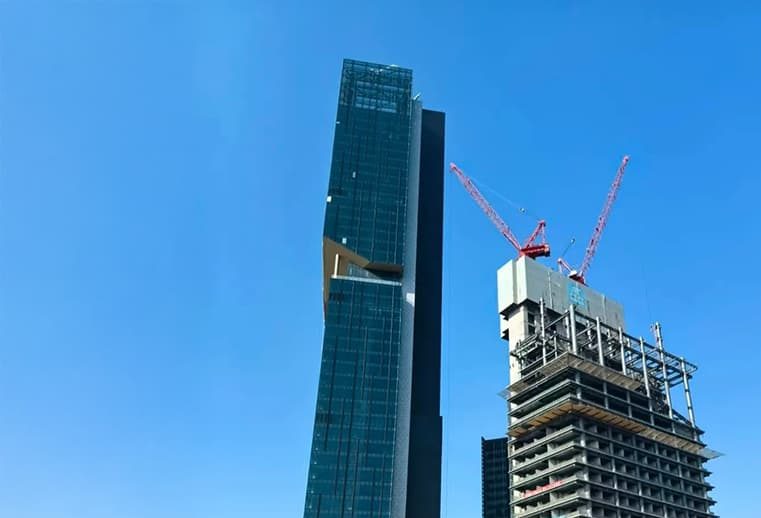
OSHA Standards and Legal Compliance
Following rules like OSHA 1926.703 avoids penalties. But it also sets a clear path for steadiness. These rules list the needs for shore bracing, straight vertical lines, and weight-holding power. Sticking to these worldwide guides keeps the site in a safe zone. There is no space for estimates.
What Are the Essential Pre-Construction Checks for Slab Formwork?
Safety begins in the planning stage. This happens well before any support touches the ground. Good pre-build plans spot risks in drawings. Thus, they never appear on the real site.
Accurate Load Capacity Calculations
Each slab differs. So, it needs exact math for the fixed weight of concrete. It also covers the moving weight of workers and gear. Plus, it includes outside forces like wind. At Gowe, our build team stresses that giving materials is just part of it. Offering planned fixes matched to the slab’s weight and shape stops site problems. Experts must check any odd parts.
Selecting the Safest Slab Formwork Systems
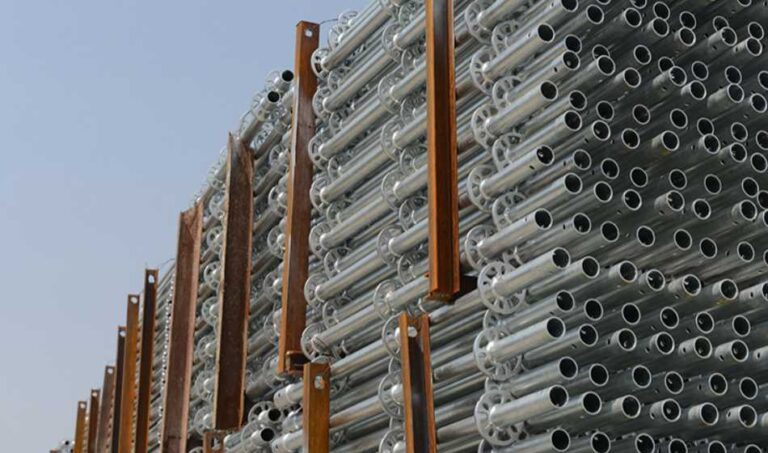
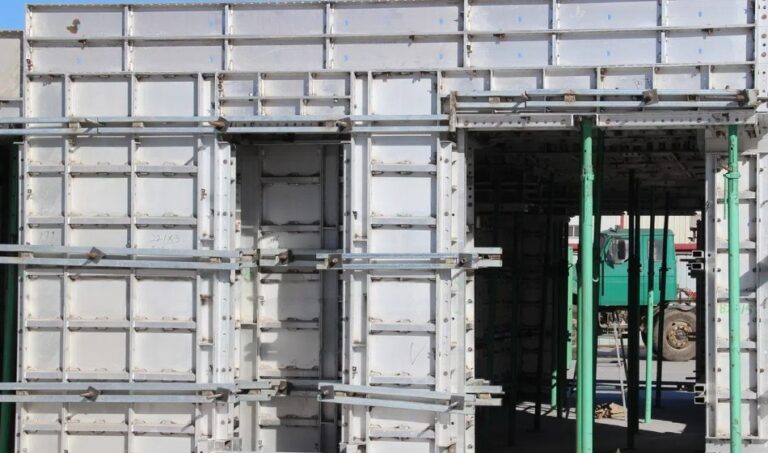
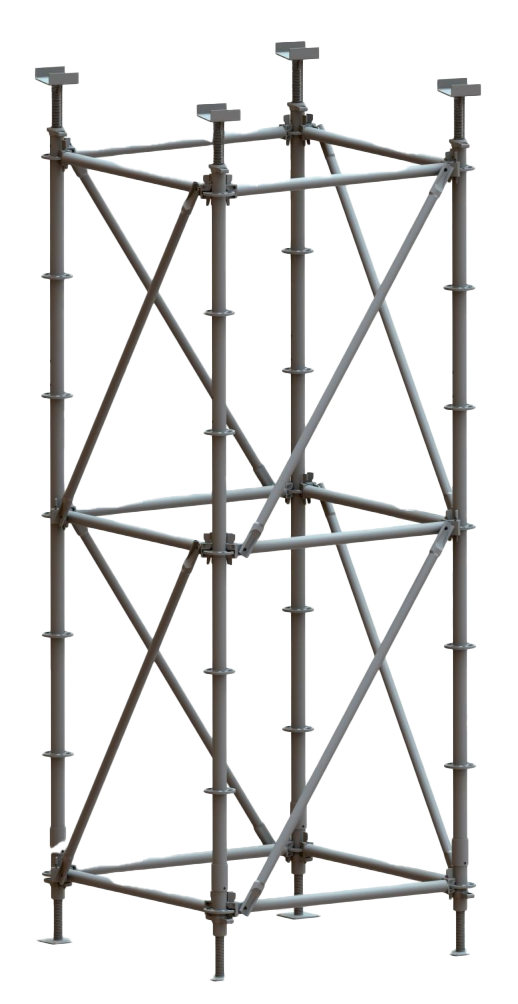
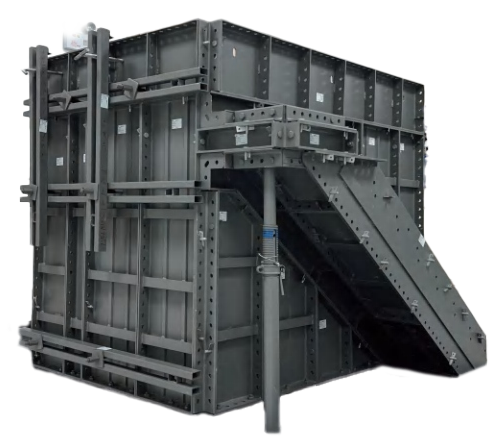
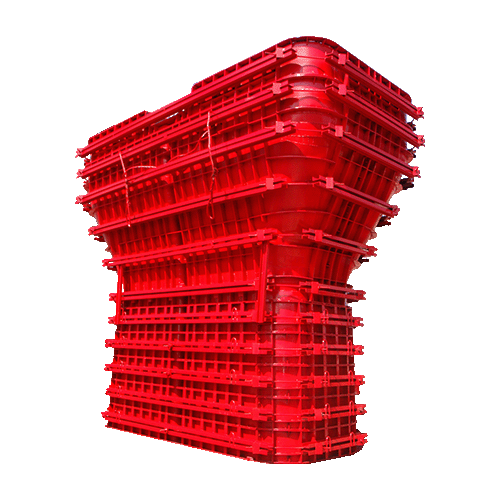
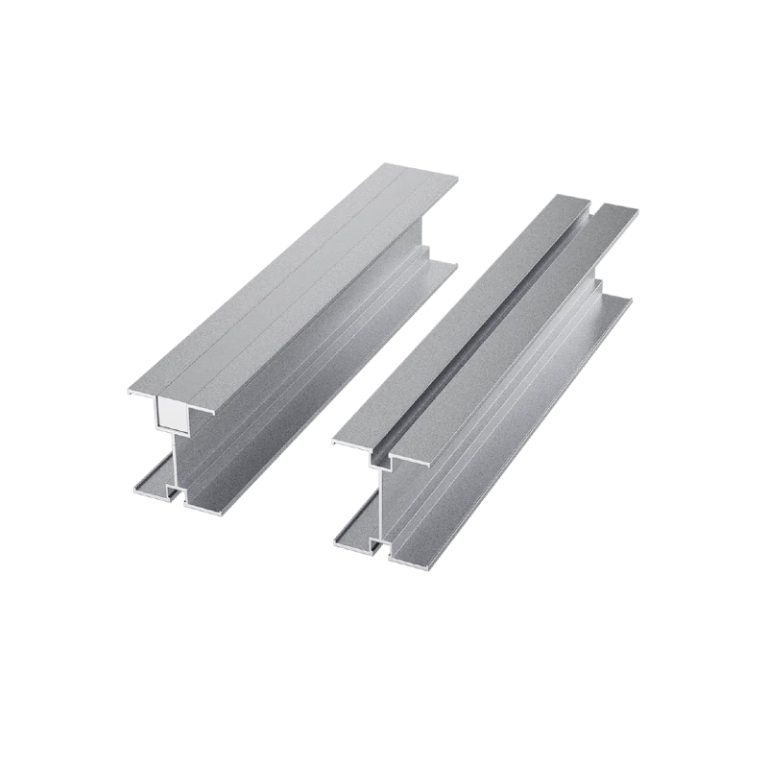
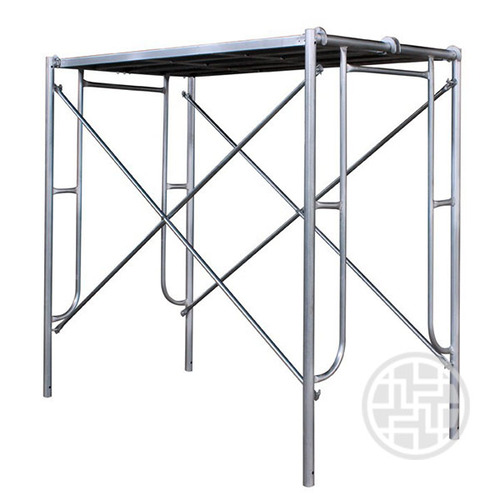
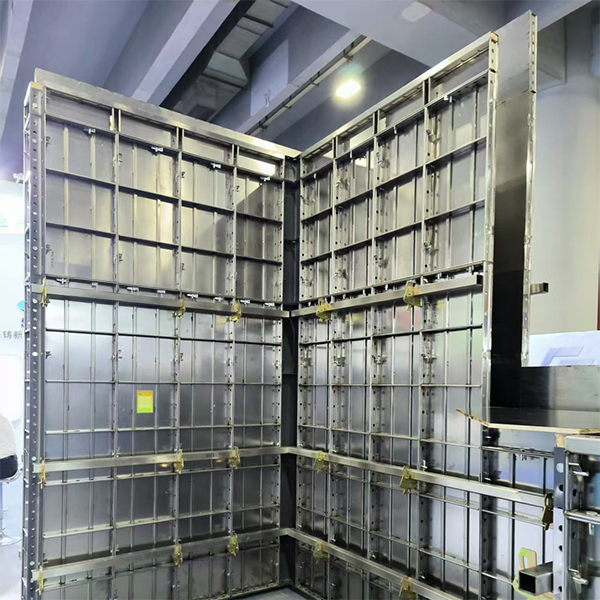
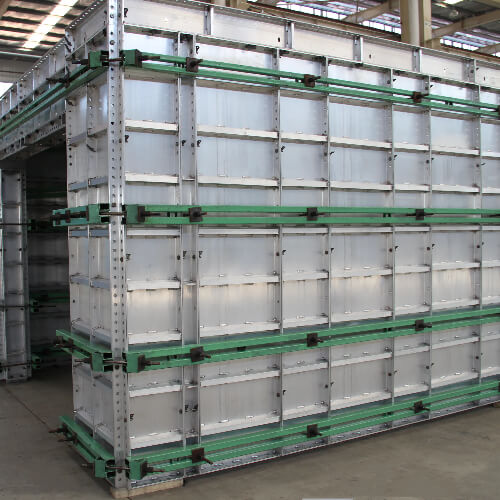
Picking the correct gear forms the base of site safety. Old wood setups often face wear and worker slips in the setup. Moving to standard tools, like high-strength Aluminium Formwork or Andaimes de toque, gives better safety levels. These get built exactly in factories. So, they cut the chance of quick site changes that lead to wobbles.
Top Best Practices for Slab Formwork Erection and Installation
The setup time turns safety plans into real actions. Careful work in raising is key. It makes sure the support holds as planned under big weights.
Implementing Effective Fall Protection
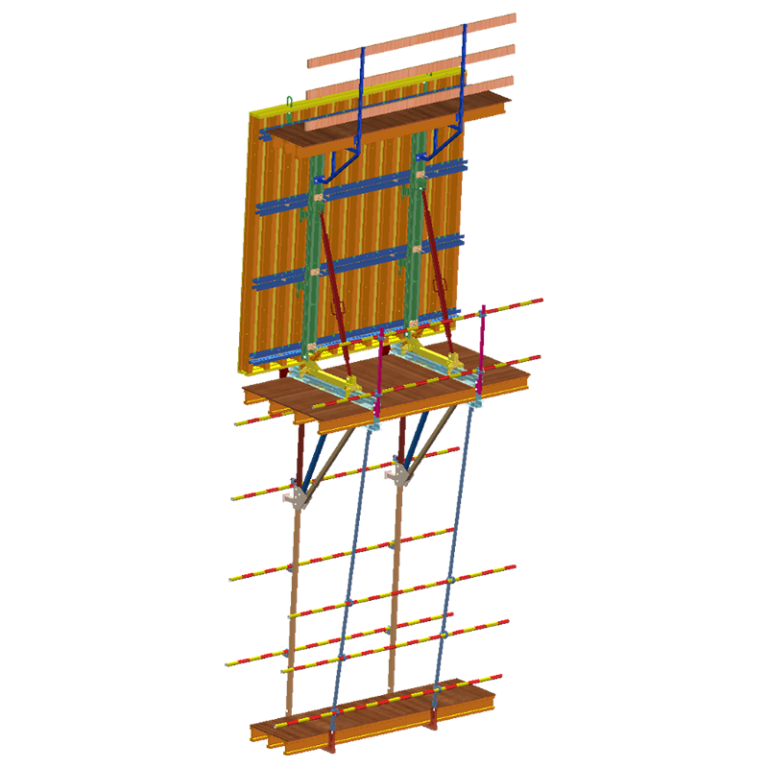
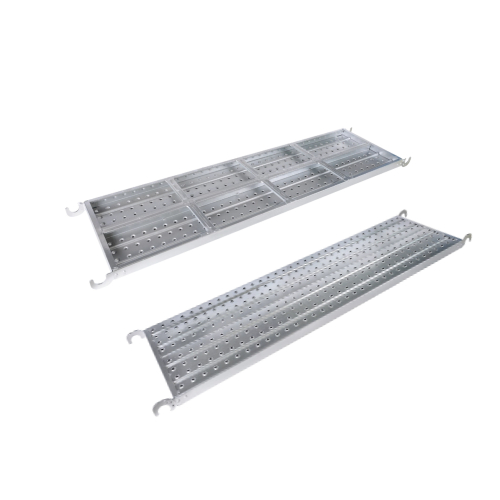
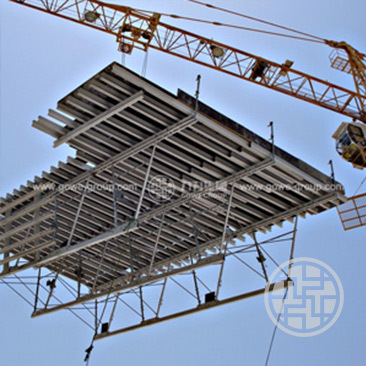
Work-at-height remains the leading cause of construction injuries. Best practices dictate the integrated use of guardrails, safety nets, and personal fall arrest systems (PFAS). When utilizing modern scaffolding platforms, contractors must ensure that the built-in access ladders and anti-slip walking boards are fully secured before allowing heavy foot traffic or material storage.
Securing Shoring and Bracing Components
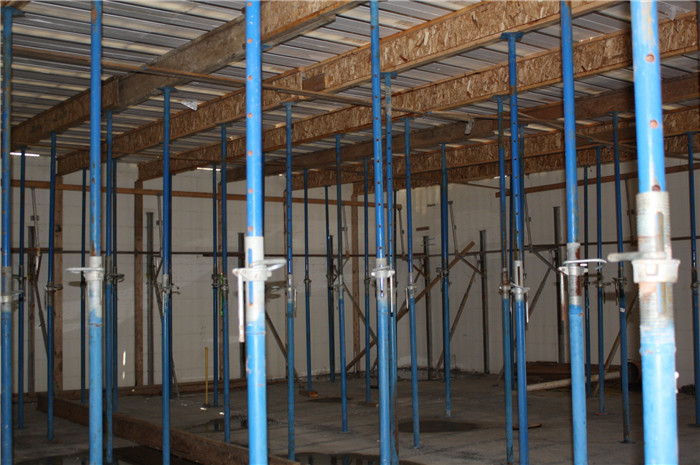
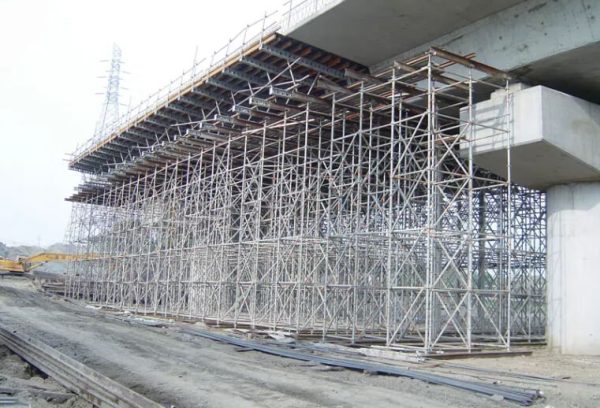
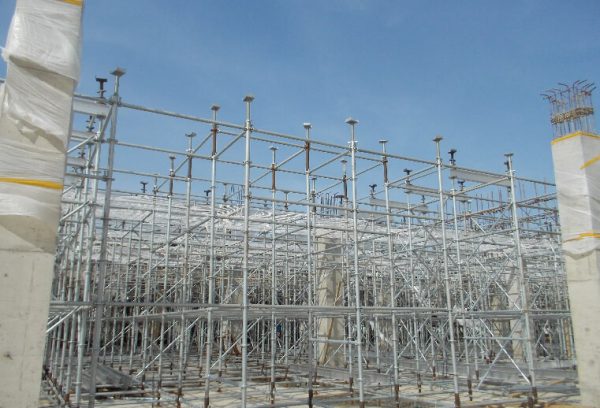
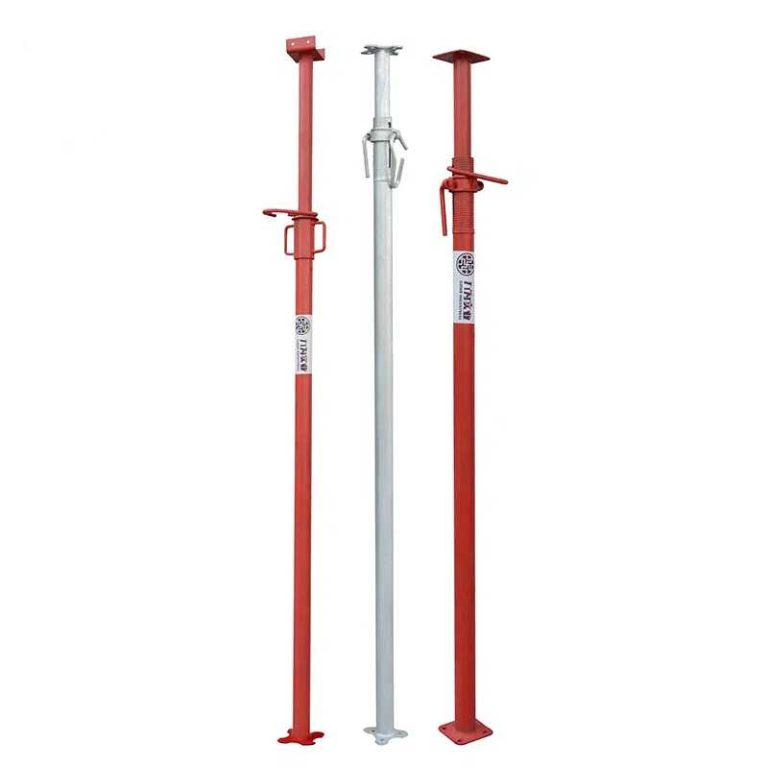
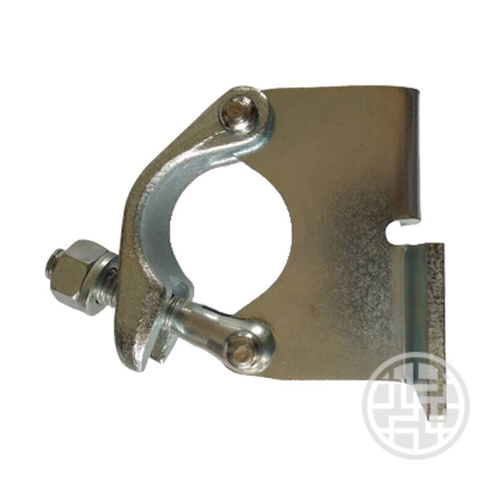
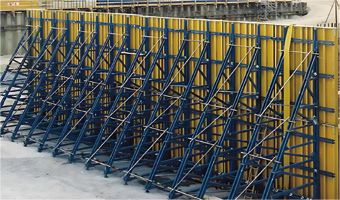
The stability of a slab formwork system relies entirely on its ability to resist lateral forces. This requires meticulous attention to the verticality of props and the secure locking of all bracing members. Whether using heavy-duty steel shoring or lightweight aluminium towers, the base must be set on a firm, level foundation to prevent uneven settlement, which is a common precursor to structural collapse.
How to Maintain Stability During Concrete Pouring and Stripping?
The toughest times come under full weight in pouring. They also hit when taking down in stripping.
Continuous Monitoring During the Pour
Concrete gets pumped onto the form. Weight shifts fast then. Assign a safety lead to watch for bends, odd noises, or brace moves. If something seems off, halt the pour at once. Wait for a build check to confirm all is sound.
The Safe Process for Slab Formwork Dismantling
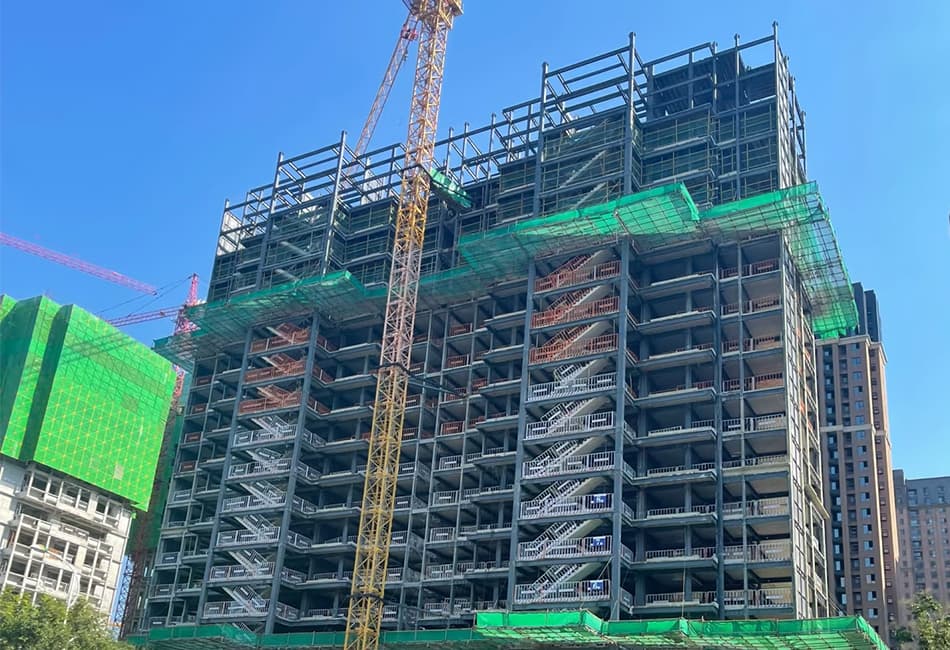
Removing the form too soon often causes cracks or breaks. Concrete needs its full press strength first. Then, remove supports. With an early strip setup (called a Drophead system), builders recover flat panels in days. The main props stay to hold the curing slab. This speeds up the build steps. It keeps the slab safe as it hardens.
Empowering Workers: Slab Formwork Safety Checklists and Training
Top gear needs trained people to use it properly. Focus on the workers to complete the safety build.
Conducting Daily Toolbox Talks
Talking is a key safety aid. Start each shift with a short talk on the day’s jobs and dangers. Build a group where all workers report risks freely. This makes managers create a forward, fixing safety space.
Utilizing Comprehensive Safety Inspections
A set check plan is a must. A full list makes sure every bolt is tight and the brace is there. From our work on over 10,000 world jobs, like the China-Thailand High-Speed Railway, we see that steady checks work best. Trained leads must record them fully.
FAQ
Q: What are the primary factors to consider when selecting a slab formwork system for a high-rise project?
A: In tall builds, check weight-holding power, ease of up-down moves, and speed of setup-take-down. Standard tools like GOWE Aluminium Formwork fit well. They give fine exactness, cut lift risks, and reuse hundreds of times without losing build strength.
Q: How can common causes of slab formwork failure be prevented during the concrete pouring phase?
A: Start by making sure the shoring stands straight and the side braces lock before the pump comes. In pouring, do not pile concrete in one spot. That loads one area too much. A skilled watcher must check for ongoing stress hints. This catches issues before breaks.
Q: When is it safe to begin stripping slab formwork after the concrete has been cast?
A: Remove form only after concrete hits the strength set by the build engineer. Cube tests check this usually. With a drophead system, take flat panels off in days safely. Keep the main props in place for the hardening slab.
Q: What are the best methods for ensuring the stability of slab formwork on uneven or soft ground?
A: For soft or bumpy ground, use base plates and thick wood bases. They spread weight over a larger area. If the soil shifts easily, add a concrete base layer or packed stones. This is required to stop prop sinks that hurt the whole setup.
Q: What specific safety equipment must workers use during the installation of slab formwork?
A: All staff need basic gear like hard hats, bright clothes, and steel boots. The key is a full-body harness with a shock lanyard near the slab edges in setup. Tie it firmly to a checked anchor or lifeline system.