
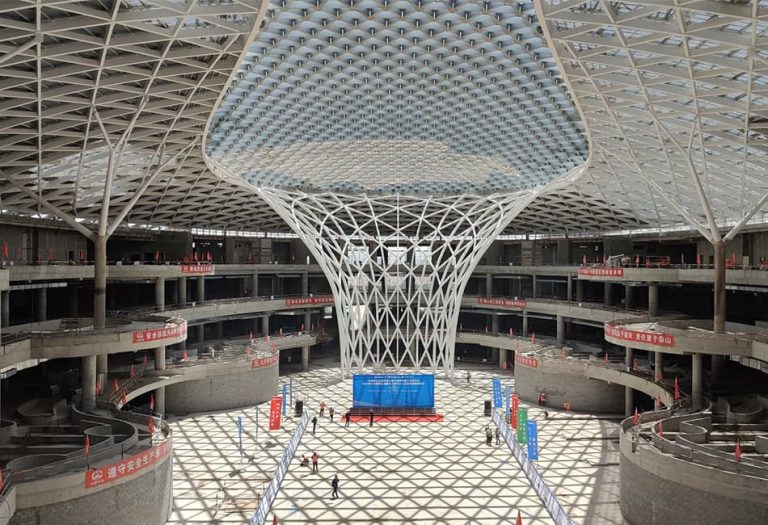
Steel formwork selection becomes critical when concrete pressure, repeated use, surface stability or difficult site conditions make lighter systems less predictable. Contractors are not simply choosing a material. They are choosing how the temporary works will carry pressure, protect dimensions and support a safe pour when the structure is large, heavy or technically demanding.
Why Do Contractors Choose Steel Formwork for Concrete Structures?
Strength Under Demanding Loads
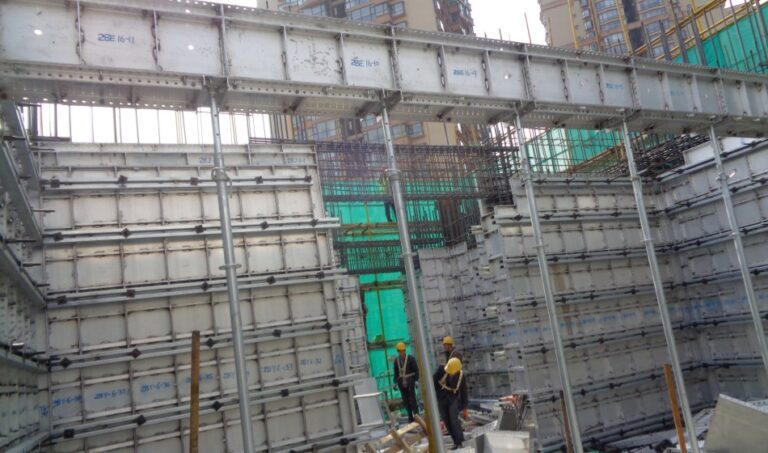
Contractors choose steel formwork when strength, rigidity and repeatability matter more than the lowest handling weight. A well-made steel system can resist deformation during high-pressure pours, support accurate concrete lines and tolerate intensive reuse. It is especially valuable where formwork failure would cause expensive rework, schedule loss or safety exposure.
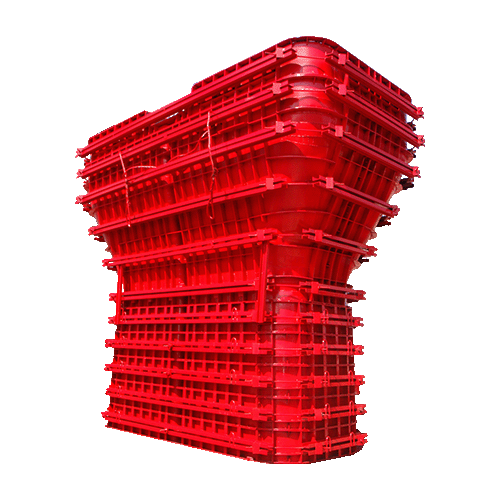
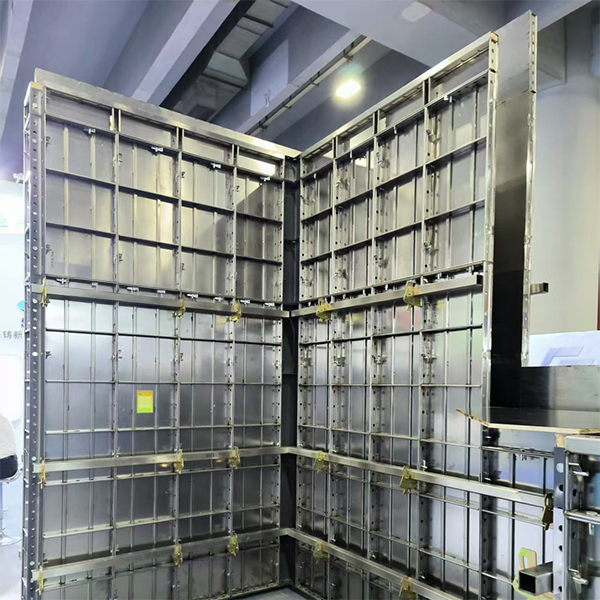
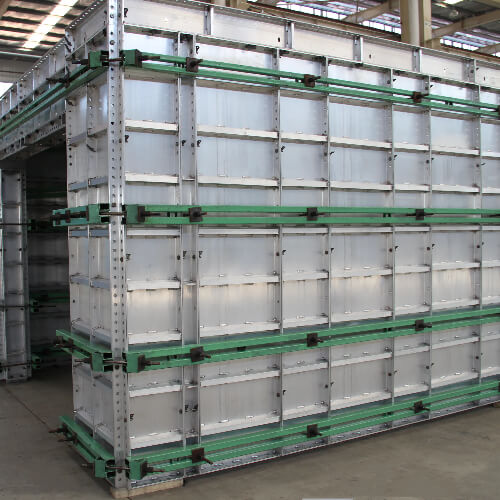
GOWE High-Strength Stainless Steel Formwork delivers durability, superior concrete finish and reuse performance for critical infrastructure and commercial construction.
Repeatability Across Heavy Work
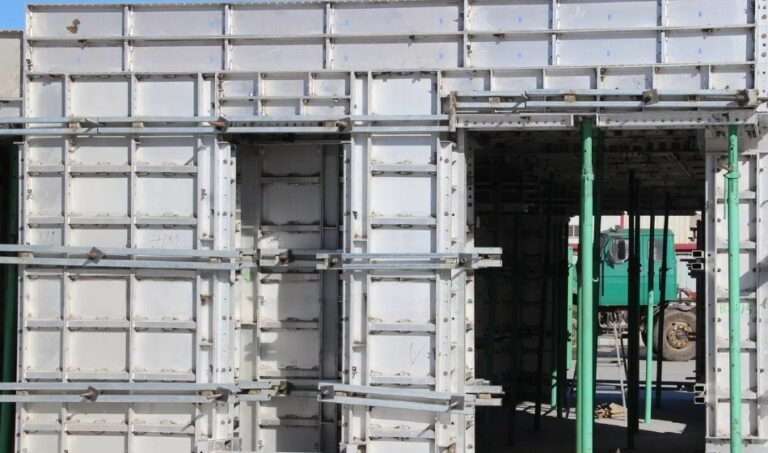
Steel panels provide a stable reference for repeated walls, piers and industrial elements. They can be combined with ties, walers and braces to create a controlled load path. That repeatability helps supervisors compare each pour with the previous one and detect movement before it becomes a concrete defect.
Where Does Steel Formwork Perform Better Than Lightweight Systems?
How Does Steel Formwork Handle Heavy Concrete Pressure?
Steel formwork performs well where concrete height, placement speed or wall thickness creates high lateral pressure. Rigid panels and reliable connections reduce the chance of bulging, leakage and last-minute bracing changes. For demanding concrete elements, the Cofragem de aço inoxidável de alta resistência page reflects the kind of heavy-load capacity contractors should look for.
Why Is Surface Stability Important for Large Concrete Areas?
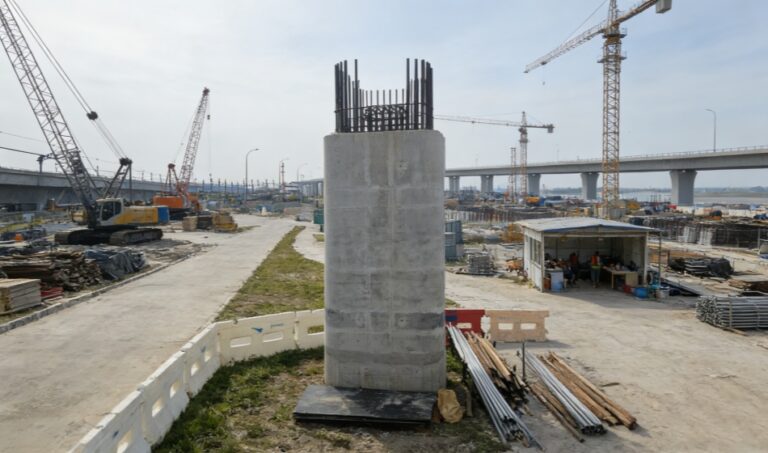
Large walls, piers and columns make small panel movement visible. Stable steel surfaces help protect line, level and concrete appearance, reducing patching after stripping. Stability also makes inspection easier because crews can distinguish real concrete defects from marks caused by unstable forms.
Which Projects Are Better Suited for Steel Formwork?
Bridge and Infrastructure Concrete Applications
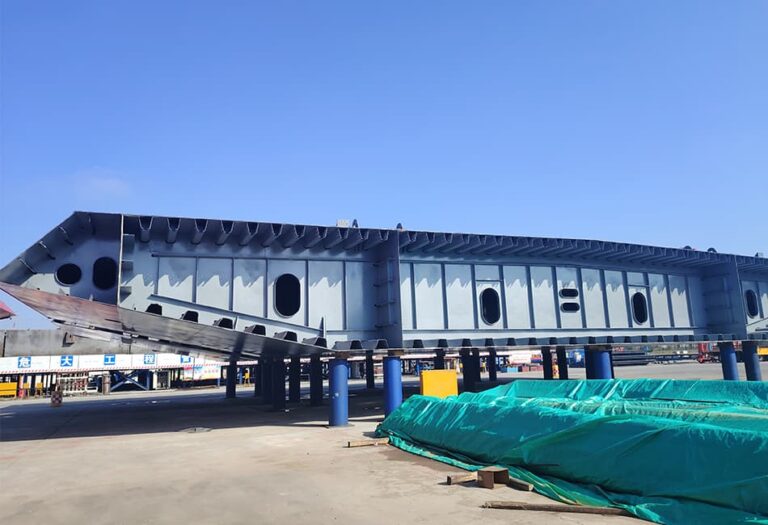
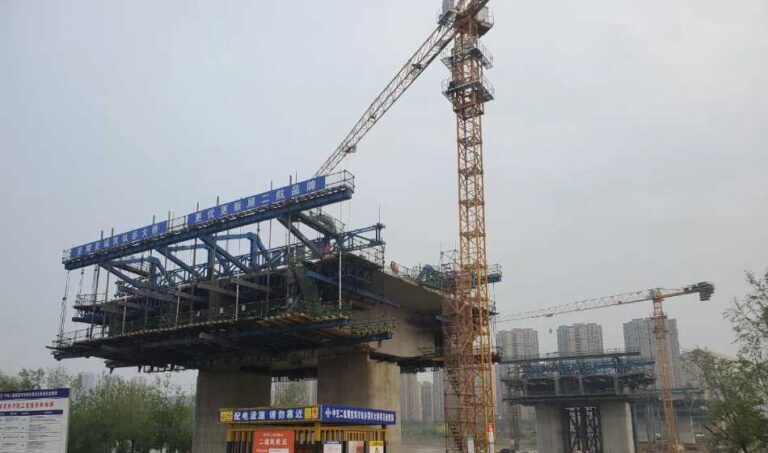
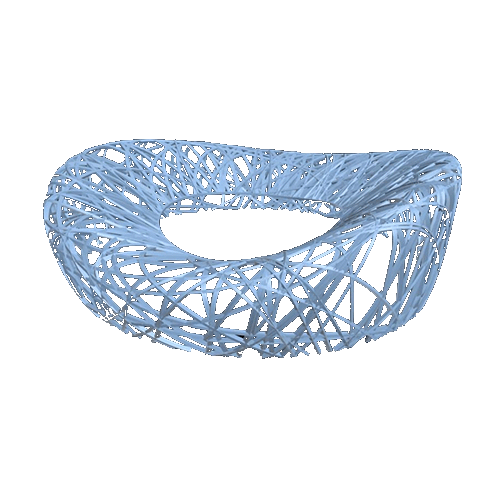
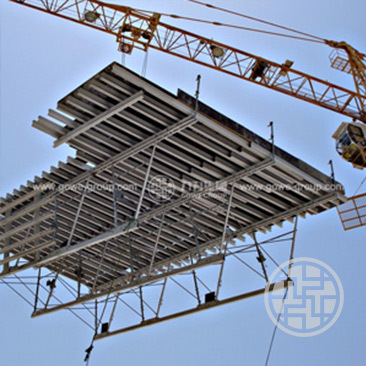
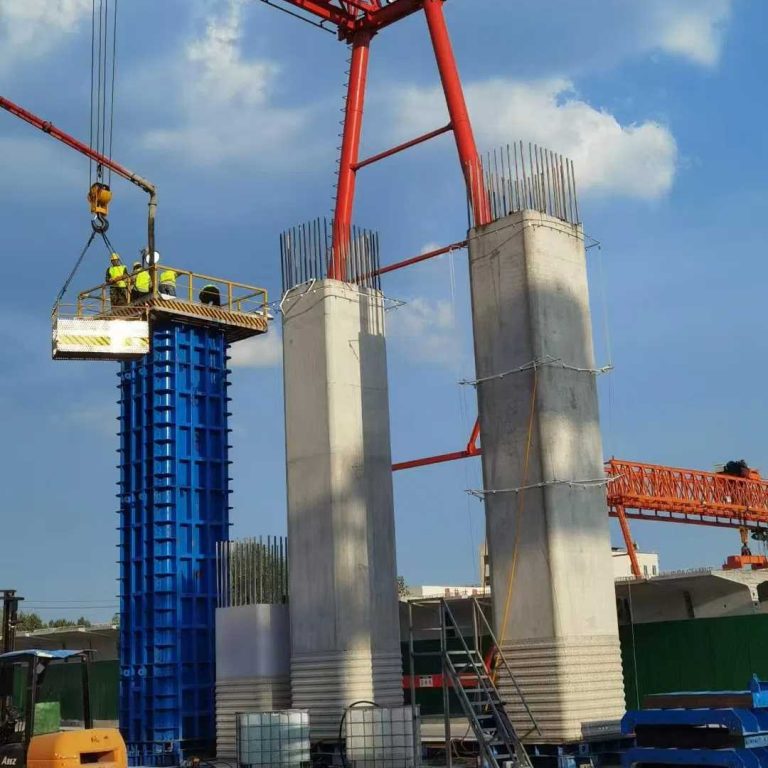
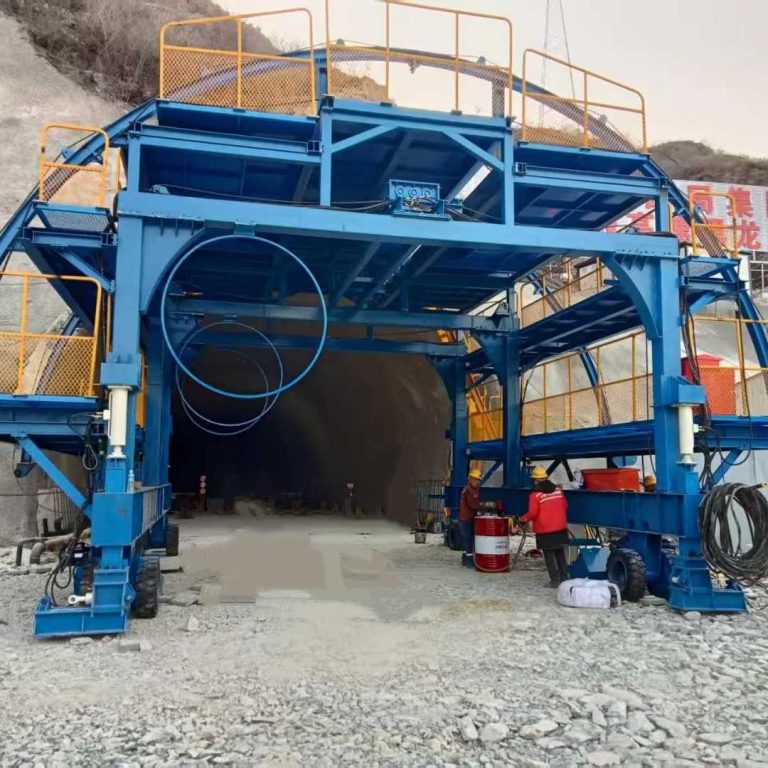
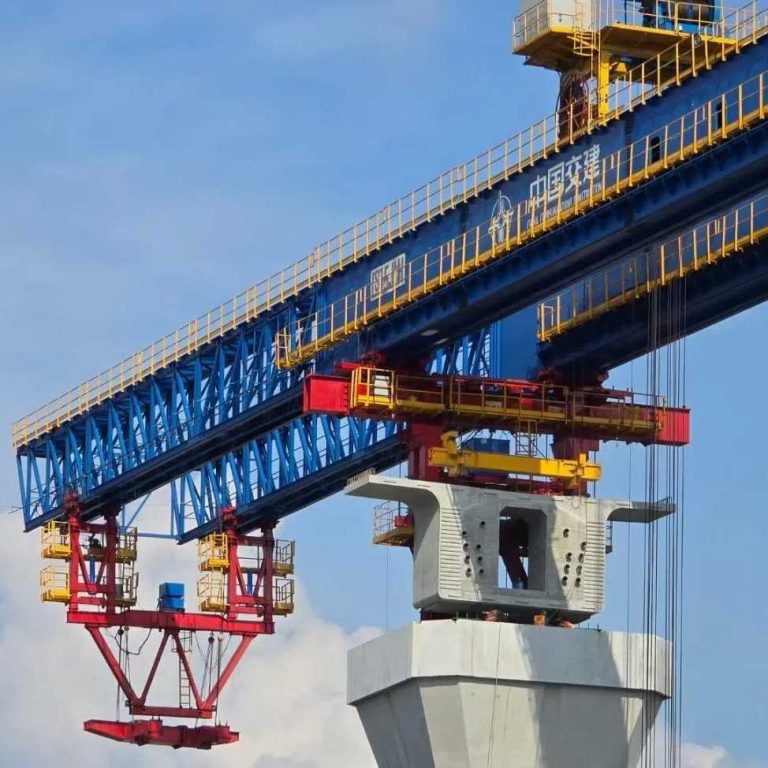
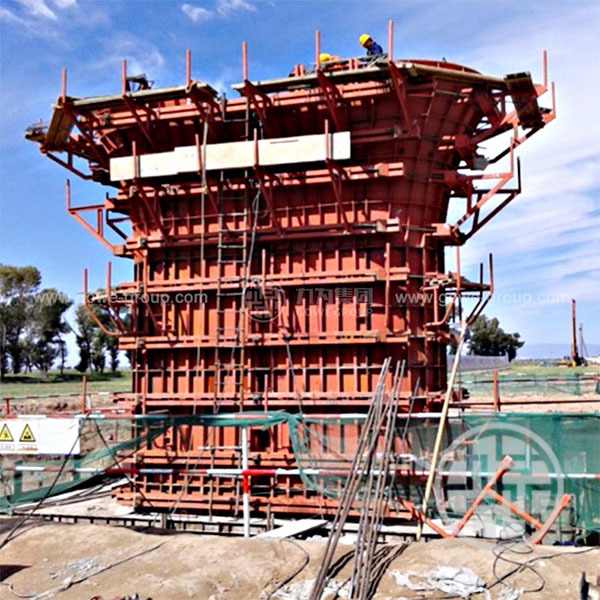
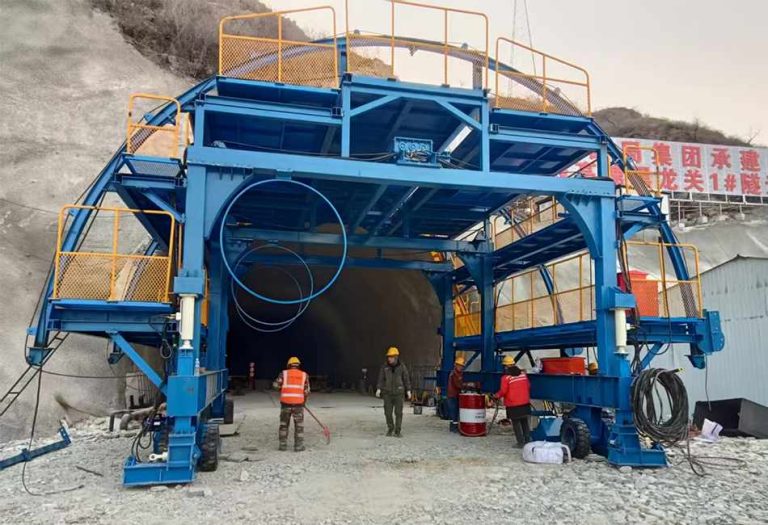
Bridge piers, caps, tunnels, water projects and other infrastructure work often need strong, repeatable forming systems. GOWE bridge and tunnel product lines include pier formwork, precast box girder and T-beam formwork, hanging basket formwork, segmental assembly formwork, tunnel equipment and precast formwork.
Industrial and Heavy-Duty Structural Projects
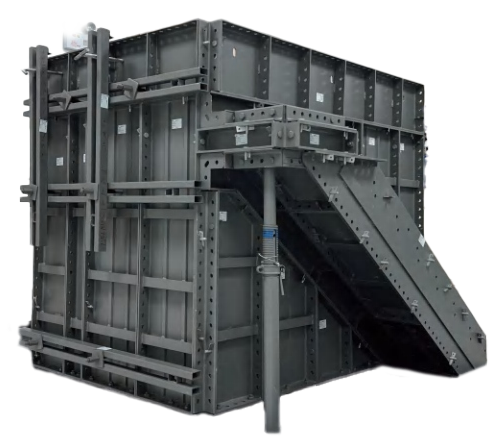
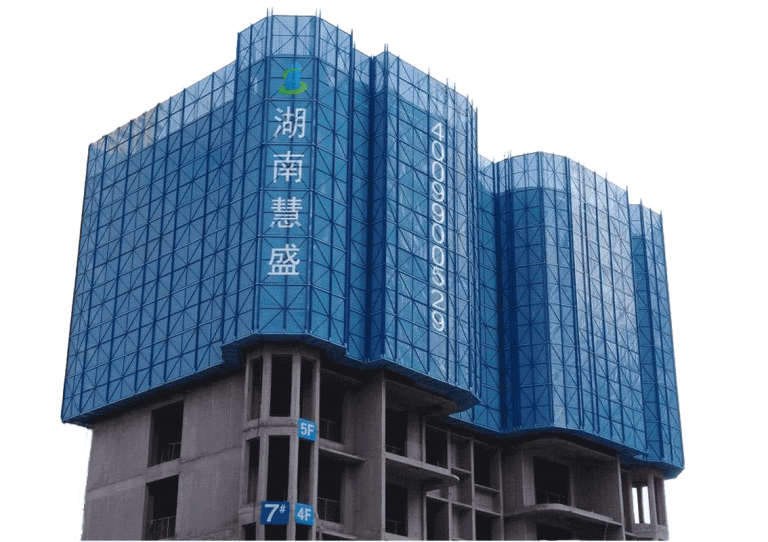
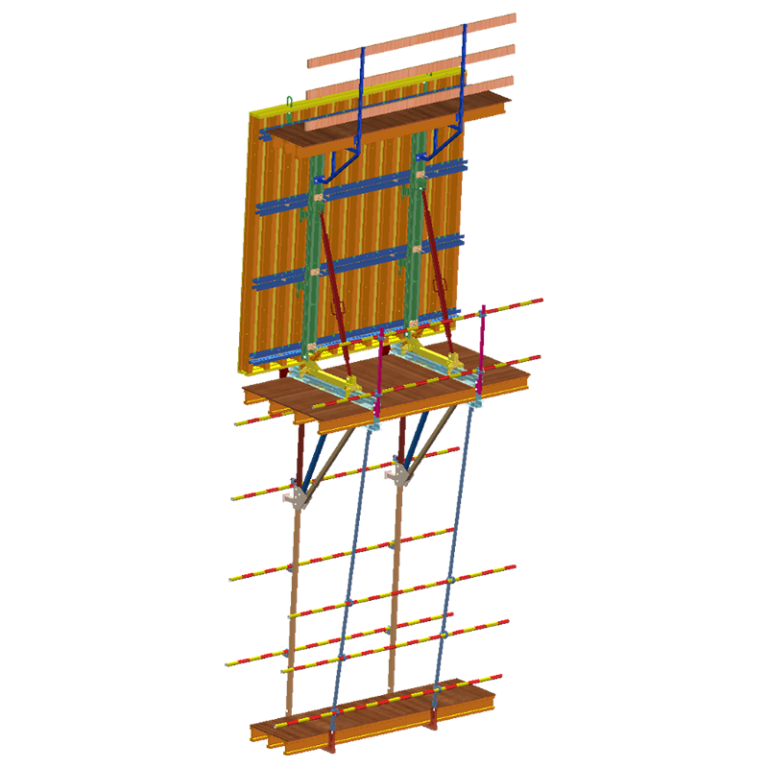
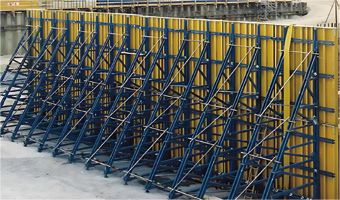
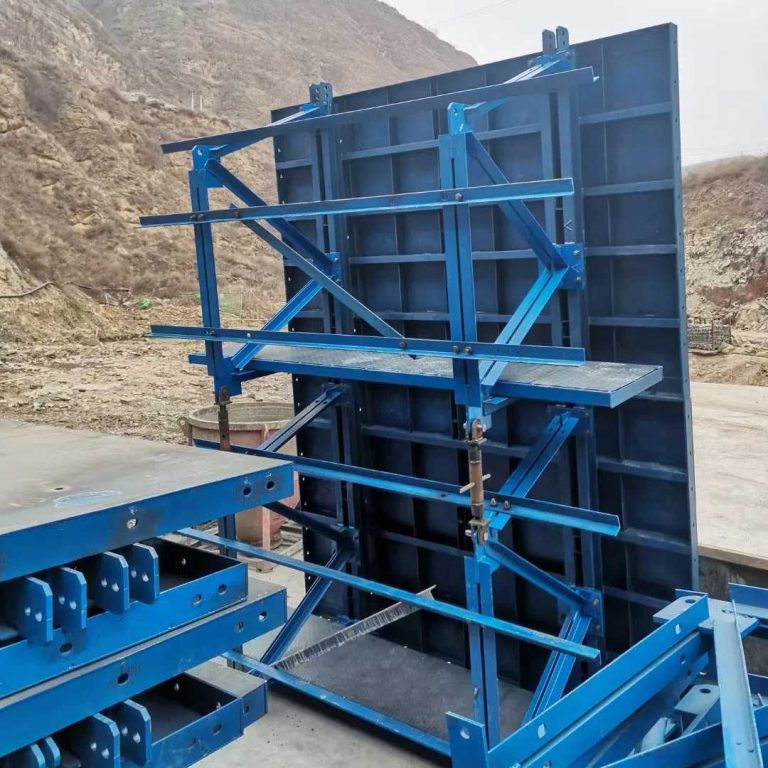
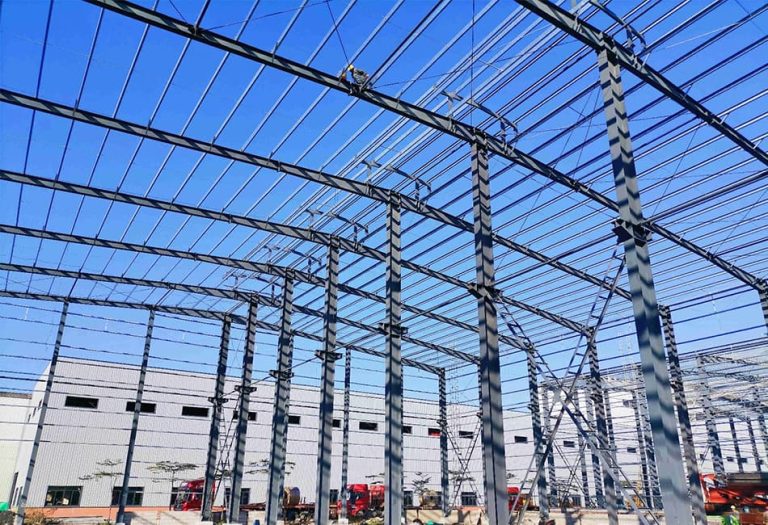
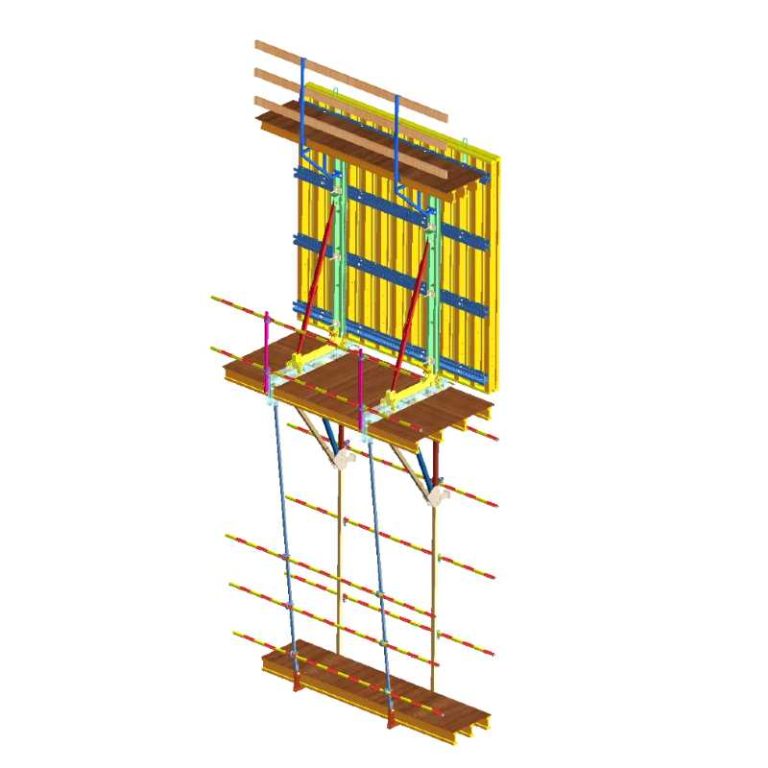
Industrial foundations, high retaining walls and plant structures may expose formwork to heavy pressure, rough handling and aggressive environments. Stainless steel’s corrosion resistance is helpful around coastal, industrial or high-humidity conditions. The Sistema de cofragem de apoio unilateral also shows how strong support becomes important when only one side of a wall can be formed.
Complex Shapes Requiring Strong Formwork Support
Curved, tall or nonstandard concrete shapes need more than a flat panel. They need engineered load paths, connection checks and assembly procedures. Steel formwork can be fabricated for complex geometry when the supplier has the design and manufacturing control to support it.
How Should Steel Formwork Be Designed Around Project Requirements?
Match Panel Size With Concrete Pouring Plans
Panel size should follow pour height, crane access, joint layout and stripping sequence. Oversized panels may reduce joints but create handling risk. Undersized panels may be flexible but slow down assembly and increase leakage points.
Consider Handling, Transportation and Site Storage
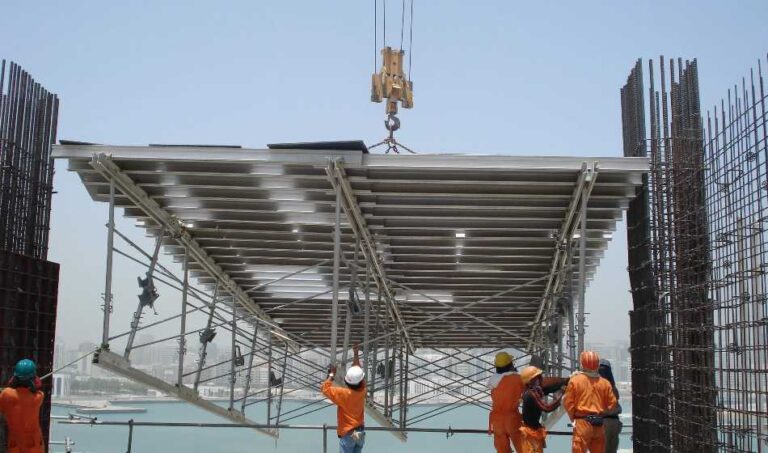
Steel is heavier than aluminium or timber, so lifting points, transport frames and storage ground must be planned early. Contractors should confirm whether panels can be moved safely between pour zones and stored without distorting contact surfaces.
Coordinate Connections, Supports and Working Procedures
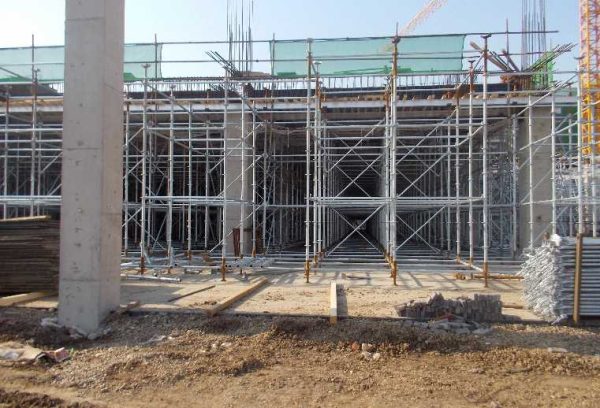
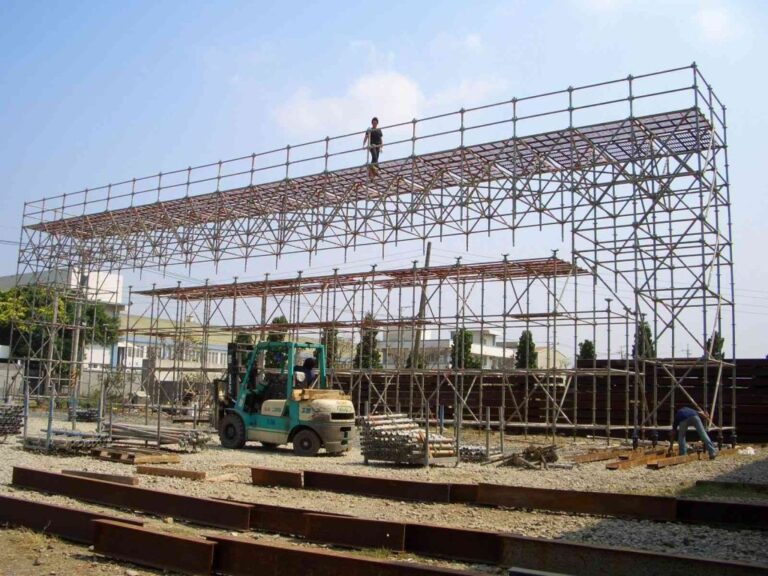
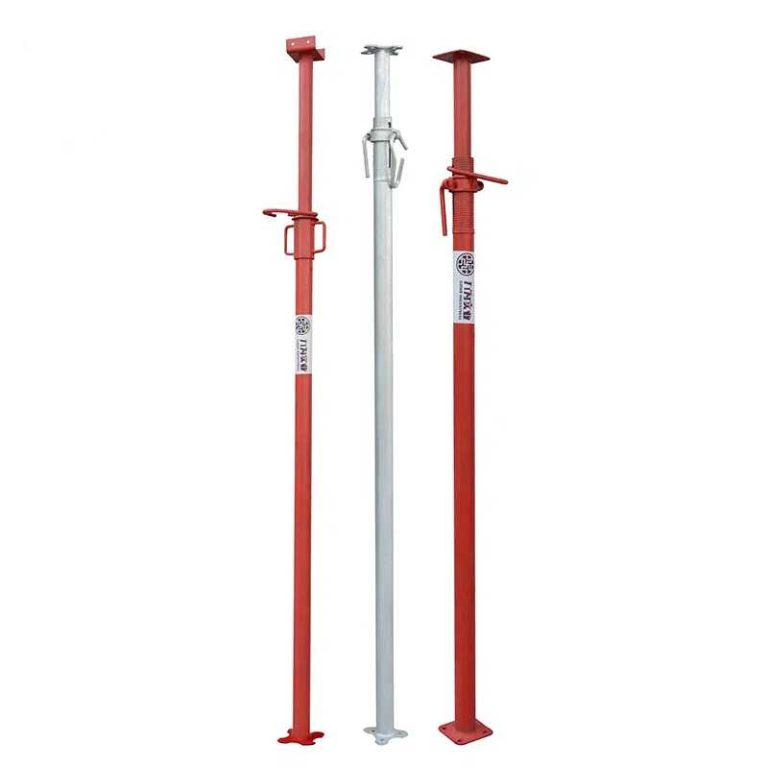
Steel formwork needs a complete method: ties, braces, walers, platforms, release agent, cleaning and inspection. Our engineering team checks these details with contractors so the selected formwork matches the concrete sequence rather than forcing site crews to improvise.
What Factors Affect Steel Formwork Performance?
Material Quality and Fabrication Accuracy
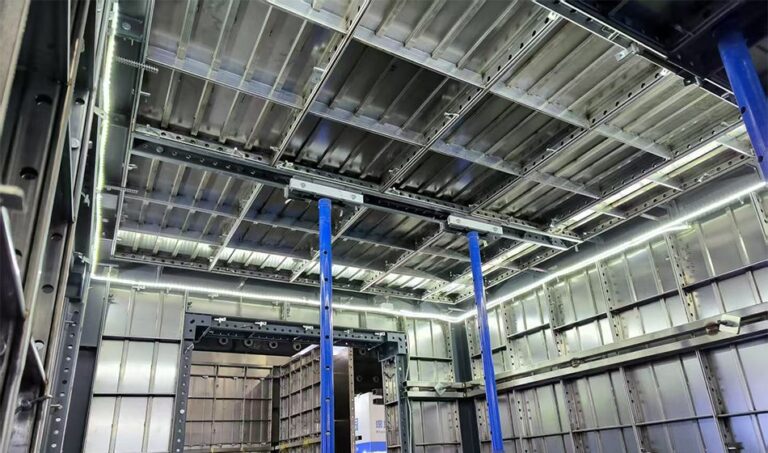
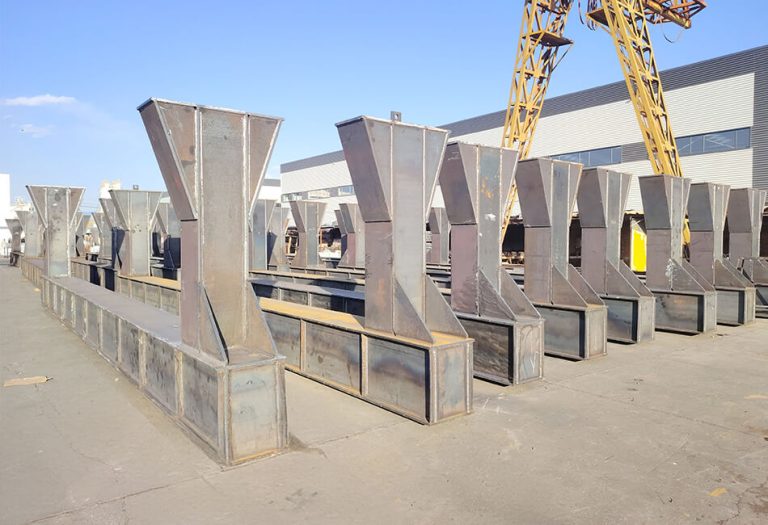
Steel formwork performance depends on plate quality, rib design, welding, hole position and panel flatness. Inaccurate fabrication can create misalignment before the first pour. GOWE’s product line includes high-strength stainless steel formwork and combined steel formwork, giving contractors options for different strength and reuse demands.
Surface Treatment and Corrosion Protection
Surface treatment protects both service life and concrete quality. Stainless steel formwork offers resistance to rust, impact and chemical exposure, while other steel systems may need coating control and careful storage. A damaged surface should be repaired before it marks the next concrete face.
Corrosion-resistant stainless steel can support long service life in aggressive environments such as coastal, industrial or chemical-plant conditions. Smooth panel surfaces can also improve concrete aesthetics with less finishing work. These benefits matter when a project evaluates steel formwork by lifecycle performance rather than purchase weight alone.
The system is suitable for vertical and horizontal applications and can maintain its integrity through extensive reuse. Its modular design also supports flexible assembly and disassembly when the project includes changing shapes or access conditions.
The robust construction resists rust, impact and chemical exposure, which is valuable when a project expects demanding environmental conditions.
Maintenance Between Repeated Uses
Cleaning, lubrication, weld inspection and accessory control should happen between cycles. GOWE High-Strength Stainless Steel Formwork is designed for 300 to 500 or more reuse cycles, but that value depends on how the system is stripped, cleaned, transported and stored.
How Can Contractors Evaluate Steel Formwork Suppliers?
Check Engineering Capability and Manufacturing Control
A steel formwork supplier should prove that design, fabrication and quality checks are connected. GOWE integrates R&D, production, sales, leasing, construction and operation of construction formworks, scaffolding, steel structures, bridge and tunnel equipment and building materials.
Review Project Experience and Technical Documents
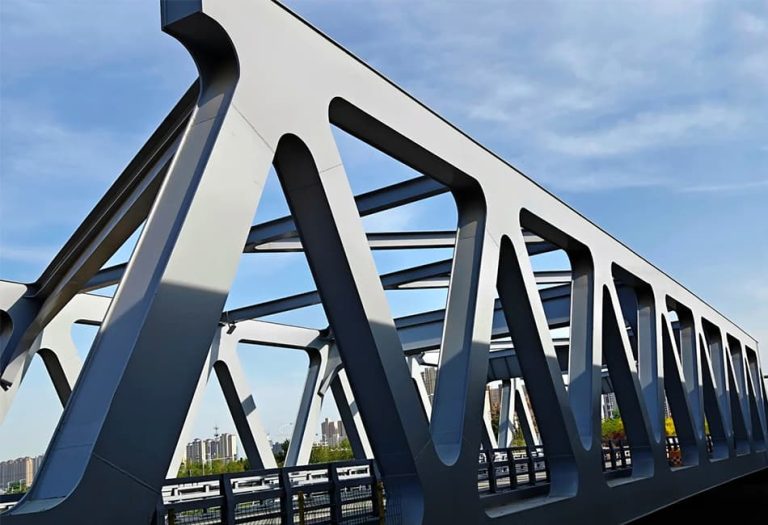
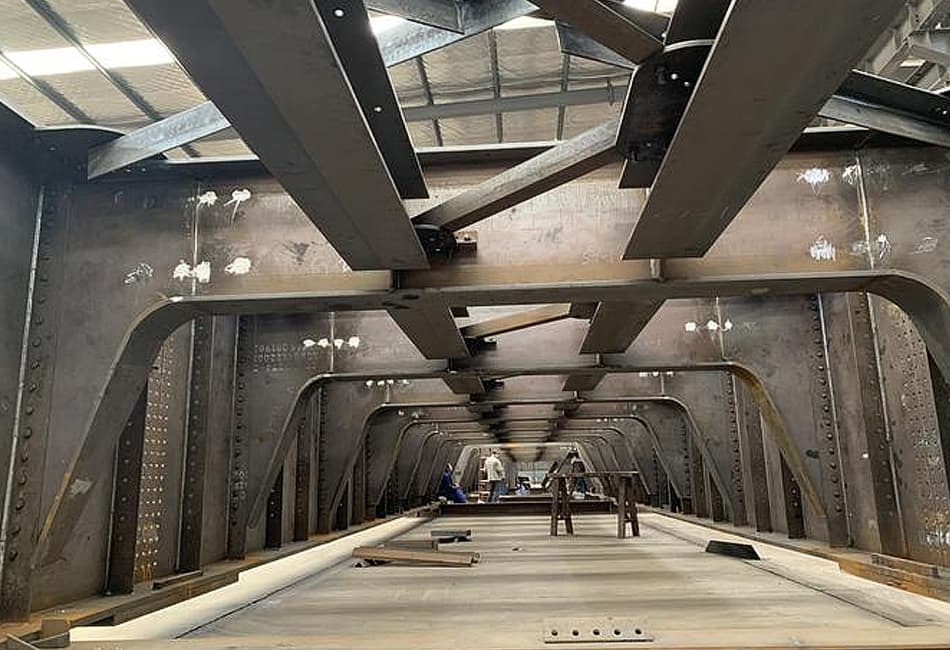
Project references, drawings, assembly instructions and inspection criteria help contractors judge whether a supplier understands heavy-duty site conditions. The Sistema de estrutura de aço para ponte page is a useful reference for strength-driven infrastructure work where durability and load-bearing capacity matter.
Confirm Delivery and After-Sales Support
Delivery timing, spare parts, repair guidance and after-sales response affect the practical value of steel formwork. A strong panel is not enough if accessories arrive late or site teams cannot get technical answers during a pour cycle.
FAQ
Q: What Is Steel Formwork Used for in Construction?
A: Steel formwork is used to shape and support concrete elements that require high strength, dimensional stability and repeated use.
Q: Is Steel Formwork Suitable for High-Rise Buildings?
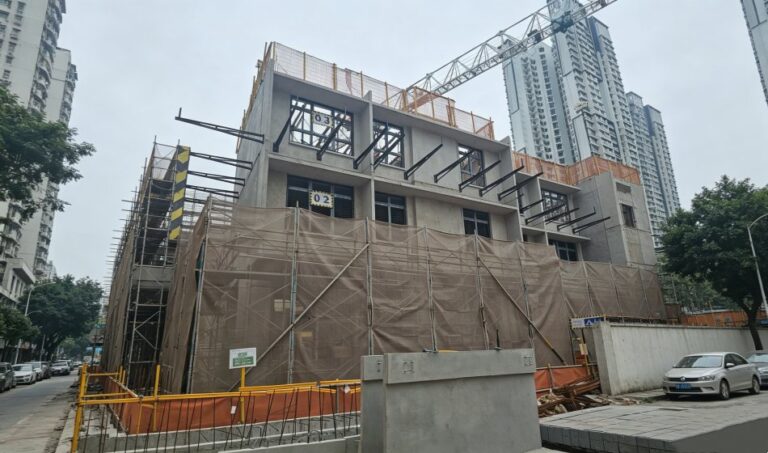
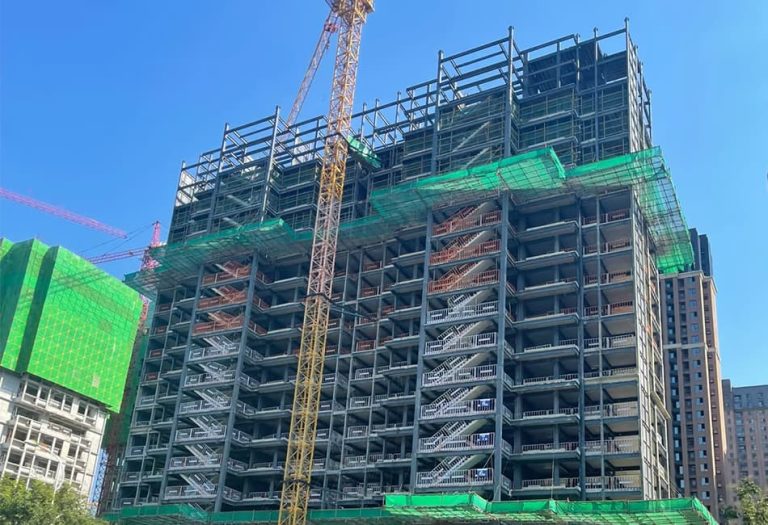
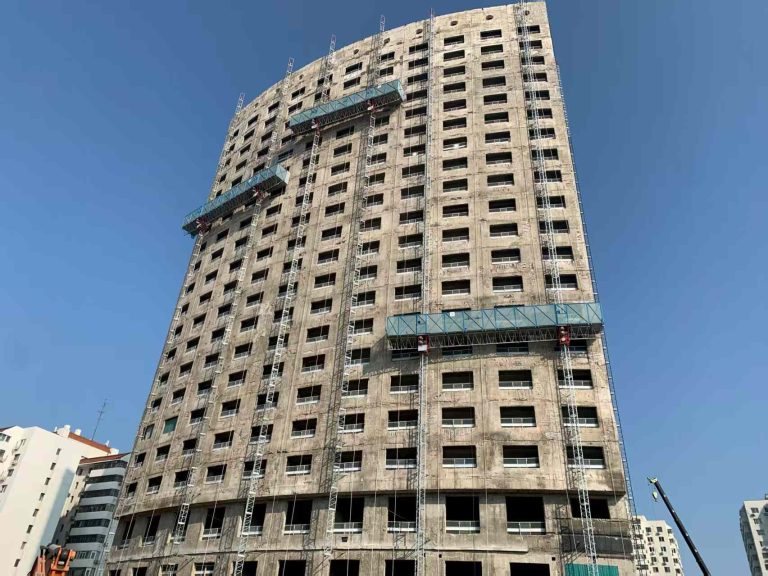
A: Steel formwork can suit high-rise cores, walls, transfer structures and heavy areas, especially when pressure and repeatability are more important than low panel weight.
Q: How Long Can Steel Formwork Be Reused?
A: Reuse depends on material, coating, handling and maintenance. High-strength stainless steel systems may reach hundreds of cycles when maintained correctly.
Q: How Should Steel Formwork Quality Be Checked?
A: Check plate flatness, welds, ribs, connection holes, surface condition, accessories, lifting points and supplier quality documents before repeated use.