
Formwork rework rarely starts with one dramatic failure. It usually begins with decisions made too early: a system chosen before drawings are stable, a familiar method used on a different structure, a missed tie, or a pre-pour check treated as paperwork. These common formwork mistakes can lead to honeycombing, bulging, misalignment, unsafe removal, and delays. The safest way to reduce concrete formwork errors is to treat formwork as a designed temporary works system, not as panels that can be adjusted after concrete arrives.
1. Choosing a System Before Checking Project Conditions
Why the wrong formwork system creates rework
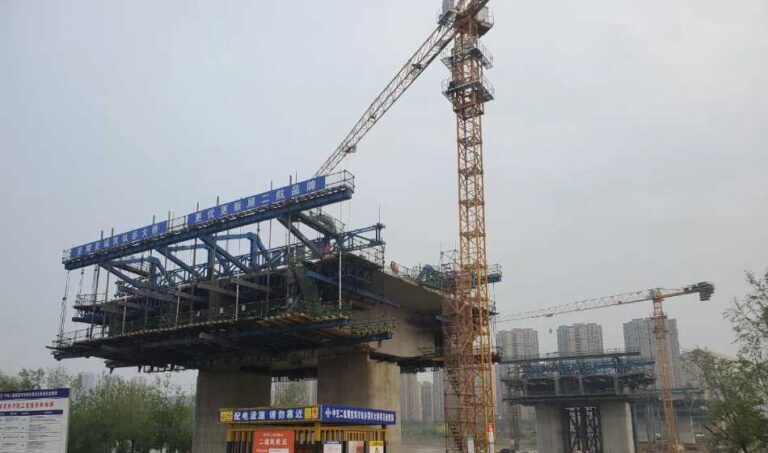
The first formwork installation mistake is selecting a system before reviewing the structure, pour sequence, access, crane limits, pressure assumptions, surface requirements, and repetition level. A system for repeated residential walls may not suit a bridge segment, transfer level, deep beam, curved element, or tight access area. When the system does not match, crews compensate by cutting fillers, adding temporary bracing, changing joints, or slowing the pour. Each workaround increases leakage, offsets, dimensional errors, and extra finishing.
How to match formwork to the structure
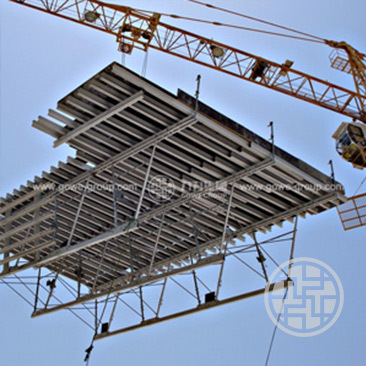
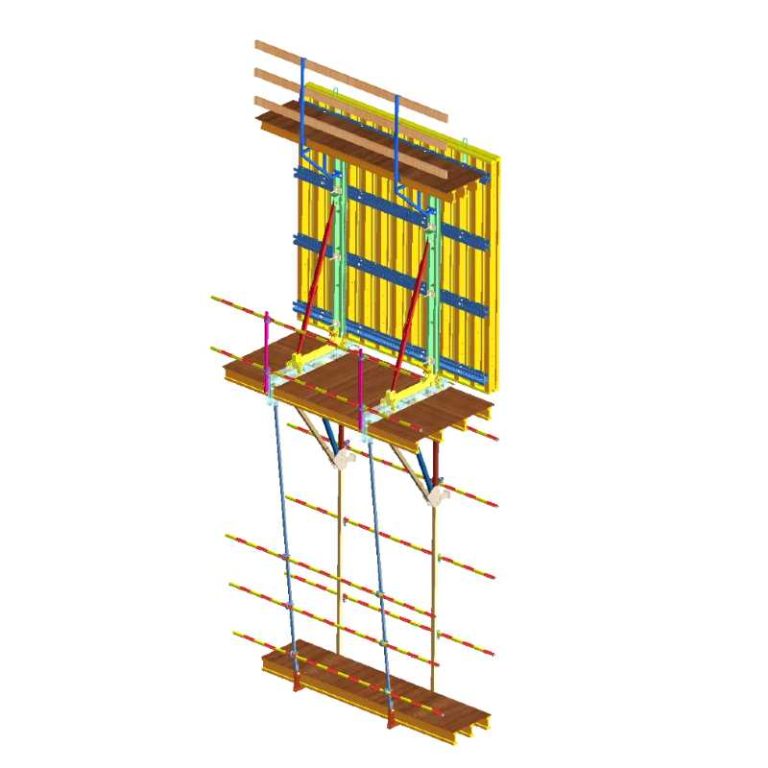
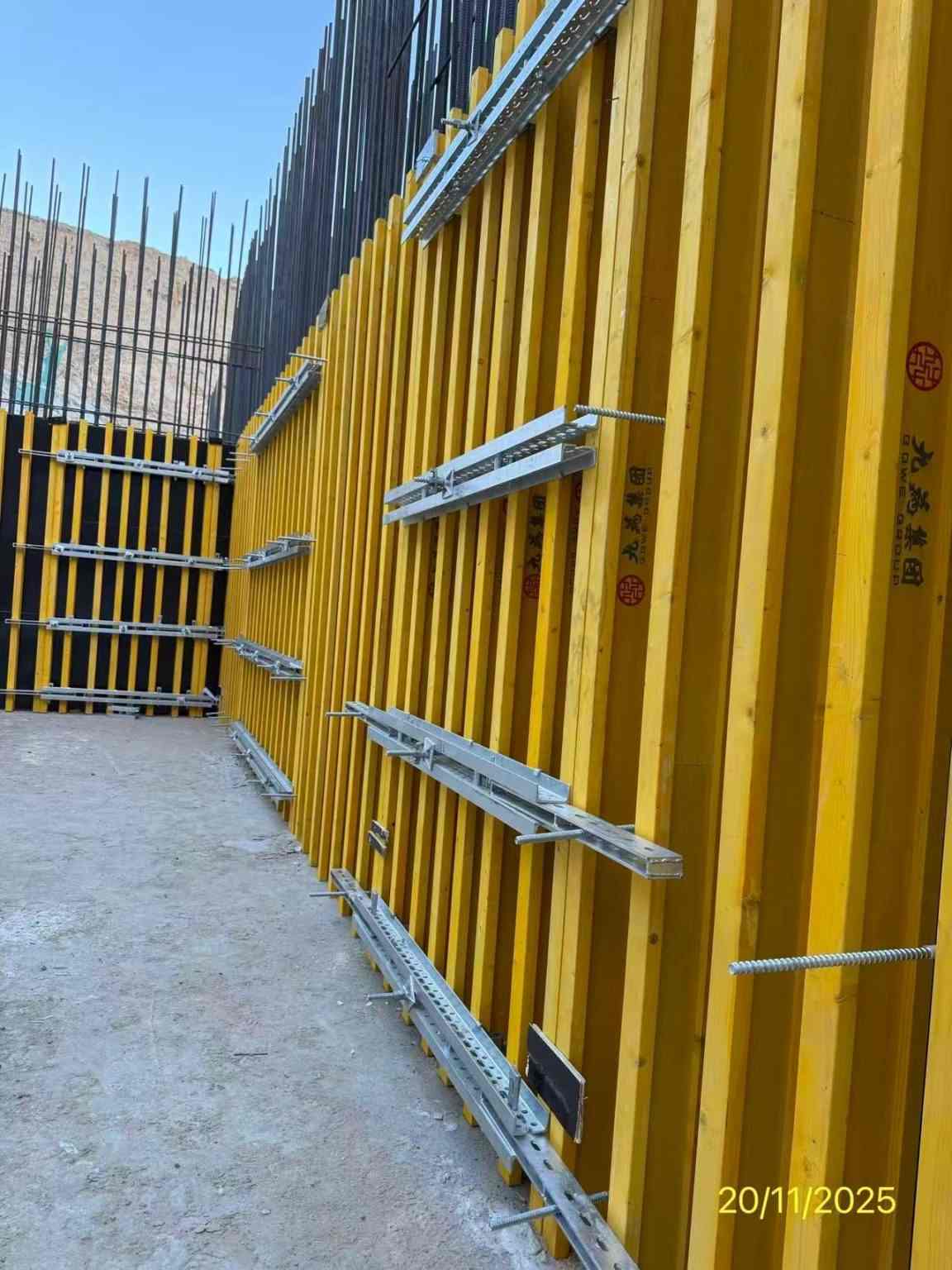
Start by separating geometry from installation quality. Poor results are not always caused by the crew; sometimes the selected formwork type is already fighting the shape. GOWE works across formwork and scaffolding systems, so matching should consider form, support loads, access, lifting, repetition, and turnover. For example, Опалубка для деревянных балок can suit adaptable wall or structural shapes, while aluminium, cantilever, and steel systems should be checked against the drawings and sequence.
2. Building to Habit Instead of Approved Drawings
How layout habits become alignment errors
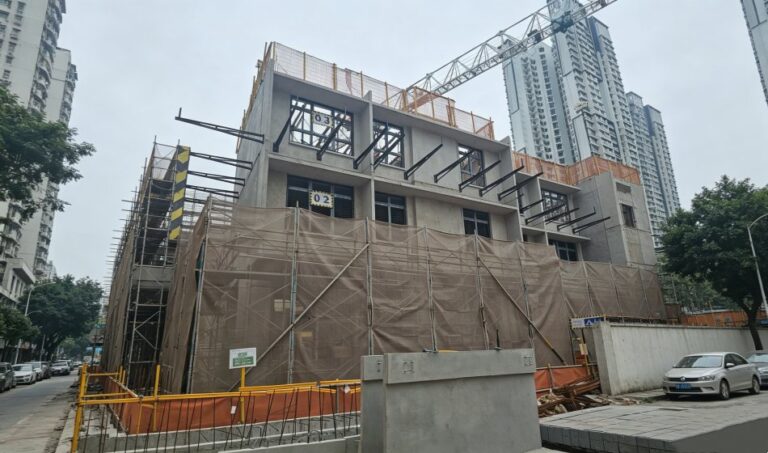
Experienced crews move fast, but speed becomes risky when they rely on habit instead of approved drawings. A layout copied from a previous floor or similar bay may ignore changes in openings, wall ends, stair areas, beam depth, slab edges, or embedded items. Small layout errors then become concrete formwork errors: panels close, but the finished structure does not match the required geometry.
Pre-lock hold points that prevent formwork rework
Before panels are locked, the site team should confirm grid lines, openings, panel IDs, tie locations, prop positions, embedded parts, joint closure, and access. GOWE carries out precise design and customized production according to engineering drawings, and factory trial assembly helps reduce fit-up problems before transport. On site, our support should still be paired with project specifications and local requirements; it should never replace engineer-approved tolerances or inspection rules.
3. Underestimating Bracing, Ties, and Support Loads
Why support failure is not just a strength problem
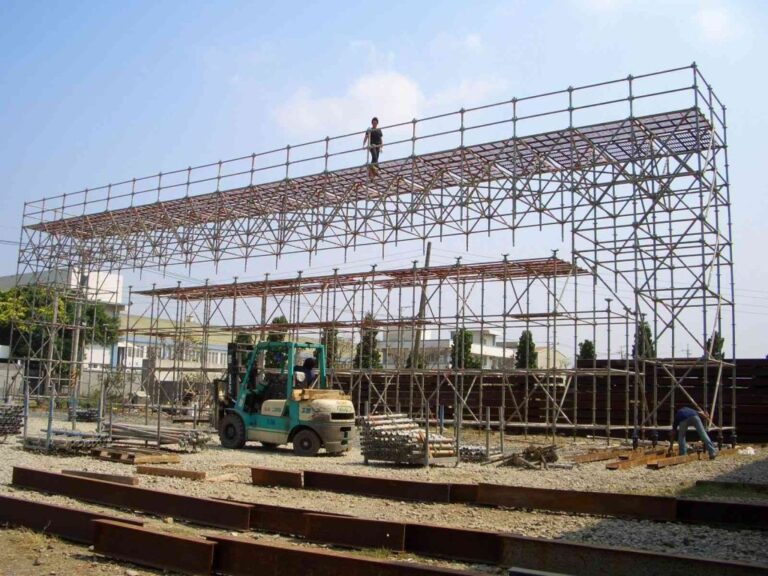
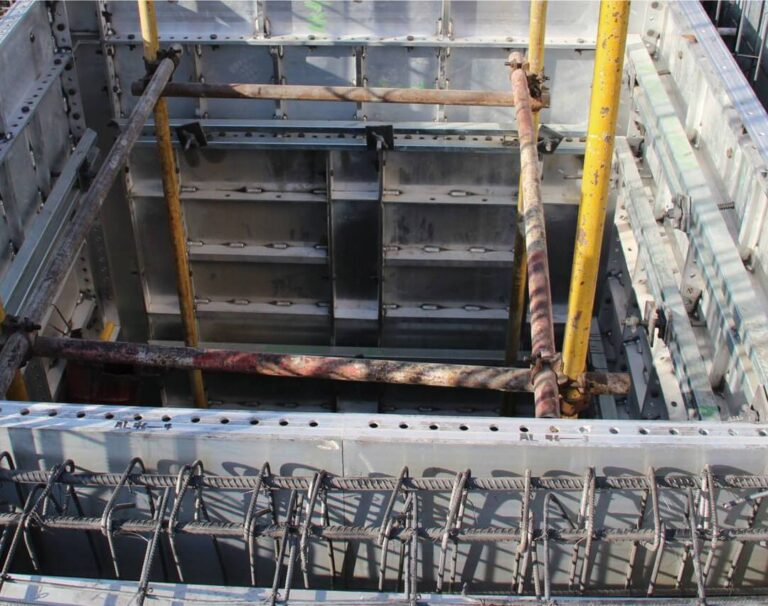
Many formwork defects appear as surface problems, but the root cause is often load path control. Bracing, ties, props, walers, raking shores, support bases, and connections must work together. If one part is missing, loose, poorly aligned, or installed in the wrong sequence, the system can move under pressure. The result may be bulging, stepped joints, wall lean, uneven slab level, or an emergency stoppage.
What load checks should include
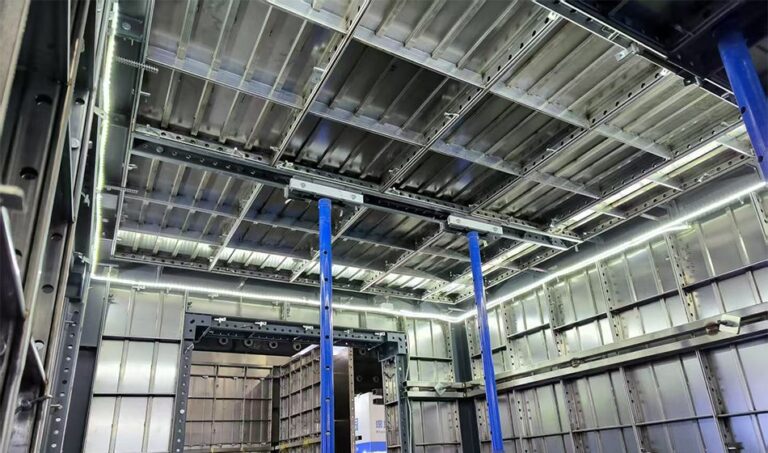
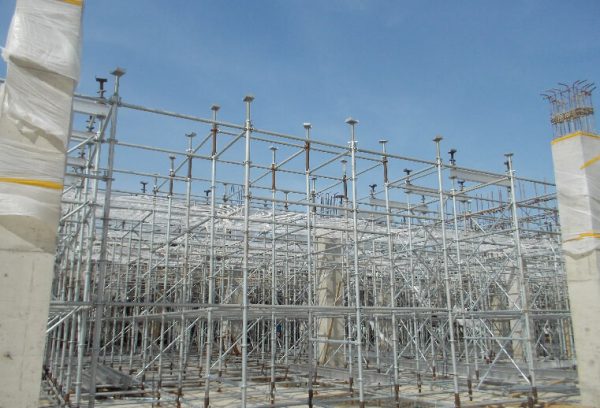
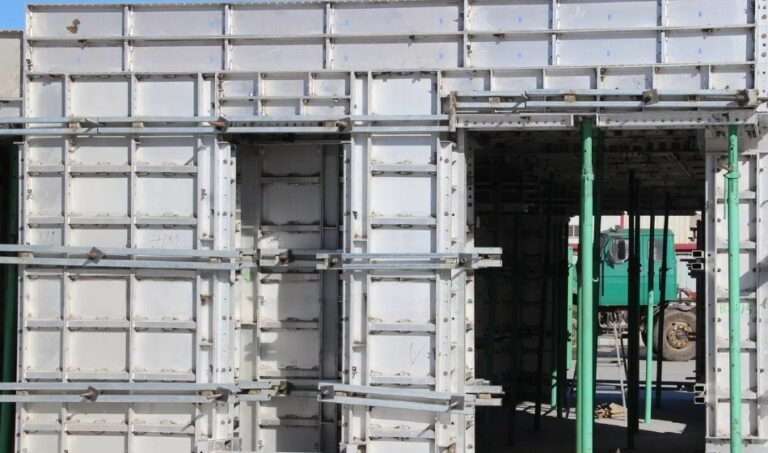
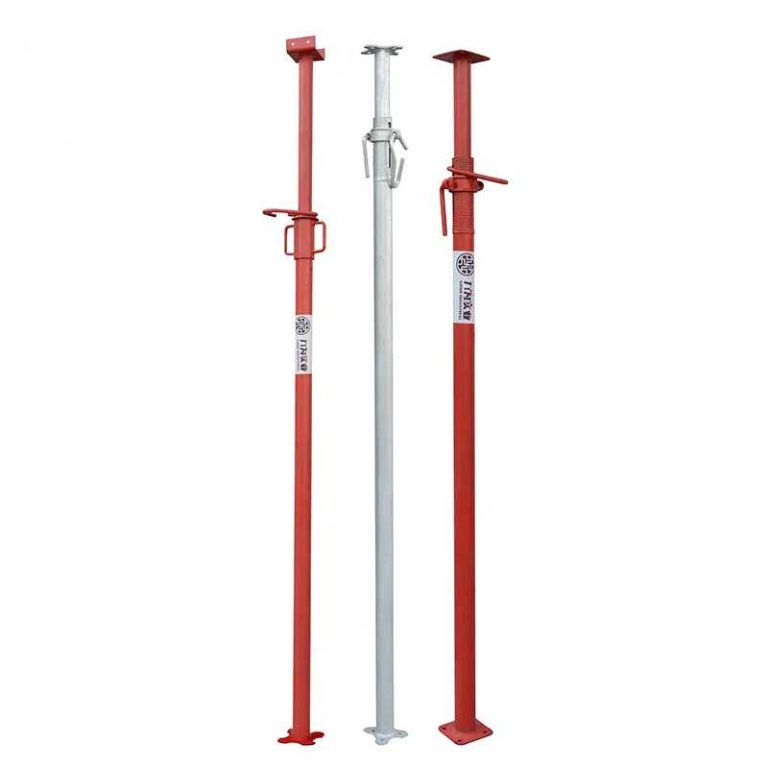
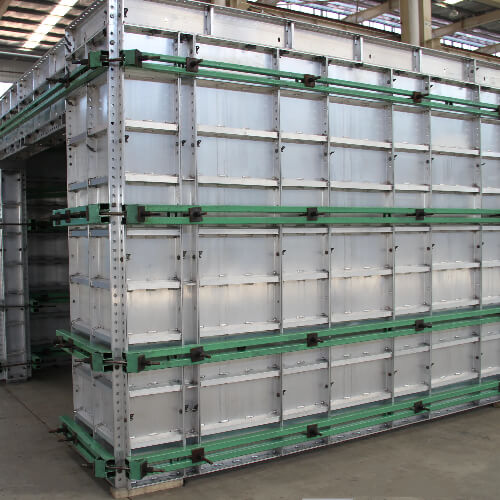
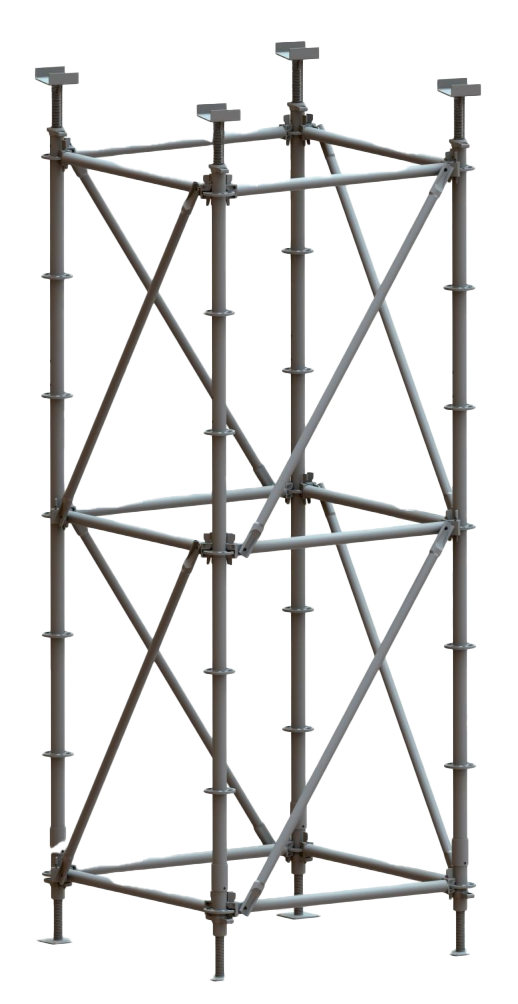
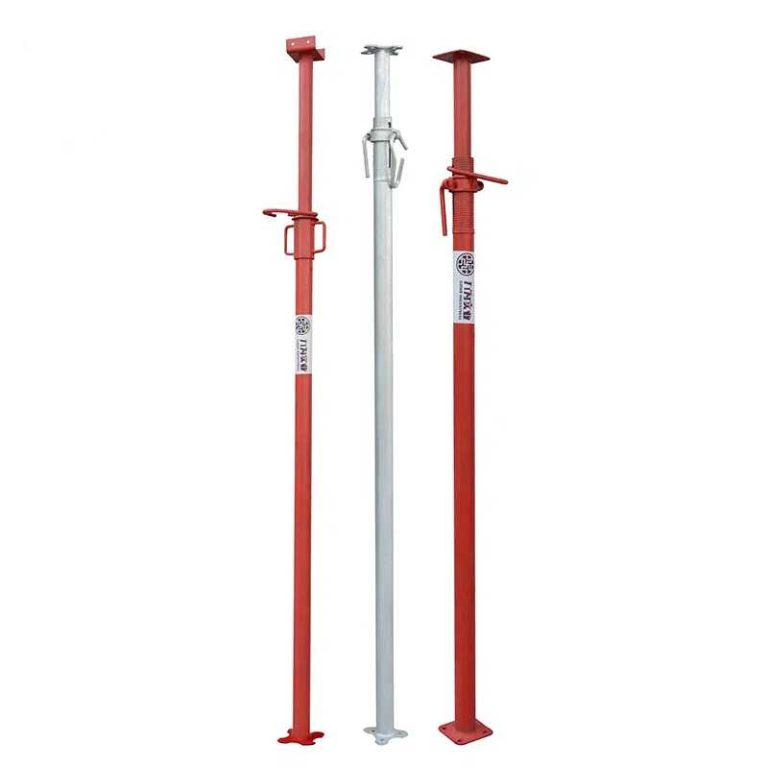
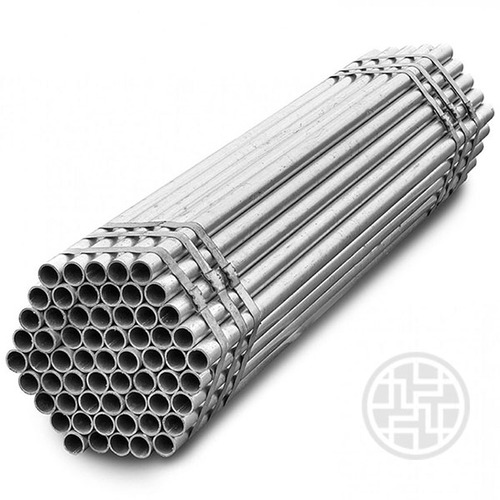
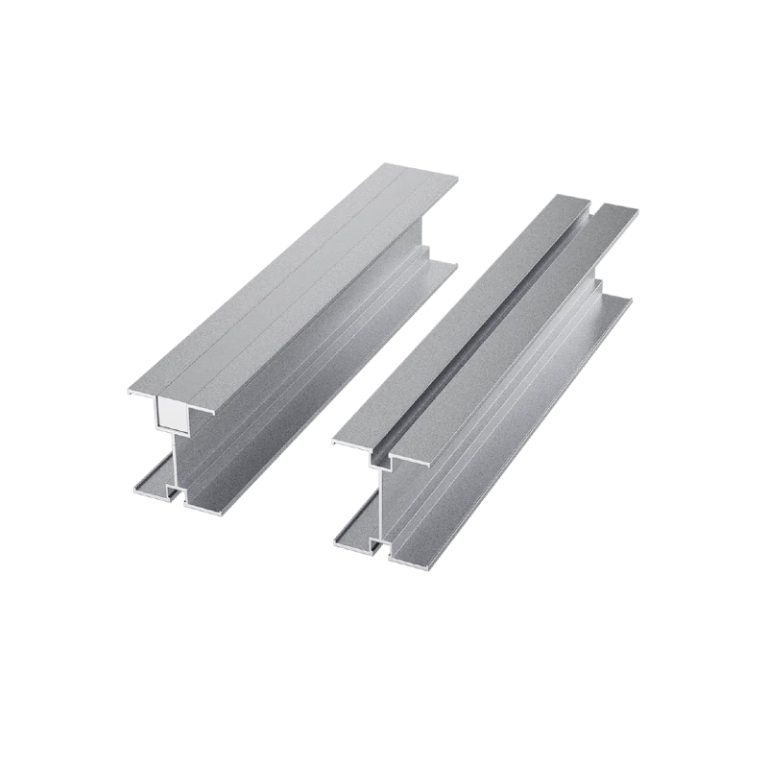
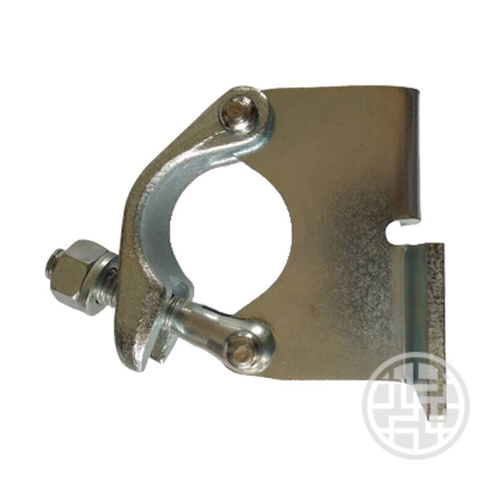
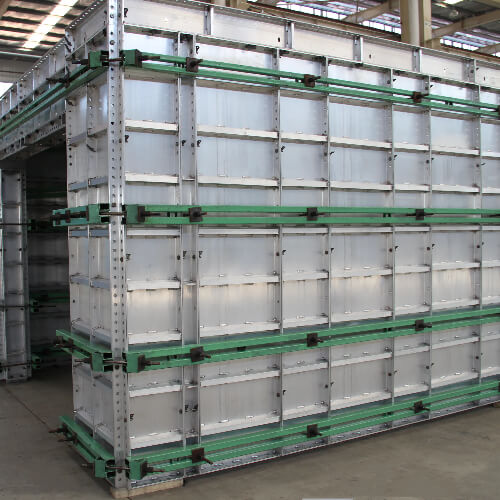
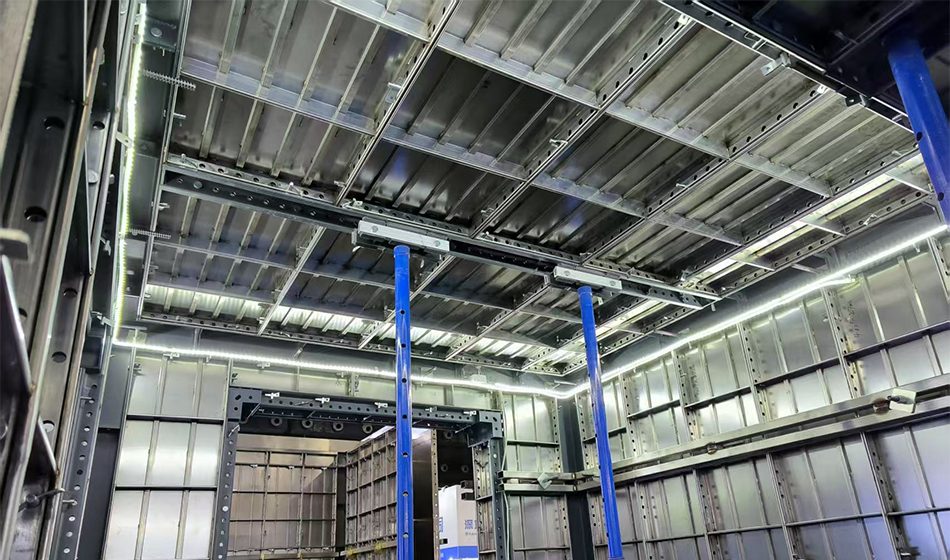
Do not rely on universal support spacing or assumed pour rates. Load checks should follow the engineered formwork design, placement method, lift height, vibration practice, reshoring plan, and inspection authority. GOWE aluminium formwork includes wall formwork, top formwork, and prop systems, and its accessories include pins, wedges, steel props, adjustable support bases, hollow sections, walers, raking shores, tie bars, flat ties, waler brackets, transfer boxes, and removal tools. These components are part of alignment, support, dismantling, and safe handling.
4. Skipping the Final Pre-Pour and Pour-Rate Check
A practical formwork inspection table
The final formwork inspection should happen close enough to the pour to catch last-minute changes, and it should be specific enough for supervisors to stop work when an item is not ready.
| Checkpoint | What to confirm | Rework risk if missed |
| Drawings and layout | Grid, openings, levels, embedded items, construction joints | Wrong dimensions or misplaced openings |
| Connections | Pins, wedges, bolts, ties, walers, brackets, joint closure | Leakage, offsets, bulging, panel movement |
| Supports and bracing | Props, raking shores, bases, bearing surfaces, access stability | Deflection, wall lean, unsafe movement |
| Pour readiness | Pour sequence, placement method, vibration access, communication | Excess pressure, segregation, cold joints |
| Removal plan | Strength evidence, reshoring plan, retained supports, approval route | Cracking, sagging, unsafe stripping |
Why pour pressure must stay within the plan
Concrete pour pressure is affected by placement sequence, lift height, concrete behavior, vibration, and temperature. The correct control is not a generic number; it is the approved pour plan and engineered design. GOWE aluminium formwork is described as high-strength and lightweight and can withstand 60KN/m2 concrete side pressure within its stated context, but that value should not be treated as a universal limit.
5. Stripping Too Early or Reusing Damaged Components
Why strength-based stripping matters
Early stripping is one of the most expensive common formwork mistakes because the defect may appear after the crew has moved on. Formwork, shores, and reshores should remain until concrete has enough strength to support its own weight and applied loads, or until adequate reshoring is in place under the required plan. Removal decisions should follow project plans, specifications, verified concrete strength, engineer approval, and local requirements, not a fixed hour count.
Reuse inspection before the next pour
Reusable formwork reduces cost only when damaged or incomplete components are stopped before the next cycle. Check panel faces, ribs, corners, holes, bearing points, tie systems, props, wedges, pins, and repair records. GOWE quality management includes incoming material inspection, in-production inspection, finished product inspection, pre-shipment debugging, transportation inspection, and controlled transport. Panel life and usable reuse depend on inspection, transport, cleaning, storage, handling, complete accessories, and project geometry compatibility.
6. How Can GOWE Help Reduce Formwork Rework Across Different Projects?
Matching the system to geometry, loads, and sequence
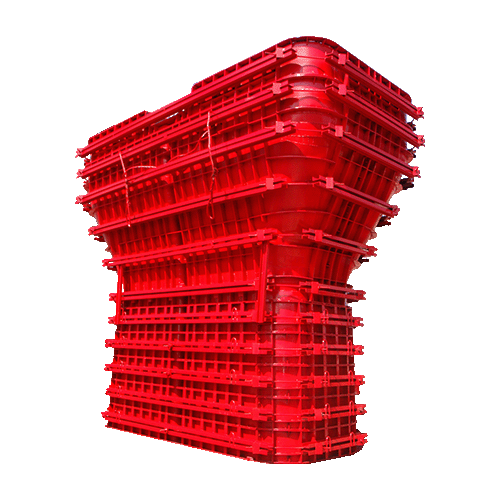
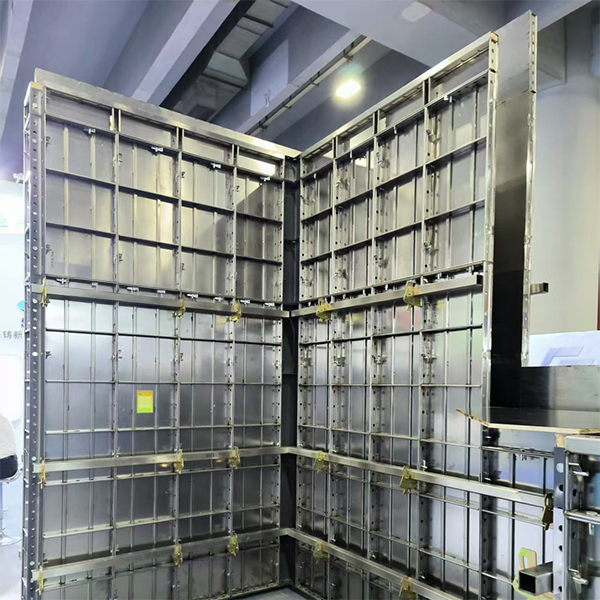
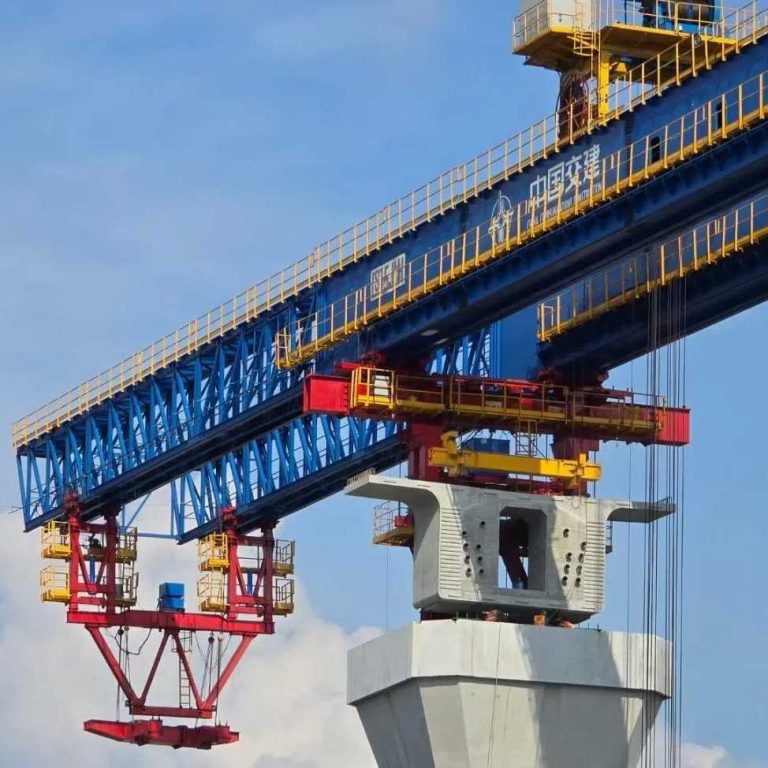
GOWE can support formwork planning by reviewing drawings, application conditions, component matching, support needs, site assembly logic, and turnover planning. The goal is not to push one system into every project. It is to match the formwork method to wall, slab, beam, stair, column, bridge, or special-structure conditions before site teams solve problems during the pour. For repeated vertical and horizontal structures, an Алюминиевая система опалубка can support one-time whole pouring and forming when the project design fits that method.
Using the right GOWE formwork system for the right application
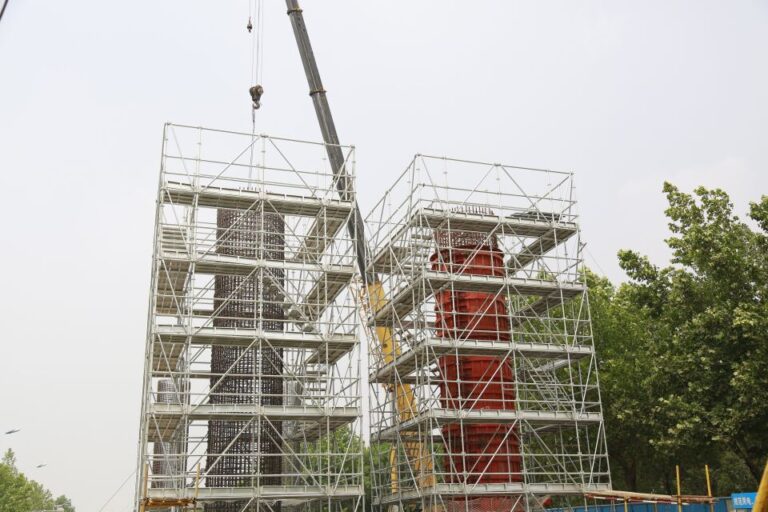
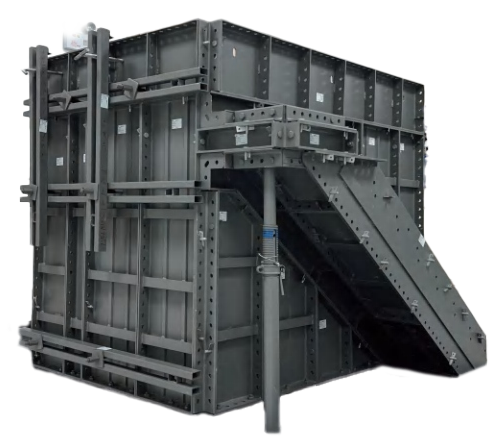
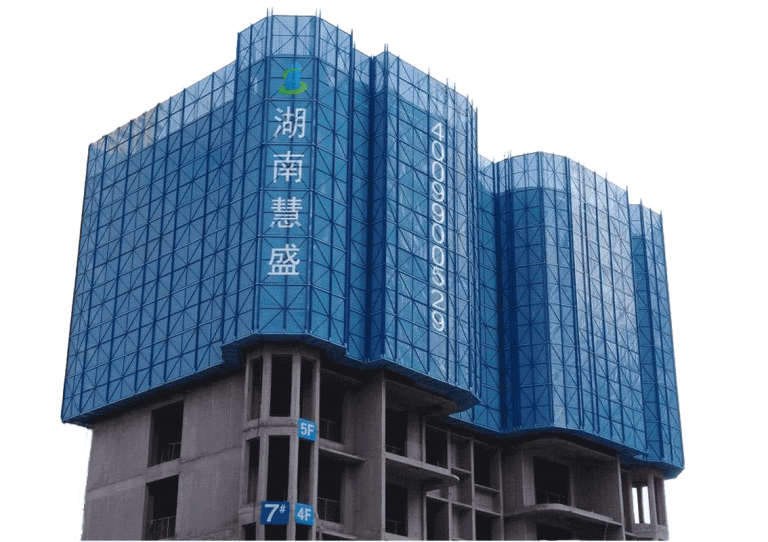
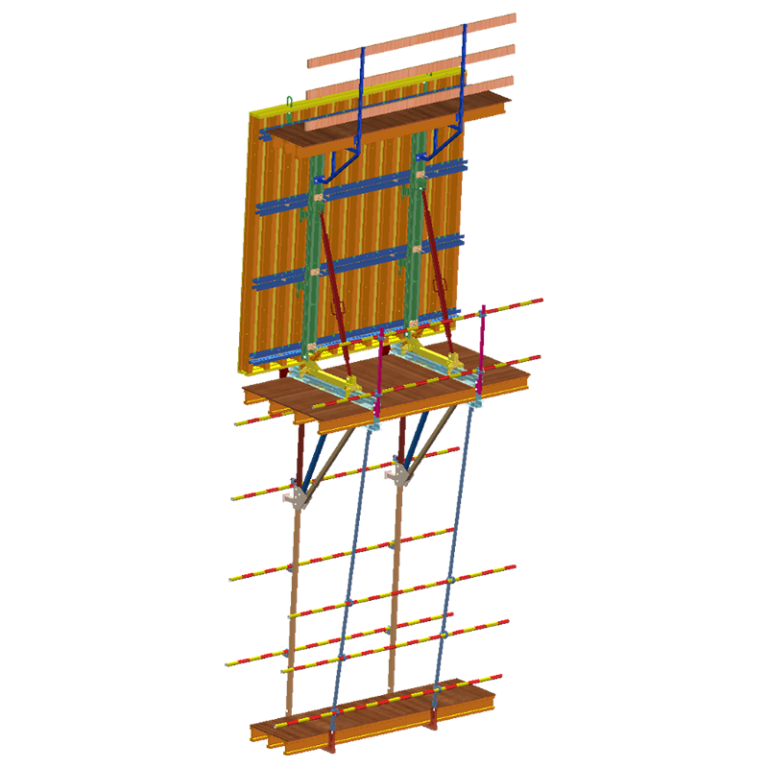
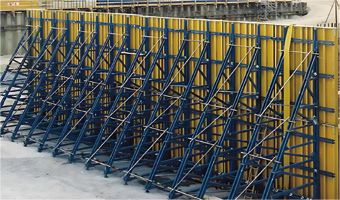
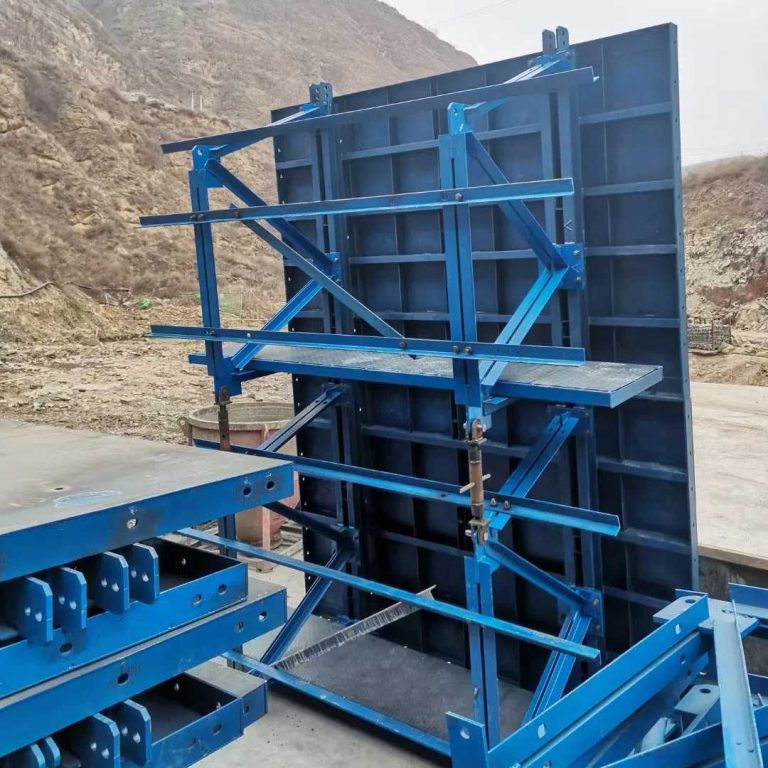
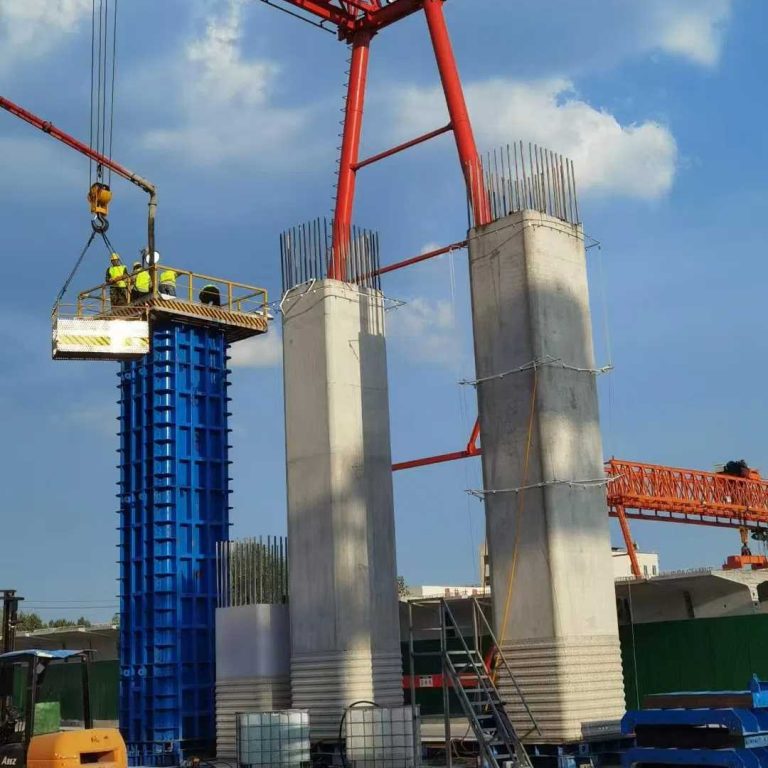
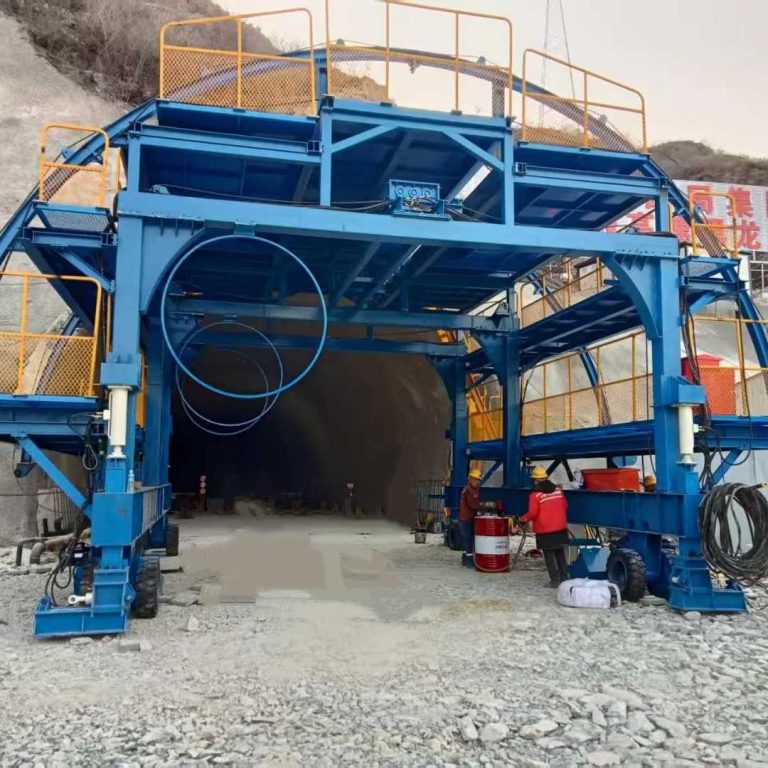
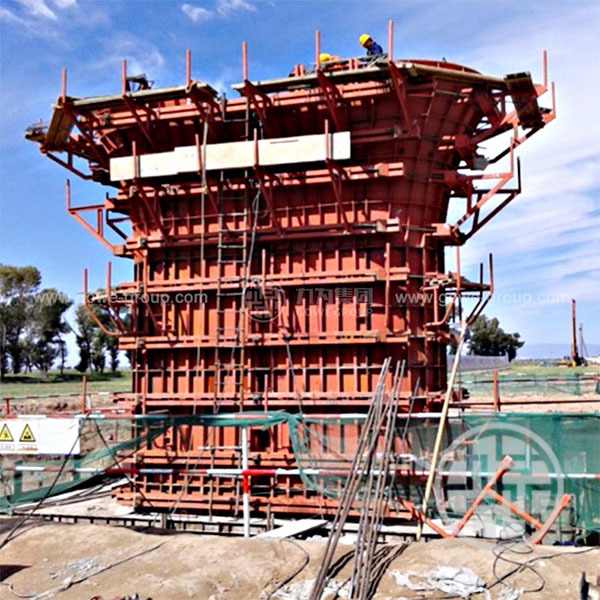
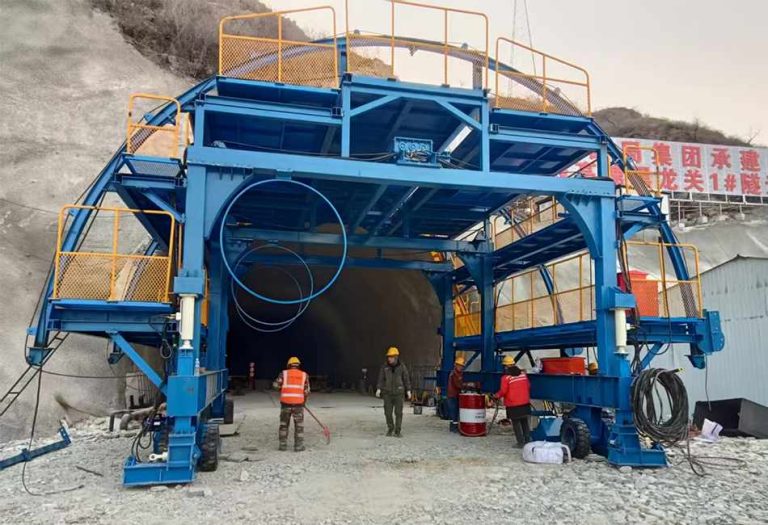
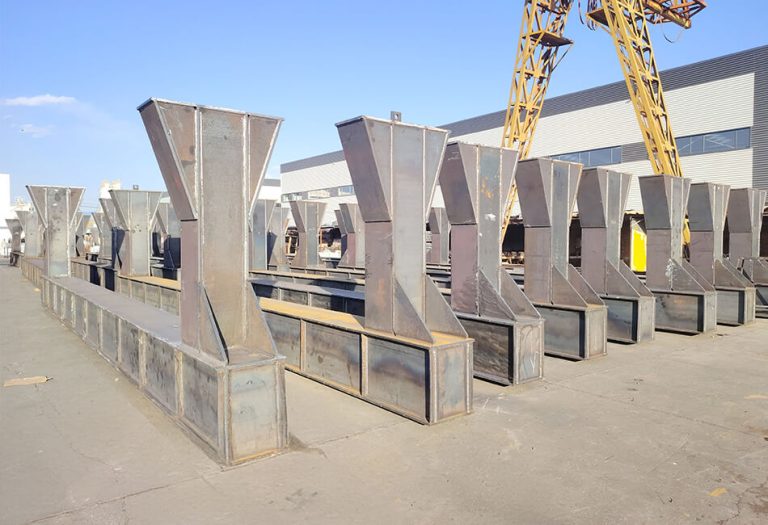
For retaining, bridge, or one-sided pressure conditions, Консольная обработка may be part of the system review. For projects needing robust metal panels, High-Strength Stainless Steel Formwork can also be considered. The practical value comes from combining product selection with technical documents, assembly planning, component control, and inspection discipline.
ЧАСТО ЗАДАВАЕМЫЕ ВОПРОСЫ
Q: What are the most common formwork mistakes that cause rework?
A: The most common mistakes are choosing the wrong system, ignoring approved drawings, underestimating bracing and ties, skipping pre-pour inspection, and stripping or reusing components without checking concrete strength and component condition.
Q: How can formwork inspection reduce concrete formwork errors?
A: A structured inspection confirms layout, connections, supports, bracing, access, pour sequence, and removal planning before concrete is placed. It catches small issues while they are still easy to correct.
Q: Why do formwork installation mistakes often appear after pouring?
A: Concrete pressure, vibration, and loading reveal weaknesses that may not be obvious during assembly. Loose ties, poor bracing, wrong layout, or weak support can become visible only after the form is filled.
Q: When should formwork be stripped to avoid rework?
A: Stripping should follow project specifications, verified concrete strength, engineer approval, reshoring requirements, and local rules. Fixed hour-based assumptions should not replace the approved removal plan.
Q: How do I choose the right formwork supplier for rework control?
A: Look for drawing review, system matching, component support, technical documentation, assembly planning, inspection discipline, and reuse planning. A supplier should help prevent predictable errors before panels reach the site.