


How Has Modern Scaffolding Design Transformed Structural Access Efficiency?
Key Engineering Principles Behind Today’s Scaffolding Systems
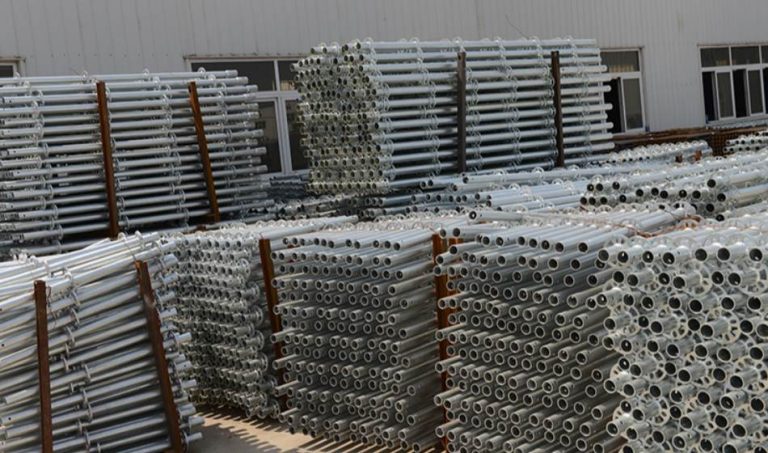
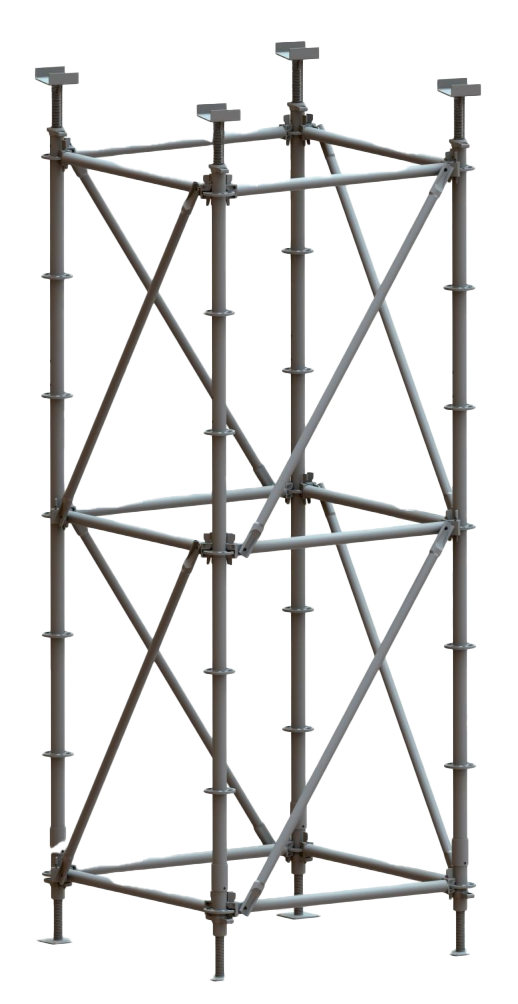
Modern scaffolding design rests on engineering principles. These focus on strength, adaptability, and safety. The systems share loads through clear force paths. For example, in ringlock systems, the standard connects to a rosette with eight holes. Four small holes hold the ledger via wedge pins. Four larger holes hold the diagonal brace. This setup spreads loads evenly and adds firmness. This planning keeps the scaffolds solid. It also allows fast setup and take-down. This improves building work.
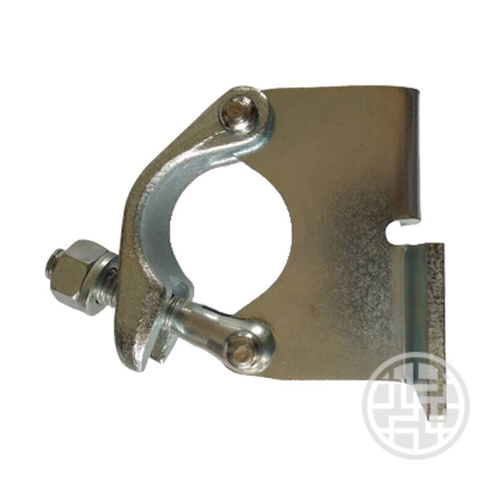
Modularity is a key part of modern scaffolding. Couplers, as fundamental components in scaffolding systems, are widely used in a variety of large and small construction sites, and play a greater role in auxiliary, fastening, and connection functions. These parts let scaffold pieces join securely with little effort. They keep safety without slowing work.
The Shift from Traditional to Modular Scaffolding Designs
The switch from old tube-and-clamp setups to modular scaffolding has changed building workflows. Modular systems are planned for fit and ease. They reduce the parts and connection types needed on-site. Their ease of assembly and dismantling contributes to rapid construction speed, which is one of the core advantages of these designs. Universal connections like rosettes and fast-lock mechanisms simplify the assembly process. They also let complex builds go up faster and safer.
Modular designs help with stock control and moving parts. This makes it easier to transport and store scaffold pieces between jobs. This change lets companies grow work without extra steps.

Enhancing Worker Safety Through Smart Structural Configurations
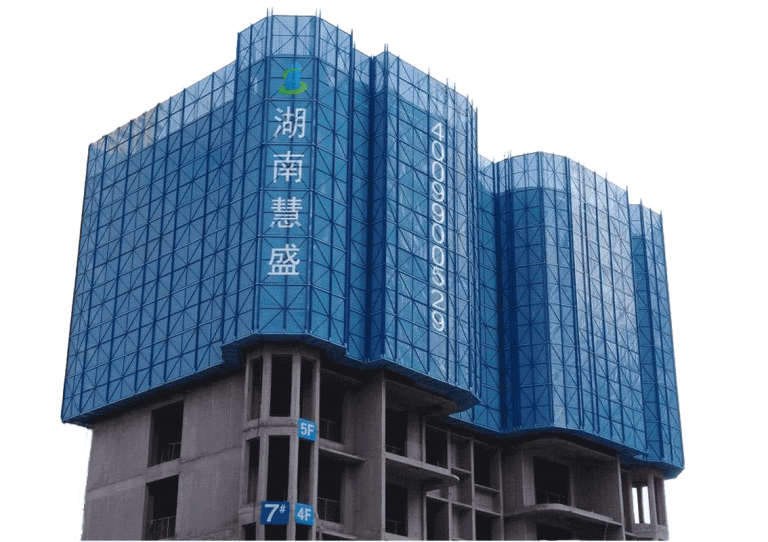
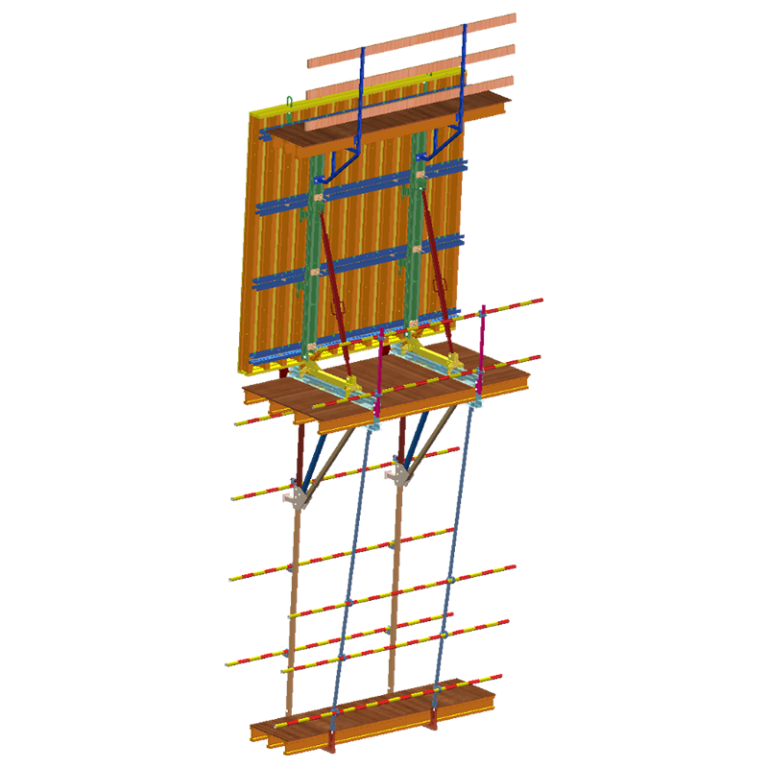
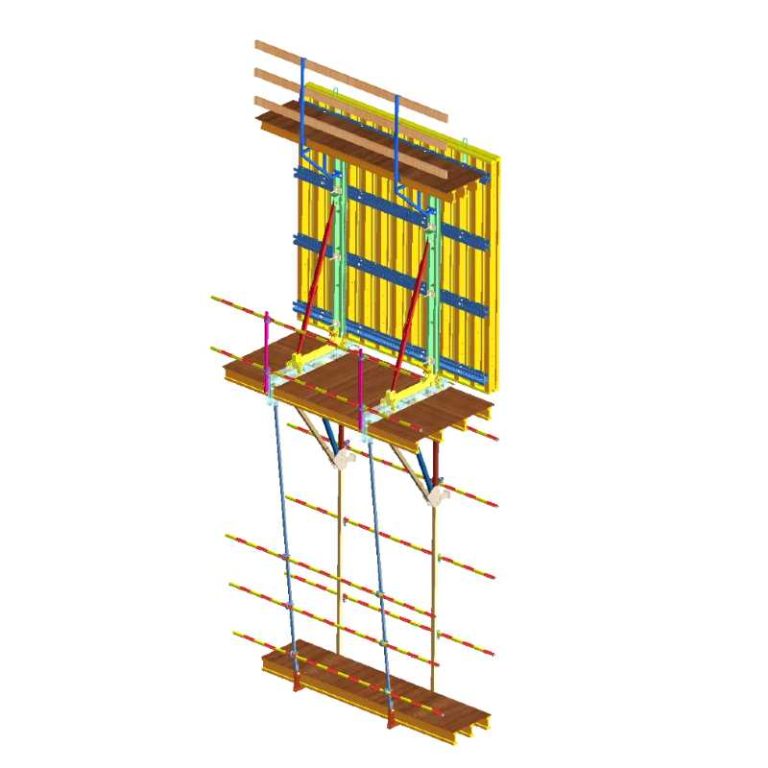
Safety is the top focus in scaffolding design. New changes put this at the heart of planning. The wall attachment support blends fall prevention, anti-tilting, and guidance functions into one device. It offers sensitivity and reliability. These features shield workers from hazards like falls or unstable platforms.
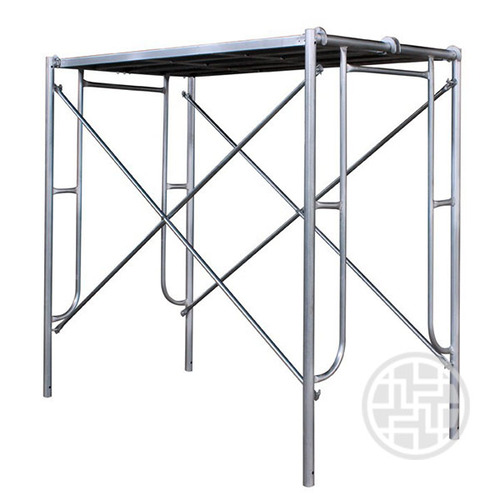
The scaffolding structure is simple and reliable in terms of load-bearing. It offers sufficient rigidity and strength. This adds another layer of security. Smart synchronization control systems are also being added. They track load distribution in real time. This keeps stability under changing conditions. These changes make job sites more efficient and much safer.
Why Is Lightweight Scaffolding Design Critical for High-Rise Construction?
Material Innovations That Reduce Weight Without Compromising Strength
Lightweight scaffolding is vital for high-rise projects. Moving to high levels is frequent and labor-heavy. Modern systems use strong metals like Q355 and Q235 carbon steel. The scaffolding coupler is made of Q235 carbon steel, which is higher than the standard. This ensures both durability and reduced weight.
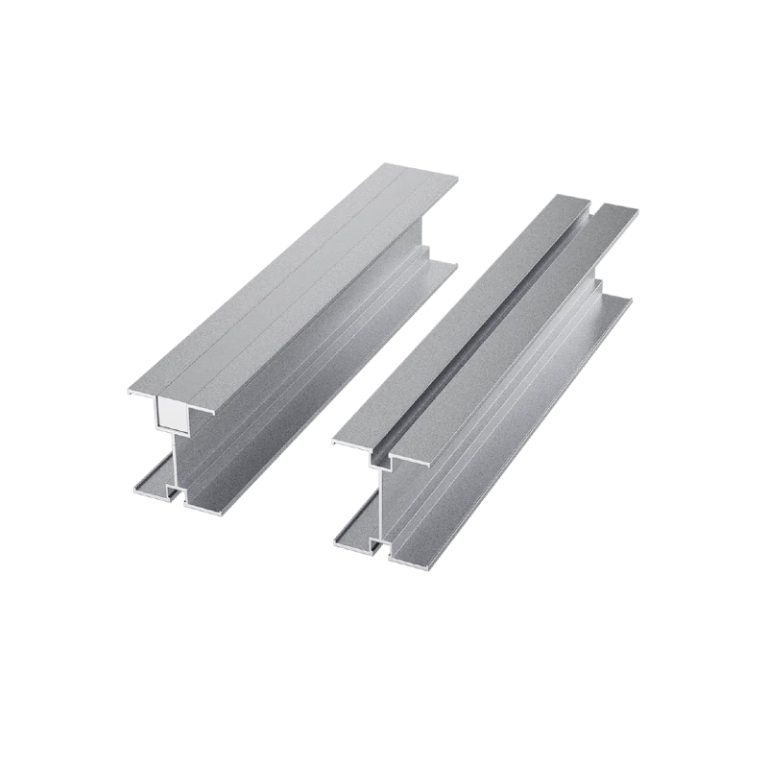
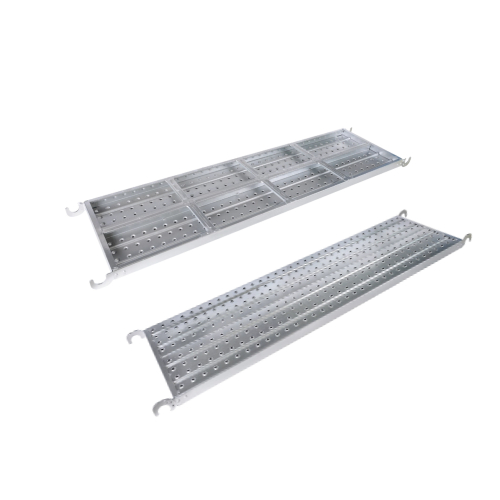
Adding aluminum parts, like beams or platforms, lowers the system’s total weight. It keeps high load capacities. These materials ease handling and reduce strain on the building during temporary setups.
The Role of Ergonomic Design in Assembly and Dismantling
Ergonomics helps workers during scaffolding assembly and dismantling. Features like built-in locking mechanisms, fewer tools needed, and clear component labels make the process smoother. Scaffolding couplers include swivel and fixed couplers, drop forged and pressed couplers, etc.
This cuts physical strain and setup time. This is a key factor in high-rise projects where every hour saved means lower costs.
Balancing Portability and Load-Bearing Capacity in Tall Structures
Portability must balance with structural strength when designing scaffolds for tall buildings. Modern systems use modular elements that are lightweight and built for high performance. The scaffolding structure is simple and reliable in terms of load-bearing. It offers sufficient rigidity and strength. It is lightweight and easy to operate. This saves time and labor.
Innovative locking systems add security without extra bulk. They allow easy vertical transport while meeting safety standards. This balance lets scaffolds hold heavy loads without being hard to move.
What Are the Advantages of Adaptive Scaffolding Systems in Complex Projects?
Customizable Configurations for Irregular Building Geometries
Adaptive scaffolding systems shine in projects with irregular or non-linear designs. Modular components like diagonal braces and adjustable base collars let these systems fit around curves, slants, or overhangs smoothly. Applicable to various construction projects, they provide flexibility without requiring customized fabrication for every unique structure.
These features are very useful in heritage building restorations or modern architectural projects where standard rectangular frameworks fall short.
Integrating Scaffolding with Building Information Modeling (BIM)
Using scaffolding systems with BIM improves planning, visualization, and clash detection before materials reach the site. Designers can test scaffold structures within digital building models. This optimizes placement and reduces interference with other trades. This approach tightens project schedules and improves resource use.
At GOWE, we have in-house professional engineers and a variety of highly trained consulting engineers capable of designing the most challenging scaffolding and formwork solutions. BIM compatibility allows us to deliver precise solutions tailored to project-specific demands.
Dynamic Load Management in Multi-Phase Construction Environments
Complex construction often has overlapping phases. This needs scaffolding that can adjust quickly. Systems with interchangeable components and smart monitoring can shift load paths based on current conditions. This prevents overloading specific sections and boosts safety.
These systems also allow temporary adjustments without full disassembly. This suits projects with fluid timelines or shared spaces among contractors.
How Does Smart Technology Enhance Modern Scaffolding Design?
IoT Integration for Real-Time Monitoring and Structural Feedback
Smart scaffolding designs now use sensors with IoT technology. They check stress loads, wind resistance, and vibration in real time. These systems alert site managers if limits are crossed. This allows quick action to prevent collapse or failure.
This active monitoring turns scaffolding from passive supports into safety systems that improve on-site decisions.
Digital Twin Applications in Scaffold Planning and Risk Management
Digital twin technology creates a live model of the physical scaffold in a virtual space. Engineers can test stress or factors like wind or temperature changes before building. This greatly improves risk assessment.
By using digital twins in the design phase, GOWE offers more exact planning services. It helps spot potential issues before construction starts.

Automation Tools Supporting Precise Installation and Inspection
AI-powered tools help plan layouts based on building blueprints. Drones with cameras can check scaffold joints for strength without workers climbing to risky heights. These tools cut labor costs and improve accuracy.
Machine learning algorithms also study usage patterns. This helps optimize future designs based on past data. It’s a step toward better designs.
Who Is GOWE and What Makes Our Scaffolding Design Stand Out?
Our Commitment to Engineering Precision and Site-Specific Solutions
At GOWE, our commitment is to deliver engineering precision tailored to each project’s needs. Innovation is ingrained in our DNA. We don’t just provide products. We offer full solutions with expert consultation and detailed design drawings made for your site conditions.
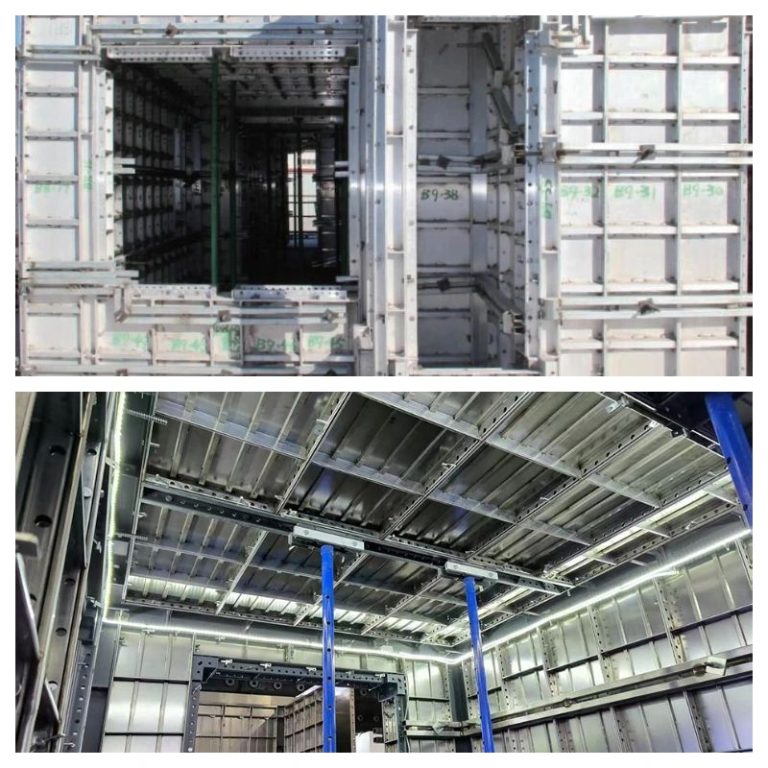
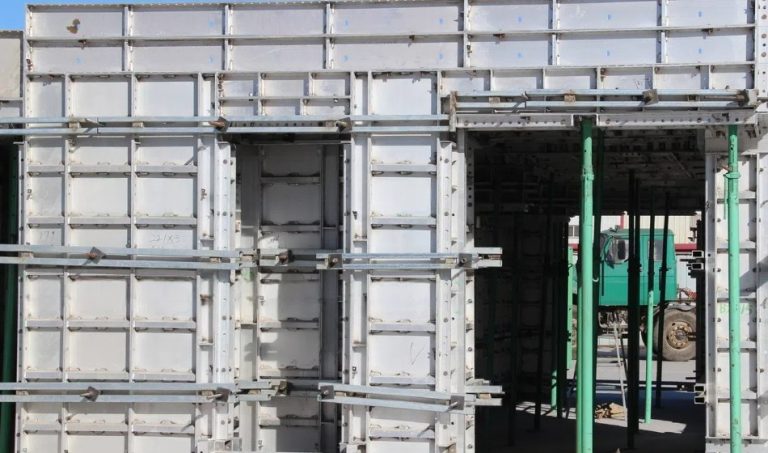
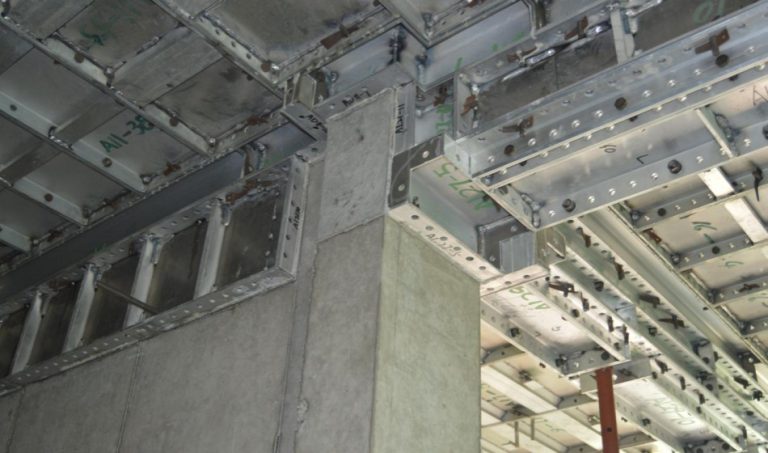
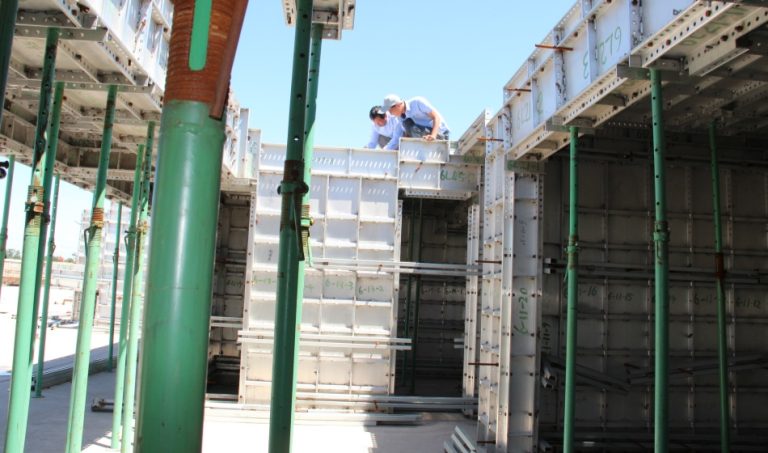
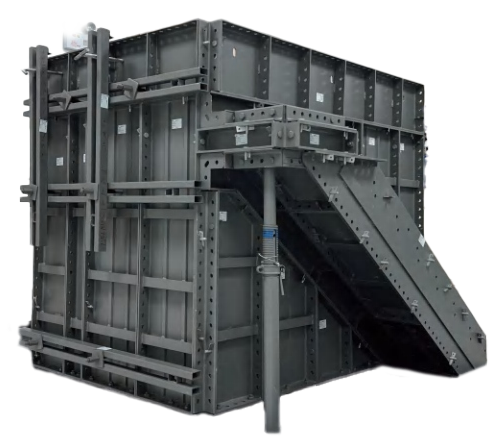
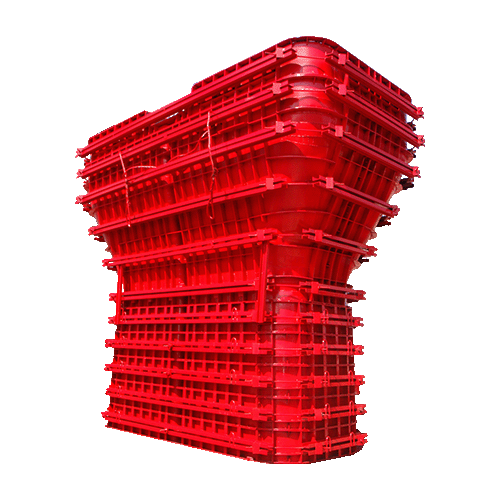
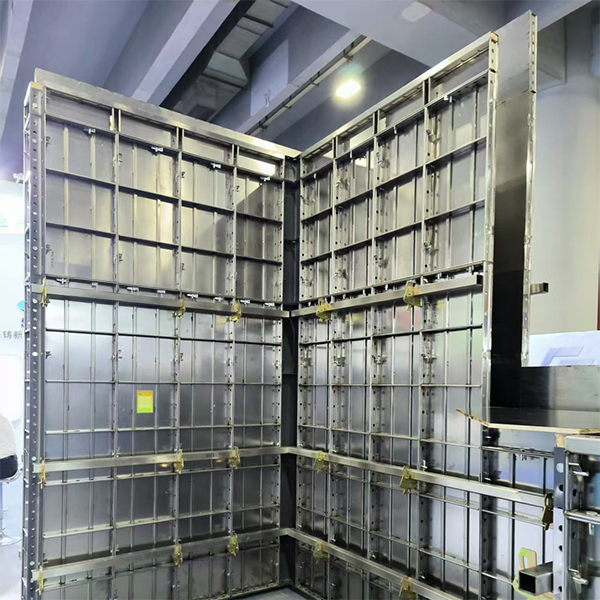
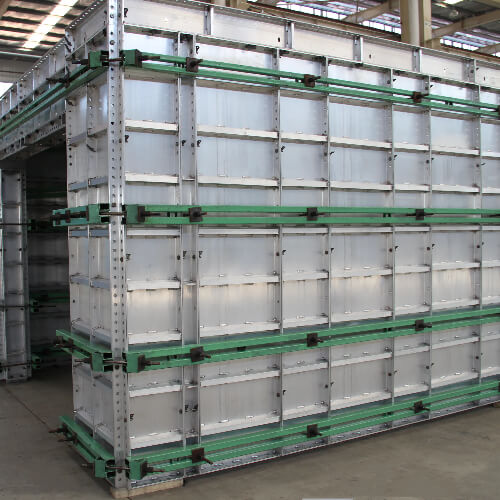
We also offer aluminum formwork systems designed to integrate seamlessly with our scaffolds. These are especially effective for high-rise applications when used alongside our aluminum beams.
Key Features of GOWE’s Modular Aluminum Scaffolding Systems
Fast-Lock Mechanism for Rapid Assembly
Our fast-lock mechanism lets teams assemble structures quickly without losing safety or accuracy. This is a key feature for projects on tight deadlines.
Anti-Corrosion Coating for Long-Term Durability
GOWE scaffolding elements include an anti-corrosion finish. This ensures long-lasting performance even in harsh environments like coastal areas or chemical plants.
Adjustable Platforms for Multi-Level Access
Our platforms are built for height flexibility. Multi-story access can be achieved without extra hardware. This is ideal for renovation or inspection work across various floors.
Compact Storage Design for Efficient Transport
All components are designed with compactness in mind. This facilitates easy storage and reduces transport costs between job sites.
Real-World Applications of GOWE Scaffolding Across Industries
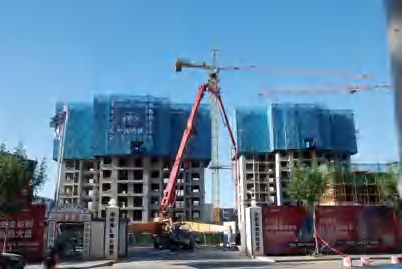
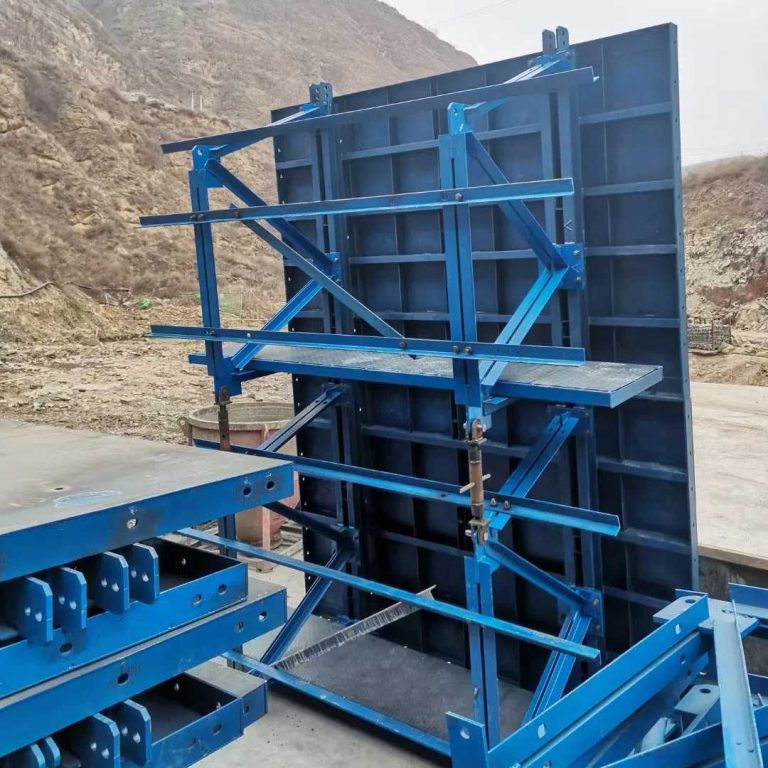
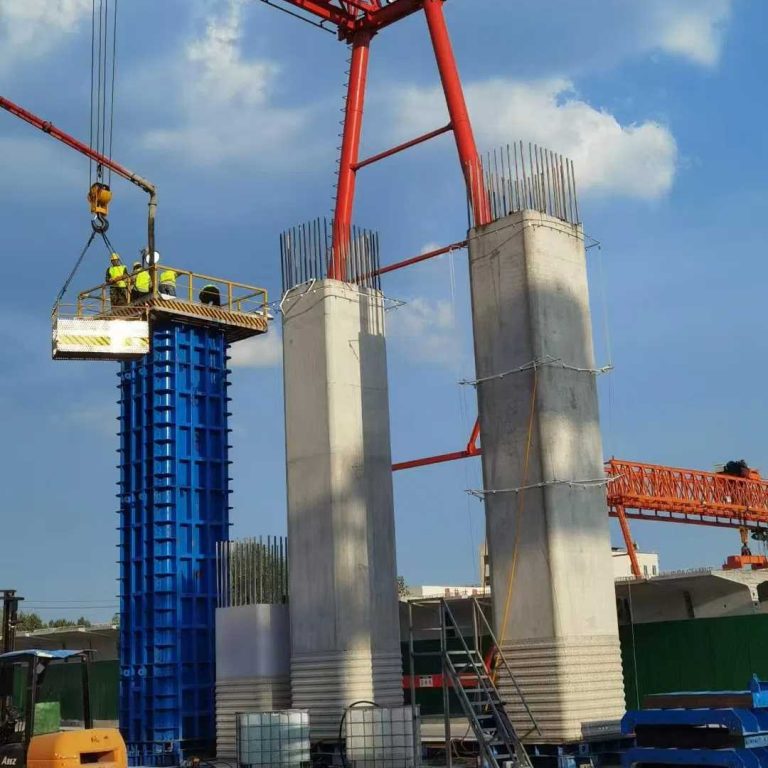
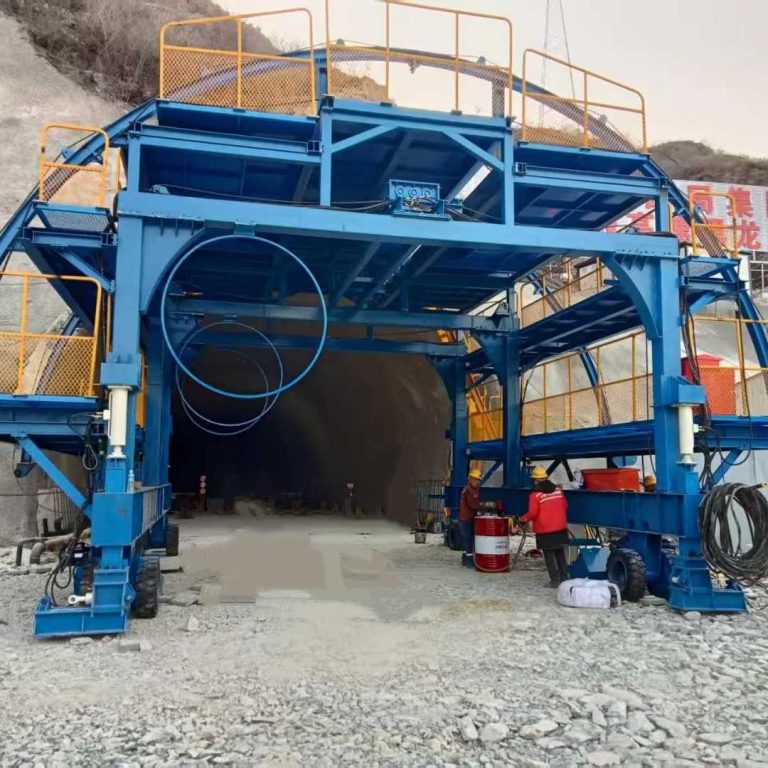
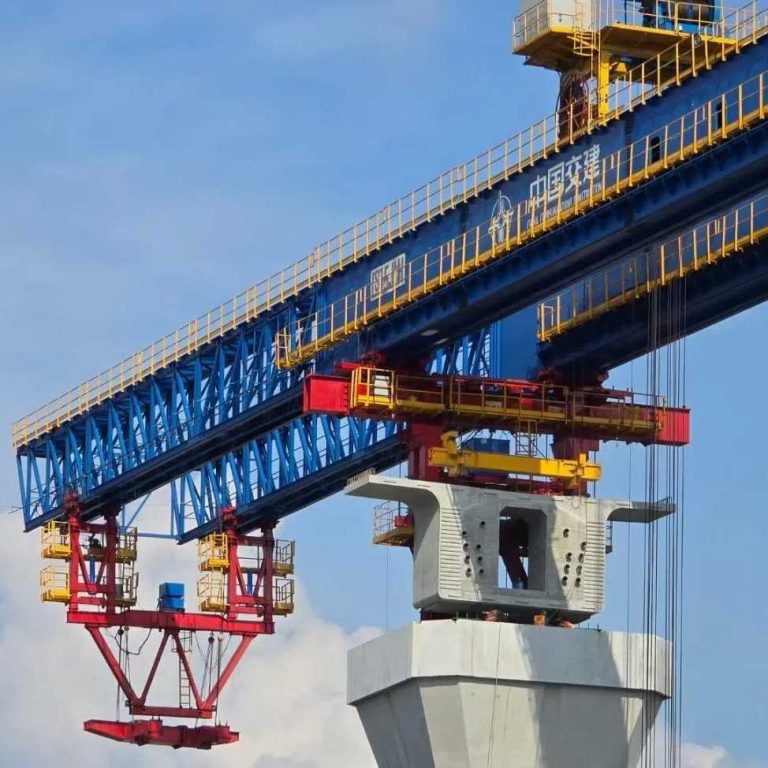
GOWE has provided scaffolding design solutions across many sectors. These include urban high-rises and infrastructure projects like bridges and tunnels. For example, our team supported a large commercial tower project. We used aluminum formwork with modular steel scaffolds. This streamlined vertical access and slab formation processes.
Another project involved retrofitting an industrial facility. Custom scaffold configurations were needed due to irregular equipment layouts. Our engineers provided digital models in advance. This saved weeks on scheduling and improved on-site safety compliance.
FAQ
Q: What factors should be considered when choosing a modern scaffolding design?
A: Look for systems with high load-bearing capacity, modular flexibility, fast assembly mechanisms like those offered by GOWE, and compatibility with advanced planning tools like BIM.
Q: How does smart technology improve scaffolding safety?
A: Smart technologies such as IoT sensors provide real-time feedback on structural integrity while digital twins simulate risks before deployment. This minimizes accidents on-site.
Q: Which type of scaffolding is best suited for high-rise construction?
A: Lightweight modular systems combining steel frameworks with aluminum beams or formwork are ideal due to their strength-to-weight ratio and assembly speed.
Q: How do modular scaffolds compare with traditional tube-and-clamp designs?
A: Modular scaffolds offer quicker setup times, fewer parts, greater configurability, and improved safety. This makes them superior for most modern applications.
Q: What are some top companies providing innovative scaffolding solutions?
A: GOWE is recognized for providing site-specific engineering solutions with high-quality materials like Q235 steel couplers and advanced modular configurations tailored to complex projects.