


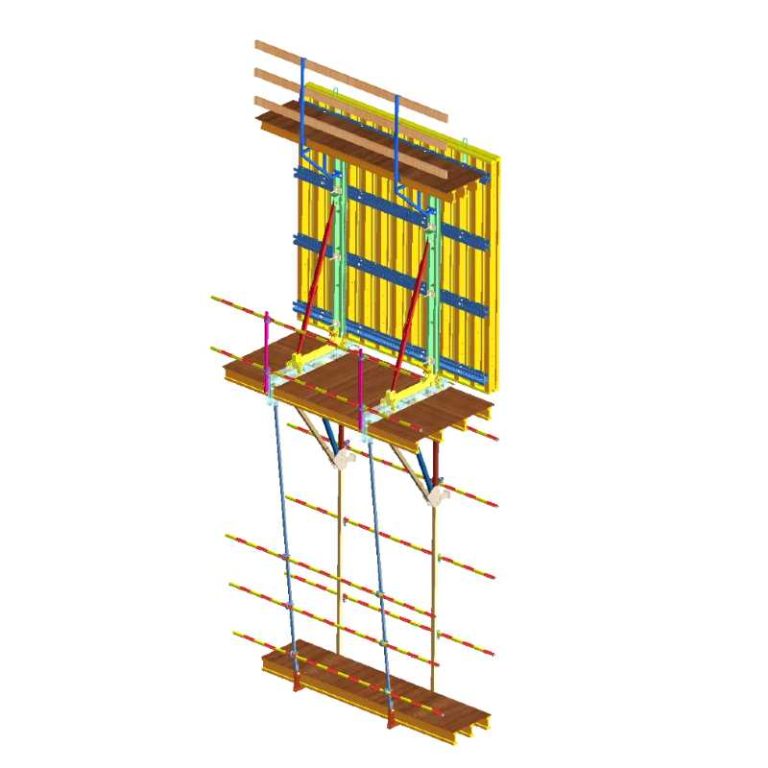
What Are the Key Material Differences Between Steel Formwork Frames and Aluminum Formwork Frames?
Steel Formwork Frame vs. Aluminum: Composition and Structural Properties
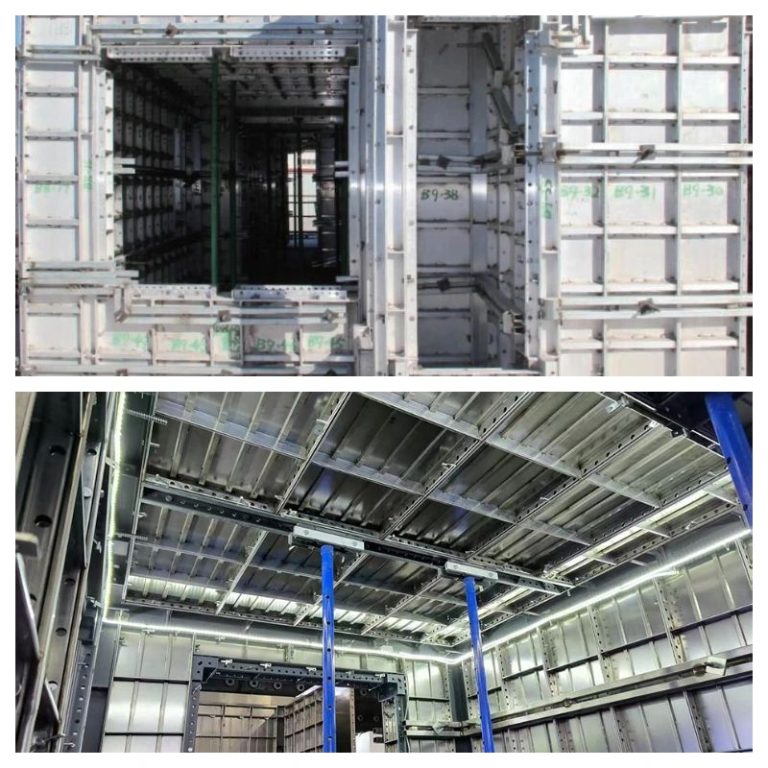
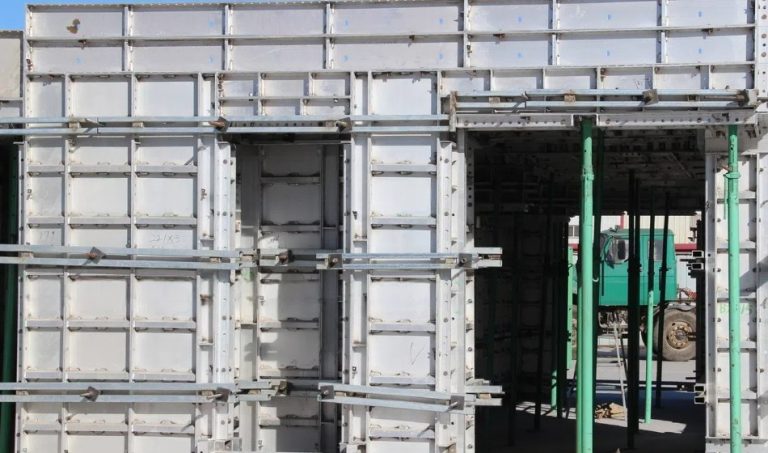
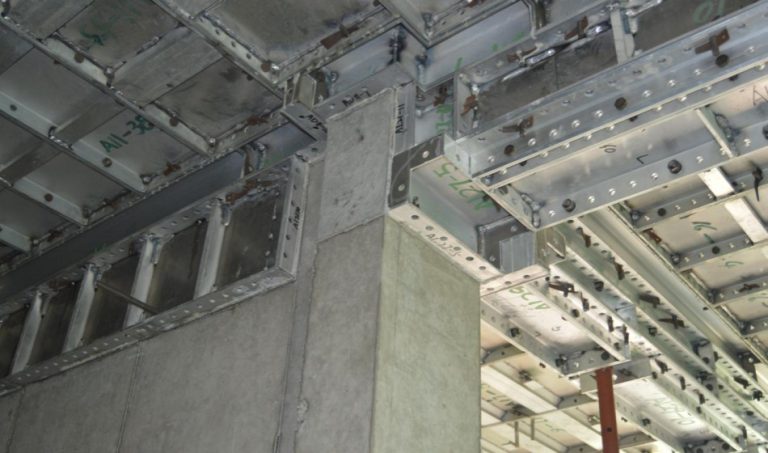
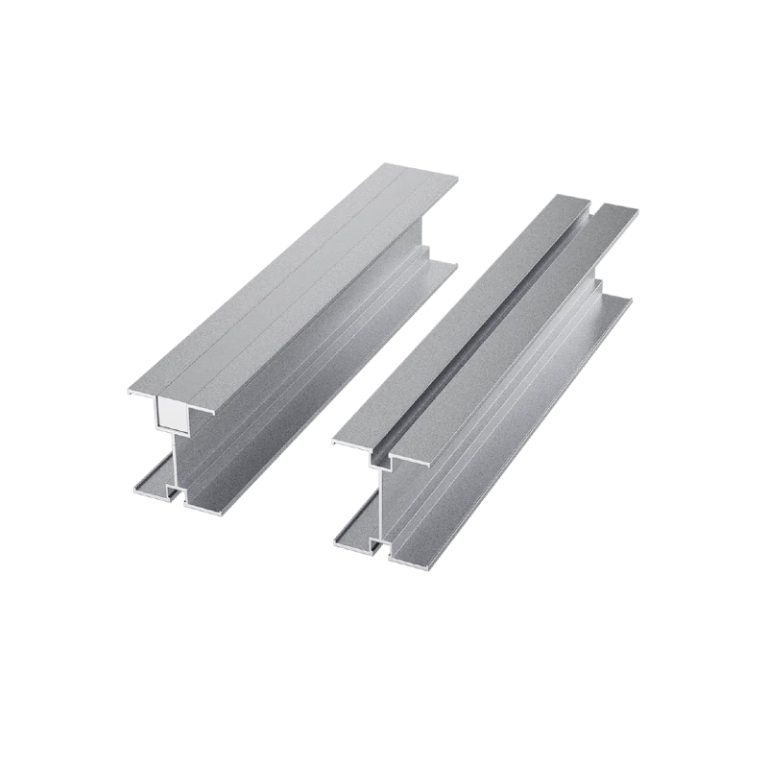
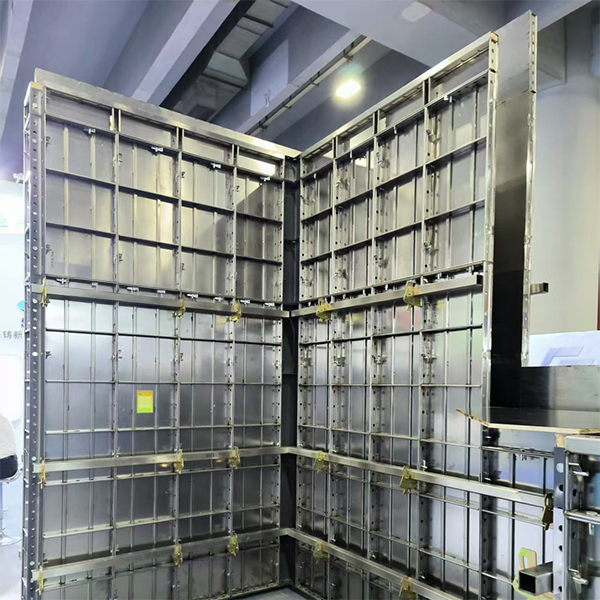
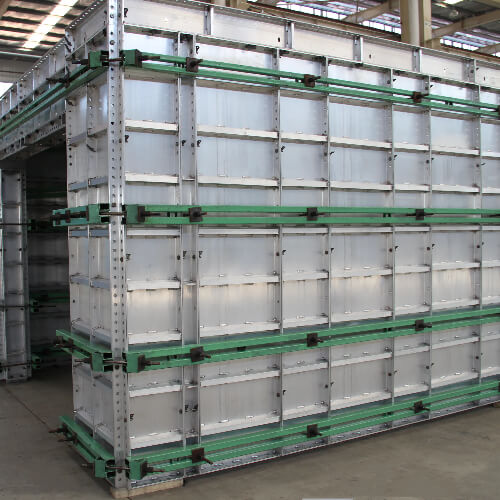
Steel Formwork Frames are crafted from rugged carbon or structural steel. They’re tough as nails, holding up under heavy loads without a wobble. Aluminum Formwork Frames, though, use aluminum alloy profiles, shaped with snazzy machining and welding. The aluminum formwork system is a fresh spin on templates, following timber and steel, using aluminum alloy as the main ingredient for concrete jobs. Aluminum’s not as brawny as steel but fits the bill for most home and business builds.
Comparing Weight and Density: How Material Affects Handling and Performance
Weight makes a huge difference. Aluminum is a feather compared to steel, so it’s a cinch to haul around on-site. Workers move it with less sweat and strain. Steel’s got more muscle per chunk, but it’s a beast to shift due to its hefty build. This changes how fast you can kick things off at work.
Durability Factors: Corrosion Resistance, Weather Impact, and Longevity
Steel can rust if you skip coatings like galvanization. Water can wear it down over time. Aluminum grows its own shield, shrugging off rust in wet or wild weather. The Aluminium Formwork System is a high-efficiency solution for RCC load-bearing and RCC-framed multi-story buildings. This trick makes aluminum last longer in rough spots than steel.
How Do Steel and Aluminum Formwork Frames Perform on the Construction Site?
Load-Bearing Capacity: Steel vs. Aluminum in High-Stress Conditions
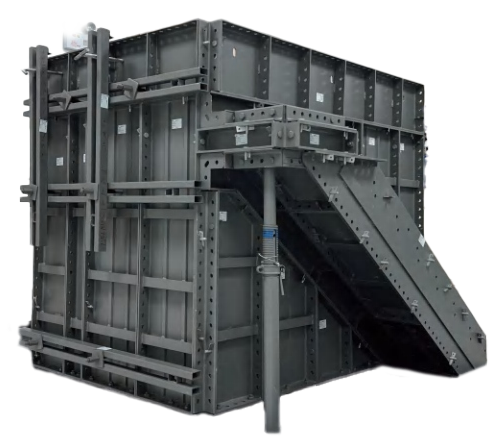
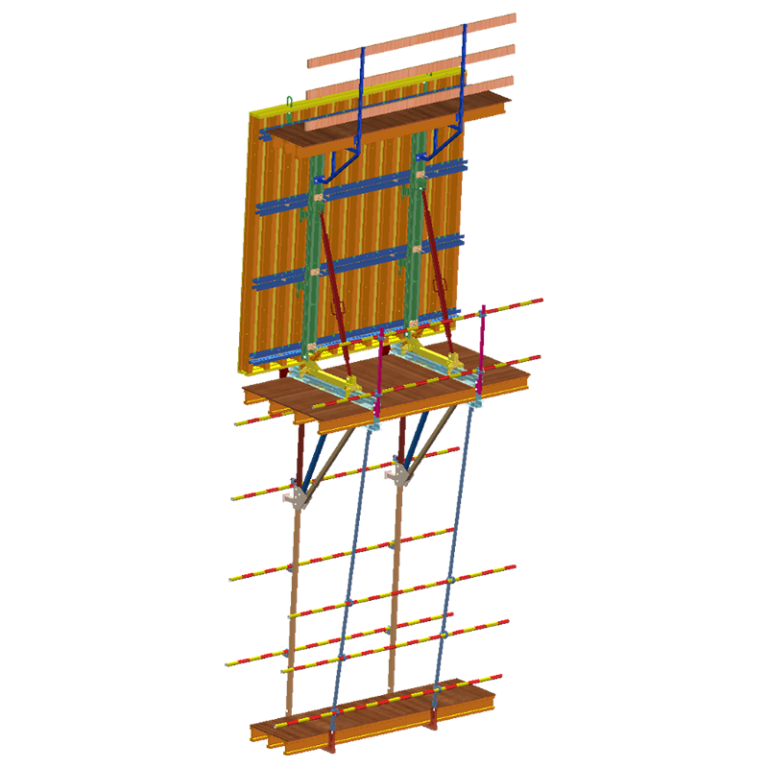
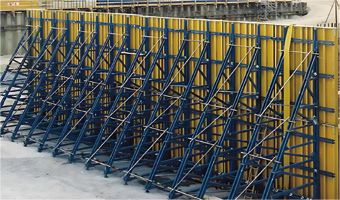
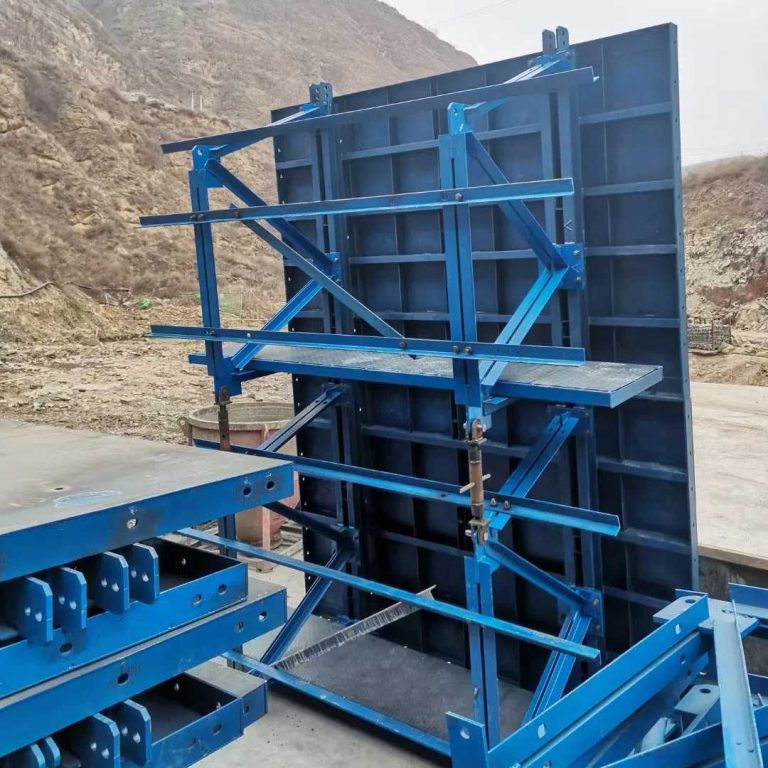
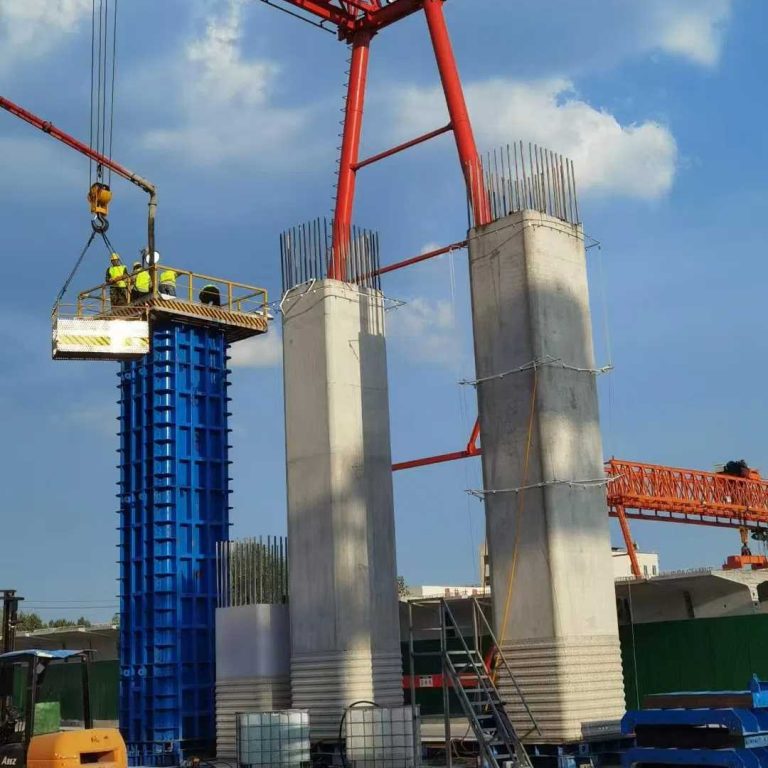
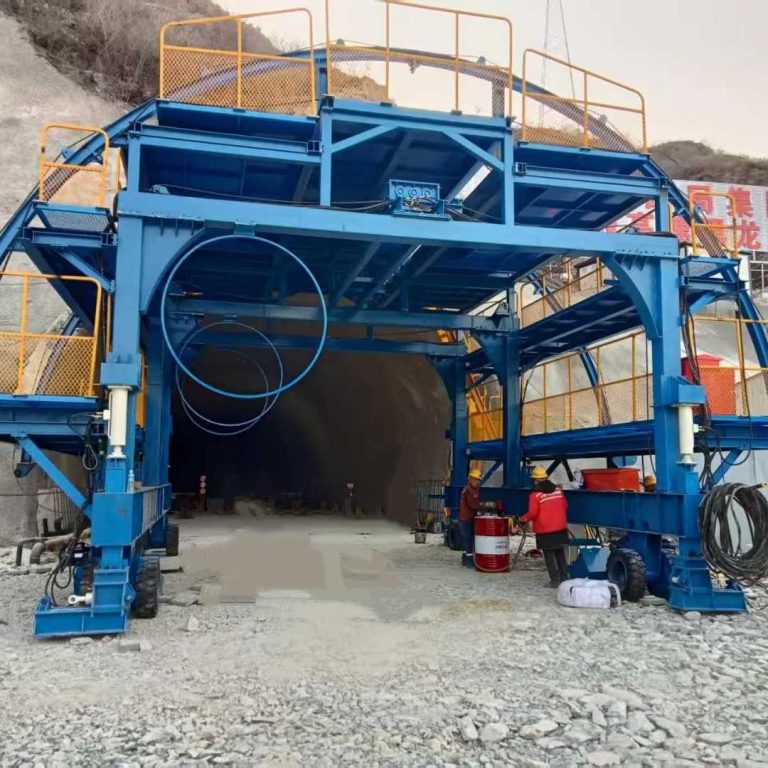
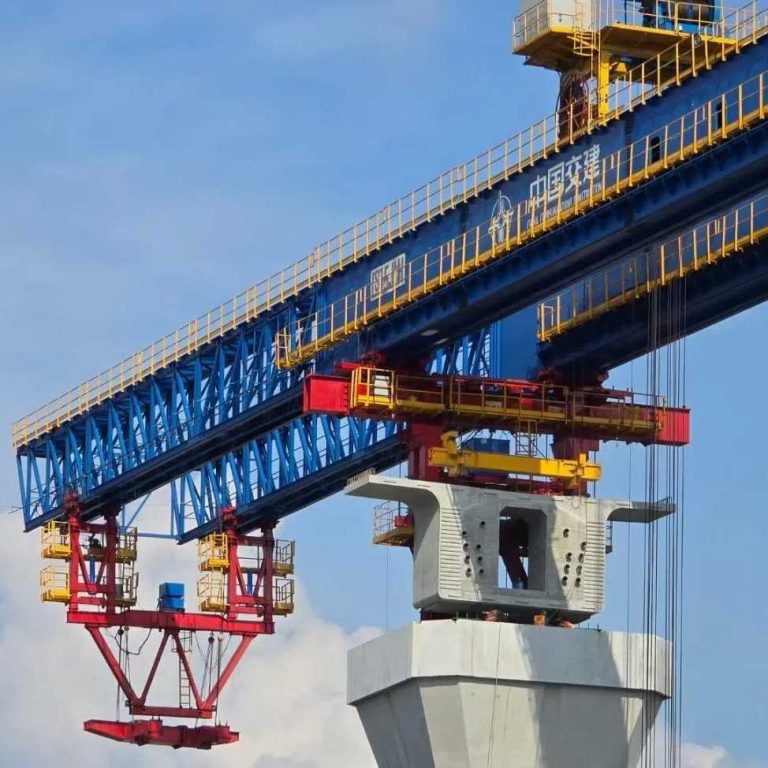
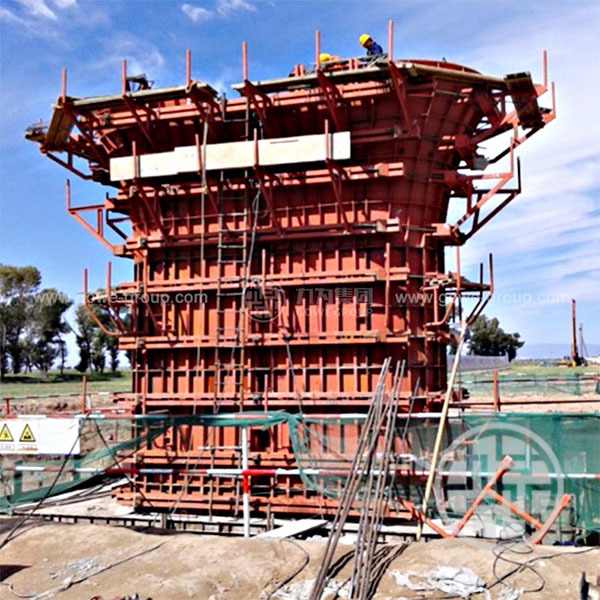
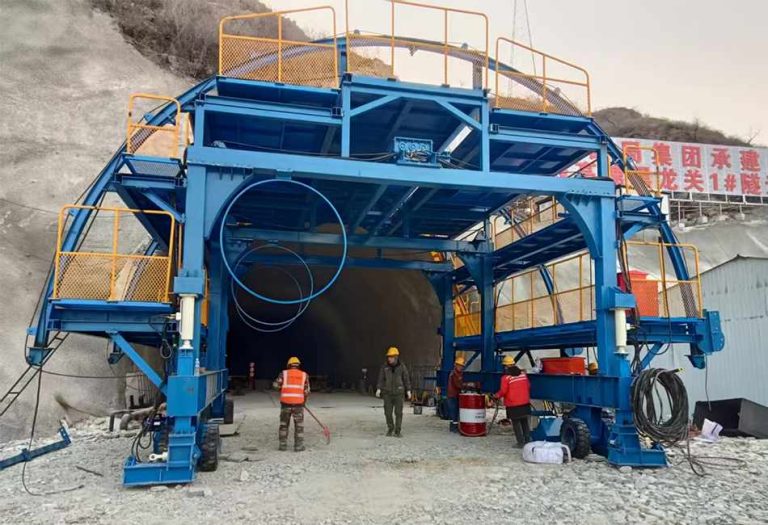
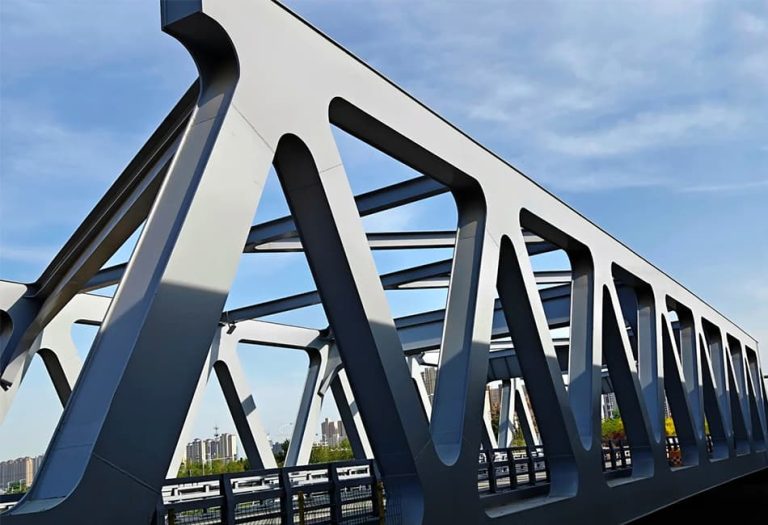
Steel Formwork Frames are champs for heavy jobs. Their killer strength-to-weight ratio makes them perfect for big builds like bridges or tunnels where loads are massive. The end mould is made of a steel rib and panel. Aluminum formworks do fine for standard concrete tasks in homes or mid-rise projects, but they’re not quite as tough.
Flexibility and Adaptability to Complex Designs
Aluminum formworks bend over backwards to fit tricky designs, thanks to their precise machining. Thanks to the precise tolerances of the machined aluminum components, consistent shape and surface quality are maintained from floor to floor. They handle fancy shapes with ease, keeping things steady. Steel can be shaped, too, but it’s a slower slog to get it just right.
Speed of Assembly and Disassembly: Which Saves More Time?
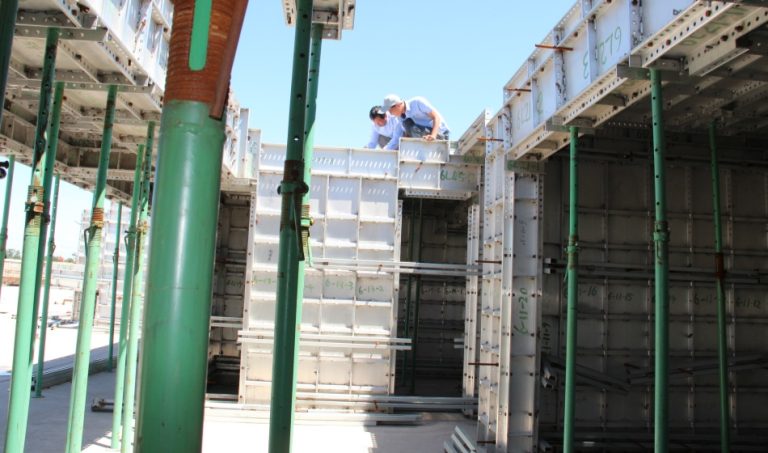
Aluminum formwork systems are lightning-fast to set up, thanks to their light weight and modular vibe. It enables walls and slabs to be cast in a single operation, significantly boosting construction speed while delivering a strong, monolithic structure with a superior concrete finish. Steel systems, being bulkier, often need cranes or extra hands, which slows the pace. For tight schedules, aluminum’s the clear winner.
What Are the Cost Considerations When Choosing Between Steel and Aluminum Formwork Frames?
Initial Investment vs. Long-Term Value
Steel formwork is easier on the wallet upfront since raw steel costs less. But aluminum saves bucks over time. Its reusability and low upkeep make it a savvy choice for the long haul.

Maintenance Requirements and Associated Costs
Steel needs regular peeks for rust or dents, plus repainting or galvanizing here and there. Aluminum’s rust-proof nature skips these hassles, saving you time and cash.
Reusability Rate: How Many Times Can Each Frame Be Used?
Aluminum systems can be reused 250-300 times if you treat them right. This accuracy allows for the seamless integration of prefabricated plumbing and electrical fittings, ensuring a perfect fit during assembly. Steel frames hold up for many uses, too, but they wear out quickly without proper care.
How Do Steel and Aluminum Formwork Frames Impact Worker Safety and Site Logistics?
Handling Equipment Needs for Each Material Type
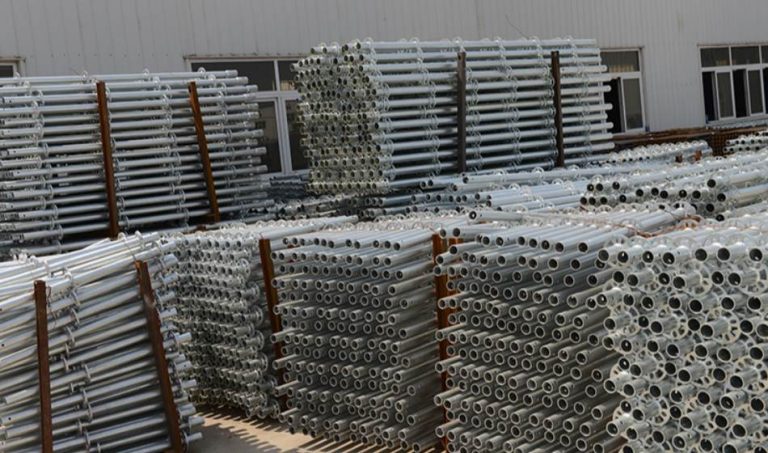
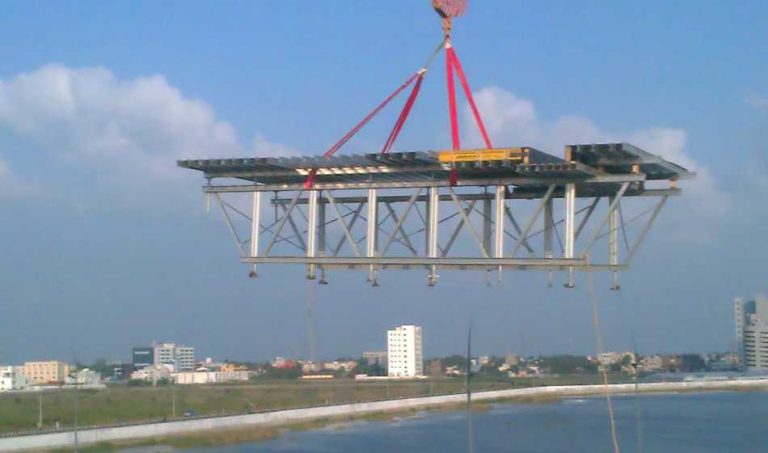
Steel’s weight calls for cranes or hoists, adding some site hassle. Aluminum’s lightness means you can often skip heavy gear, making setup a snap, even in tight spots.
Ergonomics and Manual Labor Considerations
Aluminum formworks are a worker’s pal. They’re easy to lift, cutting down on aches and oopsies. This boosts safety by keeping tired mistakes or injuries at bay.
Storage, Transportation, and On-Site Space Optimization
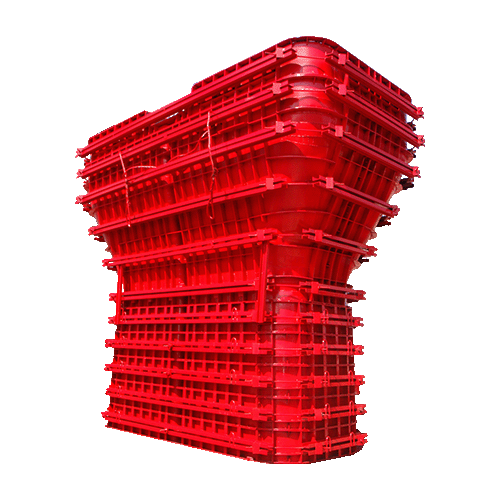
Aluminum stacks tightly and weighs less, making it a breeze to ship and store. This shines in cramped city sites. Steel’s chunkier frames hog more space, slowing things down.
Which Projects Benefit More from Steel or Aluminum Formwork Frames?
Best Use Cases for Steel Formwork Frames in Construction
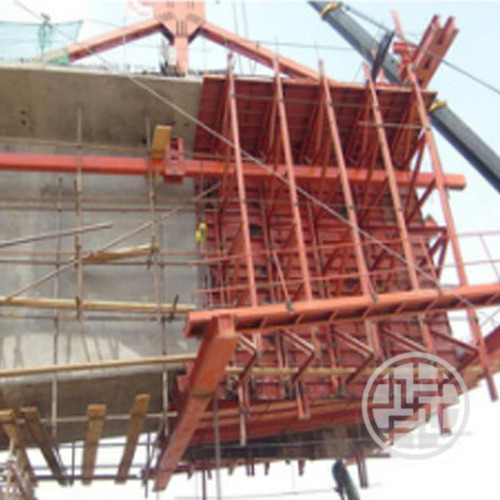
Steel formworks rule for mega projects like bridge piers or tunnel bits, where you need serious strength. The T-beam and I-beam formwork is composed of side mould and end mould. They tackle loads that lighter materials can’t handle.
Ideal Scenarios for Using Aluminum Formwork Frames
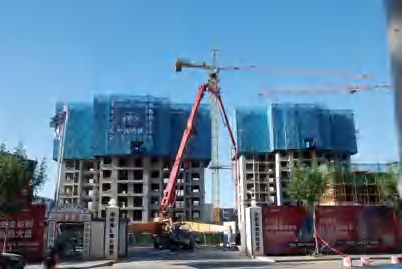
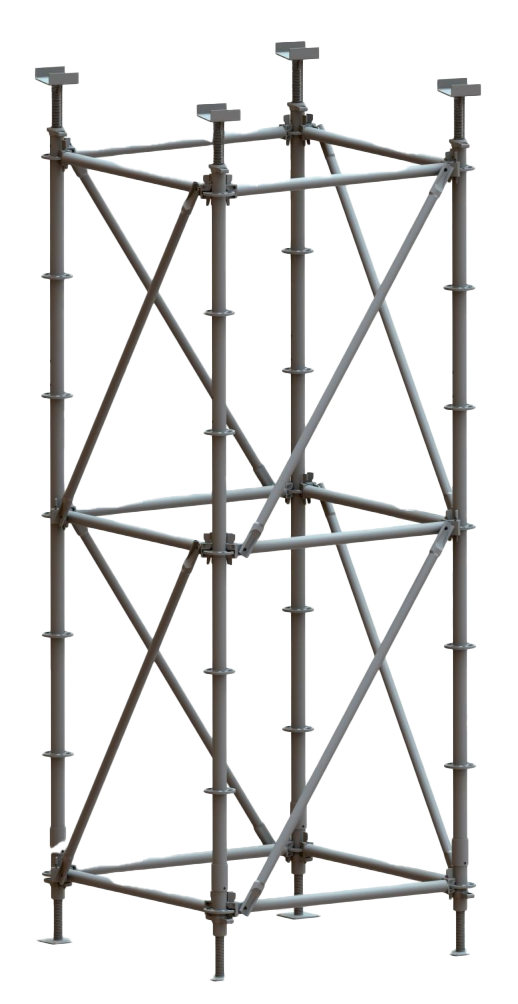
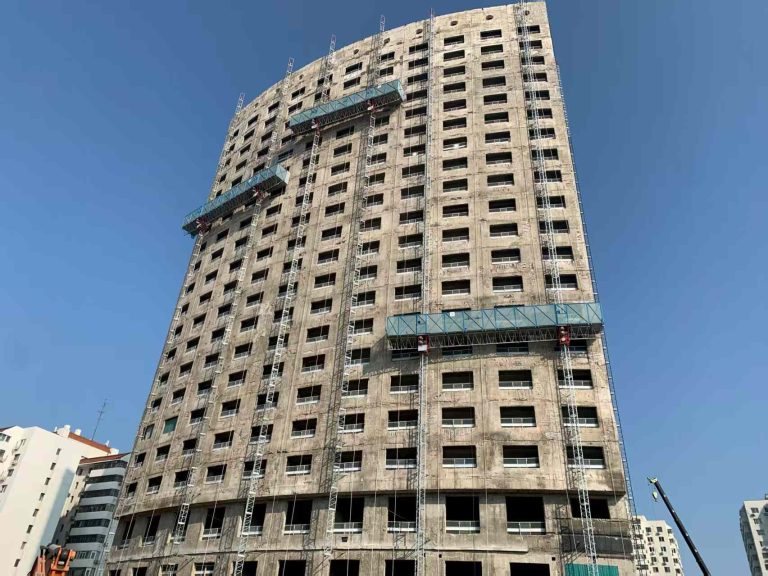
Aluminum rocks for mid- to high-rise homes or apartments. It enables walls and slabs to be cast in a single operation, making it highly efficient when used alongside scaffolding systems. Its speed is perfect for repeating floor cycles in tall buildings.
Project Size, Timeline, and Design Complexity as Decision Factors
For big projects with repeating layouts and crazy deadlines, like apartment towers, aluminum’s speed is a lifesaver. For smaller, custom jobs with heavy loads per section, steel’s brawn takes the cake.
Why Choose GOWE’s Formwork Frame Solutions?

Our Commitment to Quality in Every Steel Formwork Frame We Manufacture
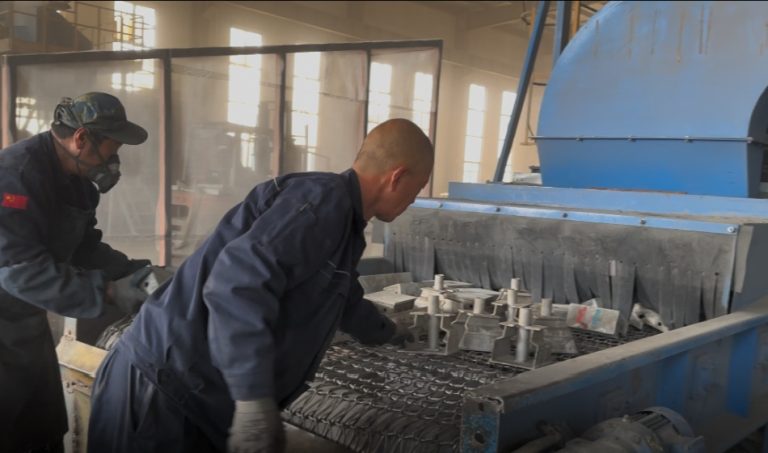
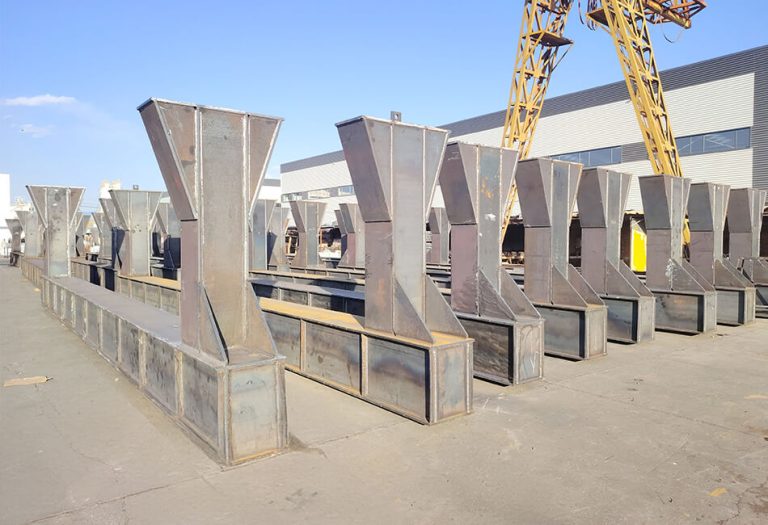
At GOWE, we build High-Strength Stainless Steel Formwork with top-notch materials, ready to stand tough on rough sites. Every piece passes strict quality checks for lasting strength.
Precision Engineering Behind GOWE’s Aluminum Formwork Frame Systems
GOWE’s Aluminum Formwork Frames are made with pinpoint precision. Thanks to the precise tolerances of the machined aluminum components, we guarantee spot-on fit across floors, key to slipping in plumbing or electrical fittings without a hiccup.
Customization Options Available to Match Unique Project Requirements
GOWE crafts custom solutions for your project’s quirks, whether it’s a skyscraper or a one-of-a-kind commercial build. We nail every detail to match your vision.
Technical Support, Delivery Timelines, and After-Sales Service
Our crew’s with you every step, from design chats to on-site training. We deliver fast to keep your project humming. GOWE ensures you get maximum value from our formwork frame solutions.
FAQ
Q: What is the main difference between Steel Formwork Frame and Aluminum?
A: Steel’s stronger but heavier; Aluminum’s lighter and easier to move around on-site.
Q: Which type of formwork frame lasts longer?
A: Both last well with care, but Aluminum fights rust better, stretching its life in tough weather.
Q: Are Aluminum formworks suitable for high-rise construction?
A: Yup! Their lightweight and quick setup make them awesome for tall buildings with scaffolding.
Q: How many times can I reuse an Aluminum formwork frame?
A: With careful handling, over 200 times, keeping performance rock-solid.
Q: Which option provides faster construction speed?
A: Aluminum’s modular vibe speeds up setup, casting walls and slabs in one go.