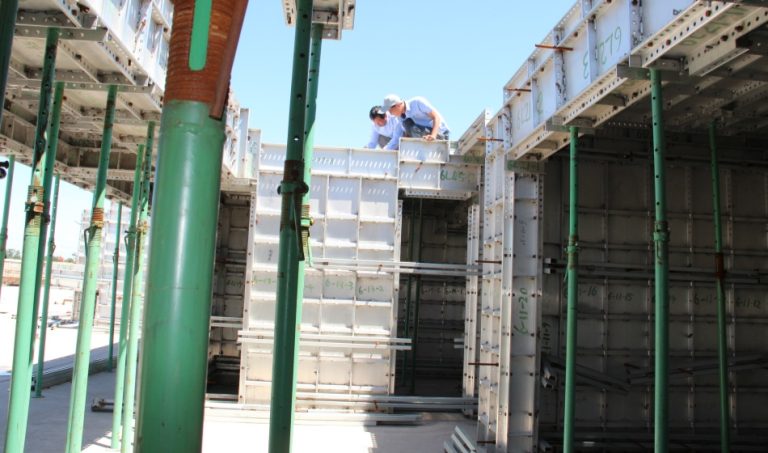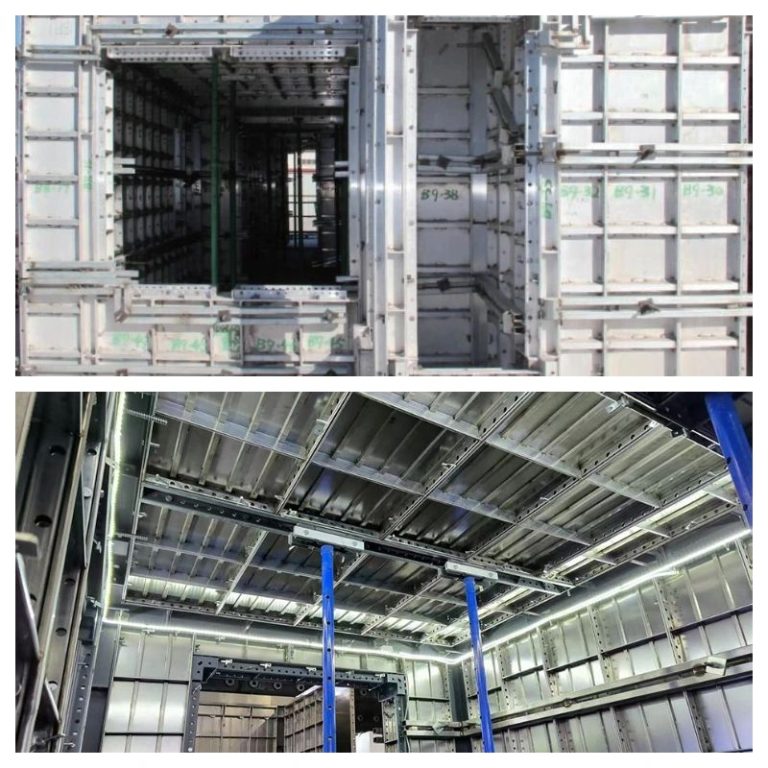

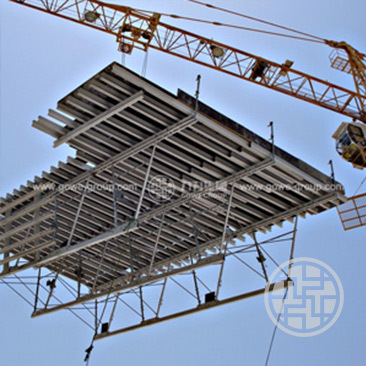

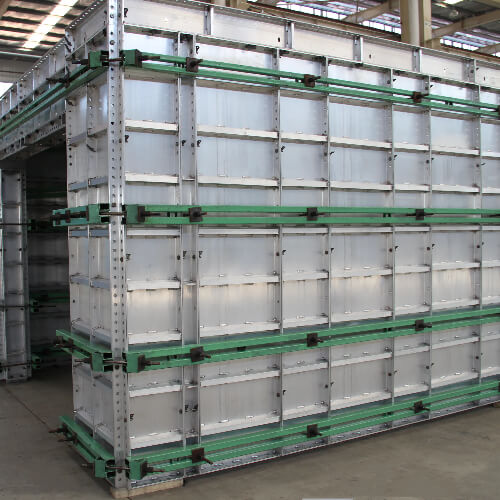
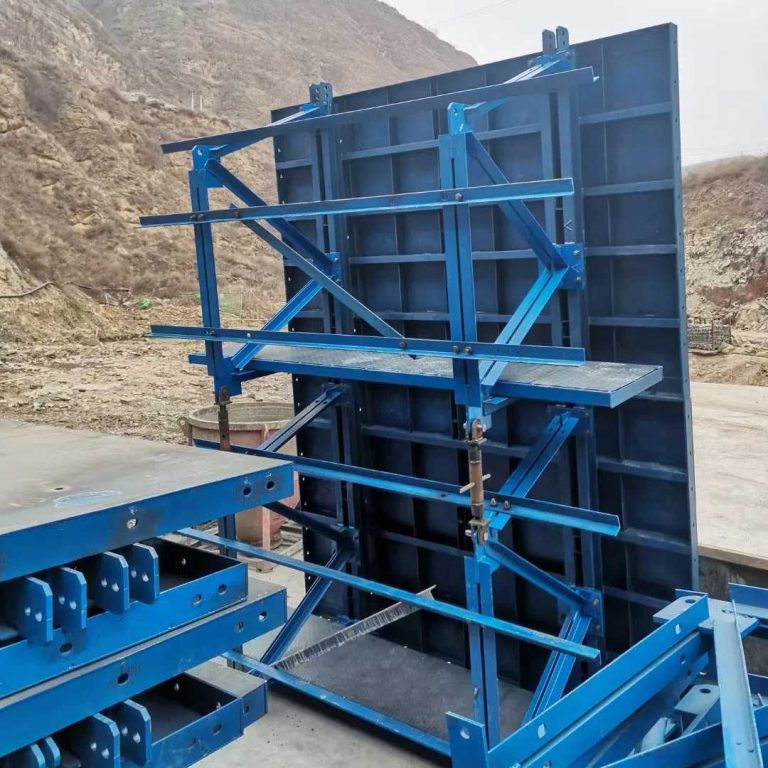
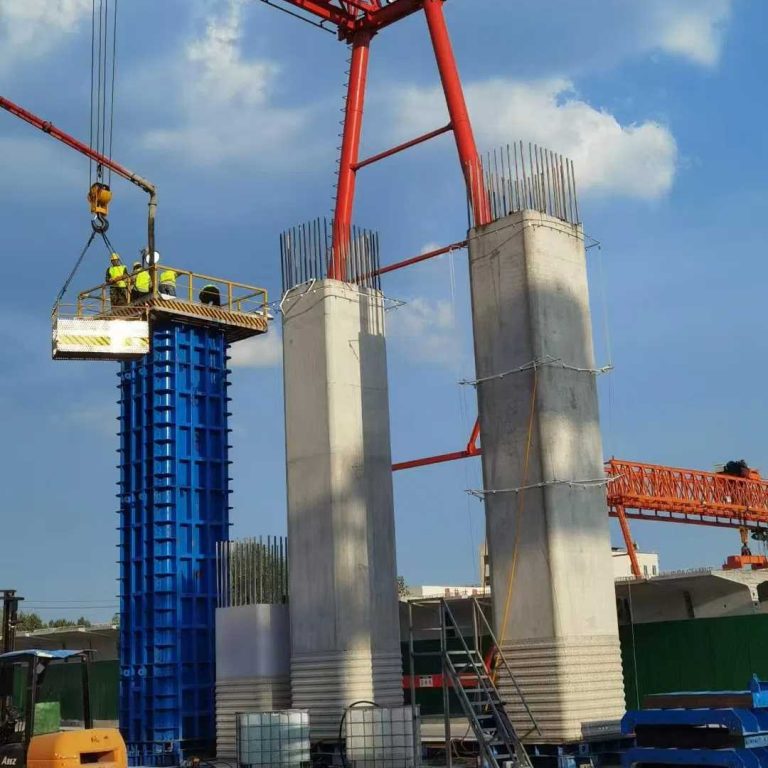





Gazing upon a modern skyscraper, enveloped in a lattice of steel and aluminum, one may overlook the scaffolding. We view it as a temporary, functional necessity—the silent skeleton that enables construction. But this technology is not a modern invention. It is the result of millennia of innovation, a story of human ingenuity reaching for the skies.
The history of scaffolding is a mirror to the history of construction itself. It’s a tale of evolving materials, groundbreaking safety standards, and the never-ending goal of building bigger, higher, and more complex structures. Let’s explore the fascinating evolution of scaffolding, from its ancient origins to the high-tech systems of today.
The Ancient World: Foundations Laid in Stone and Wood
The origins of scaffolding technology are far more ancient than we might imagine. Archaeological discoveries suggest that humans employed rudimentary support systems for working at heights tens of thousands of years ago.
At the Lascaux Cave in France, Palaeolithic artists created sockets in the cave walls to build support structures for painting the ceilings over 17,000 years ago. These remains provide the earliest physical evidence of humans using scaffolding technology.
As civilisations developed, scaffolding saw widespread use across primary ancient cultures. An early 5th-century BC Ancient Greek “Berlin Foundry Cup” clearly depicts craftsmen using wooden scaffolding in a vivid scene. Historical records indicate that the Egyptians, Nubians, and ancient Chinese all employed similar scaffolding structures to construct their monumental buildings.
During this period, scaffolding was made entirely of wood and secured with rope knots. This simple yet effective wooden frame technology became a crucial support for humanity’s earliest architectural marvels.
The Middle Ages: Reaching for the Heavens
During the Middle Ages, scaffolding was essential for constructing the grand Gothic cathedrals that dotted the European landscape. These projects were so complex and long-term that they required a new level of organization.
- Cathedral Construction: Building a cathedral like Notre Dame in Paris or the Cathedral of Lausanne in Switzerland could take over a century. Scaffolding was made from vast quantities of lashed timber, forming intricate webs that allowed stonemasons and sculptors to work at dizzying heights.
- The Birth of a Profession: During the Middle Ages, the development of scaffolding entered a new phase with the emergence of specialized practitioners. Historical records show that monks played a crucial role in advancing scaffolding techniques, with some religious orders maintaining teams of specially trained “scaffolder monks” who preserved and transmitted this specialized knowledge through centuries. These religious craftsmen employed sophisticated wooden scaffolding systems composed of precisely squared timbers skillfully connected by rope lashings and reinforced with cross-bracing. The complexity of cathedral construction during this period also saw the regular implementation of loading cranes that worked in coordination with these scaffolding structures. This systematic approach to elevated work platforms represented a significant advancement in construction technology and established foundational principles that would influence scaffolding development for centuries to come.
The Industrial Revolution: The Steel-Tipped Turning Point
The 18th and 19th centuries witnessed a revolution that transformed every industry, and scaffolding was no exception. The introduction of steel was the single most important innovation since the first wooden beam.
- The Strength of Steel: Steel offered an unparalleled strength-to-weight ratio and durability compared to wood. It was less prone to rot, fire, and sudden failure, dramatically improving worker safety and the integrity of the structures themselves.
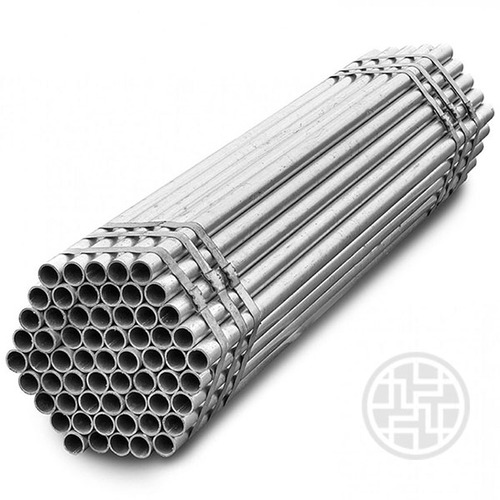
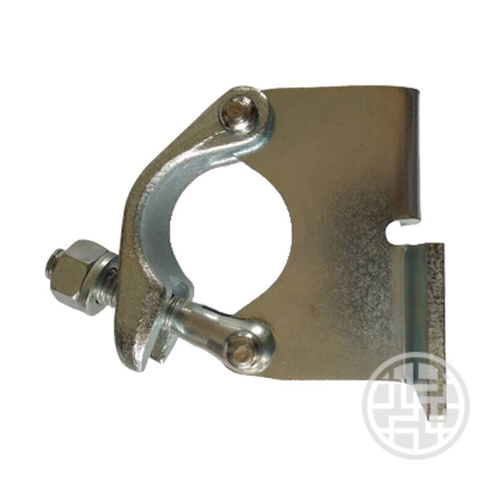
- The Tubular Breakthrough: While steel scaffolds initially used flanged beams, the game-changer was the development of tubular steel scaffolding. This innovation is widely credited to Daniel Palmer Jones and David Henry Jones in the early 20th century. The tubular design was stronger and more versatile, leading to the development of the “tube and coupler” (or “tube and clamp”) system, which remains in use worldwide today.

The 20th Century and Beyond: Standardization, Safety, and Systems
The post-industrial era focused on making scaffolding faster, more efficient, and, most importantly, safer. This led to the two pillars of modern scaffolding: prefabrication and regulation.
- The Rise of Modular Systems: The labour-intensive process of tube-and-coupler scaffolding led to the invention of modular system scaffolding. These are pre-engineered systems with standardised connections that bolt together quickly and have less room for error. Key systems that emerged include:
- Cuplock: A system where horizontal members are secured into a cup-shaped fitting with a single hammer blow.
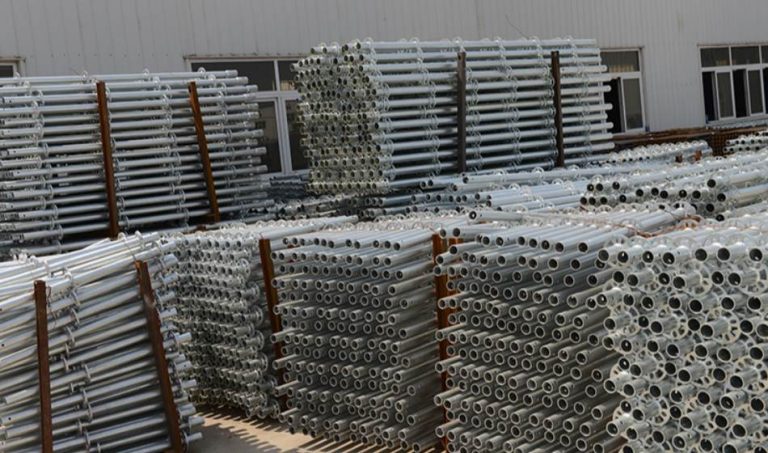
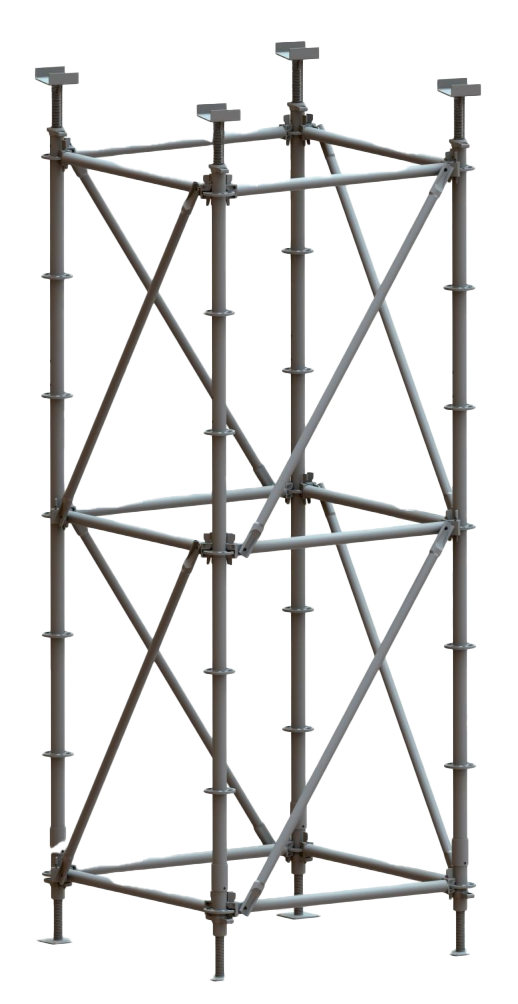
- Ringlock: A highly robust system where ledgers are secured into ring-shaped nodes, ideal for heavy loads and complex structures.
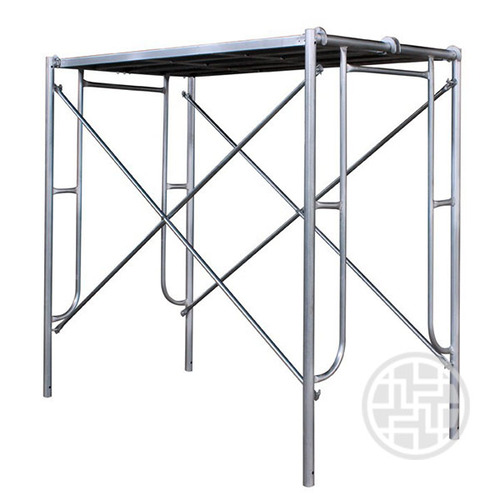
- Frame Scaffolding: The familiar “EZ-Up” style used for straightforward, rectangular structures.
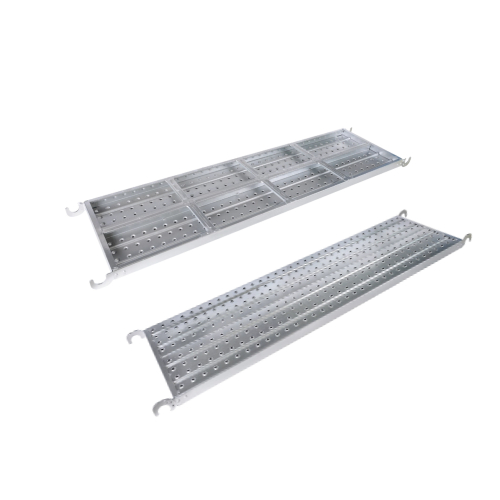
- The Safety Revolution: As scaffolding became more complex, so did the risks. The tragic high-rise construction of the 20th century prompted governments to take action. This led to the creation of comprehensive safety regulations, such as OSHA in the United States and the DIN 4420/4421 standards in Germany. These standards mandated guardrails, safe load capacities, secure planking, and regular inspections, saving countless lives.
- Global Variations and Materials: While steel and aluminium dominate in the West, bamboo scaffolding, lashed together with nylon straps, remains a common and highly skilled practice across Asia, particularly in Hong Kong, demonstrating the adaptability of scaffolding principles to local materials and needs.
The Modern Landscape: Efficiency and Precision
Today, scaffolding is a high-tech industry. Modern solutions include:
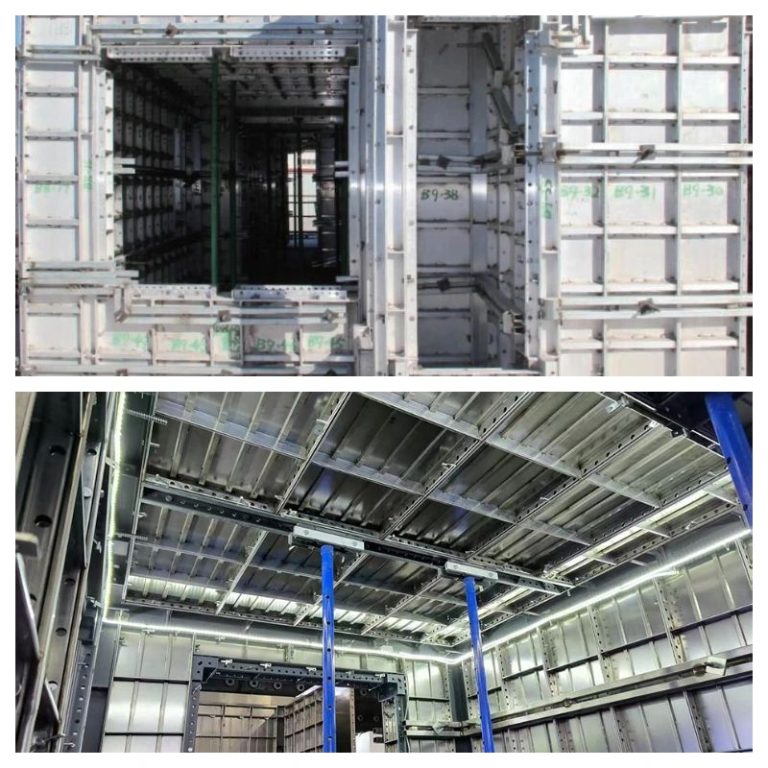
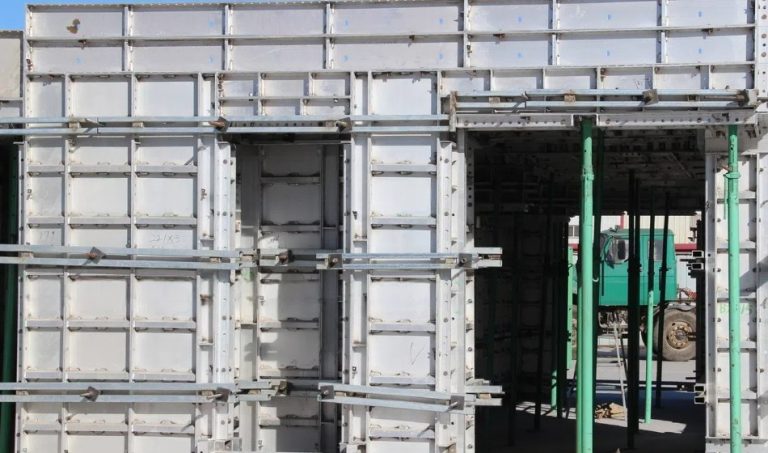
- Advanced Materials: Lightweight yet strong aluminium is now the standard for mobile towers, and high-strength steel alloys are used for significant construction projects.
- CAD and Digital Planning: Scaffold design is now done with Computer-Aided Design (CAD) software, which helps with accurate planning, load calculations, and working together with Building Information Modelling (BIM).
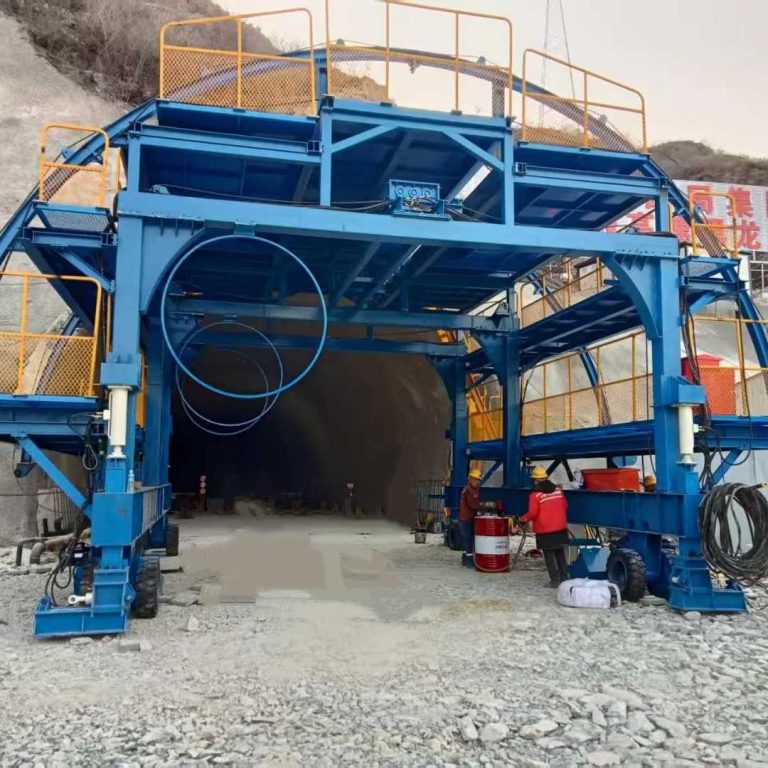
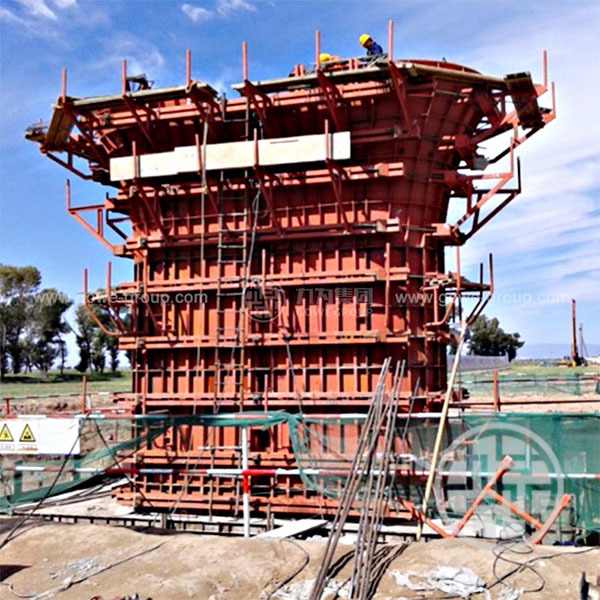
- A Versatile Toolkit: The modern definition of “scaffolding” has expanded to include suspended swing stages for facades, aerial lifts for quick access, and rolling towers for interior work.
Conclusion: A Legacy Supporting the Future
From the earth ramps of the pyramids to the algorithmic precision of a ringlock support tower, the history of scaffolding is a 5,000-year journey of human progress. It is a story of moving from natural materials to engineered alloys, from rule-of-thumb to codified safety, and from a temporary craft to a critical engineering discipline.
This legacy of innovation is the foundation upon which we build our future. And if you are looking for reliable, safe, and efficient scaffolding solutions that are born from this rich history, you know who to contact. At GOWE, we are proud to be part of this ongoing story, providing the advanced systems and expertise that help bring tomorrow’s structures to life.